What to Do in Sorrento
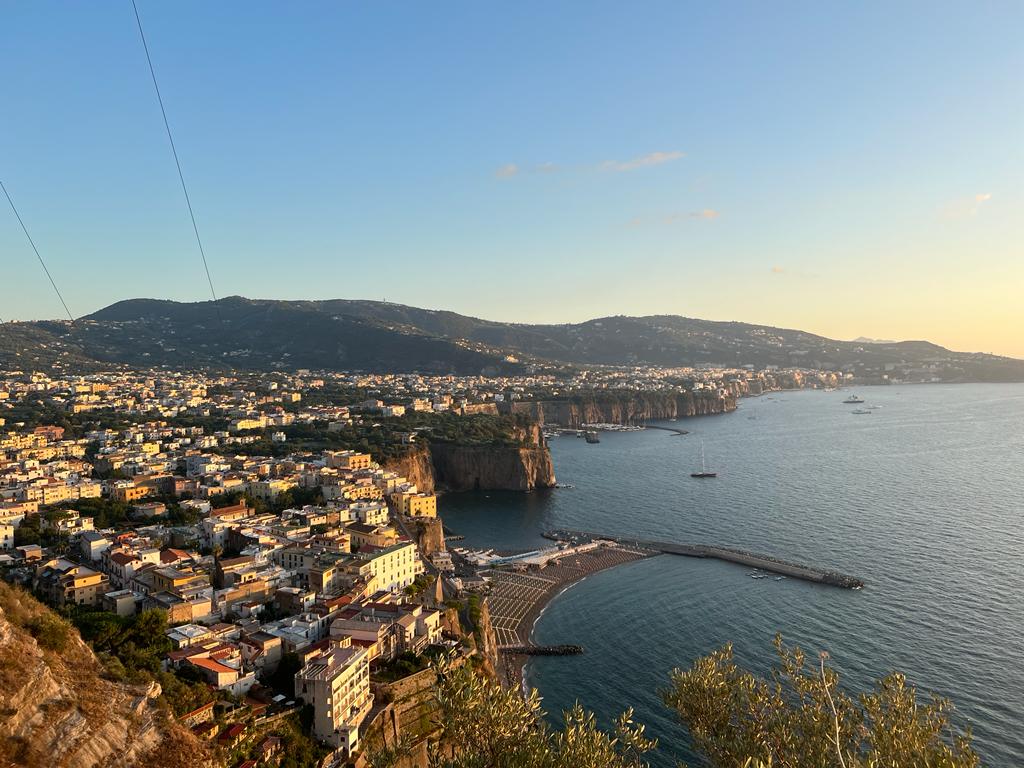
The main towns of the Amalfi Coast are: Sorrento, Positano, Praiano, Amalfi, Ravello, Minori, Maiori, Cetara, and finally Vietri sul Mare.
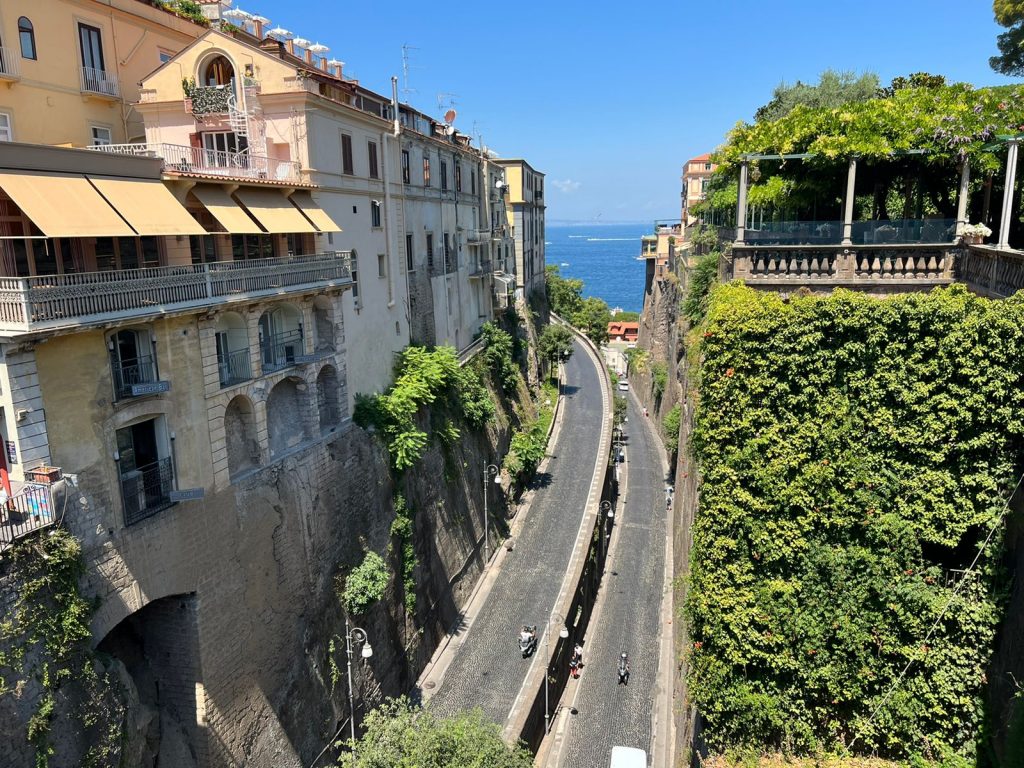
Sorrento sits close to Pompeii, perched on a clifftop right above the sea — as you arrive, get your camera ready, because the view is absolutely breathtaking.
It’s also from Marina Piccola, in Sorrento, that boats depart for the island of Capri, which, out of everywhere on the Coast, ended up being my personal favorite — I’d recommend spending a few days there, since there’s so much to explore.
According to Greek legend, sirens once lived in the waters off the town, luring sailors to the rocks with their enchanting song. Homer’s Ulysses only escaped by tying himself to the ship’s mast and ordering his rowers to plug their ears with wax as they sailed past Sorrento.
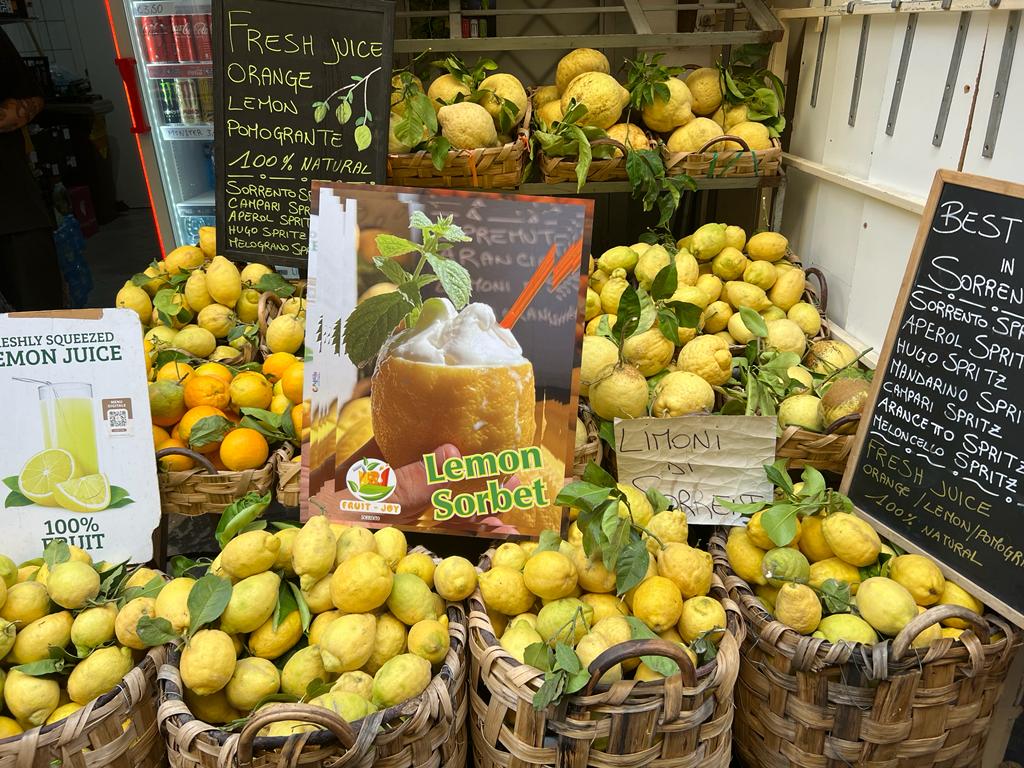
What really defines the town, though, are the lemon and orange trees everywhere you look — in the colors, scents, and flavors all around. You’ll find Sicilian lemons as gifts, cookies, ice cream, home fragrances, and limoncello absolutely everywhere.
Historic Center of Sorrento
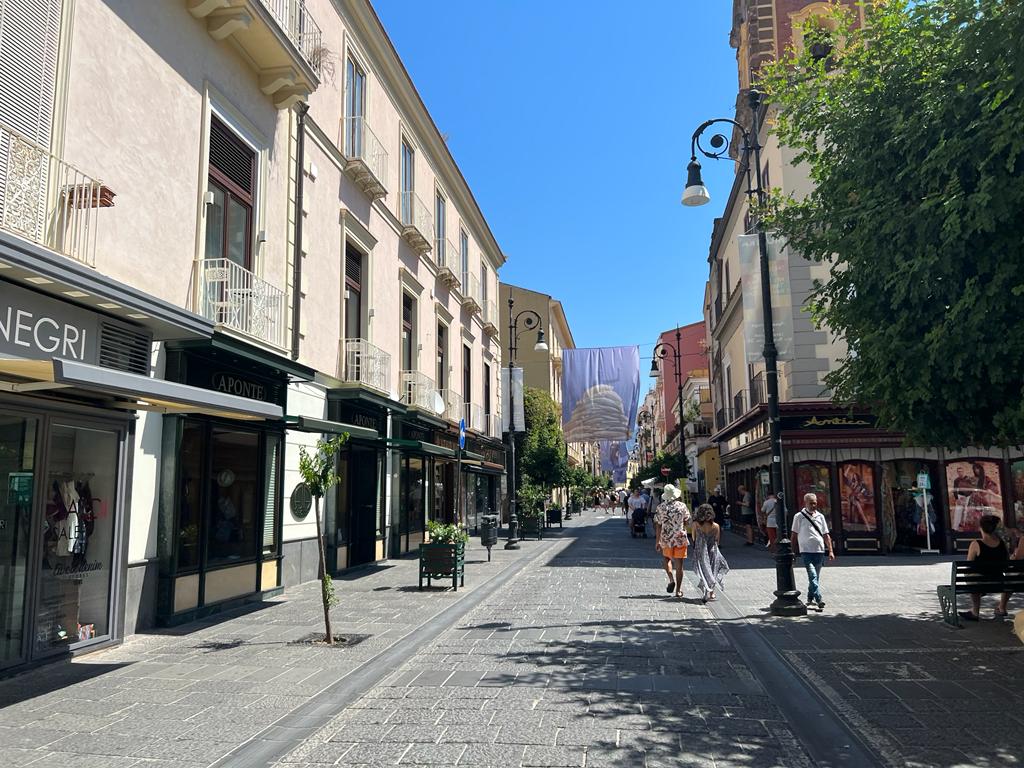
A small street full of charming alleyways, entirely pedestrian, and one of the best-organized town centers on the whole Coast — a great spot for gifts, souvenirs, and wine.
Along the main street, you’ll find the Cathedral and the baptistery where poet Torquato Tasso was baptized.
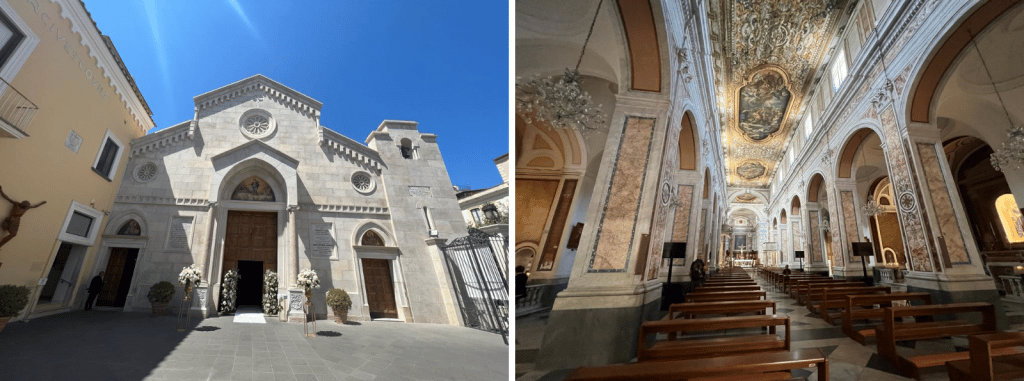
Sorrento Cathedral (Duomo)
The cathedral is dedicated to the Apostles Philip and James the Just, and has served as the seat of the Archbishop of Sorrento-Castellammare di Stabia since 1986, along with the Archbishop’s seminary.
The Cathedral features an impressive exterior fresco and a three-tiered bell tower, along with four classical columns and a majolica clock.
Hours: 8 AM–12:30 PM and 4:30–8:30 PM
Piazza Tasso
Piazza Tasso is named after Renaissance poet Torquato Tasso, whom locals take great pride in. This square is Sorrento’s main attraction.
Surrounding it, you’ll find bars, restaurants, cafés, and shops — a great spot for lunch, coffee, or just relaxing.
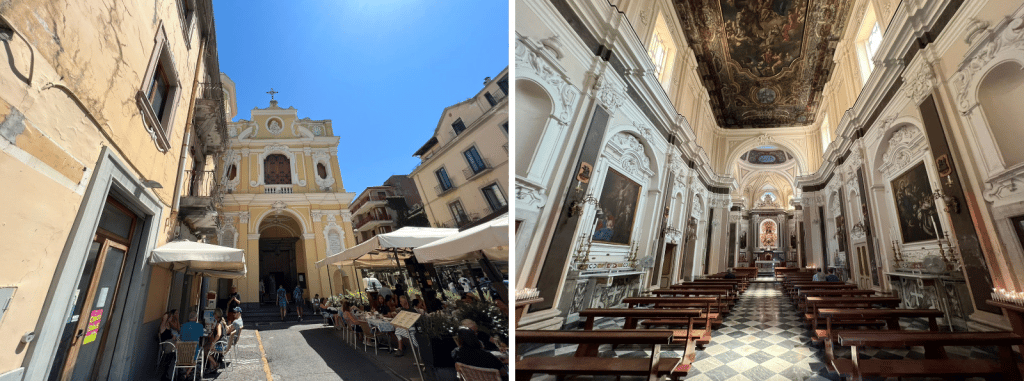
The square is also home to historic buildings like the church of Santa Maria del Carmine (Baroque style, built in the 16th century) and Palazzo Correale (built in the 14th century, with a Catalan Gothic façade), along with a sculpture of Torquato Tasso.
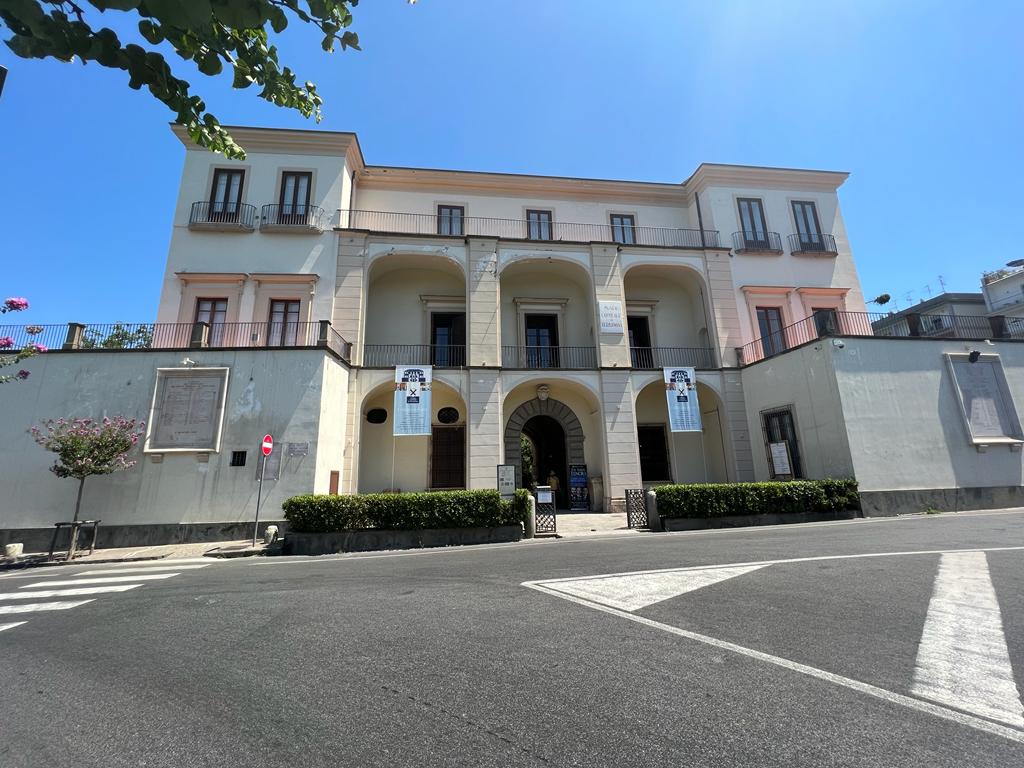
Palazzo Correale
Palazzo Correale is a historic 14th-century building. Its façade features small arched windows decorated with a variety of shapes and patterns — one of the most beautiful is Gothic in style. The arched portal follows a Neapolitan design, with Catalan-Durazzo ornamentation reflecting the architectural influences of the era in which the palace was built.
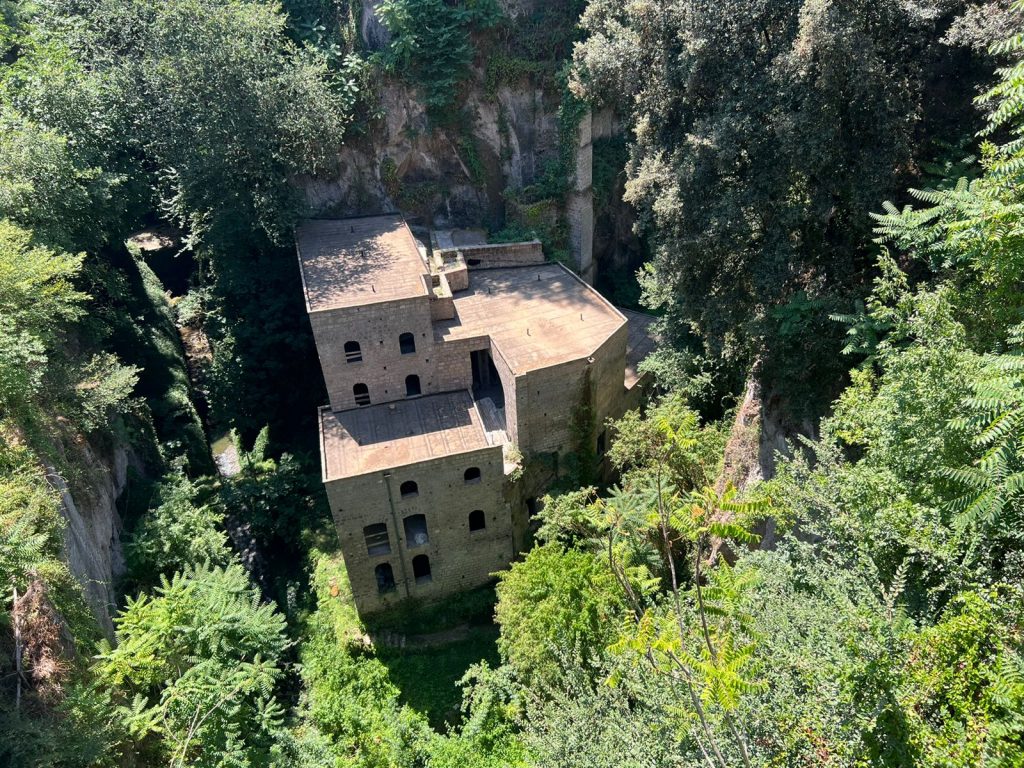
Il Vallone dei Mulini (Valley of the Mills)
Located just behind Piazza Tasso, Il Vallone dei Mulini is a set of centuries-old ruins covered in vegetation, built on a solid 10th-century stone structure once used to mill wheat for nearly a thousand years before being abandoned in the 19th century.
Sorrento’s coastline is riddled with valleys carved by water over thousands of years. The Casarlano-Cesarano and Sant’Antonino rivers, for example, were responsible for cutting the narrow gorges that run through the valley.
Look down into the narrow ravine and you’ll spot an old flour mill, the structure that gave the valley its name. Today, accessing the valley floor isn’t recommended, so just take in the view from above, along Via Fuorimura.
Chiesa di San Francesco and Chiostro di San Francesco
Founded in the 8th century, the Church of San Francesco has real history — founded by Saint Anthony himself, patron saint of Sorrento, originally as an oratory, later converted into a church with Baroque touches in 1926 by Franciscan friars.
Inside, several richly decorated chapels line the single nave, filled with frescoes and paintings. In 1992, a bronze statue of St. Francis was placed outside the church, created by Roman sculptor Alfiero Nena — look out for the statue of the Immaculate Virgin near the top of the building, and a beautiful 16th-century wooden door.
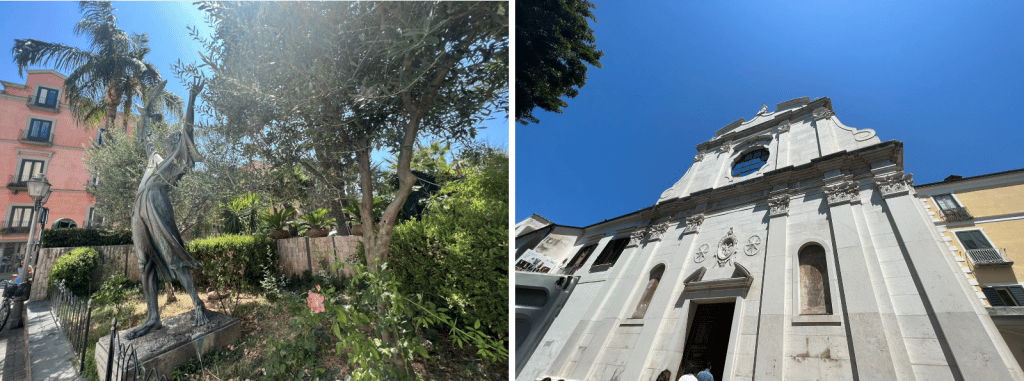
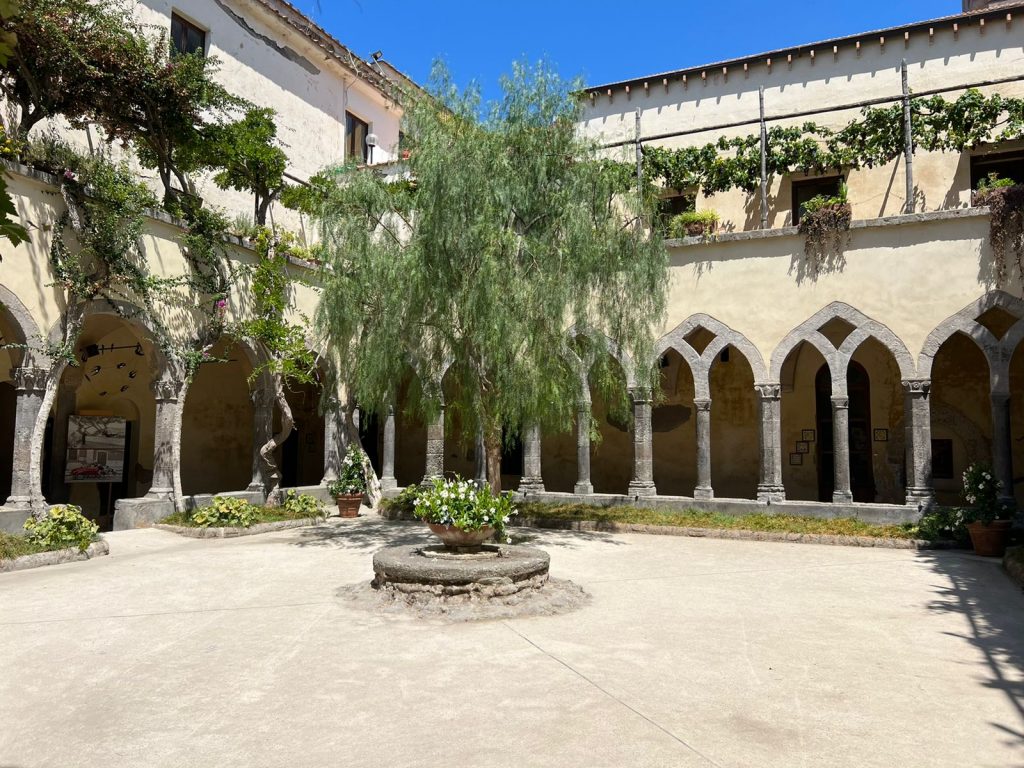
The Chiostro di San Francesco (Cloister of San Francesco) was built alongside the church, and it’s still used today as a residence for Franciscan monks.
It’s beautiful, filled with gardens overflowing with bougainvillea and vines climbing over arched walkways. The structure is made of soft limestone and rubble taken from earlier pagan temples.
The cloister has undergone many restorations over the centuries, so it carries a blend of architectural styles, with Renaissance, Arab, and Gothic influences.
Hours: 7 AM–7 PM Admission: Free
Marina Grande
This is where Sorrento originally began — initially just a small fishing village, and even today it keeps its colorful little houses and a calmer, more authentic feel.
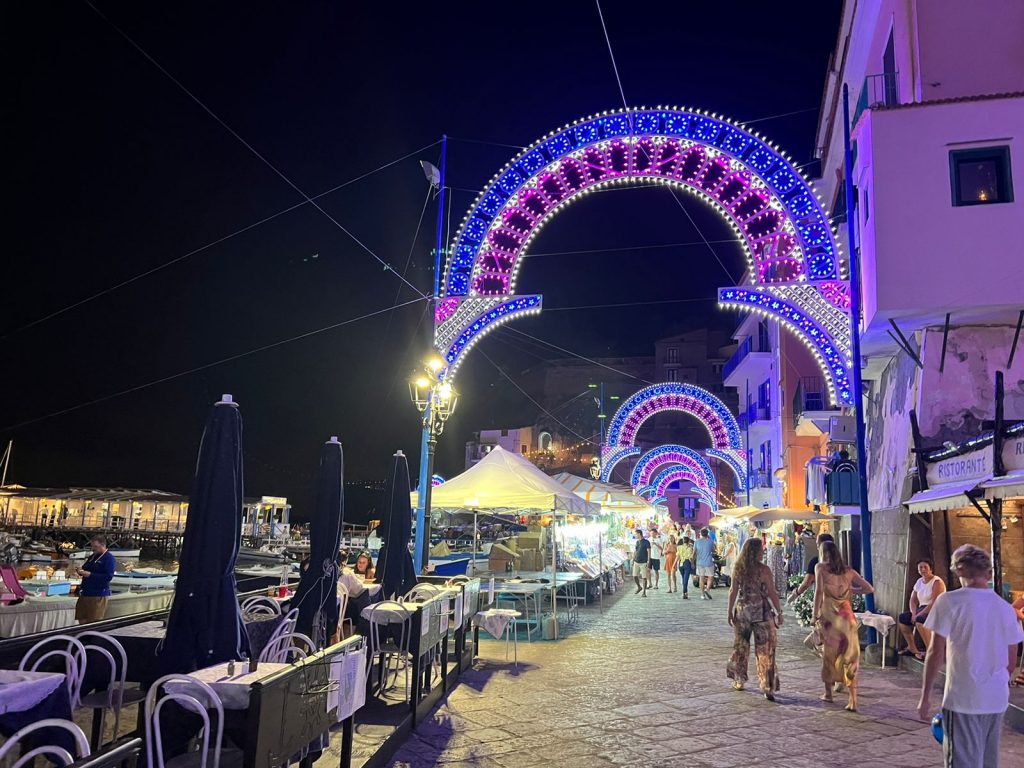
The local food scene follows classic Mediterranean style, built around fish and seafood. This is where you’ll find the freshest fish in the area, along with restaurants and bars lining the waterfront, overlooking the fishing boats.
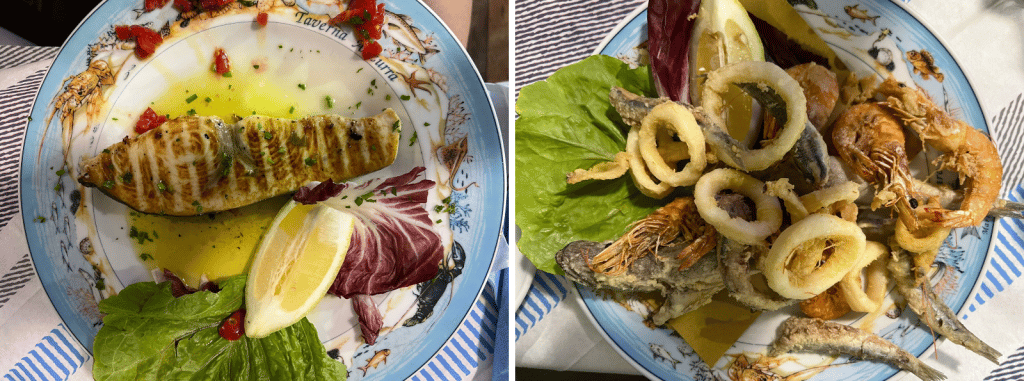
The most famous restaurant is Trattoria da Emilia (Instagram), though the line is huge — since we were hungry, we ended up at Taverna Azzurra (Instagram) instead, and the food was delicious. We tried the swordfish and the fritto misto alla Saracena (fried mixed seafood).
Parco Villa Comunale
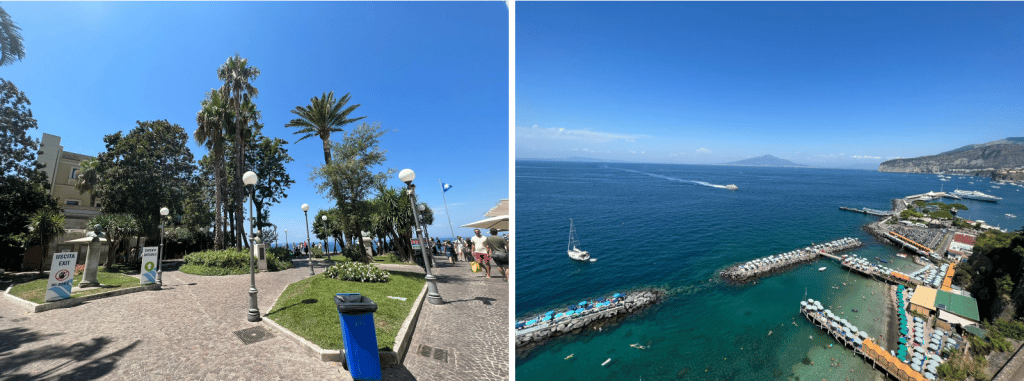
Widely considered the most beautiful spot in Sorrento and one of the town’s most iconic postcard images — without a doubt, one of the best lookout points around. Right next to the Church of San Francesco and its cloister, and also the starting point for heading down to the beach and the port at Marina Piccola.
From here, you get a stunning view not just over the Gulf of Naples, dotted with boats, but also toward the islands of Ischia and Procida, with the imposing Mount Vesuvius in the background.
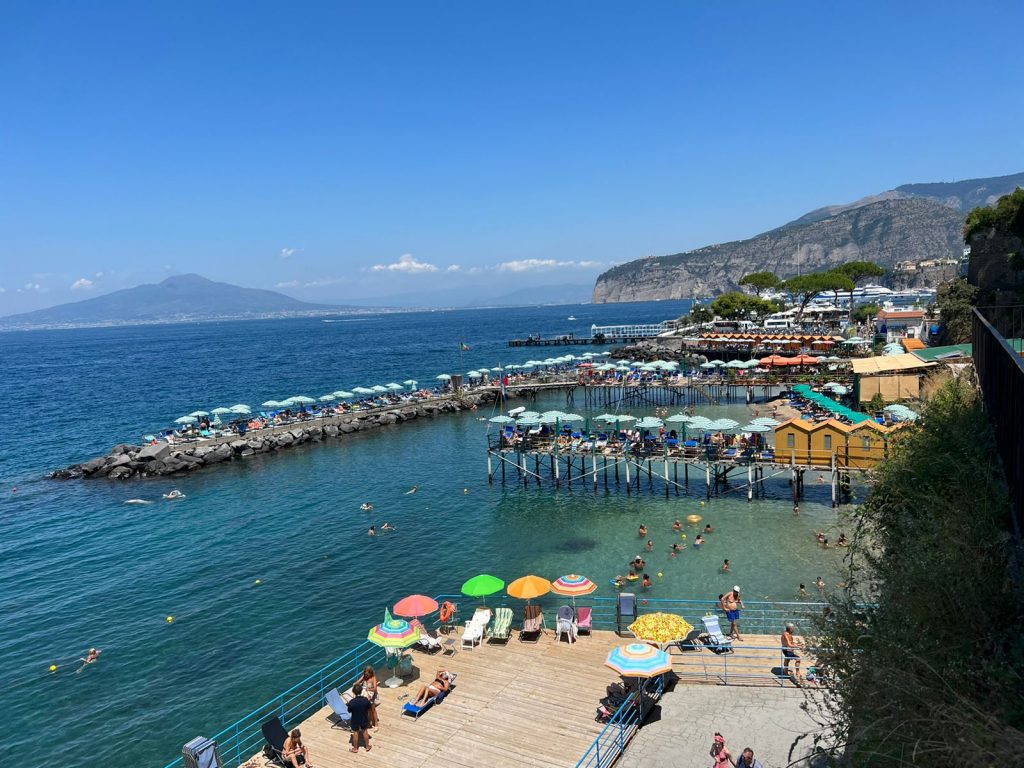
Marina Piccola in Sorrento
Marina Piccola (“Little Marina”) is where boats depart for the islands of Ischia and Capri, as well as other towns along the Amalfi Coast and Naples. Several companies sell tickets, with departure times being the main difference between them.
It’s close to the town center, right where the stairs and elevator connecting the lower and upper parts of town come down.
Most of the waterfront stretches here are private, belonging to hotels, restaurants, or beach clubs that manage the beach and rent out chairs and umbrellas. Some offer restaurant service, showers, and restrooms, like Marameo (Instagram) at Leonelli’s Beach.
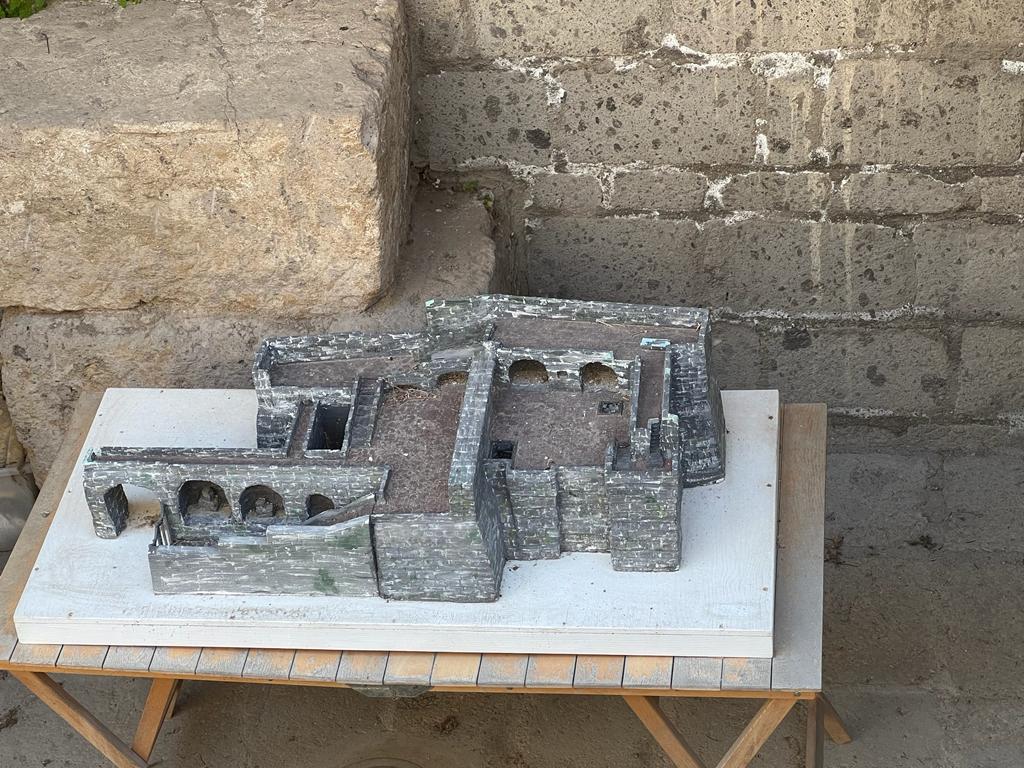
Il Bastione di Parsano
The Bastione di Parsano is part of the ancient wall that once encircled Sorrento, dating back to the 4th century BC, even before Roman rule over the area.
The town was laid out in classic Roman style, built over the layout of an earlier Greek street — which is why Sorrento’s archaeological finds reflect a blend of cultures.
Located on Via Sersale, just off Sorrento’s main road, Corso Italia, a short walk from Piazza Tasso.
Admission: Free
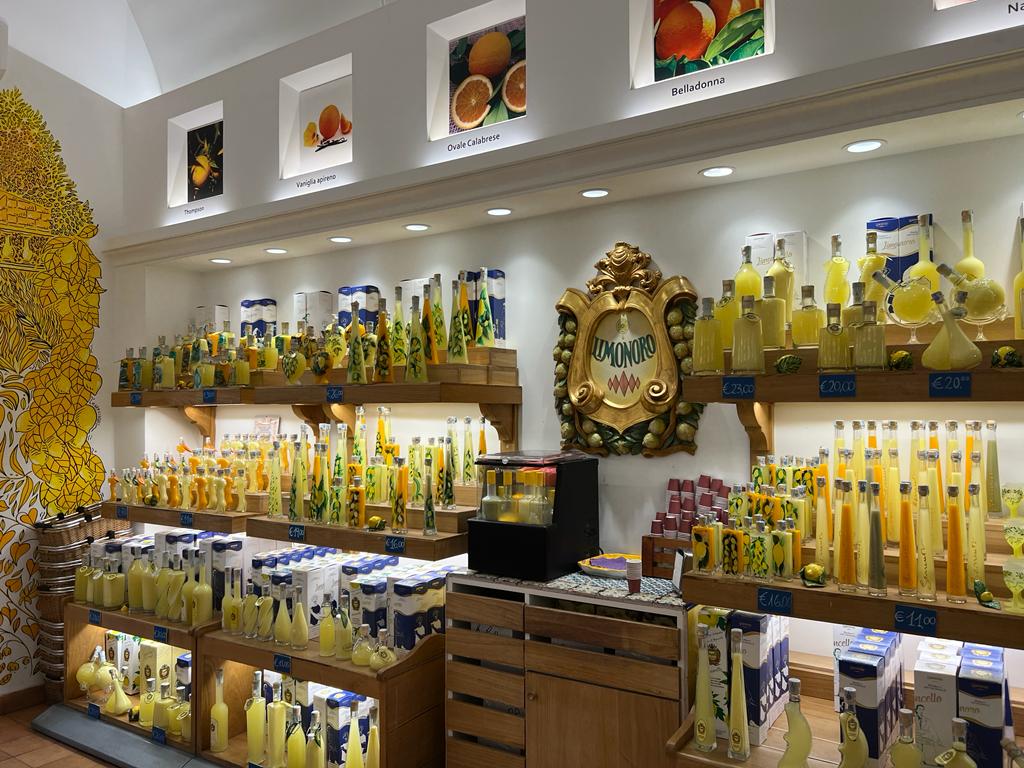
Limoncello in Sorrento
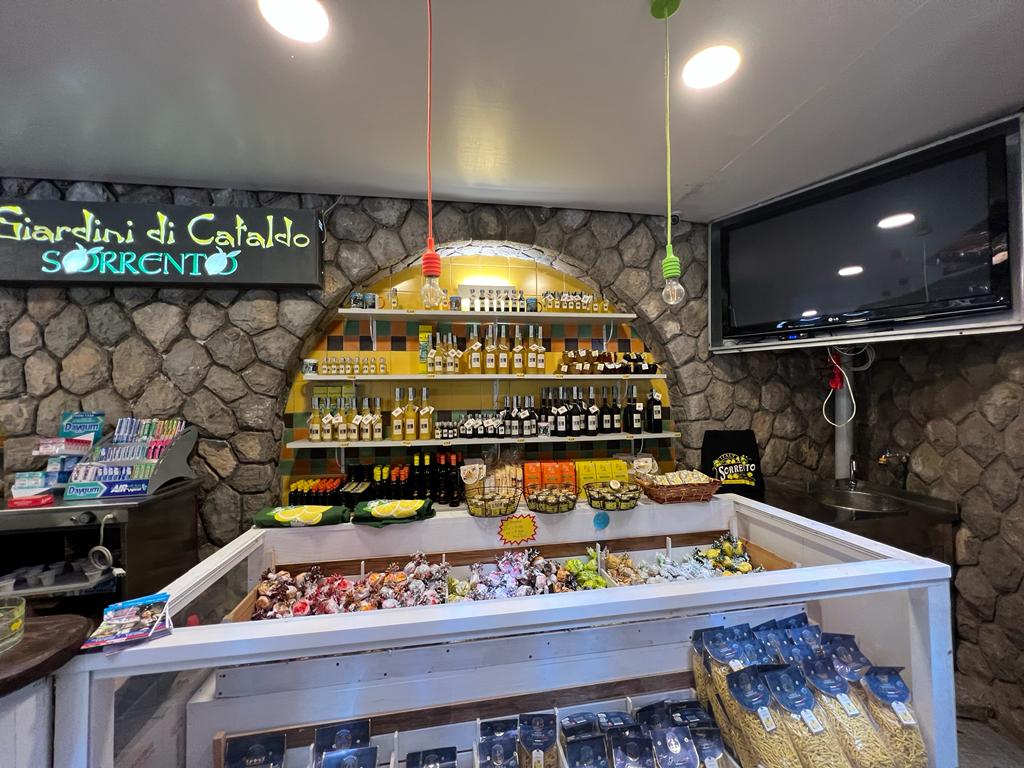
Limoncello is the signature drink of the Amalfi Coast, and we’d recommend trying it at least once during your visit to Sorrento. We’d suggest buying it from two different shops near the town center: I Giardini di Cataldo (Instagram) and Limonoro (Instagram).
Read more about our trip in What to Do in Naples.
Read the original version in Portuguese on A Bela e o Bigode.