What to Do in Cetara
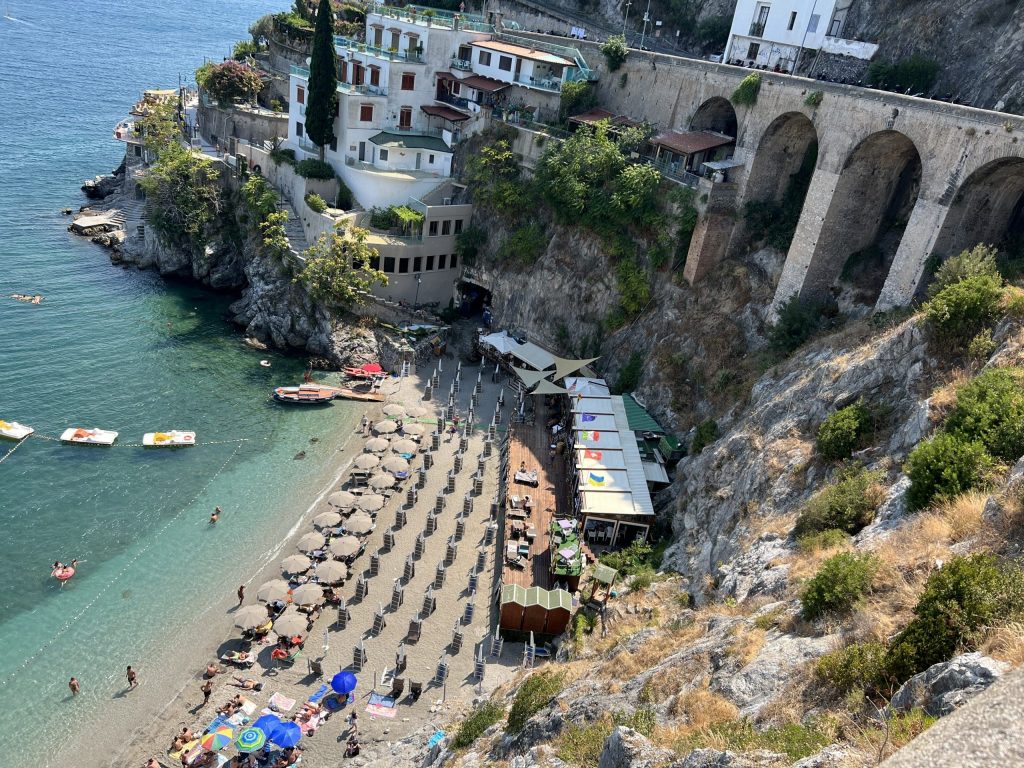
Cetara is a small fishing village on the Amalfi Coast. With around 2,000 residents, it doesn’t draw huge crowds, but it’s home to one of the finest artisanal products made by local fishermen: colatura di alici, or “anchovy essence,” sold in shops all along the main street.
As soon as you reach the main street, you’ll find several shops selling jarred anchovies and preserved tuna.
Colatura di alici is a regional ingredient — an oil produced from anchovies. The process yields a dark liquid, darker when more concentrated (similar to balsamic vinegar) or lighter when less concentrated (more like balsamic-style olive oil). It’s typically sold in glass bottles.
Cetara’s fishermen extract this liquid using a handmade process dating back to the Middle Ages. The scent is reminiscent of the sea itself, as if the ocean and its fish had been bottled.
They catch and clean the anchovies (known in Italy as alici) one by one. The fillets are then layered geometrically inside wooden barrels. After that, salt is added to press and dehydrate the fish, layer by layer, until the barrel is full.
After several months of pressing, drops of the liquid — the colatura di alici — begin seeping from the barrels, using a technique passed down through generations.
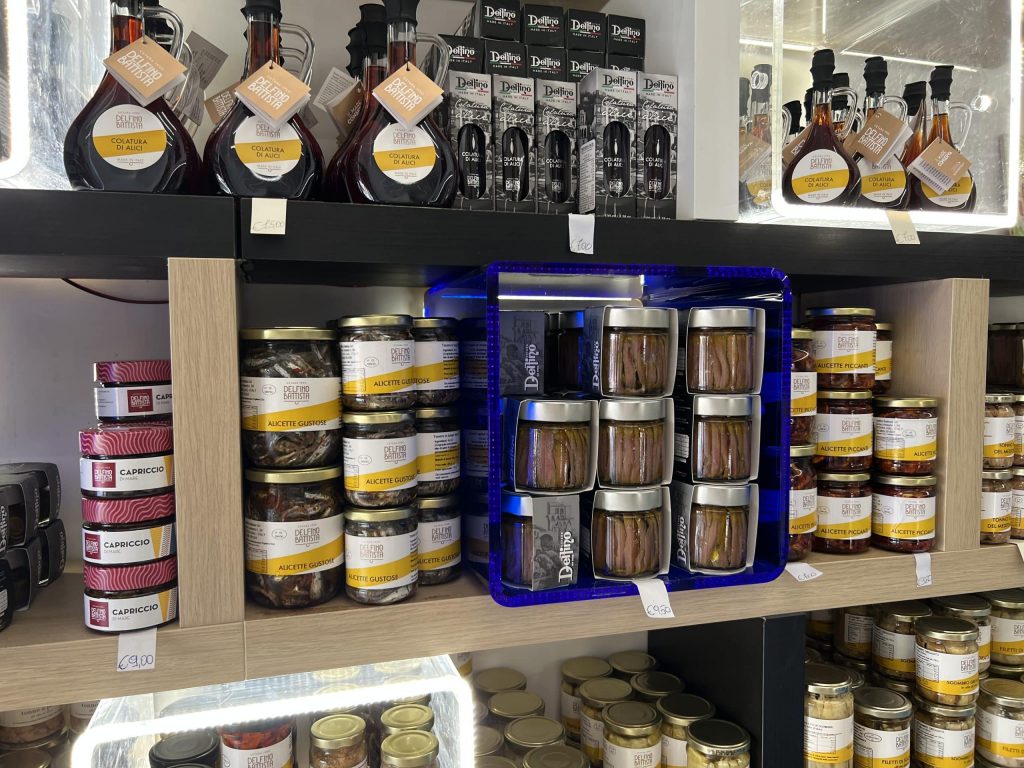
In Cetara, the best-known producer of colatura di alici is Nettuno (website), but if you want to try authentic fried anchovies or dishes made with colatura di alici, there are several restaurants along the main street offering it — genuinely worth trying.
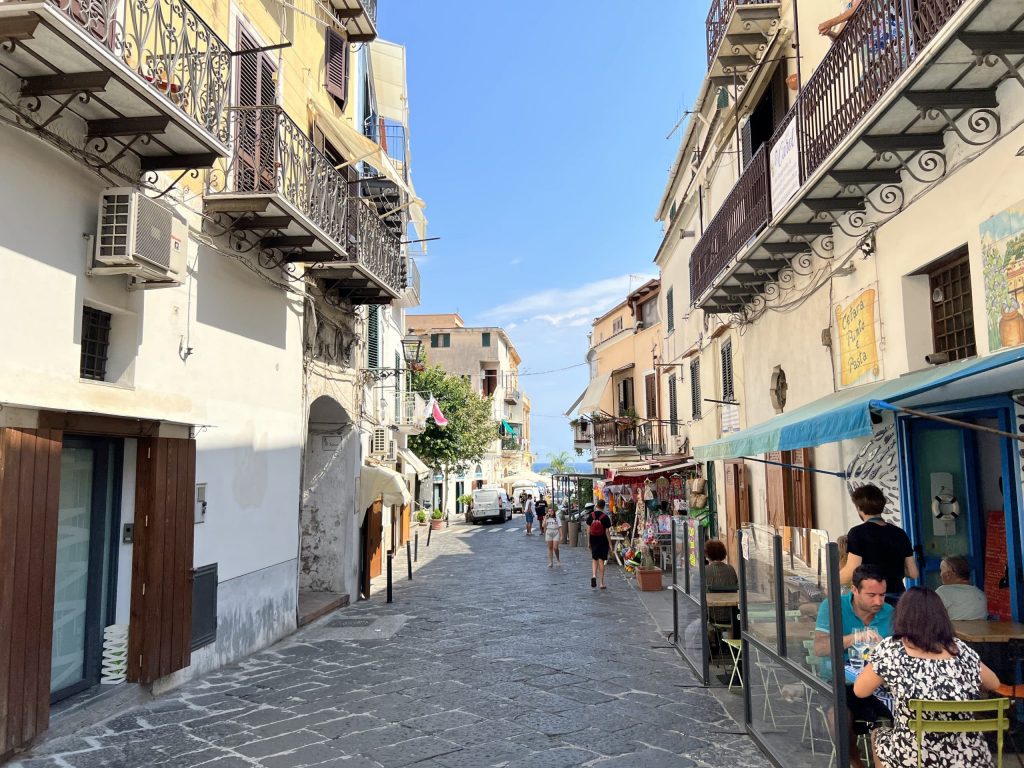
Cetara’s main street
The main street is lined with restaurants and seafood shops, genuinely charming and cozy, with far quieter streets than the famous, bustling Positano or Sorrento.
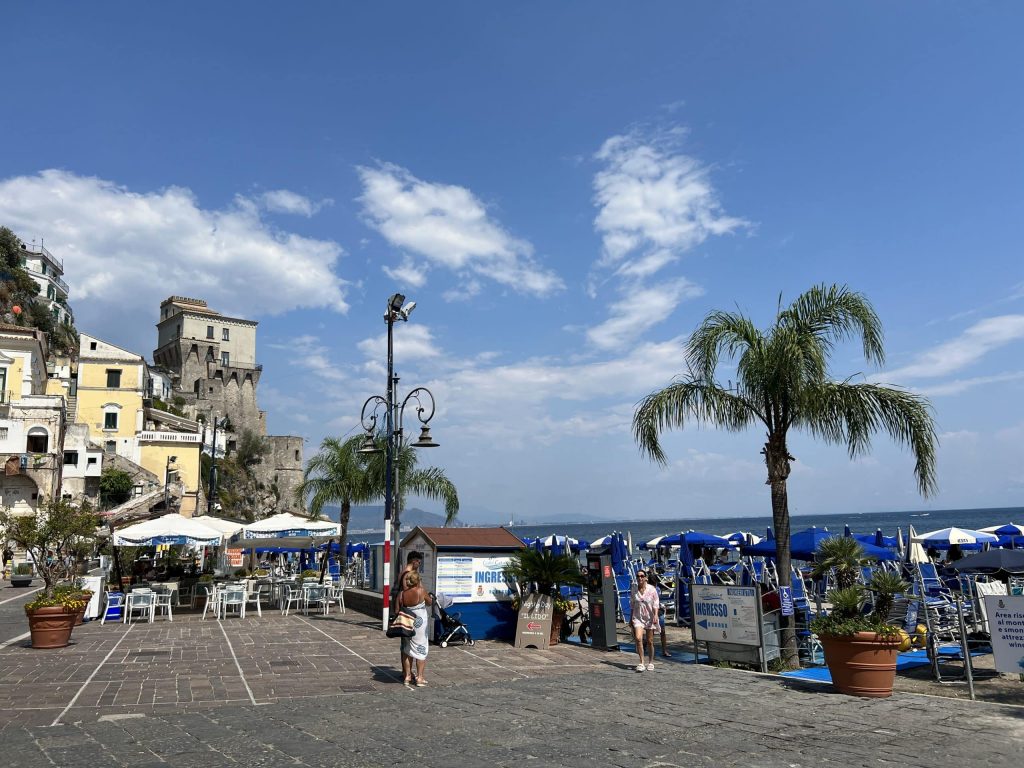
Torre di Cetara
Close to the beach, along the main street, the Torre di Cetara (website) is part of the town’s landscape and genuinely beautiful to see. It’s a museum, and you can visit with or without a guide.
Chiesa di San Pietro Apostolo
This church, dedicated to the town’s patron saint (Facebook), has records dating back to 988. Its current look reflects later renovations, giving it a neoclassical façade and a Baroque interior.
The dome stands out, covered in ceramic ambrogette tiles that echo the classic style seen on other domes throughout the Amalfi Coast, all with beautifully vibrant colors.
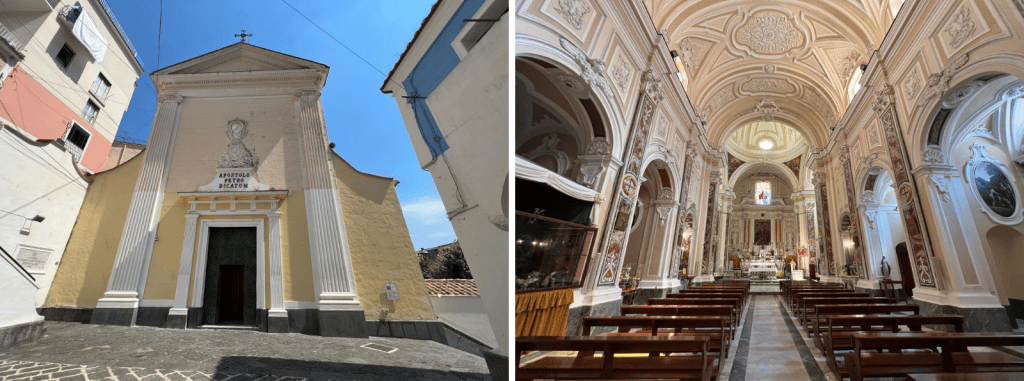
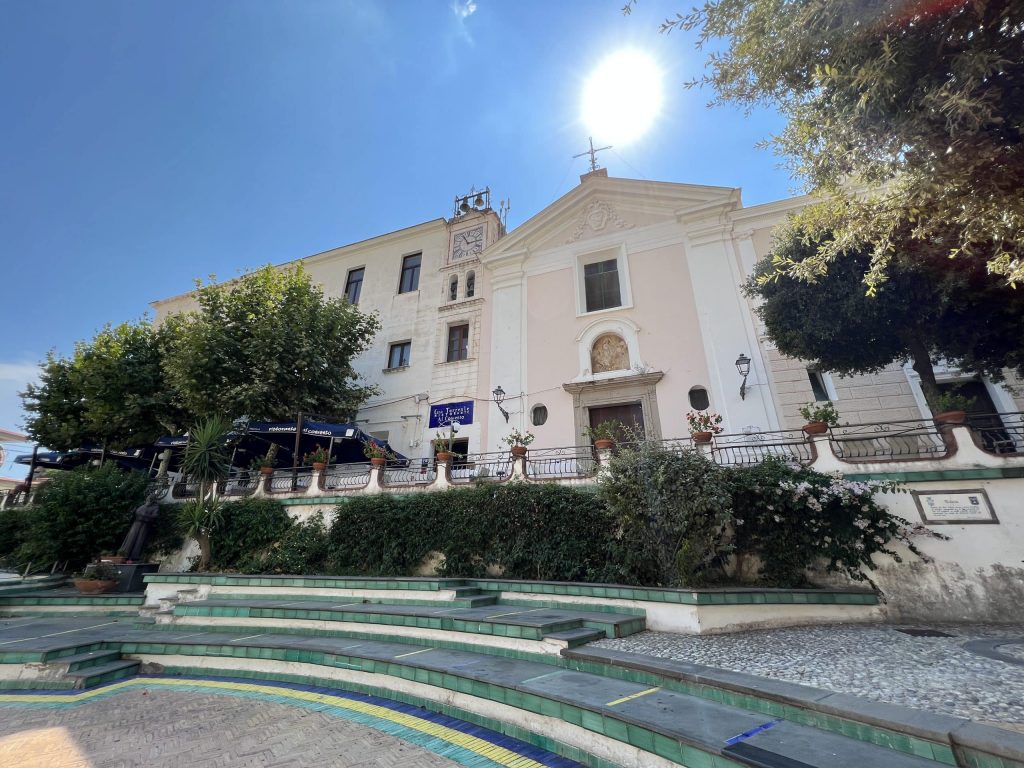
Chiesa e Convento di San Francesco
The Church of San Francesco is part of the convent complex of the same name, dating to 1585. Its façade is quite simple, featuring a portal from 1600 — the whole building follows the humble principles of the Franciscan order.
Inside, the church has a single nave lined with small altars, four on each side, each housing statues of saints specially carved from wood.
It was closed when we visited, so we don’t have photos of the interior.
Spiaggia Lannio in Cetara
A genuinely tiny beach, about 90 meters long, but beautiful. It’s the town’s main beach, historically the heart of the village and a former gathering spot for fishermen who dried their nets here — it also sheltered boats, especially in winter.
The scene is like a painting — Marina di Cetara beach is surrounded by colorful pastel houses in shades of pink, yellow, and white.
Read more about what to do in Maiori.
Read the original version in Portuguese on A Bela e o Bigode.