What to Do in Salerno
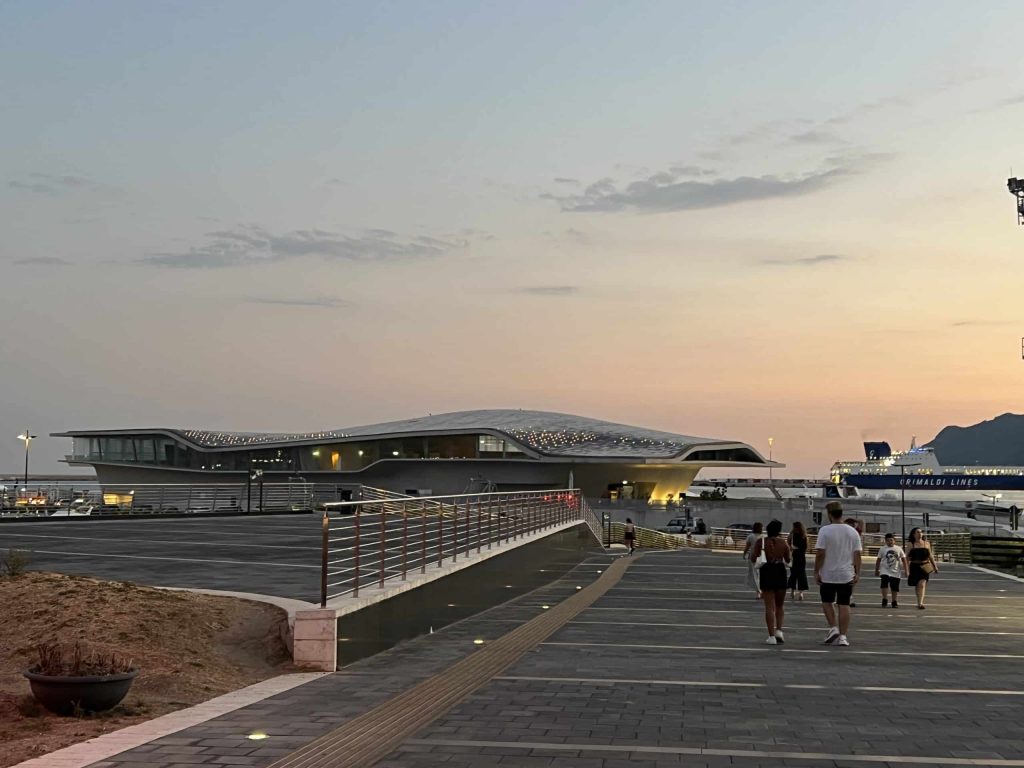
Salerno feels different from the rest of the Amalfi Coast — still right on the water, but far more urban. Even so, it has plenty of attractions and a great food scene throughout the city.
The city holds real historical weight thanks to its medical school, a reference point dating back to the early Middle Ages. The Salerno Medical School was Europe’s first medical institution, with a thousand-year history.
The city sits in southern Italy, in the region known as Campania, marking one end of the Amalfi Coast — with Sorrento anchoring the other.
We only spent less than a day here, but it’s genuinely worth a full day.
Getting to Salerno
You can reach Salerno by train, bus, or rental car.
Trains from Naples to Salerno
Two railway companies serve this route: the modern Italo and Trenitalia, which is generally cheaper. Tickets from Naples to Salerno start at €5. Be careful when picking your ticket, since there are both direct fast trains and slower trains with several stops. The fastest train takes about 40 minutes.
Trains from Rome to Salerno
From Rome, it’s a longer trip — the fastest train takes about 1h30m and costs upward of €50. Cheaper tickets run around €15, though the trip can take up to 4 hours.
Car from Naples to Salerno
From Naples, the drive takes 43 minutes via the A3, covering 54 km — it doesn’t follow the coast, cutting inland instead, but it’s the fastest option.
Car from Rome to Salerno
The drive takes about 2h40m via the A1 and E45, covering 268 km — this route also runs inland, without coastal views.
Historic Center of Salerno
The historic city was once a wealthy duchy back in the 11th century. Its historic center still carries medieval character and remains well preserved, with Via dei Mercanti as its main street.
Salerno offers a real contrast — narrow streets lined with historic buildings, stone houses telling the city’s medieval story, set against the modern city around them.
Cattedrale di San Matteo (Salerno Cathedral)
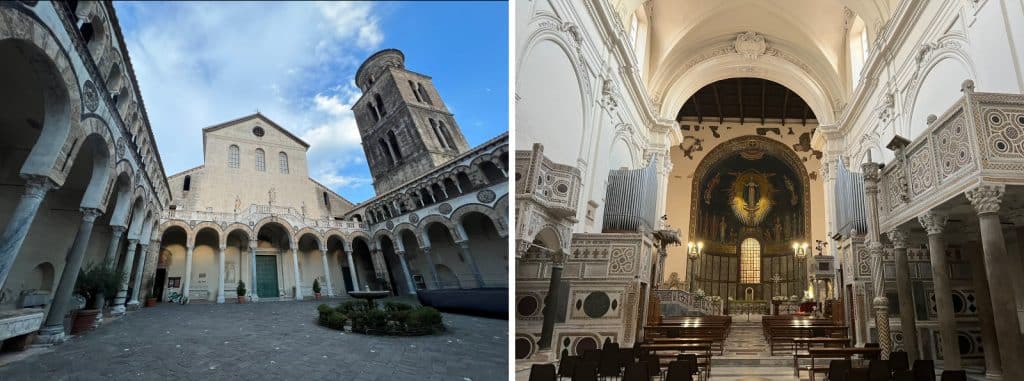
Salerno’s Cathedral was built in Romanesque style in the 11th century, during the era of the Duchy of Salerno, and rebuilt several times since — though the most important, beautiful part of the site is its Crypt.
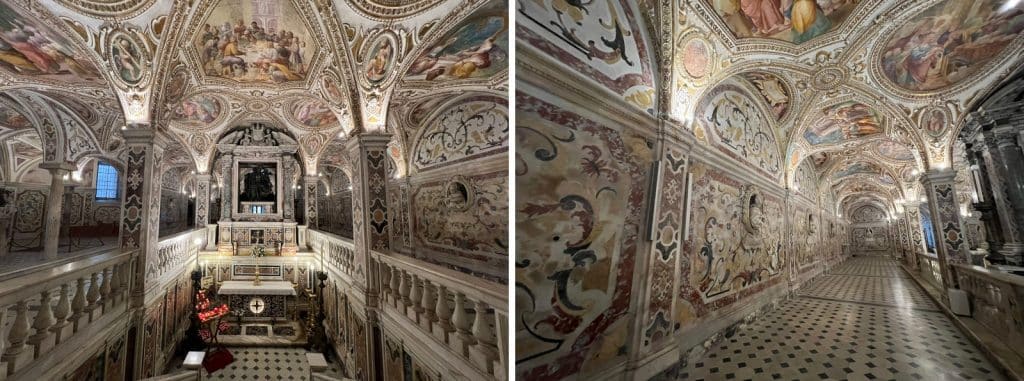
The crypt beneath the cathedral holds the Duomo, where the remains of the Apostle Matthew are kept — entry costs €1, and it’s absolutely worth visiting, since the space is stunning, with beautiful wall paintings.
Complesso Monumentale di Santa Sofia
This complex was built in the late 10th century, once home to a Benedictine order dedicated to Santa Sofia. Following a recent renovation, it now hosts events and exhibitions, including works by Picasso, Miró, Caravaggio, and Warhol.
Giardino della Minerva
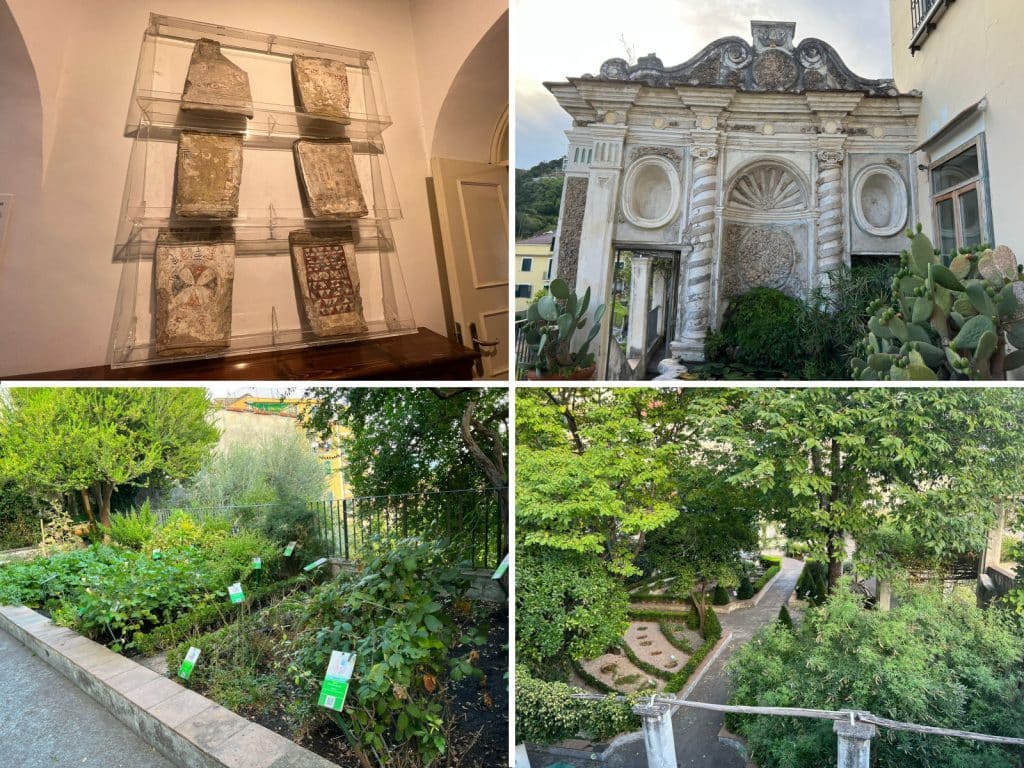
Giardino della Minerva (website) is a stunning botanical garden, originally belonging, back in the 12th century, to the family of Matteo Silvatico, a prominent physician at the Salerno Medical School.
During the Middle Ages, it was used as a simple educational garden for medical students in Salerno. Some of the plants grown here supplied the active compounds used in therapeutic treatments of the time.
The garden also offers a view over the old city walls, the sea, the historic center, and the surrounding hills.
Location: Vicolo Ferrante Sanseverino, n° 1. Admission: €3.
Lungomare di Salerno (Seafront Promenade)
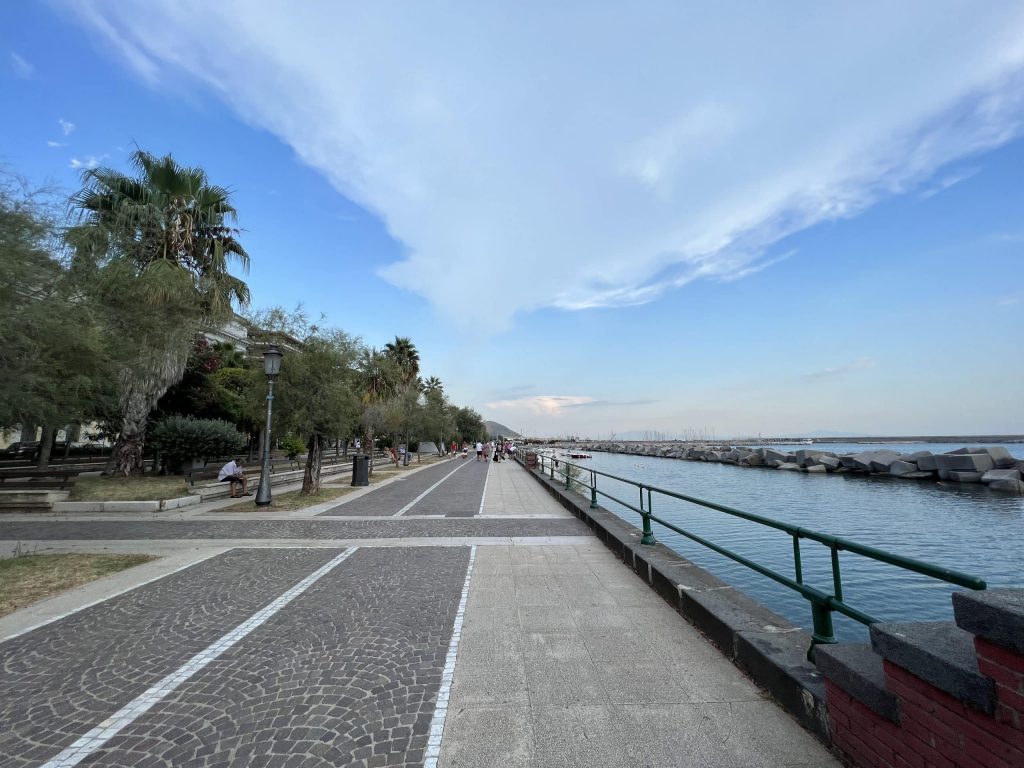
With mountain views, this tree-lined waterfront promenade has a long path for running and biking. Out on the water, hundreds of boats — the marina here also runs trips to Capri.
The promenade stretches about 8 km along the coast, offering a genuinely beautiful view.
Stazione Marittima di Salerno
This is the city’s cruise terminal, located at the Molo Manfredi pier in the port of Salerno, directly connected to Piazza della Libertà, the Crescent, and the city’s waterfront.
Starting in the late ’90s, Salerno needed a new structure to accommodate its then-modest cruise passenger traffic, to be built at the Manfredi pier within the city’s port — an area designated by the city’s development plan for tourism and cruise traffic.
The terminal opened in 2016, designed by Anglo-Iraqi architect Zaha Hadid. It’s a genuinely beautiful place, well worth visiting for its lighting and the beauty of the whole complex.
Castello di Arechi
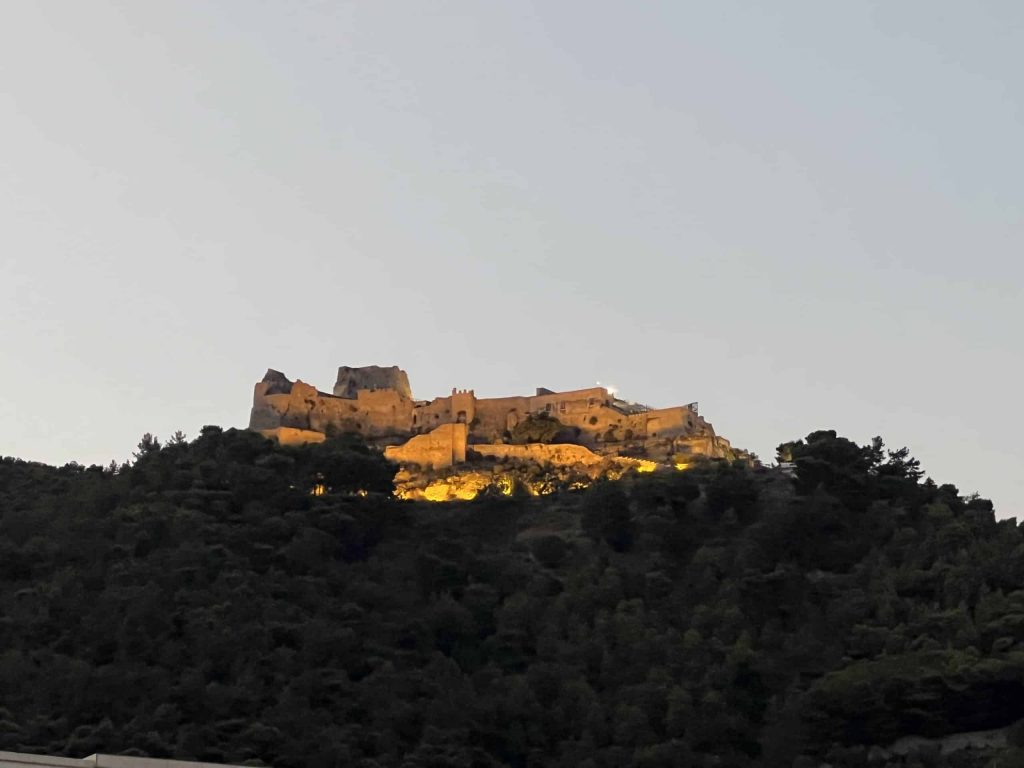
Castello di Arechi is an authentic, well-preserved example of medieval architecture, associated with the Lombard Duke Arechi II, offering a beautiful view over the Gulf of Salerno, stretching from the tip of the Amalfi Coast all the way to Agropoli.
Located about 300 meters above sea level, its elevated position makes it visible from several points around the city. It’s about 3 km from downtown.
You can reach the castle from the central train station via public transit, taxi, or rental car.
The cheapest way from Salerno to Castello di Arechi is bus line 6, costing around R$7–9 and taking 31 minutes; driving is fastest, about 8 minutes — though the castle was closed the day we visited.
Virtual Museum of Salerno’s Medical School
In 1076, when Robert Guiscard became Duke of Salerno, he supported the growth of a medical school (website) founded two centuries earlier, the Scuola Medica Salernitana — today one of the most famous in Europe.
The museum uses 3D technology and interactive displays to tell this history. It was temporarily closed when we visited, so we weren’t able to go inside.
Location: Chiesa di San Gregorio, Via Mercanti, 74 Admission: Temporarily closed.
Where to eat in Salerno
Being a larger city, Salerno has plenty of great dining options, including several good spots right along the waterfront.
Dolceria Pantaleone
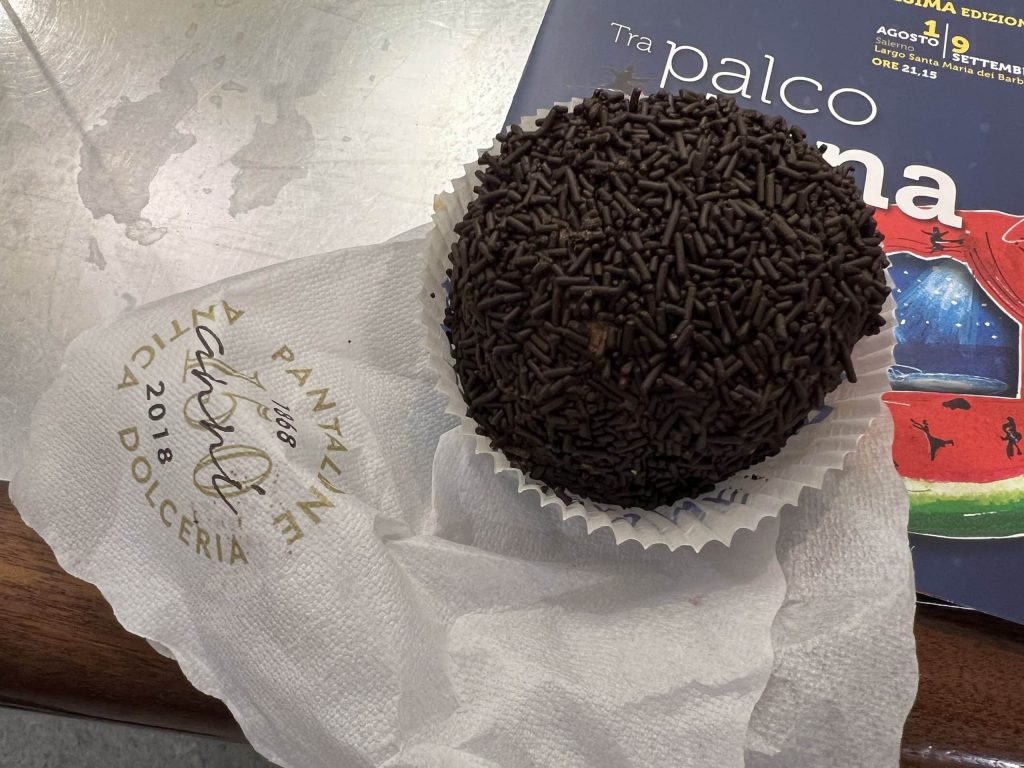
We stopped for something sweet at Dolceria Pantaleone (website) and loved it — right in the city center. We ordered something similar to a chocolate cream puff; since the city sees fewer tourists and English isn’t widely spoken, we never quite figured out exactly what it was called, but it was delicious.
Location: Via Mercanti, 75.
Barriofino Macelleria di Mari
Restaurante Barriofino Macelleria di Mari (website) is wonderful, specializing in seafood — service was excellent too, and we’d highly recommend it, since the quality of the fish was outstanding and every dish was beautifully presented.
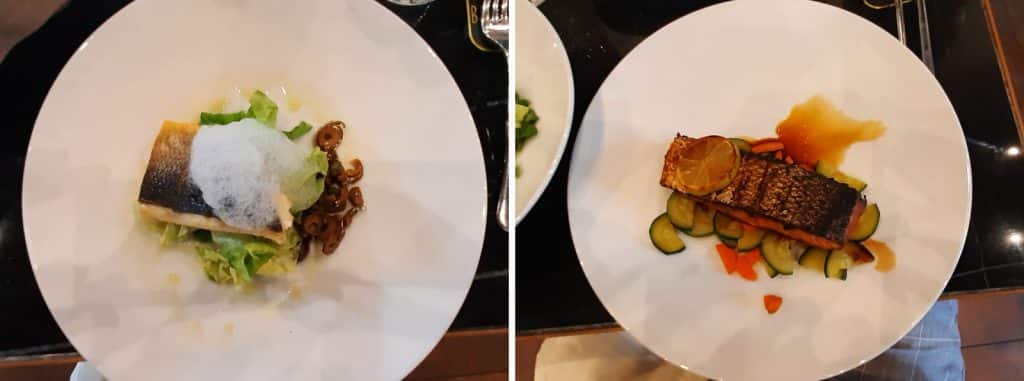
Location: Lungomare Trieste, 78.
Read more about our trip in What to Do in Positano.
Read the original version in Portuguese on A Bela e o Bigode.