Cachaças of Paraty: A Tour of 4 Stills
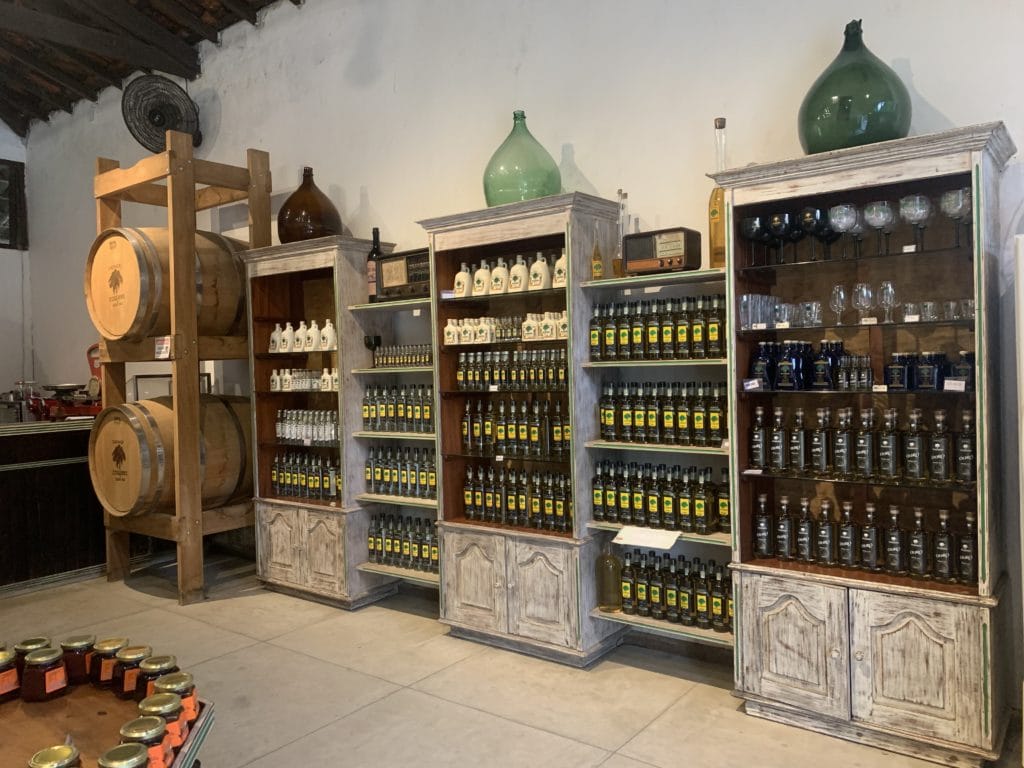
Paraty was Colonial Brazil’s most important cachaça-producing region, and we went to explore its cachaça heritage for ourselves. It’s believed the first cachaça stills in Paraty date back to around the year 1600, established by settlers from São Vicente who settled further north, where they built the Engenho dos Erasmos — quite possibly the actual birthplace of cachaça itself.
The cachaça produced here became so renowned for its quality that, according to Monsenhor Pizarro and other historians, it sold for more than any other cachaça in the country. Its socioeconomic weight grew so significant starting in 1700 that the town’s own name, Paraty, became synonymous with cachaça itself, right up through the mid-20th century.
There Used to Be 100 Stills
Back in the mid-1700s, the municipality was home to more than 100 cachaça stills, but today the town has only seven:
- Alambique Coqueiro
- Cachaçaria Corisco
- Alambique Maria Izabel
- Cachaçaria Paratiana and Mulatinha
- Alambique Pedra Branca
- Cachaçaria Maré Cheia
- Engenho D’Ouro
Compared to those old numbers, that might sound small, but Paraty is still one of the towns with the highest density of stills per resident anywhere on the planet! And every single one of them produces top-tier cachaça. We visited four of them ourselves.
Paraty’s cachaça is making its way back toward its former glory, since the drink has been winning over tourists’ palates and building a reputation across Brazil. Above all, the town is once again known for its high-quality artisanal spirit, keeping its traditional production methods alive while adding a modern touch.
So what makes this cachaça so special? Some say it’s the sugarcane itself, grown between the mountains and the sea, which carries a lower sucrose content, making the resulting spirit more flavorful. Others say it’s the freshness of the unaged cachaça, since it hasn’t absorbed the properties of wood aging.
Cachaça like Paraty’s can’t be found anywhere else, and several labels have won awards both in Brazil and internationally.
In town, you’ll find a traditional cachaça-based drink called Gabriela, flavored with clove, cinnamon, and sugarcane syrup. It’s the base for the delicious Jorge Amado cocktail, which you shouldn’t skip — we found it pretty sweet, but genuinely tasty.
Certification of Paraty’s Cachaças
A geographic indication (IG) builds consumer trust, since the label tells buyers exactly where a product comes from, along with its quality and local character.
It’s a legal designation under Brazil’s 1996 Industrial Property Law, meant to recognize and protect the geographic name of a country, region, or locality tied to a typical product or service.
In Europe, this kind of certification has been in use for some time, with more than 3,000 agricultural products already IG-certified. In Brazil, the certification is more recent, with only 6 products currently holding an Indication of Origin seal — and Paraty was the first Brazilian cachaça to receive this certification.
The IG designation is granted through registration with INPI, Brazil’s National Institute of Industrial Property, which issues a specific certificate. In Brazil, there are two types of Geographic Indication: Indication of Origin and Denomination of Origin.
The certificate Paraty’s cachaça received from INPI, in 2007, was an Indication of Origin — meaning only cachaças produced within the municipality have the exclusive right to display that designation on their labels.
Alambique Engenho D’Ouro
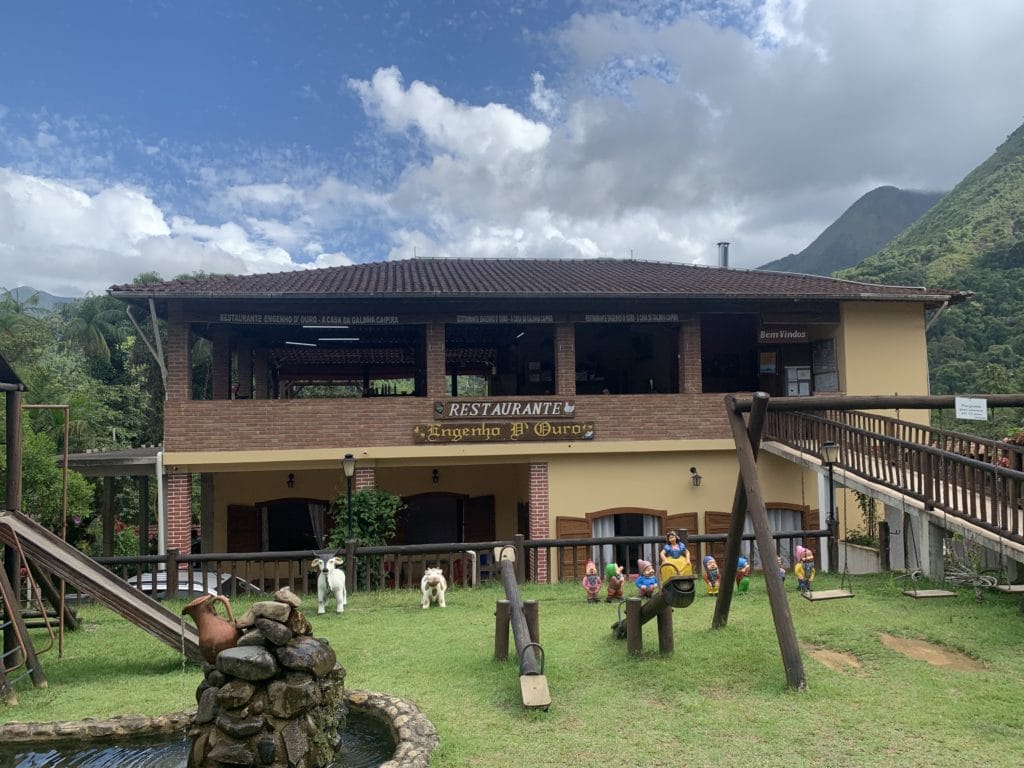
Named in honor of the Estrada do Ouro (Gold Road), and according to our research, it produces an average of 12,000 liters a year. Its founder was Francisco Carneiro, who originally started producing cachaça as a hobby. Today, Norival Carneiro runs the still alongside his sisters, who manage not just the restaurant, but also the bar and a small flour mill, also on the property.
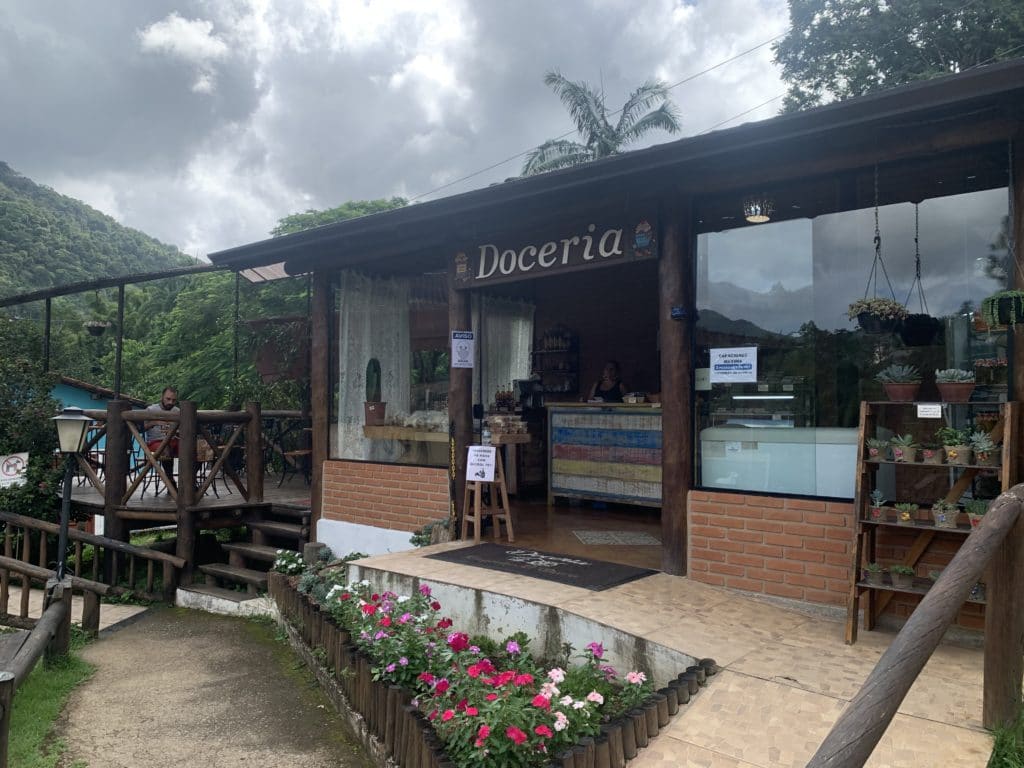
Beyond that, they also run a Minas Gerais-style restaurant, a dessert shop, and a small museum showing how cachaça used to be made, all on the same property.
This is the first and only cachaçaria in Brazil to sell its spirit in vacuum-sealed packaging, which we tried — and it’s quite strong. Our favorite was a special-edition gold cachaça, aged 4 years.
Award-winning cachaças:
- Premium Carvalho, Silver Medal at the Concours Mondial de Bruxelles (2019)
- Extra Premium Carvalho, Gold Medal at the Concours Mondial de Bruxelles (2018)
- Prata Inox (Silver) and Gabriela (Bronze), 2 medals at Expocachaça BH/MG (2017)
- Gabriela, Silver Medal at the Concours Mondial de Bruxelles (2017)
- Extra Premium Carvalho, Gold Medal at Expocachaça BH/MG (2018)
- Premium Jequitibá and Carvalho, 2 Grand Gold Medals at the Concours Mondial de Bruxelles (2016)
Located on Rodovia Parati-Cunha, 7833, Km 8 — the road there is winding, but well worth the trip. There are other attractions nearby too — right across the road, for instance, are Cachoeira do Tobogã and Poço do Tarzã, which we covered in our post on what to do in Paraty.
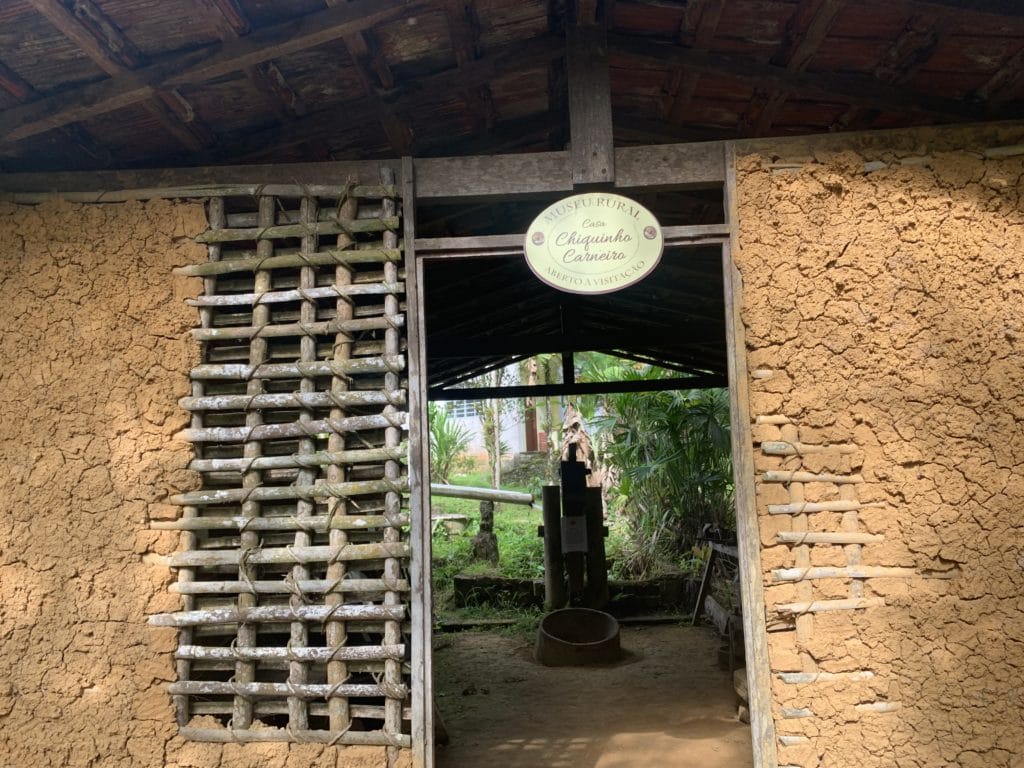
Alambique Pedra Branca
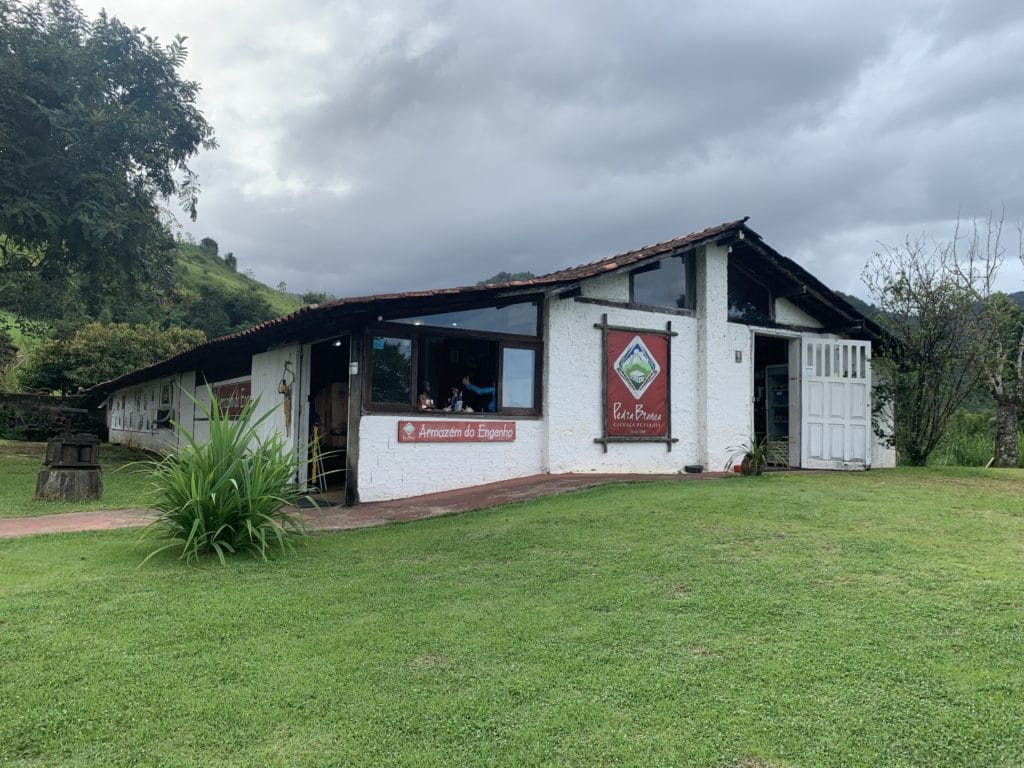
Construction began in 2007, led by producer Lúcio Gama Freire, with a design rooted in the cultural traditions of cachaça production in Paraty, aligned with sustainability and environmental and social responsibility. In 2009, equipment installation was completed, and production of Pedra Branca cachaça began.
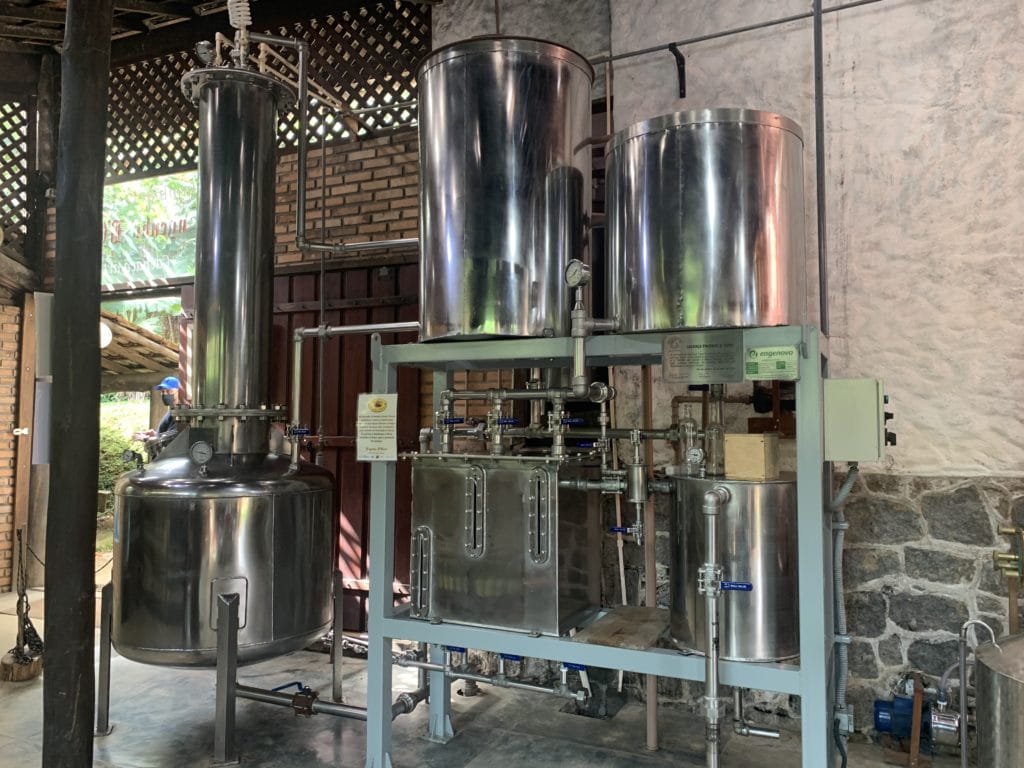
Alambique Pedra Branca sits just across from Engenho D’Ouro. The tour explaining how the still works is currently done through video, because of the pandemic, along with posters covering the manual harvest, distillation process, and how the spirit is stored.
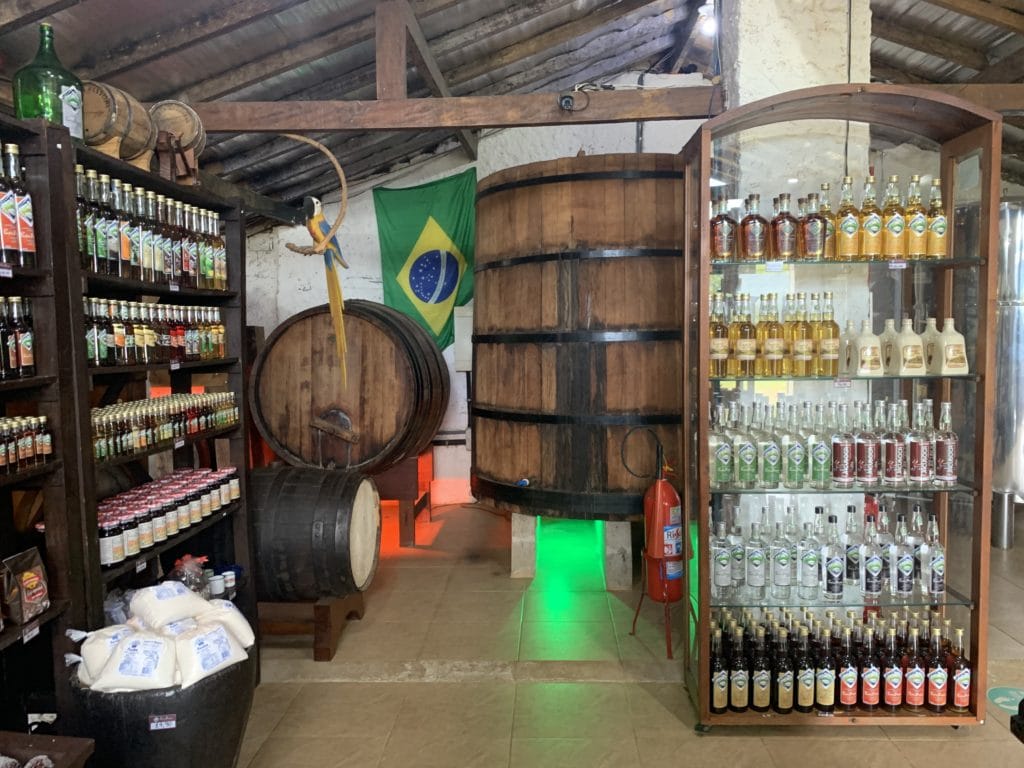
The company also produces other sugarcane byproducts (cane syrup, rapadura, and brown sugar) along with flavored cachaça-based liqueurs made with added ingredients.
Located on Estrada da Pedra Branca, km 1, in the Ponte Branca district, in the municipality of Paraty.
Cachaçaria Paratiana, Paraty’s cachaça
The story of this still begins in January 1996. Carlos José Gama Miranda (Casé), together with Dom João Orleans e Bragança, started a partnership producing Cachaça Maré Alta in the Corisco district.
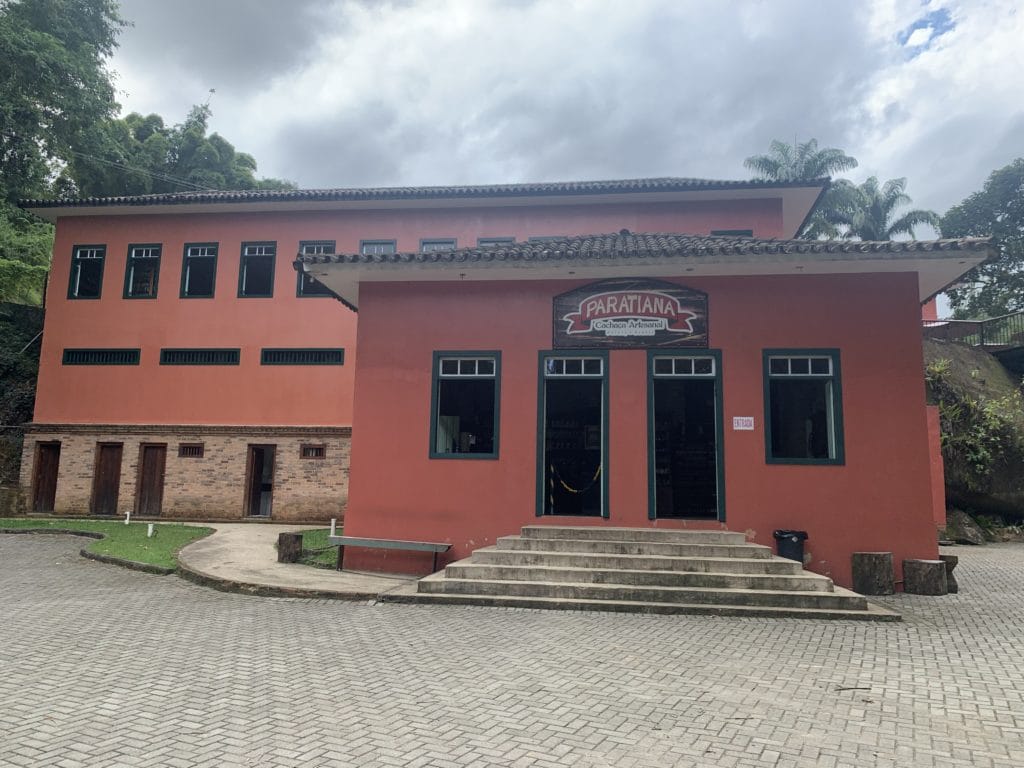
In April 1999, Casé started a new partnership with his brother, Paulo Eduardo Gama Miranda, opening a new still inside an old mansion, surrounded by Atlantic Forest and flanked by a waterfall in the Pedra Branca district, launching Cachaça Paratiana Labareda.
It sits a little further along the same road as Alambique Pedra Branca. Visits are currently done individually if you’re interested, with no additional fee. At the end of the visit, there’s a cachaça museum with more than 400 different cachaça labels made in Brazil.
We loved the place, along with their extra-premium Paratiana cachaça, which they export to Germany — though it’s not available for tasting on site. Every other label can be sampled, and our favorite was the Paratiana Labareda, which has a surprisingly smooth flavor, despite its fiery name.
Award-winning Paratiana cachaças:
- Prata, Gold Medal at Brazil’s World Spirits Competition and the New York Competition (2018)
- Extra Premium (aged 5 years), Silver Medal at Expocachaça (2017), Bronze Medal at the New York World Spirits Competition (2017), Silver Medal at the Concours Mondial de Bruxelles Brazil (2017), and Gold Medal at the Concours Mondial de Bruxelles (2017)
- Labareda, Silver Medal at the New York Competition (2018) and Gold Medal at the China Wine & Spirits Awards (2018)
Located at Estrada da Pedra Branca, Km 1, number 1100.
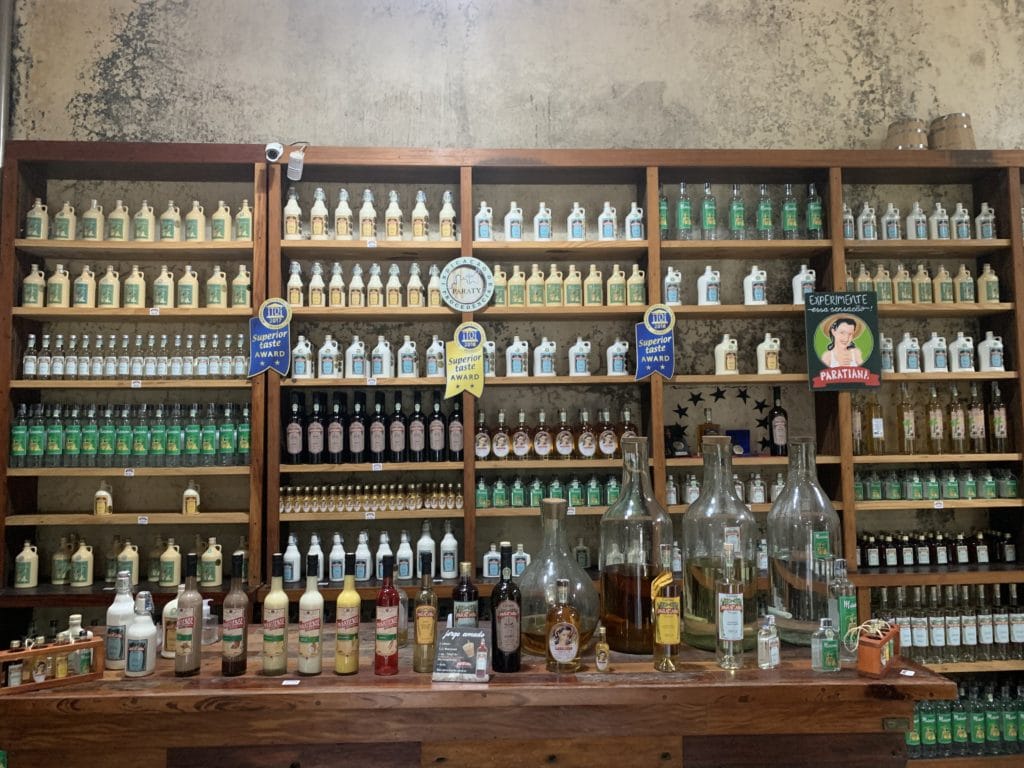
Cachaça Coqueiro, from Paraty
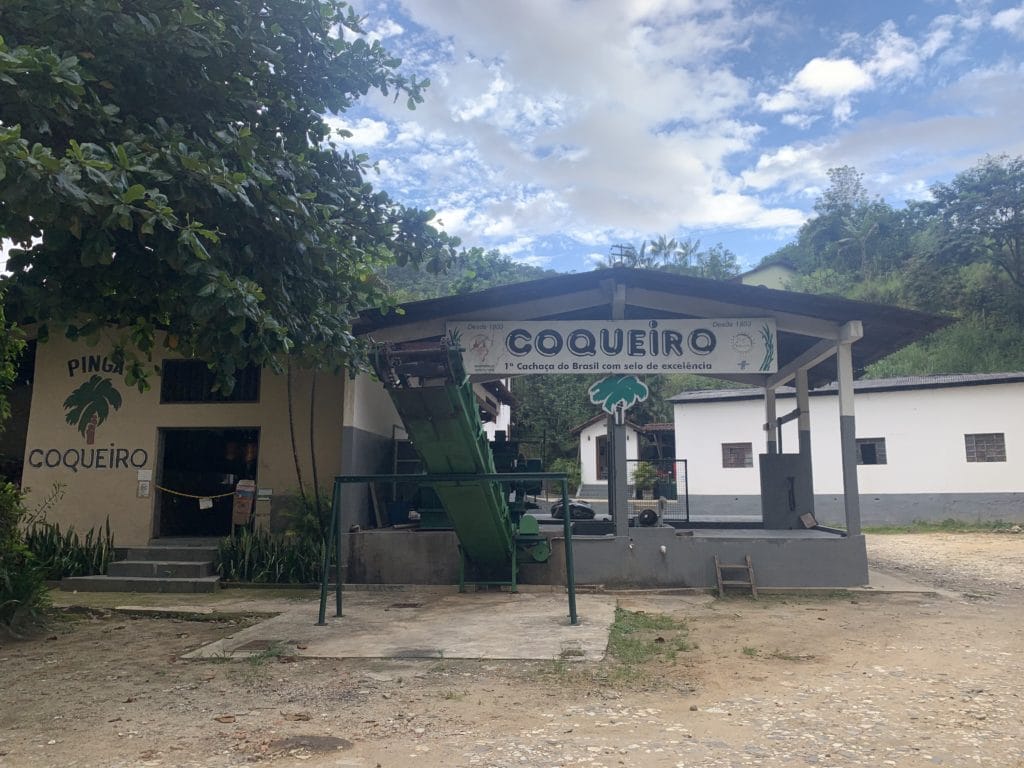
In short, the story of Cachaça Coqueiro began 217 years ago, back in 1803, at Fazenda Cabral, making it Brazil’s very first cachaçaria.
To reach this still, follow the BR-101, on the same route toward Paraty Mirim, heading toward São Paulo state, about 10 km from the historic center. There, the Mello family carries on a tradition dating back to the 18th century.
It was not only the first, but the only cachaça to receive the Certificate of Quality and Excellence from the Ministry of Agriculture. In 2007, it earned the Geographic Indication certification, granted by INPI, Brazil’s National Institute of Industrial Property, under the Indication of Origin category for cachaças from Paraty.
Award-winning cachaças:
- Coqueiro Ouro: ranked among the best white cachaças on the Ranking da Cúpula da Cachaça (2017, 2018, and 2019); Gold Medal at the Concours Mondial de Bruxelles (2016, 2017, and 2019); named a gastronomic wonder of Rio de Janeiro state (2015); Silver Medal at Expocachaça Belo Horizonte (2017); and Silver Medal at Expocachaça São Paulo (2013 and 2012)
- Coqueiro Prata: Gold Medal at the Concours Mondial de Bruxelles (2017); Silver Medal at Expocachaça in Belo Horizonte (2017); ranked among the best white cachaças on the Ranking da Cúpula da Cachaça in 2017, 2018, and 2019
Located on the Rio-Santos highway, six kilometers past the Paraty interchange, at Fazenda Cabral, 2nd District — keep an eye out for the sign marking the turnoff to the farm.
Fun Facts About Paraty’s Cachaças
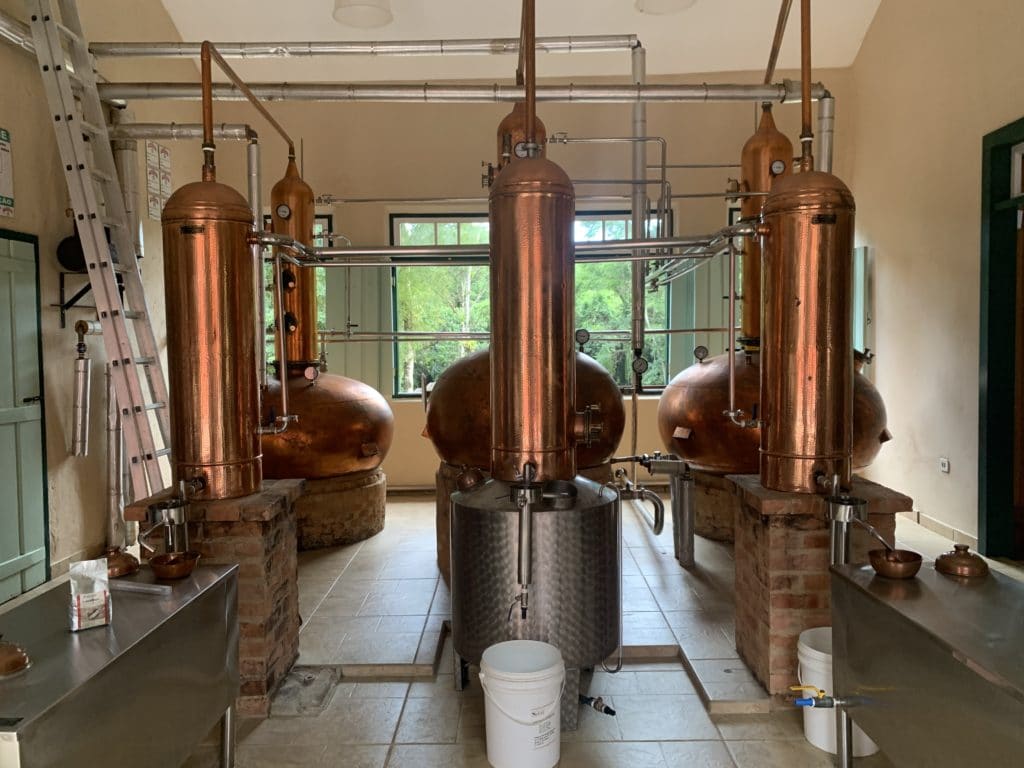
Distillation happens in copper stills, and only the finest portion of the distillate is extracted from the process and aged in barrels made from peanut wood (amendoim), oak, jequitibá, and umburana — each imparting a different color and flavor to the final cachaça.
Cachaça aged in oak barrels takes on a golden color, becoming “cachaça ouro,” with a slightly oily texture that gives it a bolder flavor while still going down smoothly — typically aged around two years, though sometimes up to six years or more. Jequitibá wood lends a distinctive, unique flavor and aroma, with a more pronounced sugarcane taste. Umburana, also known as cerejeira, stands out for the fruity aroma it develops through aging, along with a mild yellowish tint from the wood itself.
Prata (silver) cachaça, meanwhile, spends a year aged in amendoim-bravo barrels, a Brazilian wood — while the purest version rests for just three months in a stainless steel tank, with no contact with wood at all. It’s also the preferred base for cocktails made with Paraty cachaças.
Making for cachaça to suit every taste, flavor, and cocktail.
Learn more about our trip in Paraty.
Read the original version in Portuguese on A Bela e o Bigode.