What to Do in Santos: A One-Day Itinerary
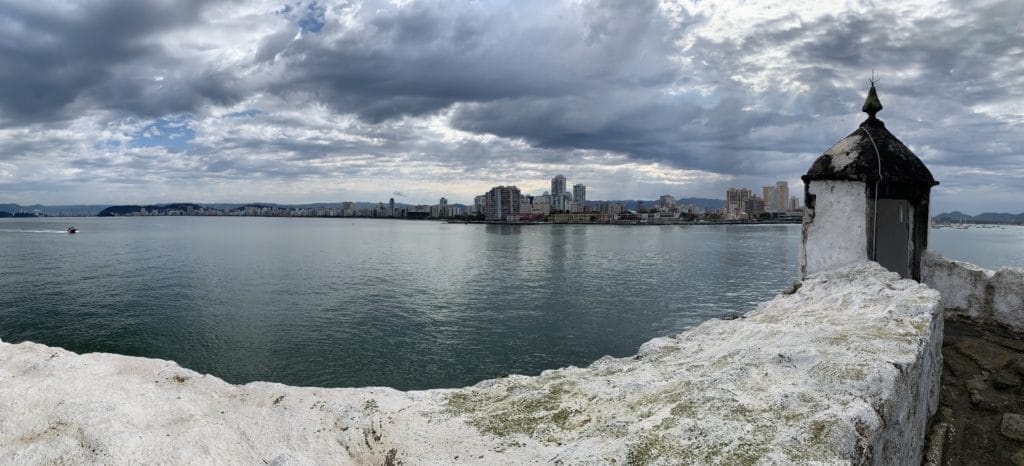
Santos is one of the leading coastal cities in São Paulo state. Given how close it sits to the state capital, it’s a popular pick for a weekend trip or even a quick day trip.
Santos isn’t just about beaches — it’s also a major tourist hub in the region, with the infrastructure of a proper big city. The city’s port is the largest in Latin America.
The Baixada Santista region is made up of Santos, São Vicente, Guarujá, Praia Grande, Bertioga, and other municipalities along São Paulo’s southern coast.
- What time of year is best to visit Santos
- Getting to Santos
- Fun facts about the city of Santos
- History of Santos
- Tips on what to do in Santos
What Time of Year Is Best to Visit Santos
The best window is spring, in September, or early fall, in April, when temperatures are milder — still a bit warm, but with less rain.
In summer, for instance, temperatures can climb high, but so can the chance of rain, sometimes pushing past 30°C, which isn’t ideal for sightseeing.
Getting to Santos
Santos is located on Ilha de São Vicente, though part of the city sits on the island (39.8 km²) and part on the mainland (240.8 km²).
It’s about 70 km from São Paulo, less than 1 hour 30 minutes by road, and the road itself is in great shape.
You can get there via two highways: the Rodovia Imigrantes (more lanes, higher speeds, cars only) or the Rodovia Anchieta (winding, slower, shared with trucks, but with a view over the Baixada Santista from the Serra do Mar).
Fun Facts About the City of Santos
I lived in Santos while I was in college, and there are several fun facts locals will know:
To give directions, people refer to canal numbers — for example, I lived between canal 3 and 4 — but people rarely know their own neighborhood’s name. The whole city is crossed by canals, originally built to help drain rainwater, since the area used to suffer from a lot of disease.
Nossa Senhora do Monte Serrat is the city’s patron saint. Her church sits atop the hill of the same name, and reaching the top requires climbing more than 400 steps.
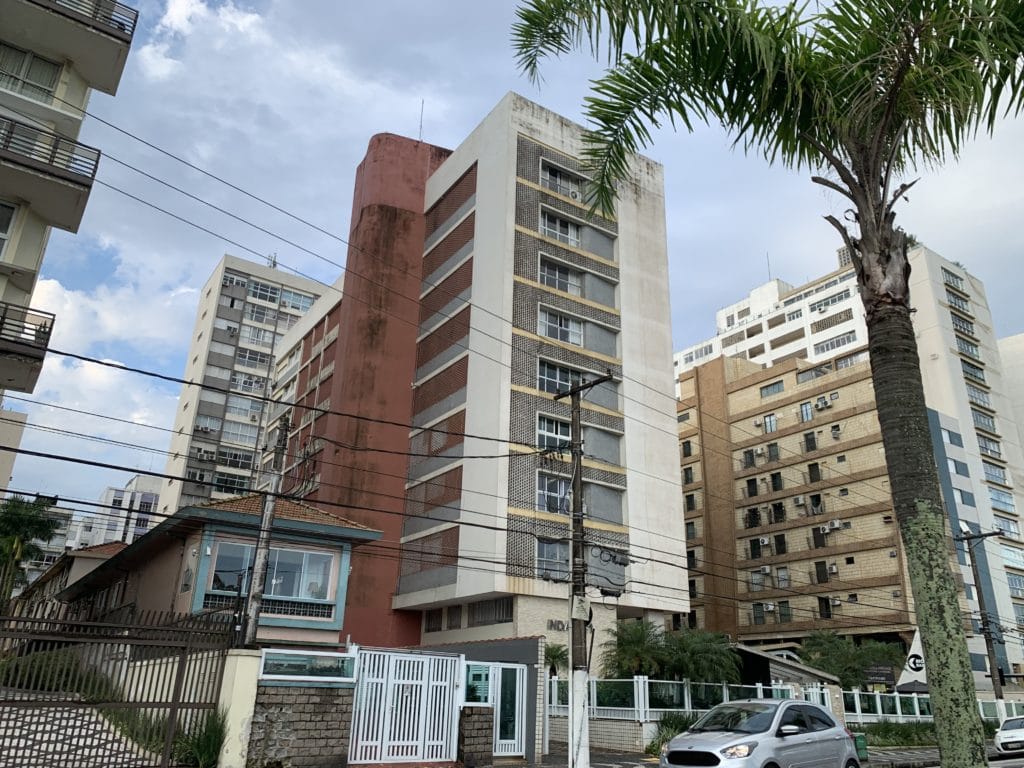
The buildings along the waterfront lean crooked, easy to spot whether you’re walking or driving along the shore.
On the economic side, the port is the largest in Latin America, spanning 13 km, handling more than a quarter of all cargo entering and leaving Brazil — making it the municipality’s main source of wealth.
Because of this, Santos is the most economically important city in the Baixada Santista Metropolitan Region, and as a result, one of the wealthiest in the country.
Tourism, services, and fishing round out the list of the biggest sectors in the local economy.
History of Santos
Santos was founded by Brás Cubas, who arrived from Portugal in 1532, alongside Martim Afonso de Souza, the proprietor of the Captaincy of São Vicente.
Santos is one of the few Brazilian municipalities that knows the exact spot of its founding: the outeiro de Santa Catarina, downtown. On the rock, still standing today, there’s a plaque marking the settlement’s start in 1543, though the monument is currently under renovation and should reopen soon.
In 1546, Santos was elevated to village status, and later, on January 26, 1839, it became a city.
Brazil’s coffee economy gave Santos an unprecedented boost in growth. The opening of the São Paulo Railway line, connecting Santos to the coffee farms of Jundiaí in 1867, was an immensely valuable source of progress, especially for the port.
The city’s population grew enormously, eventually filling the entire area between the port and Monte Serrat, along with the areas known as Paquetá and Macuco.
After the abolition of slavery, and the arrival of Italian labor to replace enslaved workers in agriculture, Santos became known as Brazil’s gateway for hopeful Italian and Japanese immigrants.
Finally, Santos firmly established itself as a tourist city starting in the 1910s, with the construction of the Internacional and Parque Balneário hotels, and the development of the waterfront gardens starting in 1935.
Starting in 1999, the city ran revitalization projects in its downtown area, offering tax incentives to businesses in exchange for restoring rundown buildings, considerably improving the area’s appearance.
Tips on What to Do in Santos
Santos is a big city, and you can’t see it all in a single day — but that’s all the time we had, so here’s what we managed to see, along with other tips for the city.
- Jardim da Orla de Santos
- Ponta da Praia
- Deck do Pescador
- Fortaleza da Barra Grande, on Ilha de Santo Amaro
- Aquário de Santos
- New fish market
- Historic center
- Museums in Santos
- The tram
- Estação Valongo
- Churches in Santos
- Praça Barão do Rio Branco
- Teatro Coliseu
- Praça Patriarca José Bonifácio
- Santos City Hall
- Santa Casa de Santos
- Alfândega de Santos
- Vila Belmiro — Santos Futebol Clube
- Where to eat in Santos
Jardim da Orla de Santos
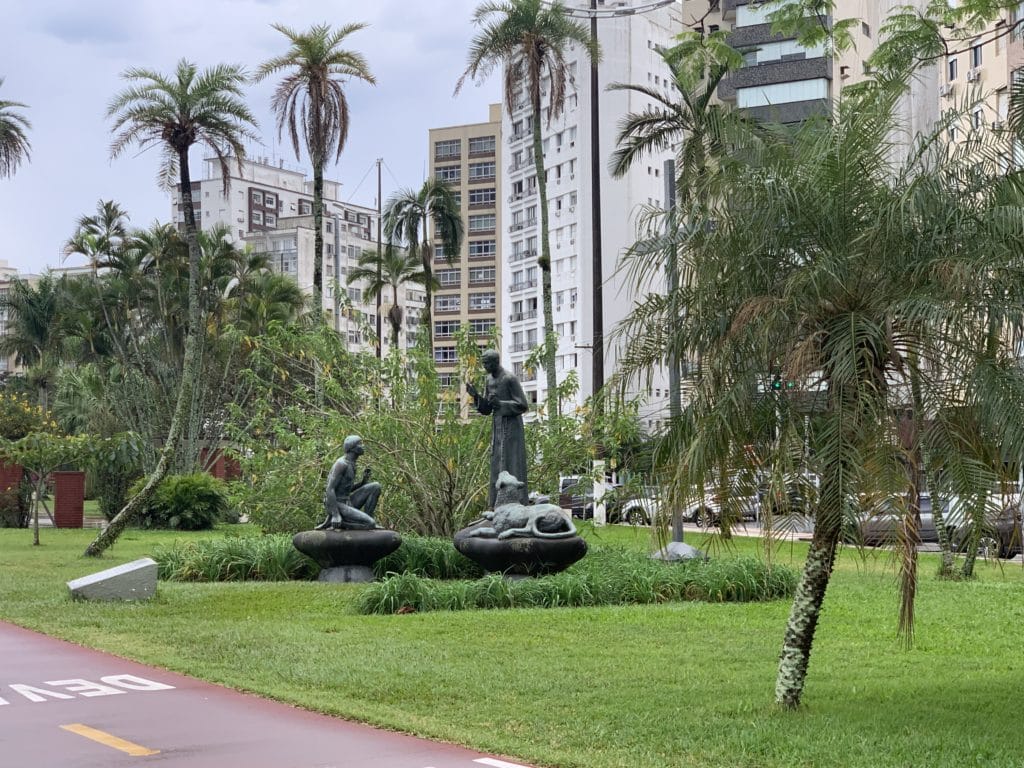
This garden runs along almost the entire beachfront boardwalk, about 8 km, one of the most beautiful landscaping projects in the country. As a result, it earned the title of the world’s largest oceanfront garden, awarded by Guinness World Records in 2002.
There are statues, fountains, trees, squares, and palm trees along the whole stretch, and you can walk it, bike it, or simply drive by.
Ponta da Praia
There’s a traditional low wall, the “Mureta de Santos,” typical of the region, and today a visual symbol of the city, sold in small replica form as souvenirs. We’d recommend visiting in the late afternoon to catch the sunset.
The walls were built as protection against the sea, right after World War II.
Unfortunately, the wall tends to take damage from rough seas, which flood the boardwalk during rainy periods.
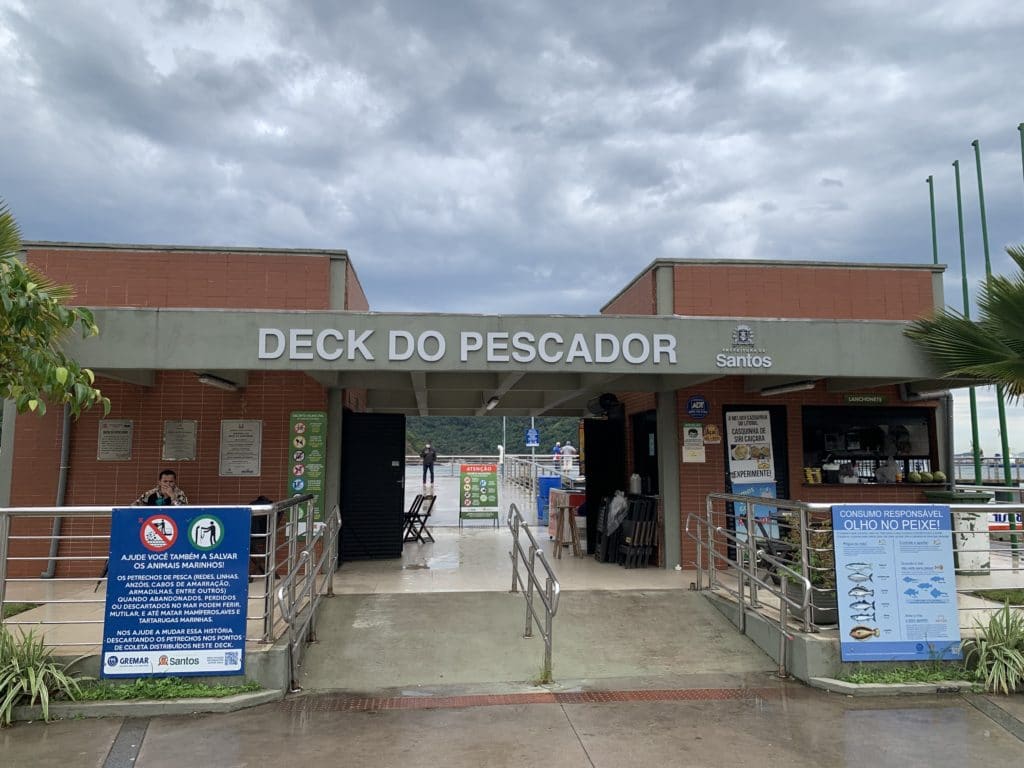
Deck do Pescador
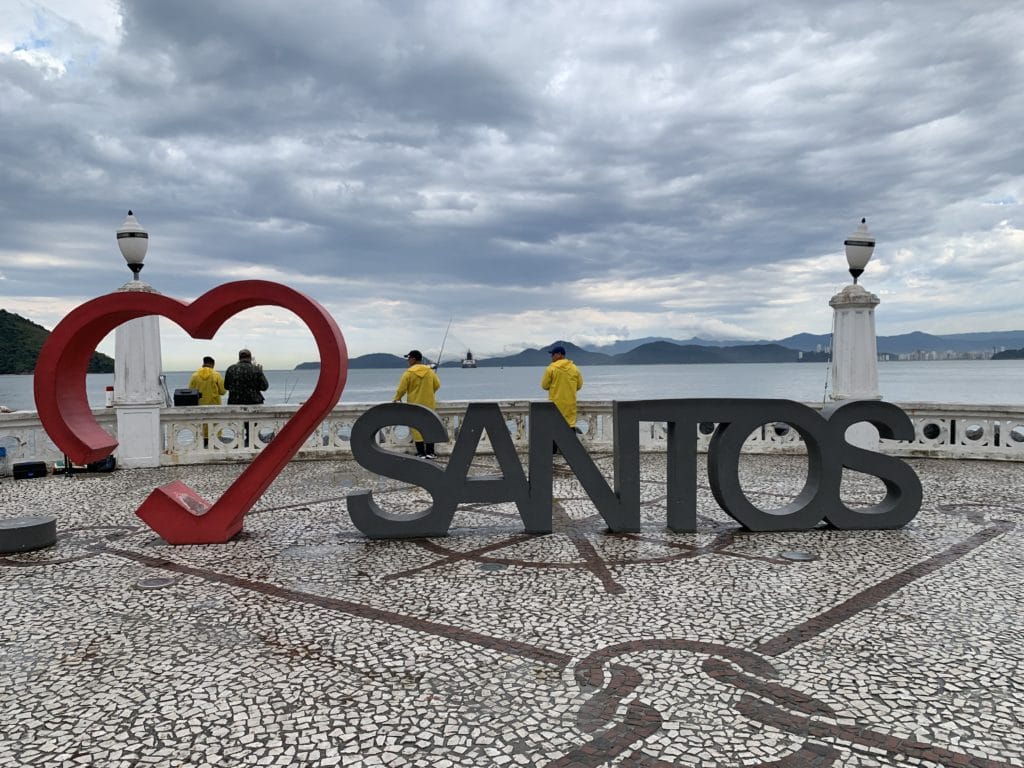
Located at Ponta da Praia, this is a deck built to watch ships departing the Port of Santos, take in the ocean view, and watch fishermen at work.
There’s a snack bar here too, and you can just sit and watch time pass.
Fortaleza da Barra Grande, on Ilha de Santo Amaro
There’s a dock right past Deck do Pescador, where a small boat departs every 30 minutes to Ilha de Santo Amaro and Praia do Góes, in Guarujá, home to Fortaleza de Barra Grande. There’s also another option, departing every 10 minutes, if you catch the residents’ boat, at R$4 per person.
The crossing is very quick, about ten minutes, and we loved visiting Fortaleza da Barra Grande.
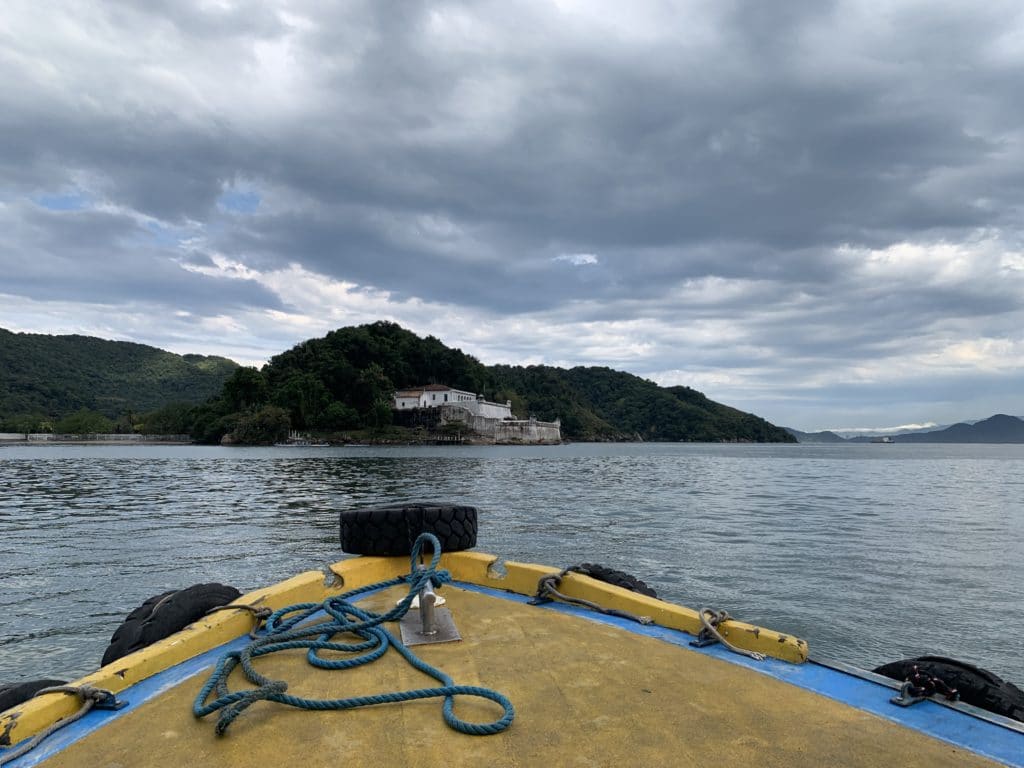
Built in 1584 to protect the Baixada region, it was replaced in 1900 by Fortaleza de Itaipu. Before it became a tourist attraction, it served various other purposes, including a school and a military club.
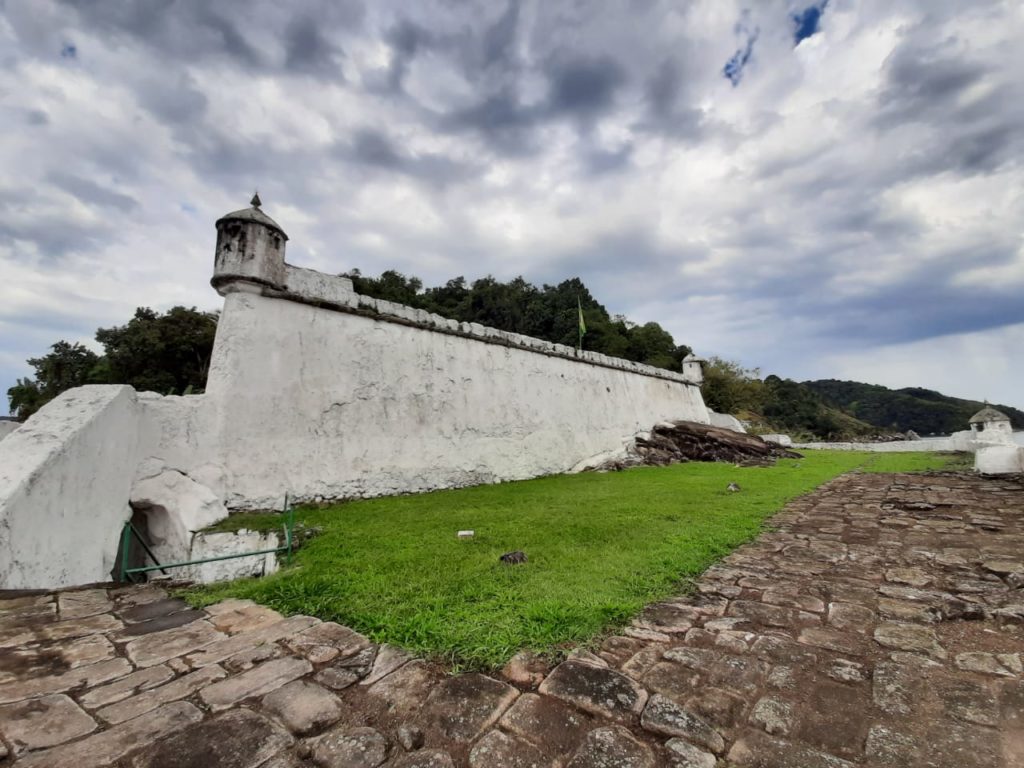
From here, you get a beautiful panoramic view of Santos, and inside, there’s a museum telling the site’s history, genuinely interesting.
The chapel at the fortress was originally a gunpowder store, but given its proximity to the water, it was converted into a chapel, the Capela de Santo Amaro, dedicated to Guarujá’s patron saint.
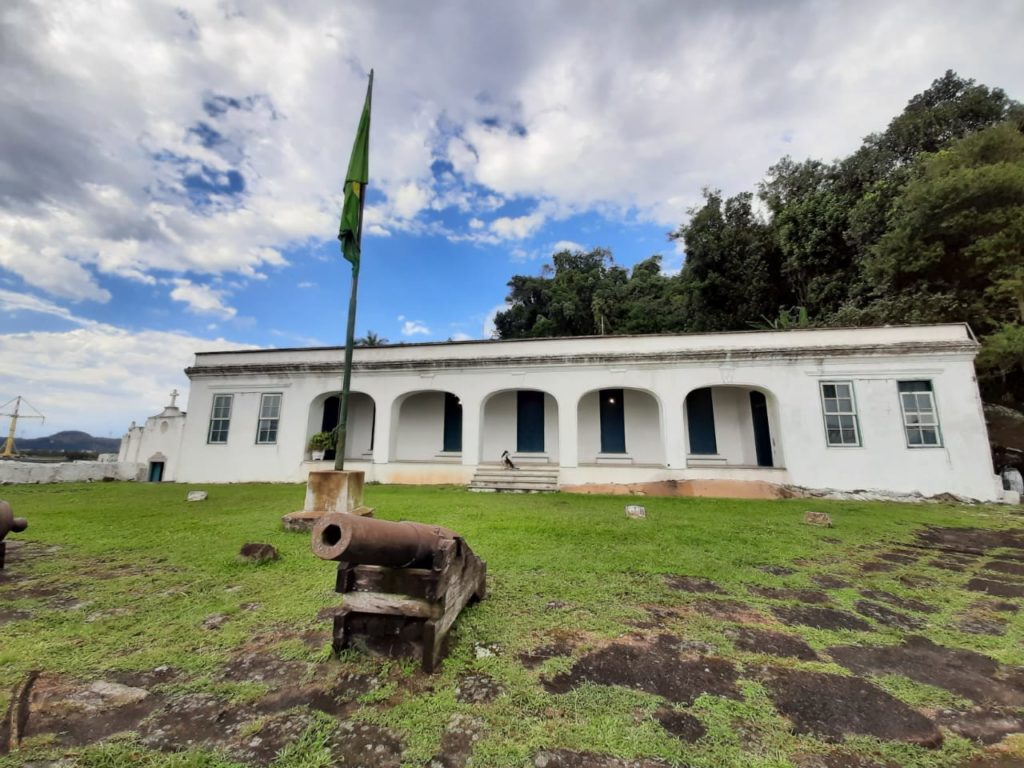
The interior is simple, and one of the rooms holds a wall piece by the artist Mabe, a Japanese-Brazilian painter, illustrator, and tapestry artist, who unfortunately passed away before seeing the artwork finished.
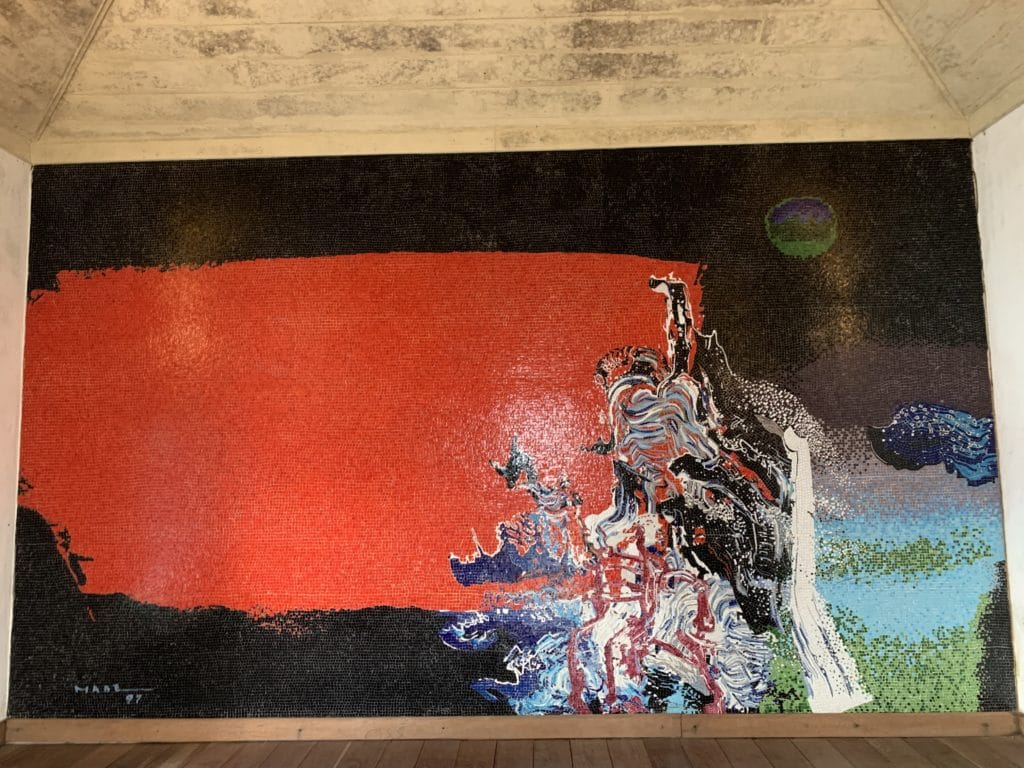
We did a guided tour, which is free, but needs to be scheduled ahead, running 45 minutes to an hour.
Aquário de Santos
According to a survey by the Research and Planning Department of the State Secretariat of Sport and Tourism, this is the second most-visited attraction in São Paulo state, behind only the Zoo, in the state capital.
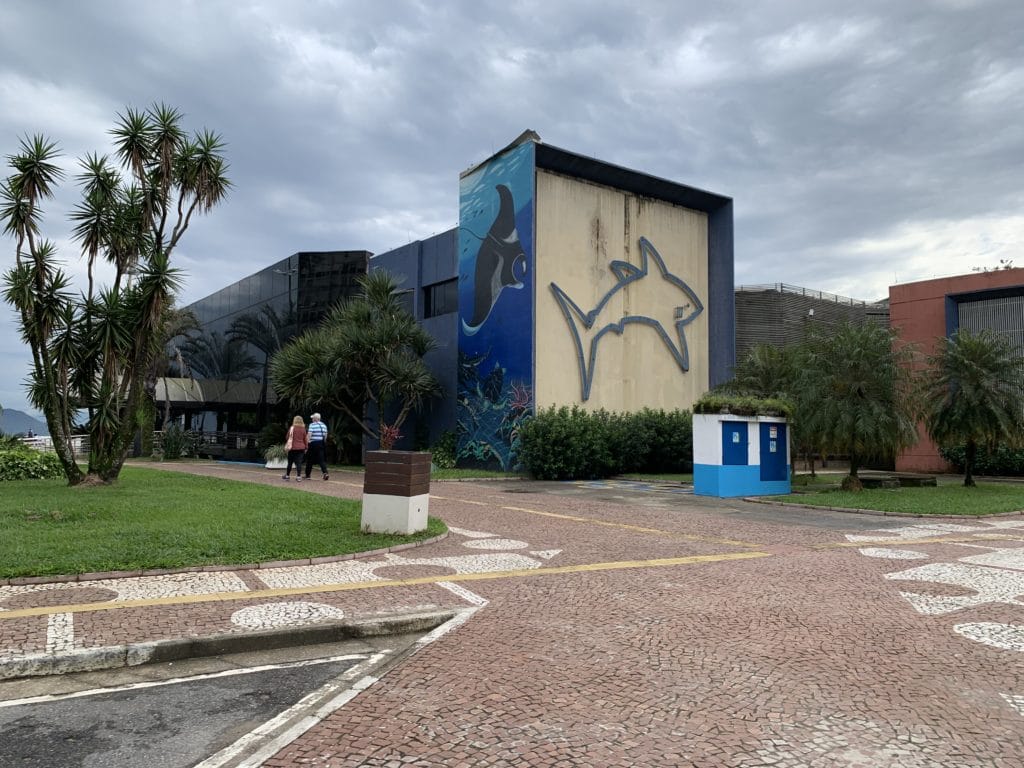
Unfortunately, we weren’t able to visit, since it’s currently closed because of the pandemic.
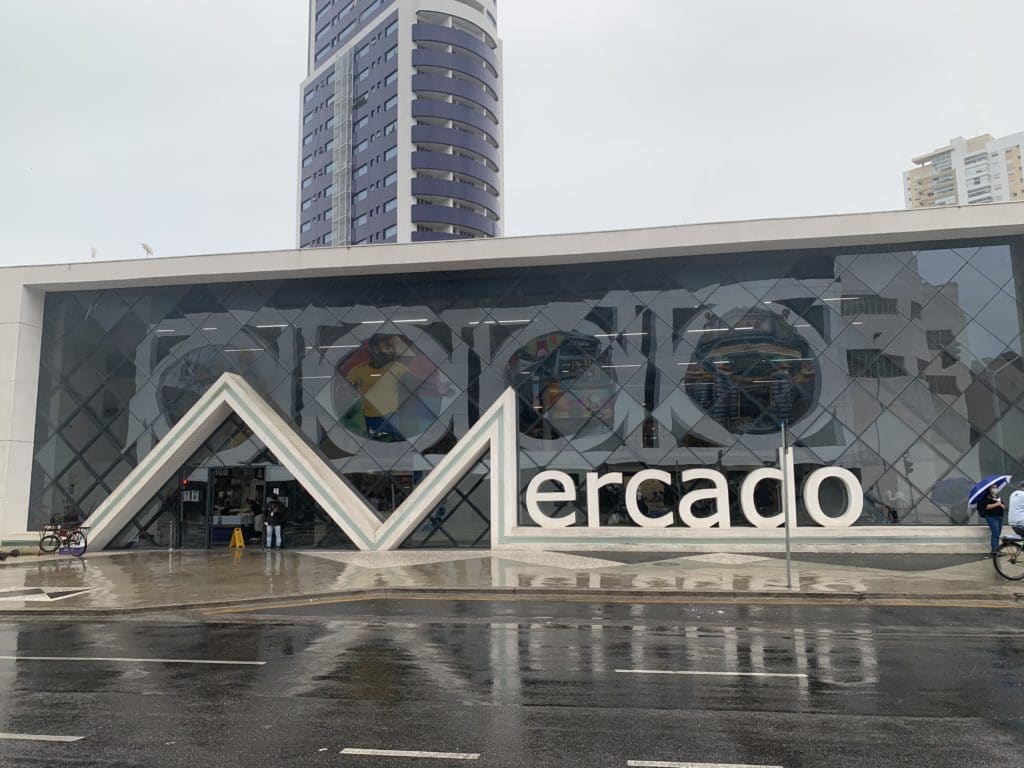
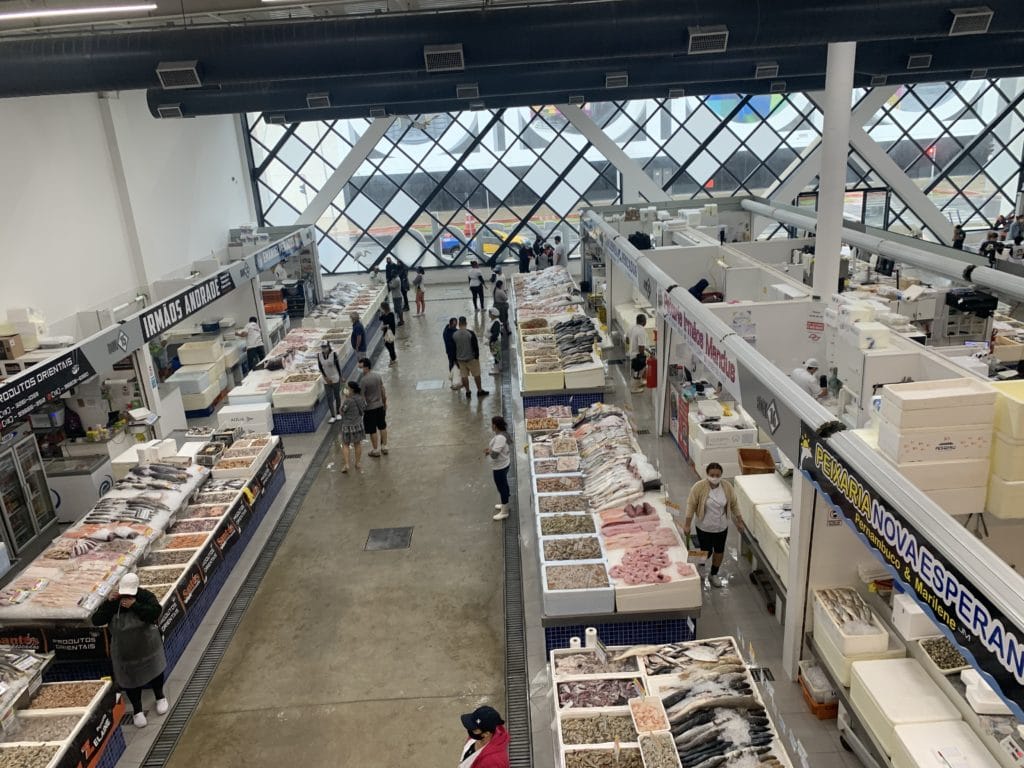
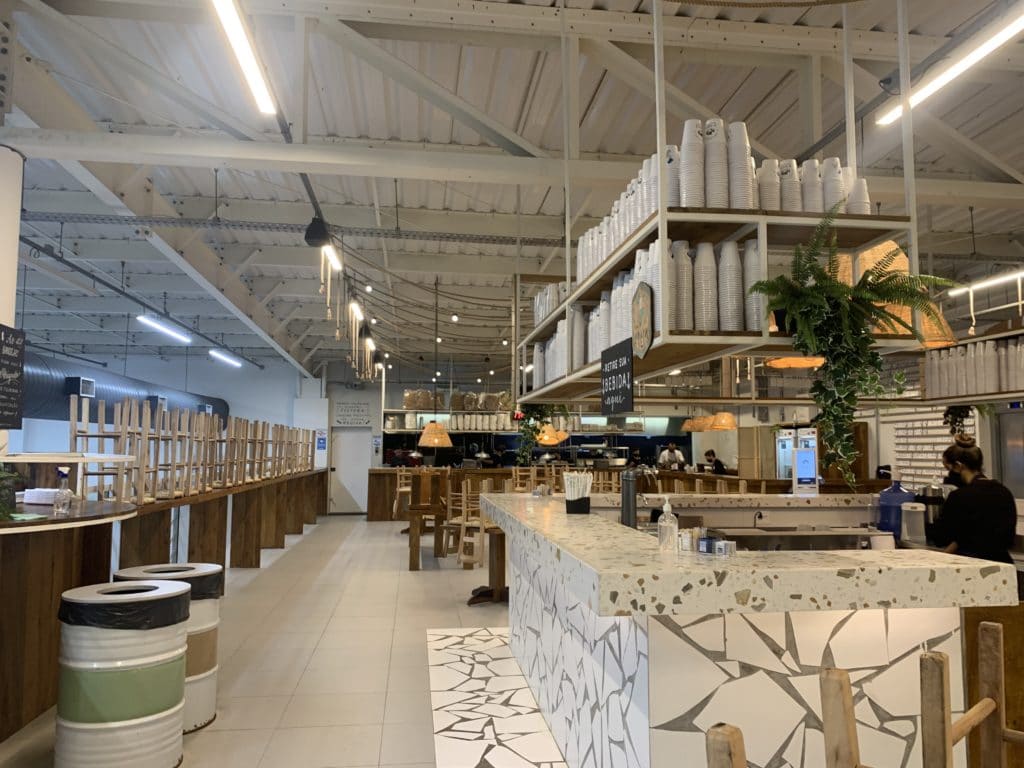
Novo Mercado de Peixe in Santos
Opened on July 17, 2020, this market has 20 stalls selling fish and seafood, and upstairs, the restaurant Paru, run by chef Dário Costa, winner of the reality show Mestres do Sabor.
The old market operated since 1982, so buying fish here is already a genuine Santos tradition.
Historic Center
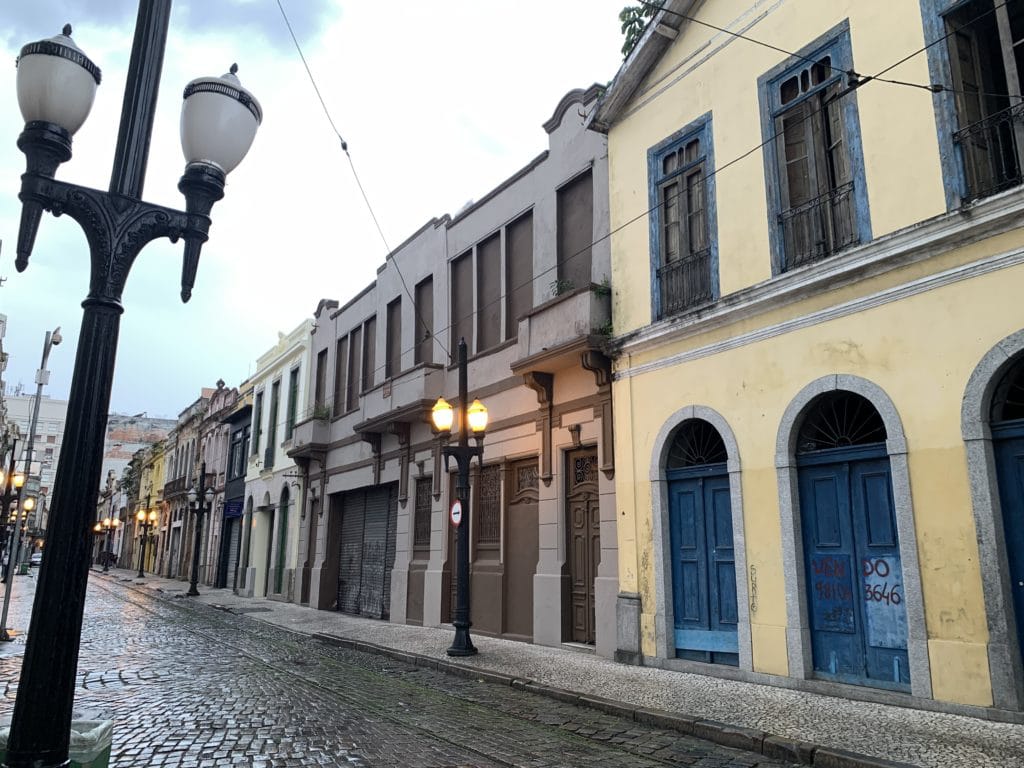
The city’s architectural variety ranges from contemporary to Baroque, passing through colonial churches and colorful old townhouses, many former residences now converted into shops.
The homes carry dates and names at their entrances, marking the year they were built and the families who owned them — and they’re beautiful!
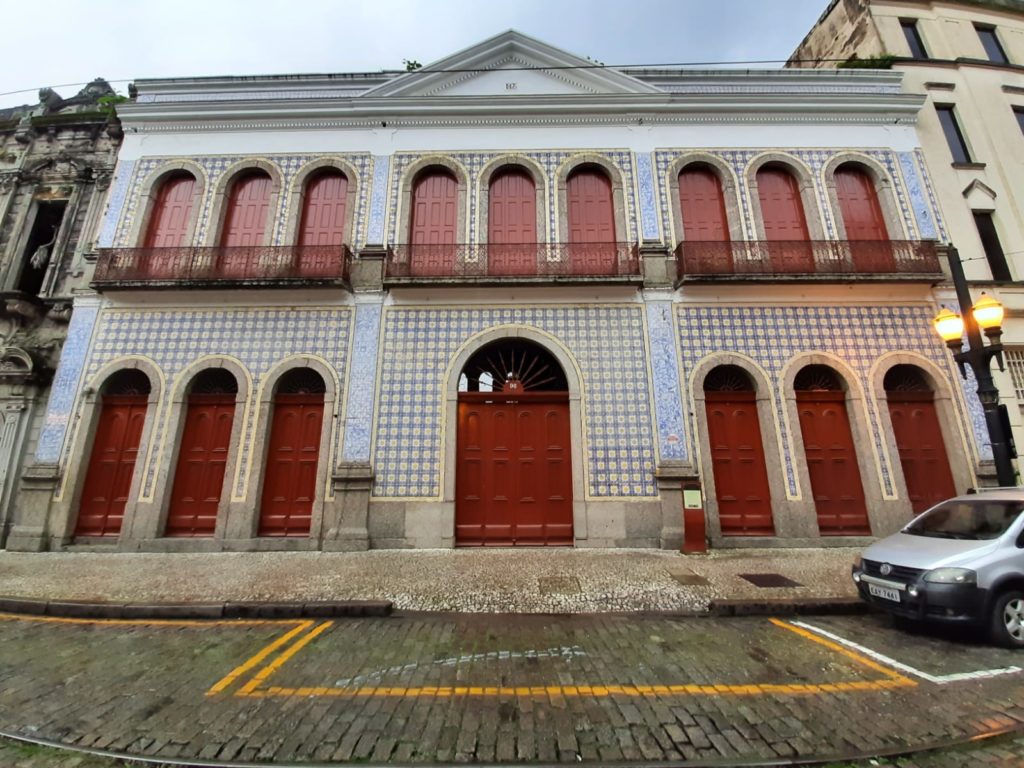
Worth highlighting is the Casa da Frontaria Azulejada, built in 1865 as a residence above and a warehouse below, as was customary at the time, decorated with more than seven thousand tiles.
Museums in Santos
We set out to visit three museums in Santos, but unfortunately only one was open, the Museu da Bolsa do Café — though it was well worth it, since the museum is beautiful and genuinely informative.
Museu da Bolsa do Café
Simply unmissable. A beautiful, imposing building, fully restored, where you’ll find a large part of the economic history not just of Santos, but of Brazil as a whole.
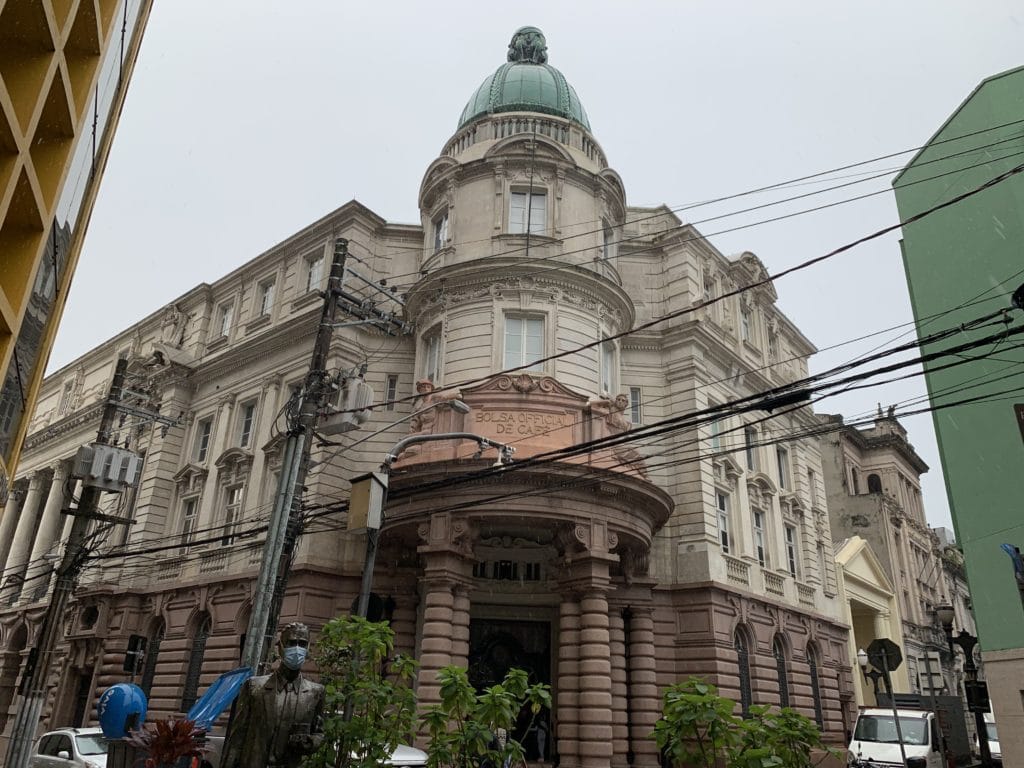
The permanent exhibit “Coffee, Brazil’s Cultural Heritage” is excellent and genuinely thorough. The building has two floors — on the ground floor, the first room, once the actual coffee exchange trading floor, followed by a second room tracing the history of coffee cultivation, different coffee varieties, all the way through the modern era.
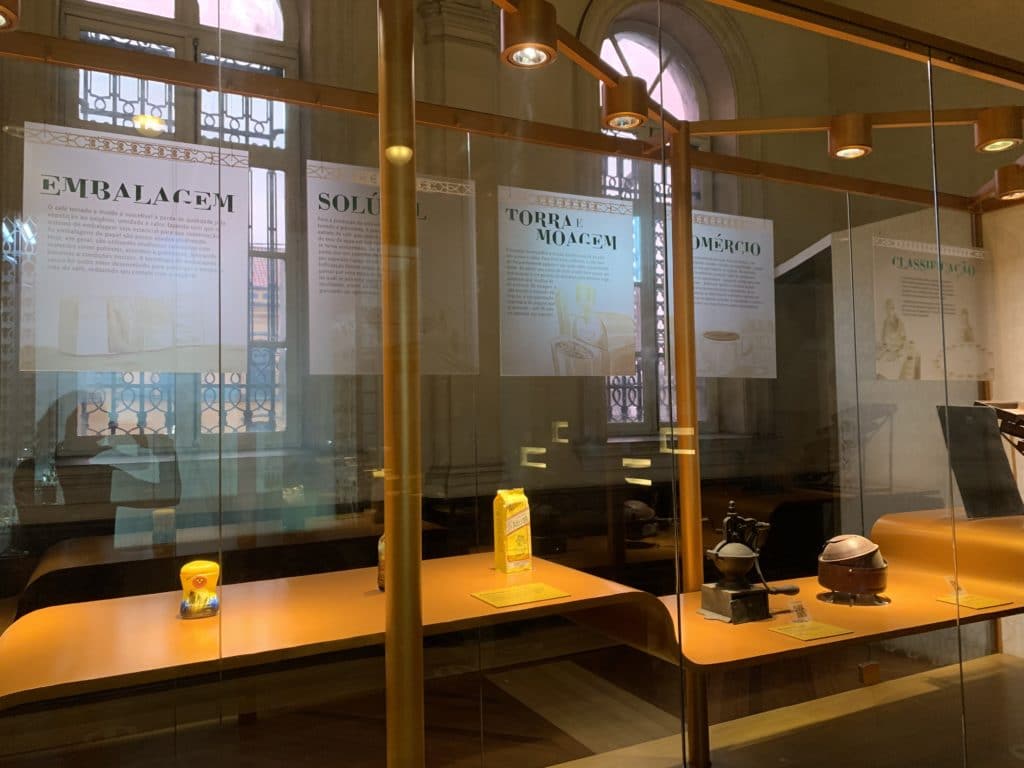
Upstairs, the first, purple room traces coffee’s timeline worldwide, with plenty of fun facts, since coffee’s been consumed for many centuries.
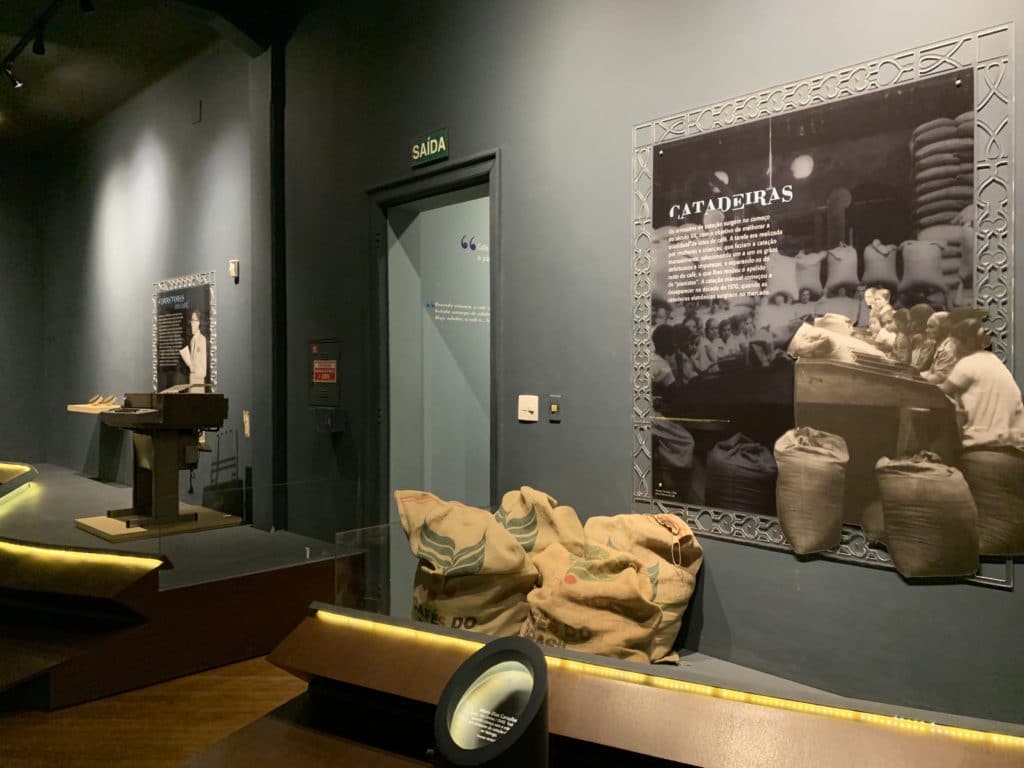
In the second, blue room, also upstairs, murals tell the stories of the people who worked to make coffee exports possible. The third room covers the building’s own history, its architect, and finally, where the construction materials came from.
Cafeteria do Museu do Café
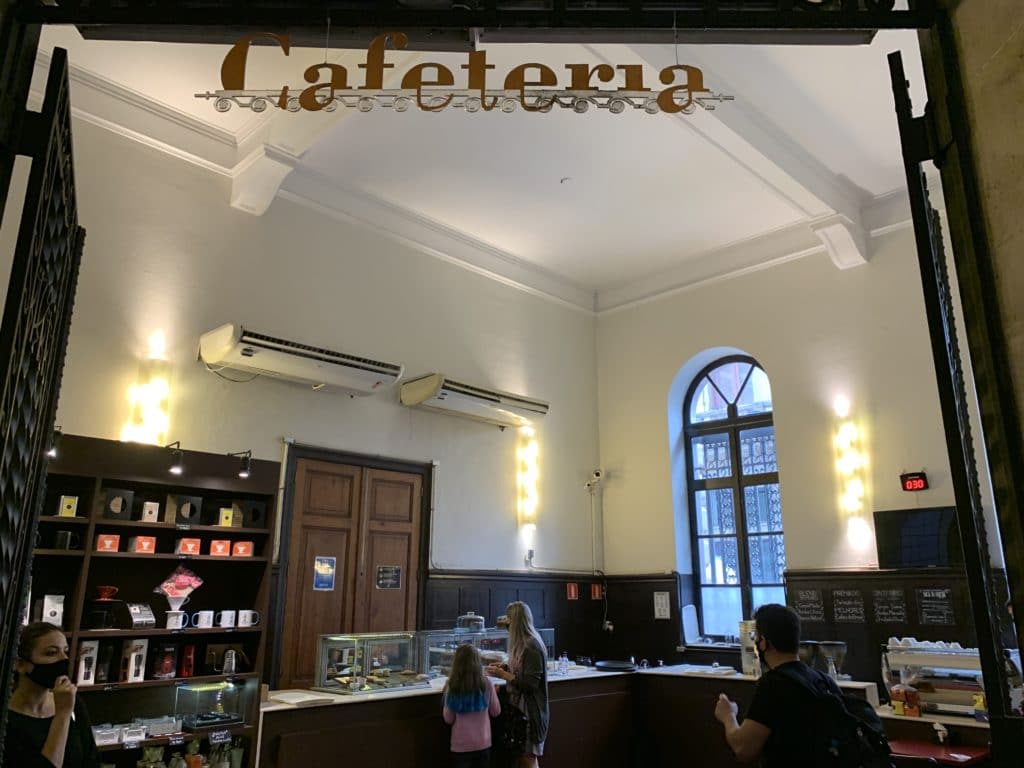
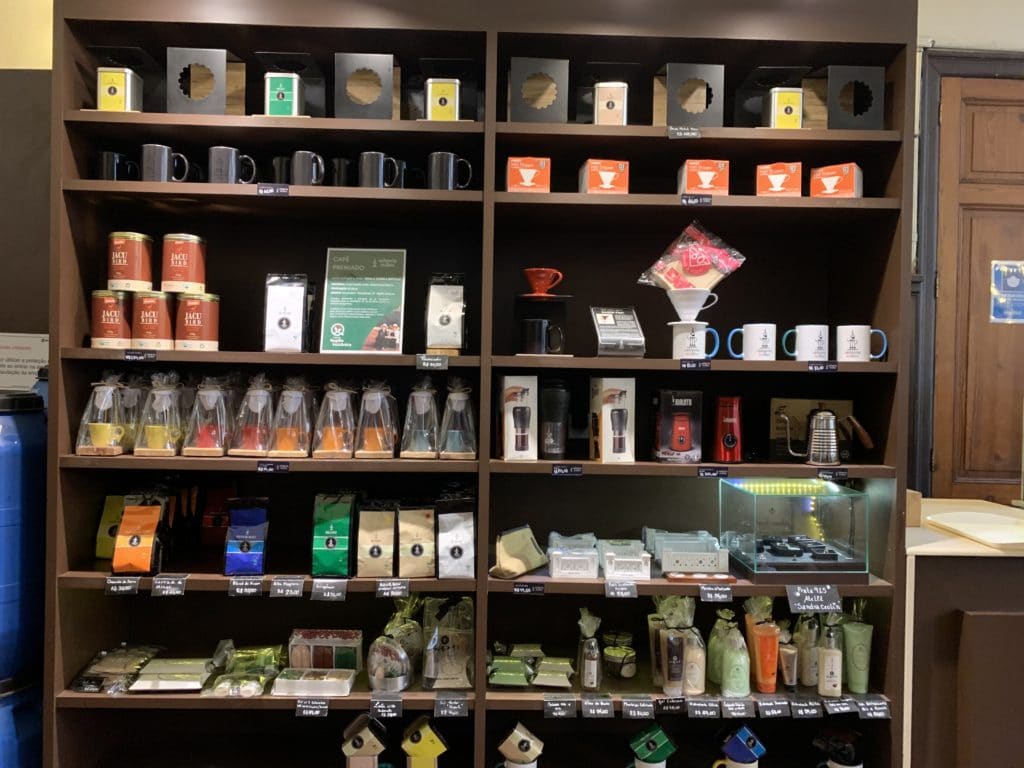
We considered a stop at the café inside the museum an absolute must, since it’s been named the best café on São Paulo’s southern coast for several years running, where you can try Café Jacu, which is extremely pricey but well worth trying.
Café do Jacu is considered a delicacy, since it’s made from beans eaten and excreted by certain bird species. Inside the bird’s digestive tract, the bean is affected by stomach acid. Afterward, the coffee goes through a cleaning process before being roasted, ground, and brewed.
I tried it and liked it, though the flavor doesn’t really resemble coffee at all.
On Saturdays, admission to the museum is free; other days, it costs R$10. We’d recommend arriving early, since the line gets huge, and with a limited number of visitors allowed inside at once, some patience is required.
Museu da Pesca
Still at Ponta da Praia, but on the other side of the boardwalk, sits the Museu da Pesca (Fishing Museum).
The building is beautiful and fully restored. It was once a fort, strategically positioned to provide crossfire alongside Fortaleza da Barra.
That said, the museum is currently closed because of the pandemic.
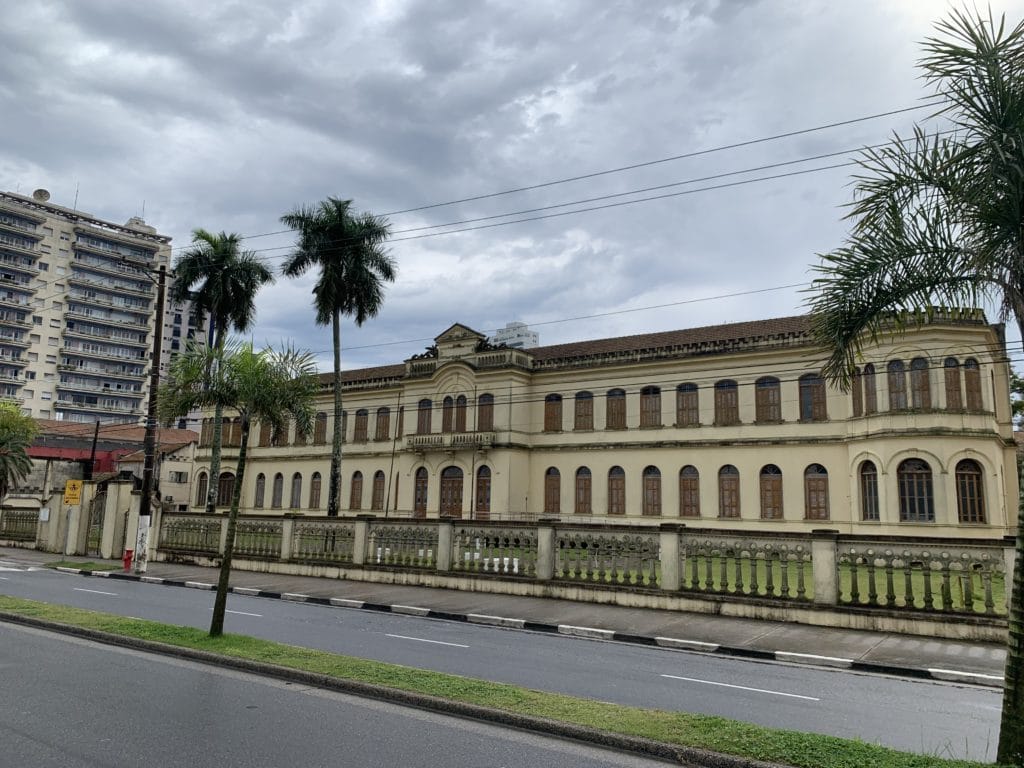
Museu Pelé
This museum sits across from the Valongo train station, in a building fully restored as part of the area’s revitalization effort. The Pelé Museum was a longtime dream of Pelé himself, the “King of Soccer.”
Opened in 2014, the year Brazil hosted the World Cup, it holds every one of the star’s trophies and medals, along with his uniforms — jerseys and cleats from famous championships — tracing his whole career through videos of his most memorable matches.
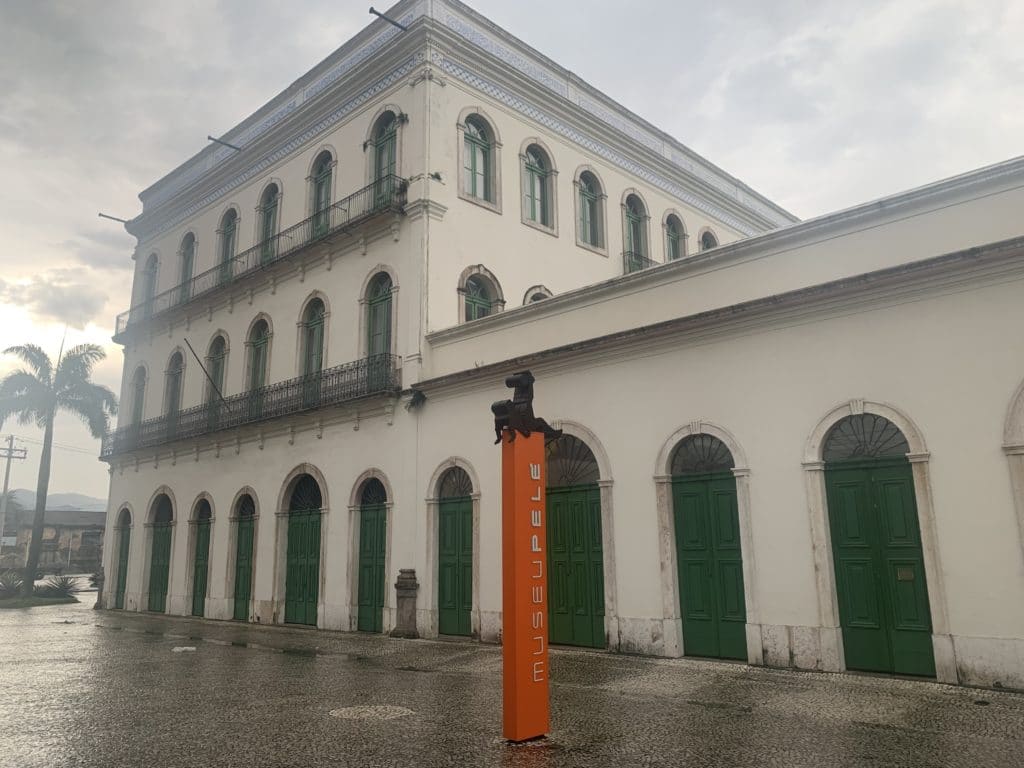
Unfortunately, the museum is currently closed because of the pandemic, though the snack bar inside is still open.
The Tram
As part of the revitalization of the old downtown area, the historic tram line was restored, offering rides in a vehicle from the 1920s, kept in its original condition.
The tram itself originally came from the city of Porto, in Portugal — and there’s also the Bonde do Café, a Japanese tram running Tuesday through Sunday, departing from Praça Mauá, downtown.
It’s a genuinely charming ride, with a historian narrating interesting facts about the city as it passes several downtown landmarks.
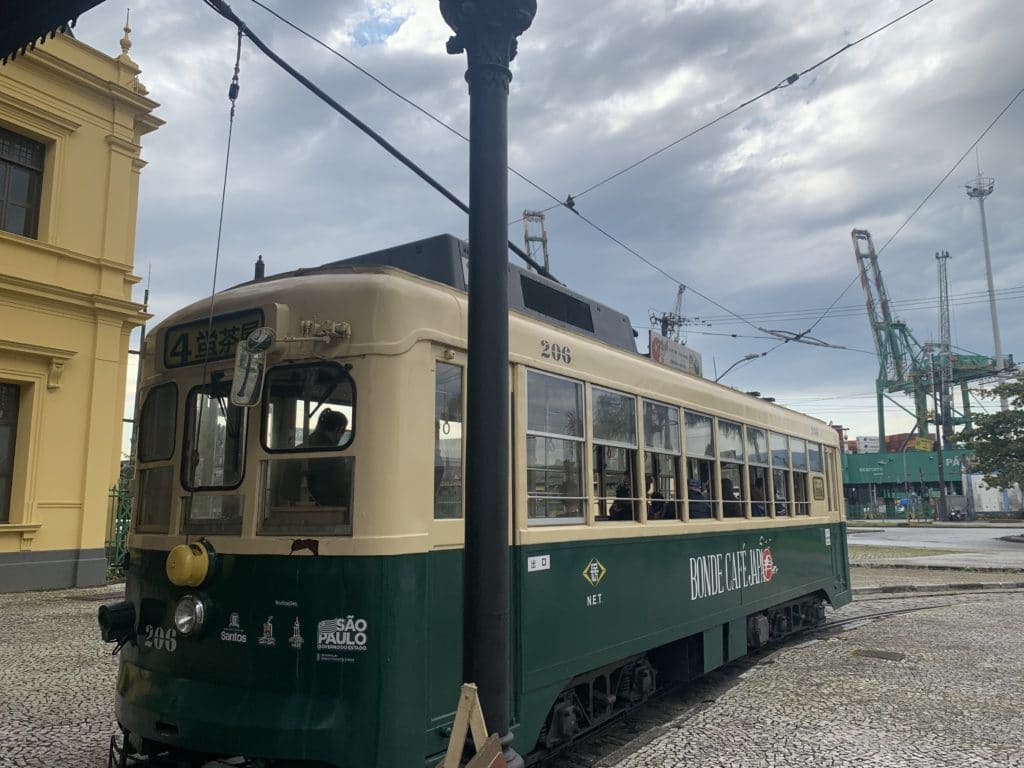
Tickets need to be bought at the Pelé Museum, and boarding happens at Estação Valongo.
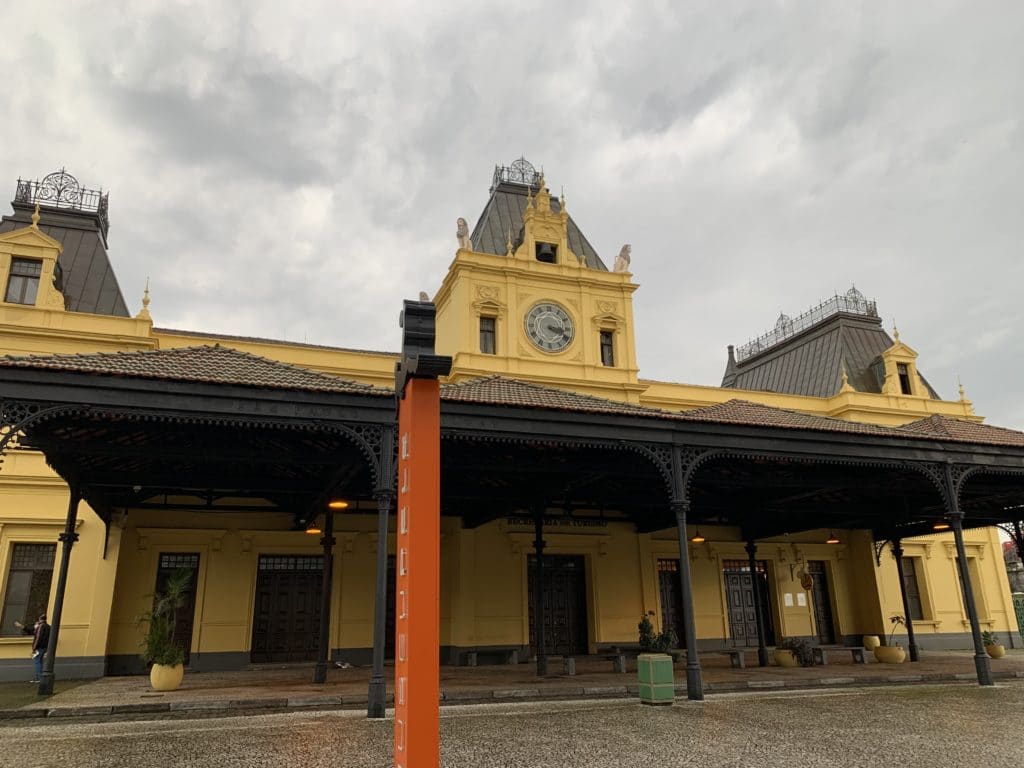
Estação Valongo
In short, this station opened in 1867, built by the São Paulo Railway — it was the first train station in São Paulo state, opened alongside the railway line running to Jundiaí, in the state’s interior.
Churches in Santos
There are several churches in Santos, and here are our tips on the ones we visited.
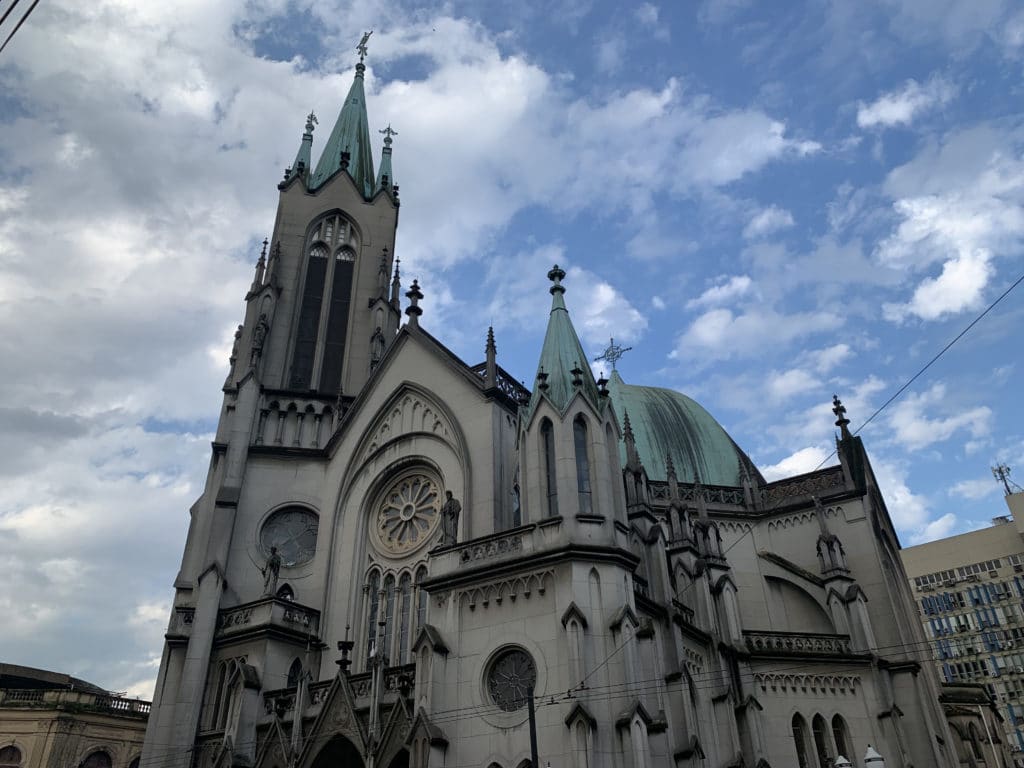
Catedral de Santos
Also known as the Catedral de Santos Nossa Senhora do Rosário. The predecessor to today’s cathedral was demolished in 1907, having fallen into advanced disrepair, and construction on the new building began soon after, in 1909, led by German architect Maximilian Emil Hehl.
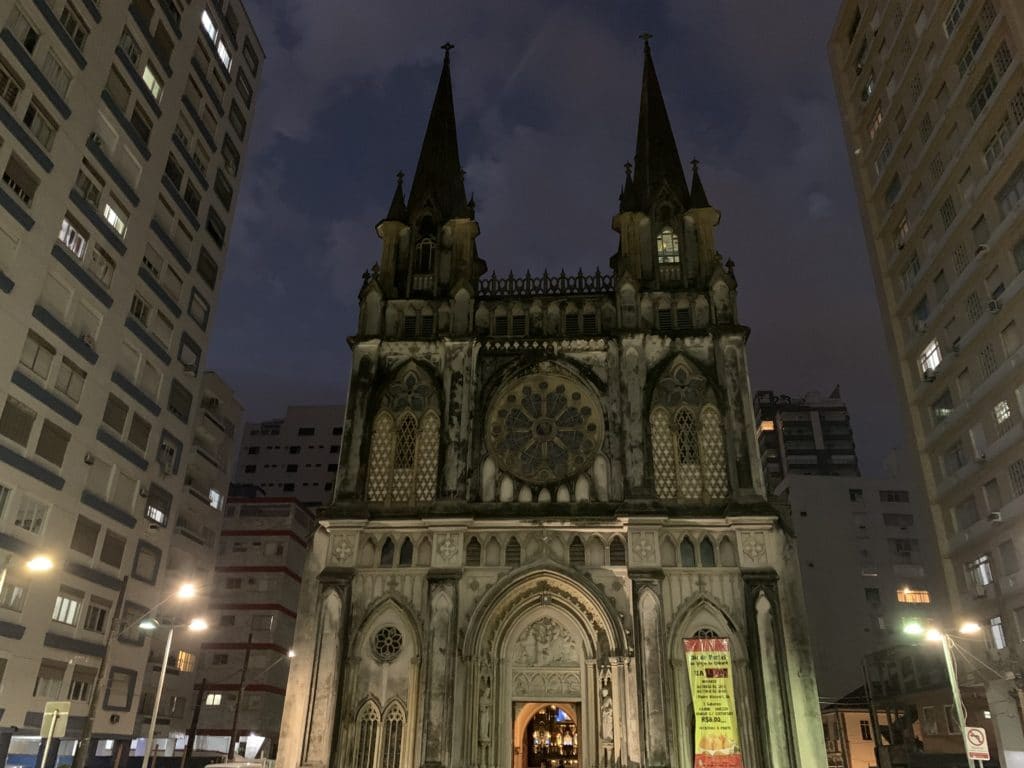
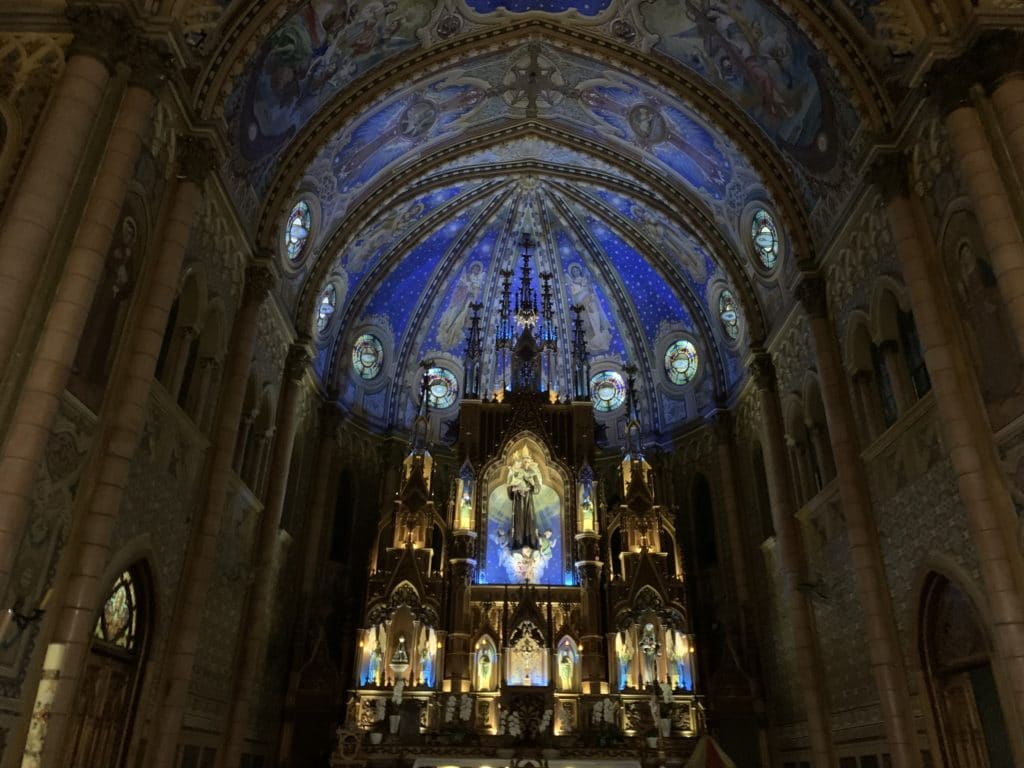
Basílica Santo Antônio do Embaré
Near canal 4, facing the beach, sits the beautiful Igreja do Embaré, in Neo-Gothic style. Dating to 1945, this church, in my opinion, is genuinely unmissable for the detail in its interior.
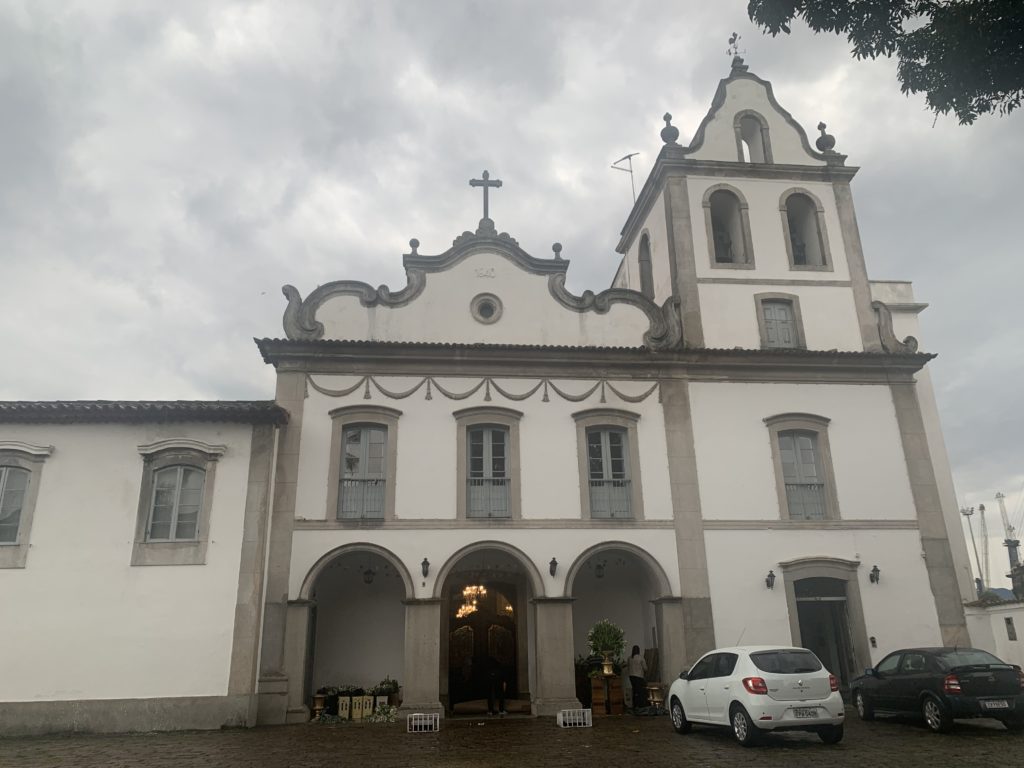
Santuário Santo Antônio do Valongo
A Baroque-style church, founded on January 25, 1640.
Igreja Convento do Carmo
The Conjunto do Carmo, in Santos, is considered one of the oldest surviving Baroque religious complexes in Brazil.
Designated a National Heritage site since 1940, it’s actually made up of two churches: an 18th-century Rococo-style church, the Igreja da Venerável Ordem Terceira do Carmo, and next to it, the older Igreja dos Freis Carmelitas, dating to the 16th century (1599), attached to the convent, designated a landmark by Condephaat in 1981 and by Condepasa in 1990.
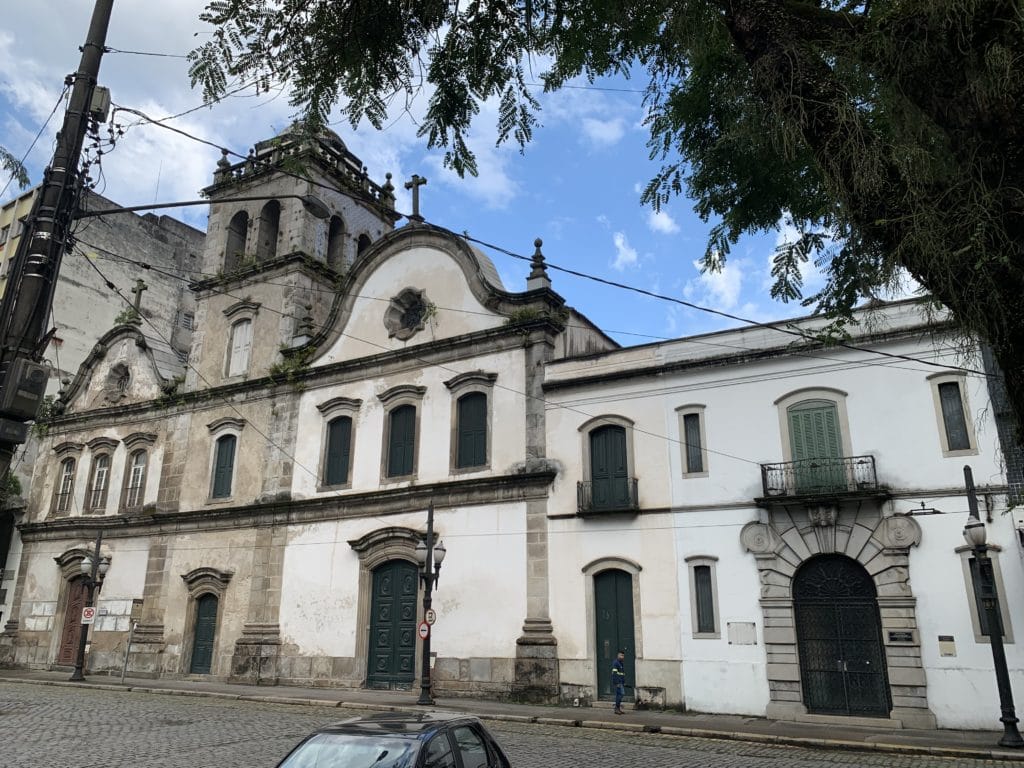
Praça Barão do Rio Branco
Praça Barão do Rio Branco was originally known as Largo do Carmo, the site where the Convent and the Ordem Terceira do Carmo were established.
After the Order left the site, the square became a significant location, home to the offices of the Instituto Brasileiro de Café, which later moved elsewhere.
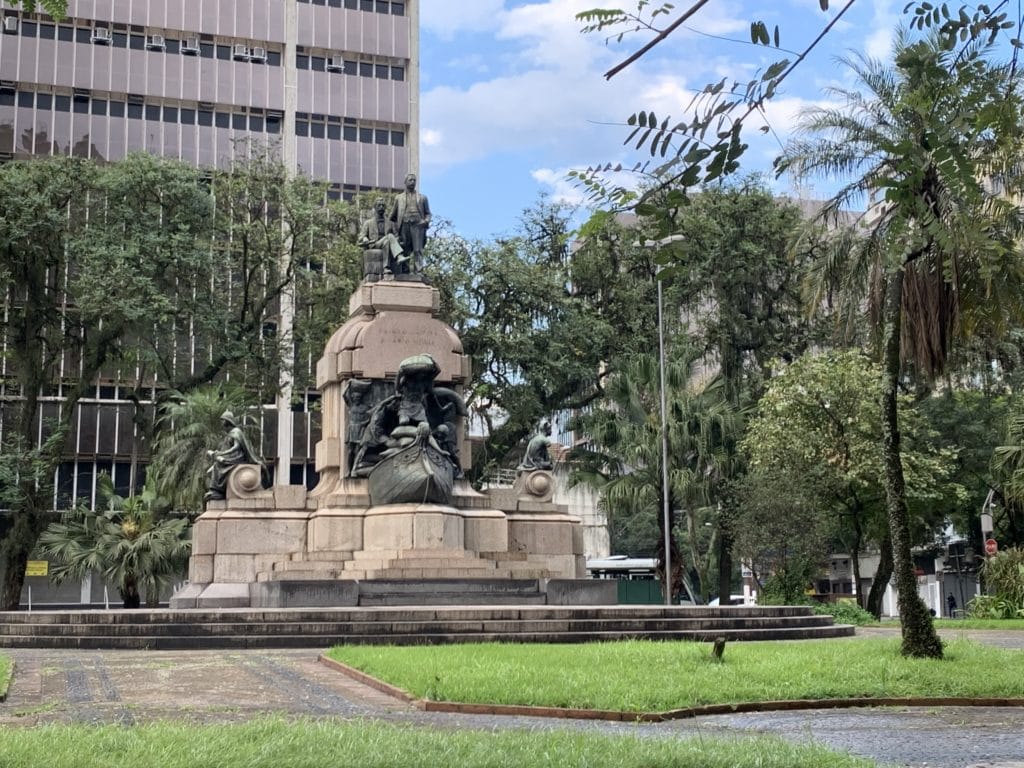
Teatro Coliseu
The largest theater in Santos. Originally built in 1909, it hosted major cultural figures of the era, including theater and music companies, along with operas and operettas.
After falling into disrepair and being abandoned, it was designated a landmark by Condephaat in 1983 and closed for renovation in 1996. It became city property and, after ten years of restoration, reopened.
Today, the Coliseu seats a thousand people and is currently closed because of the pandemic.
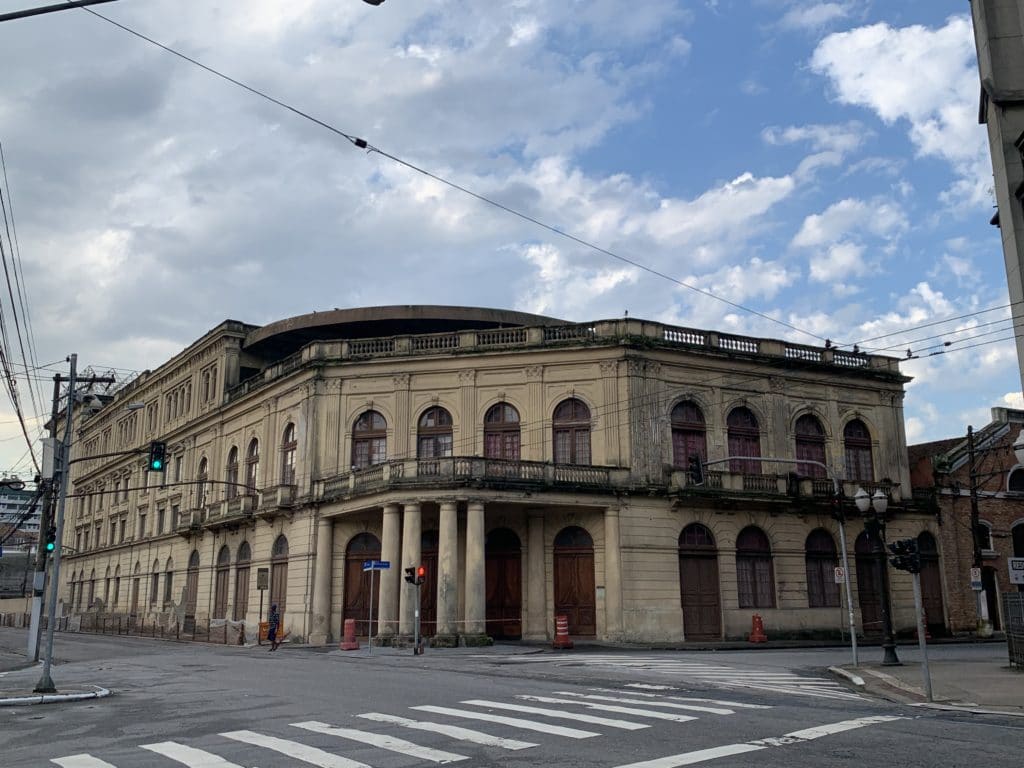
Praça Patriarca José Bonifácio
The tribute was created in 1887, though the statue that stands there today wasn’t unveiled until 1956. It’s the Monument to the Constitutionalist Soldier of São Paulo, also known as the Son of the Bandeirantes or the Wounded Soldier.
The piece was created by sculptor Antelo Del Debbio.
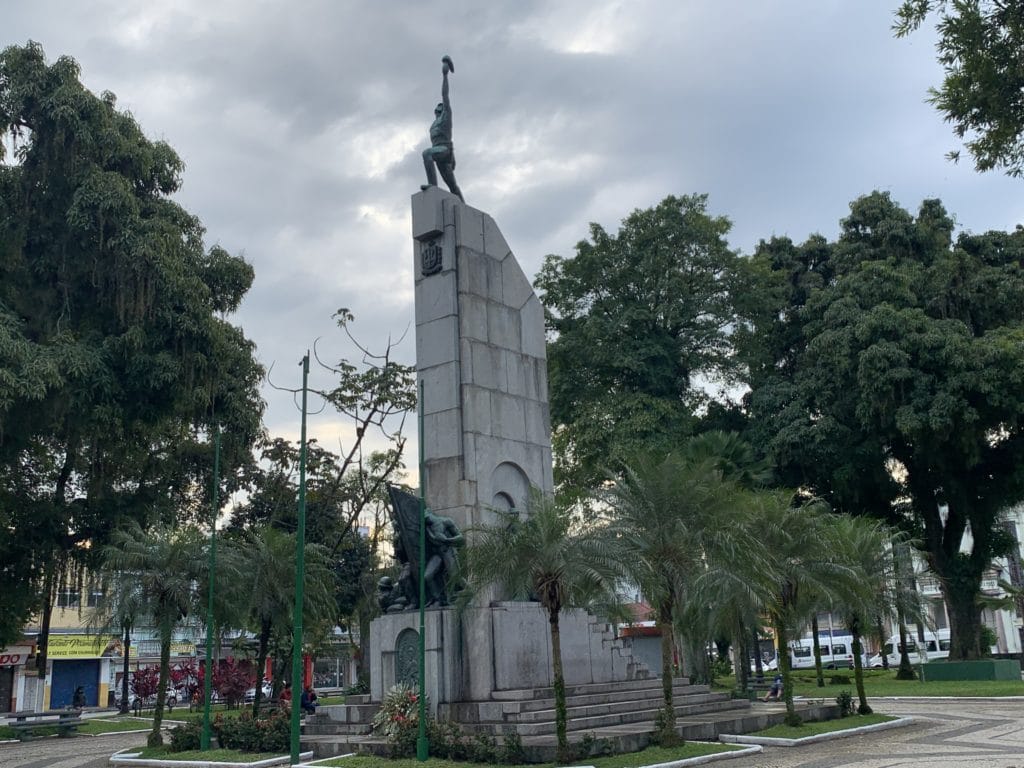
Santos City Hall
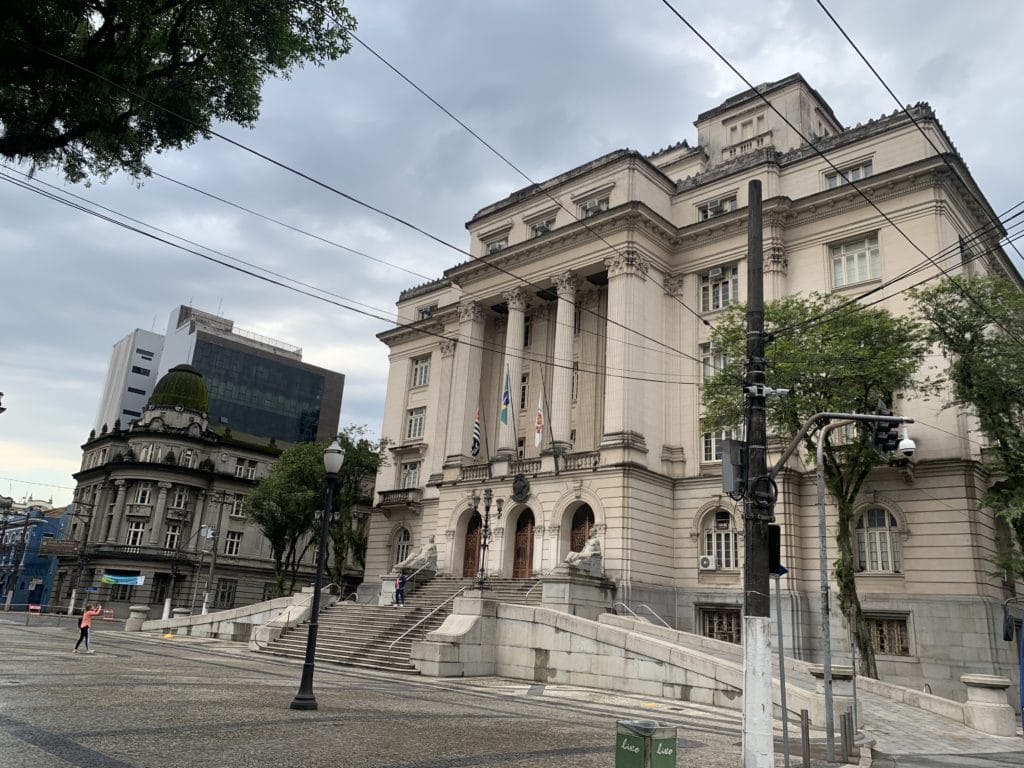
The Palácio José Bonifácio, designed by architect Plínio Botelho, was built in 1937 and opened in 1939 to house the city government and city council.
Santa Casa de Santos
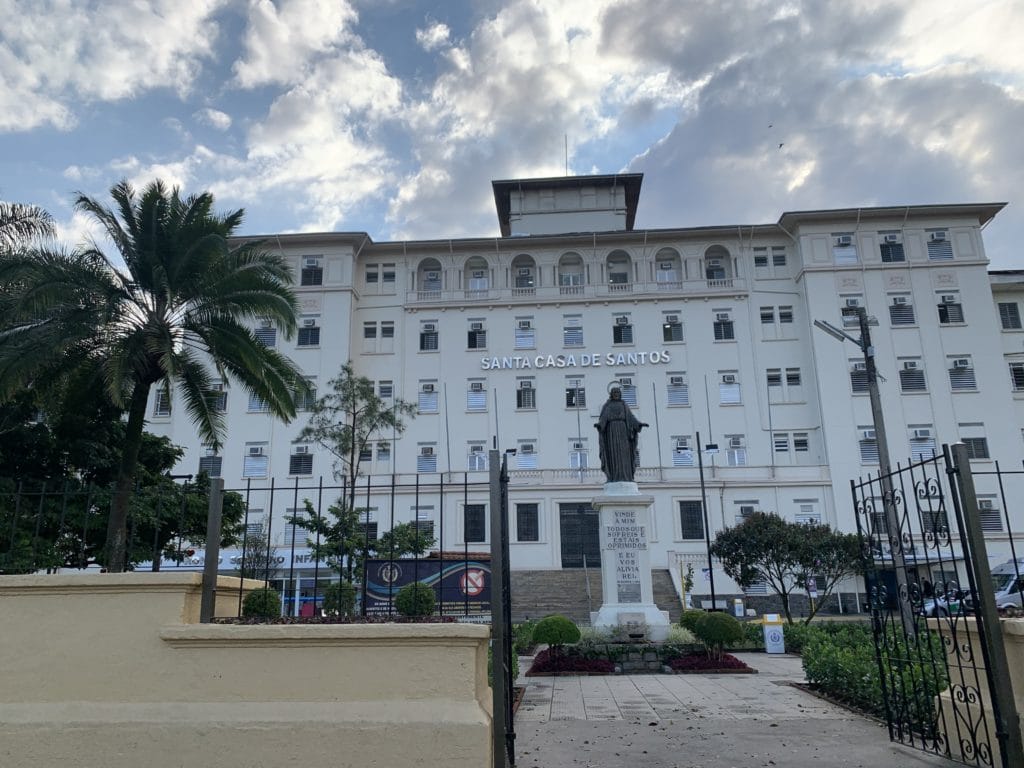
Founded on November 1, 1543, marking a historic milestone as the second hospital established in the Americas, right after the old Santa Casa de Misericórdia in Olinda, on the initiative of Brás Cubas.
Its name, Santa Casa de Misericórdia de Todos os Santos, is where the municipality’s own name comes from.
It’s the oldest continuously operating charitable and hospital institution in Brazil, and also the largest hospital in the Baixada Santista Metropolitan Region.
Alfândega de Santos
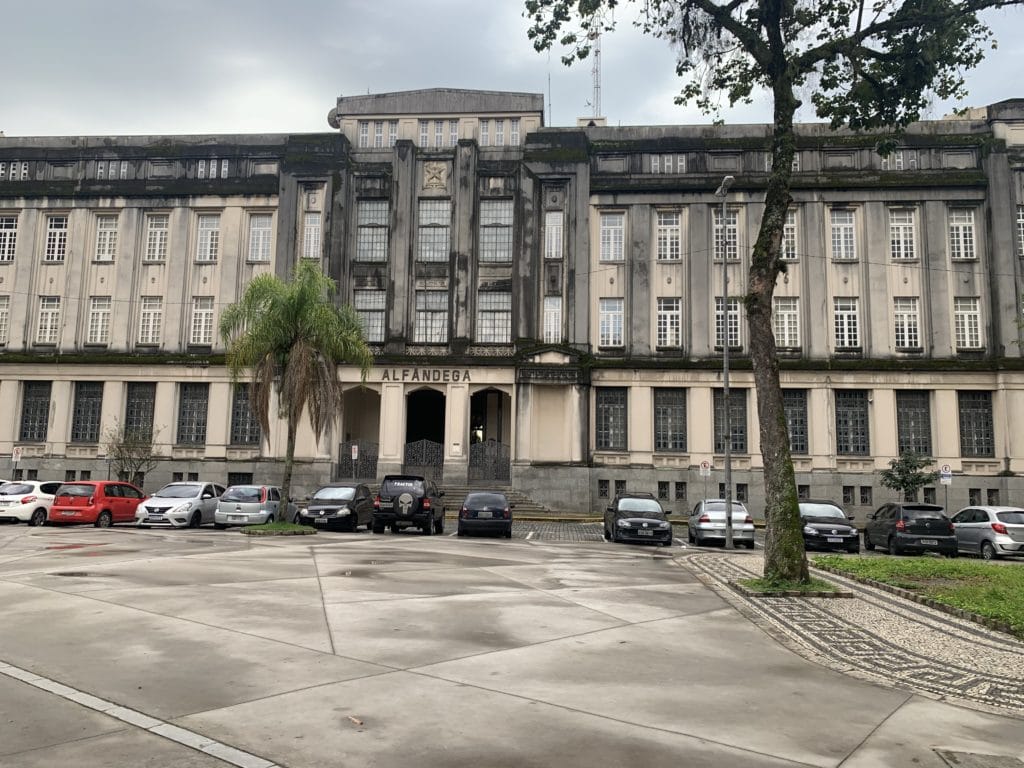
This is not just the largest but also the most important customs facility in the country, with jurisdiction over 24 municipalities, from Bertioga to the border with Paraná state.
Built in an eclectic architectural style with Art Deco influences, it opened in 1934. Founded in 1550, it’s the third customs facility to operate in the country, following the first in Salvador, Bahia, and the second in São Vicente, São Paulo.
Designated a municipal landmark, the building took four years to construct. It’s clad in granite on the ground floor and has more than 90 windows, 66 of them protected by iron grates decorated with patterns resembling coffee leaves and berries, repeated across its six gates and two main portals.
Vila Belmiro — Santos Futebol Clube
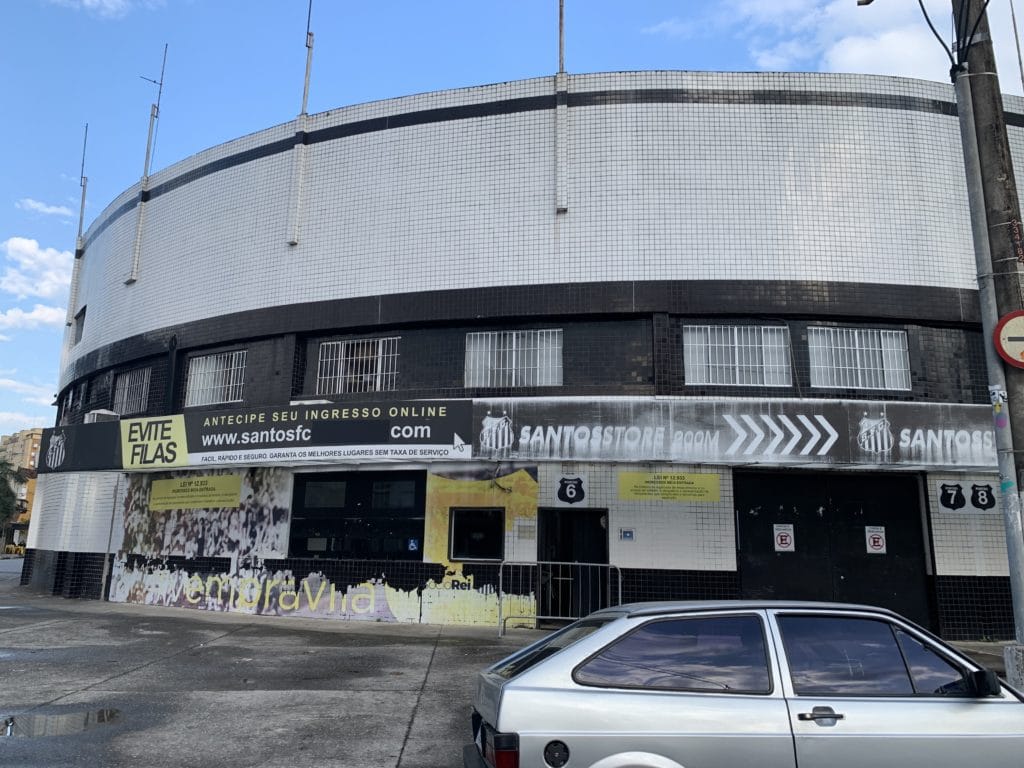
The historic Vila Belmiro stadium is where the greatest soccer player of all time, King Pelé, made his name.
Known as “Visite a Vila,” this tour of the Santos FC home takes you through a full visit to the museum, where you can see trophies, framed photos, vintage jerseys, and plenty of other documents and memorabilia. Along with touring the whole stadium, you can also visit the “Milton Teixeira” Trophy Memorial.
We ended up saving this for a future visit, but we couldn’t resist stopping by to see it from outside.
Where to Eat in Santos
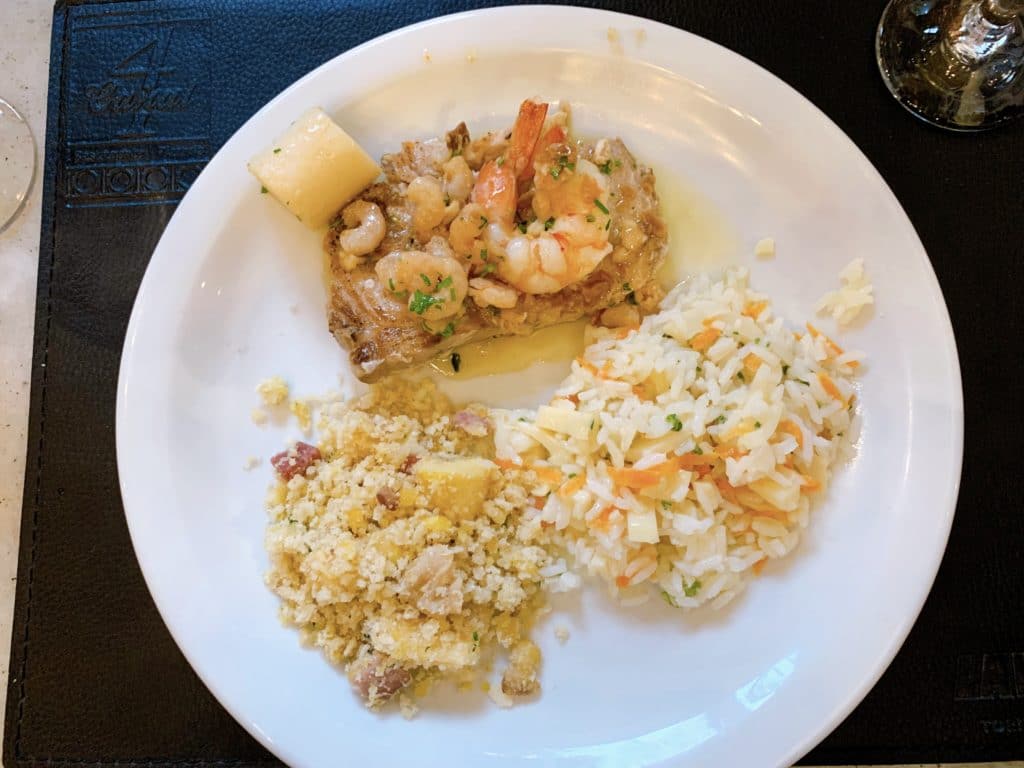
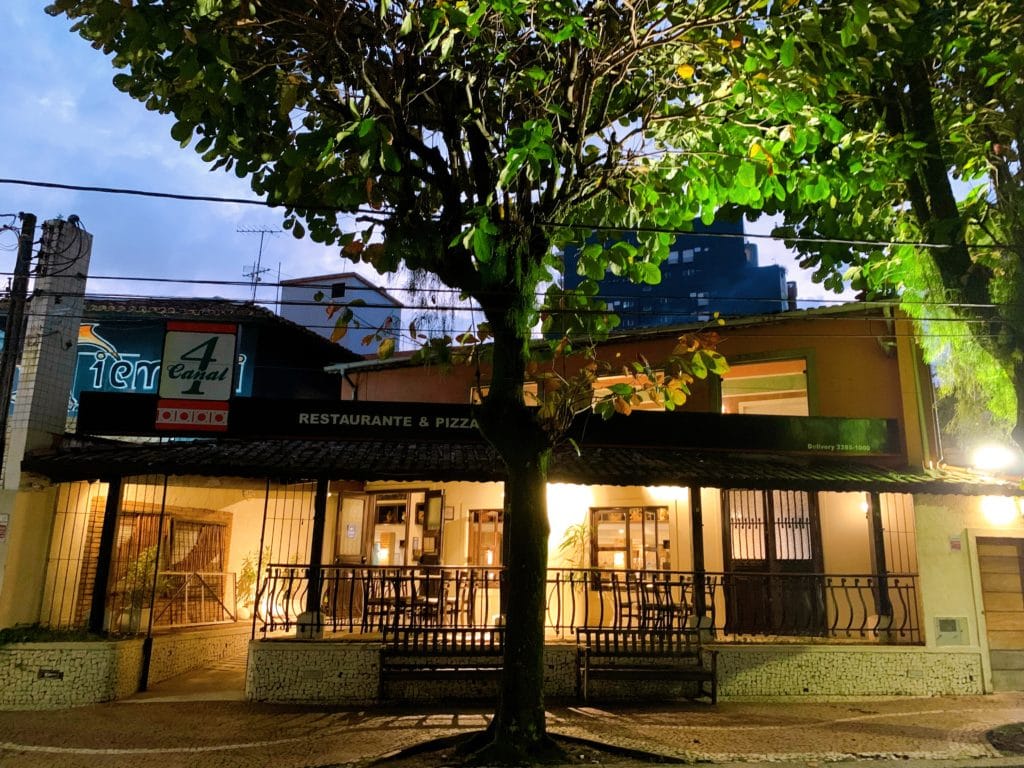
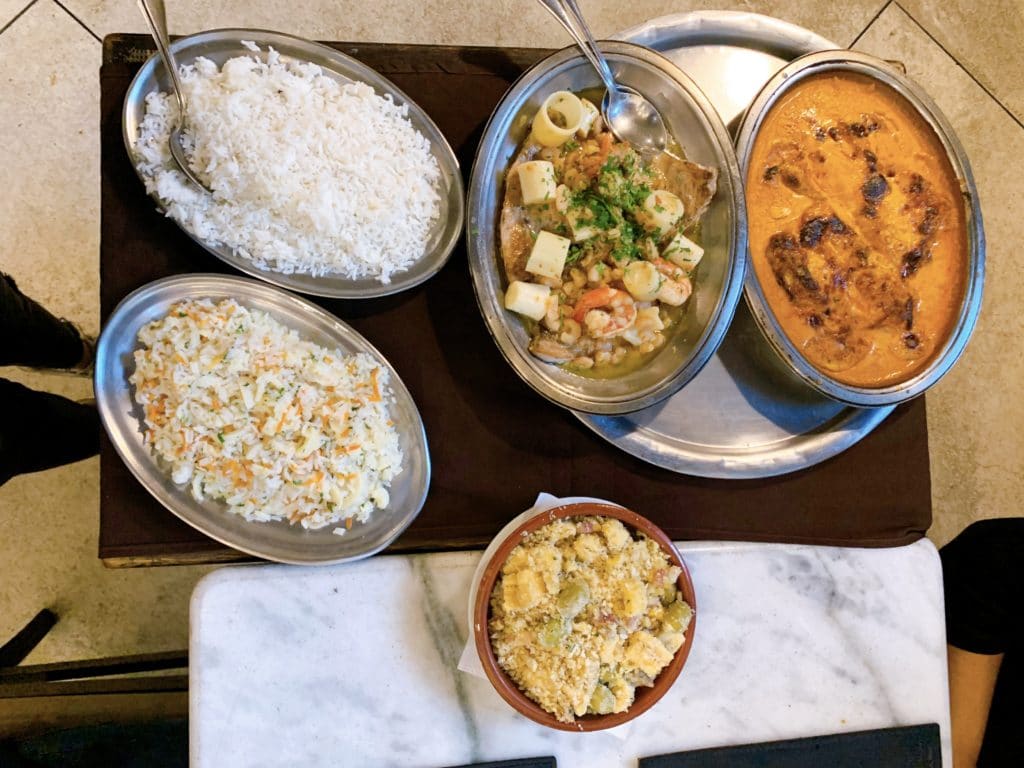
Finally, we went to try the Meca Santista, the most iconic dish in Santos, and it’s delicious. The dish features grilled meca fish fillet, peach palm risotto, and banana farofa, served alongside two giant pink shrimp. We ate at Restaurante Canal 4, and it’s not only generously served but also genuinely flavorful.
The space is spacious and pleasant, and we also really enjoyed the service.
For anyone allergic to shrimp or seafood, the restaurant also offers plenty of other options.
Learn more about our other coffee-themed excursions in Paranapiacaba and Fazenda Nossa Senhora da Conceição.
Read the original version in Portuguese on A Bela e o Bigode.