Ribeirão Preto: A Weekend Guide
Ribeirão Preto is a Brazilian municipality located in the interior of São Paulo state, with a population of roughly 712,000 people, and a massive economy that once ranked as the ninth-largest GDP in Brazil.
Until the 19th century, the region was inhabited exclusively by the Kayapó people, who lived in villages growing small plots of corn and manioc, alongside hunting, fishing, and gathering honey and fruit.
Over time, though, farms owned by outsiders came to dominate the area. The land takeover happened peacefully, and ownership was eventually formalized and passed down through inheritance.
Founded in 1856, the region drew many settlers from Minas Gerais who left their land to retire from mining and sought new land for cattle ranching. In the early 20th century, the city began attracting immigrants, who came to work in agriculture or industry starting in the 1910s.
Coffee was, for a time, one of the main sources of income, but after its value collapsed starting in 1929, it lost ground to other crops and especially to the industrial sector.
In the second half of the 20th century, the city invested heavily in healthcare, biotechnology, bioenergy, and information technology, and was declared a “technology hub” in 2010. These industries are why Ribeirão Preto today has Brazil’s 21st-largest GDP.
What to see in Ribeirão Preto
We started our visit in downtown Ribeirão Preto, since it’s home to several old, historic buildings.
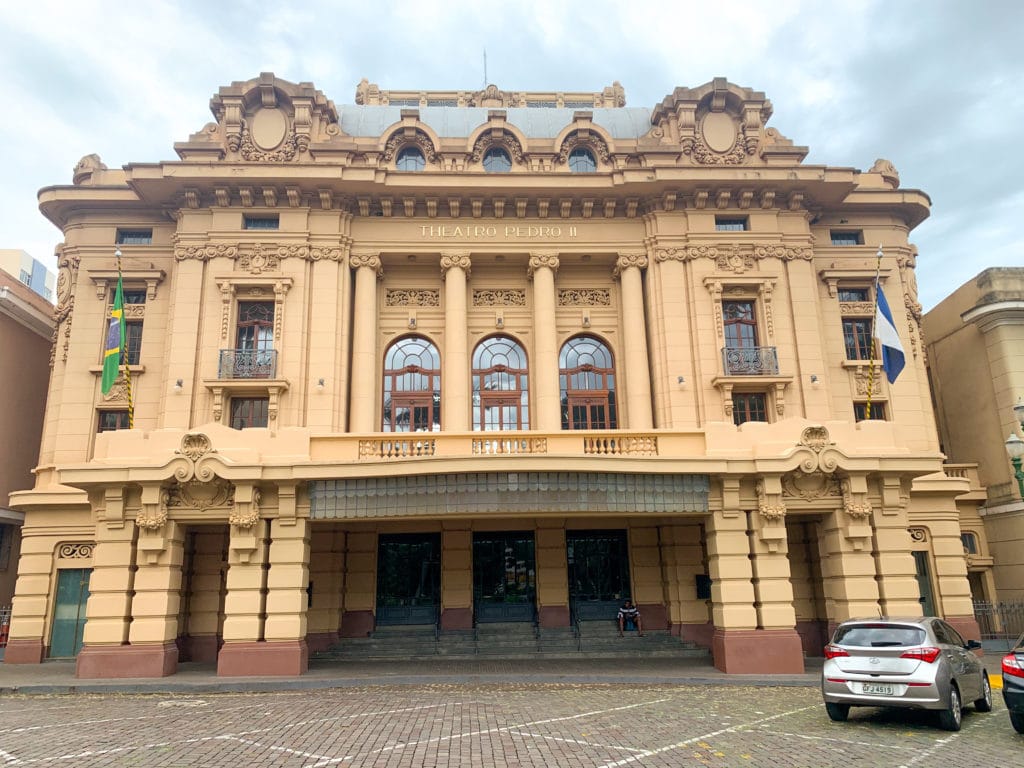
First, we saw the Quarteirão Paulista, defined by Doutor Meira Júnior, president of Companhia Paulista, as a “harmonious ensemble of monumental buildings,” made up of the Meira Júnior building, Theatro Pedro II, and the Palace Hotel.
Theatro Pedro II in Ribeirão Preto
The theater opened on October 8, 1930, with a screening of the film “Alvorada do Amor.” Its name honors Brazil’s last emperor, Dom Pedro II. The city’s residents actually chose the name themselves, through a contest run by the newspaper A Cidade, the municipality’s leading paper.
It’s one of the city’s most important historic buildings, and it even ranks among the best theaters in the country thanks to its exceptional acoustics.
The theater seats 1,588 people. You can take a guided tour to see the whole space. It’s a designated landmark under Condephaat (São Paulo State’s Council for the Defense of Historic, Artistic, Archaeological, and Tourist Heritage).
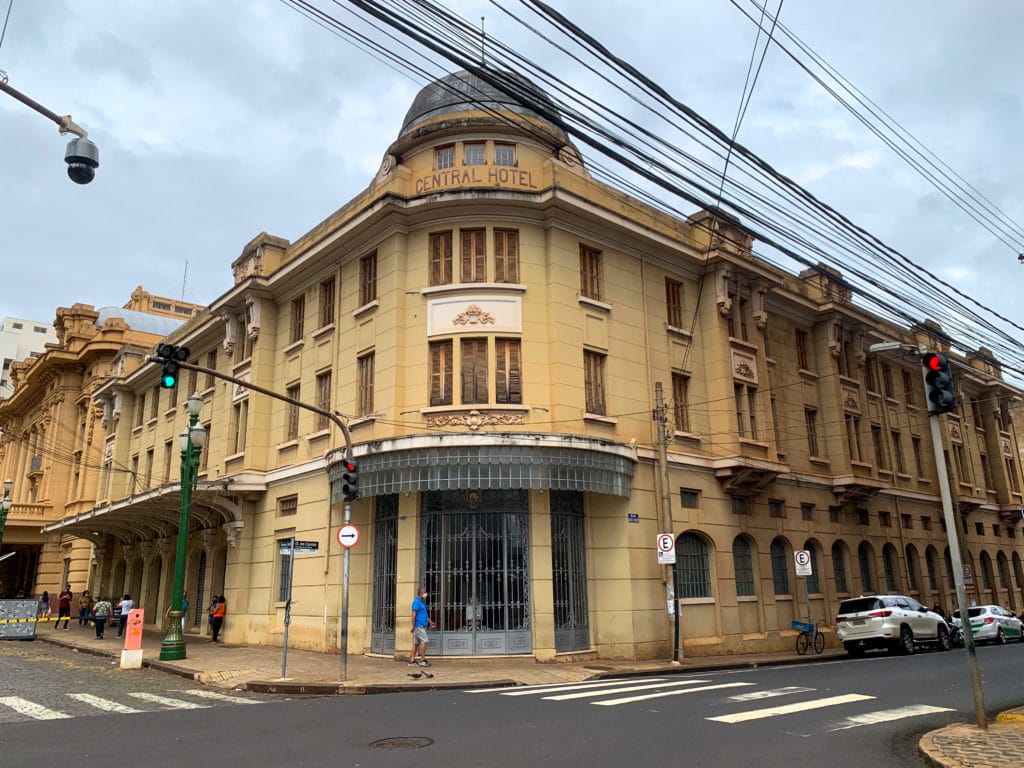
Central Hotel
Construction began in 1924, on the corner of Rua Duque de Caxias and Álvares Cabral, forming part of Ribeirão Preto’s Quarteirão Paulista.
Its first owner was Adalberto Henrique de Oliveira Roxo, a prominent coffee merchant. Soon after, Companhia Cervejaria Paulista, the same company behind Theatro Pedro II and the Edifício Meira Júnior (Pinguim), acquired the building.
After a renovation, the old Central Hotel was renamed Palace Hotel, which remained in operation until 1992.
In 1982, it was designated a landmark by CONDEPHAAT alongside the theater, kicking off a long restoration process that converted the hotel into a cultural center. It reopened in 2011, but is currently closed due to the pandemic.
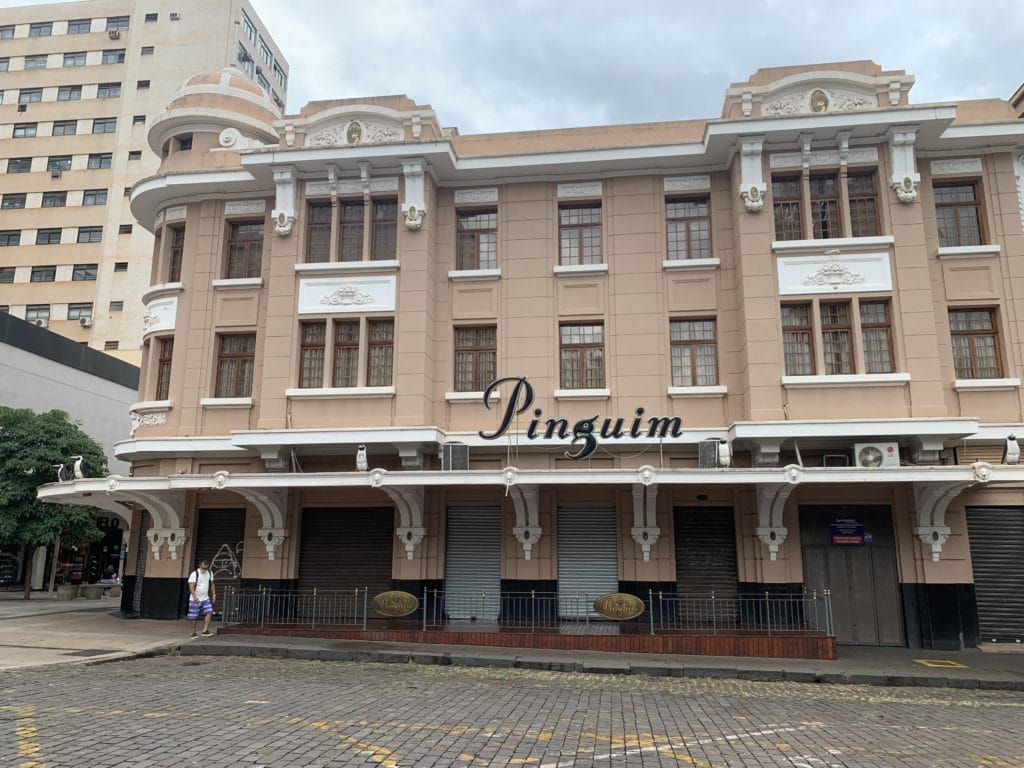
Edifício Meira Júnior (Pinguim)
Home to Brazil’s most famous choperia, Pinguim, which has served Antarctica brand draft beer (now part of Ambev) since it opened. Founded in 1936 by Nicolas Miranda.
The choperia opened in 1936, inside what was then Ribeirão Preto’s first-ever building, the Edifício Diederichsen. The bar was originally located where a Humanitarian clothing store now stands, on the corner of Álvares Cabral and General Osório streets.
The current location opened in 1977, replacing a spot called Lanches Paulista, after Antarctica bought Companhia Paulista, which owned the building.
In 1984, the brand was sold to a São Paulo-based group, and finally, in 2000, Antarctica merged with Brahma to form AmBev. Around that time, the Canadian brewer Molson bought Antarctica’s factory in Ribeirão Preto, only to shut it down shortly after. The factory building sits abandoned today.
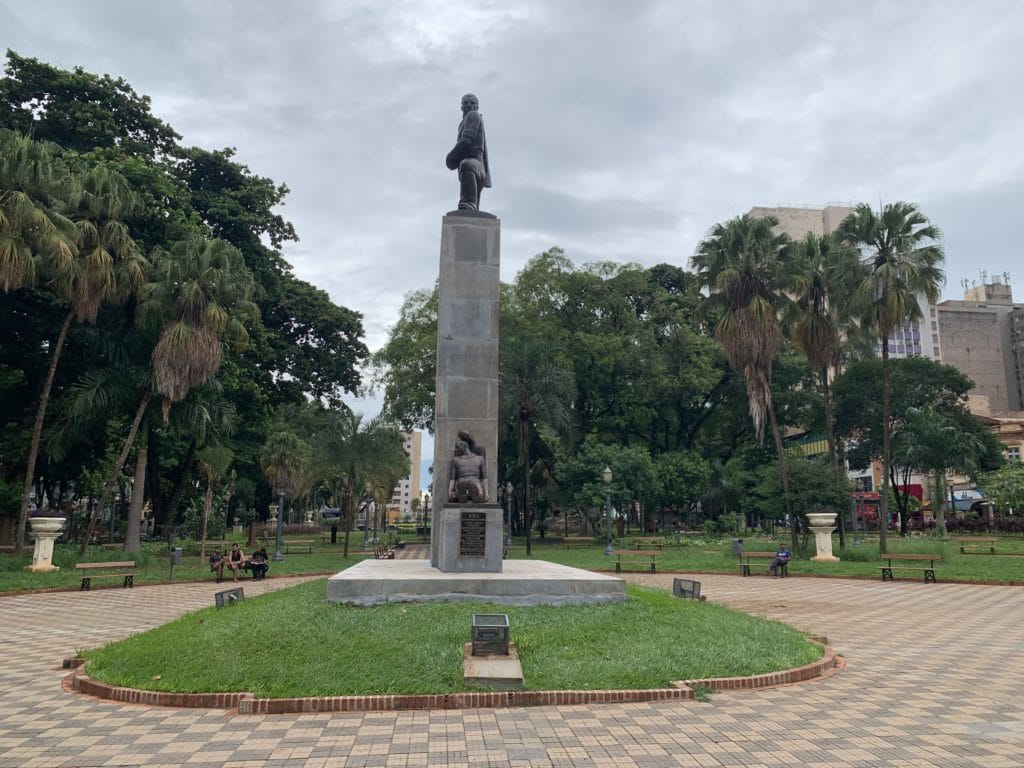
Praça XV de Novembro in Ribeirão Preto
This is where the city’s major community activities have taken place since its founding. Originally, there was an open space in front of the town’s first church, the Igreja da Vila, where people gathered for processions and outdoor mass. Trees weren’t planted in the square until the 20th century.
Today, it holds a statue called Glória, built to mark the 50th anniversary of the 1932 Constitutionalist Revolution.
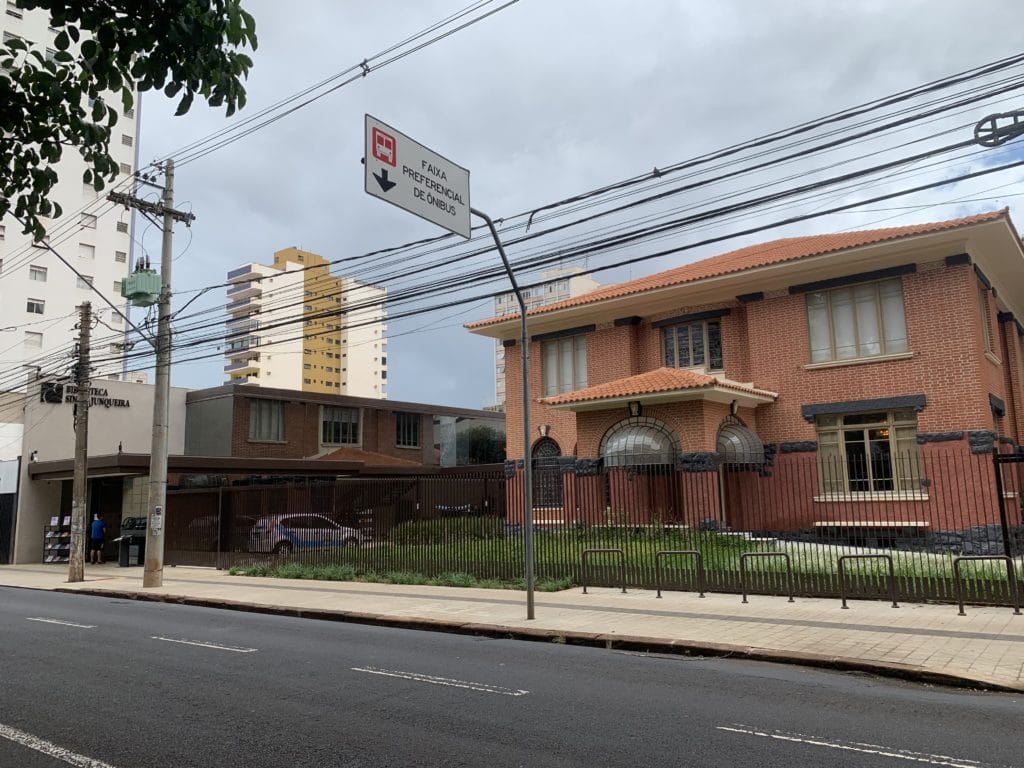
Biblioteca da Sinhá Junqueira
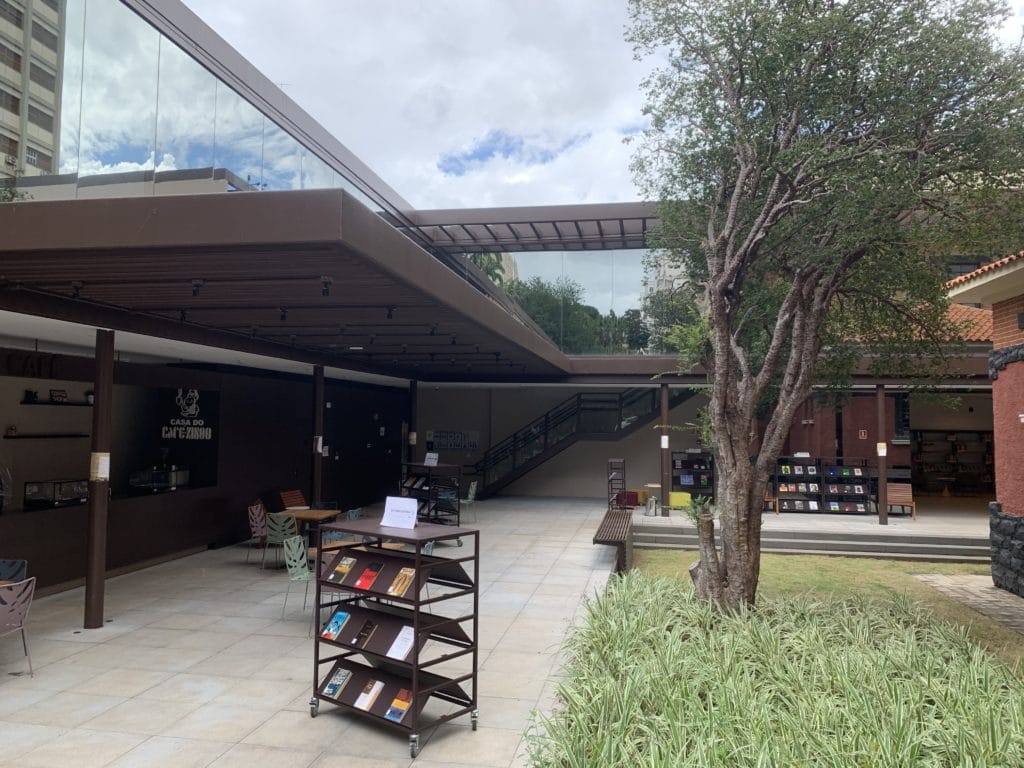
This library was conceived around the idea of a “living library,” meant to be a dynamic space, woven into the fabric of the city.
Sinhá Junqueira left instructions in her will for the library to be built. It opened at a temporary location in 1960, and was moved to its current site the following year, in 1961.
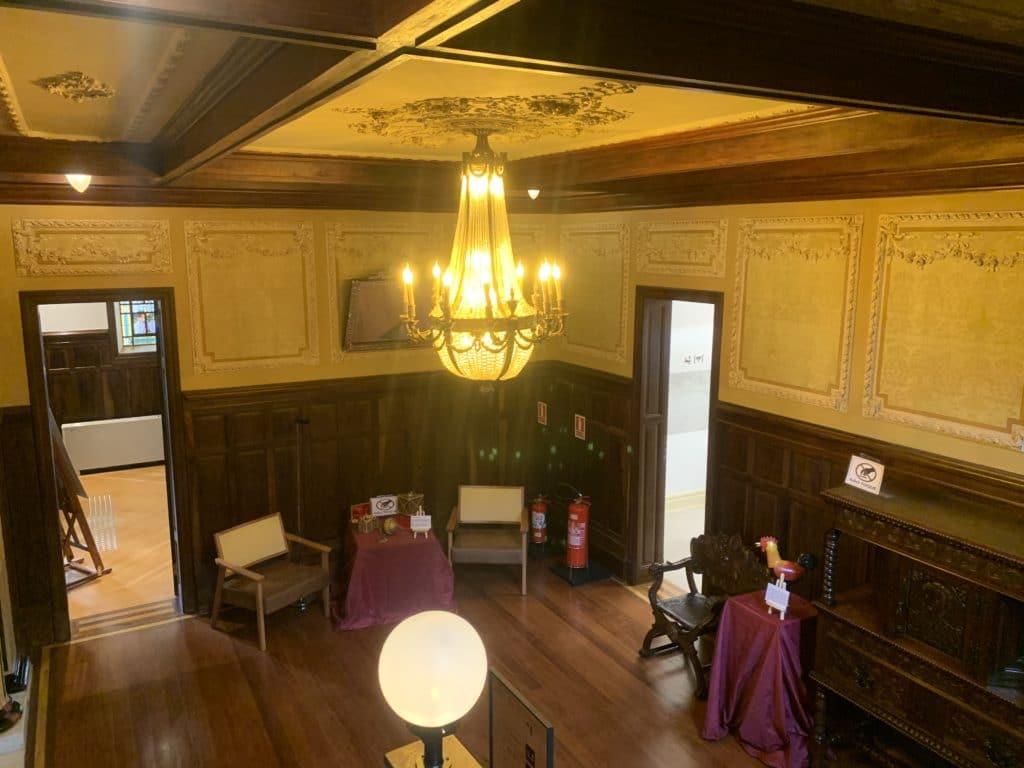
In 2014, it underwent a renovation, reopening in 2020 under the name of the woman who conceived it.
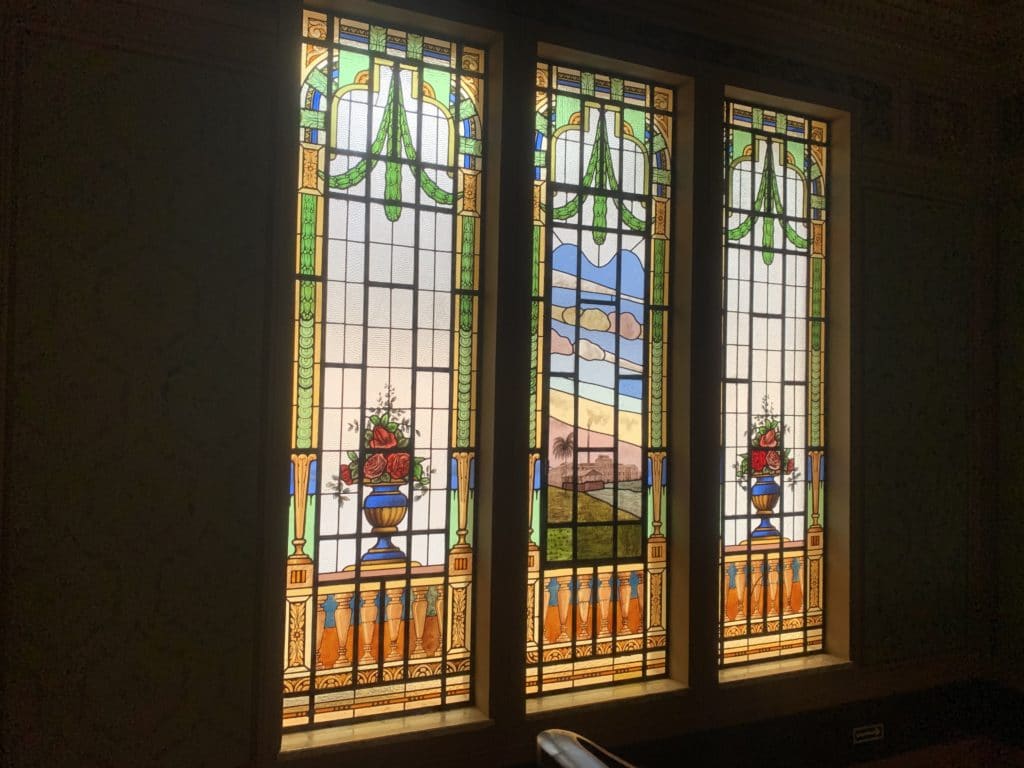
With beautiful stained-glass windows, the building has been fully restored, and it’s a beautiful space, with plenty of open-air book displays and computers.
There’s a guided tour that runs an hour, though we weren’t able to take it — it looked genuinely interesting, though.
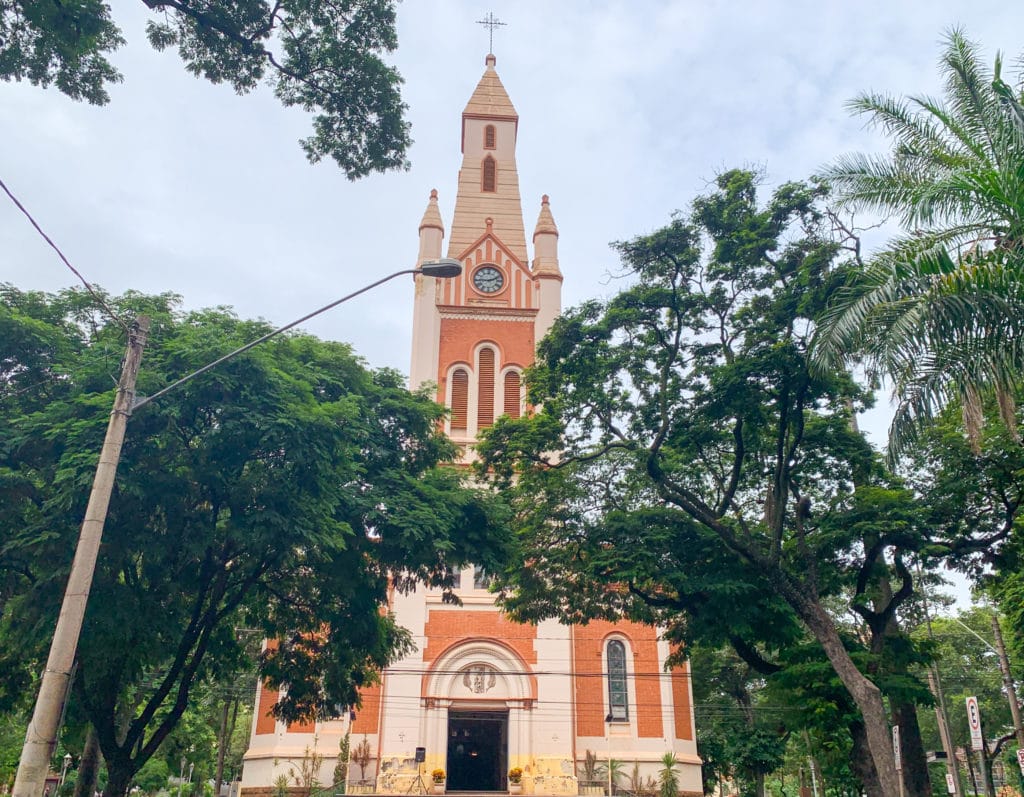
Catedral Metropolitana de São Sebastião
This was once a small chapel, but today it’s one of the city’s most important Catholic cathedrals.
The cathedral’s story began in the 19th century, when local farmers donated land in devotion to São Sebastião, after the ruin of the “old parish church.”
Condephaat designated the cathedral building and its surroundings a landmark in 2014.
Over the years, the church was expanded, then demolished as part of urban restructuring, and later rebuilt in the 20th century with neo-Gothic architecture.
We thought it was genuinely worth going inside, since it’s really beautiful.
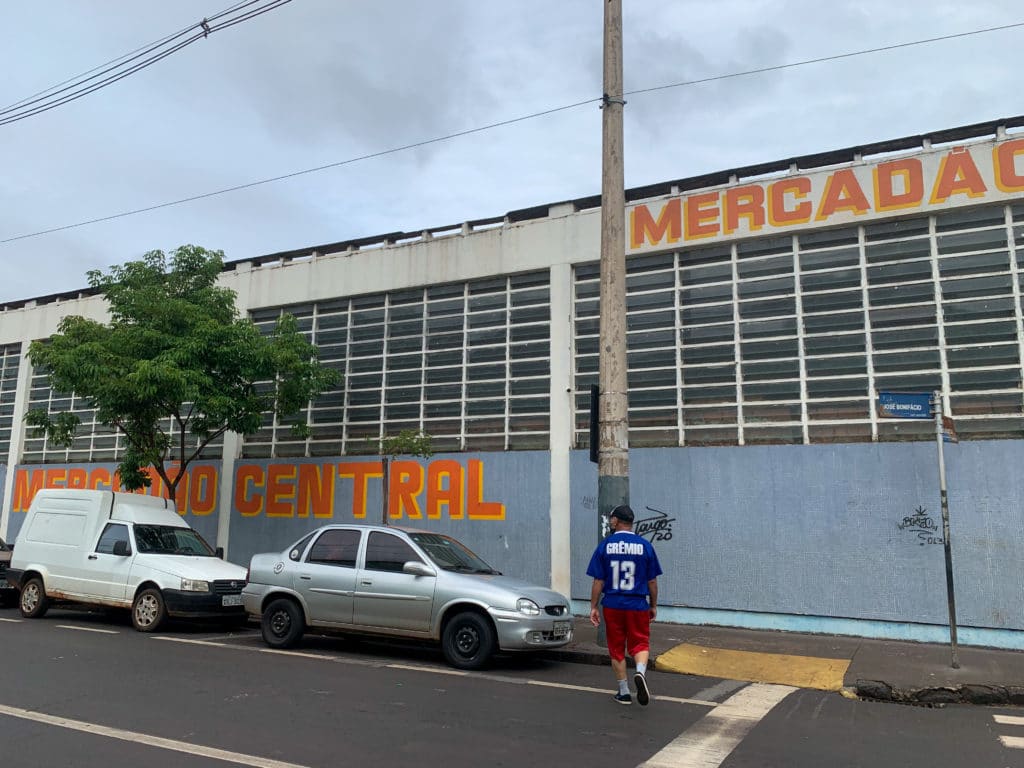
Mercadão Central in Ribeirão Preto
Construction began in 1899, and it opened in 1900. Only many years later was the building designated a landmark by São Paulo State’s Council for the Defense of Historic, Archaeological, Artistic, and Tourist Heritage (Condephaat).
Today it falls under the city government, though it’s managed independently by the Associação dos Comerciantes do Mercado Central de Ribeirão Preto (Acomecerp).
The original market was built from clay brick with a glass roof, but after flooding and a short circuit that caused a fire, it was rebuilt and reopened in its current form in 1956.
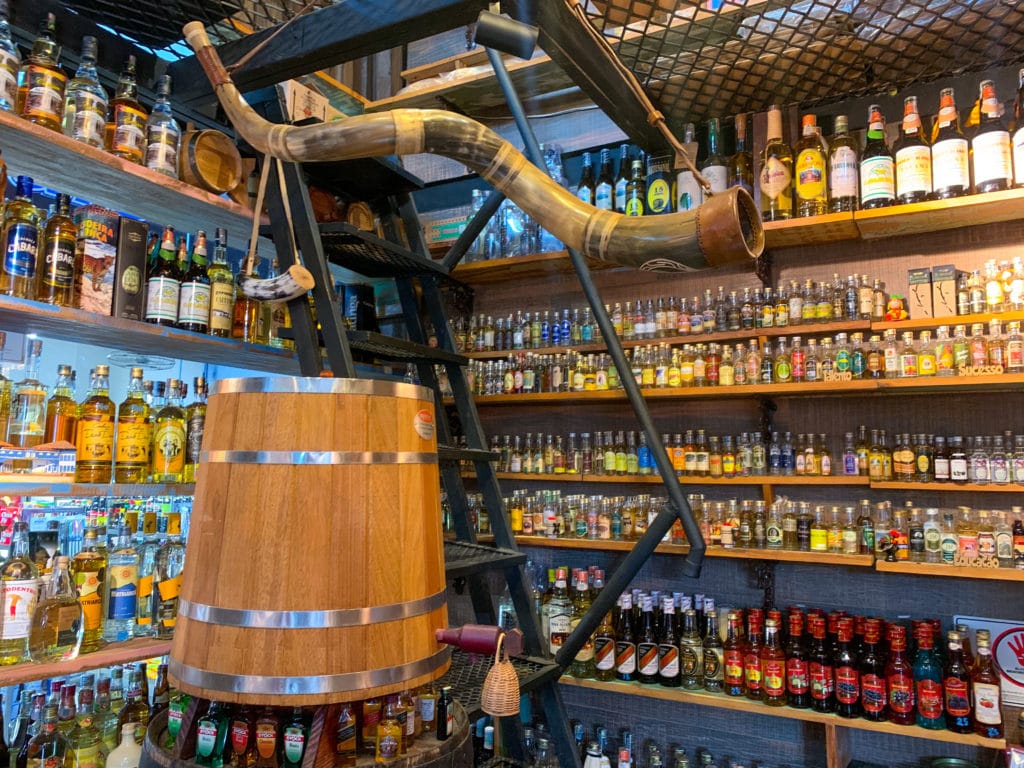
Thanks to its huge variety of goods, it’s a great place to browse and buy cheese, doce de leite, sausage, nuts, and even cachaça. Empório 21 is a beautiful shop here selling cachaças from all over Brazil.
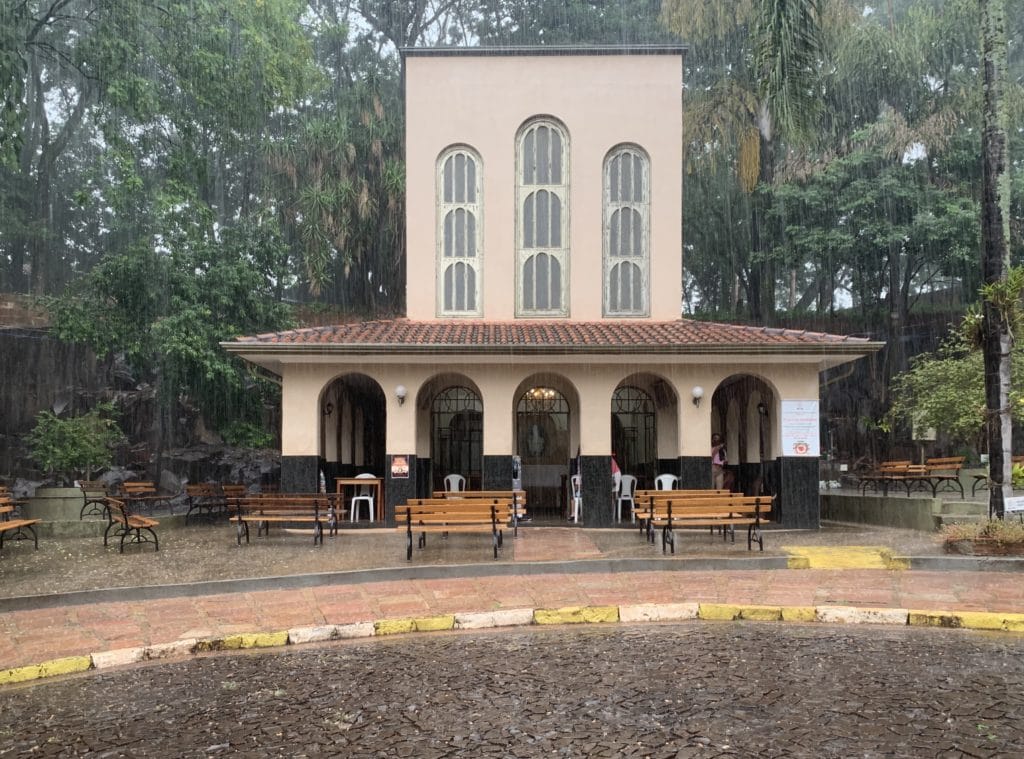
Santuário das Sete Capelas
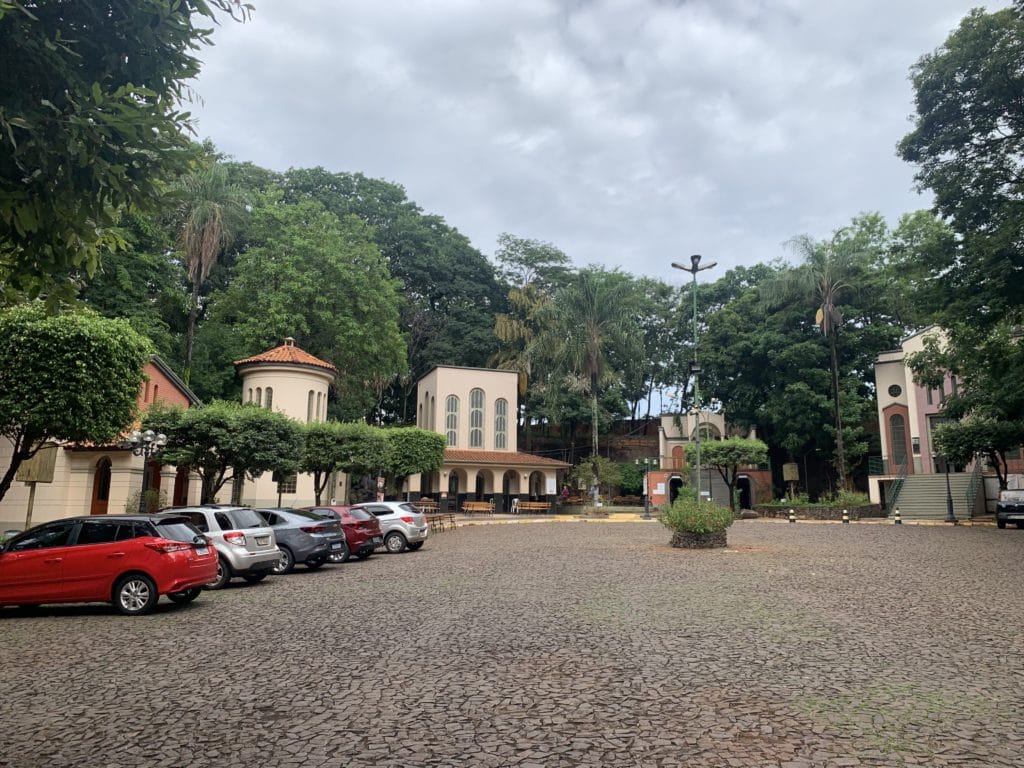
Built by Benedictine monks, this site has a genuinely pleasant, peaceful atmosphere, where the first chapel built was Nossa Senhora das Graças, in 1948.
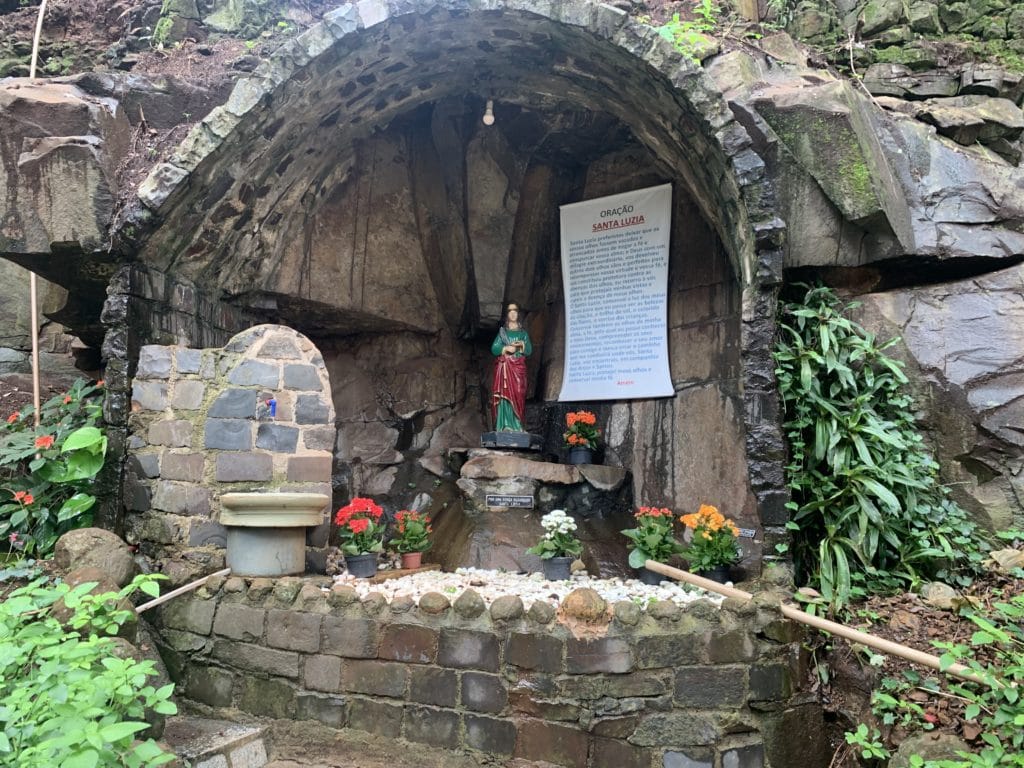
The seven chapels are arranged in a semicircle, each dedicated to a different Catholic saint, and all facing a large open plaza. There’s also a shop selling religious goods.
Between the chapels, a few small grottoes were built to give thanks for blessings received from each saint, and they’re genuinely beautiful to visit.
Near the sanctuary is the Arena, the Theater, and the Casa da Cultura, all closed, but worth walking past just to see.
Novo Mercadão da Cidade
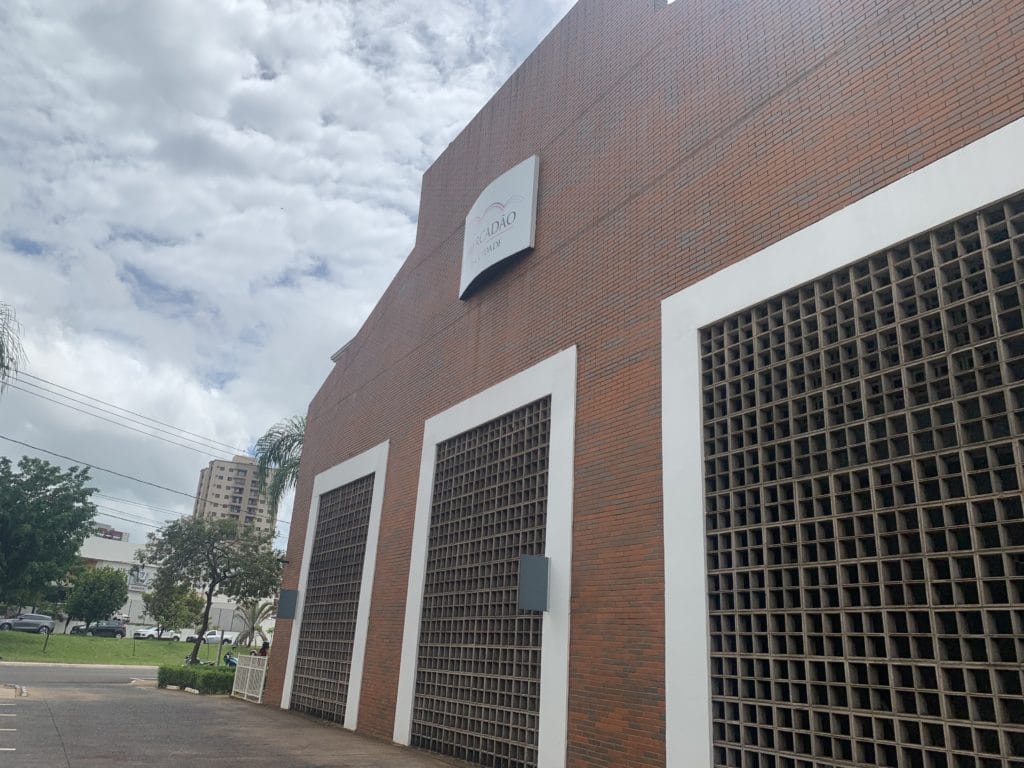
A shopping and convenience center that opened on October 30, 2008, home to more than 52 businesses.
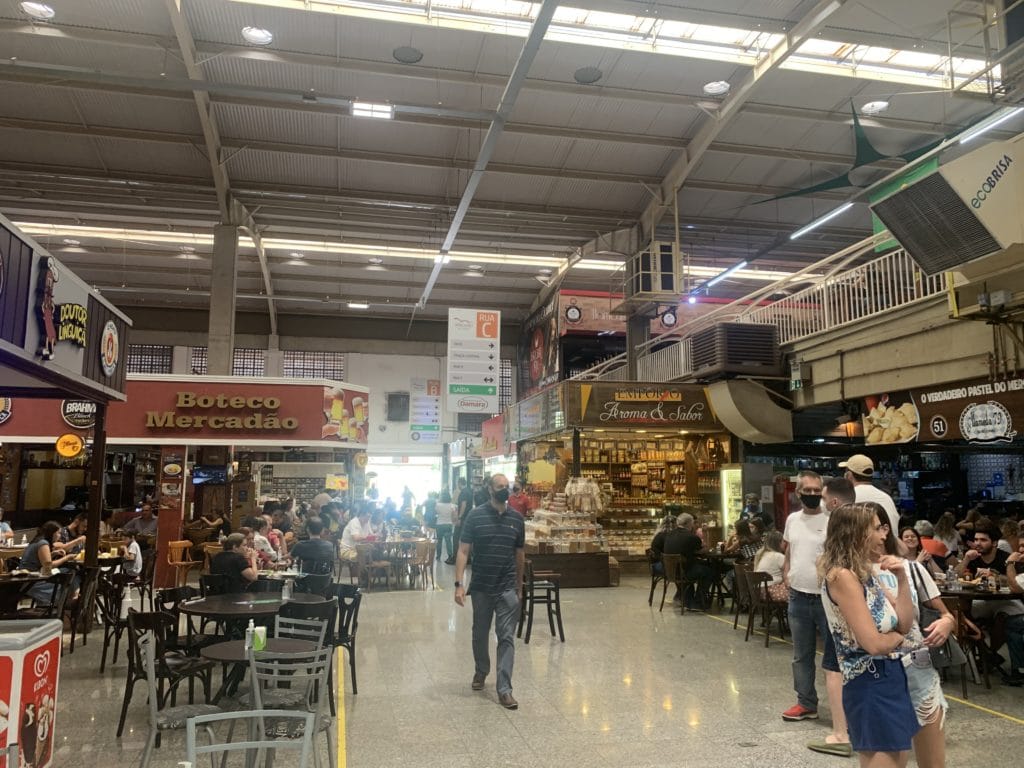
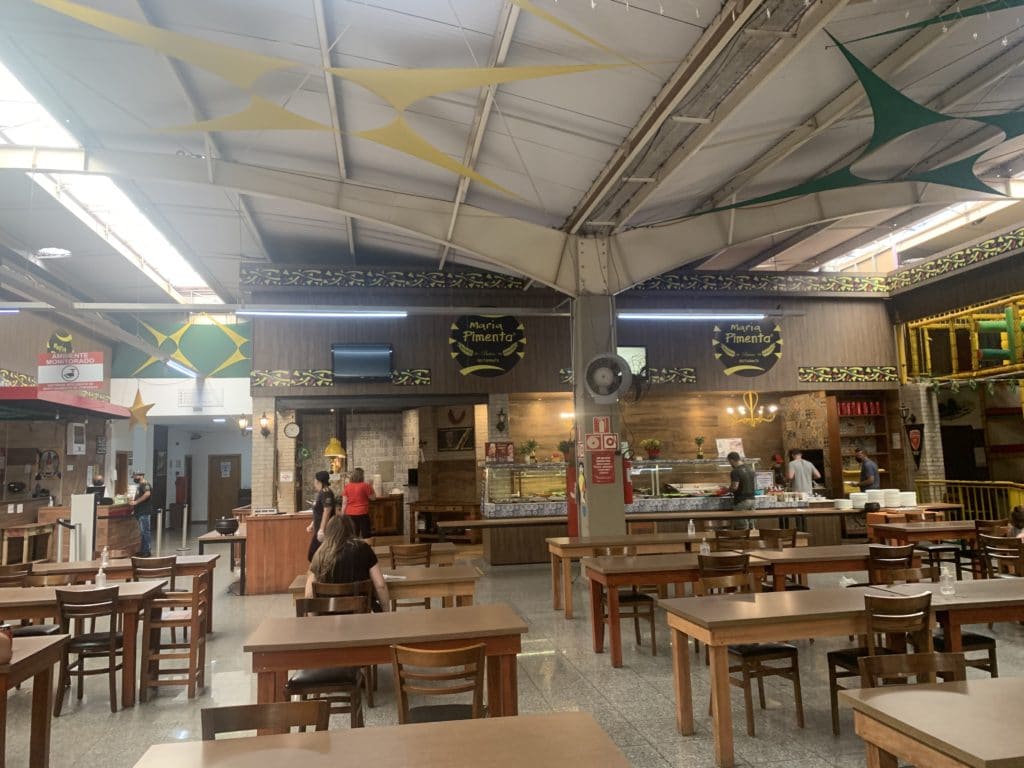
It has open and covered parking, a food court, and an elevator for easier access. It’s a great spot for lunch or dinner, and we thought it worked best as a food court, since the old market is still unbeatable for actually buying groceries.
It has two floors — the first with shops and restaurants, and the second with a pay-by-weight restaurant.
Parque Olhos D’Água
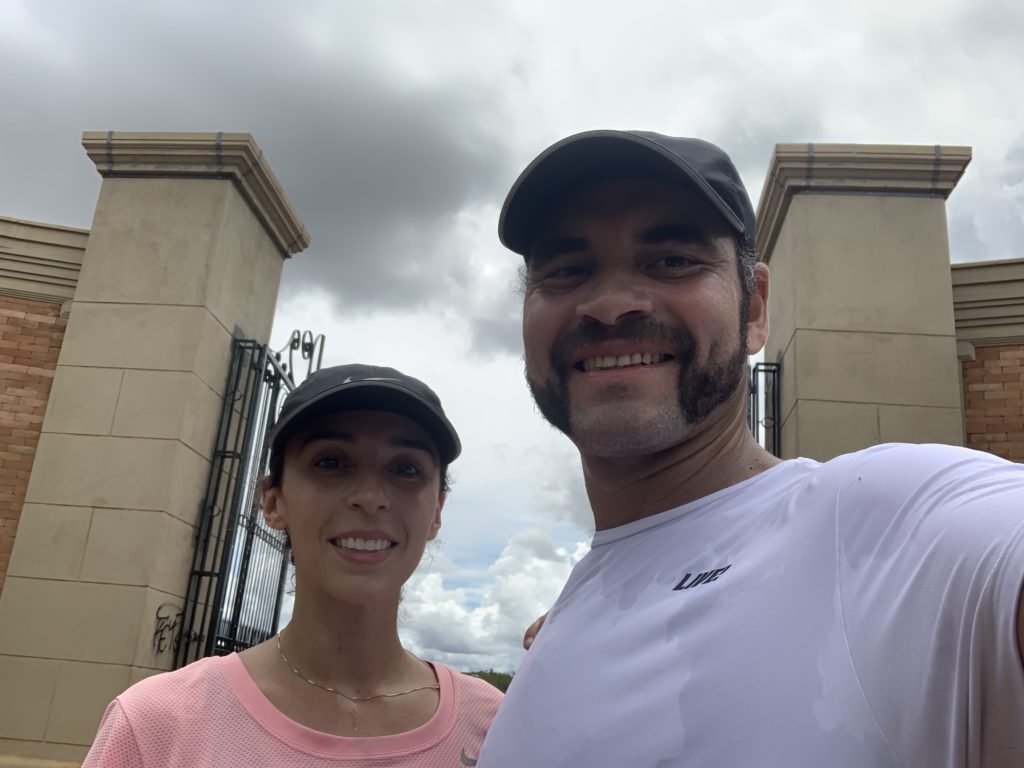
A great park for weekends, whether you’re walking, running, or bringing your dog. Well shaded, with a lake at the far end.
We walked and ran laps around the park, about 2 km total, though it’s the only way to see the whole thing, since buildings around the lake section block any way around it.
That said, every food and drink stand is located outside the park itself.
Other options in Ribeirão Preto
There are two attractions we weren’t able to visit, one because of the distance, and the Museu Casa de Portinari and the Museu do Café, since it’s under renovation — but we’ll leave the tip here for you.
Museu Casa de Portinari
In short, a charming little house turned museum, Casa de Portinari became famous as the home of one of Brazil’s greatest visual artists, Cândido Portinari, and his family, throughout the 20th century.
The museum is in Brodowski, 50 km from the city, and we didn’t make it there because of the distance — we’ll save it for next time.
Museu do Café Francisco Schmidt
This museum, opened in 1957, sits inside the University of São Paulo campus, in a beautiful building that preserves elements of colonial Brazilian architecture.
Francisco Schmidt was a coffee baron who, for years, owned the estate where the museum now stands. Given its historic value, both the museum and its collection are designated municipal landmarks.
It holds objects that document daily life for immigrants, enslaved people, and coffee barons alike, chronicling the history of coffee — among the collection, you’ll find items like antique mills, coffee processing machines, beans of different varieties, and more.
Unfortunately, we weren’t able to visit, since it’s currently under indefinite renovation, and we also weren’t able to enter the HC (teaching hospital) campus, which is closed because of the pandemic.
Where to eat in Ribeirão Preto
The city has plenty of restaurant options, with food and prices to suit every taste.
Café Pagliaroni
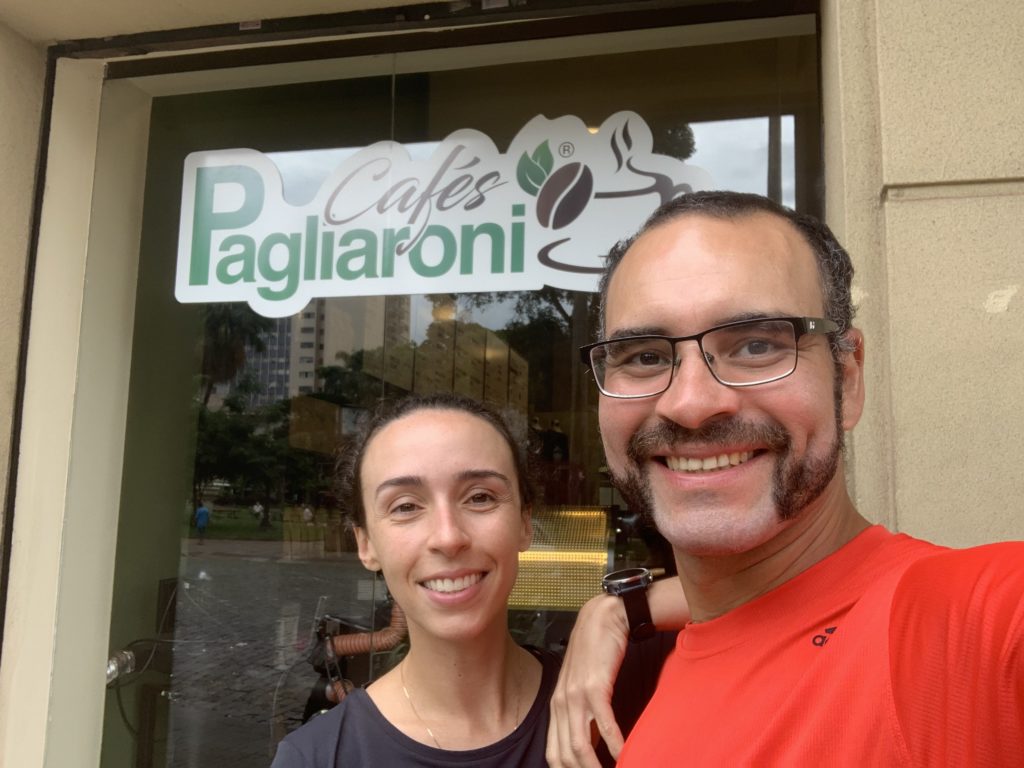
This coffee shop sits right next to Theatro Pedro II, downtown. It serves 100% arabica coffee, offering raw beans, roasted beans, and ground coffee. In the shop, you can choose from several brewing methods.
The space: small and cozy, a really pleasant place to sit.
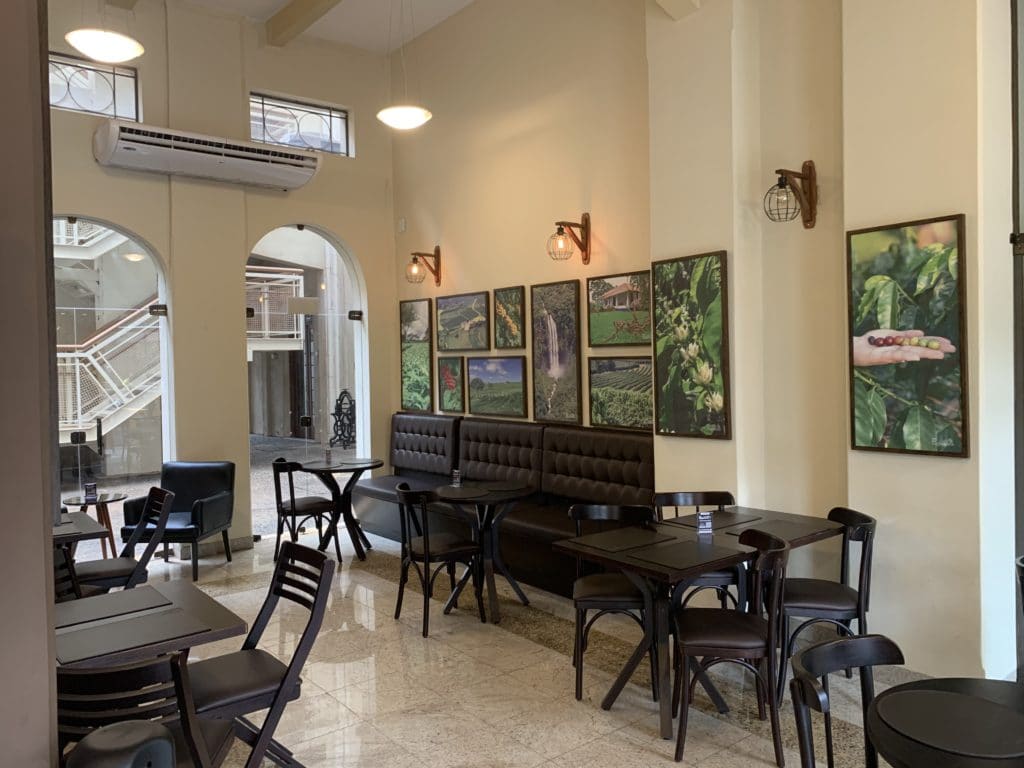
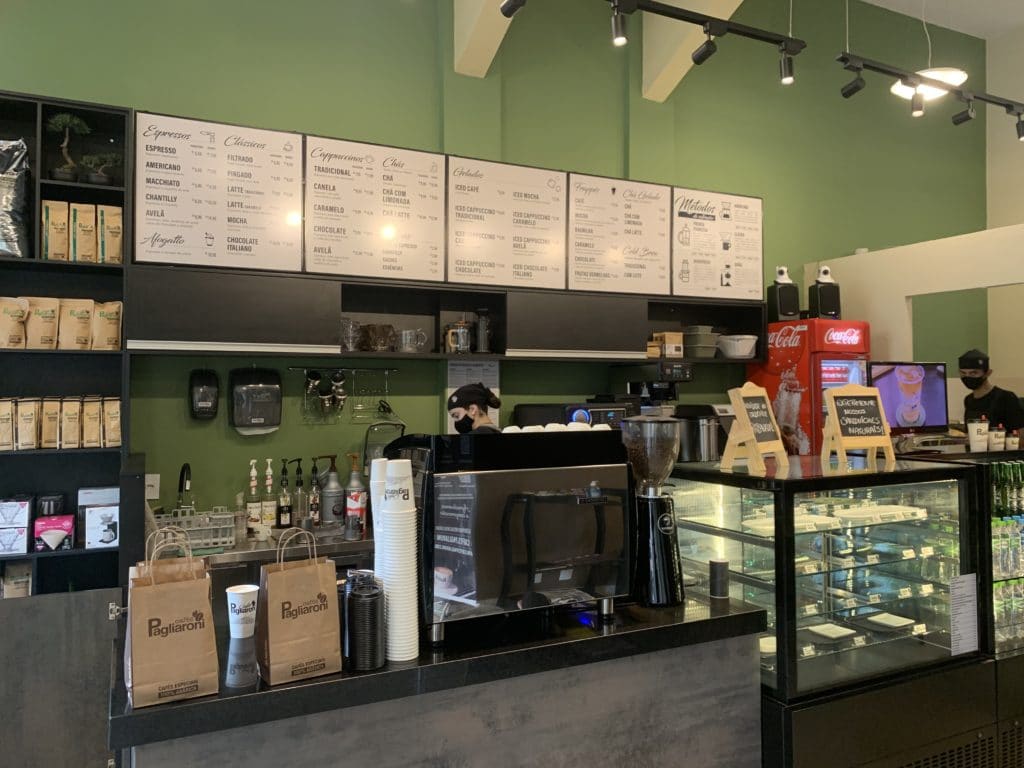
Order: we ordered a coffee and a cappuccino. Andrey thought his coffee was a bit watery, and I felt the same about my cappuccino, though it was beautifully presented.
We ended up only ordering drinks, without trying any food, though there are options on the menu.
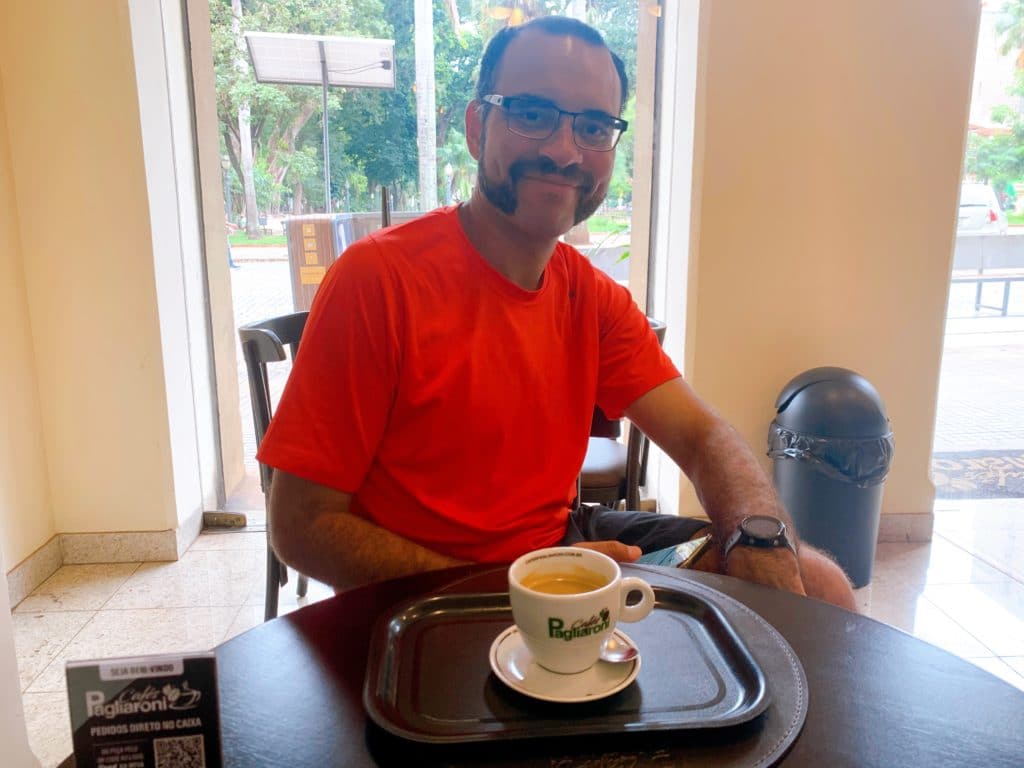
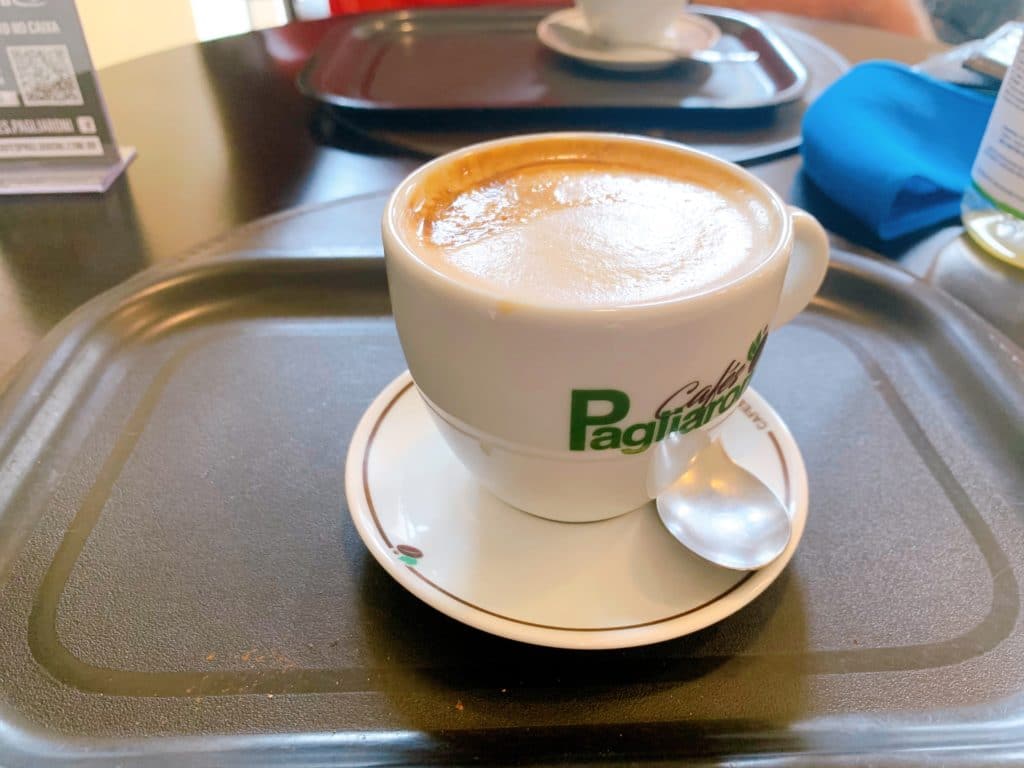
Price: R$25 for both of us.
Empório Santa Angela
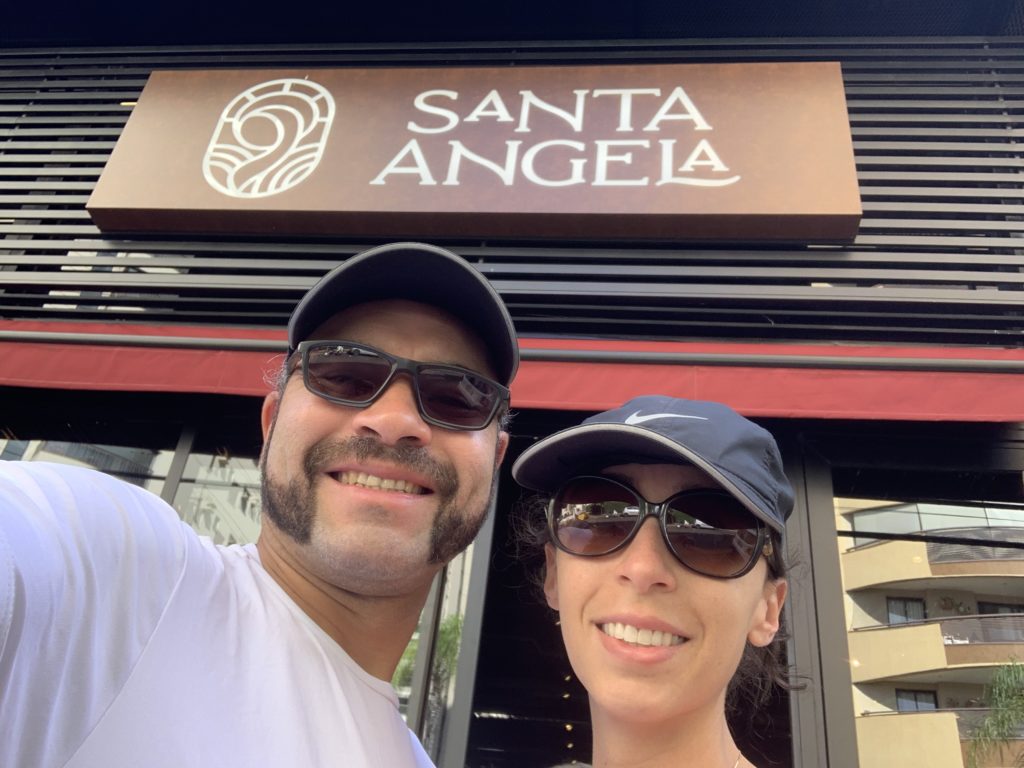
Another good spot in the city for coffee.
The space: spacious, attractive, with a pet-friendly outdoor area — though we weren’t fans at all of the service, which was confusing and slow, with dishes arriving before drinks, incomplete orders, and a mixed-up juice order.
It functions as a grocer, bakery, and restaurant all at once.
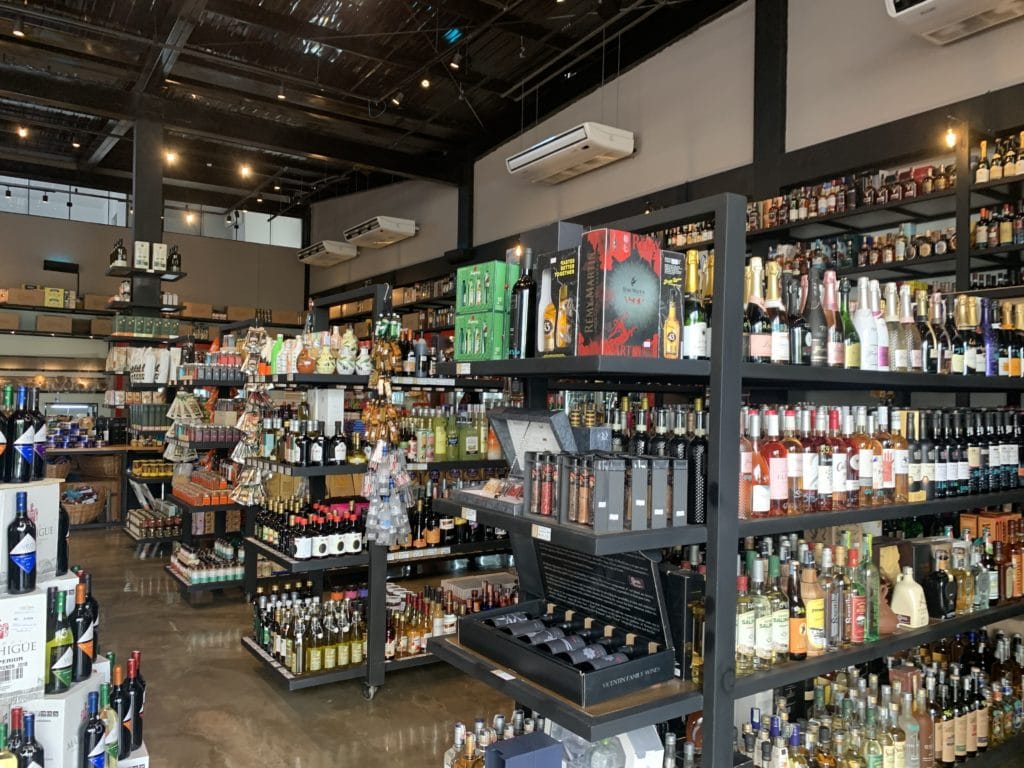
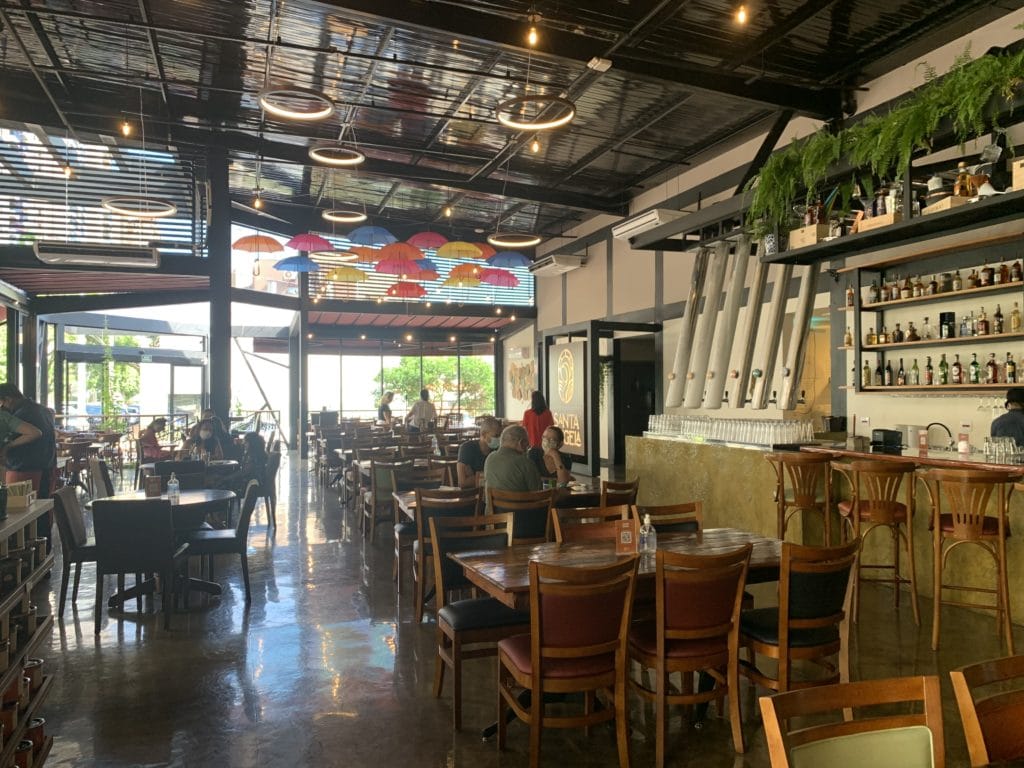
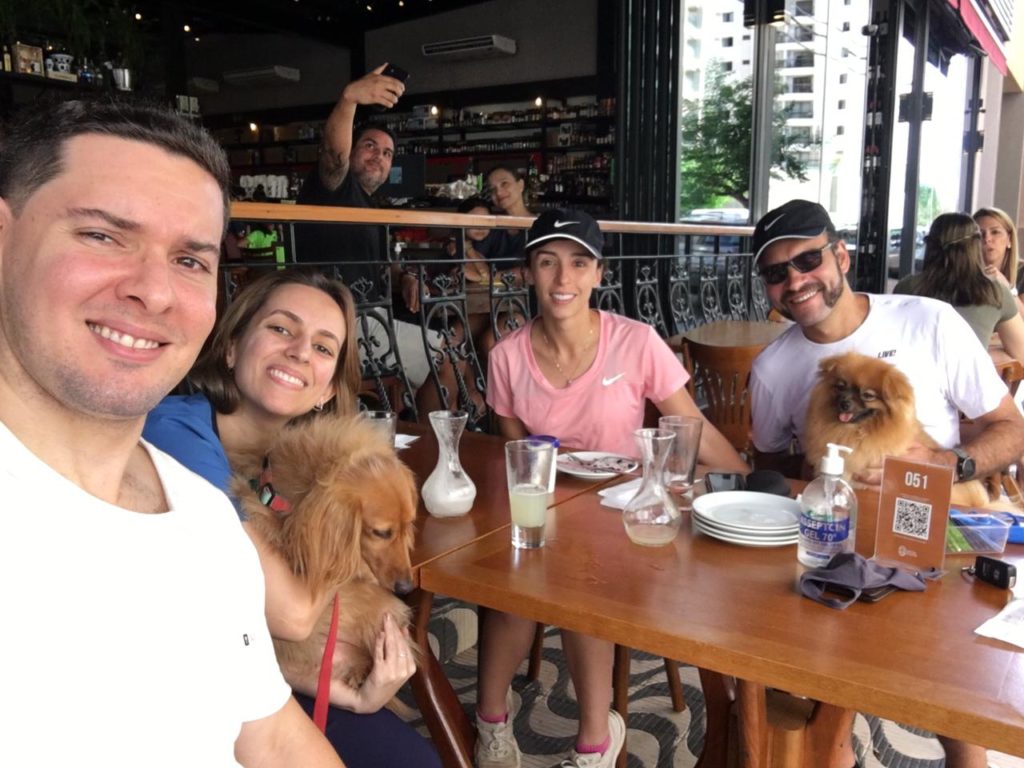
Main dishes: we ordered four different dishes, and they were all tasty.
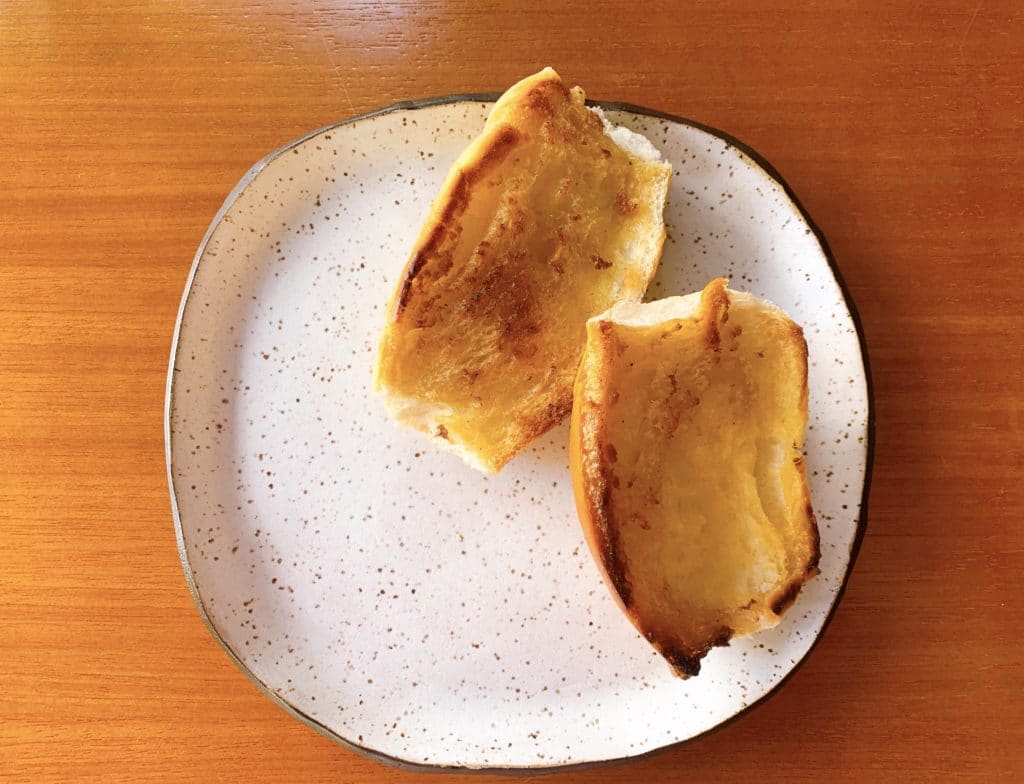
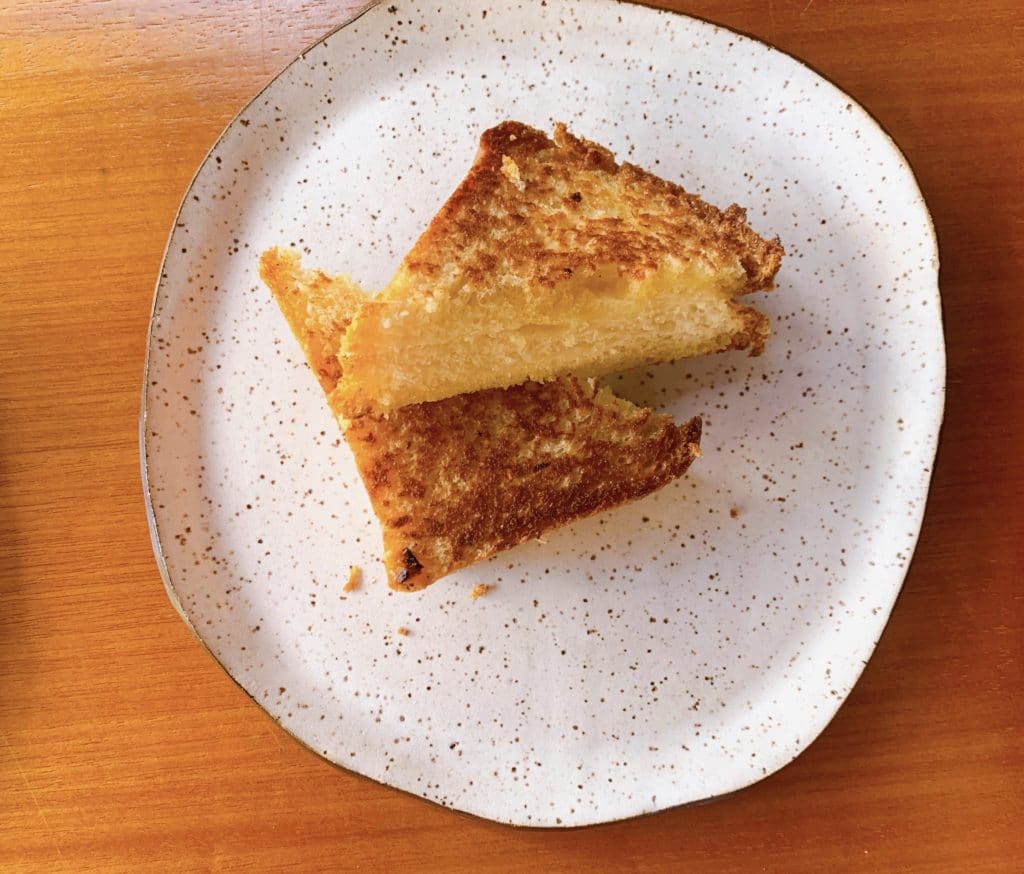
We ordered two griddled breads, one French bread and one brioche.
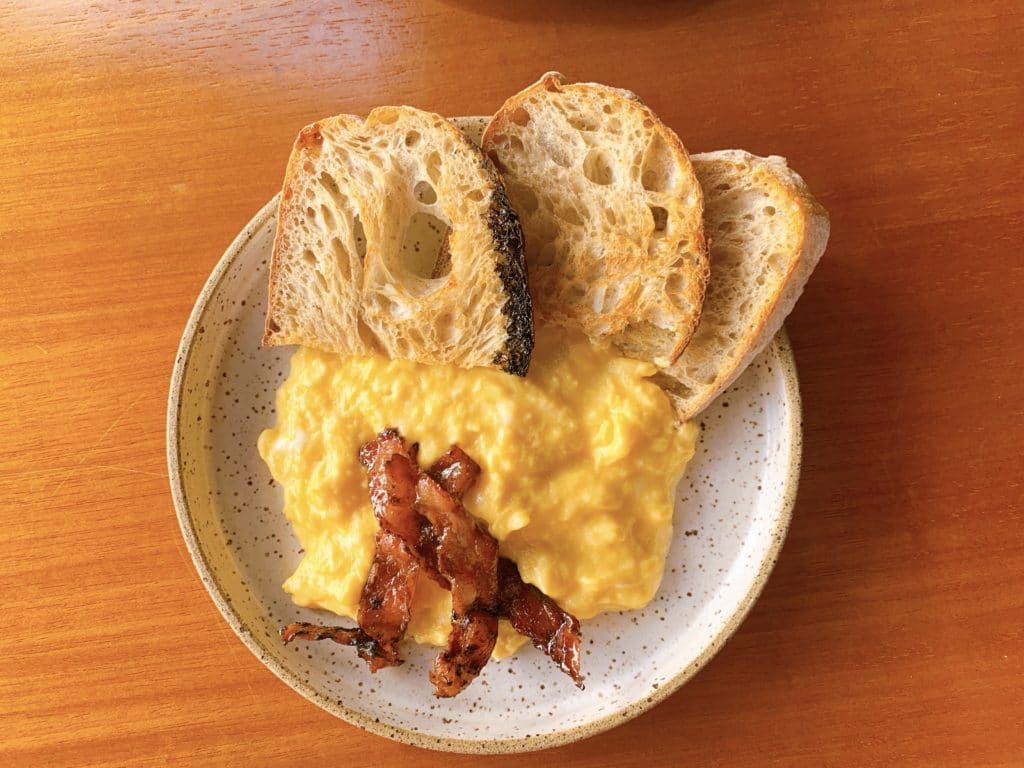
Third dish: we ordered scrambled eggs from free-range chicken, served with caramelized bacon and rapadura, and the restaurant’s own naturally leavened bread.
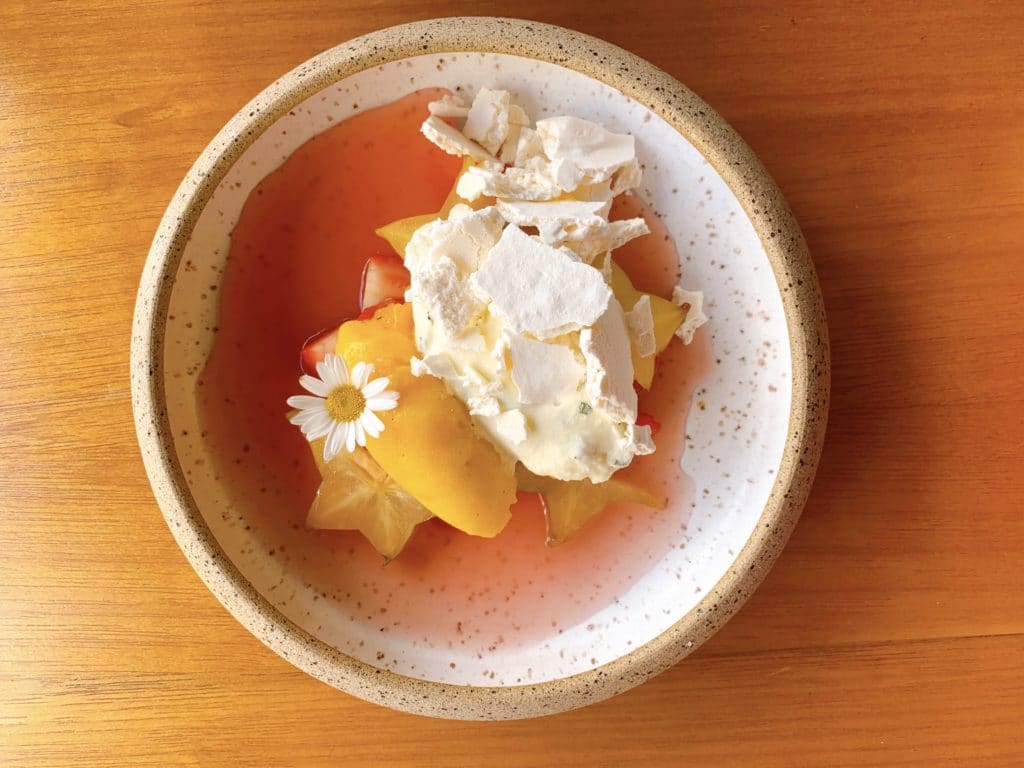
And the fourth, and the most beautifully presented dish, was the fruit salad.
Dessert: it took so long to order and receive that we ended up just picking it up straight from the counter ourselves.
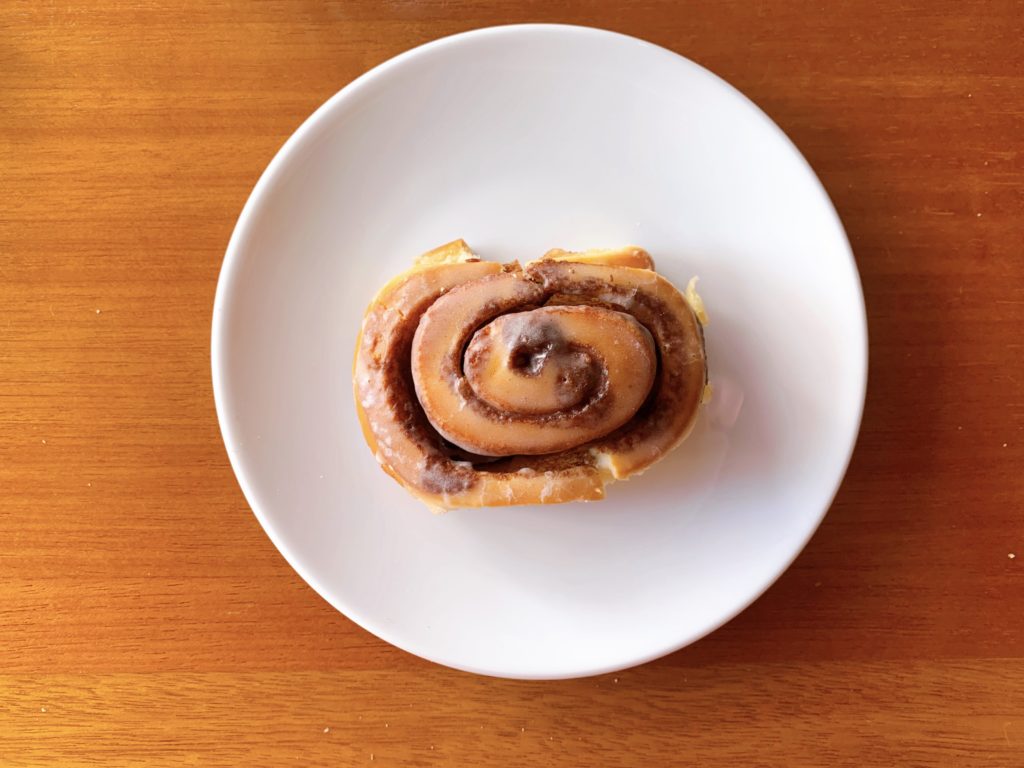
There were several options, and we chose the cinnamon roll and the prestígio cake (coconut and chocolate), and both had a slightly dry texture.
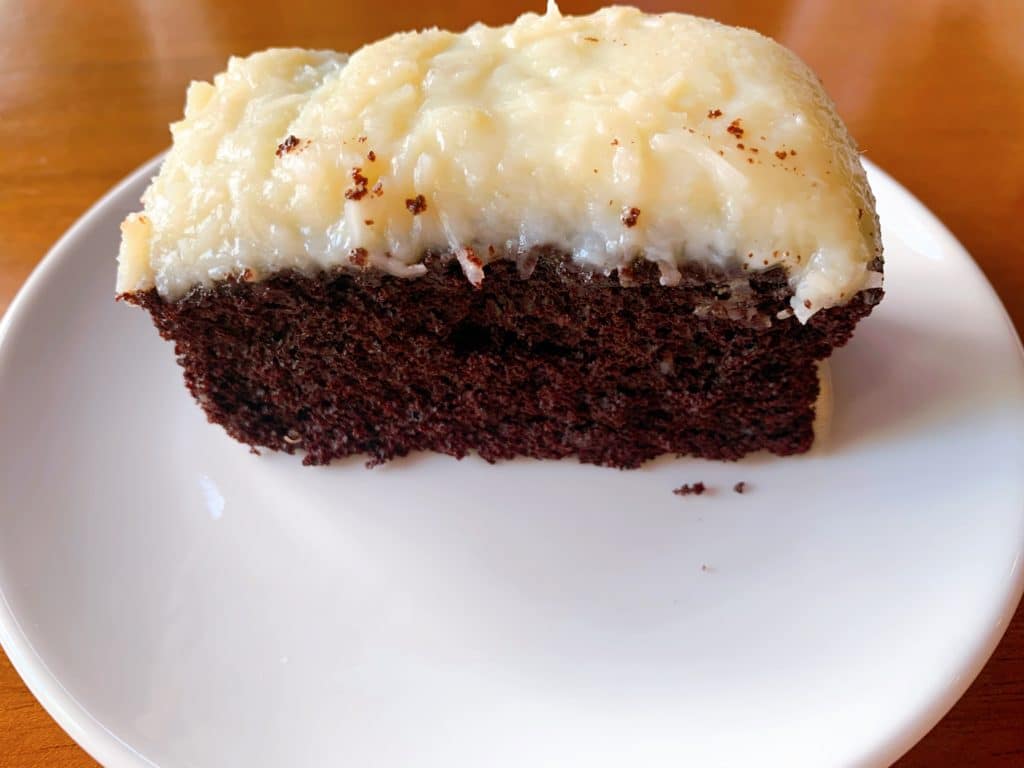
Price: about R$30 per person, including drinks.
Casa di Tullio
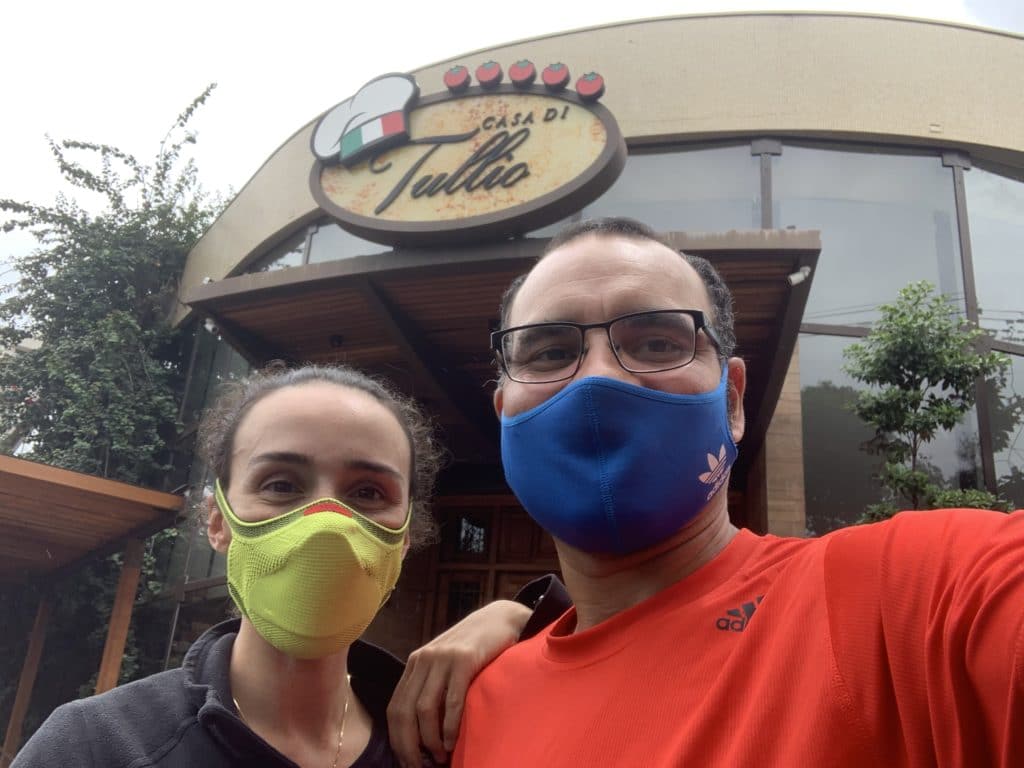
Anyone who knows Ribeirão Preto well knows the reputation of Tullio Santini’s famous Italian cantina, which has since grown into several other equally great restaurants.
Today, there are six locations: Amici Ristorante, Ancho, Bello Trattoria, Cappo Espaço, Casa di Tullio, Doppio Lavoro, Santini Terrazzo, and where it all began, La Cucina Di Tullio Santini.
Chef Tullio Santini Junior, his son, now runs the restaurants and keeps the food and standards consistent.
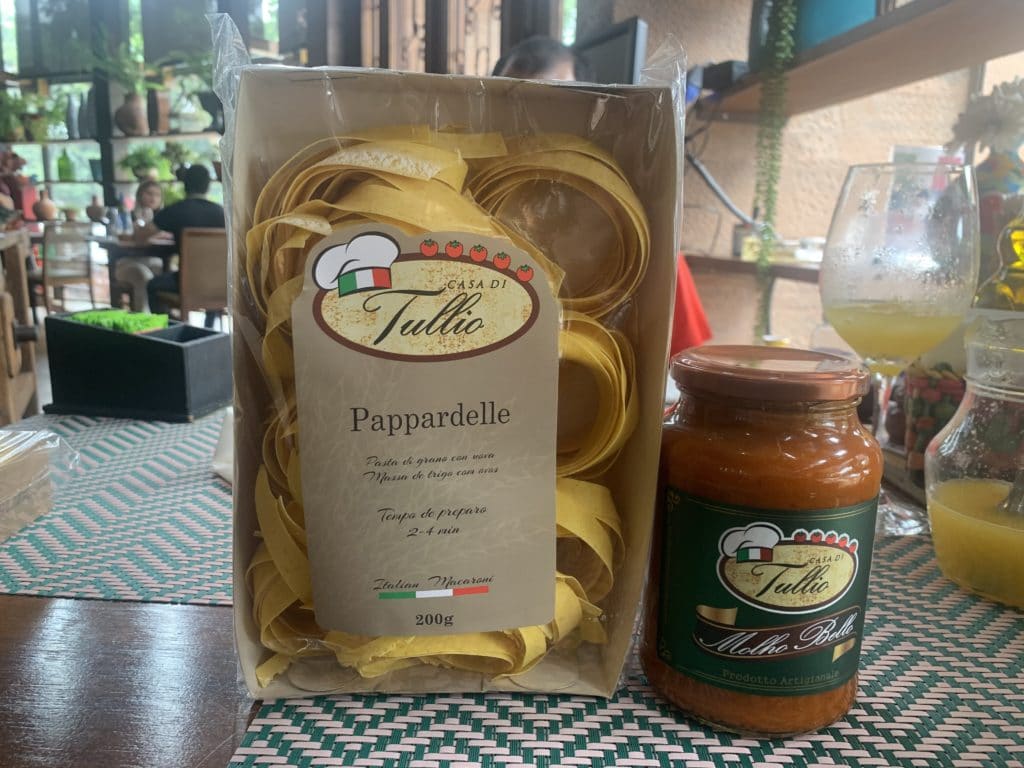
We tried Ancho, and bought fresh pasta at Casa Di Tullio to bring to my parents in São Paulo, since both share the same space.
The space: spacious, cozy, really pleasant, entirely glass-walled for great natural light, with wonderful service.
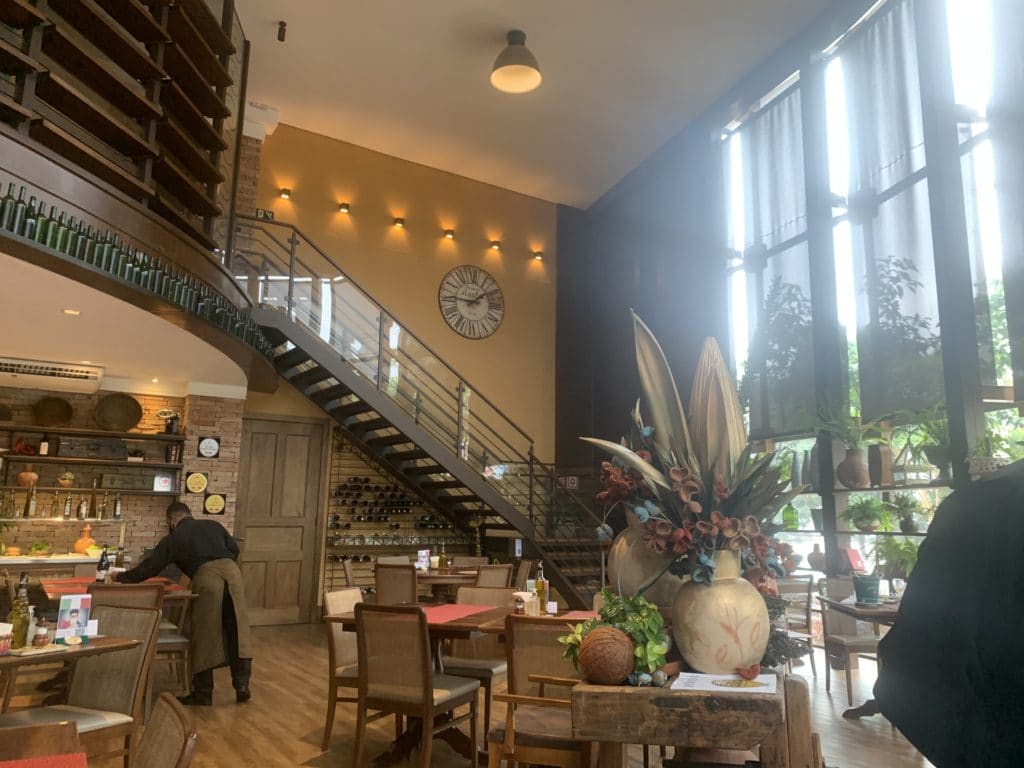
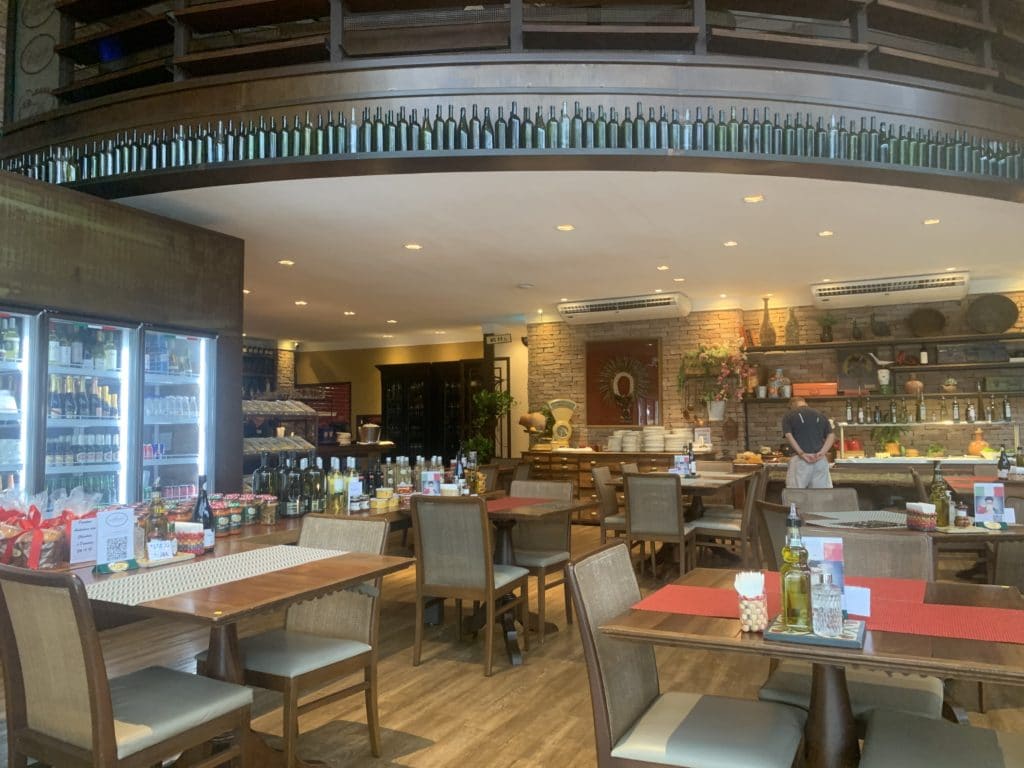
Couvert: included in the price, with pão de queijo and warm bread with butter, onions in olive oil, and everything was delicious. There are other options too, but we stuck with this one.
Main course: you choose your cut of meat, two sides, and all-you-can-eat salad from the buffet.
We chose two cuts, Ancho, the restaurant’s signature dish, and chorizo, and both were really flavorful.
Sides: ancho rice, lemon rice, roasted onion, and house-made farofa.
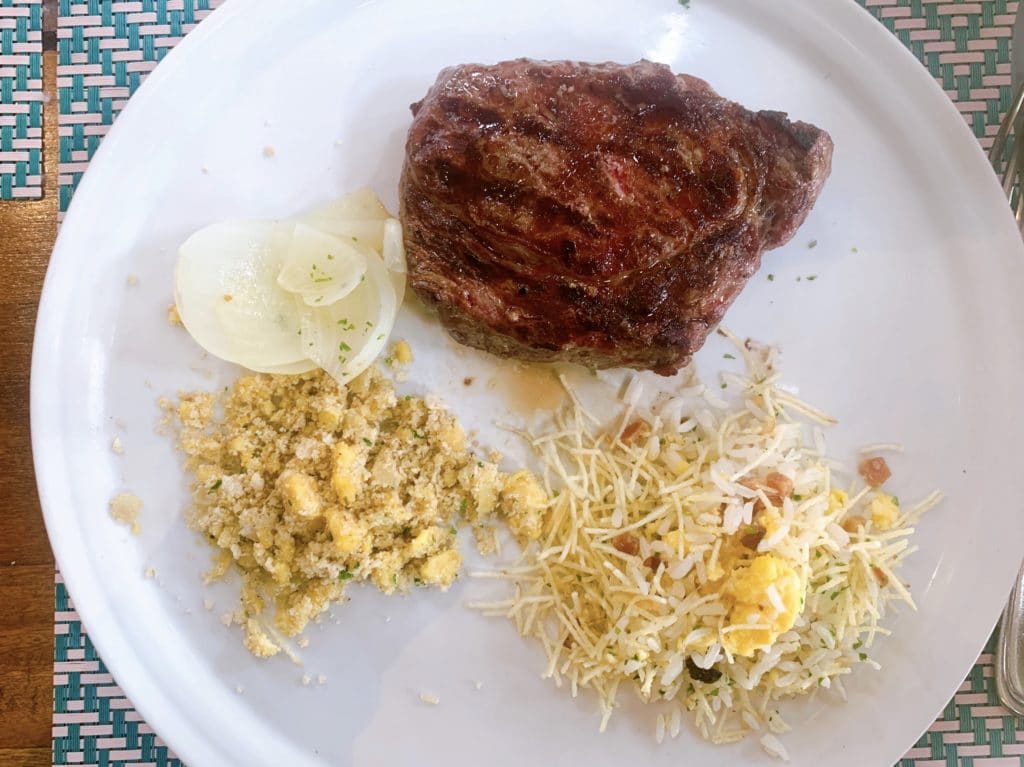
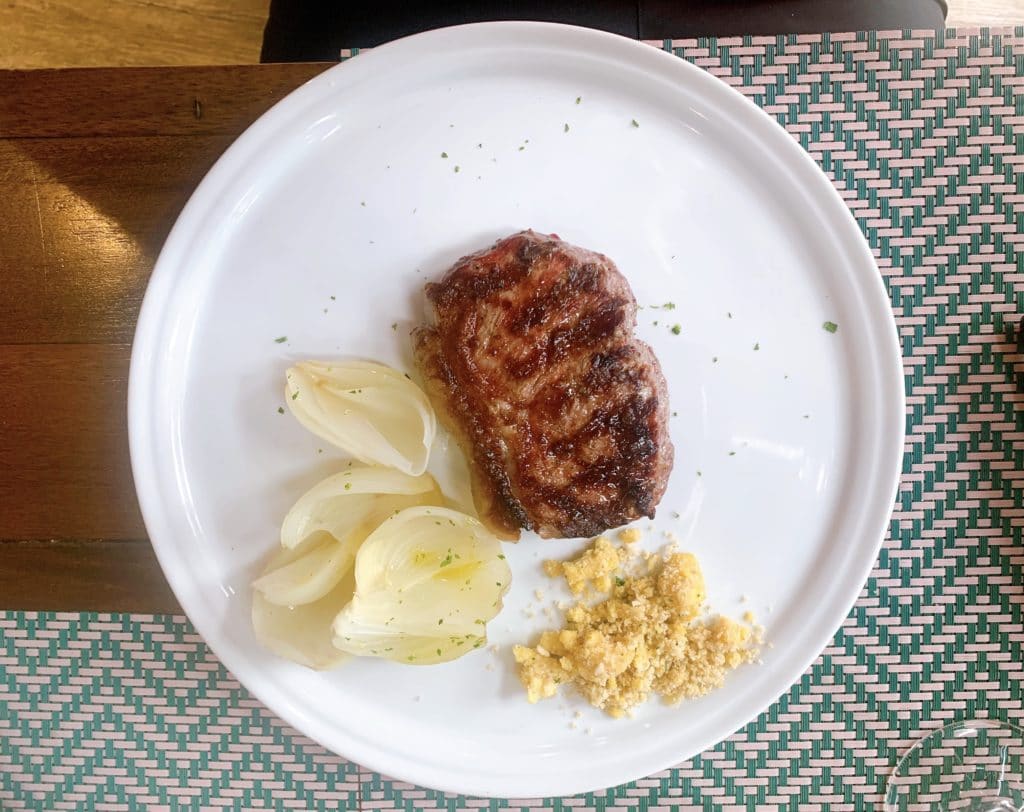
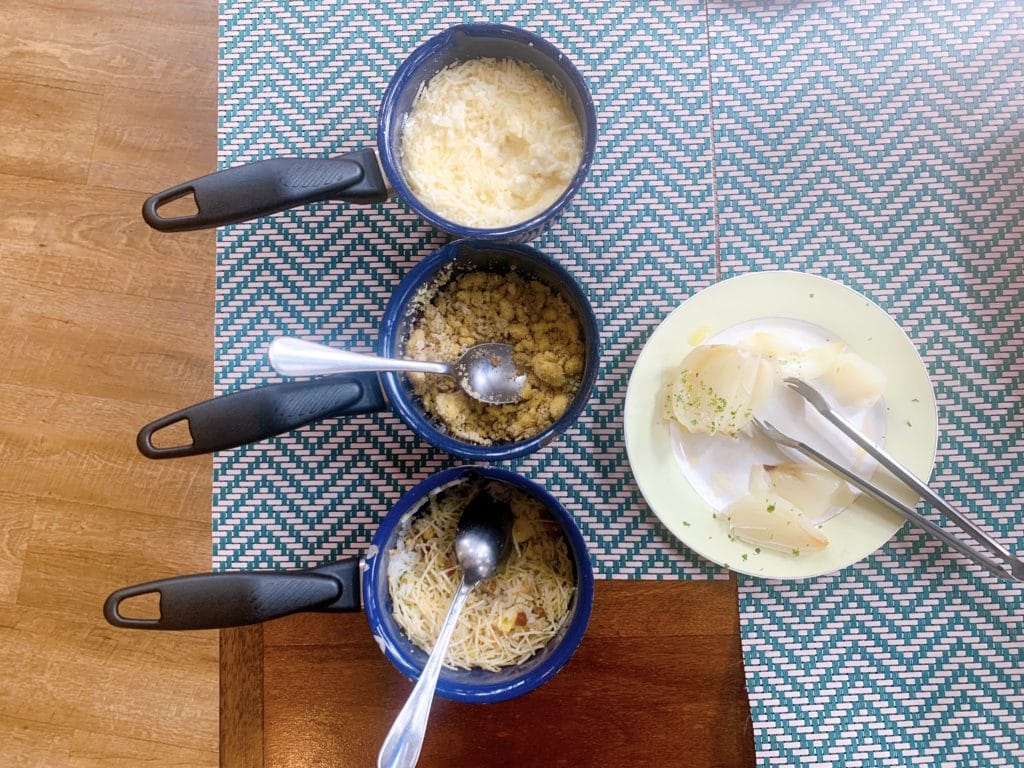
Dessert: we ordered a petit gateau, and here’s my only criticism of the restaurant — when I cut into the cake, the chocolate inside wasn’t fully melted, meaning it hadn’t spent quite enough time in the oven, but it was still fine.
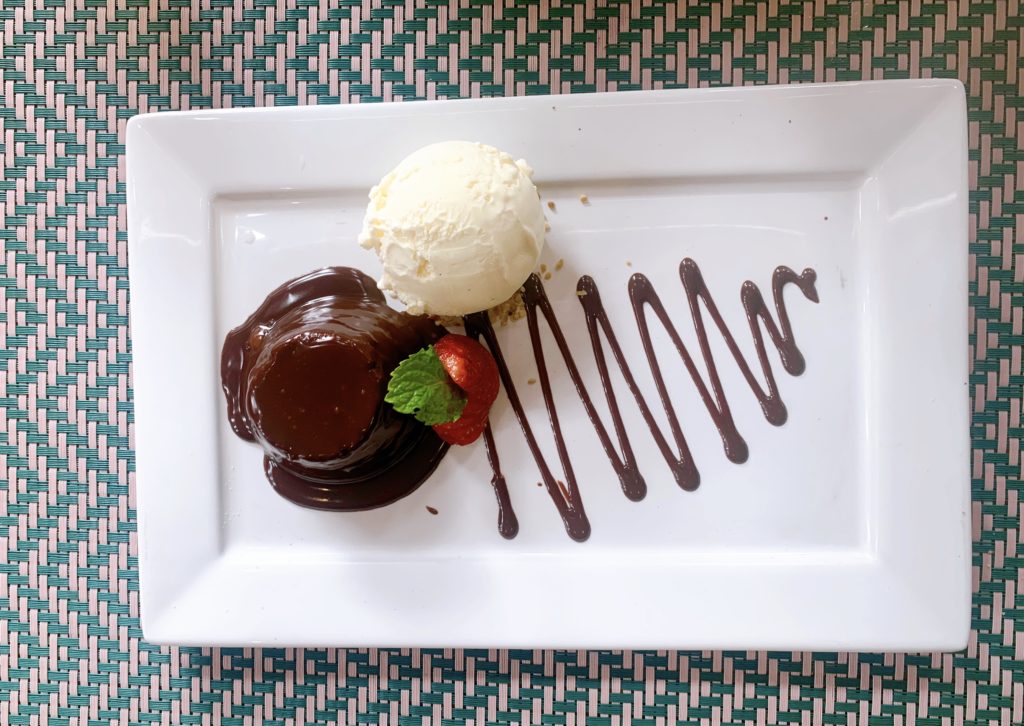
Price: R$150 per person.
I also stopped by the shop and picked up pasta and tomato sauce for my parents to try in São Paulo, and it looked genuinely delicious.
Cupim do Paulim
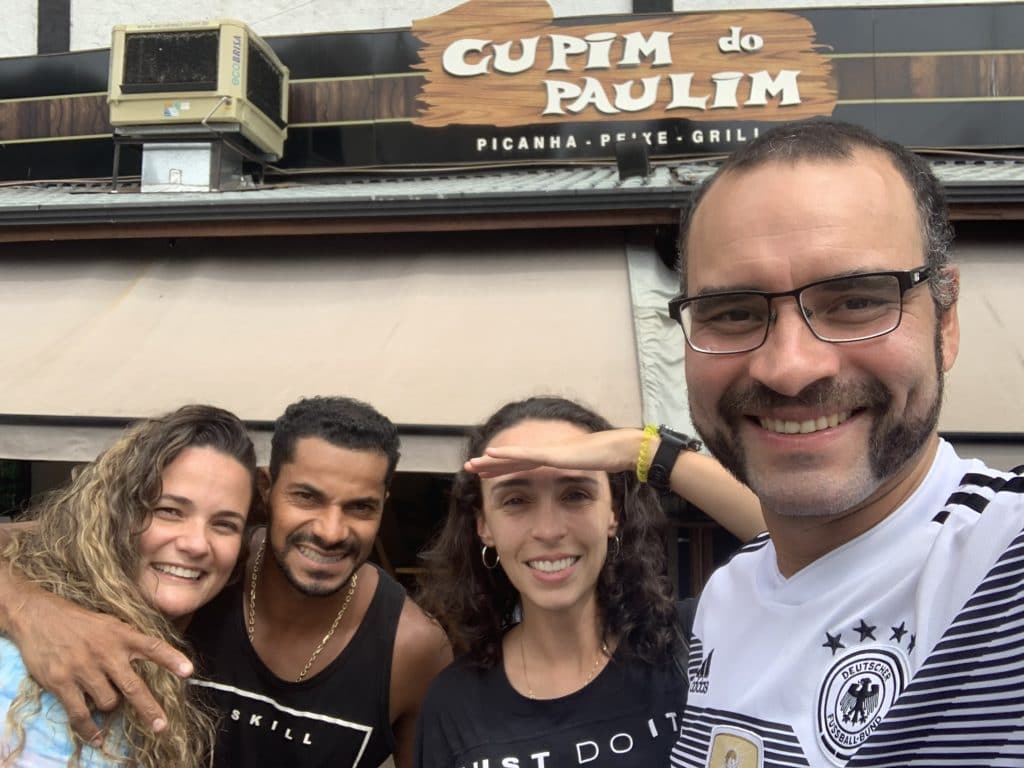
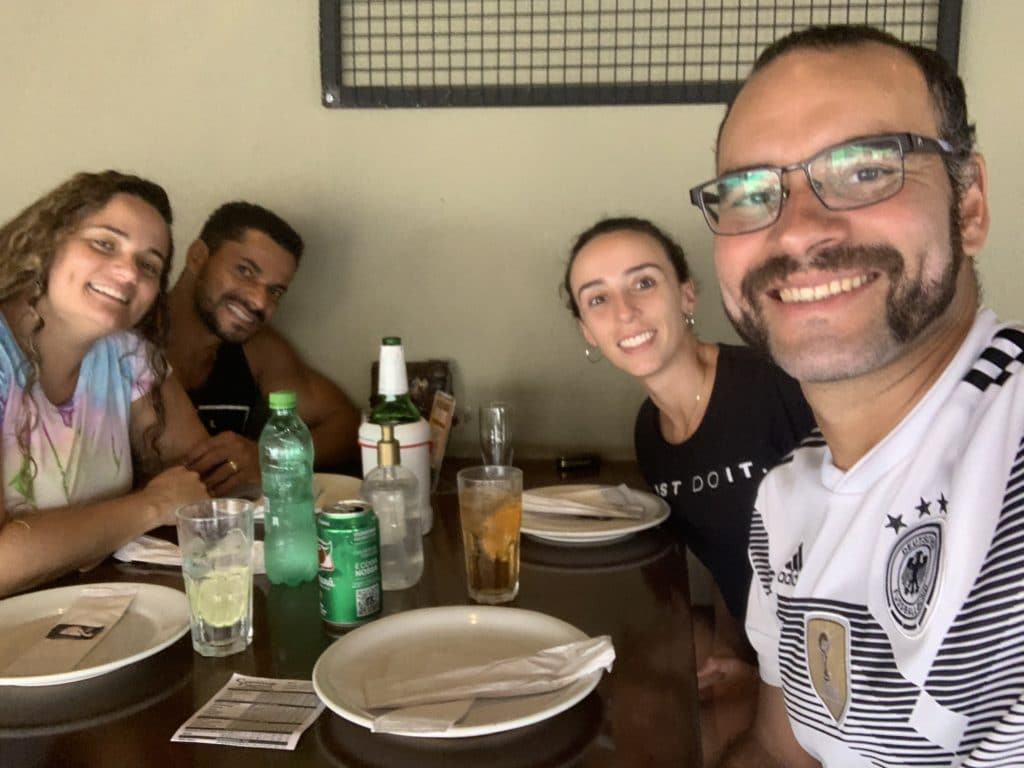
Located near the Comercial soccer stadium, this is a great spot for an afternoon, well known for being good and affordable — genuinely worth visiting and trying.
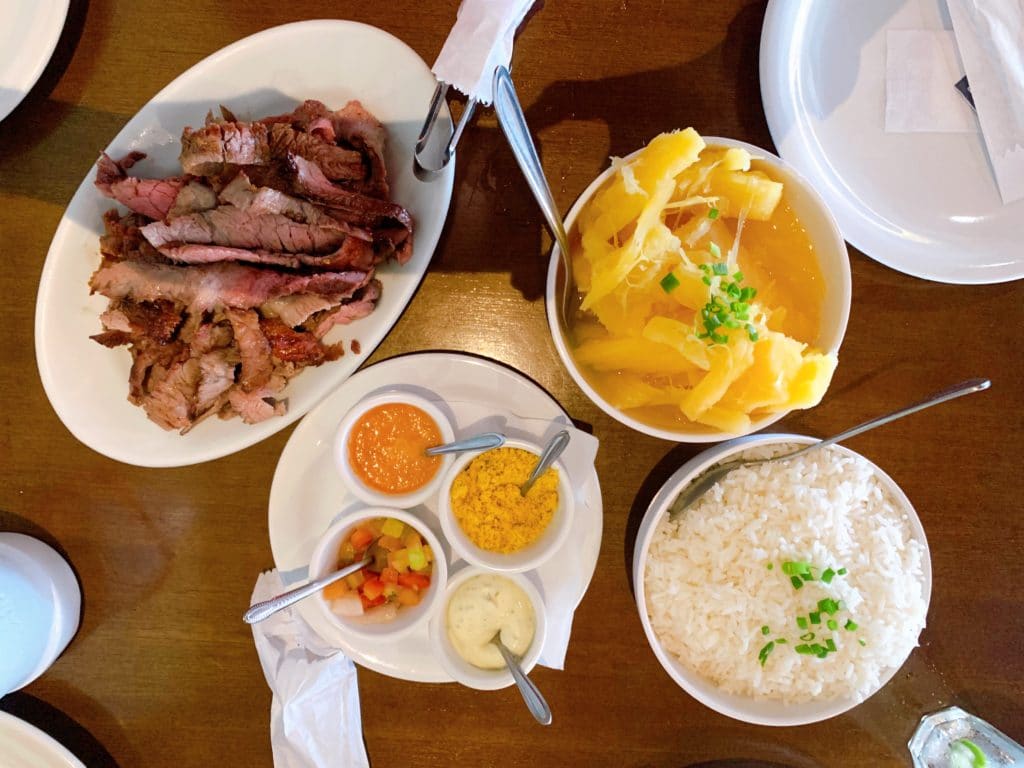
Main course: cupim casqueirado (slow-cooked beef hump with a crispy crust), which serves two to four people, with sides: white rice, cooked polenta, and house sauces.
Price: R$50 per person, drinks included.
Famosa Pizza
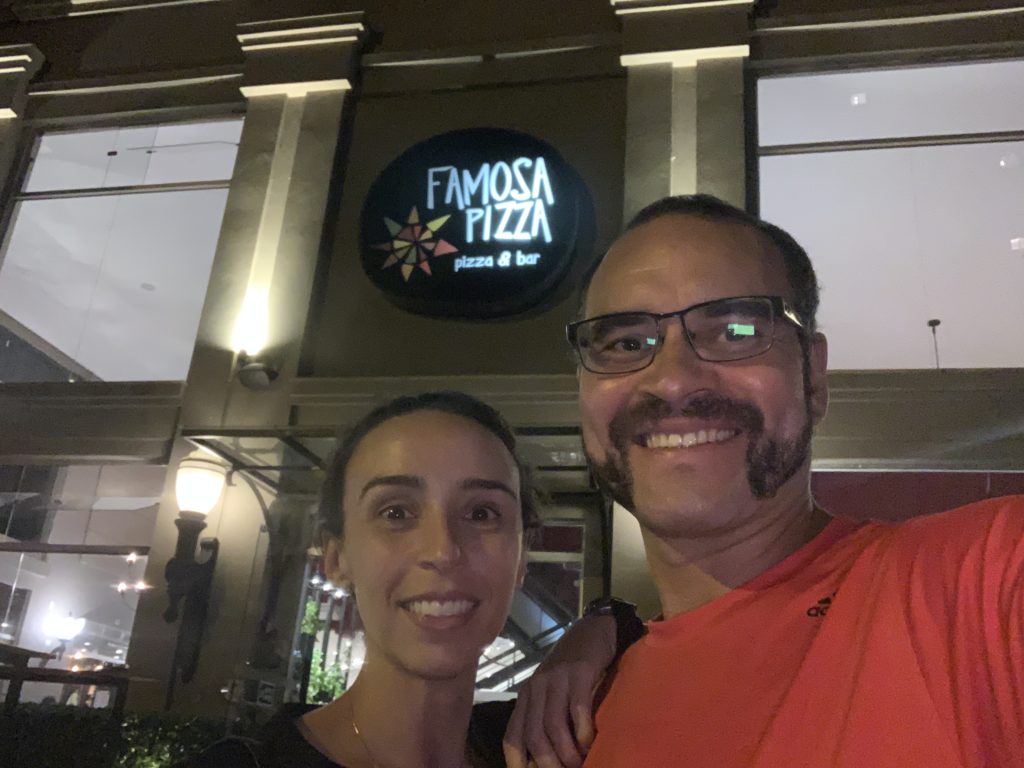
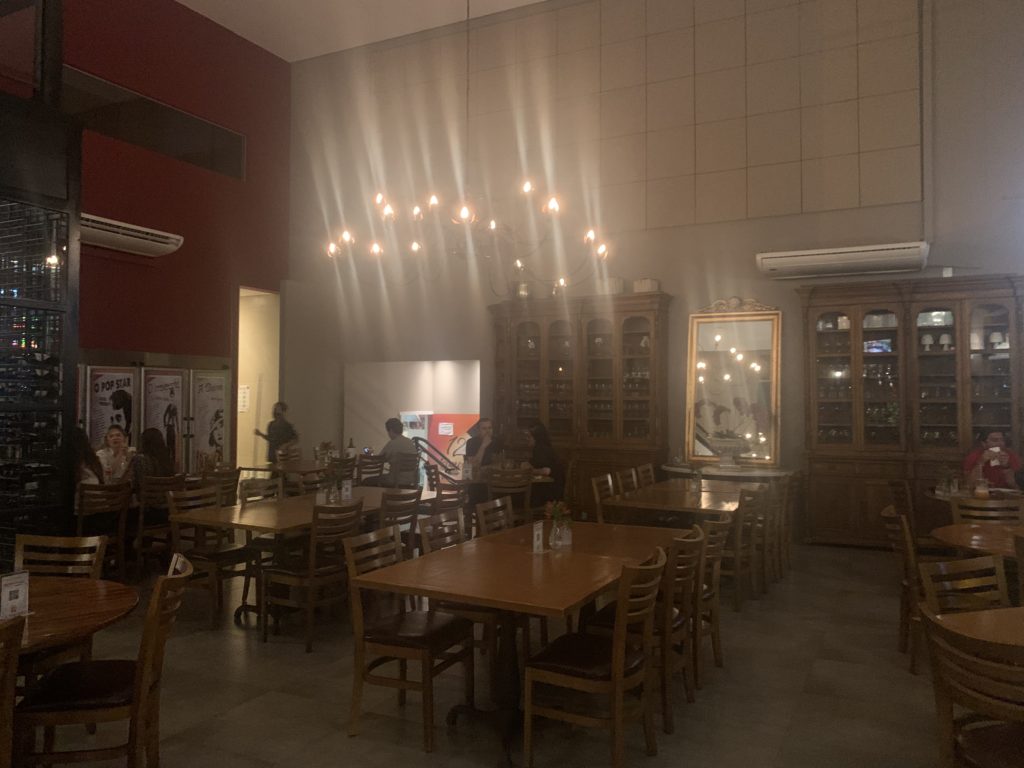
We ordered delivery from this pizzeria, since we were tired on a Friday night, but for anyone who wants to eat in, the space itself is also really pleasant.
Unfortunately, our photo of the dining room didn’t come out well because of the lighting.
We were so hungry that Friday that we forgot to take a photo of the pizza when it arrived.
Price: R$76 for three people, with leftovers for breakfast the next morning.
A tip if you’re living in Ribeirão Preto
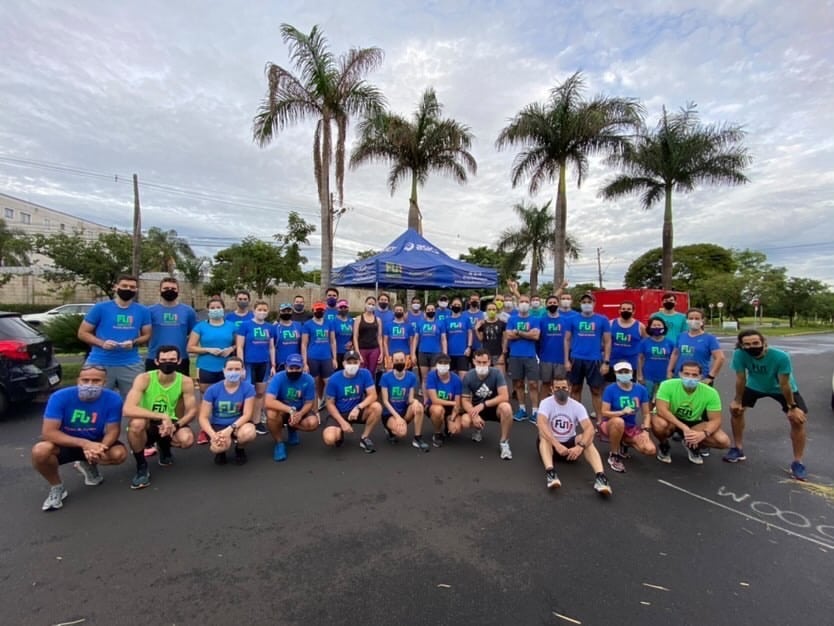
I lived in the city for two years while doing my medical residency at USP Ribeirão, and while I was there, I trained for running with Fun Sports, a fantastic group whether you’re just starting out running or you’re already an experienced runner, with highly qualified coaches Rodrigo Inouye Gouveia and Eduardo Vicentini — we’d definitely recommend them.
Every time I end up back in the city, I make a point of training with the team.
Read more about our trips in Baependi.
Read the original version in Portuguese on A Bela e o Bigode.