Baependi and Its Beautiful Waterfalls
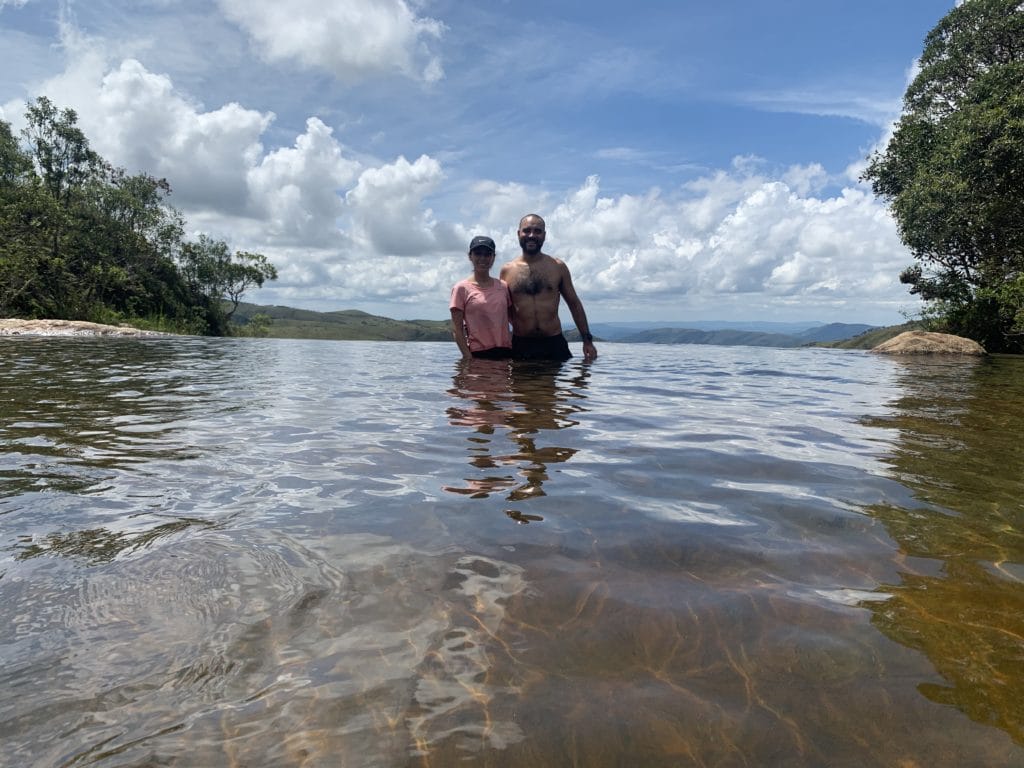
We stopped in Baependi because, during a weekend in Campanha, we learned the story of Nhá Chica, and on the road, we spotted a sign and ended up detouring into town, since Baependi is where she was born.
The town is beautiful, full of waterfalls and trails, but unfortunately the dirt roads out in the rural area are in terrible shape, and a 4x4 vehicle is absolutely required.
History of Baependi
Southern Minas Gerais became known to Europeans starting in 1601. The region was originally inhabited by the Puri people. The town’s founding, though, came around 1692, when the São Paulo settlers Antônio Delgado da Veiga, his son João da Veiga, and his uncle Miguel Garcia Velho set out from Taubaté, in São Paulo state, in search of gold. They arrived after crossing the Serra da Mantiqueira and named the area Maependi — you’ll find out what that means shortly.
It wasn’t until 1752, though, that the small settlement became a parish. Soon after, in 1814, it became a village, and in 1855 it split off from the Comarca do Rio das Mortes to become its own judicial seat — finally, on May 2, 1856, it was elevated to the status of a city.
Origin of the name
In short, the municipality’s name refers to the Baependi River, which runs through it. “Baependi” comes from the Tupi term mba’eapiny, meaning “river of the sea monster” (mba’eapina, an Indigenous sea monster + ’y, river).
Waterfalls of Baependi
There are several waterfalls, and you’ll spot a few from the road as you drive through the valley, though reaching them requires difficult dirt trails and roads.
We managed a section reachable by car, though keep in mind everything runs along dirt roads, so a 4x4 is required.
The first three waterfalls we visited are close together, located in the rural district of Piracicaba. To get there, plug this into Waze and ask locals along the way as you follow the road signs.
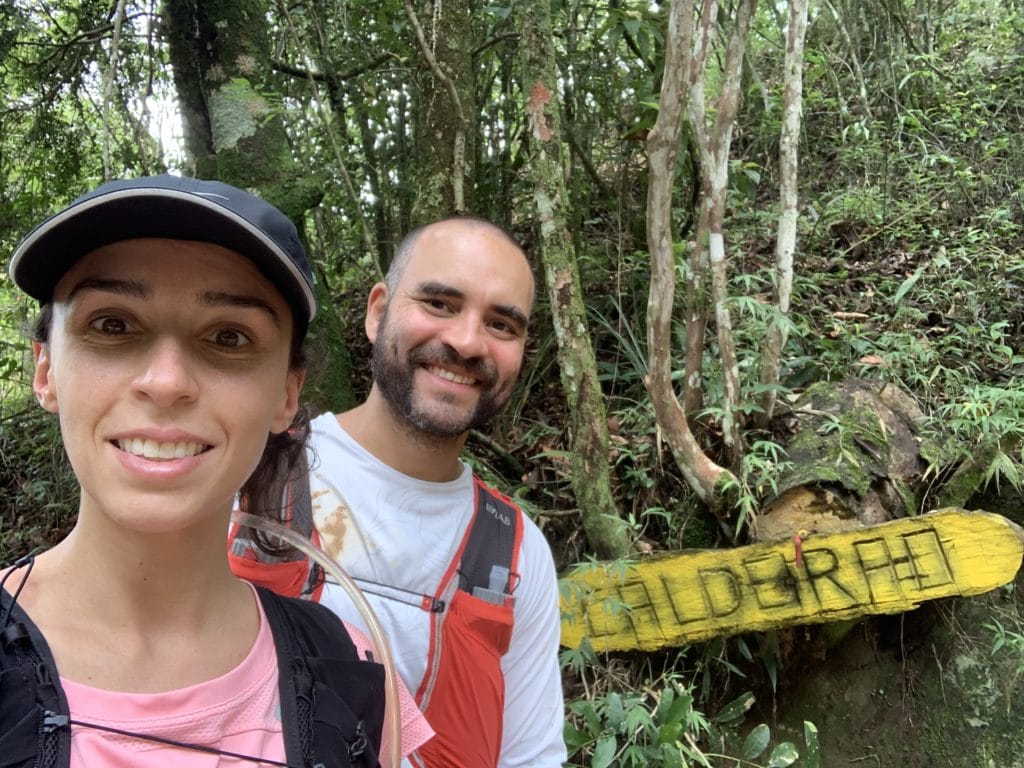
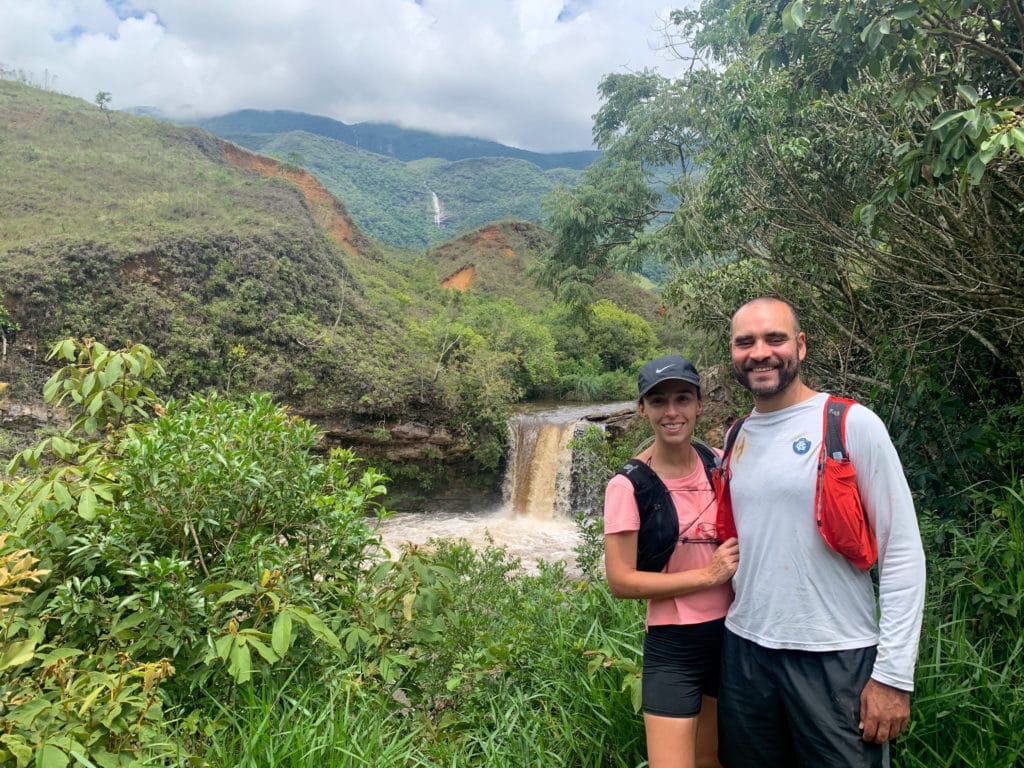
Cachoeira do Calderão
- Drop: 6 meters
- Pool: 8 meters
- Good for swimming
- Admission: free
A beautiful waterfall, flowing hard thanks to the recent rains — this was the last one we visited along that stretch of road.
Cachoeira do Juju
- Drop: 130 meters
- Natural pools good for swimming
- Rappelling available
- Trail to the pools: 2.4 km (round trip)
- The base of the waterfall is not suitable for swimming
- Admission: free
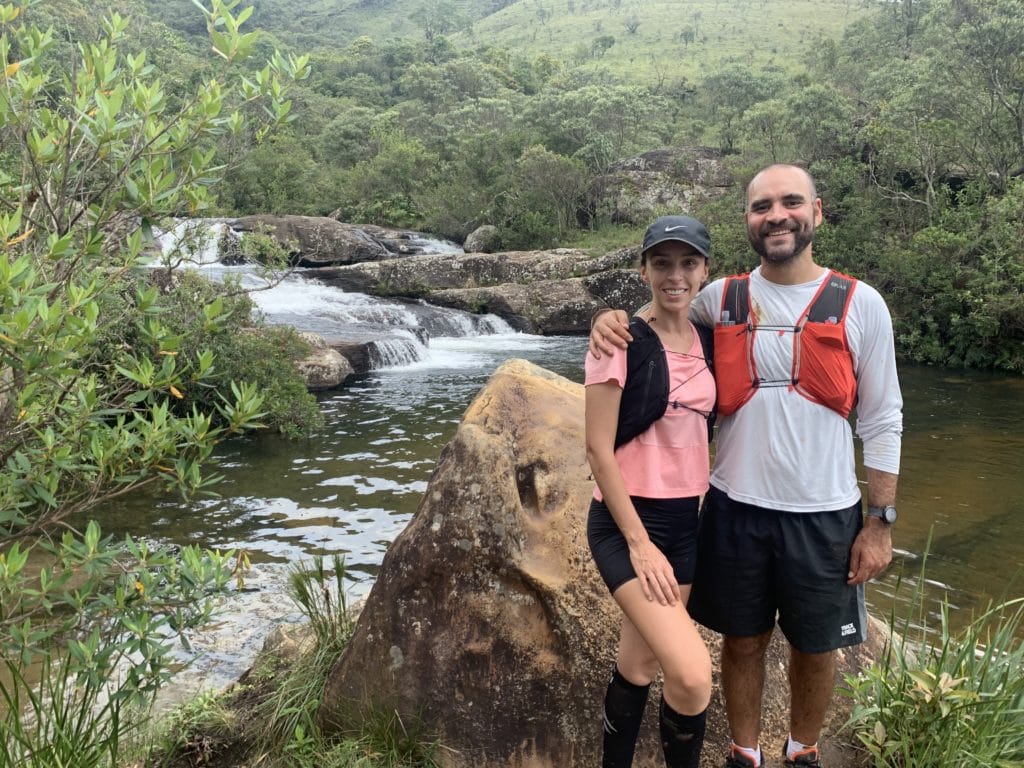
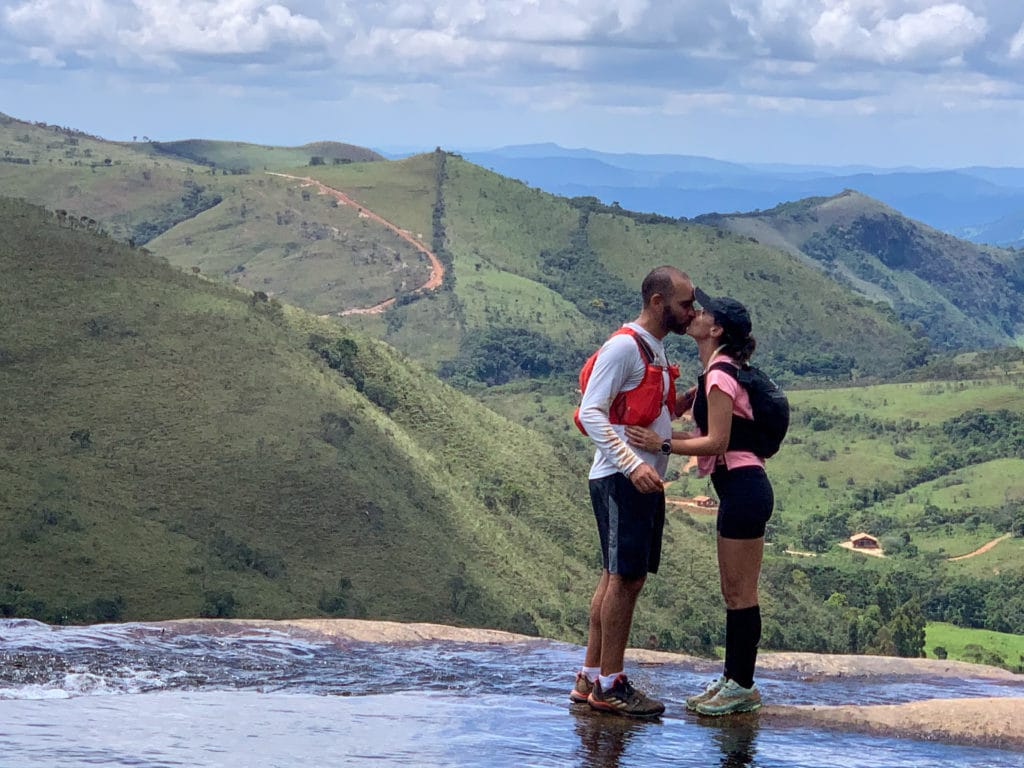
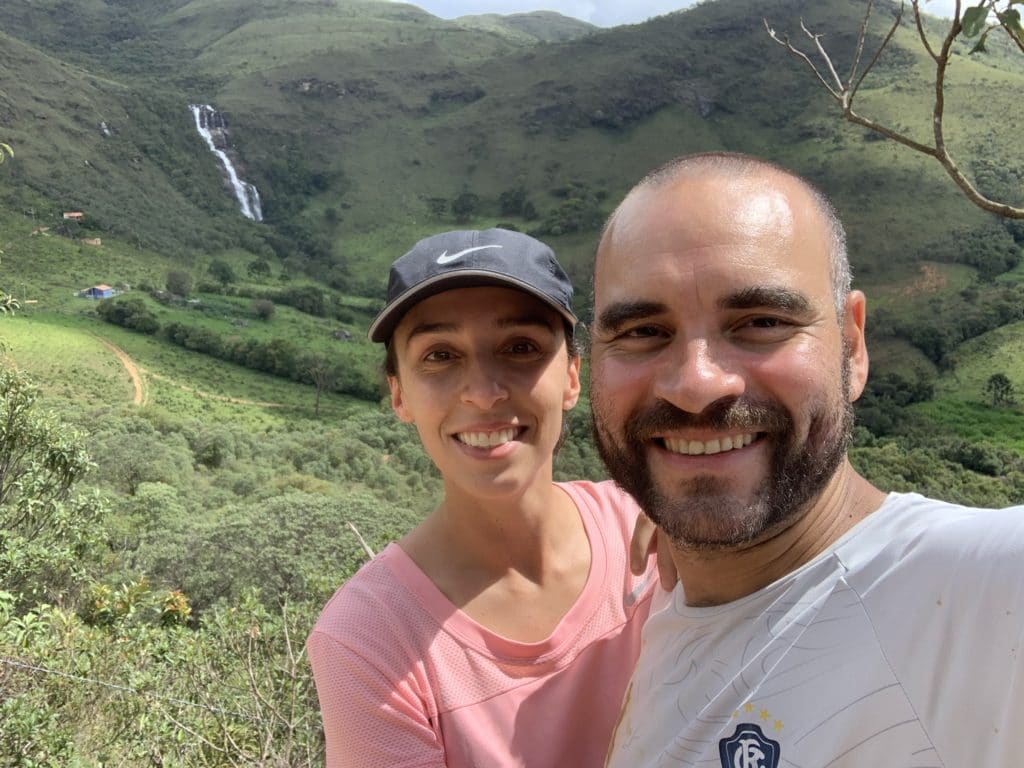
Without a doubt, we considered this the most beautiful waterfall we visited in the region, thanks to its natural pools with a view stretching to the horizon. It’s a spectacular place.
That said, even though it’s the best waterfall, it also has the worst road to reach it, with a steep, very rough climb.
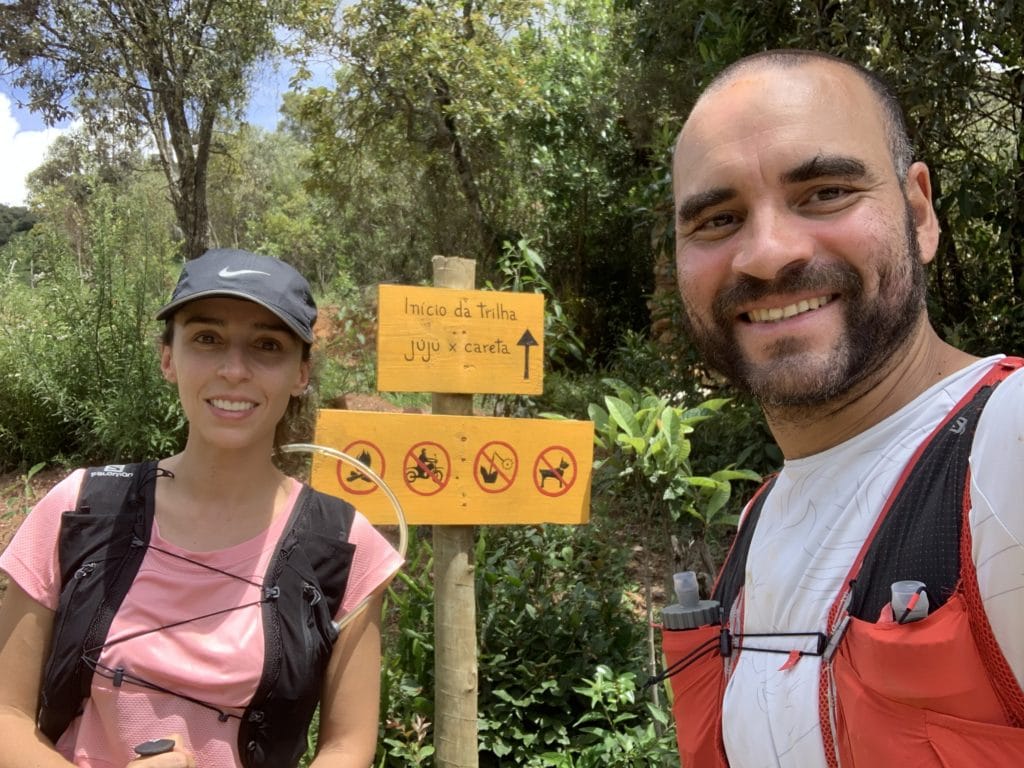
Download the GPX for the Cachoeira do Juju trail.
Track powered by Wikiloc
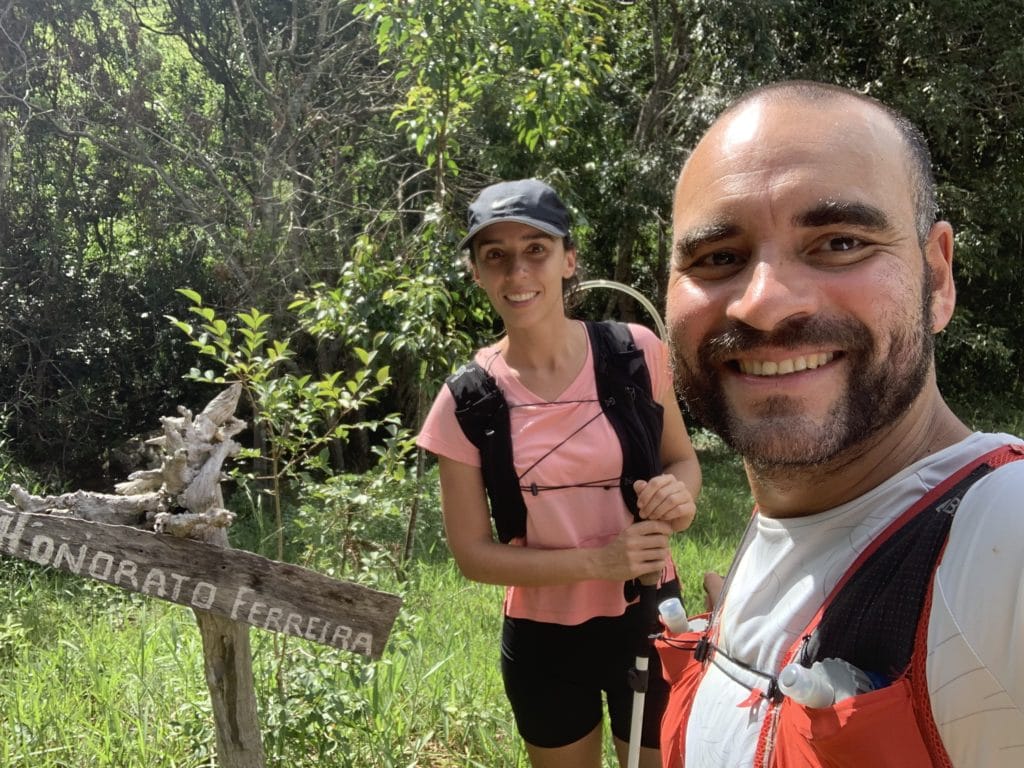
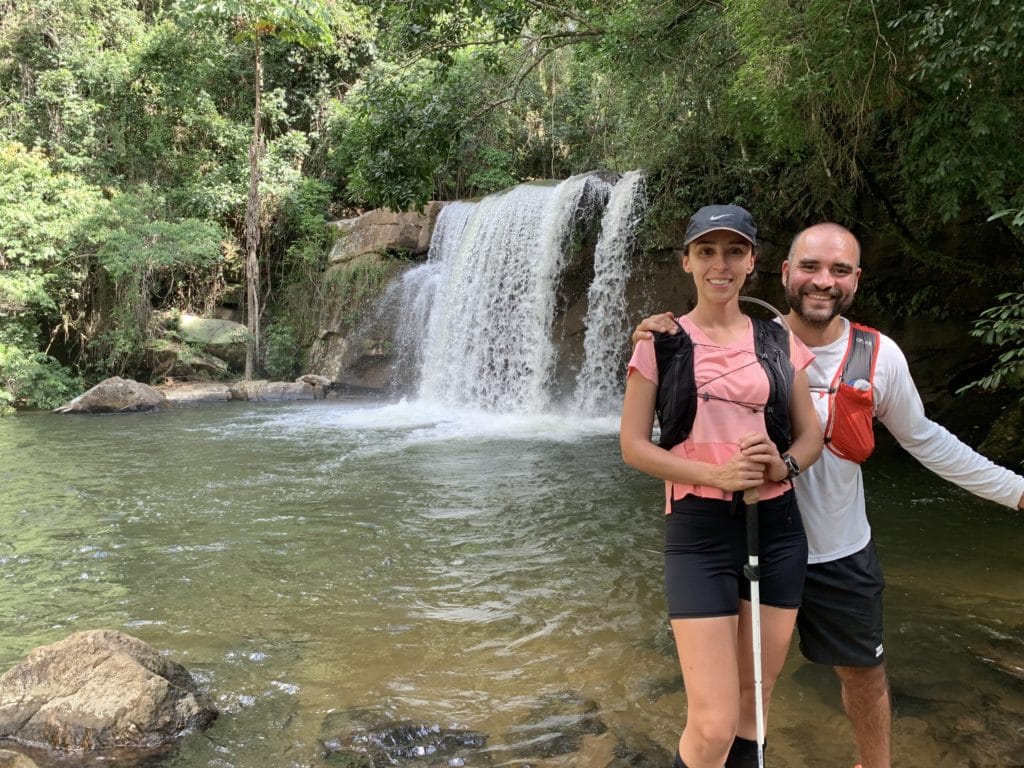
Cachoeira Honorato Ferreira
- Drop: 10 meters
- Pool: 10 meters long by 15 meters wide
- Admission: free
Really beautiful, and the only one with a restaurant right at its base, selling both drinks and food.
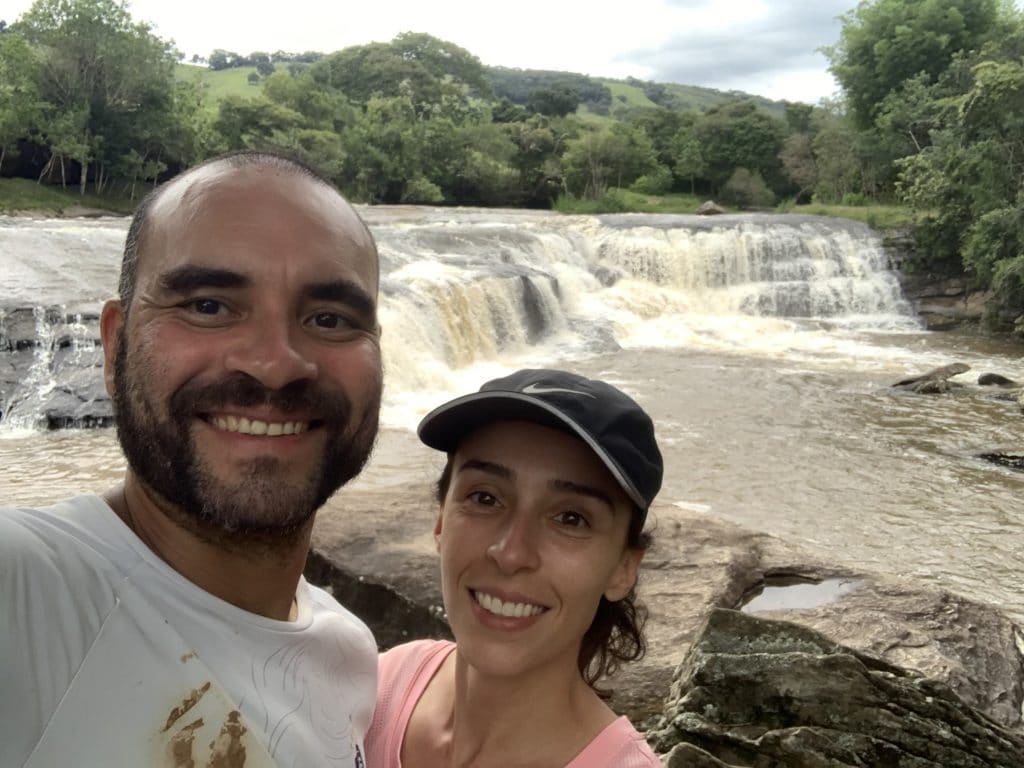
Cachoeira Itaúna
- Admission: free
- Good for swimming
Of the waterfalls we visited, this one has the easiest access, and it’s located in the São Pedro district.
Where to eat in Baependi
The dining options in the area are limited and not great, but you won’t go hungry.
Restaurante do Dirceu
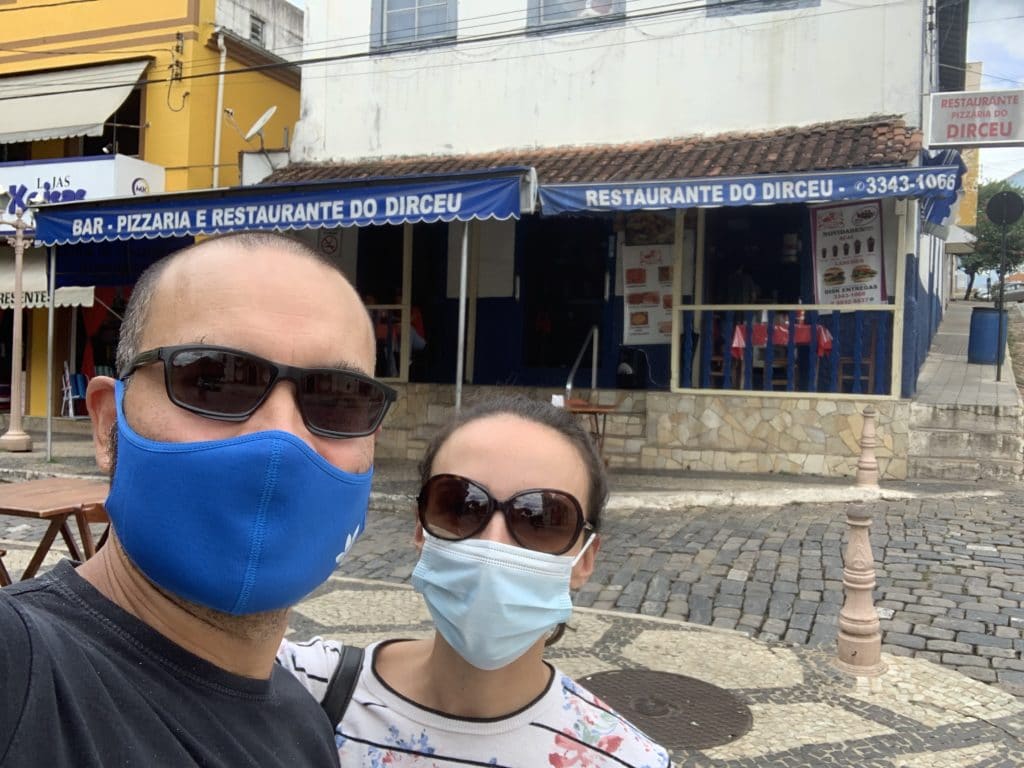
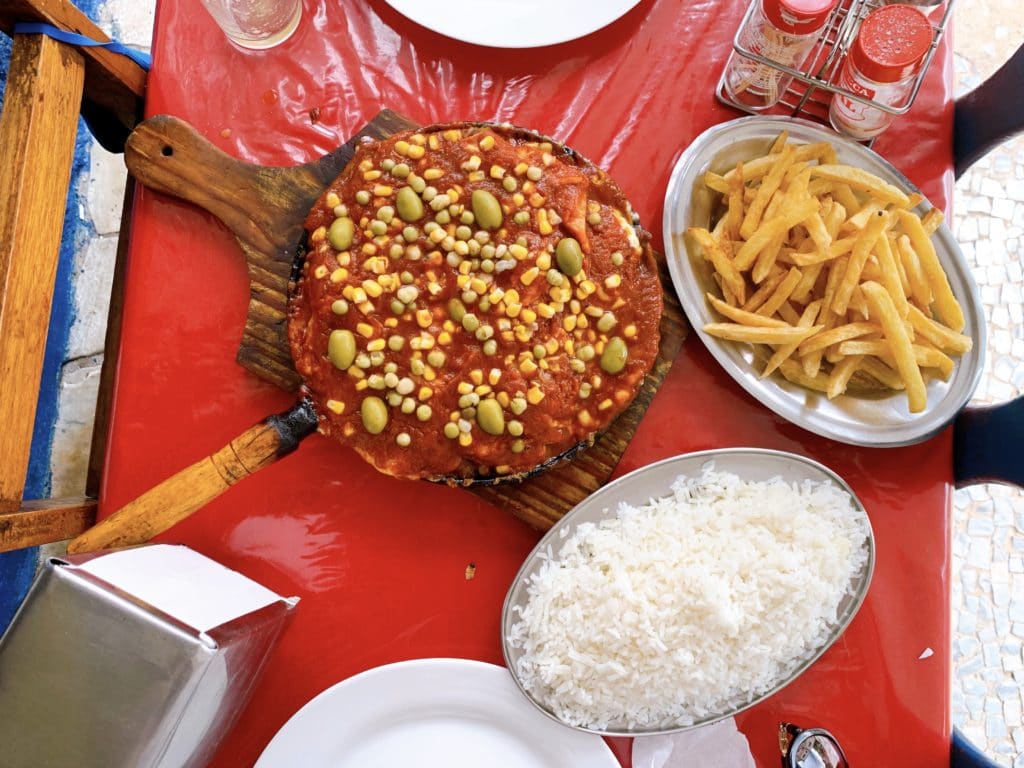
Located next to the cathedral, the portions here are generous, though the food didn’t quite hit the mark for us — still, it’ll fill you up, easily serving three people with leftovers.
Main course: chicken parmigiana with rice and fries.
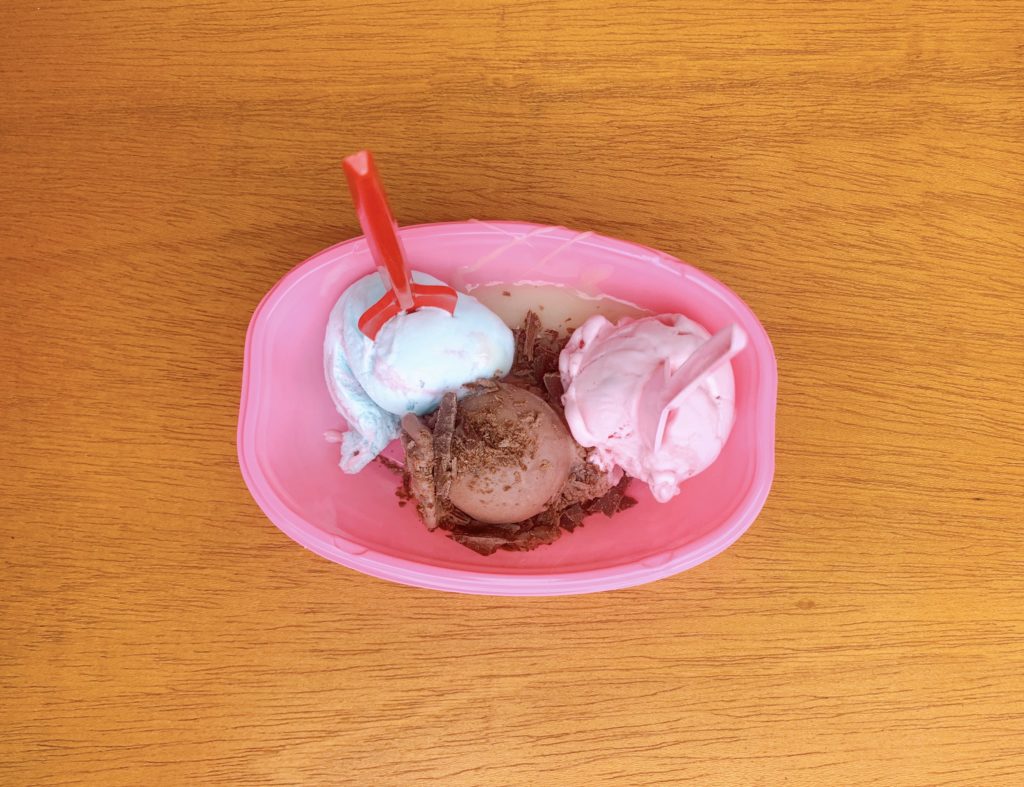
Sorvetes Juju

A small but cozy spot, located near the town square.
The ice cream is decent, sold by weight, and the owner is very friendly.
What to do in downtown Baependi
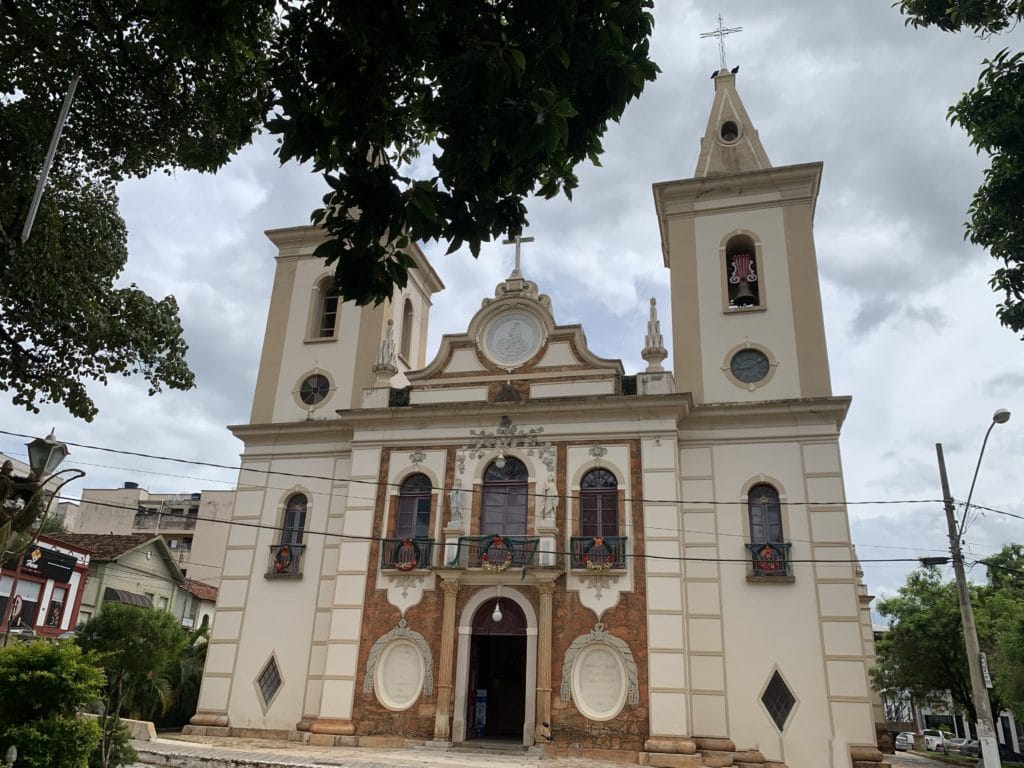
The town has the Igreja Matriz Santa Maria de Baependi, located close to the Nhá Chica church.
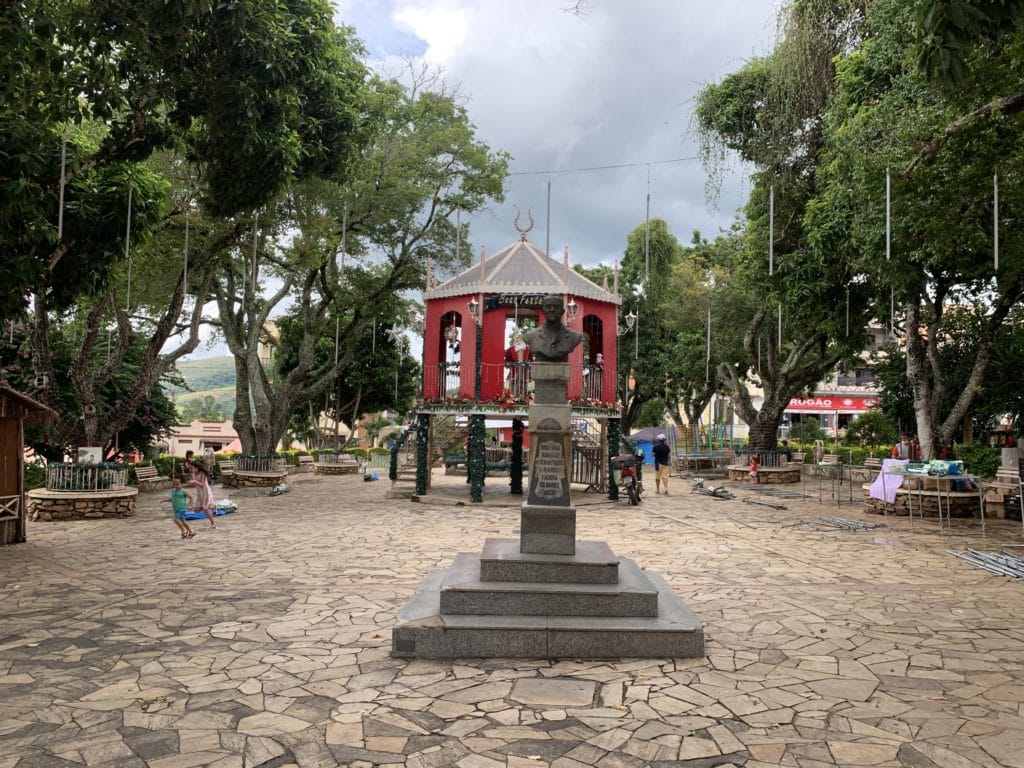
In front of the main church is a square, surrounded by shops and restaurants. When we visited, there was a street market set up there.
On the left side, if you’re facing the main church, you’ll see the Igreja Nossa Senhora do Rosário.
Igreja da Nhá Chica
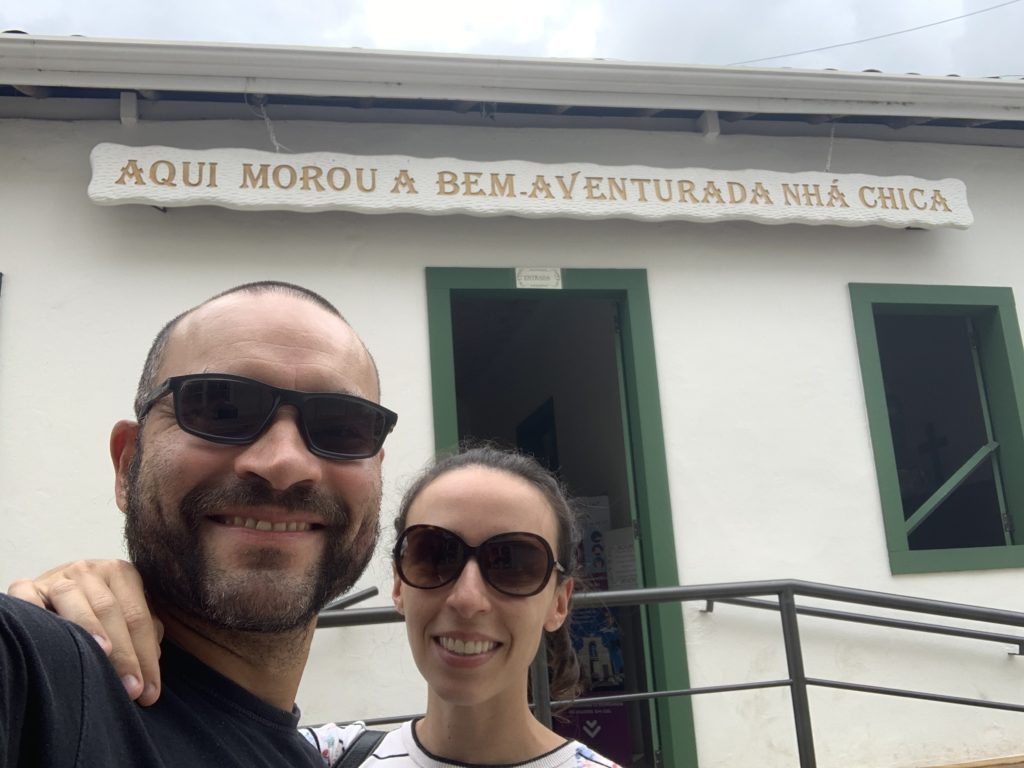
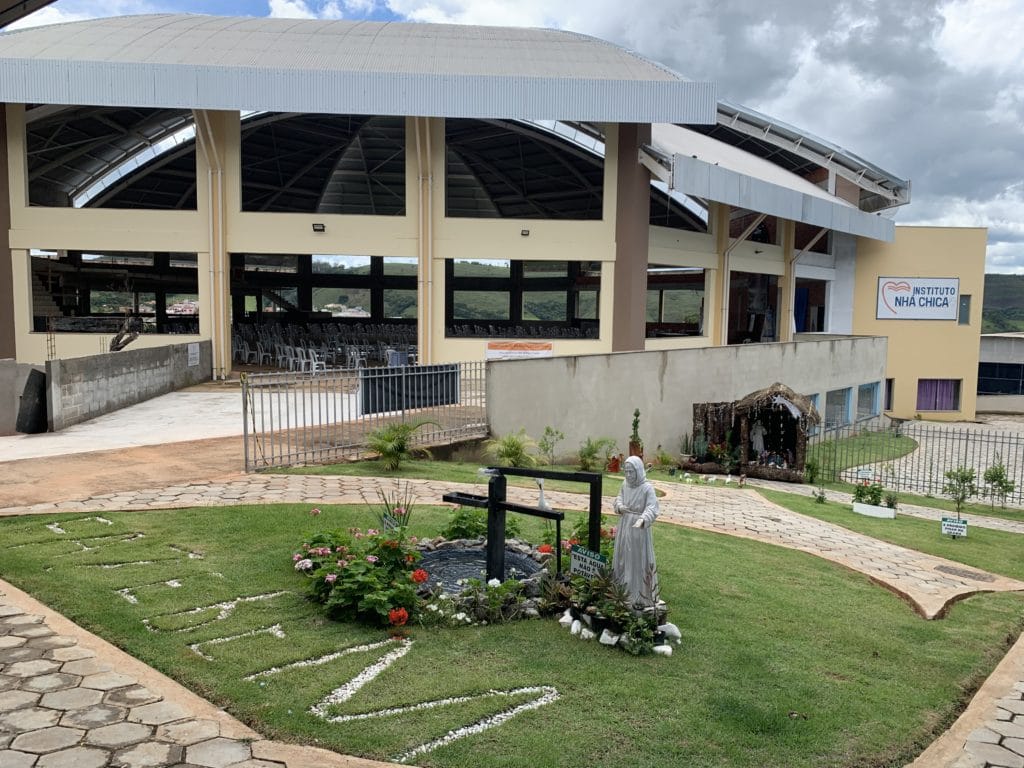
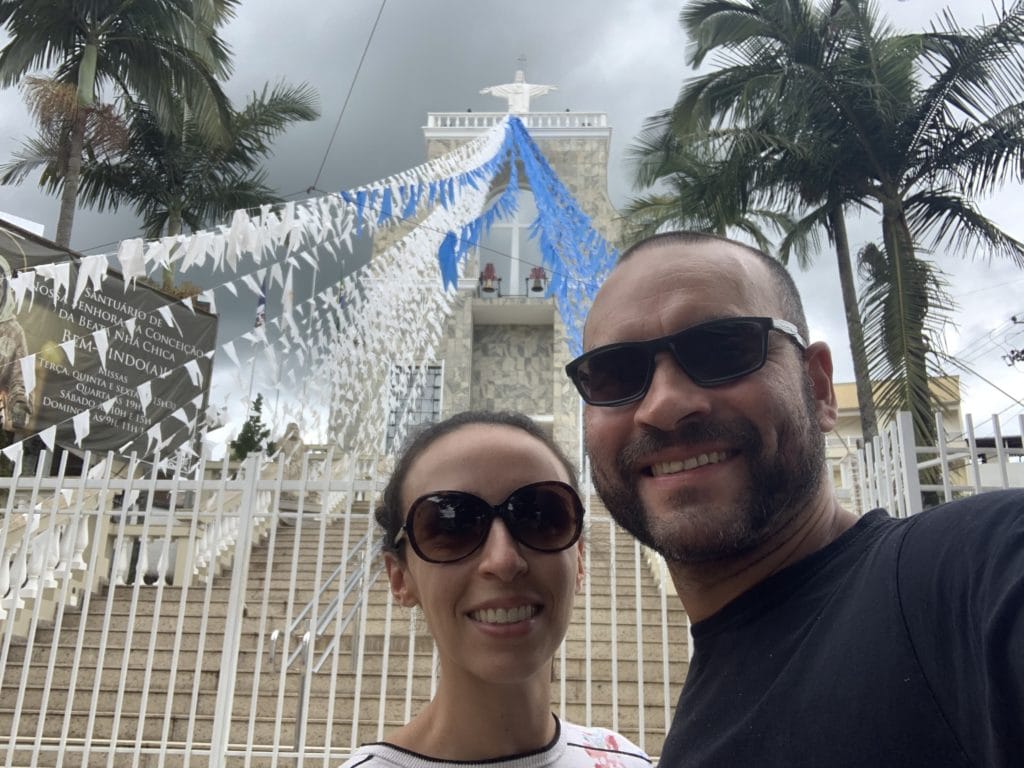
Easy to find thanks to the many signs pointing the way, this church sits next to the house where she once lived, which you can also visit. Between the house and the church is the Instituto Nhá Chica, and just a bit further, a museum telling her story.
The Story of Nhá Chica
Nhá Chica’s real name was Francisca de Paula de Jesus, born in Santo Antônio do Rio das Mortes, a district of São João del-Rei, Minas Gerais, before later moving to Baependi. She arrived with her mother and her brother, Teotônio. They had few belongings, but brought with them an image of Nossa Senhora da Conceição.
Unexpectedly, in 1818, when she was just 10 years old, her mother passed away, leaving the two children in the care of God and the Virgin Mary. She affectionately called the Virgin “Minha Sinhá,” meaning “my Lady,” and did nothing without consulting her first.
She devoted her entire life to God, tending to everyone who came to her, always offering a word of comfort or the promise of a prayer.
In 1954, the Igreja de Nhá Chica was entrusted to the Congregation of the Franciscan Sisters of the Lord. From that point on, a social outreach program for children in need began right next to the church. Today, the Institute cares for more than 150 children.
The small “Igrejinha de Nhá Chica,” after undergoing a few renovations, is now known as the “Santuário Nossa Senhora da Conceição,” which welcomes pilgrims not just from Brazil, but from around the world.
Nhá Chica died on June 14, 1895, at age 87, inside the chapel she herself had built. Her remains rest there to this day, inside the Santuário Nossa Senhora da Conceição in Baependi, protected within an acrylic case set inside a second case made of granite.
Conclusion
It was, without a doubt, a wonderful surprise to end up in Baependi, and we’re eager to come back and explore more of its waterfalls and trails.
Did you enjoy this?! Then read more about our trip in What to Do in Alagoa.
Read the original version in Portuguese on A Bela e o Bigode.