Campanha: The Oldest Town in Southern Minas Gerais
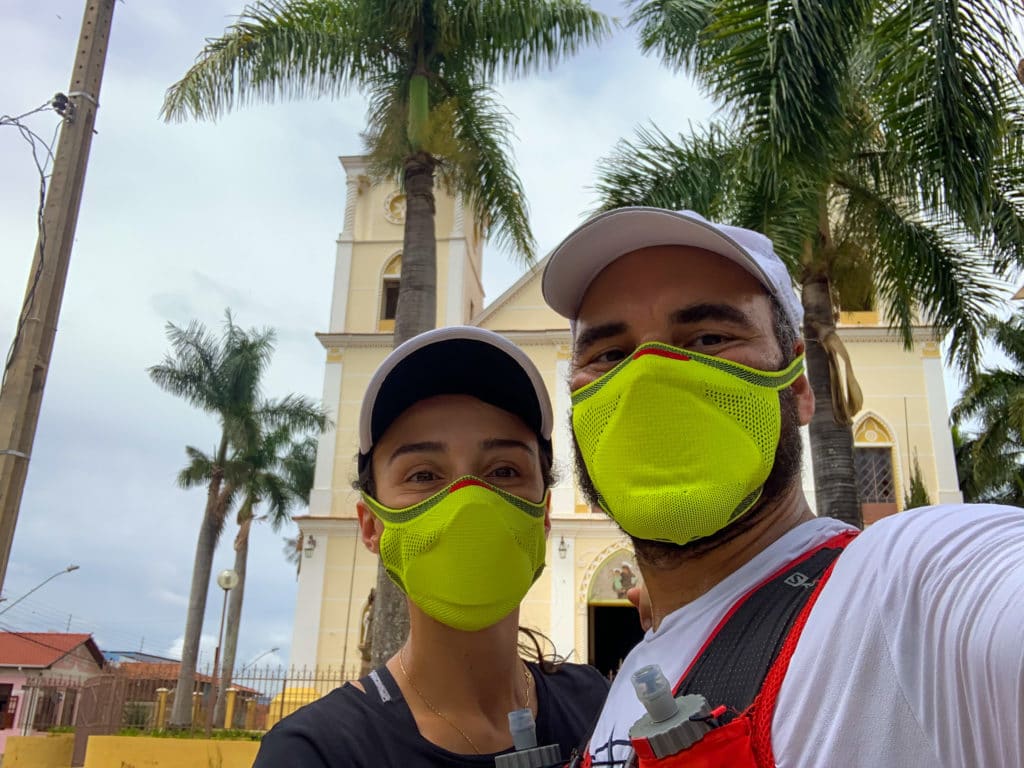
Campanha is the oldest town in southern Minas Gerais, part of the region’s “water circuit.” Established as a parish in 1752, it became a municipality on September 20, 1798, and officially a city in 1840.
It’s a classic Minas Gerais town, full of colonial houses, with a surprising number of notable figures for such a small place.
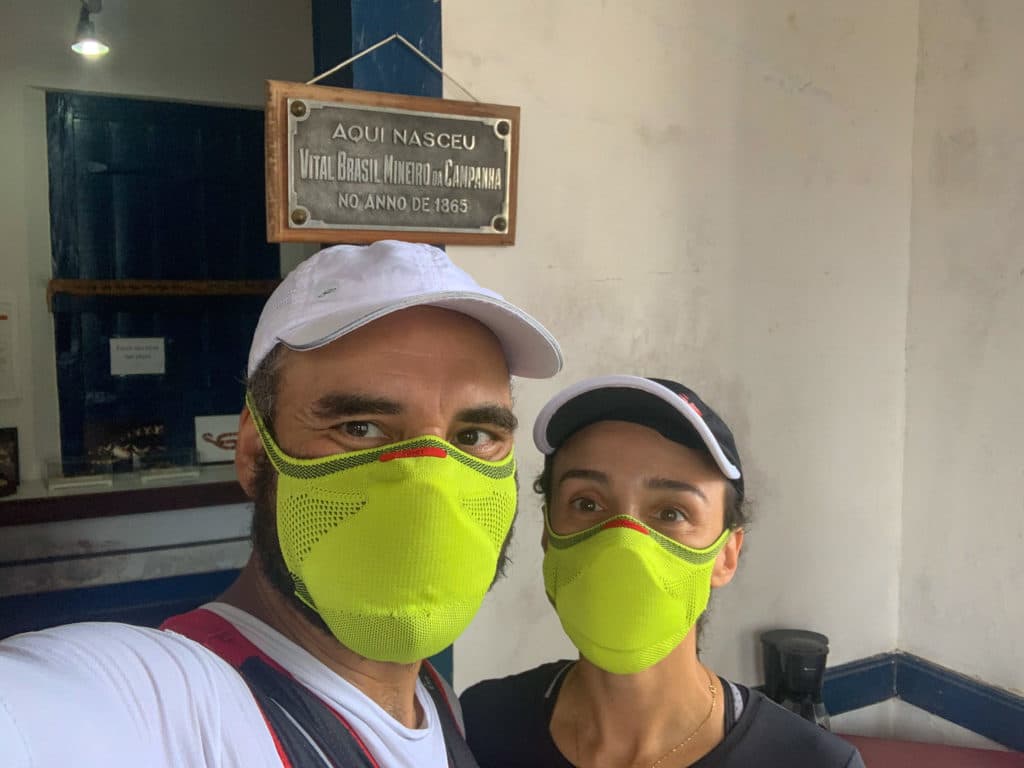
Vital Brazil was born here — even if the name doesn’t ring a bell, you’ve almost certainly heard of antivenom serum and the Instituto Butantan in São Paulo, or the Instituto Vital Brazil in Rio de Janeiro.
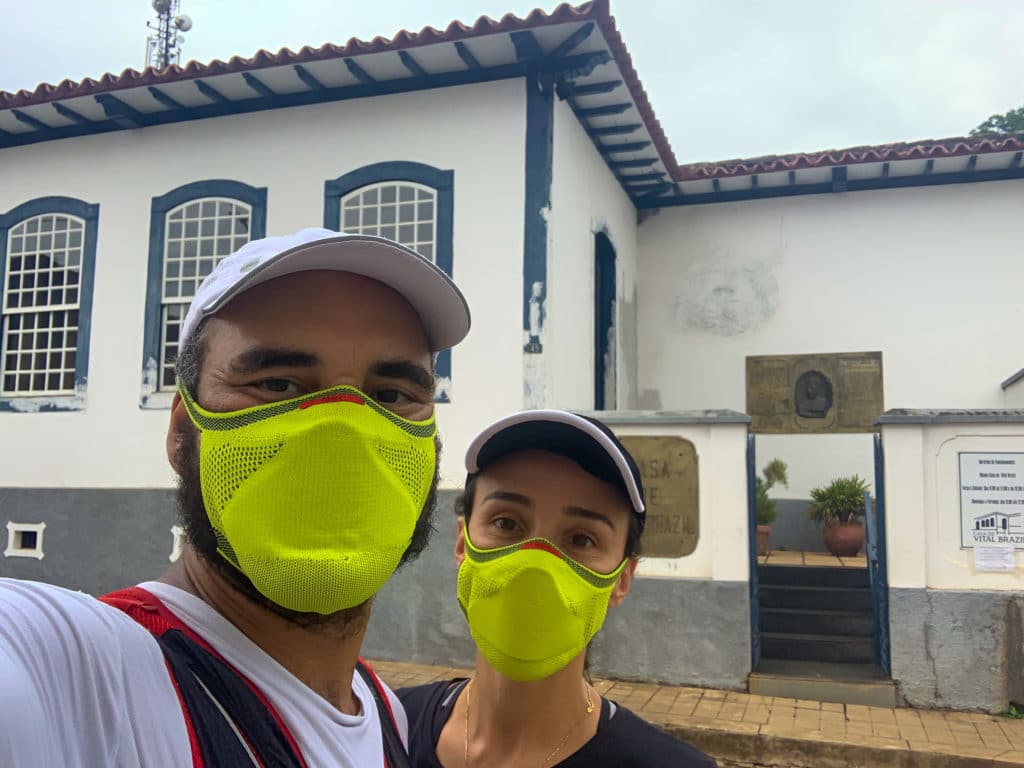
Vital Brazil was a physician, immunologist, and biomedical researcher who developed the antivenom serum as we know it today and led both of those institutes. He was born in Campanha, Minas Gerais, and his birth home is now a museum telling his story — we’ll share photos below, and you can find videos of it on our Instagram.
The town also once hosted Princesa Isabel, and the house where she stayed still stands next to the church, with a plaque marking her time there.
Campanha is also home to Bishop Dom Pedro Cunha Cruz, appointed by Pope Francis in 2015 — the town carries strong Catholic roots, with several churches we’ll cover below.
Getting to Campanha from São Paulo
Take the Fernão Dias highway (BR-381) for 278 km to exit 774A, then continue on the Vital Brazil highway (BR-267) for another 6 km to the Campanha interchange.
What to do in Campanha
Casa do Vital Brazil
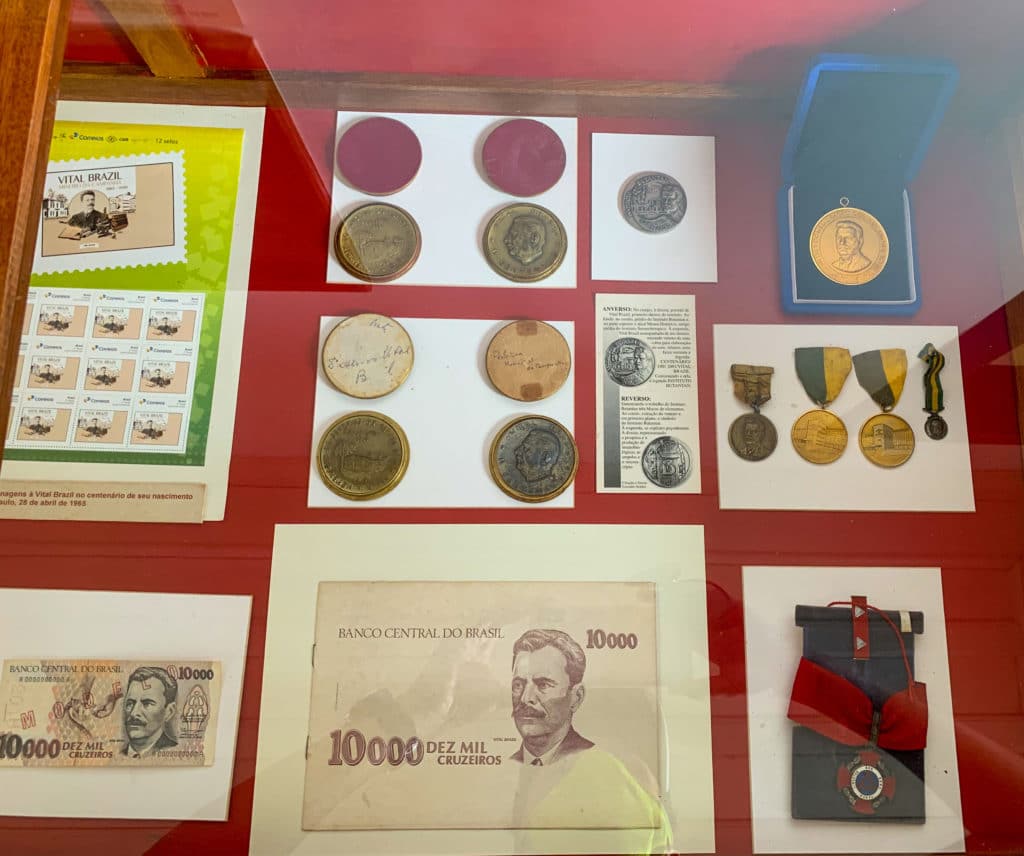
His birth home preserves a bit of the doctor’s history, his belongings, photographs, and awards from throughout his life.
Free admission, and the visit takes no more than ten minutes, though it’s genuinely interesting.
It also shows how he was honored in Brazil, including his portrait on the ten-thousand-cruzeiro banknote and later on a postage stamp.
Vital Brazil Statues
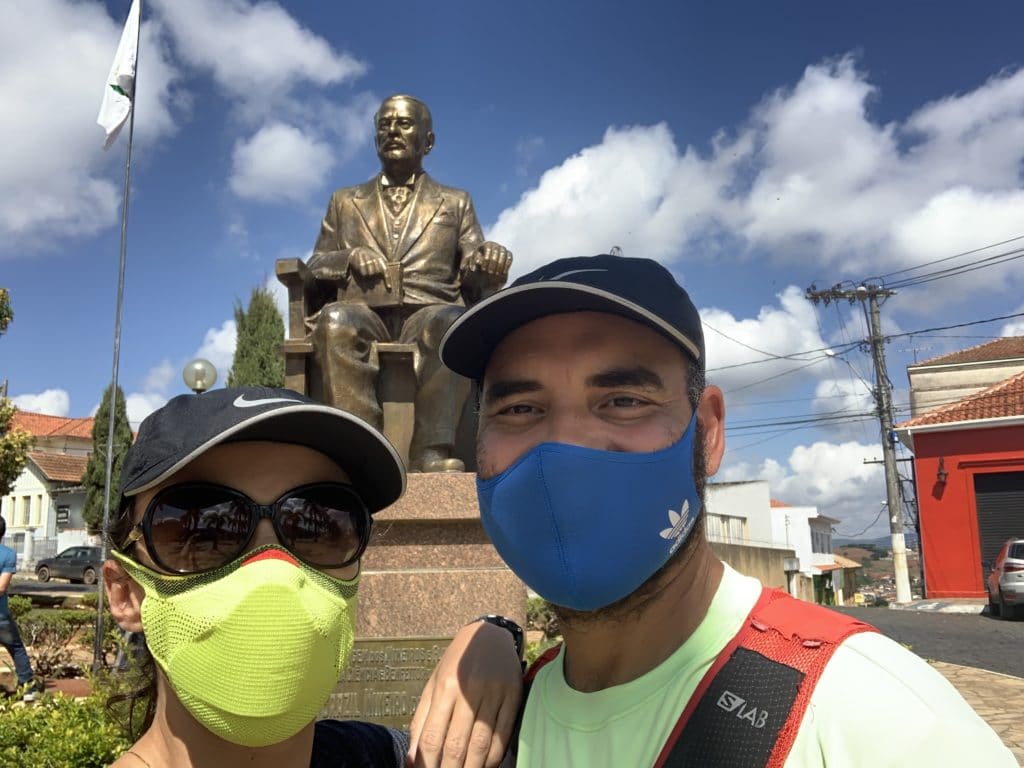
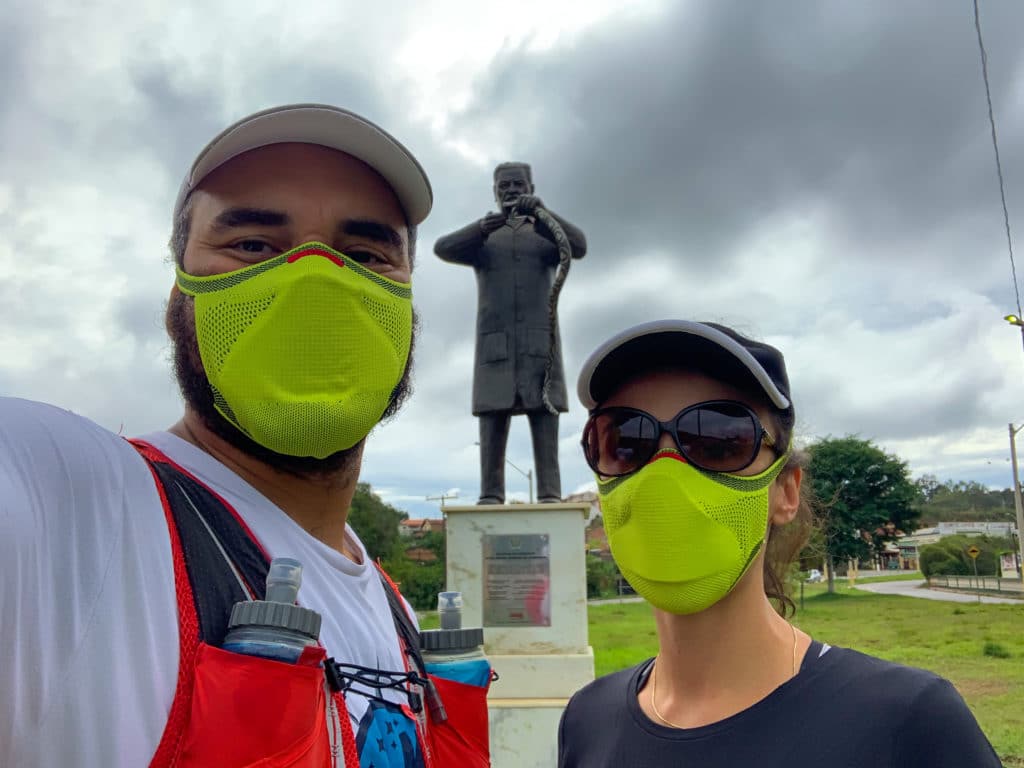
The town has two statues honoring him, at least the two we passed — one seated, near the cathedral downtown, and the other standing, at the start of the historic center, down the street from the cathedral toward the highway.
Fórum Alfredo Valladão
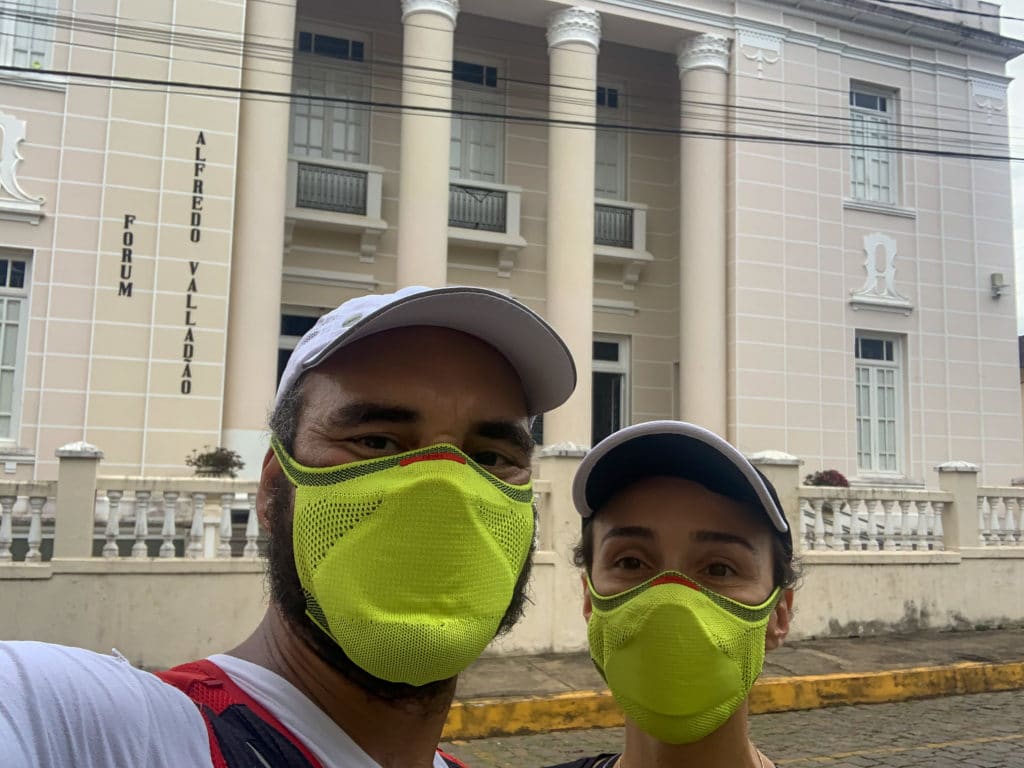
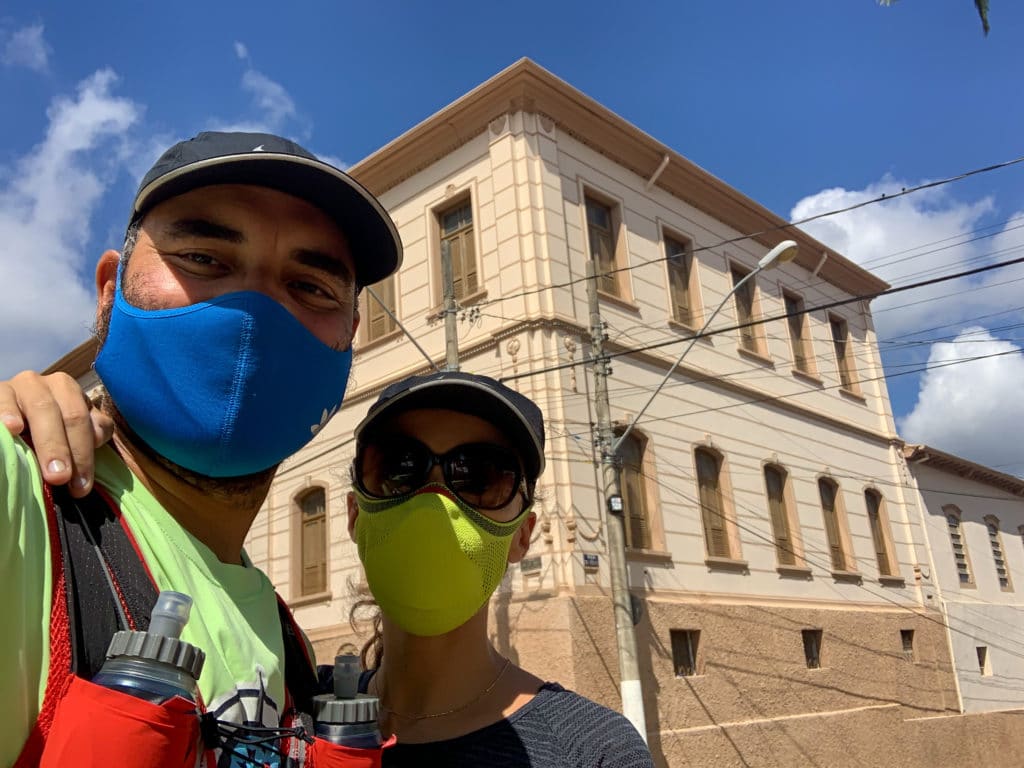
This building sits right across from Vital Brazil’s house — worth a photo out front, though not open for tours.
Museu Regional do Sul de Minas
The museum itself is under renovation following a theft of twenty-eight pieces, and its collection was moved to a smaller building that couldn’t fit everything.
It covers a bit of the country’s history of slavery, with period artifacts, plus a section on the region’s precious stones.
The visit is also short, around fifteen minutes, but worth it — though photography and filming aren’t allowed inside.
The most interesting part is seeing the “santos do pau oco” (hollow-back saint statues), which had an opening in the back used to hide gold to avoid paying taxes — and the statues’ fingers were stolen over time by people who would brew tea from them, since without proper medicine, people believed drinking tea made from the saints’ fingers would cure them.
House Where Princesa Isabel Stayed
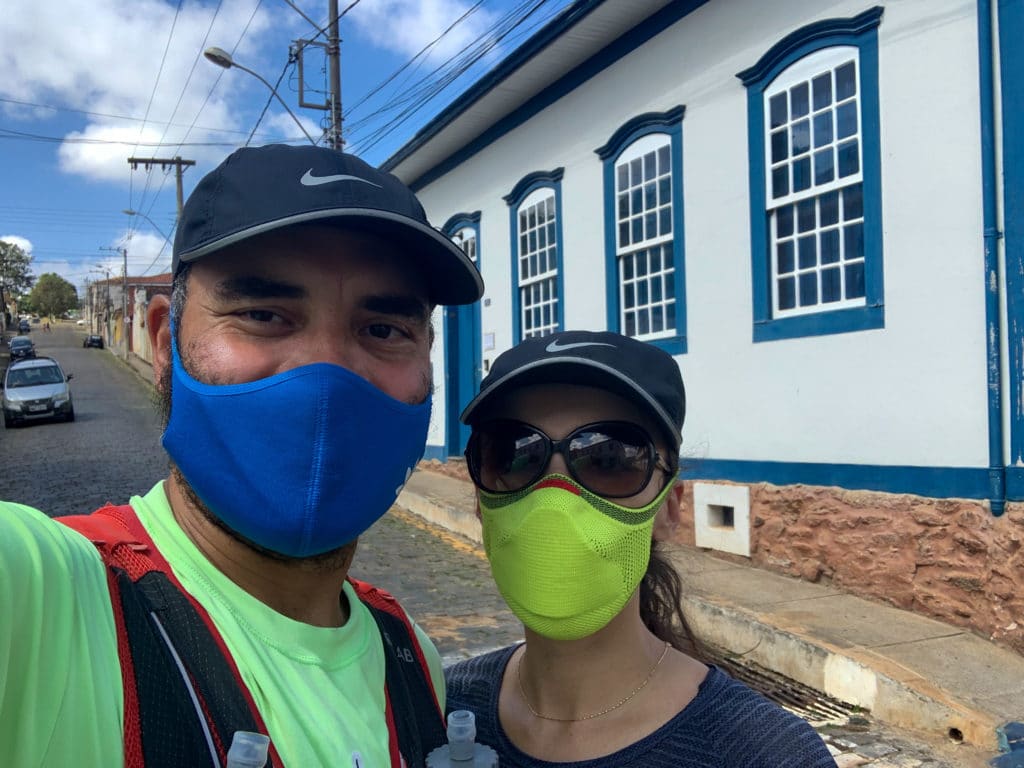
A house next to the church, not open to visitors — you can only stop out front for a photo.
The princess stayed in town for three days with her husband, Conde D’Eu, in 1868.
The mansion is well preserved, like the rest of downtown, and genuinely charming to see.
It once served as the town’s public library and part of the regional museum, and was recently renovated.
Catedral Santo Antônio
The cathedral sits downtown, on the main street, and just before reaching it, there’s a beautiful stretch lined with imperial palm trees.
The town was originally called Santo Antônio do Vale do Rio Verde, and the church, dedicated to Santo Antônio de Lisboa, had its cornerstone laid in 1787, though construction wasn’t completed until March 1822.
The Diocese of Campanha was established with this church elevated to Cathedral status through the episcopal consecration of Dom João de Almeida Ferrão.
Mirante do Morro do Cruzeiro
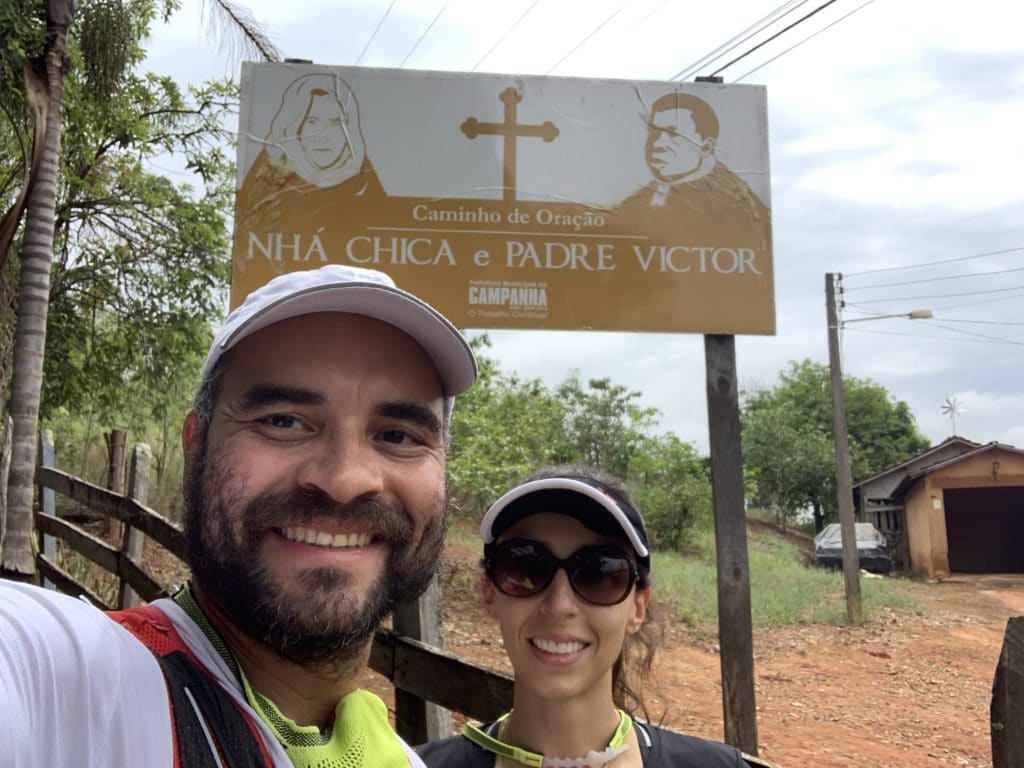
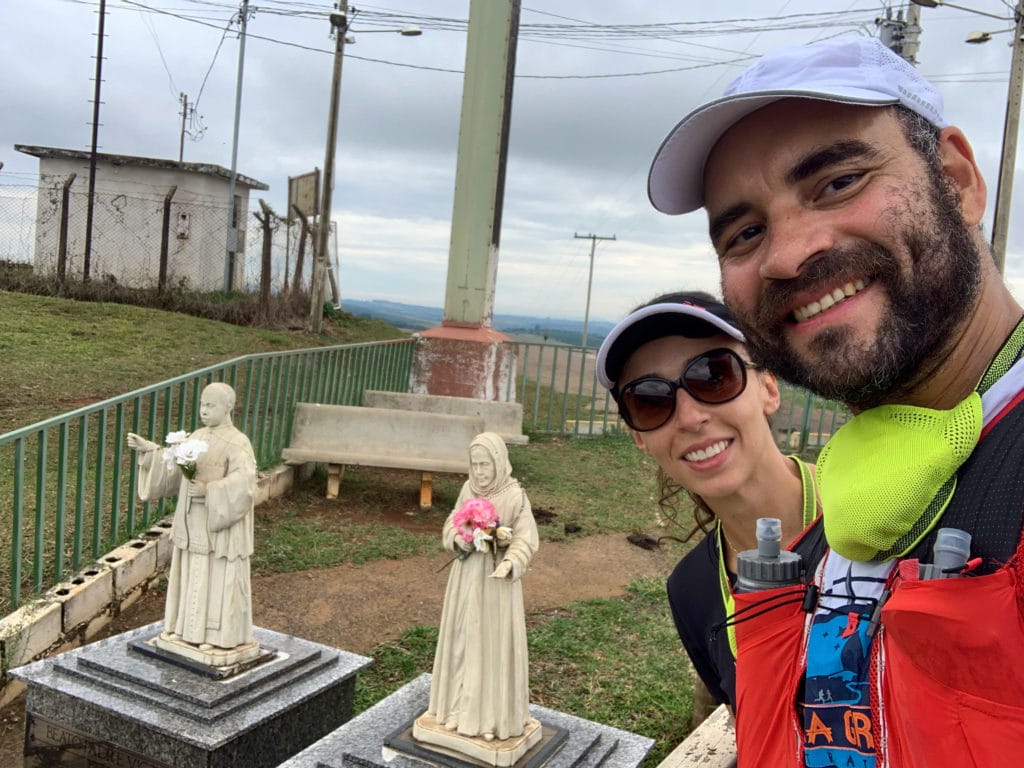
To reach this lookout, you’ll follow the prayer path of Nhá Chica and Padre Victor, two beatified figures from the town of Três Corações. Marble-powder statues, about a meter tall, tell their stories at the base, meant to bless the town and mark local religious festivals.
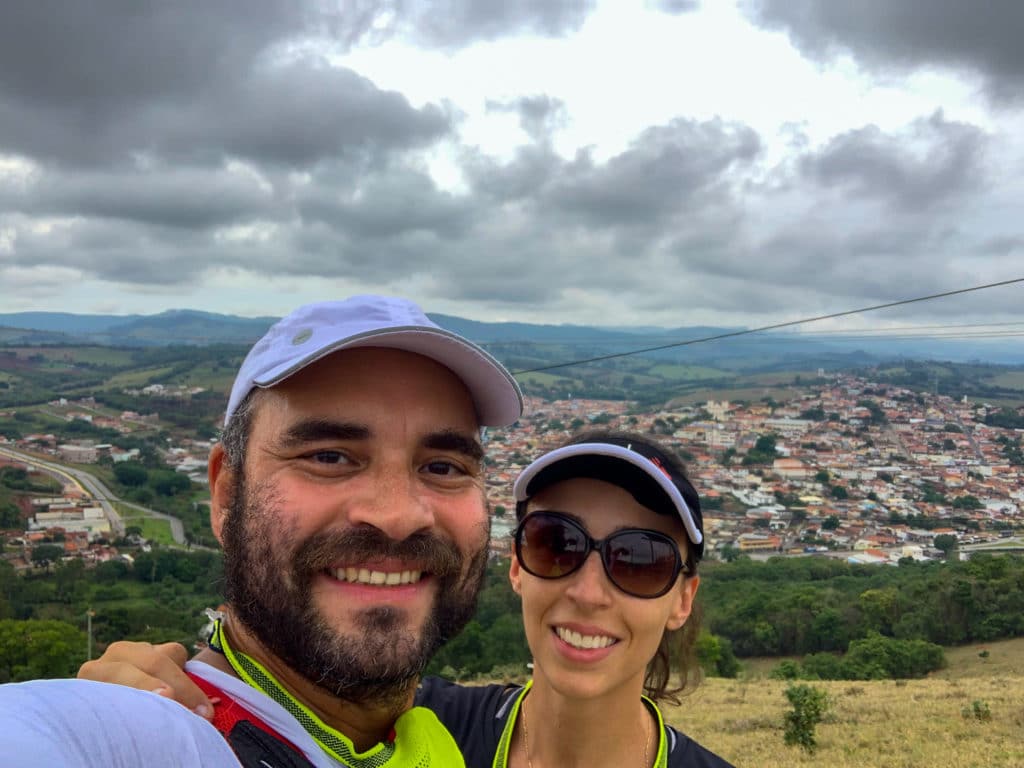
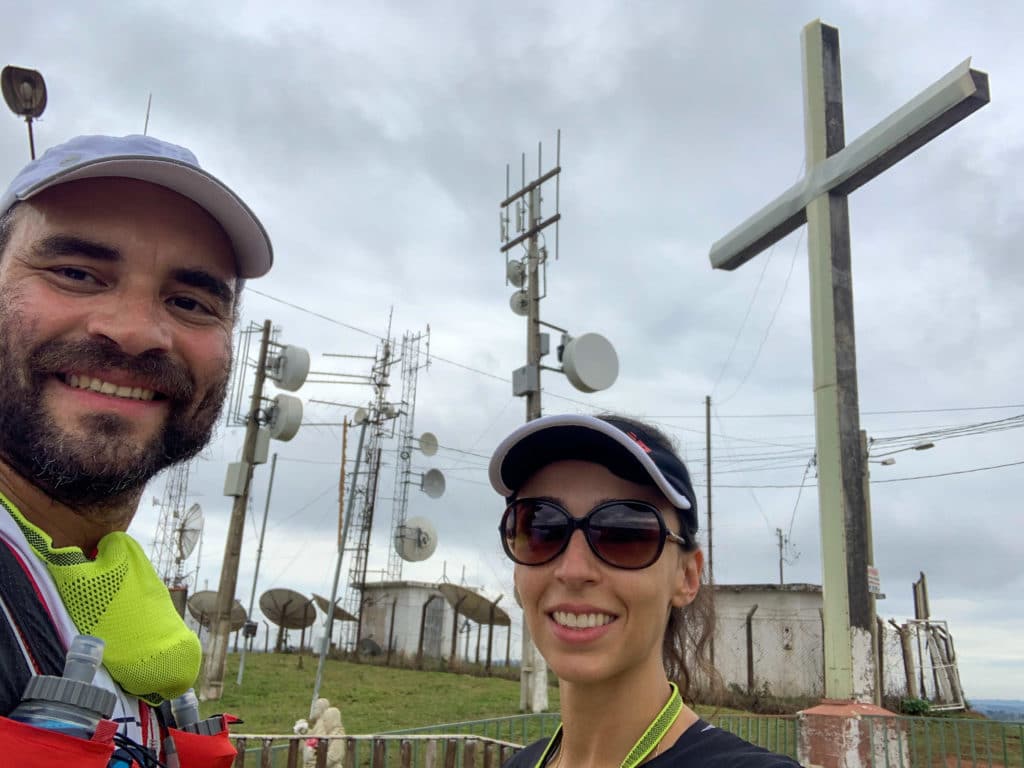
A wooden structure was built to make the most of the view over town, though the lookout is also crowded with TV and radio antennas that somewhat spoil the scenery.
The climb is steep, but fully paved, and worth it for the view over town.
Churches in Campanha
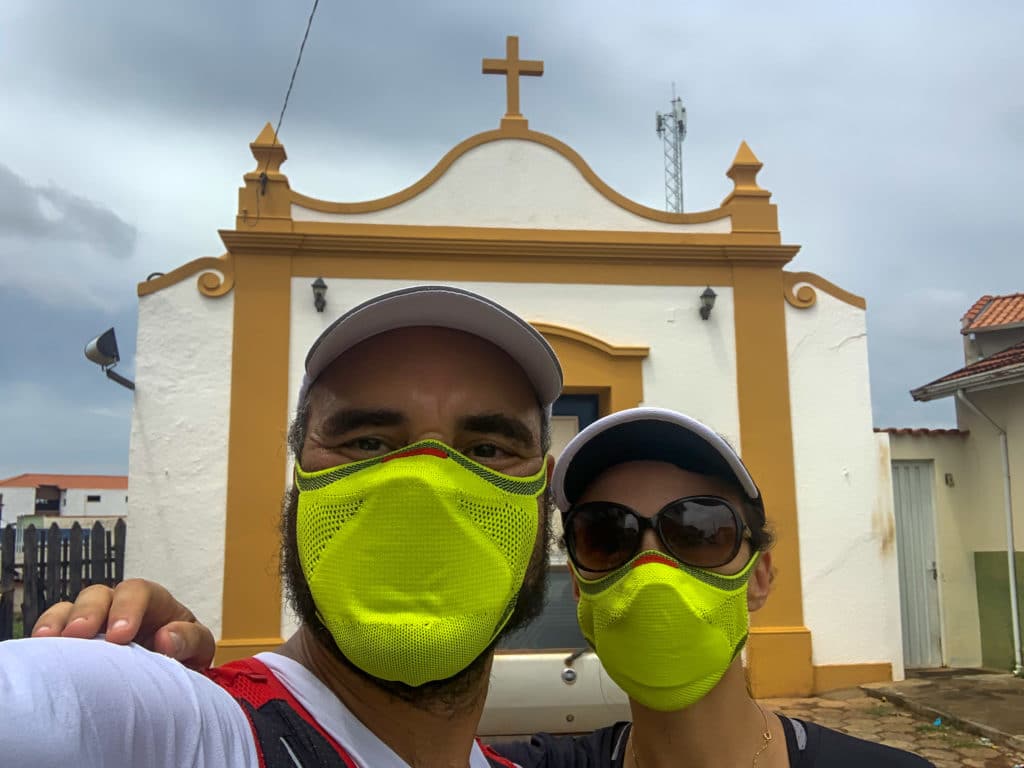
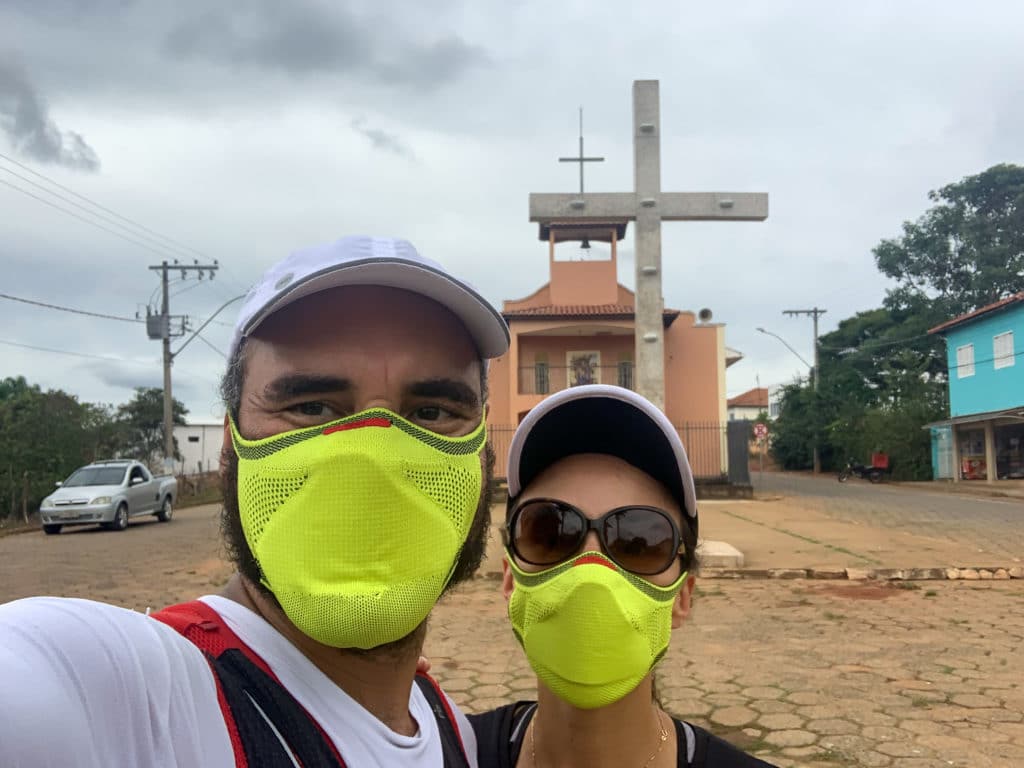
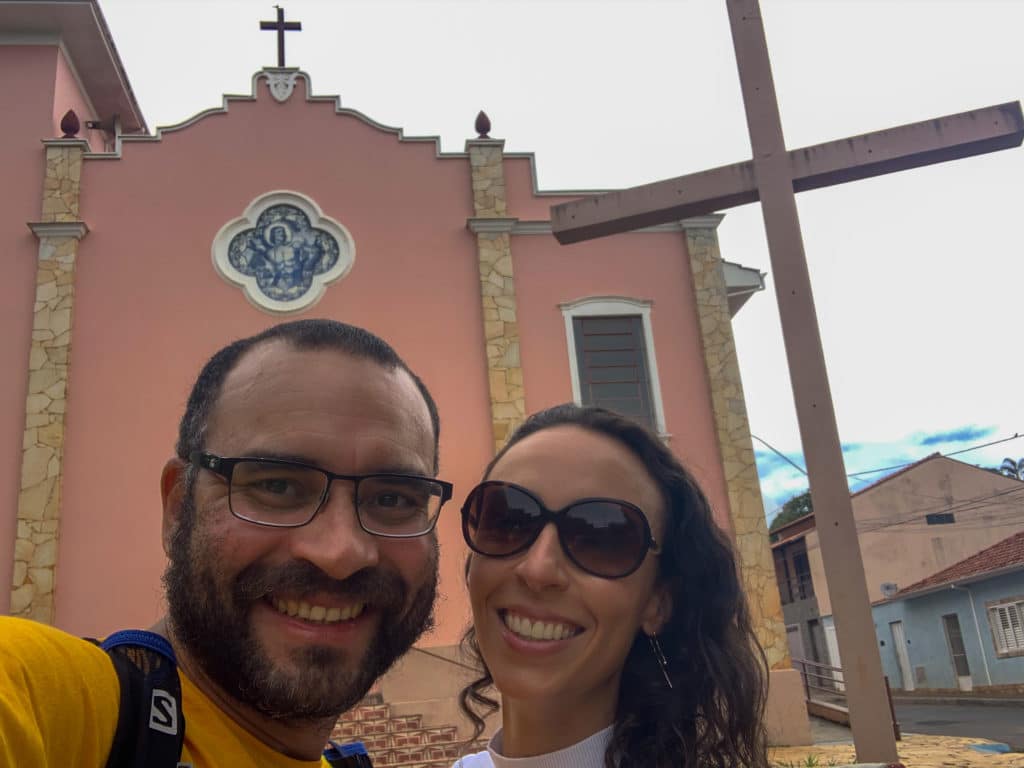
We were running around town and kept stumbling into churches along the way — we’ll share them here, though none were open due to COVID-19.
Where to stay in Campanha
Victoria Hotel
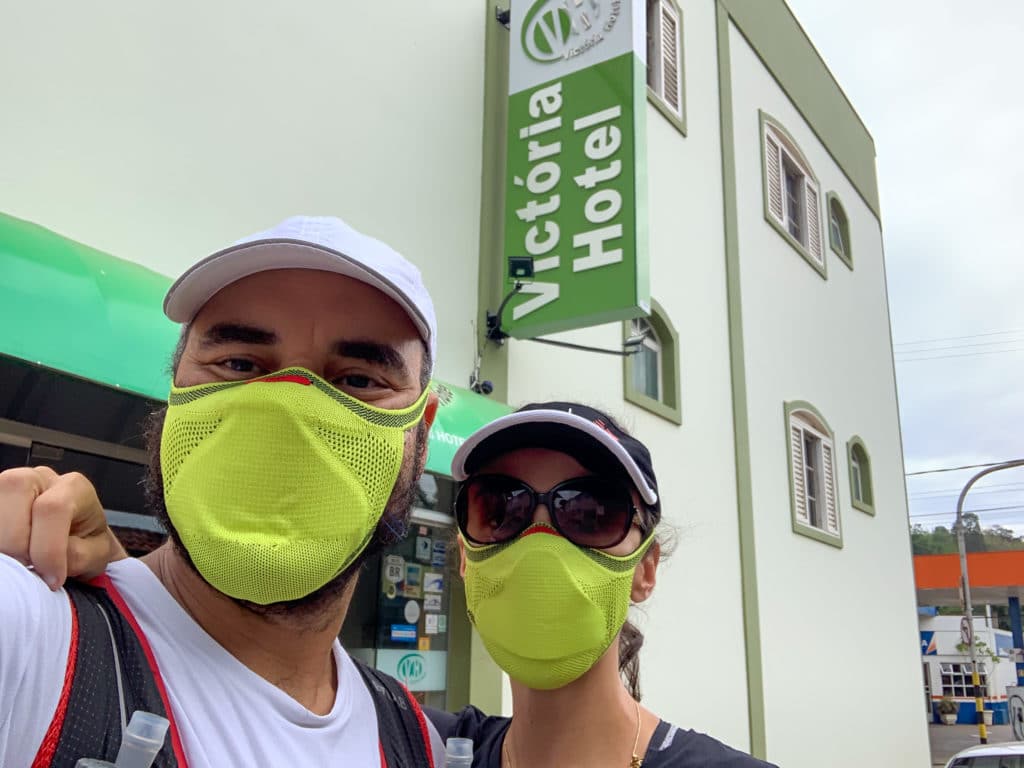
We stayed at Victoria Hotel — great location, but overpriced for what’s offered. The room was okay, though the sheets and towels were quite worn, and breakfast was adequate.
Cost: R$160 for the simplest double room.
Where to eat in Campanha
We came for a weekend of barbecuing with friends, so we only had time to try one restaurant.
Rústica Pizzaria
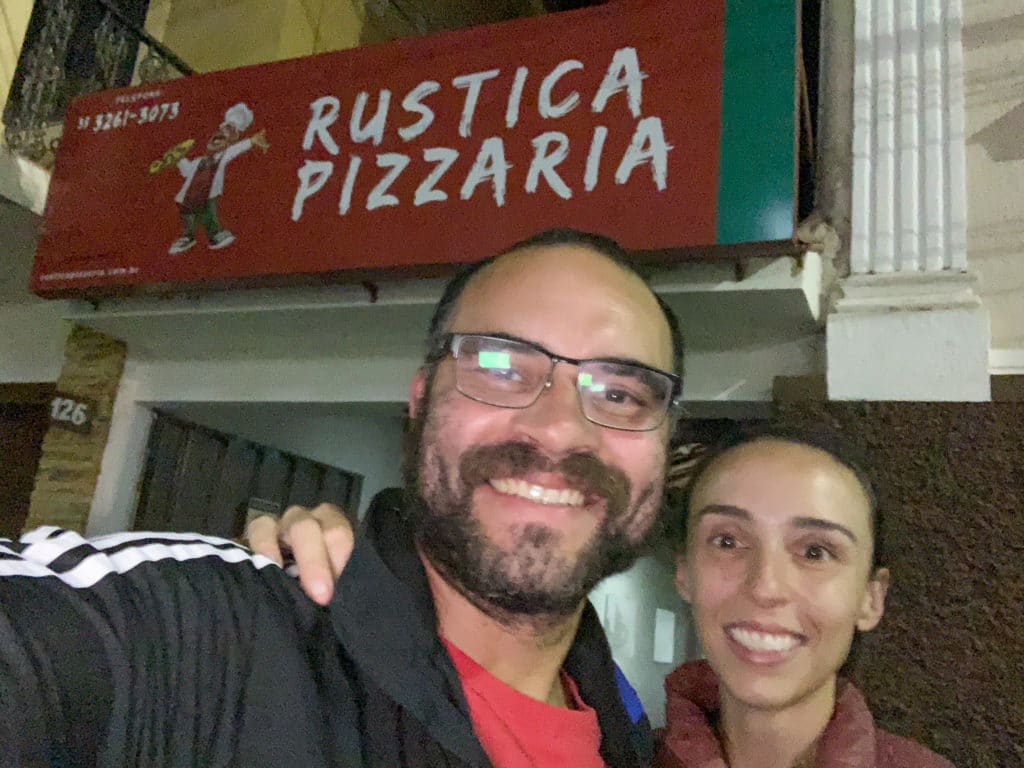
A pleasant setting, decent pizza, but service was terrible — the staff member on duty was openly unenthusiastic and made no effort to be pleasant, so we wouldn’t recommend it.
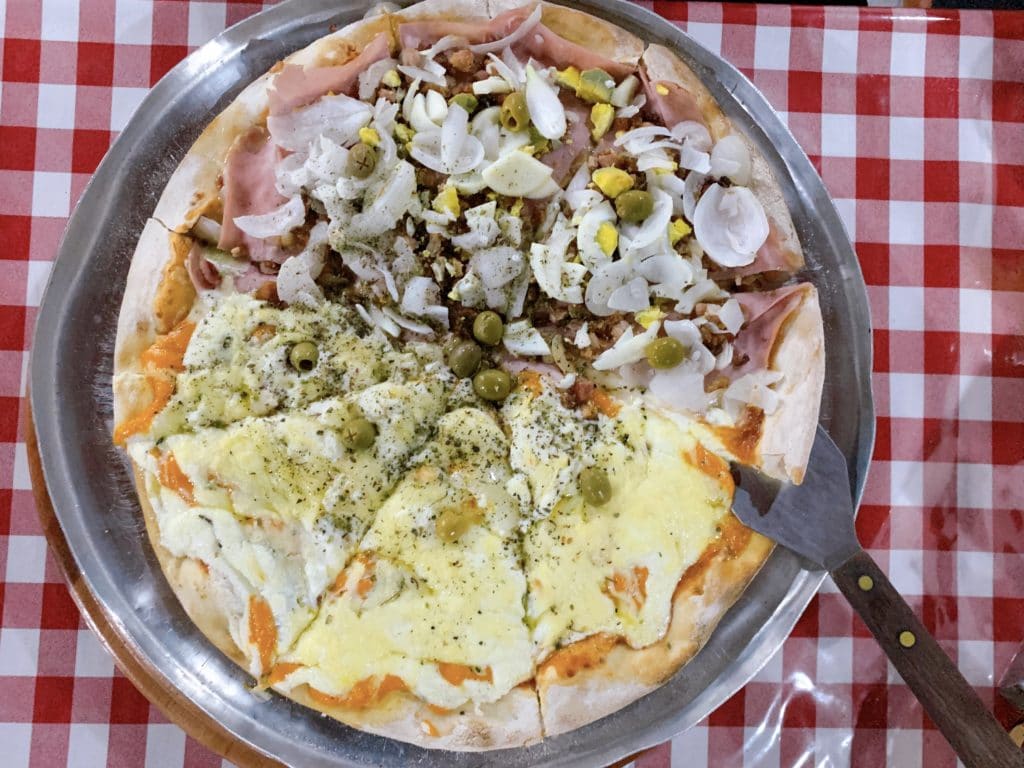
We ordered a pizza, half Portuguese, half six-cheese.
Other tips for Campanha
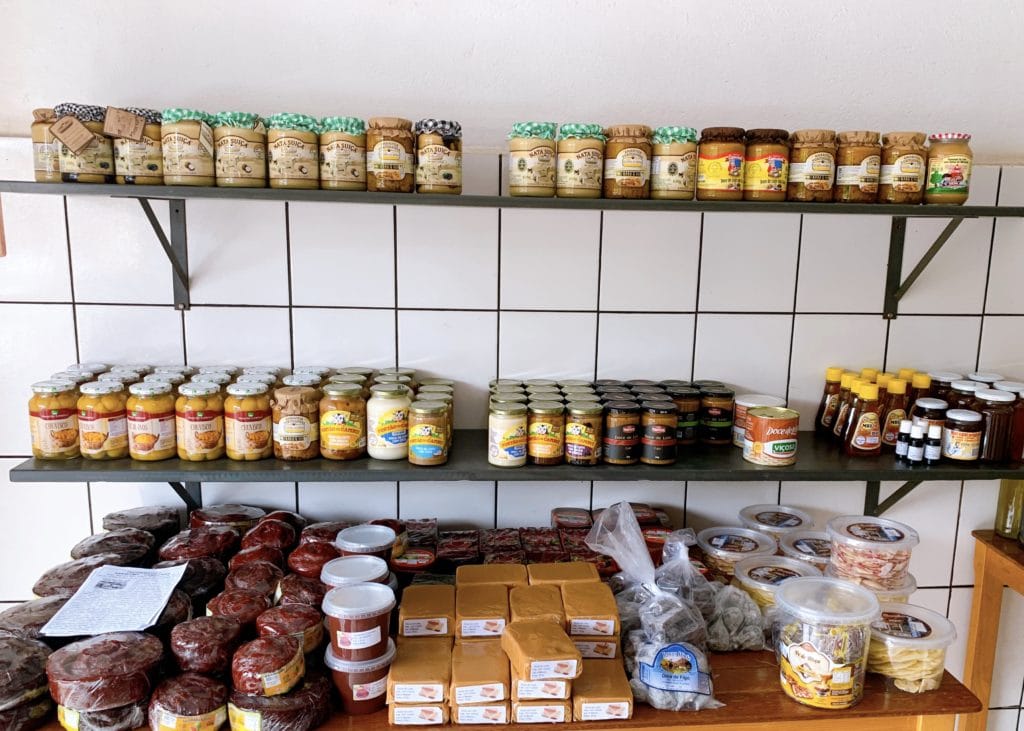
Everyone knows Minas Gerais is the land of cheese, dulce de leche, and guava paste, and we’d recommend picking some up at two different spots in town.
Casa de Queijos Maranatha
A shop selling sweets and several types of cheese — everything here is delicious.
Leiteria Sant’Ana
A farm selling cheese straight from the producer — you’ll need to call ahead to order. Everything here is delicious.
You can also order free-range chicken eggs. Phone: +55 35 98845-8838 (Monica).
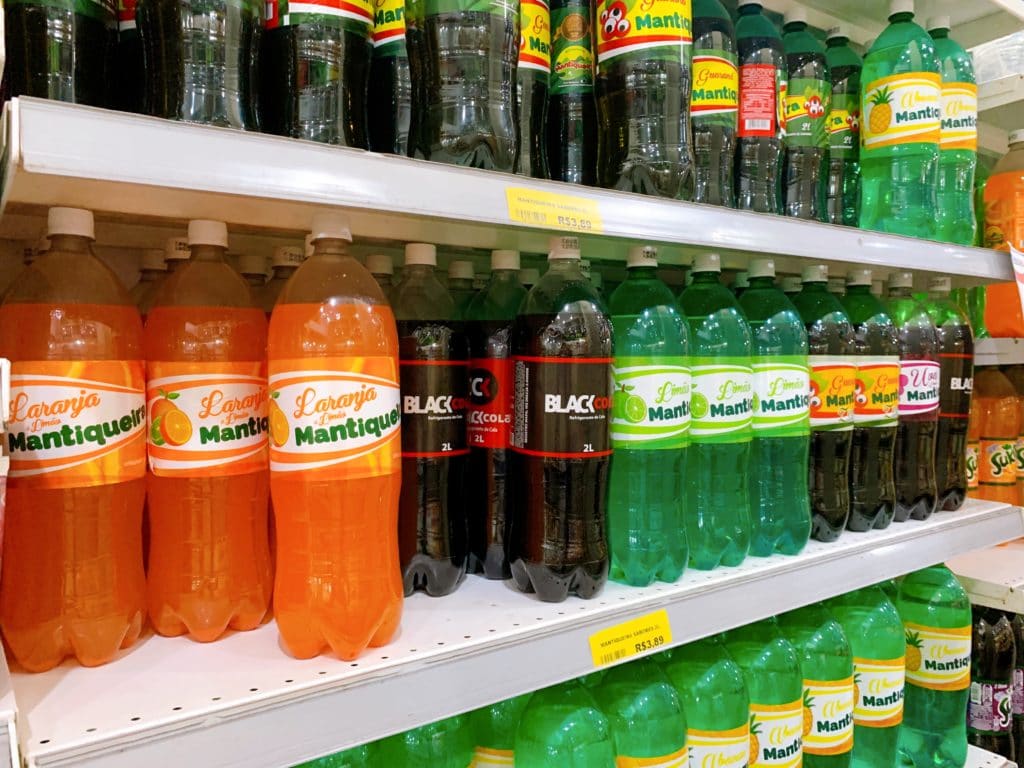
Try Refrigerante Mantiqueira
Just like in Itamonte, we found Guaraná Mantiqueira here too, in several other flavors like pineapple, grape, orange, and lemon.
Read the original version in Portuguese on A Bela e o Bigode.