What to Do in Guararema in One Day
The town of Guararema is a popular destination for São Paulo residents on weekends and holidays, thanks to its well-kept, charming character, great food scene, and solid hotel options. It’s also popular for the peacefulness of a small interior town, a break from the hustle of the capital.
The town is known as “the Pearl of the Valley,” and its official slogan is “Visit, discover, and love.” Located roughly 80 km from São Paulo, about an hour’s drive from the capital.
Founded in the 16th century, its name comes from Tupi-Guarani, meaning “garlic wood,” for the abundance of that tree species in the region.
- Getting to Guararema
- When to Go to Guararema
- Local Festivals
- What to Do in Guararema
- More Tips
- Where to Eat in Guararema
Getting to Guararema
By car, as mentioned, it’s an 80 km, roughly one-hour trip, via either the Rodovia Presidente Dutra (BR-116) or the Rodovia Ayrton Senna (SP-70), both with two tolls along the way.
By bus, you can depart from the Terminal Rodoviário do Tietê, with the trip taking around 1h30, though be sure to check schedules and departures given the pandemic.
When to Go to Guararema
If you like the heat, keeping in mind most excursions here are outdoors, visit between April and July. That said, to enjoy the winter with milder temperatures, we’d recommend July through September — these are the two best windows for a trip.
Guararema’s Local Festivals
March — Festa de São Longuinho: a popular saint in Brazil, with the only existing image of him in the country found in Guararema’s Igreja da Escada.
May/June — Festa do Divino Espírito Santo: one of the most traditional festivals in the area, with a parade of ox carts, horse-drawn carriages, and horses, followed by the traditional “afogado” (a bread-and-coffee dish).
July — Festa do Capitão: hosted by the Guararema city government to raise funds for the Santa Casa hospital.
August — Festa da Lagoa Nova: a tradition tracing back generations, this weeklong festival includes the traditional coffee with “afogado” biscuits and folk games.
September — Festa de Nossa Senhora D’Ajuda: honoring the region’s second-oldest chapel, with folk and religious performances.
October — Festa de São Benedito: honoring the town’s second patron saint, also with folk and religious attractions.
November — Festa de Nossa Senhora da Escada: keeps alive the tradition of coffee with biscuits, along with the Romaria Fluvial (river pilgrimage) along the Rio Paraíba do Sul.
December — Cidade Natal: the whole town is decorated to welcome visitors.
What to Do in Guararema
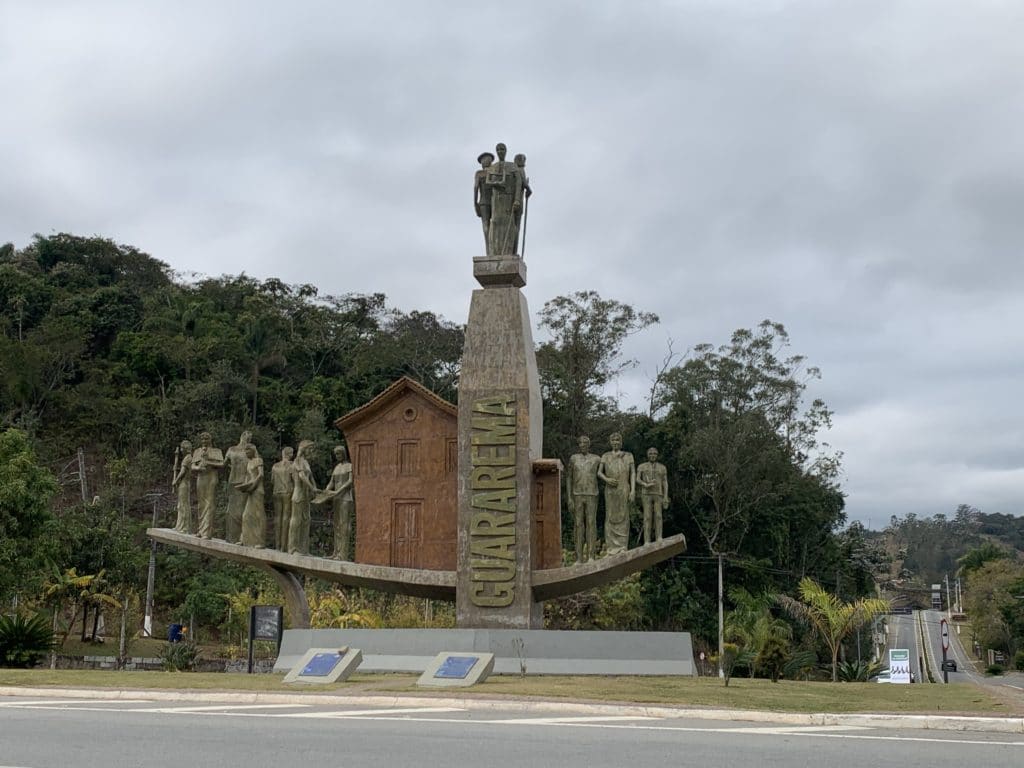
Memorial Origens de Guararema
A work by artist Adelio Sarro, honoring the people of Guararema responsible for building the town’s first church, in the 17th century, the Igreja da Freguesia da Escada. Located on one of the main avenues leading downtown.
The “people of Guararema” refers to the blend of Indigenous residents, clergy, and settlers.
Location: Rodovia Henrique Eroles or Rua João Barbosa Oliveira.
Recanto do Américo (Pau D’Alho)
A great spot to see the Rio Paraíba do Sul, Recanto do Américo is also one of Guararema’s most visited postcard landmarks.
Surrounded by native forest right in the heart of town, it’s home to a 200-year-old, 33-meter-tall tree that gave Guararema its name (from Tupi-Guarani: pau d’alho), a species known for its strong garlic-like scent.
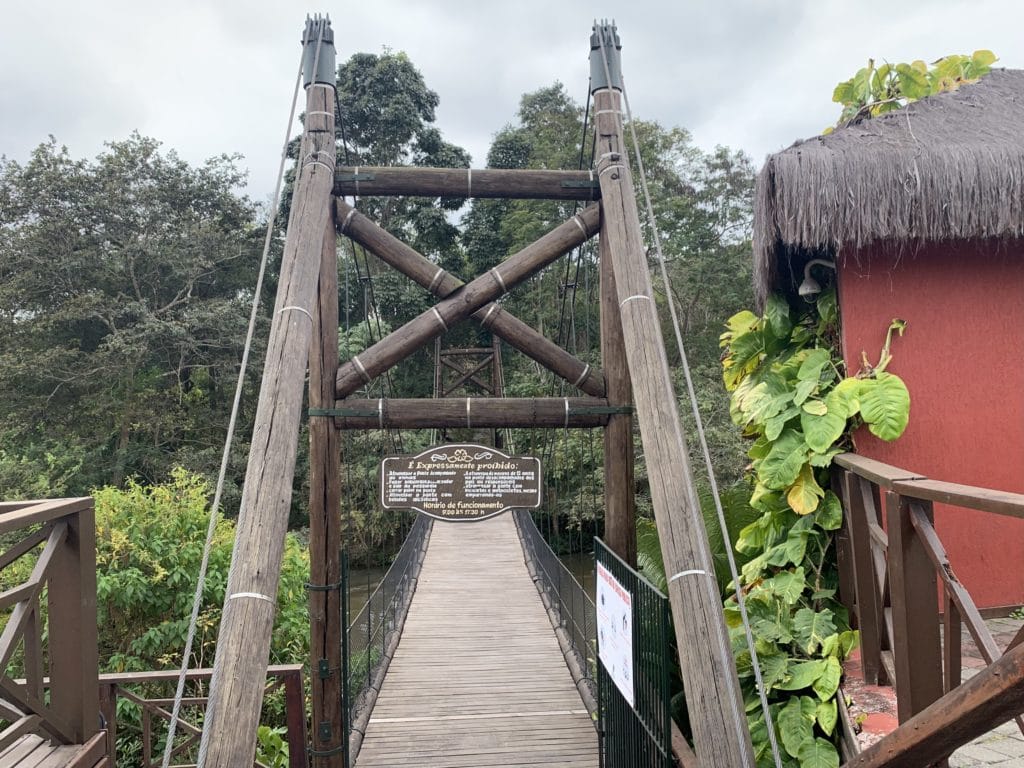
There are decks, snack bars, and a walkway letting you cross wooden bridges over the river and loop around it. It’s a genuinely interesting and beautiful spot, covering a small enough area that you can see all of it fairly quickly.
Location: Rua Coronel Ramalho, 849-1055, Itaoca.
Pátio Zé da Bala and Travessa Dona Victória
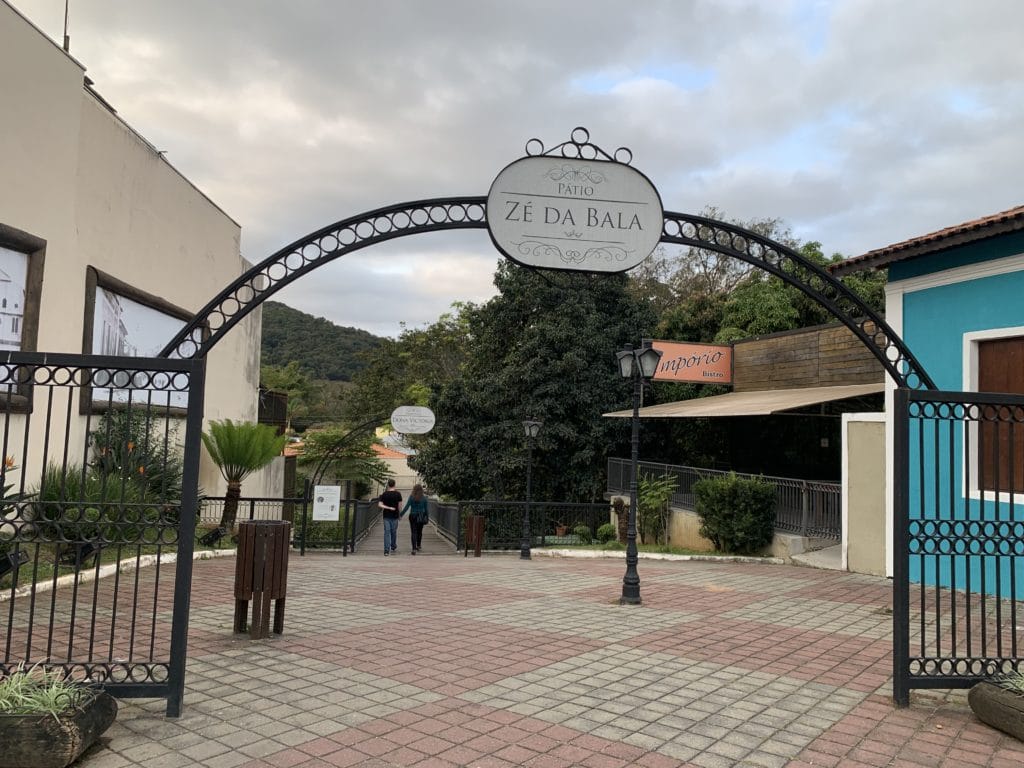
This plaza honors Zé da Bala, José Ferreira de Andrade, a pharmacist who lived in the area, and the Travessa Dona Victória honors his wife, who spent her whole life by his side.
With old photos of the town along its walls and a small square, Pátio Zé da Bala is a small space that leads to a crossing over the Ribeirão Guararema, ending at Parque Dona Deoclésia.
Location: Rua Major José Freire, 34, Nogueira.
Centro Artesanal Dona Nenê
A place to buy souvenirs from your trip, since the artisans themselves sell handcrafted items made from various fabrics and wood, at fair prices.
Hours: noon to 6 PM, Wednesday to Friday; 11 AM to 7 PM, weekends and holidays.
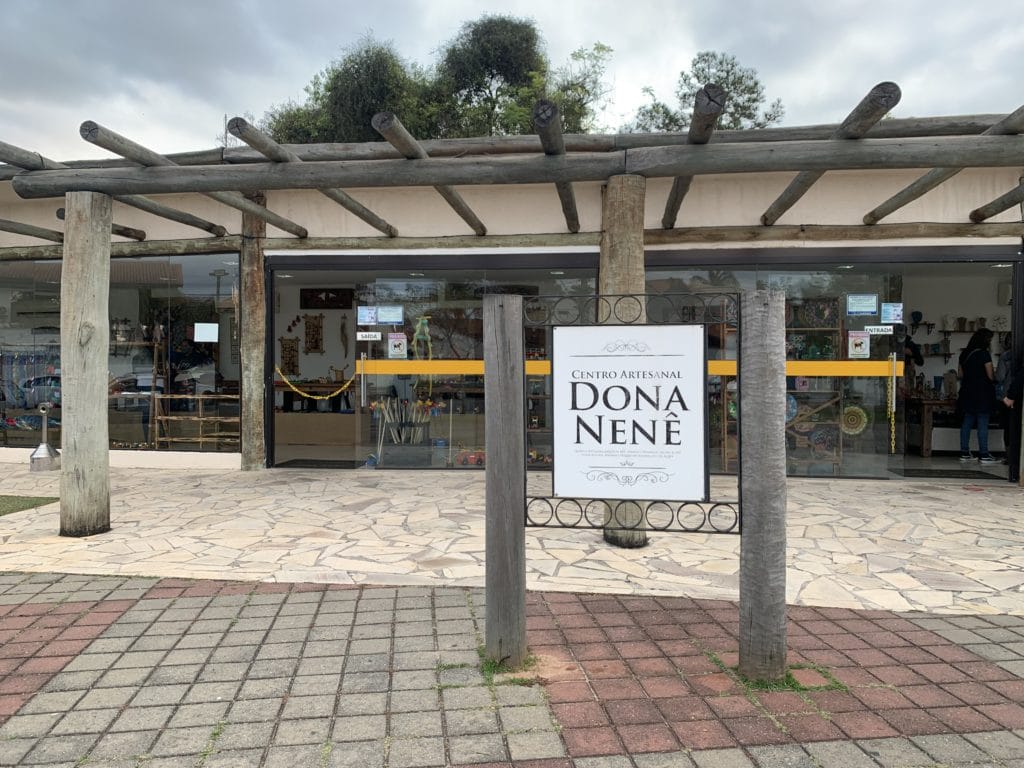
Location: Rua Padre Cornélio, s/n.
Igreja de São Benedito
In 1875, formerly enslaved woman Maria Florência received a plot of land as a gift from her former enslaver, Laurinda de Souza Leite, just above the mouth of the Ribeirão Guararema.
She built a chapel dedicated to her devoted saint, São Benedito, but in 1954, the church was demolished, and the current one opened in 1956, now home to the Paróquia de Nossa Senhora da Escada e São Benedito.
Located downtown, on the town’s main square, it’s genuinely charming and filled with flowers, surrounded by shops, restaurants, and bars.
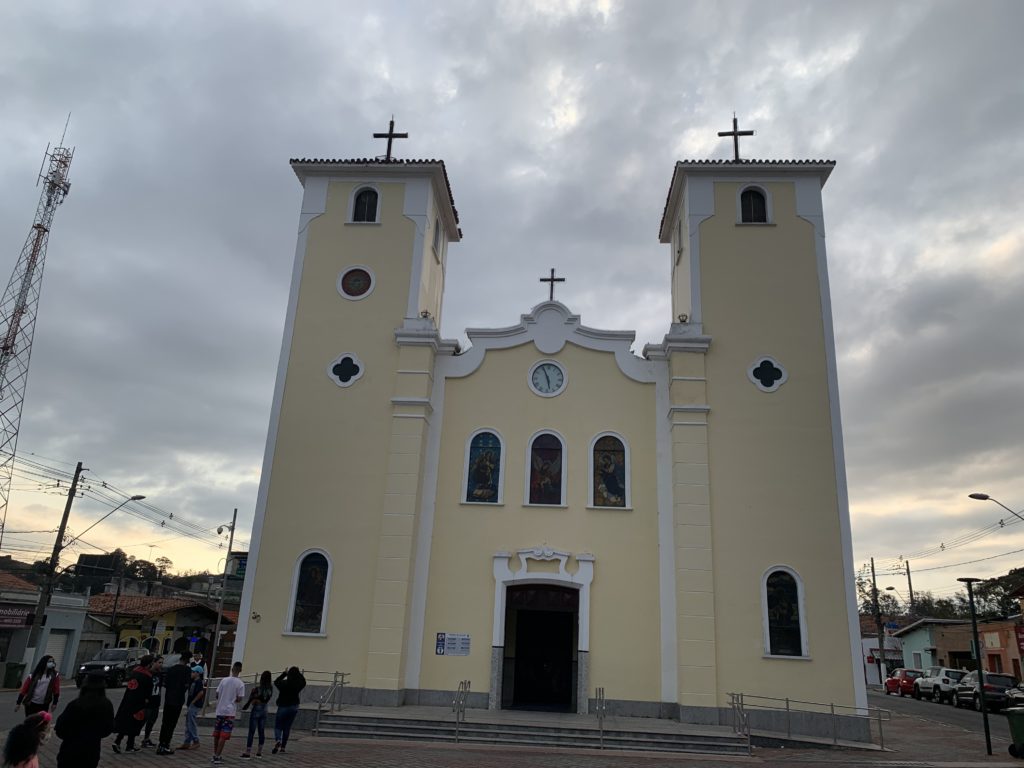
Location: Praça 9 de Julho, 39, Centro.
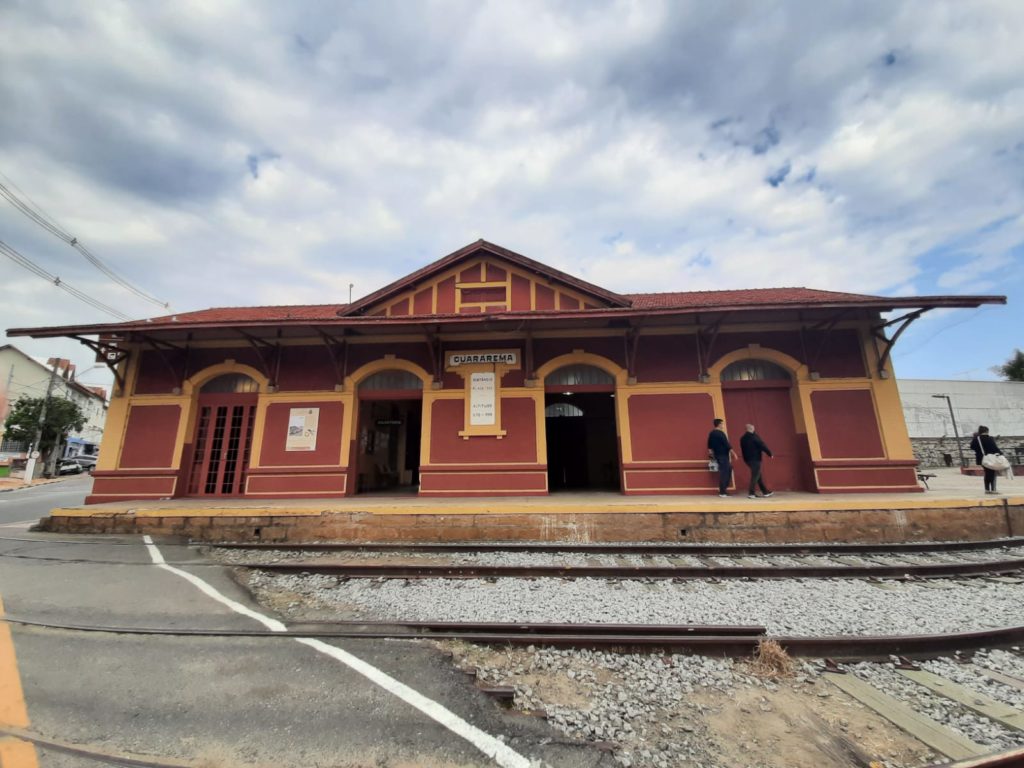
Estação Ferroviária de Guararema
One of the most famous buildings downtown, and where the train that was our main reason for visiting departs from.
The station handled cargo and passenger transport from 1876 through the 1970s, standing out for its English-style architecture.
The railway was part of the Central do Brasil line, connecting São Paulo to Rio de Janeiro. The only part still original to the historic structure is the open-air car. The other red-painted cars are restored from the São Paulo Railway line, which once connected Jundiaí to Santos.
The current building has been restored, with a ticket office, restrooms, and a display of historic pieces.
The ride departs from the station and runs to Estação Luís Carlos, with departures at 10 AM and 2:30 PM on weekends and holidays, taking about 30 minutes to cover the 7 km between the two stations, with an hour to explore Luís Carlos, so the whole trip takes about two hours total.
Considered the largest operating steam locomotive in the country.
Tickets can be bought online or at the station’s ticket office, and through the end of 2021, they’re 50% off.
Location: Rua Doutor Falcão, 4, Centro.
Train Cars
When buying your ticket, you can choose between three different types of cars, all the same price, so it’s simply a matter of picking whichever suits you best.
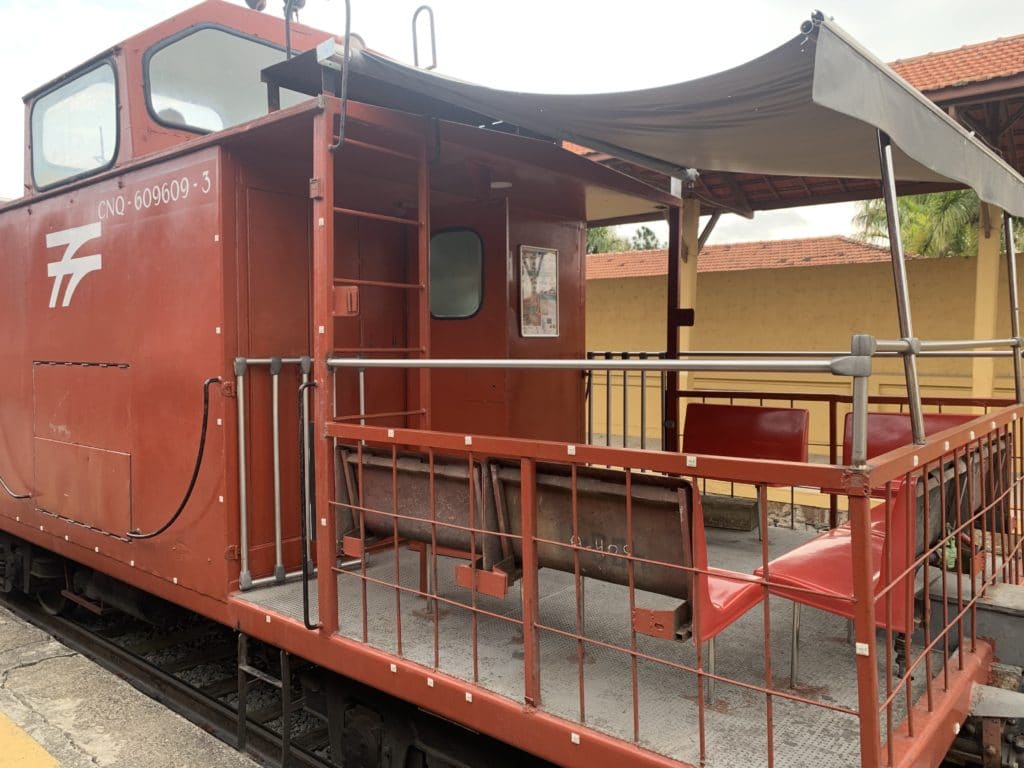
Carboose: the open-air car, and the only one that’s original to the period, part of the old Central do Brasil. It has two spacious balconies on each end, with benches and a retractable canopy.
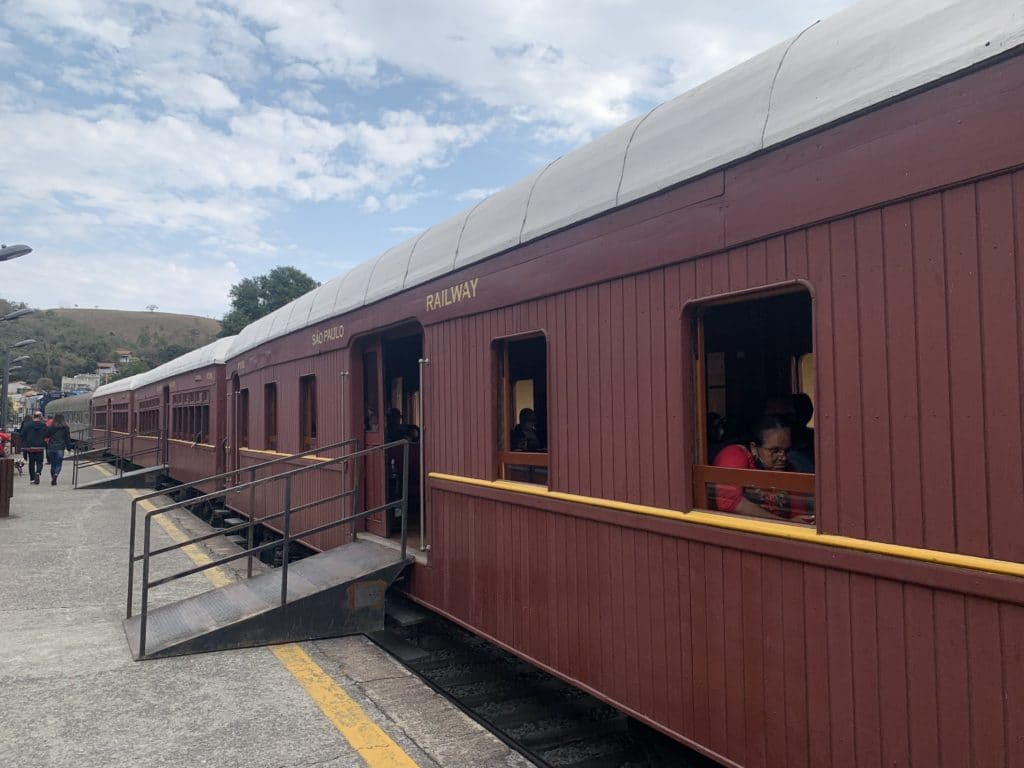
Classe Turística: of English origin, manufactured in 1896, once used on the Santos-Jundiaí line by the São Paulo Railway, restored and brought to Guararema in 2012, in excellent condition.
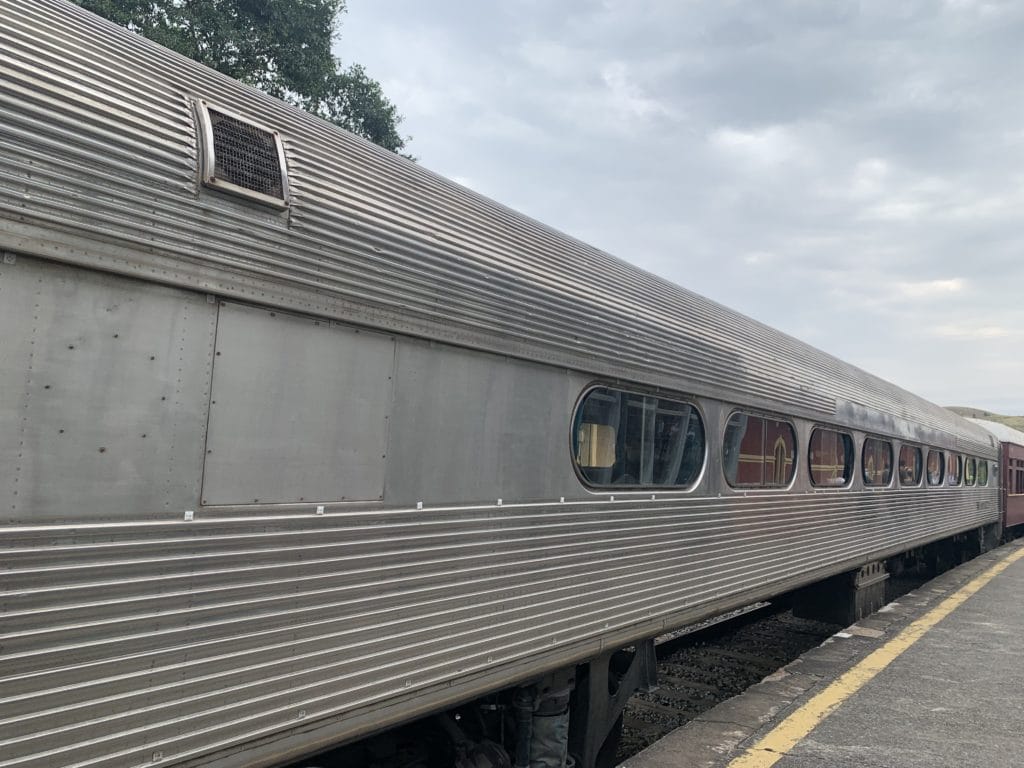
Vagão bar: car PI-3102, manufactured in 1962, once part of the Araraquara railway line, made of stainless steel, used as a luxury train connecting São Paulo to São José do Rio Preto, and in 1971 by the Ferrovia Paulista.
Pontilhão
Right after, following the train line as it crosses the Rio Paraíba do Sul, the Pontilhão is another popular photo spot in town.
It’s a steel bridge, 165 meters long, originally from Belgium, assembled by the English in 1910.
Location: Rua da Estação Ferroviária.
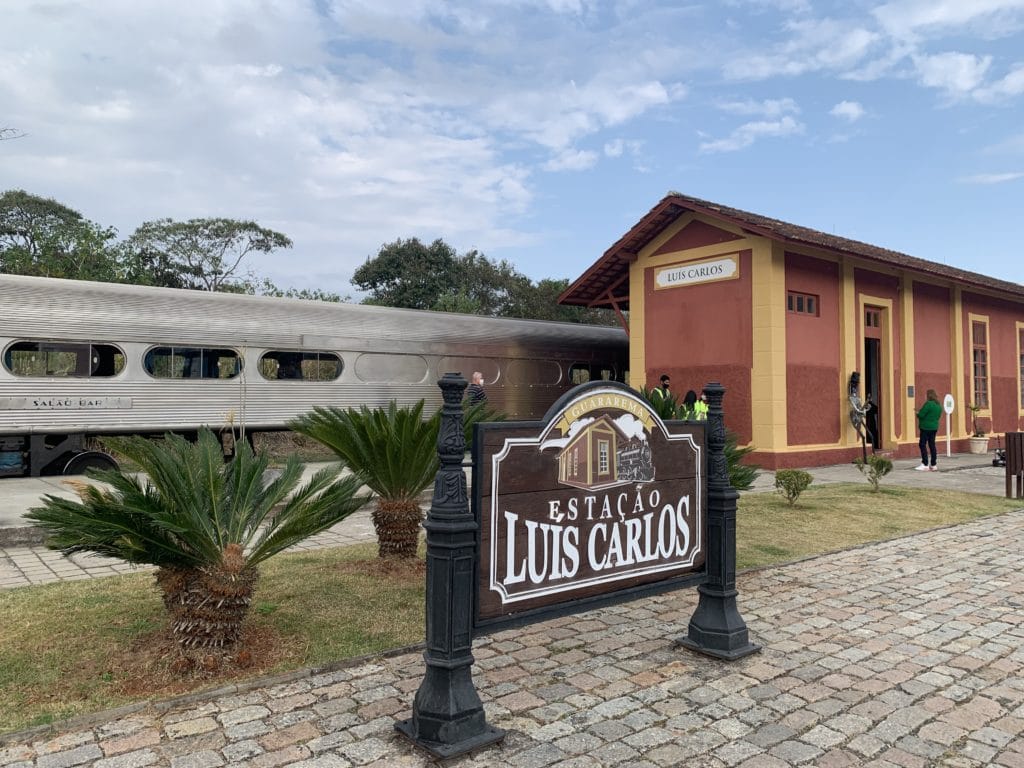
Estação Luís Carlos
Estação Luís Carlos is a scenic recreated village, packed with charming little shops, restaurants, cafés, and bars.
Opened in 1914, it’s the final stop on the tourist train line, and given its departure schedule, we only had an hour to explore, so we wrote a full post about it — read more in What to Do in Luís Carlos.
Estação Literária
The town’s most modern building. It’s a library, but also serves as a cultural center, built around the idea of bringing people and books together.
Notable for its glass façade, it has a spacious layout with a garden, café, and literary atmosphere, though it was closed when we walked by.
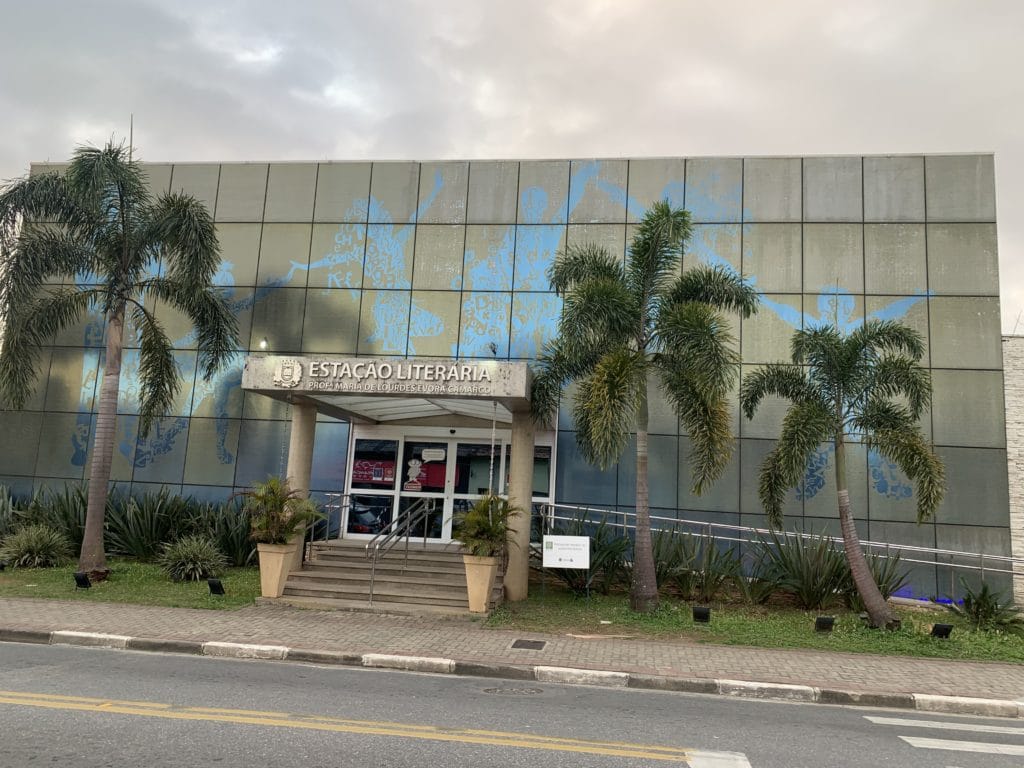
Location: Rua 19 de Setembro, 233, Centro.
Contact phone: (11) 4695-3871.
Cine Guararema
Cine Guararema is also a modern building that stands out downtown.
The first cinema opened here in 1911 and operated until 1940 — during that time, it also hosted dances, and the seating wasn’t fixed.
In 1940, fixed seating was installed, and it operated that way until the 1980s, with its peak in the ’50s and ’60s. It closed in the ’90s, and the original building was demolished, then rebuilt with its original façade restored, for both tourists and locals to enjoy.
It shows films through the Centerplex chain and is currently operating.
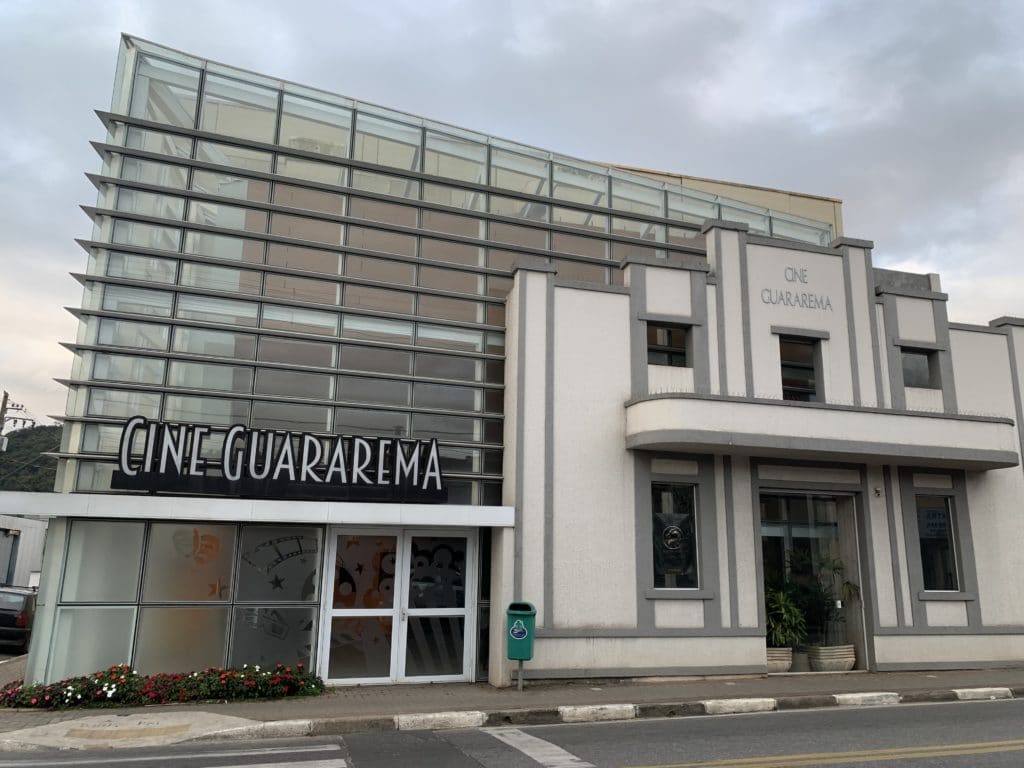
Location: Rua 19 de Setembro, 187, Centro.
Igreja Nossa Senhora da Escada
This marks the founding site of Guararema, home to the oldest chapel in the area, since it’s the first chapel of the settlement, built in 1652 by Jesuits.
Baroque architecture, with a convent and a new chapel built on the site of the original one.
Designated a national historic landmark by IPHAN in 1945, and it’s also the only church in the country with an image of São Longuinho on its altar, the patron saint of lost objects.
It’s about 3.5 km from downtown, but there are restaurant options nearby — we had lunch at Mirante da Paraíba, close to the church.
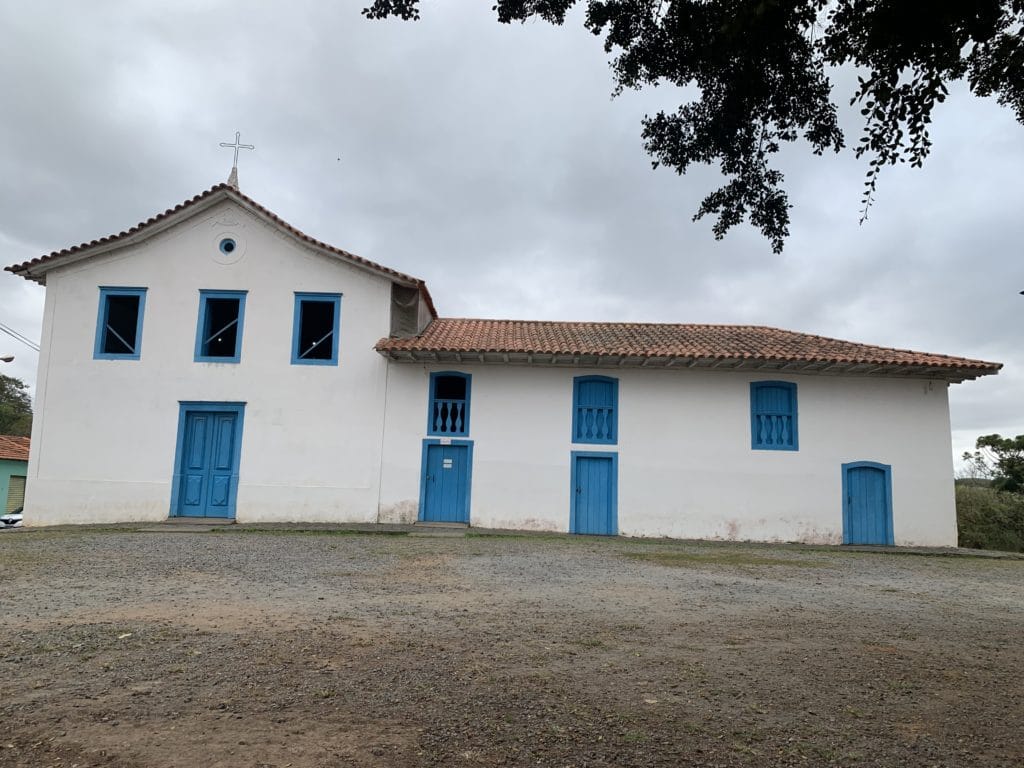
Location: Praça Salvador Lemes Cardoso, Freguesia da Escada.
Mirante Prefeito Gerbasío Marcelino
Located atop Morro do Gerbasío, this lookout offers a prime view not just over downtown, but also the surrounding Rio Paraíba do Sul and the Atlantic Forest-covered mountains.
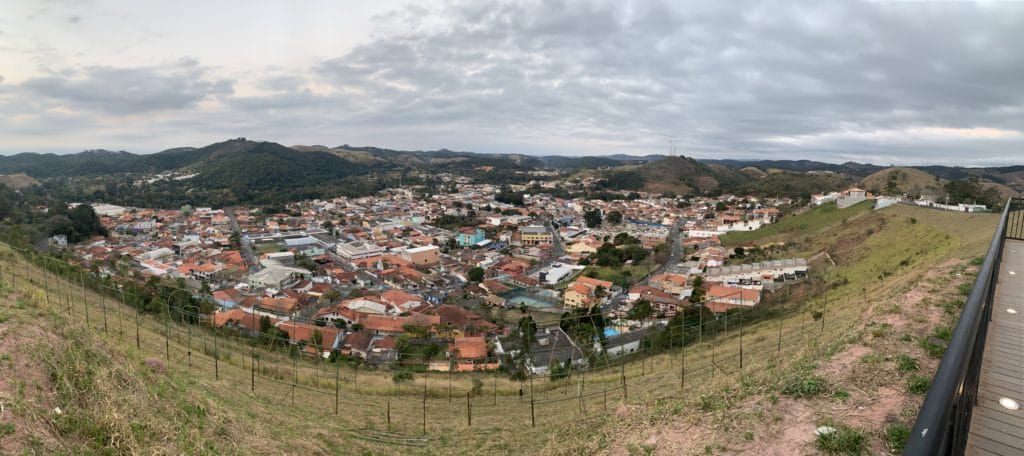
Beyond being a lookout, it’s also a hub for entertainment, leisure, and food, with a full tourist setup including decks, benches, and restrooms.
We’d recommend visiting for the sunset, since the view here is genuinely great.
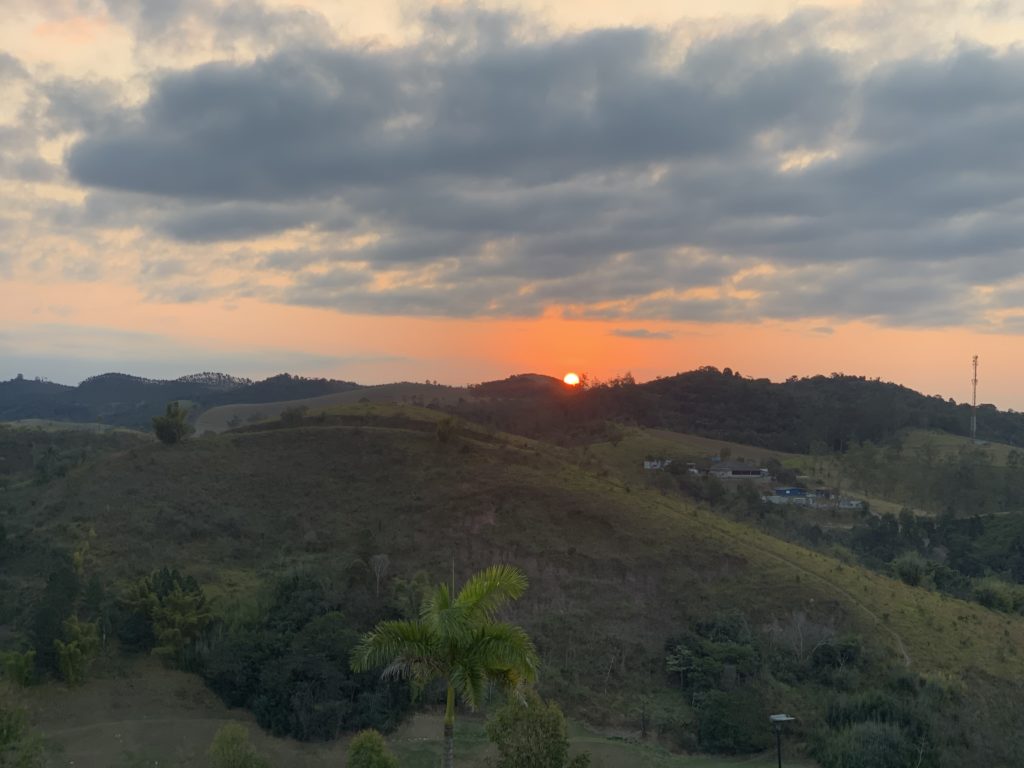
You can also eat here at Restaurante Hangar 33.
Location: Rua Inocêncio de Melo, 335.
More Tips
Here are a few other tourist spots we heard about but unfortunately didn’t have time to visit — tips for anyone exploring the area further.
Portal Terra Guararemense: designed by artist Adelio Sarro, its panels and statues symbolize the town’s nature, faith, and traditions, and without question, it’s a great photo stop on your way in or out.
Parque Municipal Ilha Grande: a park located on an island in the Rio Paraíba do Sul, connected by a bridge.
Parque Municipal da Pedra Montada: home to the Pedra Montada, two 9-meter-long, 2-meter-wide rocks stacked one on top of the other.
Casa da Memória Antônia Guilherme Franco: a collection telling the town’s history through both documents and artifacts.
Cachoeira do Putim: reached via a dirt road and trail, with no facilities nearby, so bring your own snacks.
Igreja Nossa Senhora D’Ajuda: built in 1682 on a hill along the banks of the Rio Paraíba, requiring a climb of 81 steps, and designated a landmark by CONDEPHAAT in 1984.
Where to Eat in Guararema
There are several restaurant options in town, downtown, at the lookout, and near the Igreja Nossa Senhora da Escada — in the end, we chose Restaurante Mirante do Paraíba, near the church.
Restaurante Mirante do Paraíba
This restaurant sits right on the banks of the Rio Paraíba do Sul, offering four distinct settings, surrounded by nature, making it genuinely pleasant.
The Space: it has a room with live music, which is where we sat, along with a piano room, a gazebo, and a deck, which was closed the day we visited because of the chance of rain. The entrance decor is really lovely.
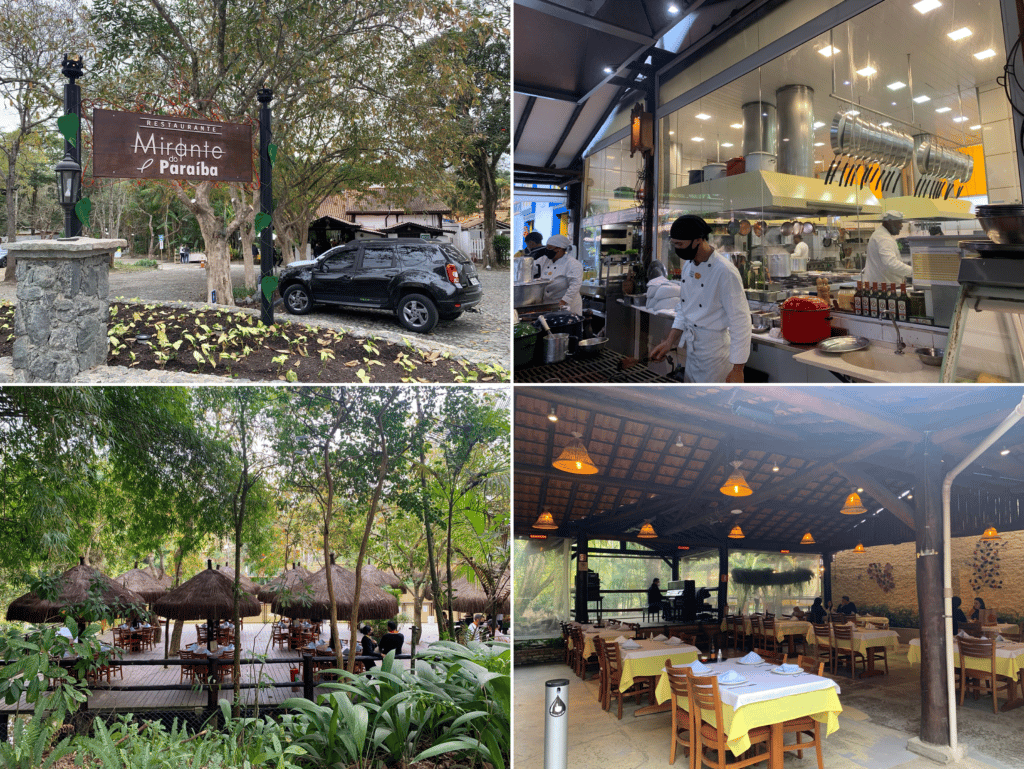
Main course: the restaurant’s specialty is fish, so we ordered Cambucu with shrimp (R$191.92), pan-fried cambucu fish with 7-barbas shrimp in a creamy tomato sauce, served with rice — simply delicious, and completely boneless.
Dessert: we ordered doce de leite pudim (R$18.88) and petit gateau (R$22.87), both equally delicious!
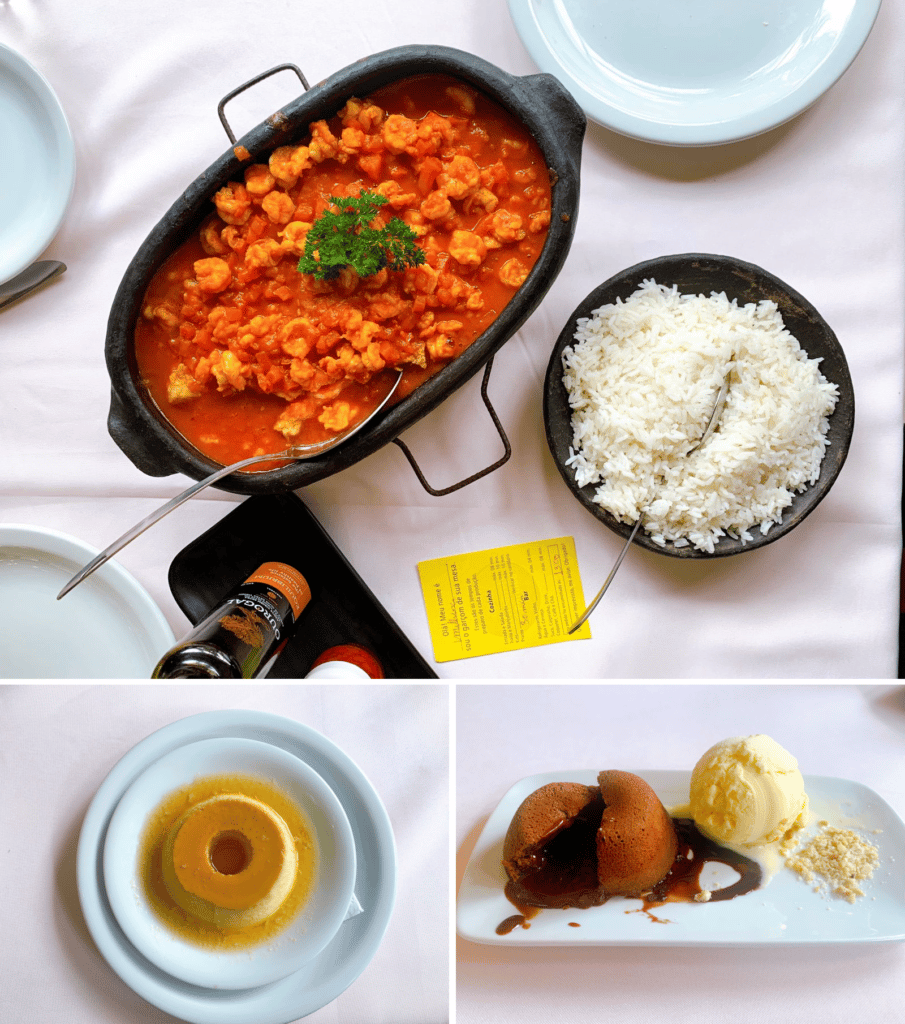
We thought the restaurant was delicious, and it’s definitely a spot we’d recommend checking out.
Location: Rua Admeleto Gasparini, 4509, Freguesia da Escada, Guararema.
Read more tips near São Paulo, not just in What to Do in São Roque but also Campinas.
Read the original version in Portuguese on A Bela e o Bigode.