What to Do in São Roque: A One-Day Itinerary
São Roque is genuinely a town packed with culture, history, and food, sitting just 60 km from the São Paulo capital, roughly an hour away depending on where you’re coming from.
We went to explore its wineries and other attractions, and everything was really pleasant, even on the cold day we caught in the area.
Here’s a rundown to help you follow along with the post.
- History of São Roque
- Getting to São Roque
- When to Go to São Roque
- Things to Do in São Roque
- Where to Eat in São Roque
History of the Town
To start, São Roque was founded on August 16, 1657, by the noble São Paulo captain Pedro Vaz de Barros, a bandeirante, and the town takes its name from his own religious devotion.
The town served as a stopover point for those traveling down the Tietê River in search of gold and emeralds, and it saw major growth soon after the arrival of Italian immigrants.
These immigrants planted the first vineyards in São Roque, making winemaking one of the town’s leading economic activities.
That’s how São Roque became known nationwide as the “Land of Wine.”
Getting to São Roque
By car, there are two options: the Rodovia Castello Branco and the Rodovia Raposo Tavares. We went with the Castello Branco, since it has more lanes and fewer curves, though it does have two tolls.
You can also catch a bus with Viação Cometa, departing from the Barra Funda bus terminal to the São Roque bus terminal at various times, though the trip takes about two hours.
When to Go to São Roque
You can visit year-round, though the vineyards will look different depending on the season.
In summer, from January to February, the grape harvest, known as the vindima, takes place, and in short, this is the best time to see the vines heavy with grapes.
The season we visited, winter, is also great, thanks to the milder weather, best paired with a good glass of wine.
During fall, food festivals take place, also worth checking out.
In July, the Bunkyo Cherry Blossom Festival — Sakura Matsuri takes place, where you can admire blooming cherry trees, though this year, because of the pandemic, the tour was done from inside the car.
Artichoke season falls in spring, along with the Expo São Roque, a wine and artichoke festival held in October, though it wasn’t held in 2020 because of the pandemic, and won’t be held in 2021 either.
What to Do in São Roque
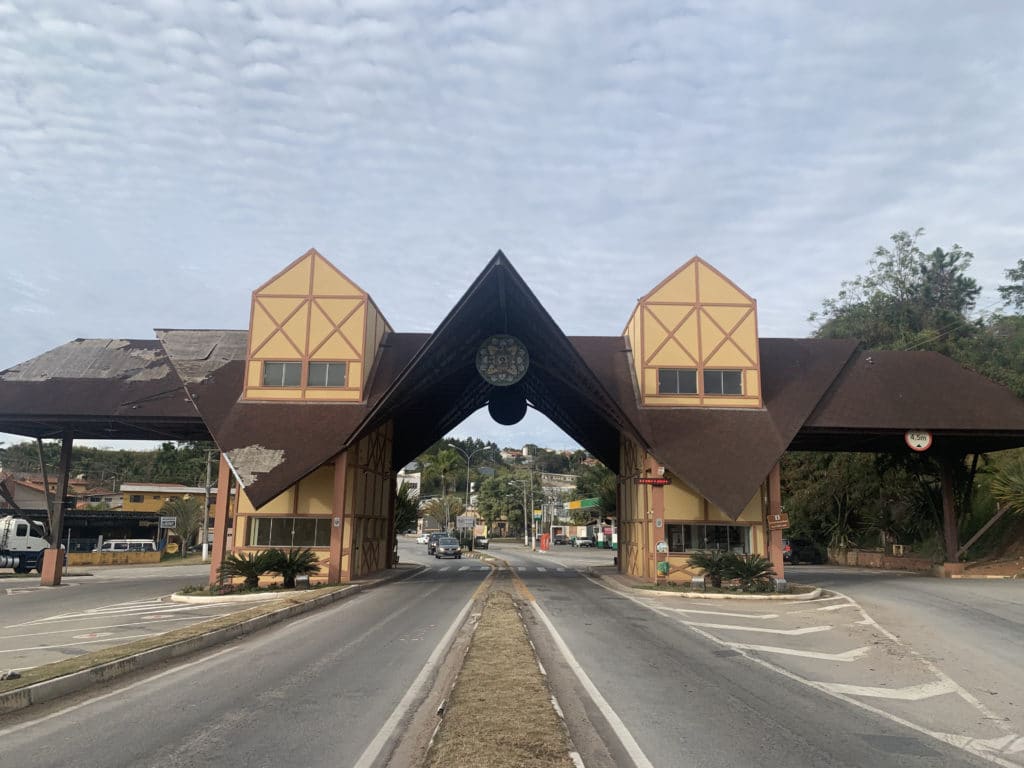
Portal de São Roque
Arriving via the Rodovia Castello Branco, you’ll pass through the Portal de São Roque entering town.
There’s a Tourist Information Booth here where you can pick up information.
Estação Ferroviária
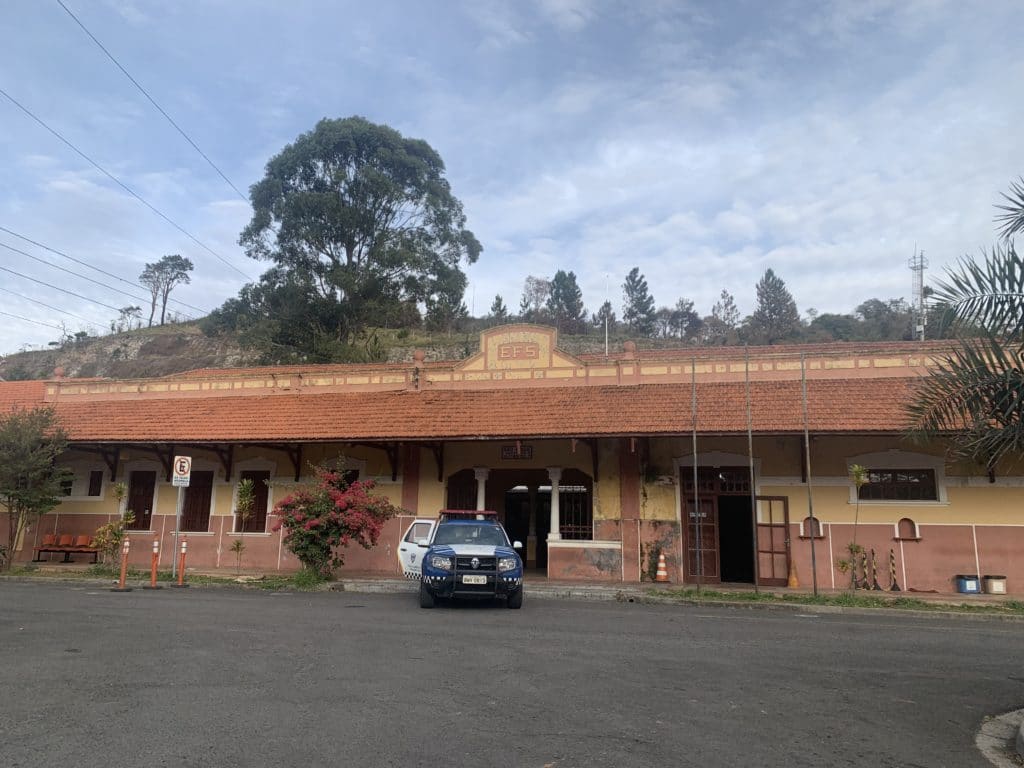
Built in 1930, this station once connected to the Estrada de Ferro Sorocabana railway, and today it houses the municipal guard.
It once operated a telegraph office and was one of the most modern stations of its time, but today it no longer carries passengers, only cargo.
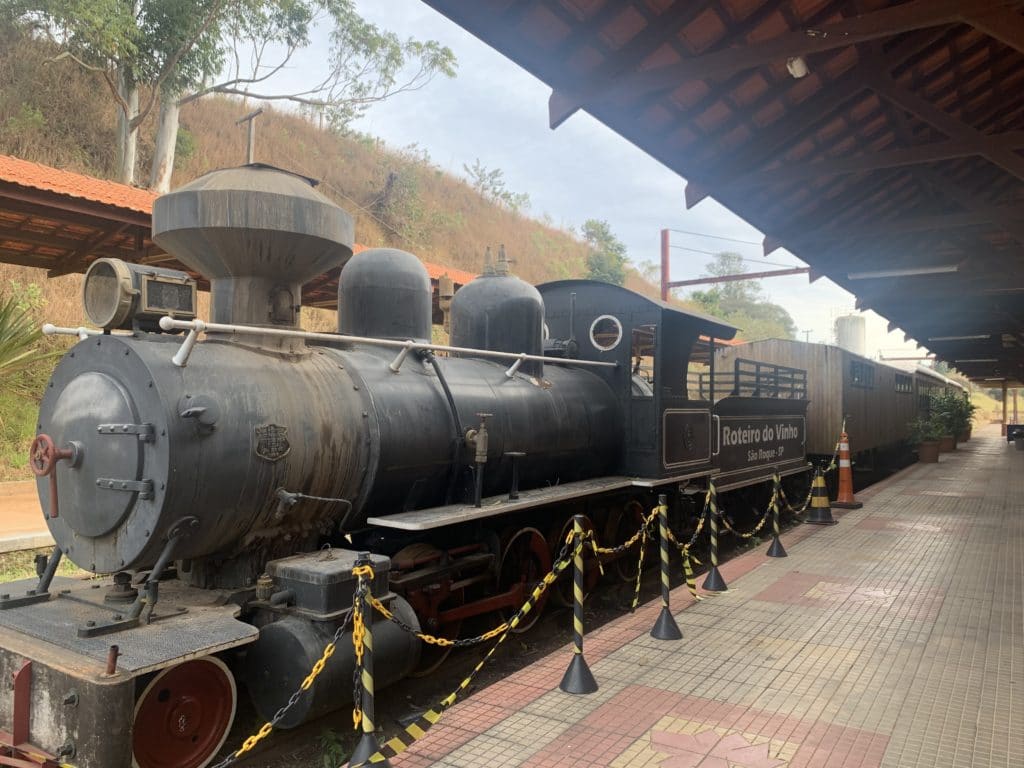
At the station, there’s a decommissioned train you can take photos with — and, of course, post to social media.
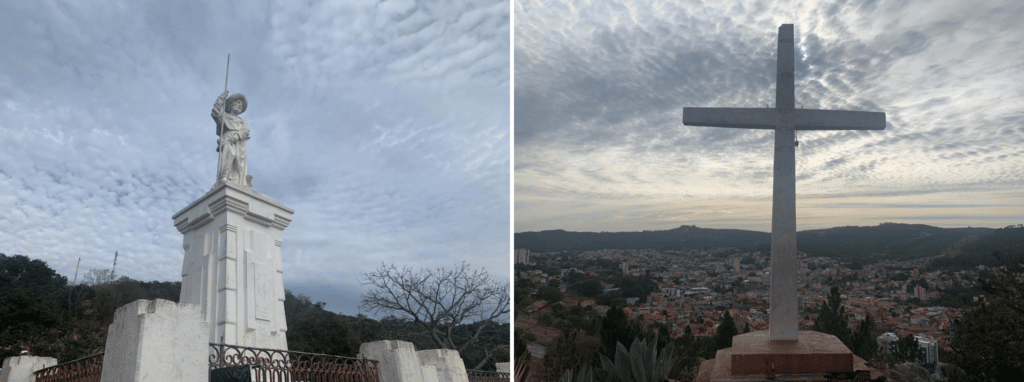
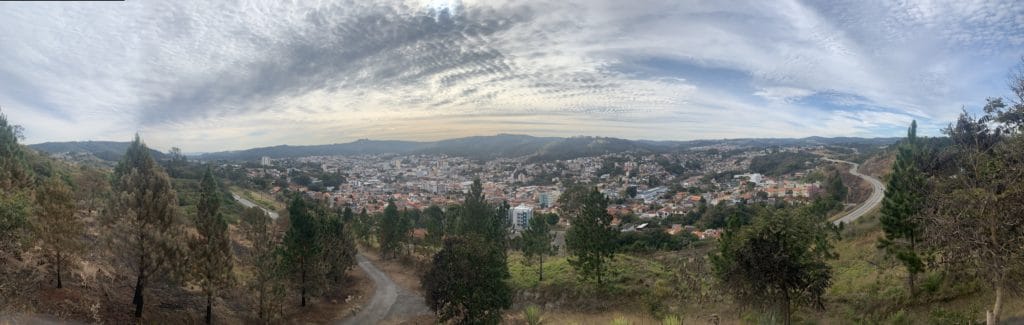
Morro do Cruzeiro
This hill offers a beautiful view over central São Roque. You can drive up or walk the 550 meters from the train station, though the climb is quite steep.
At the top, there’s an image of the town’s patron saint, São Roque, along with a cross, drawing many devotees to the site — and from July through August, the Novena do Cruzeiro takes place here.
Igreja Matriz de São Roque
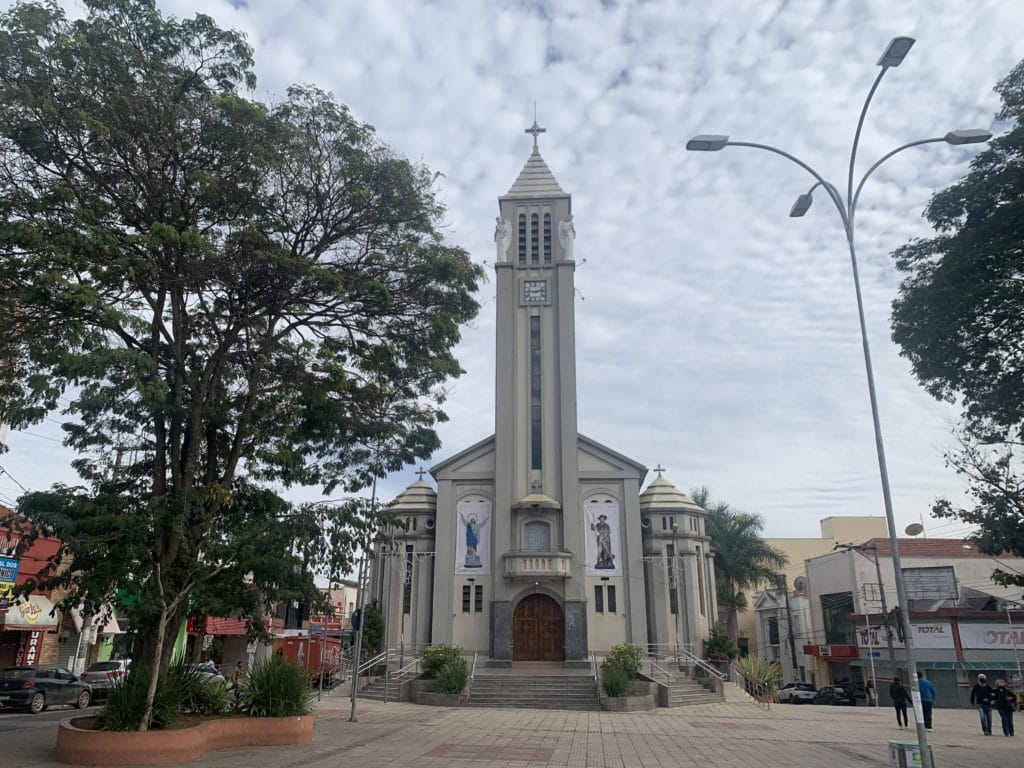
This is the largest church dedicated to São Roque in Brazil. Built in 1935, it’s a beautiful building, considered one of the most beautiful churches in São Paulo state.
Mirante do Saboó
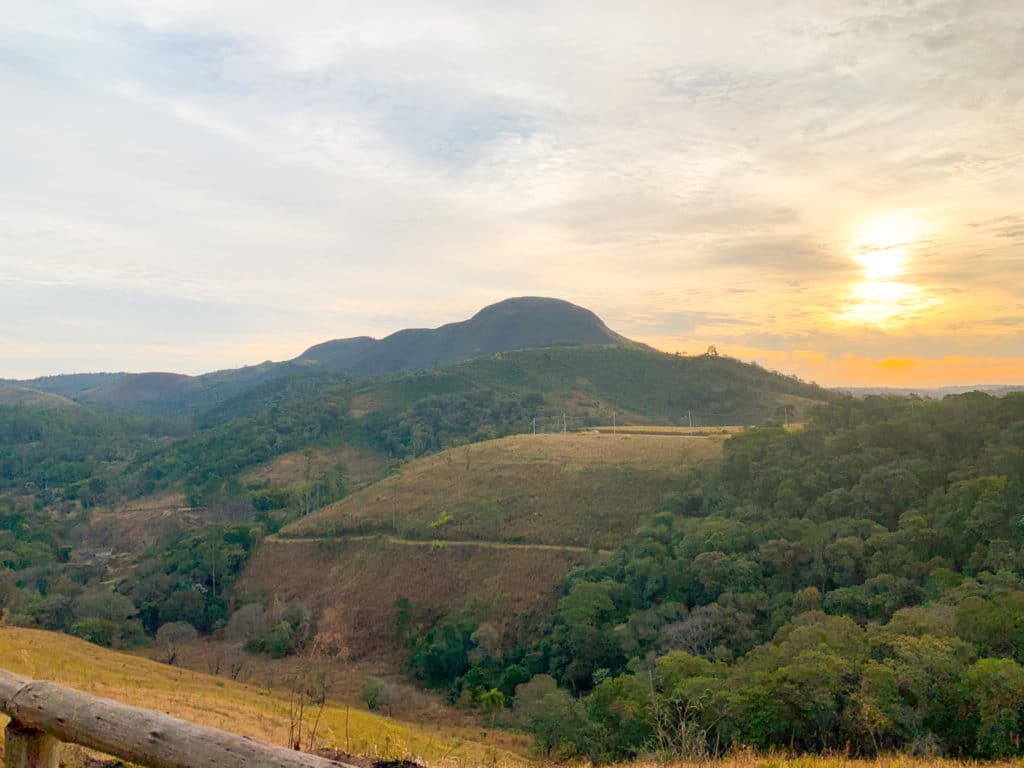
Located on Estrada do Morro do Saboó, easy to find, with clear signage along the way and parking right in front.
A prime spot for a beautiful sunset over the town and great photos. There’s no tourist infrastructure on site, but the view is genuinely beautiful, well worth the visit.
Wineries in São Roque
Back in the mid-17th century, as mentioned, Pedro Vaz de Barros, São Roque’s founder, grew so enthusiastic about the region’s land that he, along with the town’s residents, invested in growing fruit and producing wine.
The Roteiro do Vinho (Wine Route) is a chance to experience this history and the town’s traditions, taking in wine cellars, wineries, restaurants, hotels, and inns, all set among preserved Atlantic Forest.
Vila Don Patto
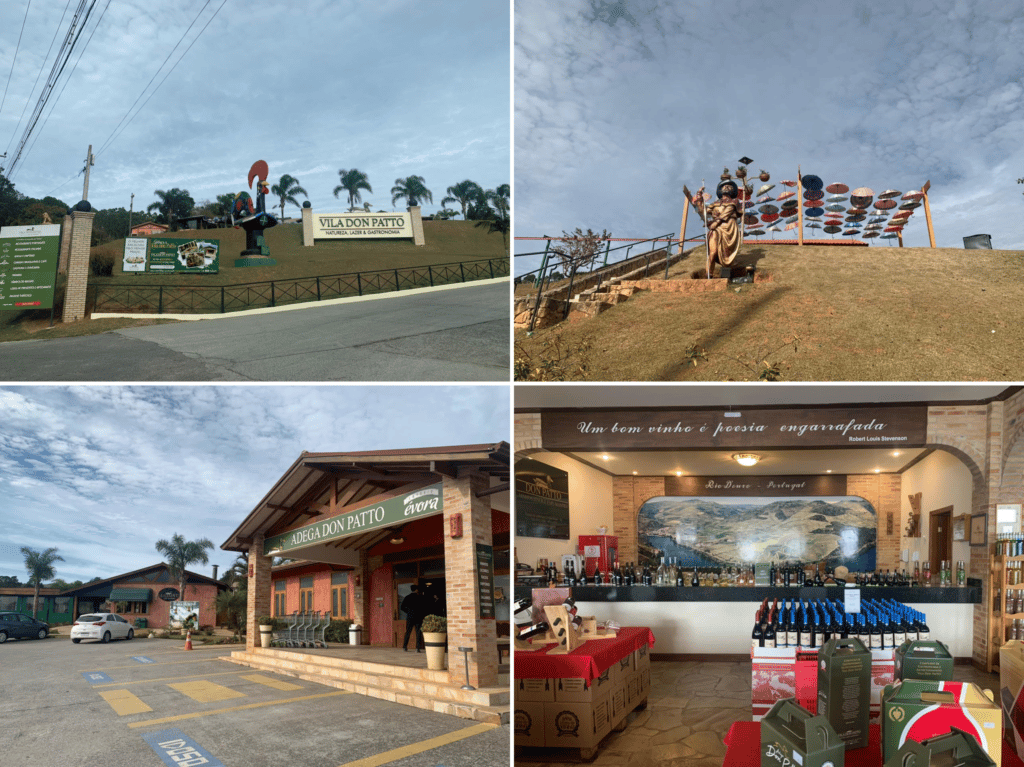
We started our day at Vila Don Patto (website), a tourist complex built for the whole family, with a wine shop, market, brewery, bakery, restaurant, and souvenir shops — and beyond that, the complex is beautiful, clean, and well kept.
We’d suggest timing your visit for lunch or right after, for dessert. Judging by the menu, they serve high-quality Portuguese food, though since we arrived early, we only had coffee. At the café, though, you can pay a flat rate and eat everything on the table, along with coffee and Portuguese pastries.
For kids, the playground is a major draw, since it’s packed with attractions.
Location: Estrada do Vinho, km 2.5.
Contact: (11) 4711-3001.
Vinícola XV de Novembro
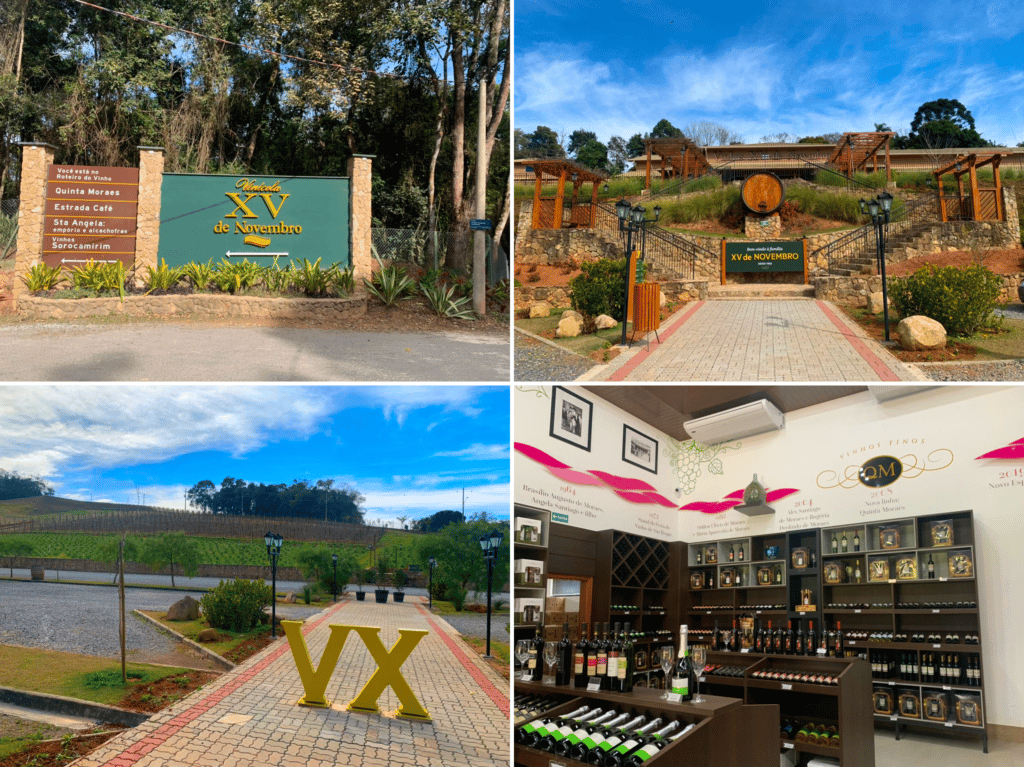
Founded by Brasílio Augusto de Moraes more than 60 years ago, Vinícola XV de Novembro (website) is today run by his son and grandson, and its production draws from carefully selected vineyards.
The Quinta Moraes label launched in 2008, adding a range of fine wines to the winery’s catalog, though unfortunately, we didn’t get to try them.
It must be great to visit in spring, to see the artichokes, since there’s a large plantation on site, right next to the grapevines.
Of all the wineries, we thought this one had the most beautiful architecture, so it’s genuinely worth adding to your itinerary.
Location: Estrada do Vinho, km 4.5.
Contact: (11) 4711-2044 / (11) 97150-9584.
Vinícola e Restaurante Canguera
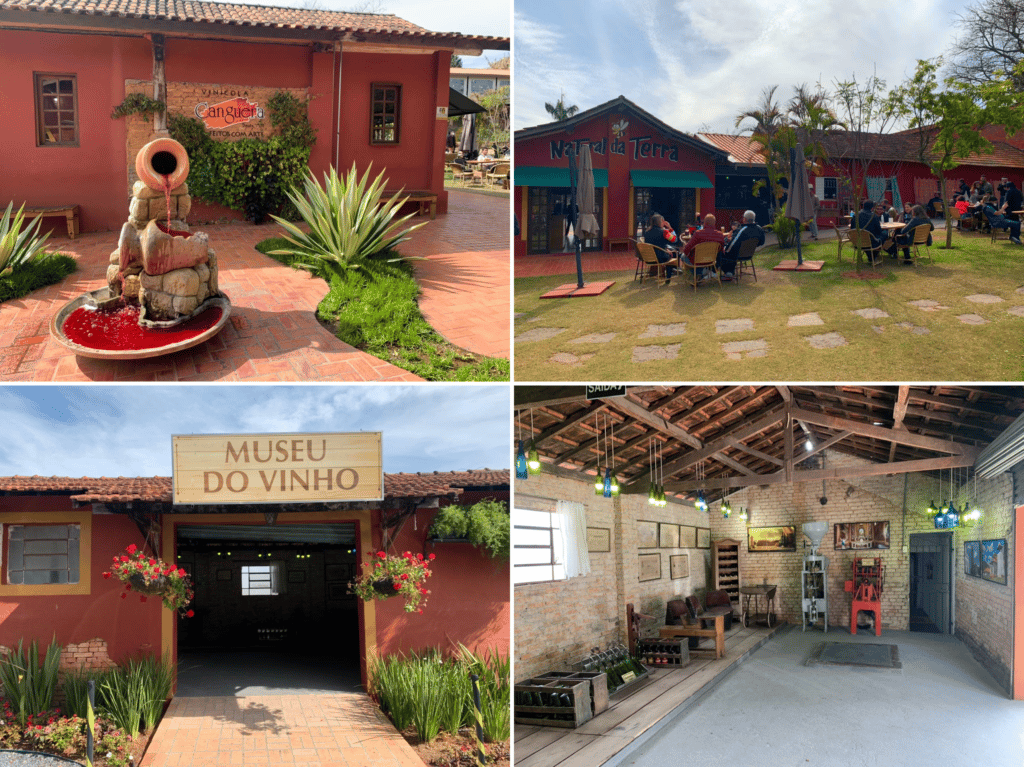
Planting began here in the 1950s, and Vinícola Canguera (website) is a pioneer in São Roque’s winemaking scene. Today, it’s run by the third generation of the family.
The space is beautiful, with a good restaurant selling artichoke pastel, but since we’d already had lunch, we weren’t able to try it — so this one’s just a tip for you.
On site, there’s also a wine museum with some old production and bottling equipment, though it’s a very small space with no one around to explain it. So it’s better to hear the full explanations at Vinícola XV de Novembro’s shop instead.
There’s a play area for kids with a playground, and even a pony you can ride, for a fee.
Location: Estrada do Vinho, km 8.
Contact: (11) 4711-1304.
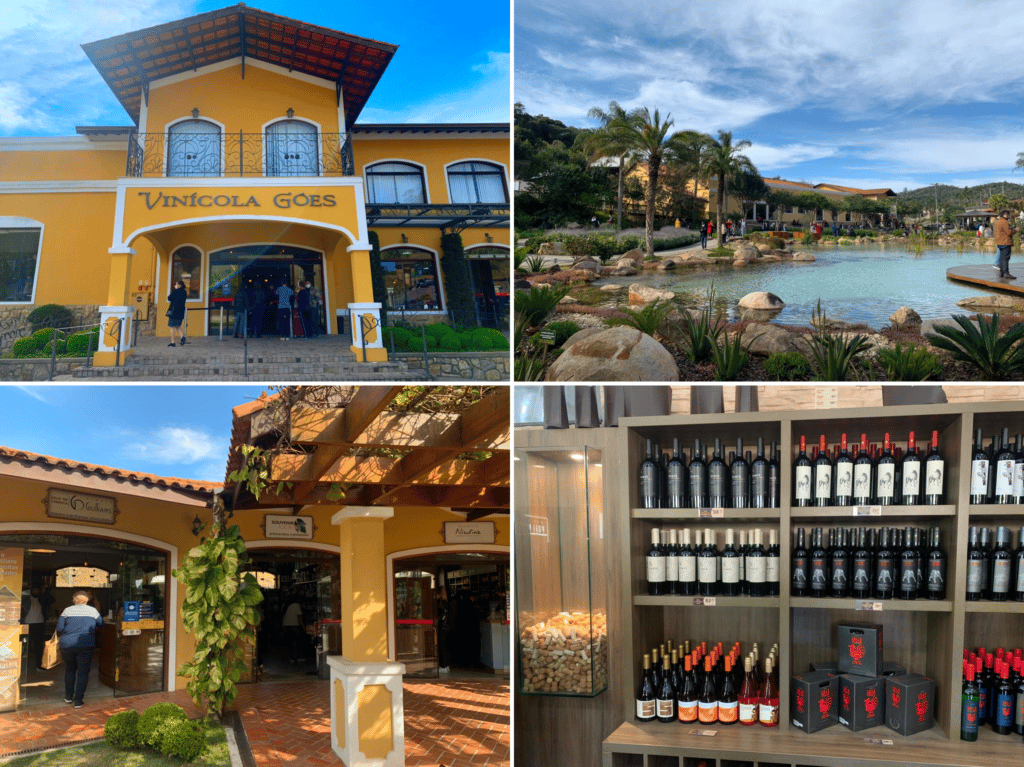
Vinícola Góes
Since 1938, the family of Gumercindo Góes, one of the country’s pioneering wine and sparkling wine producers, has made Vinícola Góes, without question, one of Brazil’s major wine producers.
Beyond its two vineyards in São Roque, the winery also has a production facility in the Serra Gaúcha, in Flores da Cunha.
They began producing fine wine grapes and, in recent years, started winning international awards, making this one of the most awarded wineries in São Paulo.
At the winery, you can take guided tours, with a full tasting of the wine lineup, priced differently depending on the wine type — though tasting all of them is basically impossible, since they carry more than 50 labels.
It has three restaurants, two cafés, and a wine bar within its wine-tourism complex.
The largest of all the wineries, without a doubt, and genuinely beautiful, with a stunning garden, a really pleasant spot to spend a late afternoon — but also one of the most crowded, given how imposing and popular it is.
There are souvenir shops here, and we’d recommend saving your shopping for this stop, since they carry good products at lower prices than the other wineries — and at the wine shop, you can buy everything from grape juice to Chilean wines they produce themselves, as well as canned wine.
Location: Estrada do Vinho, km 9.
Contact: (11) 4711-3500.
Vinícola Palmeiras
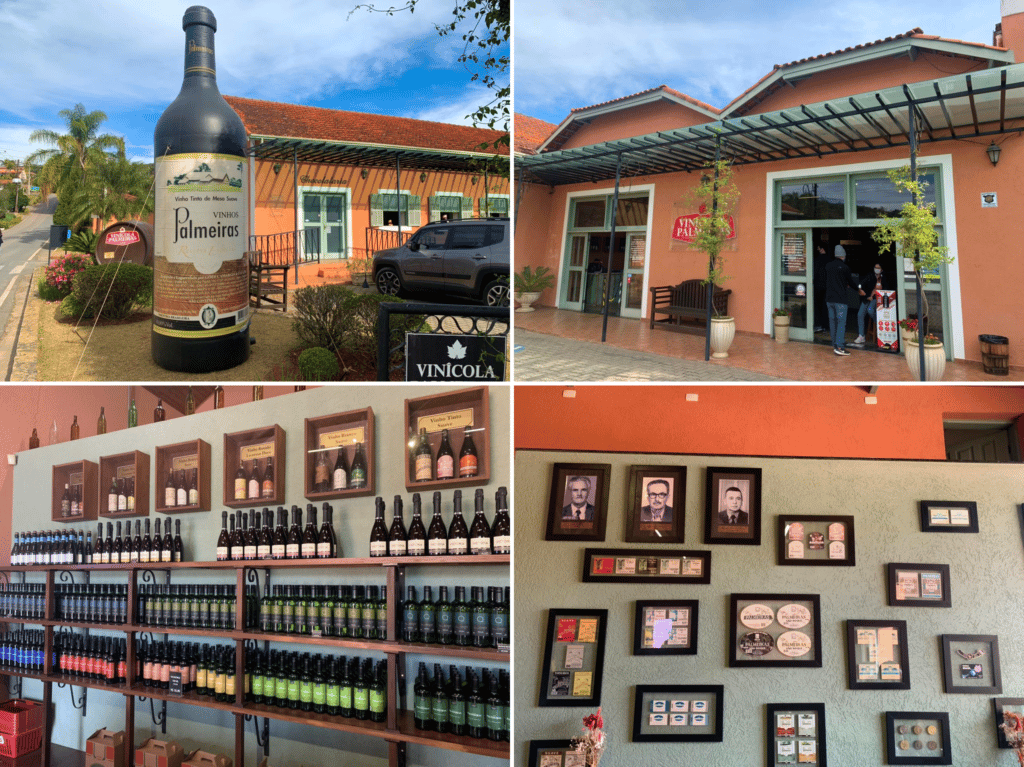
A small spot offering product tastings, food, and a café.
There used to be a chocolate shop next door, but unfortunately, it’s currently closed.
We didn’t see a kids’ area here.
Location: Estrada do Vinho, km 10.
Contact: (11) 4711-1500.
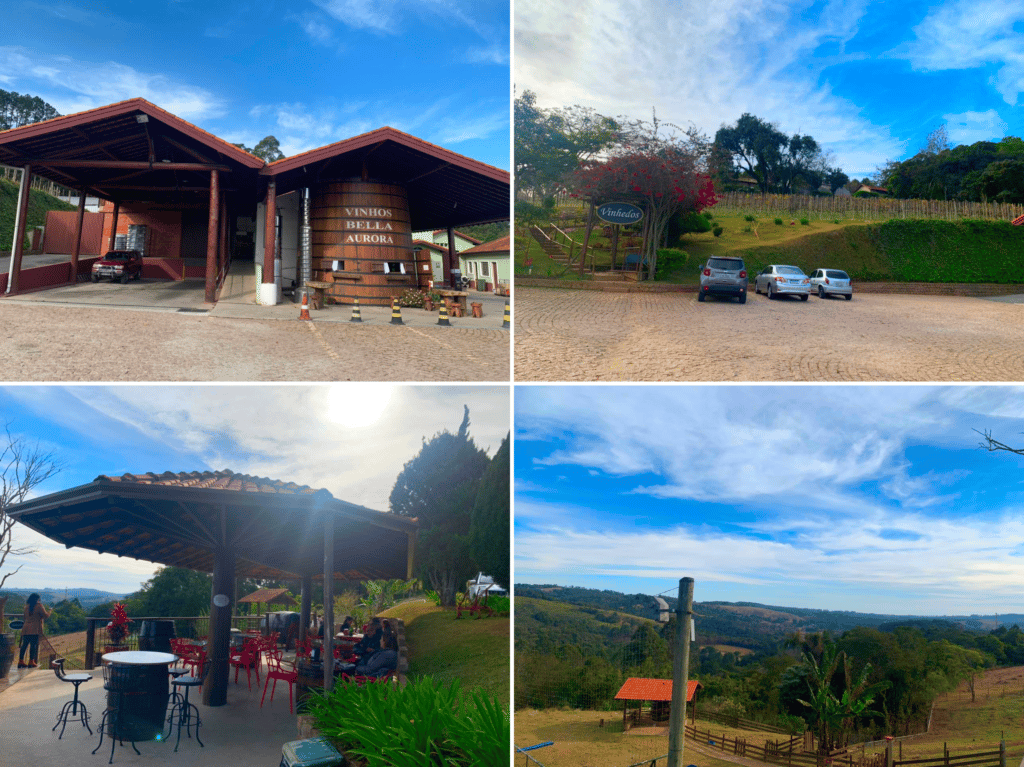
Vinícola Bella Aurora
Founded in the 1920s by Portuguese immigrants, this winery originally began producing wine for home consumption. Commercial-scale production started in 1932.
The place is beautiful in the late afternoon, with a deck offering a beautiful view, where you can sample good wines and traditional dishes. It sits a bit further from the others, but we thought it was well worth the trip — and in summer, the vineyard really stands out, with the vines full of green leaves.
To better serve guests, Bella Aurora’s cantina was set up inside an authentic wooden barrel, with a capacity of 120,000 liters.
If you’re arriving via the Raposo Tavares highway, it’s worth starting your tour here.
There’s a kids’ area with a playground.
Location: Rod. Raposo Tavares, km 56.5.
Contact: (11) 4714-1000.
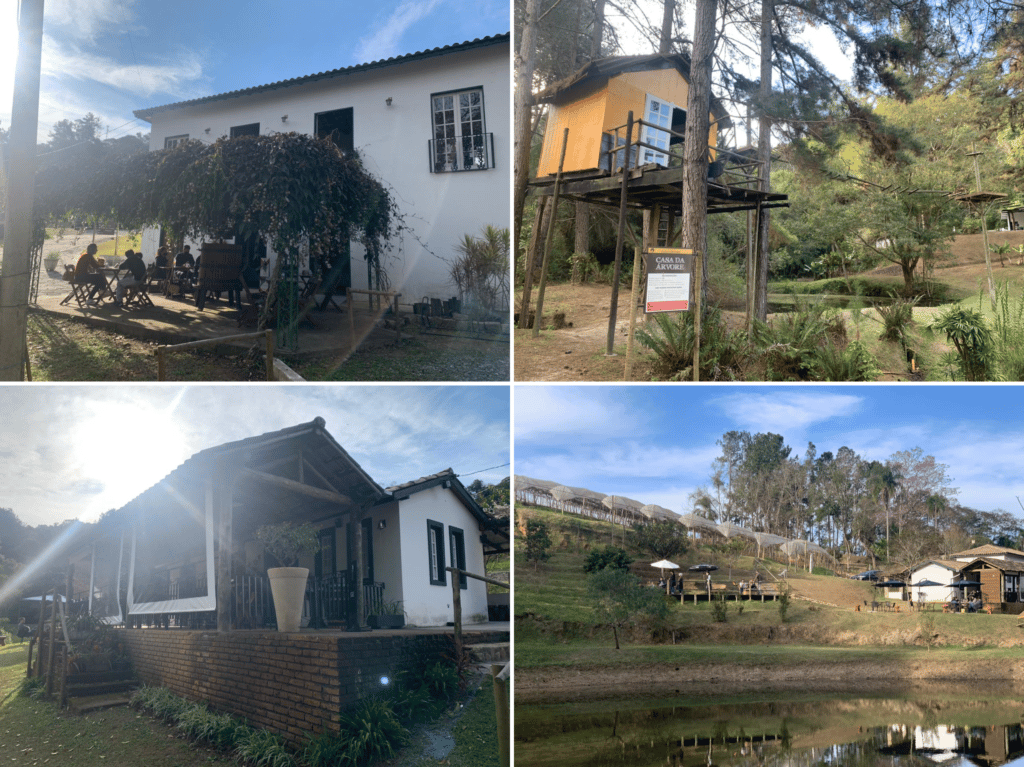
Vinícola Casa da Árvore
This is a boutique winery, and unlike the others, it’s run by a Slovenian family, producing wines and sparkling wine made using the traditional champenoise method, with Lorena grapes.
A really pleasant spot, this was the last winery we visited that day, where we had a glass of Slovenian wine in the garden. The restaurant also serves traditional Slovenian food and requires a reservation, though we didn’t get to try it. Near the restaurant, there’s a lake with a treehouse.
We stopped here and had a young Slovenian wine that was really tasty, and without question, this winery has to be on your itinerary.
There’s a kids’ area, though it’s currently closed because of the pandemic.
Location: Quintino de Lima, km 1.5.
Contact: (11) 99620-1212.
Where to Eat in São Roque
São Roque is well known for its food scene, and as you’ve already seen, the wineries themselves offer plenty of restaurant options — we ended up choosing Quinta do Olivardo (website).
Quinta do Olivardo
History of Quinta do Olivardo
This is a wonderful Portuguese restaurant, with cuisine inspired by traditional recipes from Madeira Island, and without a doubt, we’d recommend visiting. It also has its own winery.
Conceived by chef Olivardo Saqui, who dreamed of having his own winery. In 2007, he sold everything he owned and bought a property in São Roque, where he started planting grapes.
The restaurant was originally created solely to serve wine. Over time, though, visitors started asking for other dishes to go with it, like the famous bolinho de bacalhau (codfish fritter). From there, the business expanded and grew into a full-fledged restaurant.
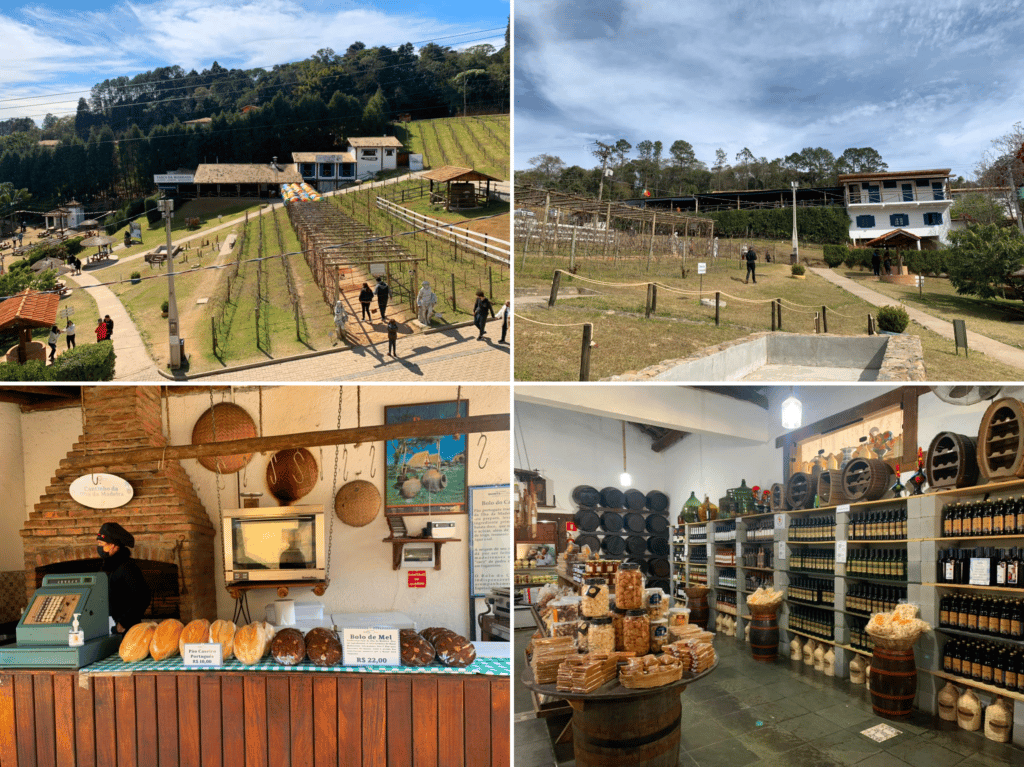
Attractions at Quinta do Olivardo
A place built for family outings, with a huge playground and an adventure circuit that includes treetop climbing, paddle boats, rock climbing, and a zip line. Pricing is per attraction, starting at R$15.
Kids can also visit the small farm animals for free. We tried the zip line, and it was really fun — it costs R$30 per person, and the ride is quick but enjoyable.
Beyond the restaurant, there’s also a market, souvenir shops, a bakery, an ice cream shop, and a café, all set on a genuinely enormous property.
The Restaurant
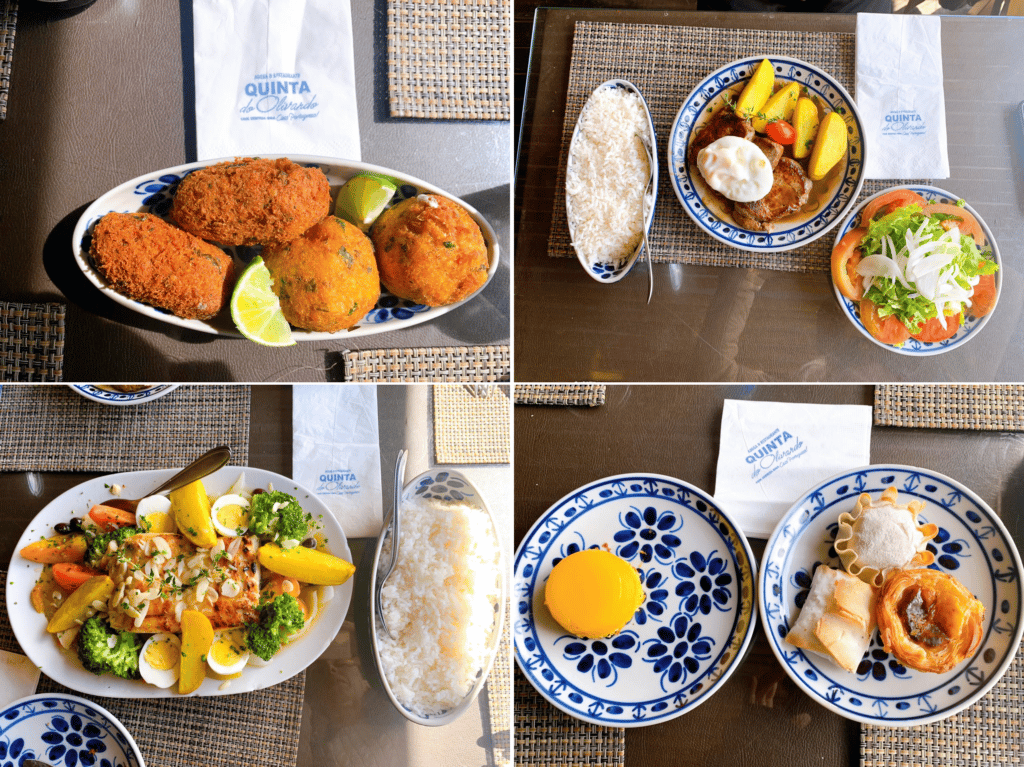
We came as two couples, and even with such a broad, varied menu, here’s what we ordered.
Starter: bolinho de bacalhau, with and without cheese, with a crispy shell and creamy texture inside — a genuine delicacy, one we’d absolutely recommend trying.
Main course: house-style bacalhau, which easily served three people and was simply spectacular, along with an individual filet mignon dish, also tasty.
Dessert: we ordered several options to try, including pastel de Belém, pastel de Santa Clara, pastel de Coimbra, and finally, two quindim — everything was delicious!!! I couldn’t really recommend just one to try, but there are even more options on the menu.
I hope you enjoyed our wine route through São Paulo state, and learn more about travel and good wine in Bento Gonçalves.
Read the original version in Portuguese on A Bela e o Bigode.