What to Do in Antonina
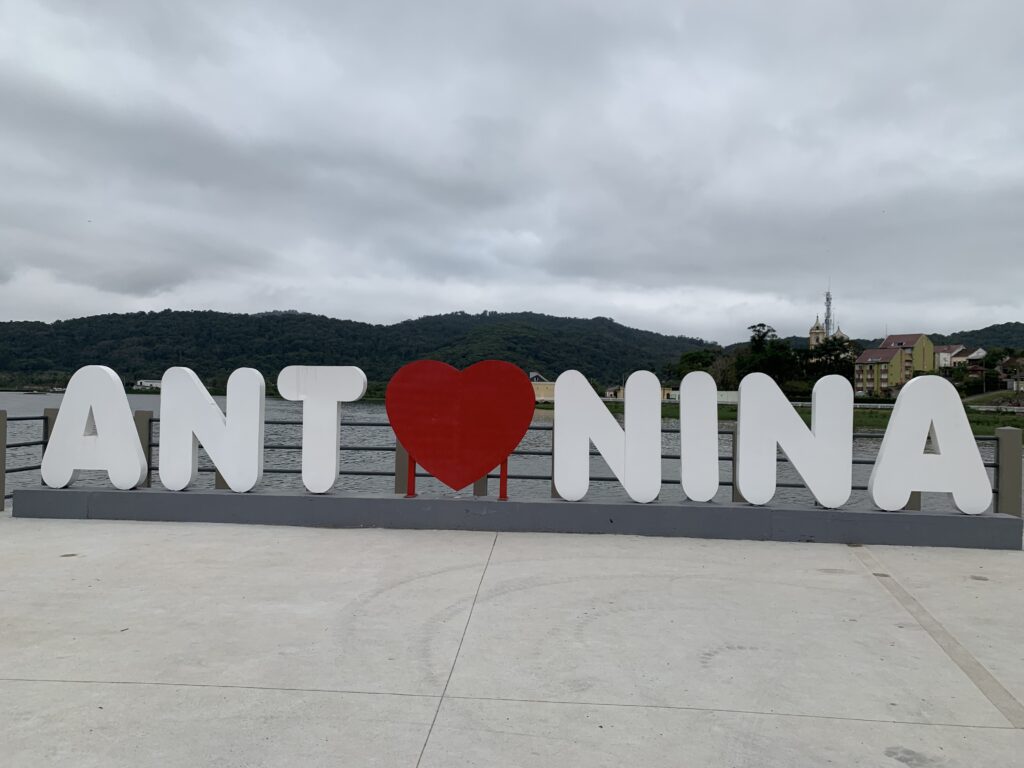
Antonina is a surprising coastal town located 15 kilometers from Morretes, tucked among the mountains of the Serra do Mar.
The historic downtown, filled with colonial-era townhouses, some renovated, and the ruins of the old port, are what remain from the heyday of yerba mate exports, once shipped out from Paraná’s interior.
This is the town where the Estrada da Graciosa ends, and it shares a cuisine similar to Morretes, so you can enjoy a great barreado here too, the region’s signature dish, similar to a pot roast.
History of Antonina
In 1648, settlement captain Gabriel de Lara granted land to Antonio de Leão, Pedro Uzeda, and Manuel Duarte to kick off the gold boom.
In 1927, the port of Antonina became the fourth-largest in Brazil, trading yerba mate, though that sparked tension with Paranaguá known as the “Guerra dos Portos” (War of the Ports), a political and economic dispute. Today its economy runs on tourism, agriculture, and small banana-processing factories.
The Antonina–Morretes rail line began operating in 1892, known as the “Estrada de Ferro Imperial Dona Isabel,” since the Rebouças brothers’ original design started from Antonina rather than Paranaguá. Today the line has been restored, and a steam train runs the route between the two towns.
How to Get to Antonina
The two best options are by train and van, or by car. We chose to drive, since we wanted to explore the town at our own pace.
By train and van:
Several companies run train trips from Curitiba to Morretes, some offering a stop in Antonina, either on the way there or back, going up or down the Estrada da Graciosa.
By car:
Leaving from Curitiba, the fastest route is via BR-277 (83 km), since it’s a divided highway, followed by PR-408. This route has a toll, which cost R$23.30.
The other option is the Estrada da Graciosa (76 km), starting on BR-116 and then PR-408, toll-free, but with winding curves. Coming from the Paraná or Santa Catarina coast, access is via PR-518, BR-277, then PR-408.
What to Do in Antonina
Matriz Nossa Senhora do Pilar
This church stood here 82 years before the town’s official founding, and because of it, the town was originally called Capela, and its residents Capelistas. The church sits at one of the highest points in town, with a beautiful view.
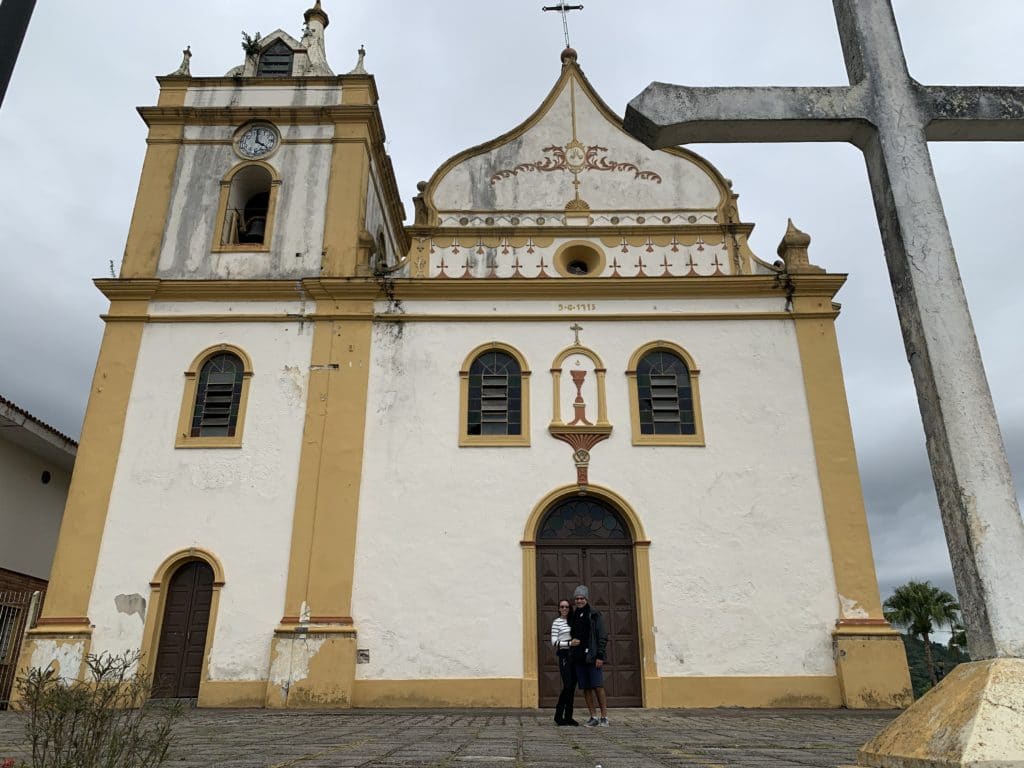 Matriz Nossa Senhora do Pilar, Antonina
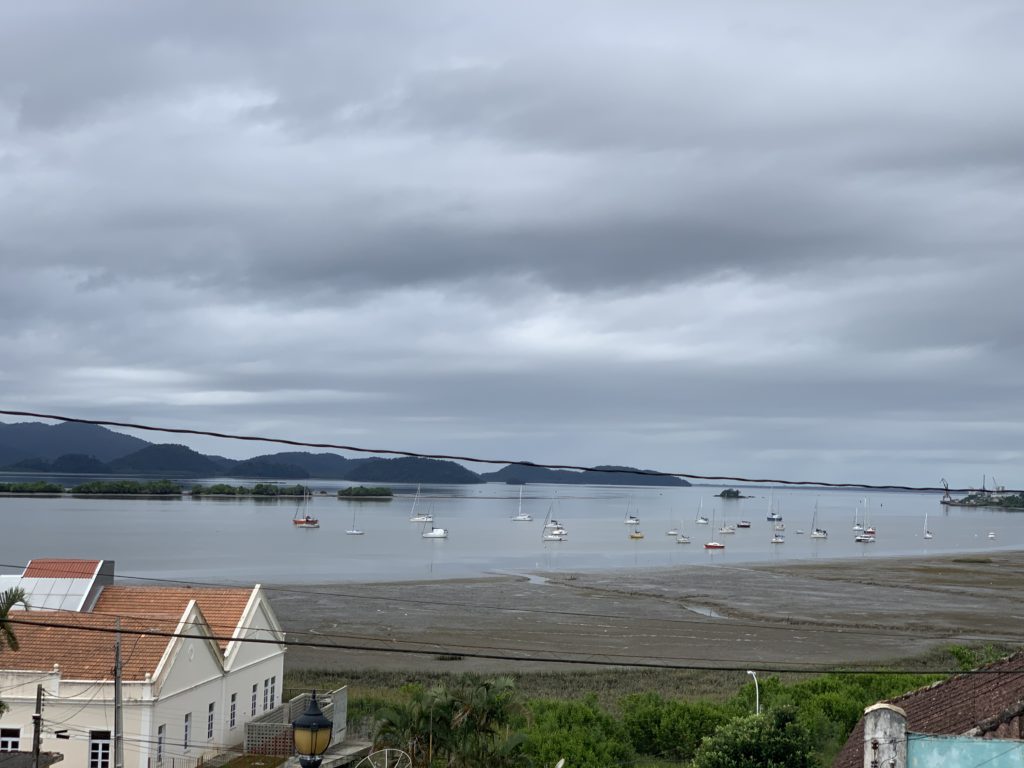 View of Antonina’s old port
Estação Ferroviária
The Antonina train station is a beautiful building from the golden age of yerba mate, built in 1916 in eclectic style, with refined details. There, we boarded not just the charming, but also the oldest, Maria Fumaça steam train that runs to Morretes, a one-hour ride between the two towns.
The view is lovely, and a guitarist entertains passengers aboard the Trem Caiçara (Instagram), as it’s known. The return trip is by van, a short 20-minute ride. We booked through the company Special Paraná, and the tour was thoroughly enjoyable.
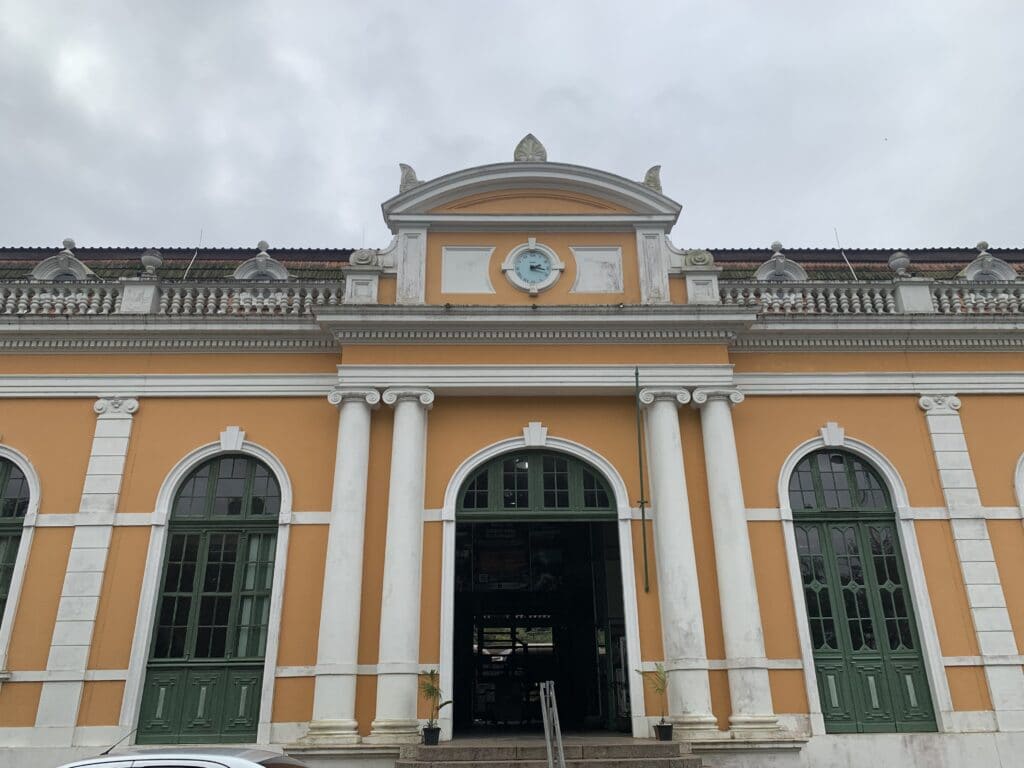 Antonina train station
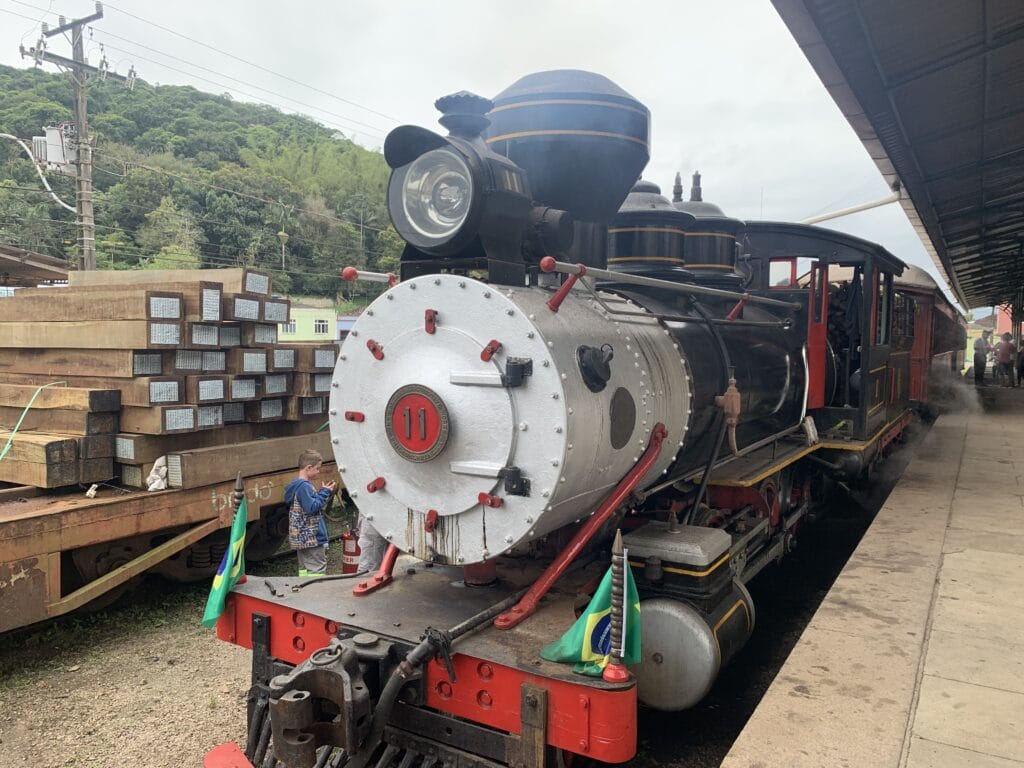 Antonina–Morretes train
Teatro Municipal
Founded around 1785, the Teatro Municipal has been fully restored and is located on Rua Carlos Gomes da Costa. The building is in excellent condition, standing out among the town’s old houses, and several famous performers have taken the stage there, including Carmen Miranda.
It’s therefore a designated artistic and historic landmark of Paraná.
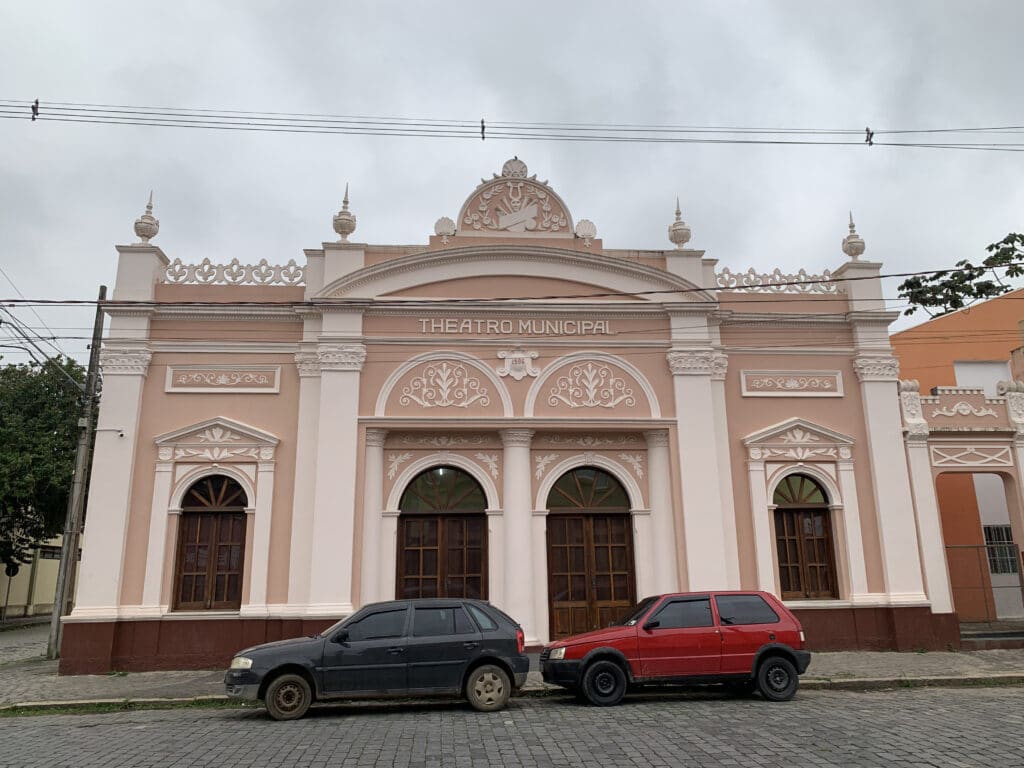 Teatro Municipal, Antonina
Baía de Antonina and Mercado Municipal
At the Baía de Antonina, there’s a pier where boat tours depart, taking visitors to nearby islands and beaches. Among the beaches, two stand out: Prainha, with clear, shallow water, and Ponta da Pita, a rocky formation jutting into the bay.
The pier was under renovation and revitalization when we visited, so it was under construction.
The town’s Mercado Municipal sits next to the pier, selling souvenirs from the town. Beyond the shops, there’s a restaurant facing the sea and another selling pastel, and despite being small, the space is well-kept.
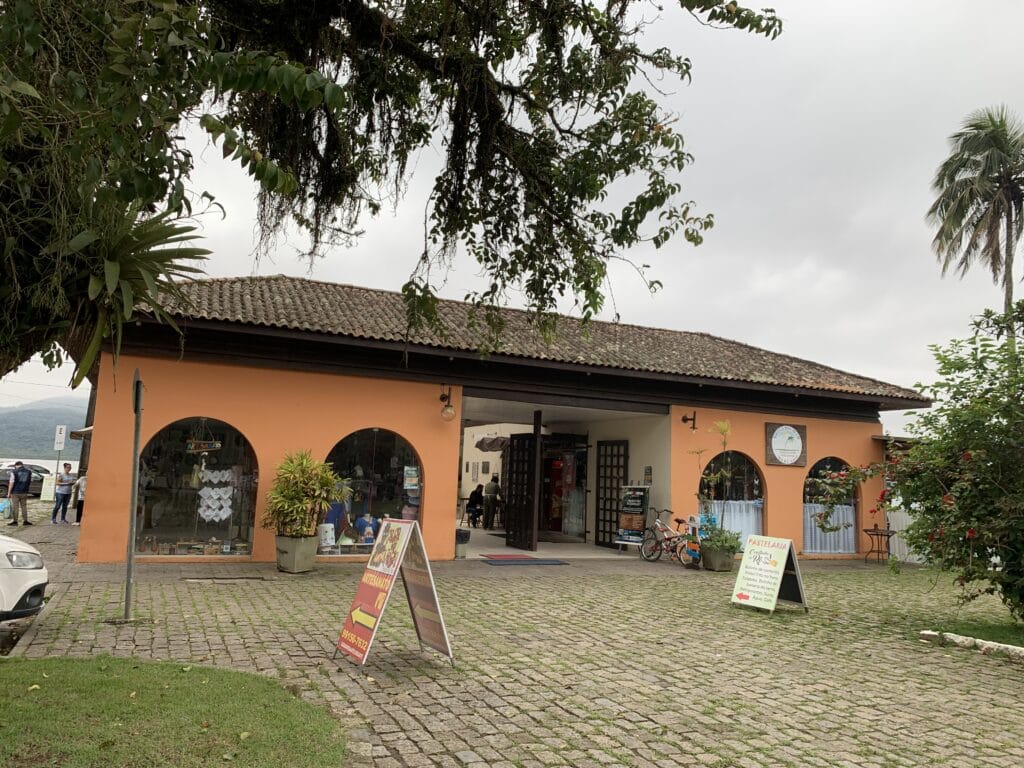 Mercado Municipal
Baía de Antonina
Cenário de Oriundi
A townhouse used as a filming location for the Brazilian film Oriundi, starring Anthony Quinn, and designated an artistic and historic landmark of Paraná.
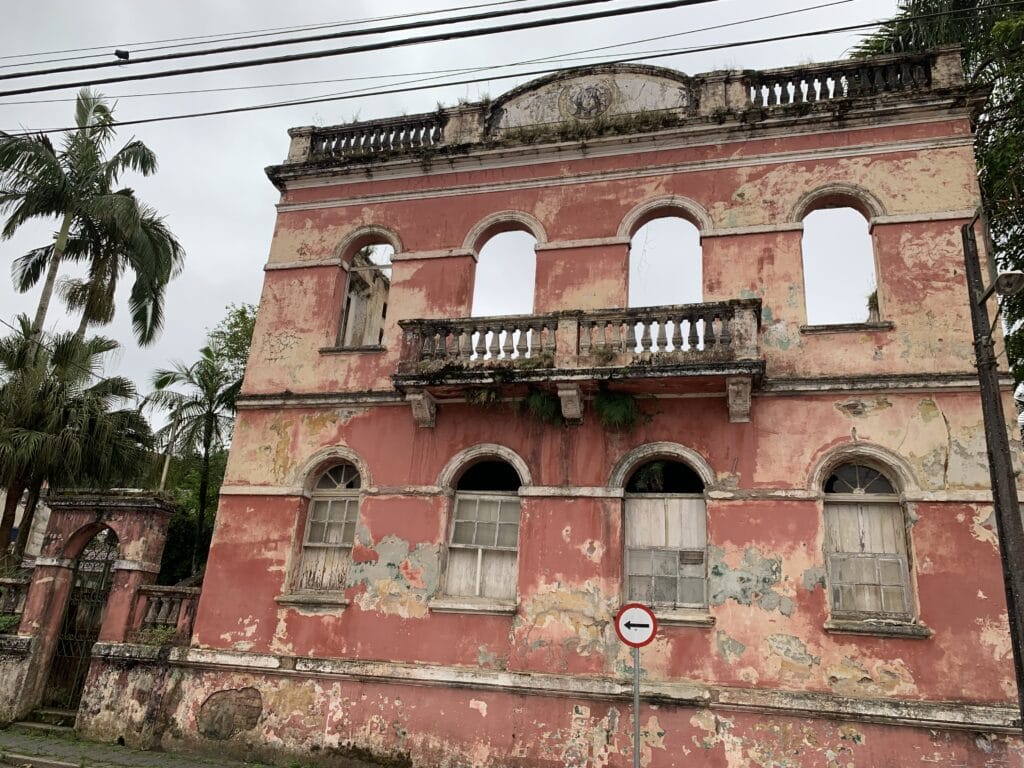 Cenário de Oriundi
Fonte de Água Carioca
Built in 1867 and closed in the 1960s once the town got proper sanitation infrastructure.
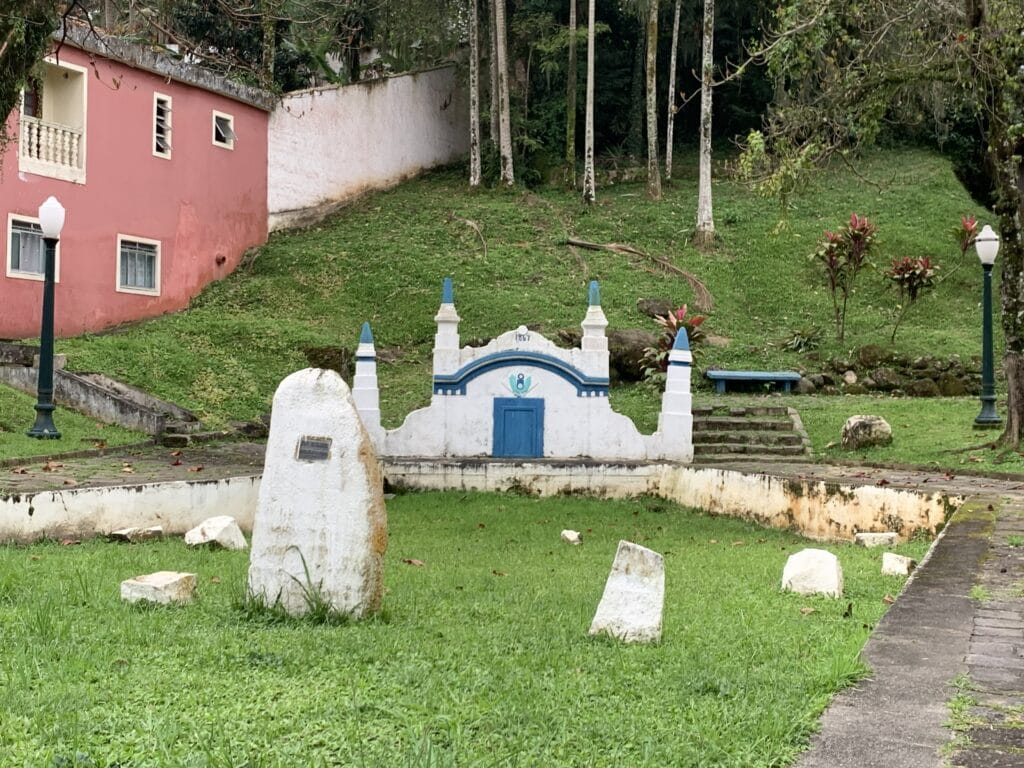 Fonte de Água Carioca
Praça Coronel Macedo
Antonina’s central square has a few monuments around it, a bandstand, and a fountain. Beyond the square itself, it sits next to the main church and a beautiful cluster of old houses, though nothing that stands out too much.
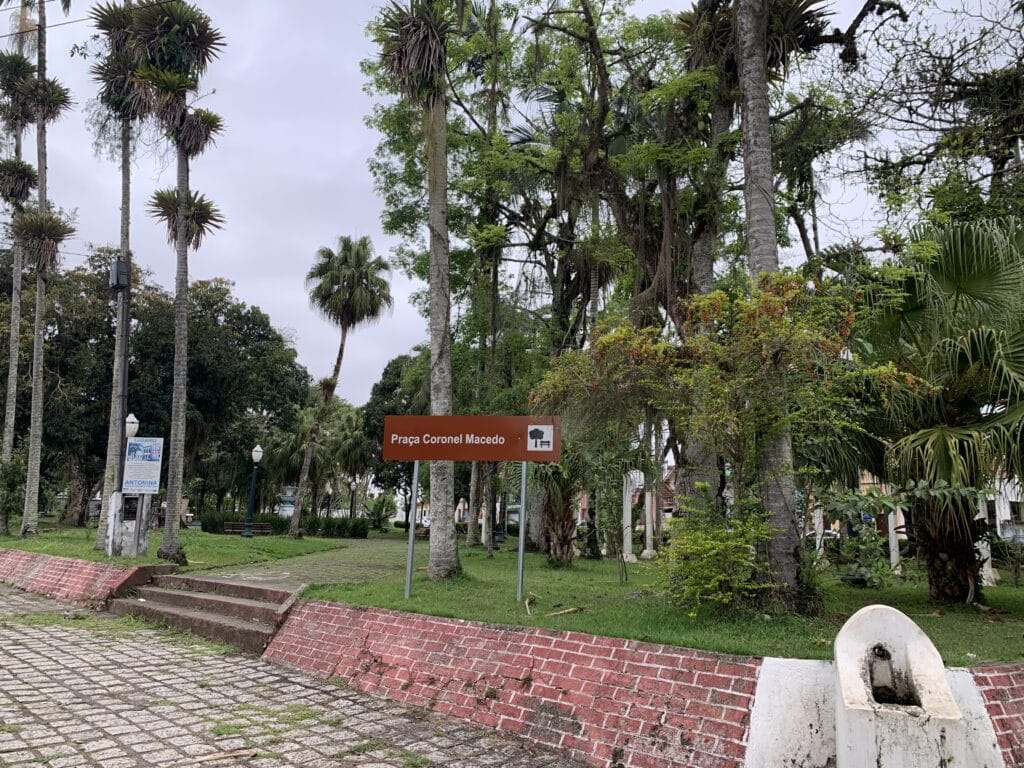 Praça Coronel Macedo
Armazém Macedo
Designated a landmark by IPHAN in 2012, Armazém Macedo carries 300 years of history as a rare example of mid-19th-century industrial architecture, representing the golden era of industrialization and port activity in the state.
The seaside townhouse was split into two parts, one used to store yerba mate, the region’s main economic activity at the time, and the other as living quarters for the Macedo family.
The space looks beautiful, with a glass reconstruction, light fixtures, and other lighting sources, though it was closed when we visited.
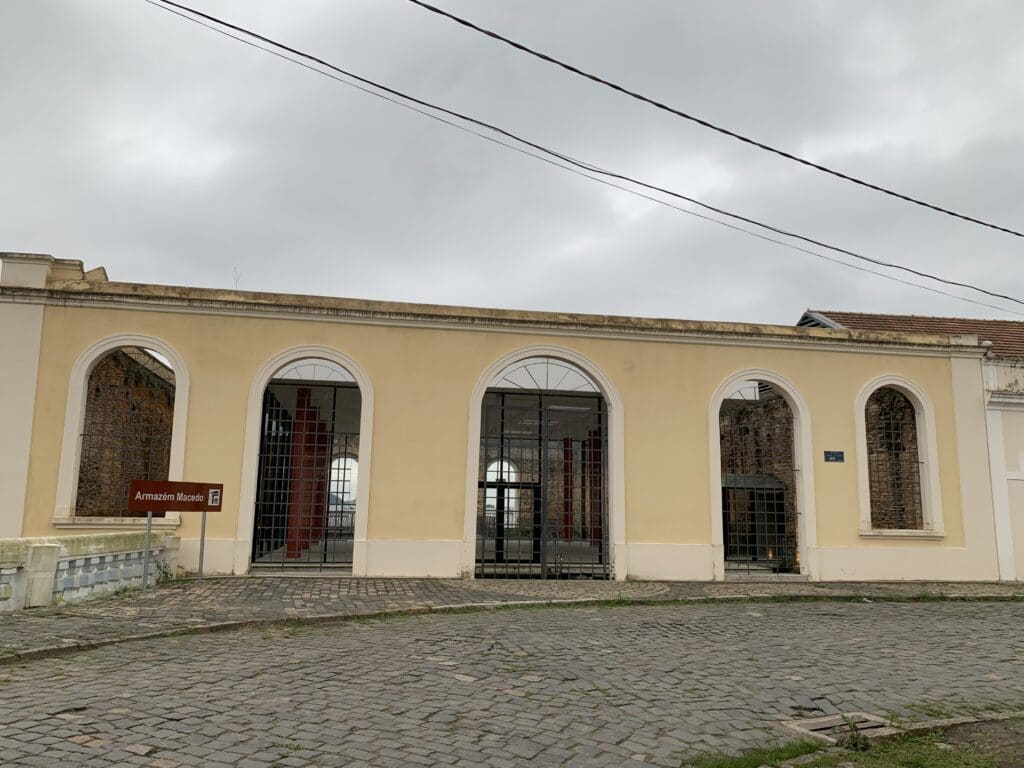 Armazém Macedo
Visiting the Banana Candy Factory in Antonina
We visited the Bananina banana candy factory in Antonina, and we loved it. The whole town sells banana candy, since it’s a regional specialty.
Bala Bananina
History
Partners Zung Sui Shen, Luiz Chemin, and Antonio Olmir Mendes, known as Miro, founded the factory in 1973.
Born in Encantado, RS, Seu Miro moved from Lages, SC, and then to Curitiba in 1969, along with his wife and three daughters. In 1972, he came to Antonina to haul a tractor for a canned-palm-heart factory, and shortly after, he was invited to work as the factory’s driver.
By the end of 1973, he’d become a business partner, and from there built up his fortune, first with palm hearts, and later with the banana candy factory.
Seu Miro passed away at the end of 1995, and today his daughter Maristela runs the business.
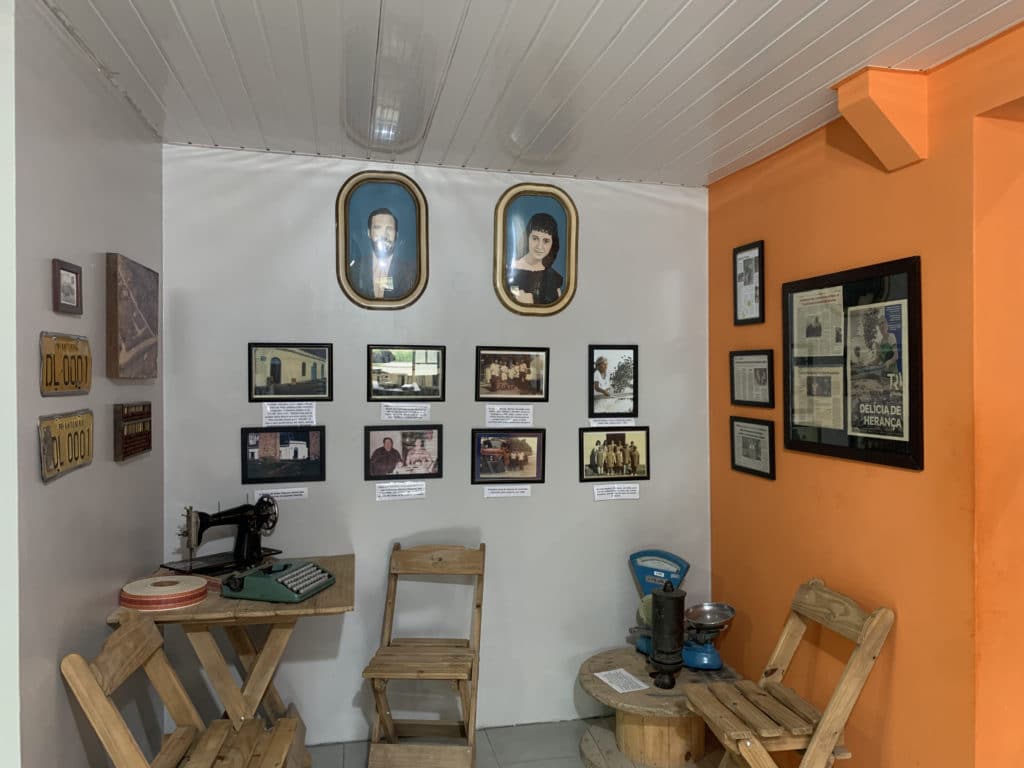 Family photos
Today
The factory sells not just every kind of banana candy, in different flavors, but also chocolates and other handmade products, and cachaça from the region. Because of the pandemic, tours weren’t running, but you get a good sense of it through the photos on the factory walls. Without question, it’s worth a visit, since it’s part of the local tourism scene.
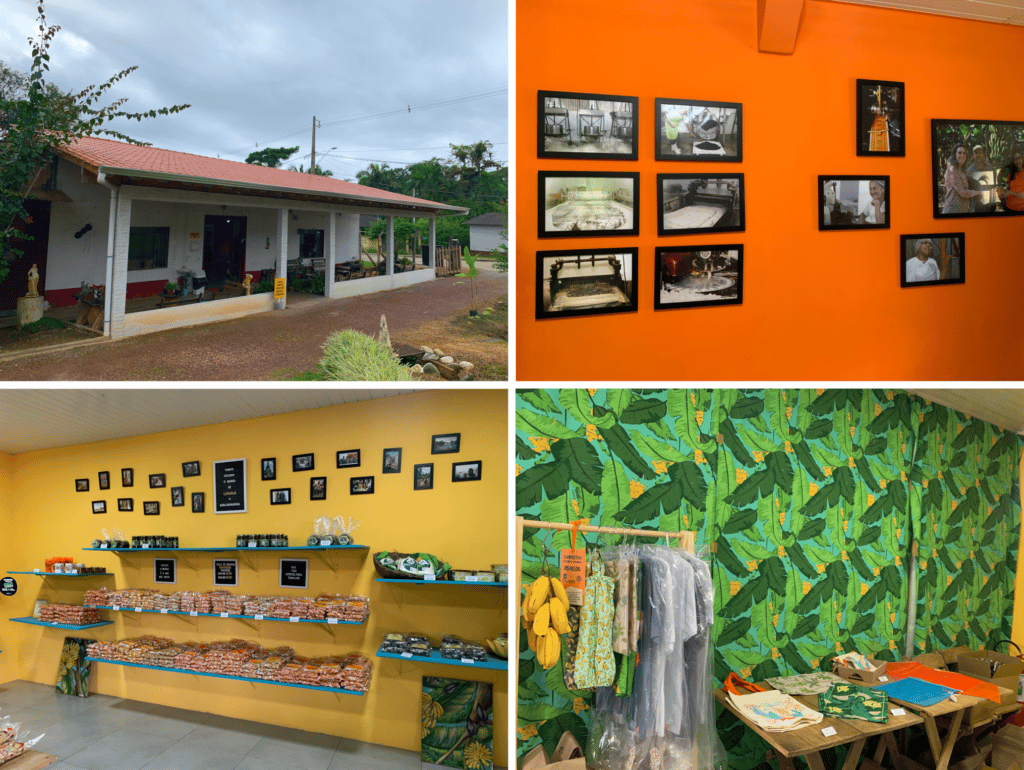 Bala Bananina shop
Where to Eat in Antonina
As we’ve already written about in Morretes and in Paranaguá, the region’s signature dish is Barreado, so of course we had to order it, since the very first time we tried it, we fell in love.
Caçarola do Joca
Since 1981, Joca, a São Paulo native who moved to Antonina, has run this restaurant known for great seafood. He’s since passed away, and today his two daughters run the business.
At the entrance, a parrot named Girico greets guests, a hit with kids. The walls are covered with every kind of decoration you can imagine, mostly keepsakes given by the restaurant’s regulars.
Since there were five of us, we ordered two dishes, both delicious. The house special came with grilled pescada, which was really good, though you could also choose flounder or robalo. Breaded shrimp, oyster stew, mixed salad, and white rice rounded out the dish (R$162.00). We also ordered mayonnaise, for an extra R$12.90.
On top of that, we ordered a Barreado, with cassava flour, banana, and white rice (R$110.00). Every dish came out generously portioned.
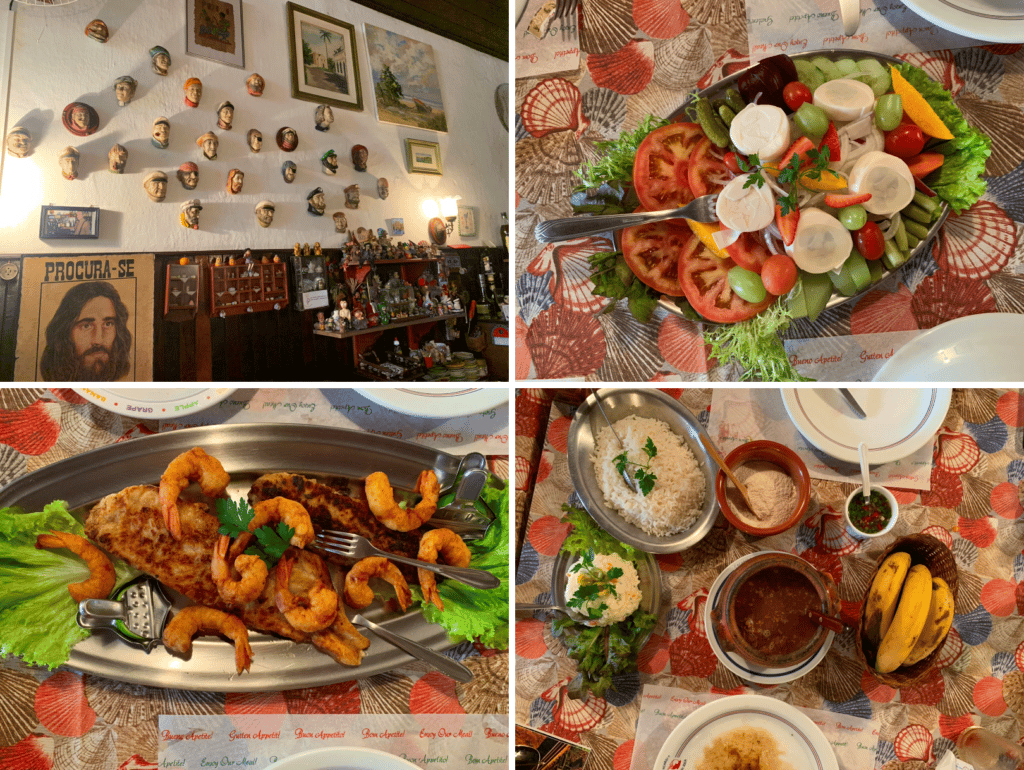 Caçarola do Joca
Read more about our trip in Ekôa Park.
Read the original version in Portuguese on A Bela e o Bigode.