São Bento do Sapucaí: The Complete Guide
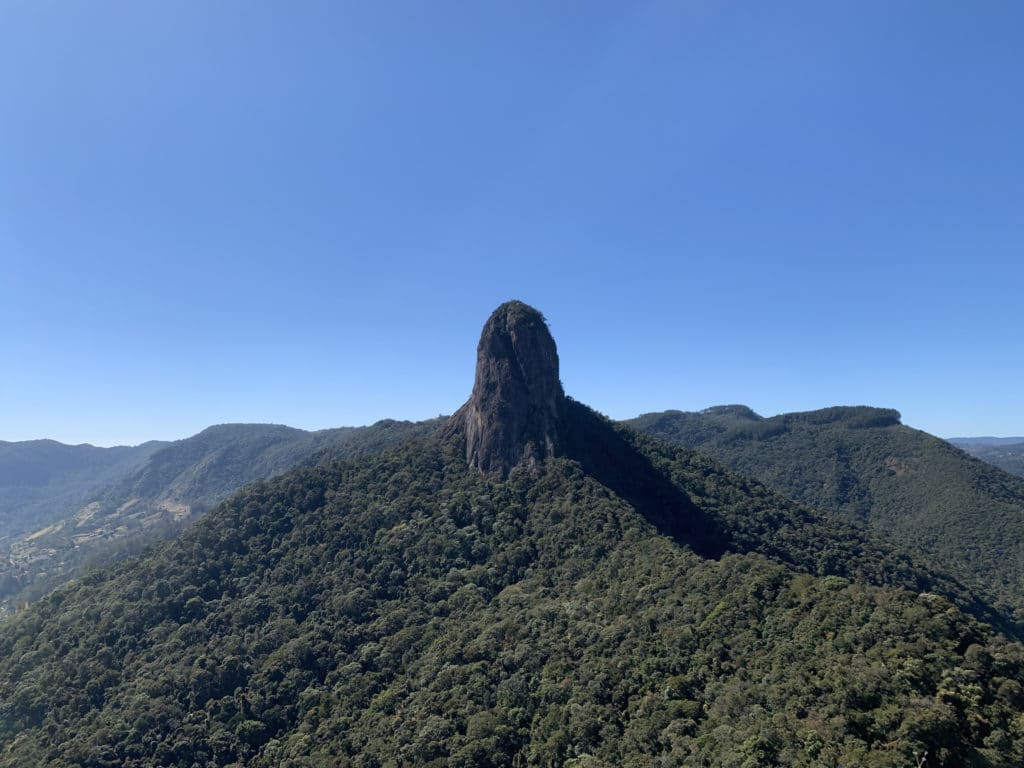
São Bento do Sapucaí is a tourist destination in São Paulo state, 190 km from the capital. Located in the Serra da Mantiqueira mountains, the town is covered in native forest and araucaria pines, sits right on the border with Minas Gerais state, and is close to the popular town of Campos do Jordão (in Portuguese, on the original blog).
Its attractions include not just Pedra do Baú, a rock formation at 1,950 meters of altitude and the region’s main postcard image, but also the Bauzinho and Ana Chata peaks.
Waterfalls and restaurants, along with charming artisan shops, are already reason enough for couples to visit and enjoy the cool mountain air together.
And like many towns across the Serra da Mantiqueira, new attractions keep popping up in the mountains — vineyards and olive oil producers — which have become increasingly popular with visitors.
We usually spend our weekends in town either racing or just exploring, and we love the region. In fact, we’ve raced the Indomit Pedra do Baú here and always take the chance to explore the town and surrounding area.
- A bit more about the town
- Best time of year to visit
- Getting to São Bento do Sapucaí
- Attractions in São Bento do Sapucaí
A bit more about the town of São Bento do Sapucaí
The town has about 10,000 residents, who enjoy a mild, pleasant winter climate — cool at night, but dry and sunny during the day. Early mornings often bring a low fog over the town.
The town’s history begins with the bandeirantes (colonial-era explorers), who traveled up the Sapucaí River from the town of Taubaté and began settling the Sapucaí Valley region, developing agriculture, trade, and cattle ranching.
To this day, agriculture and ranching remain the backbone of the local economy, with the town ranking second in the state for banana production. As mentioned, vineyards and olive groves are increasingly popular, further diversifying São Bento do Sapucaí’s economy.
Local folklore and Carnival traditions run deep, with a tradition dating back to 1940 built around a family of giant puppets that take over the town’s streets during Carnival.
Bloco do Zé Pereira
Introduced by João Cortez, who brought a Portuguese tradition to São Bento — one already established in northeastern Brazil since the late 19th century — the famous giant puppets were created to honor important local figures.
This tradition continues strong today, with the Bloco do Zé Pereira parade and its giant puppets.
The name “Zé Pereira” honors the founder of São Bento do Sapucaí, Lieutenant José Pereira Alves, and a matching puppet named “Maria Pereira” was created alongside him. João Cortez’s puppet designs and costumes have evolved over the years.
The town is full of culture, history, and tradition, offering all kinds of activities for every type of visitor.
One more fun fact: every town sign in São Bento is shaped like the Pedra do Baú rock formation.
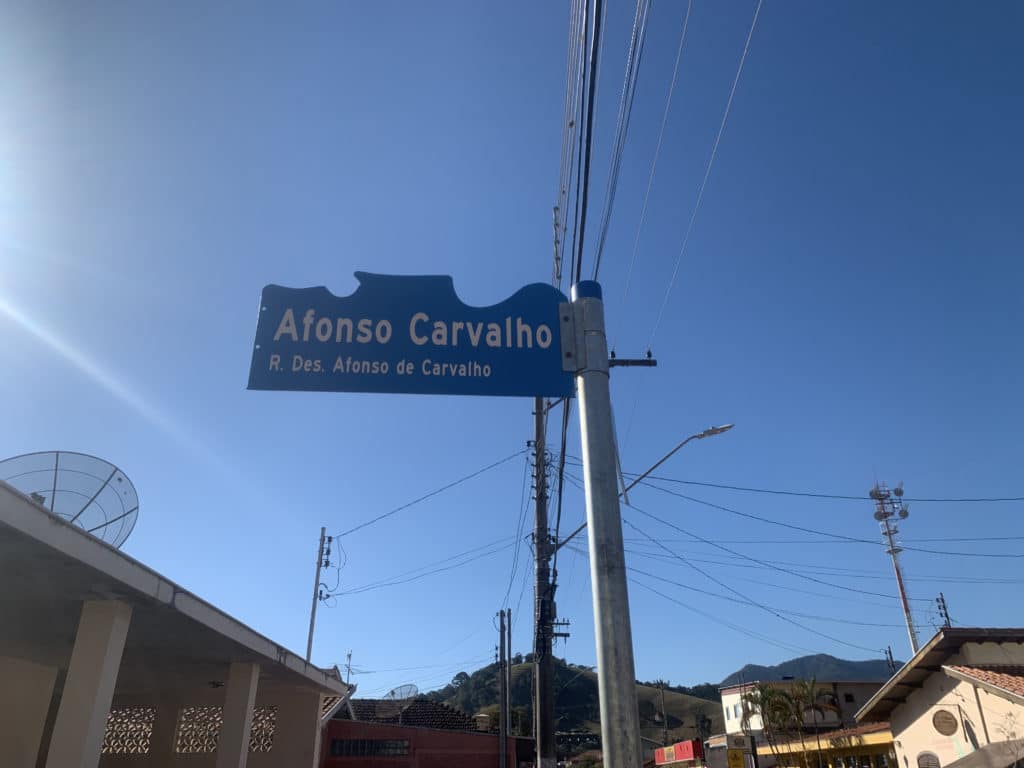
Getting to São Bento do Sapucaí from São Paulo
From São Paulo: take the Ayrton Senna highway and its continuation, Carvalho Pinto (both SP-070), for about 3 hours without stops. Then take BR-383, SP-046, and Rodovia Vereador Júlio da Silva into São Bento do Sapucaí. Google Maps route
Where to stay in São Bento do Sapucaí
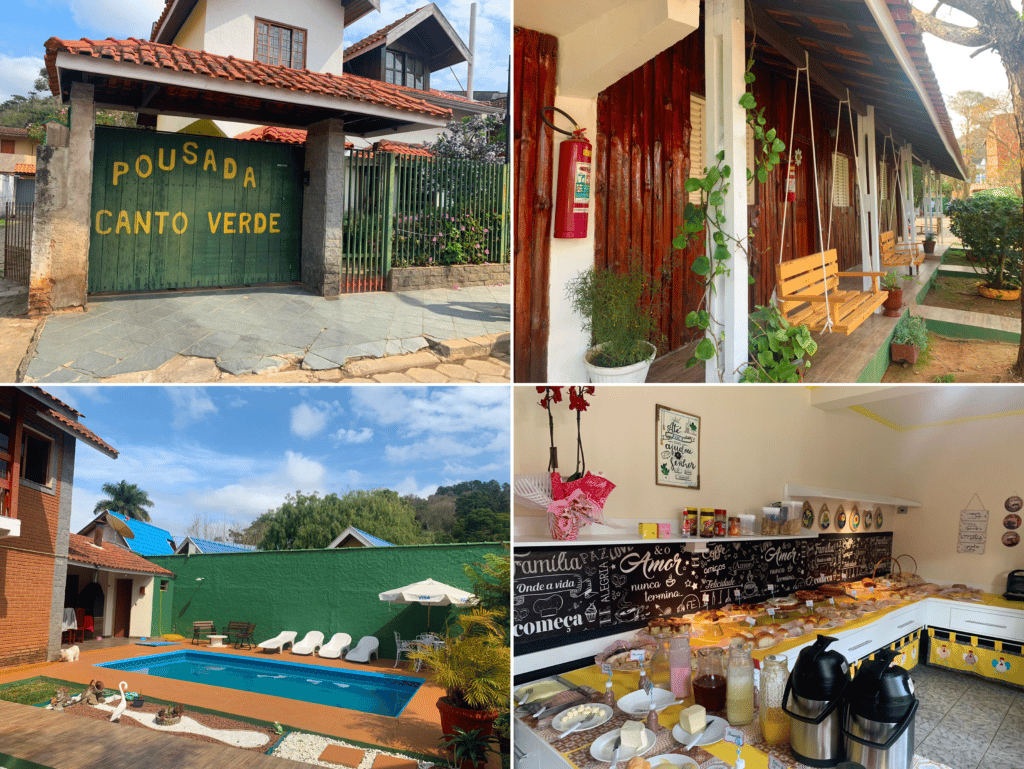
Pousada Canto Verde is excellent — spacious rooms, close to downtown, a great breakfast with plenty of cakes and breads, and right near the race starting line, making it a great choice whether you’re there for an event or just want a well-located hotel downtown.
The owner and her family, who run the place, are incredibly warm and helpful — this is always our first choice in town.
Best time of year to visit São Bento do Sapucaí
São Bento do Sapucaí is a great destination year-round. If you can avoid school breaks and long holiday weekends, it’s usually better, since the town gets crowded.
For 30 days before Carnival, the Bloco do Zé Pereira parade takes place, with the giant puppets appearing at night.
To make the most of the trails, plan for fall and winter, from May through September — considered mountain hiking season, since there’s little risk of rain.
Summer is a good time to visit for the waterfalls, though watch out for flash floods. The Entrevilas fruit farm (Frutotopia) is also only open during summer, fruit season.
What to do in São Bento do Sapucaí
Having visited many times now, we’ve seen a lot of the town, but there’s always something new to discover.
- Pedra do Baú complex and its trails
- Vineyards in São Bento do Sapucaí
- Oliq (olive oil)
- Downtown
- Cervejaria Bauzeira (brewery)
- Waterfalls
- Quilombo neighborhood
- Ateliê de Tecidos Nakawe
- Mirante Belvedere Serrano
- Where to eat in São Bento do Sapucaí
- Other tips
1. Pedra do Baú complex and its trails
Pedra do Baú is a geological landmark and State Natural Monument (MoNa), located within an Environmental Protection Area, the APA Sapucaí-Mirim. It’s the region’s main postcard image and, without question, the most sought-after spot for visitors.
It’s a rock complex made up not just of Pedra do Baú but also the Ana Chata and Bauzinho formations, with Pedra do Baú’s summit at 1,950 meters being the highest point. They’re tall enough to be visible from all over São Bento do Sapucaí, and even from Campos do Jordão.
If you love adventure and nature, São Bento has plenty to offer — ecological trails, rock climbing, rappelling, and paragliding jumps.
This is, without a doubt, a must-visit stop when you’re in town.
One important thing to know: all the trails are well marked, so there’s no real risk of getting lost.
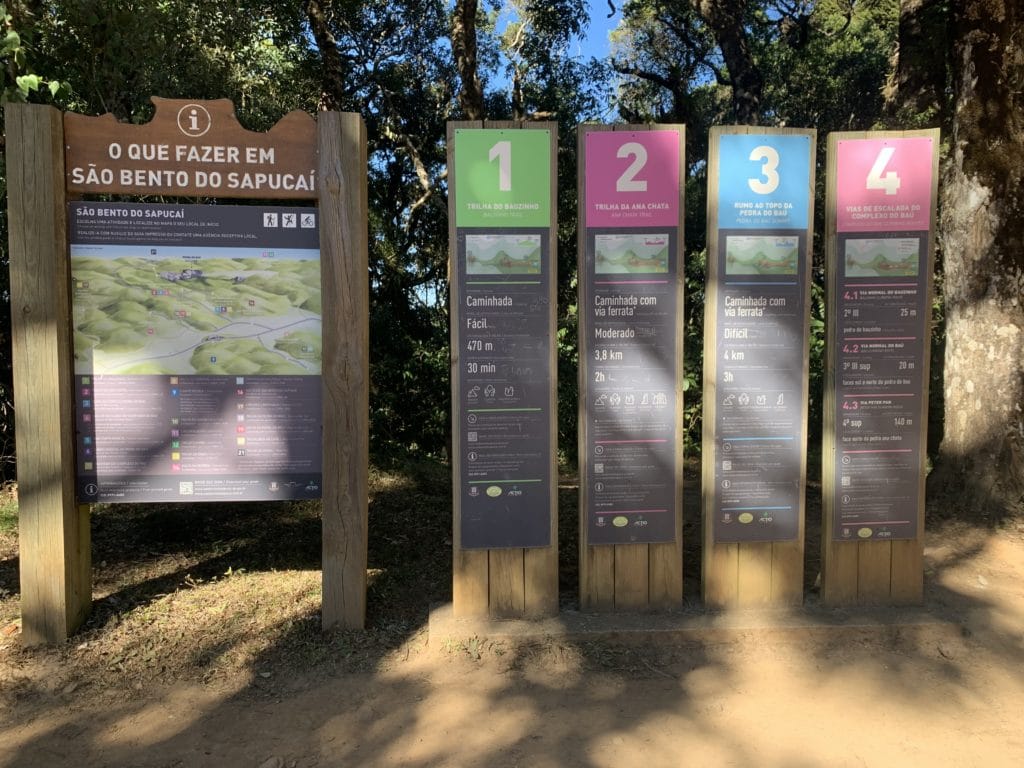
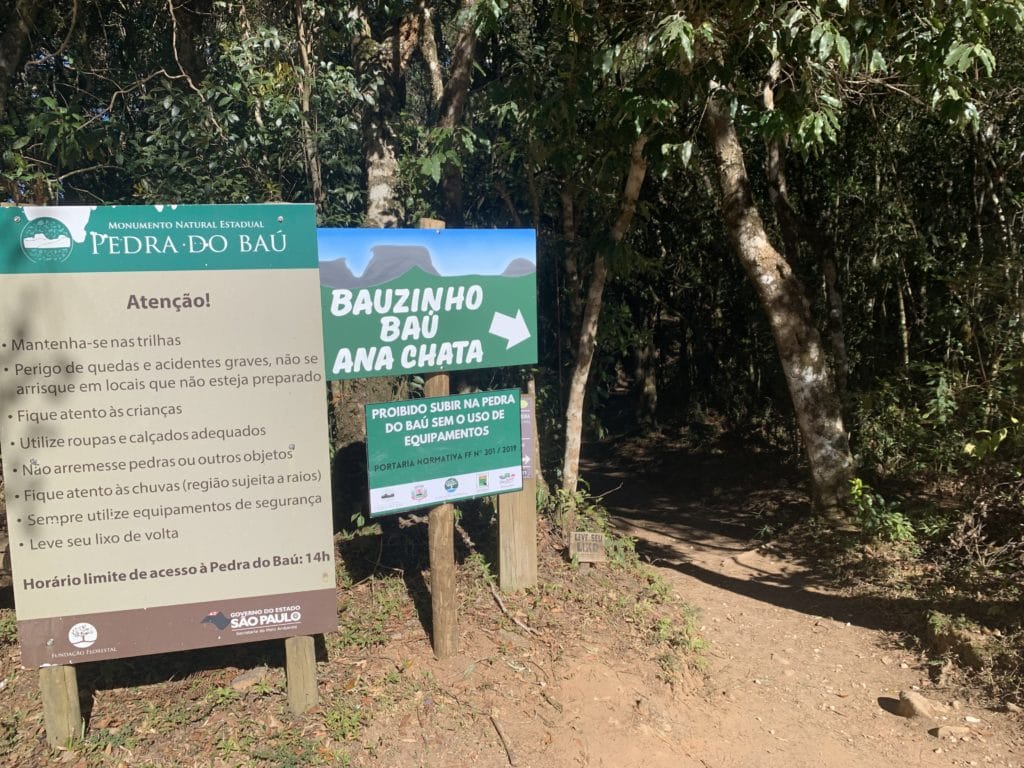
Baú Via Ferrata Trail (North Face)
- Easy trail up to the rock, but you’ll need proper equipment for the actual climb!
- 1.7 km to reach the rock.
- We recommend booking through a licensed company with equipment and a guide — this is now required by the town.
- Companies require advance scheduling.
- Minimum age: 14.
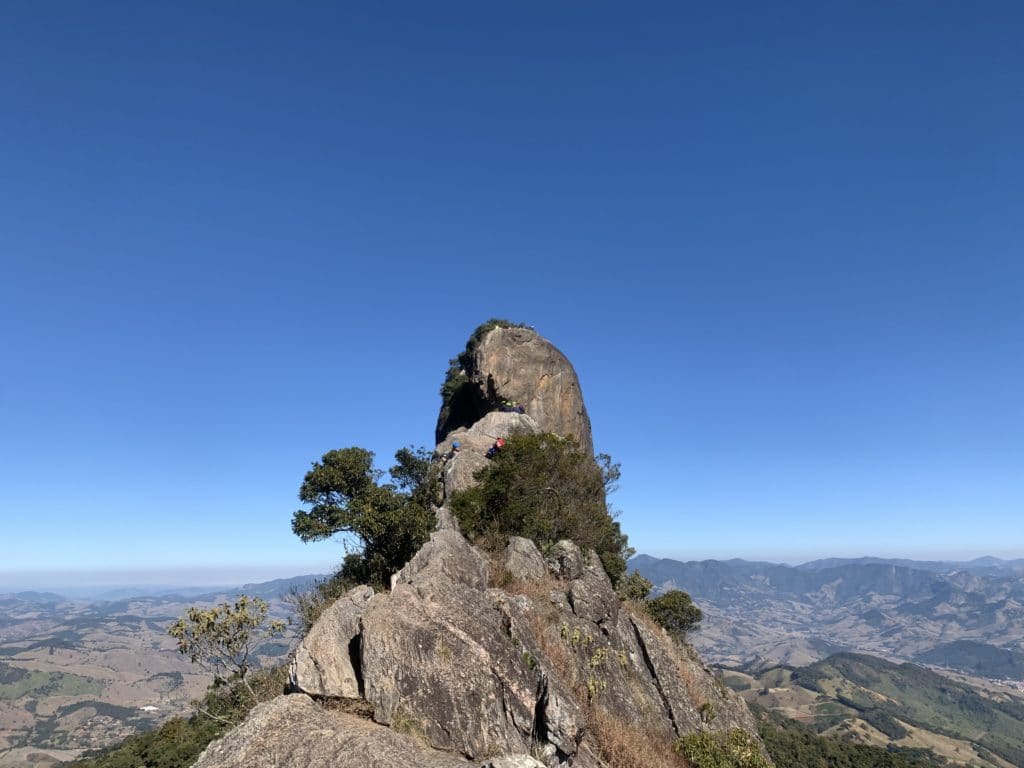
From the base, which takes about one to one-and-a-half hours to reach, you climb 600 steps bolted directly into the rock to make the ascent easier. It takes roughly the same amount of time to reach the summit, though we haven’t done that part yet ourselves.
Ana Chata Trail
This trail is 3.8 km long, moderate difficulty, and takes about 2 hours, leading up to 1,770 meters of altitude.
The trail can be started from two different points — either the Pedra do Baú State Natural Monument (MoNa) parking lot or the Chico Bento parking lot. We started from the MoNa lot, where entry costs R$16 per person.
To hike this trail, you need to book in advance through this link, since only 100 people are allowed per day for environmental protection.
It’s easier than the climb to Pedra do Baú itself, but it does include stairs and exposed sections protected by iron railings, plus a stretch where you pass underneath the rock, which feels like walking through a cave.
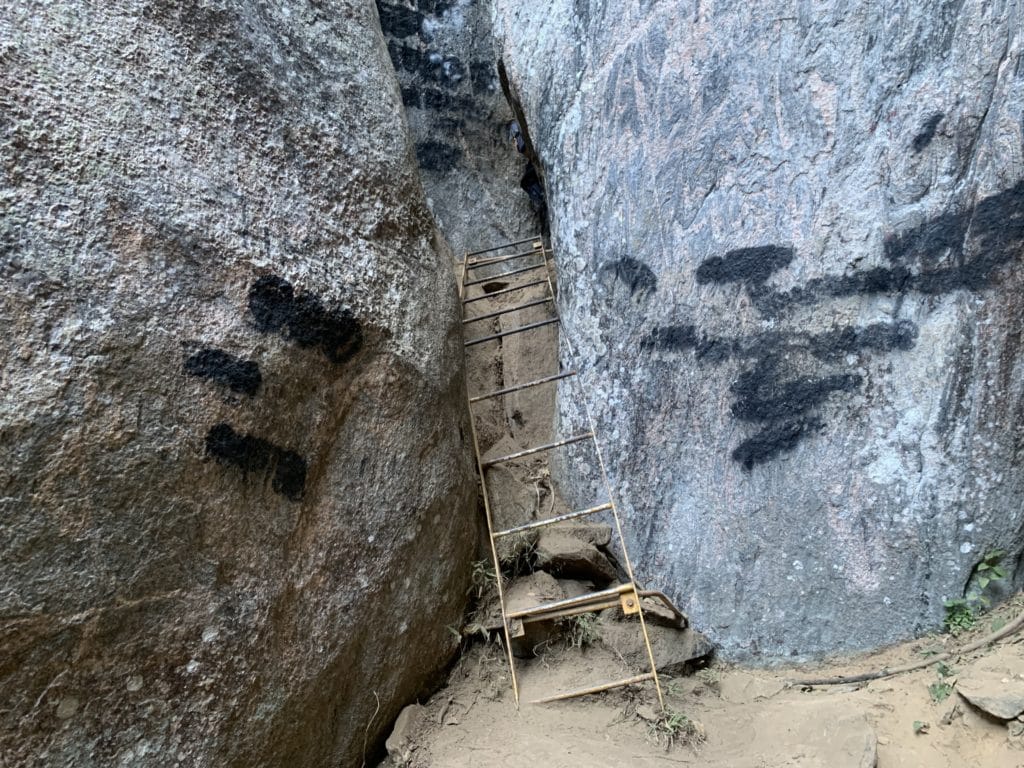
The view of the rock from the western side is also stunning.
Pedra do Bauzinho Trail
A 470-meter, easy trail, taking about 30 minutes. It offers views of Pedra do Baú to the east, beyond the town of São Bento do Sapucaí.
You can start this trail from either parking lot, but the Pedra do Baú Natural Monument lot also gives access to paragliding launches and rock climbing (with equipment).
2. Vineyards in São Bento do Sapucaí
The Mantiqueira range is just starting to grow grapes, and we visited two vineyards in the area, though at least five now exist. Four are up and running, and one is still under construction.
All of them are hard to book, so we’d recommend reserving well in advance if you want to visit several — we only managed two ourselves, and we’re saving the rest for a future trip, but we’ll leave the tips here anyway.
One more thing worth noting: of these, Entre Vilas is currently the only one offering lodging, so for the others you’d need to stay in Campos do Jordão or São Bento do Sapucaí itself.
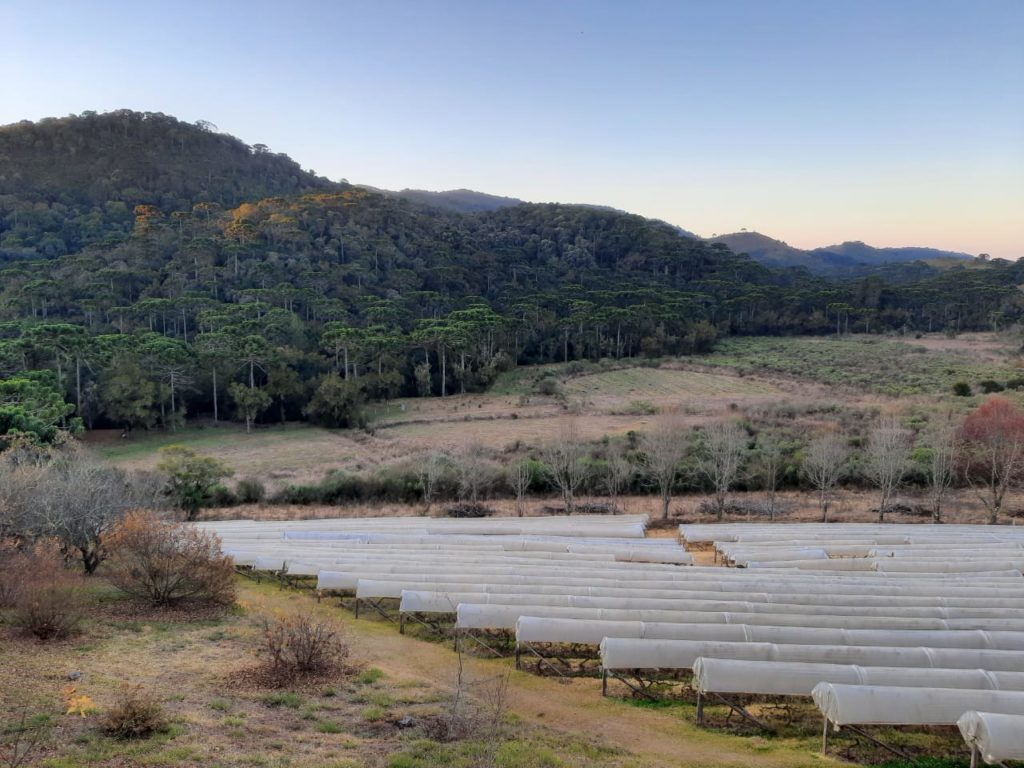
These vineyards use a double inverted pruning technique, harvesting grapes in winter — a method spreading across the whole Serra da Mantiqueira, including at Guaspari, in Espírito Santo do Pinhal (in Portuguese, on the original blog).
Vinícola Raízes do Baú
This vineyard sits at Fazenda Portal da Luz (website), where the vineyard itself sits at 1,250 meters of altitude, directly facing Pedra do Baú — making for an absolutely stunning view over the vines!
Operating since 2009, it’s about a forty-minute drive from town on a dirt road.
Here, we did the tour with tasting, and booking online was quick and easy.
The tour itself is really enjoyable — it starts with a casual chat before heading out into the vineyard. You’ll hear all kinds of stories, like the history of the farm and how they managed to grow grapes in the Mantiqueira at all by adjusting the fruiting season through pruning techniques, among other details.
We visited in winter, so most of the vines were bare, but we loved it anyway.
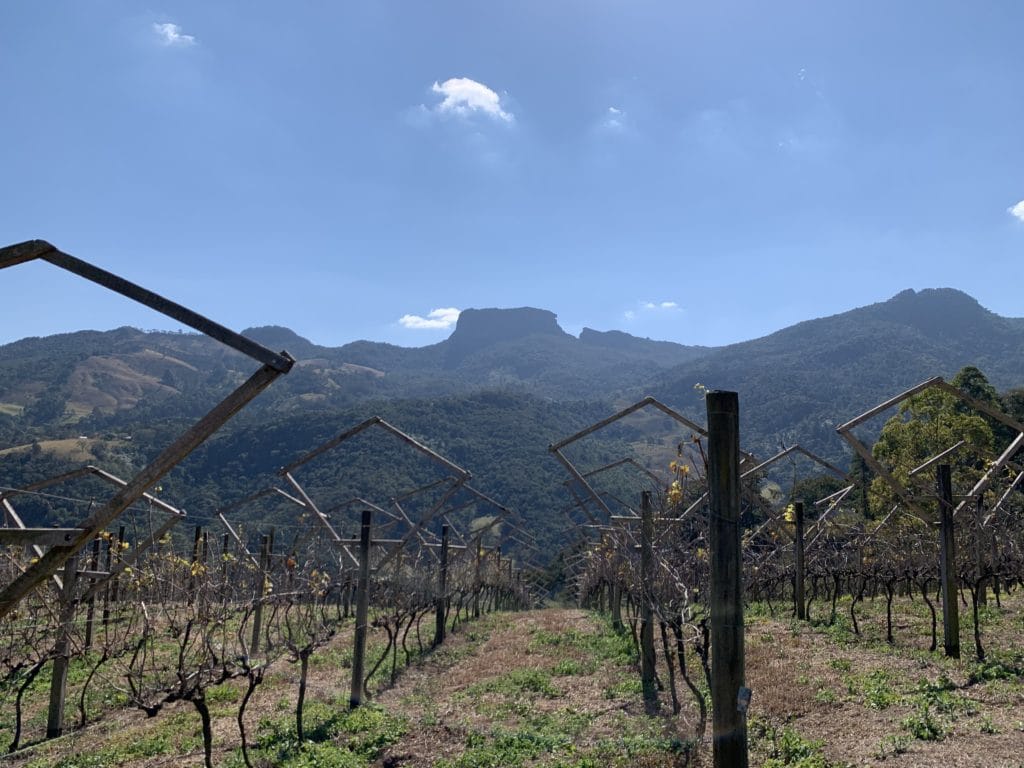
A small section of the vines still had fruit and green leaves, making for an even prettier view. For the fullest, most colorful vineyard views, though, plan a visit during summer, from December through March.
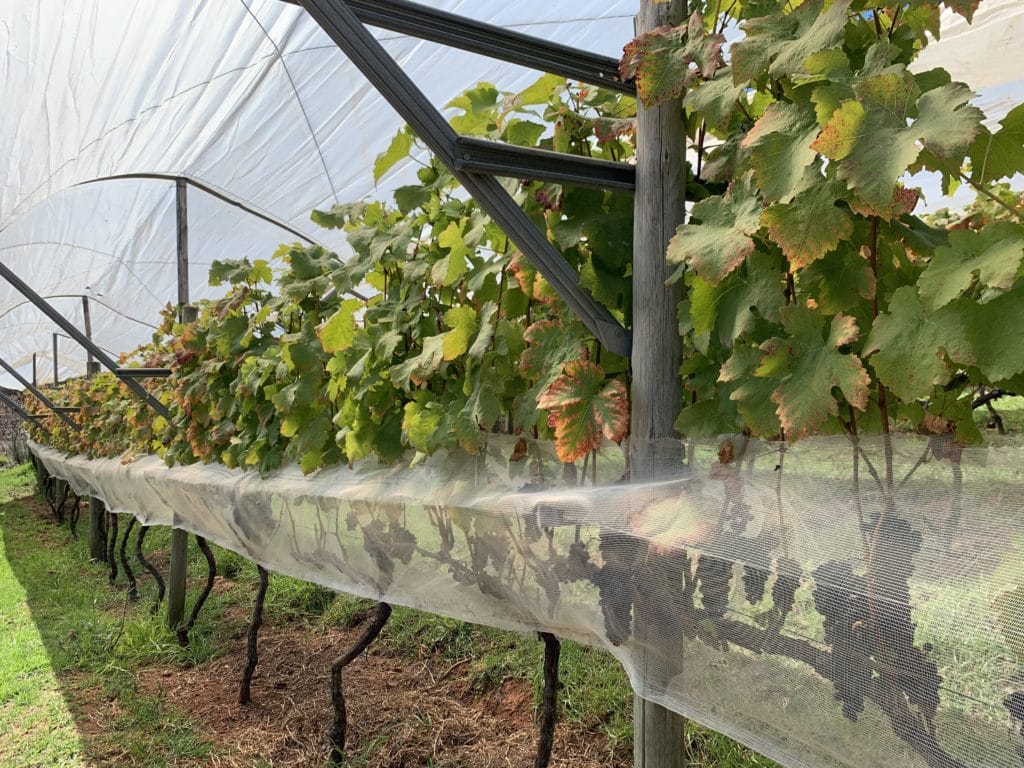
The tasting takes place at the main house, paired with Queijo do Baú cheese and spices made right on the farm — the whole setting is incredibly pleasant, with a gorgeous view, so we’d definitely recommend adding it to your itinerary!
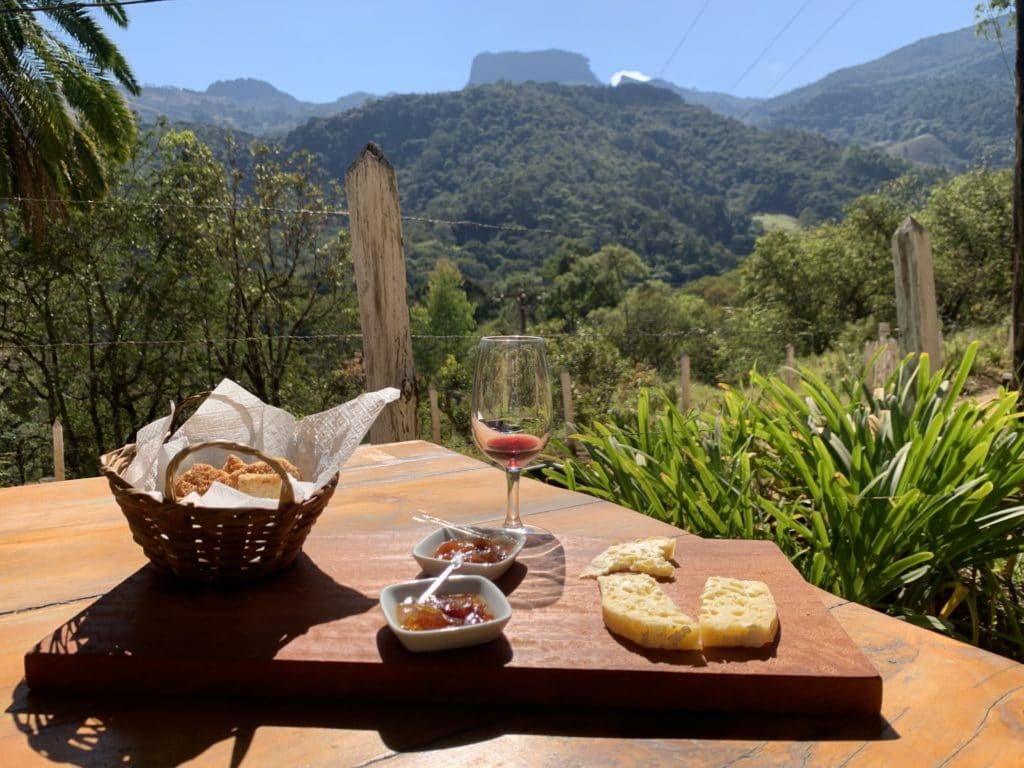
Price: R$80 per person for the visit with tasting. Location: Estrada Municipal José Theotônio Silva.
Vinícola e Restaurante Entre Vilas
Restaurante Entre Vilas (website) is located about 1 hour from São Bento do Sapucaí and around 50 minutes from Campos do Jordão, on a dirt road.
The moment you arrive, though, this restaurant will win you over — the setting, the service, the wine, and the incredible food.
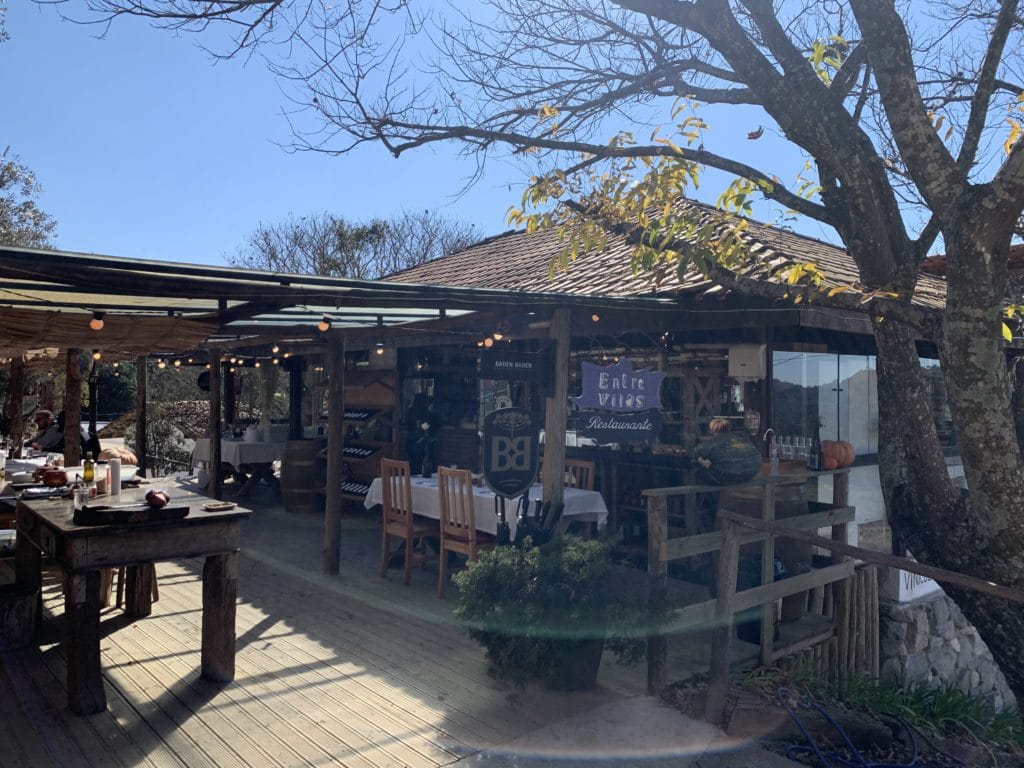
The Entre Vilas artisanal wines have been produced since 2008, at 1,600 meters above sea level, and are genuinely excellent quality.
The owner, Rodrigo, is an incredibly friendly host. Everything served at the restaurant is organic, following a slow food philosophy — so come with time to spare and really enjoy it.
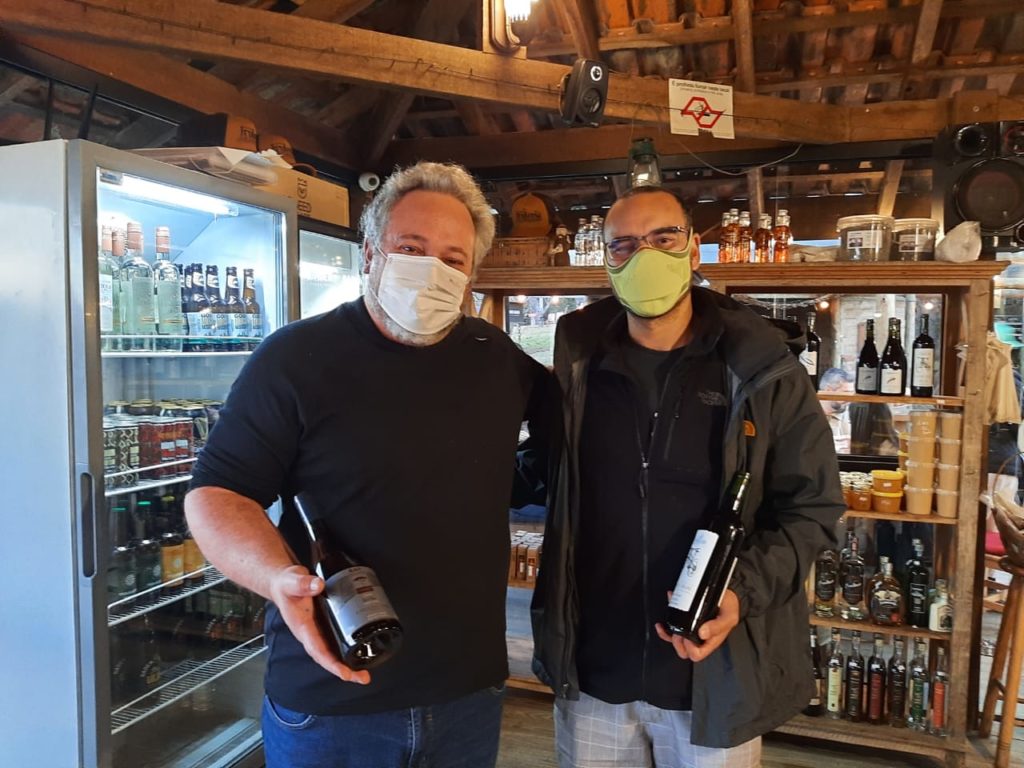
You can choose between 7 and 12 courses, prepared gradually throughout your visit, and pair them with a good house wine, ordered separately.
We tried the 7-course menu, and every dish was delicious — a vegetarian option is also available.
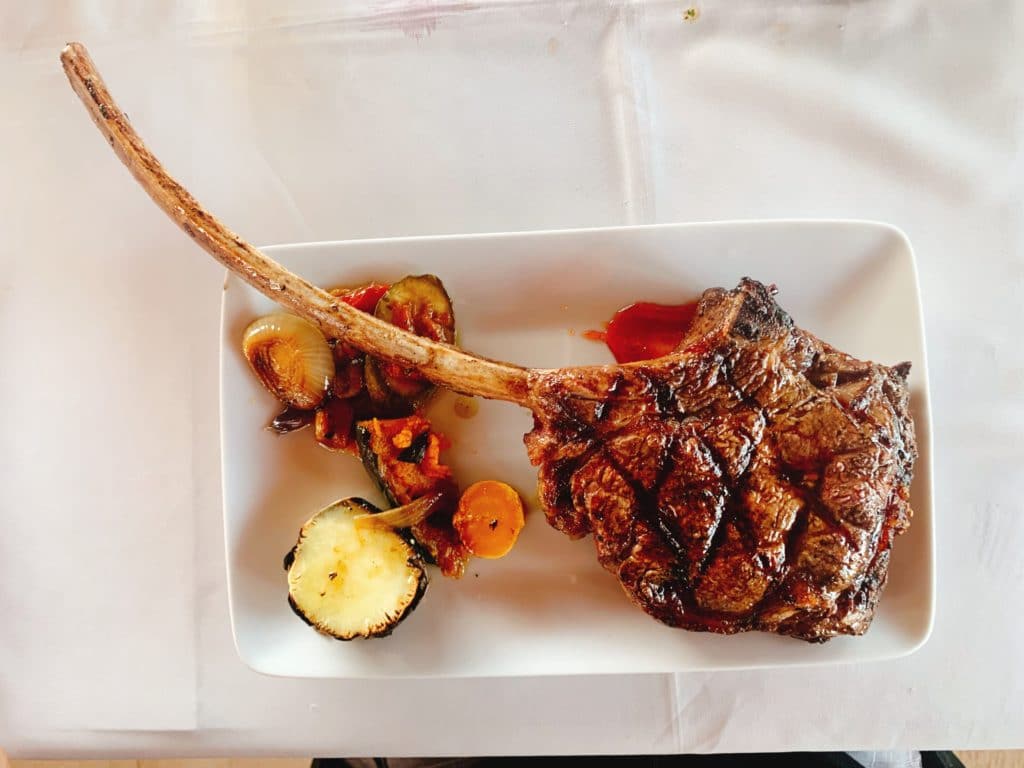
There’s no vineyard tour or wine tasting here, but in summer, the Frutotopia berry farm opens up, which is a great addition to the visit.
The whole place is incredibly pleasant, and we’d say it’s a must for your list!
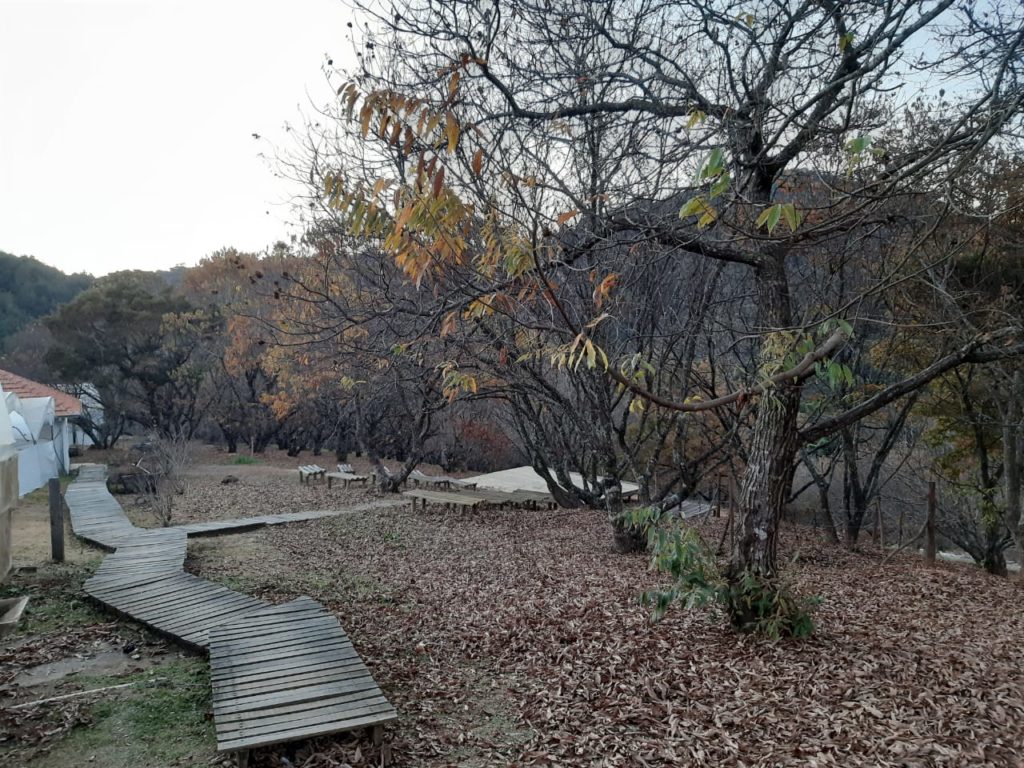
Price: R$240 per person for lunch, drinks not included. Location: Estrada Major Pereira, Km 5.5, Bairro Campo do Serrano.
Vinícola Villa Santa Maria
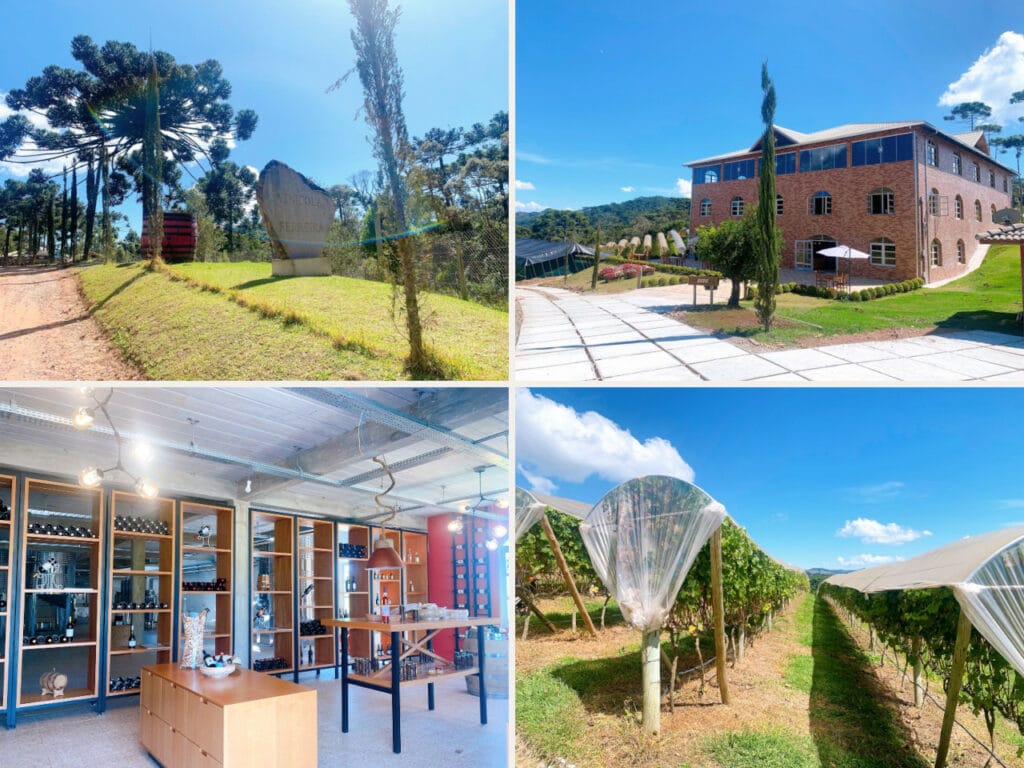
Planting began in 2004, but the vineyard only opened to the public in 2018 — and it’s grown a lot since then. Today, with 60,000 vines planted, it offers both tastings and an excellent space for lunch.
They use the inverted/double pruning technique, harvesting grapes during Brazil’s winter. They grow seven grape varieties — three white: sauvignon blanc, chardonnay, and viognier; and four red: cabernet franc, cabernet sauvignon, syrah, and merlot.
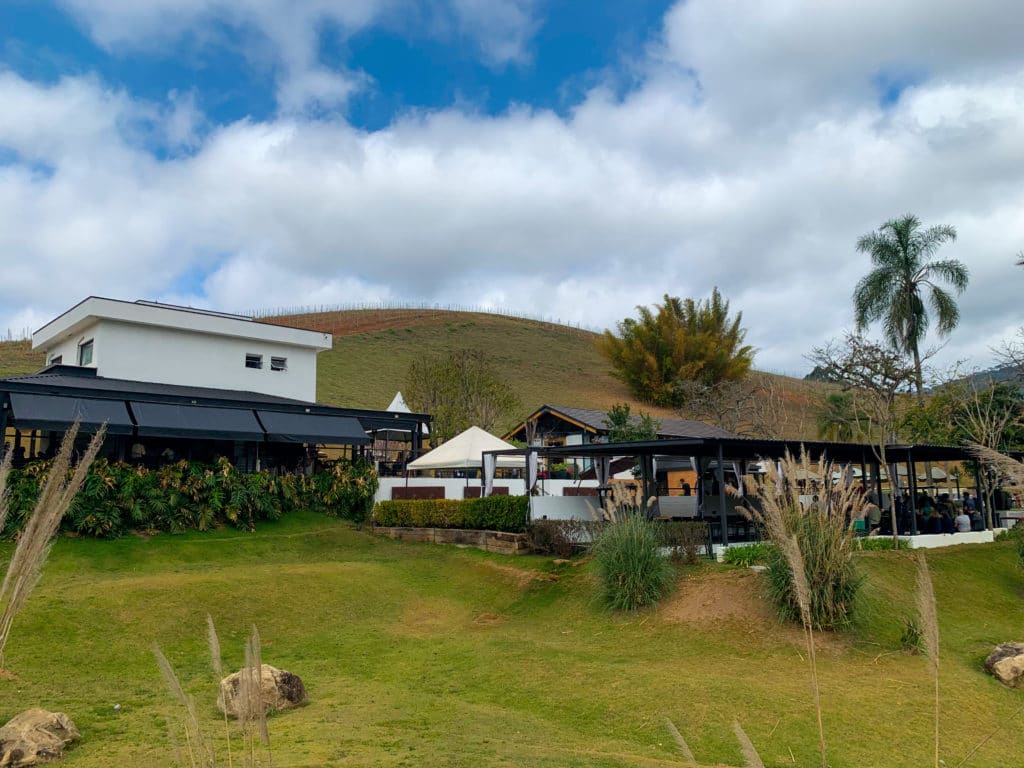
We booked an 11 AM slot for the visit and lunch — there’s also a lighter option with appetizers like bruschettas, but we chose to have the full lunch. You need to have your name at the front gate under your reservation, and you’ll get a stamped control slip that must be returned at the end.
The visit costs R$50 per person with tasting, or R$10 for just the visit without tasting.
The tasting starts at 11:20 AM, with five house wines: two whites, a rosé, a red, and a glass of mead. A winemaker from the farm — very friendly — walks you through the aromas, acidity, and tannins, along with the differences between each wine. It’s genuinely interesting.
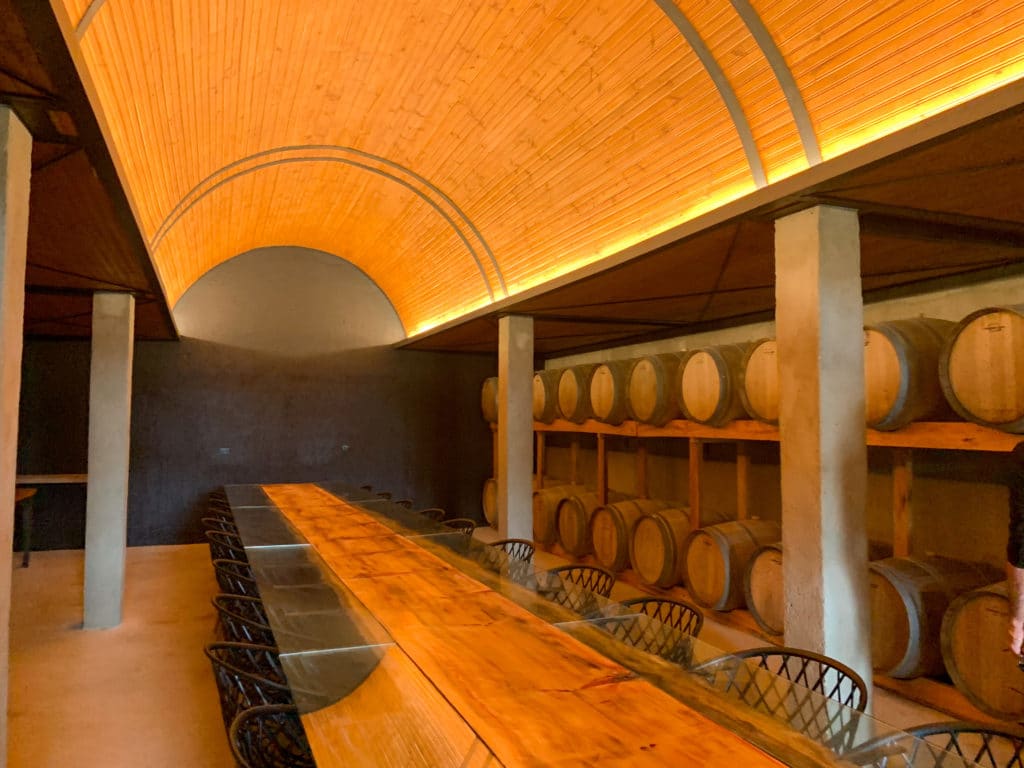
After that, the vineyard tour begins, walking through the vines and past a more intimate meeting space, available if you want to book something private at the vineyard.
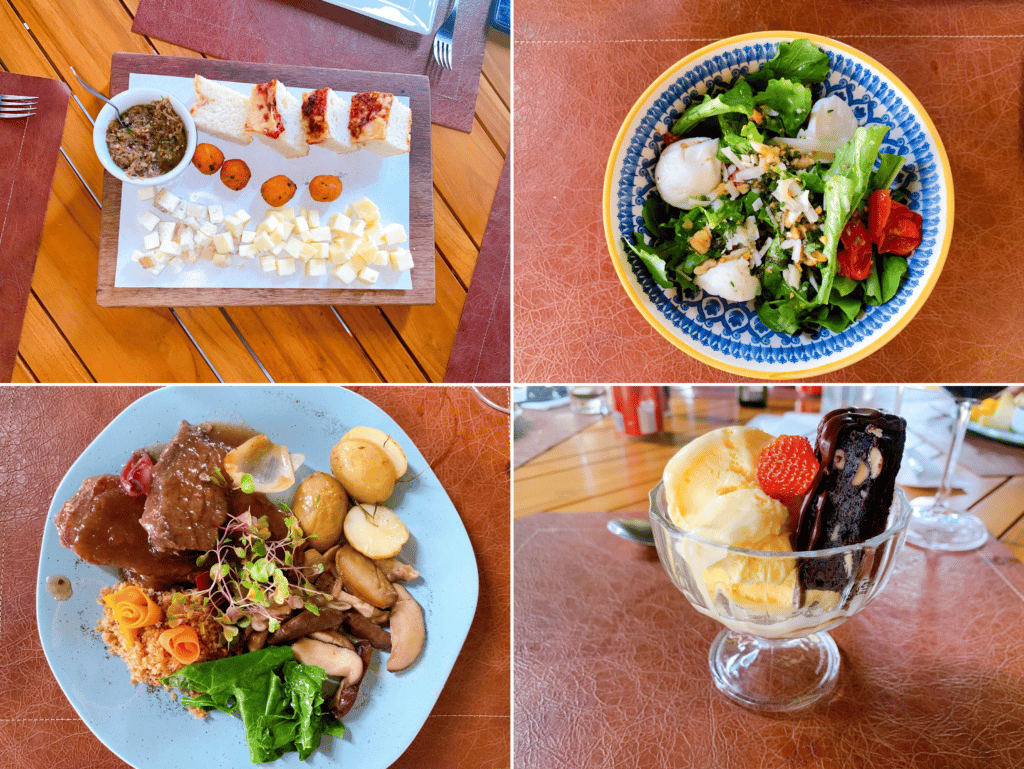
Lunch at Vinícola Villa Santa Maria
Lunch is a tasting menu with 1 choice of starter, a choice of 3 salads and 3 mains (no substitutions), and 2 dessert options. The menu costs R$160 per person, or R$200 with wine pairing (three glasses included).
We started with a starter platter of focaccia, cold cuts, sliced cheeses, and fish cakes — everything was excellent.
For salad, we ordered the Caprese (Serrana and creamy options were also available, though the salad has to match your main course choice) — we loved it, and the pesto sauce was delicious, paired with a glass of 2019 Sauvignon Blanc.
For our main, we ordered braised maminha (rump cap) in wine sauce, mushrooms flambéed in cachaça, roasted potatoes, and bacon farofa — there was also a trout or lamb ragu agnolotti option. We loved our dish, and the portion was generous, paired with a Syrah-Cabernet Sauvignon blend.
Dessert was seasonal fruit with ganache, or a dark chocolate brownie with ice cream, paired with the mead.
Overall, the visit is spectacular and absolutely worth it for the food and wine alone.
Location: Estrada Municipal José Theotônio da Silva, S/N, Bairro do Baú.
Vinícola Ferreira
Vinícola Ferreira (Instagram) is still under construction, expected to finish in January 2022, though you can already visit and eat there.
We went because their site listed a paired-wine lunch reservation, but when we arrived, the restaurant was still fully under renovation — instead of the paired lunch, they were serving chicken with okra and a bottle of wine.
We were pretty disappointed, since this information was only available on an Instagram post we hadn’t seen, plus a highlight labeled “menu” showing several dishes that weren’t actually available.
It was a disappointing experience overall — the drive out is roughly an hour on a rough road. We also reached out over WhatsApp beforehand and got no response, and there was no reservation info on the site. On top of that, neither of us likes chicken or okra, so we ended up driving back to Campos do Jordão for lunch instead.
It’s a bit further along than Restaurante Entre Vilas.
Other vineyards in São Bento do Sapucaí
Vinícola Bela Vista
This will be the highest-altitude vineyard in Brazil, at 1,780 meters above sea level, though the first harvest isn’t expected until October 2022.
3. Oliq
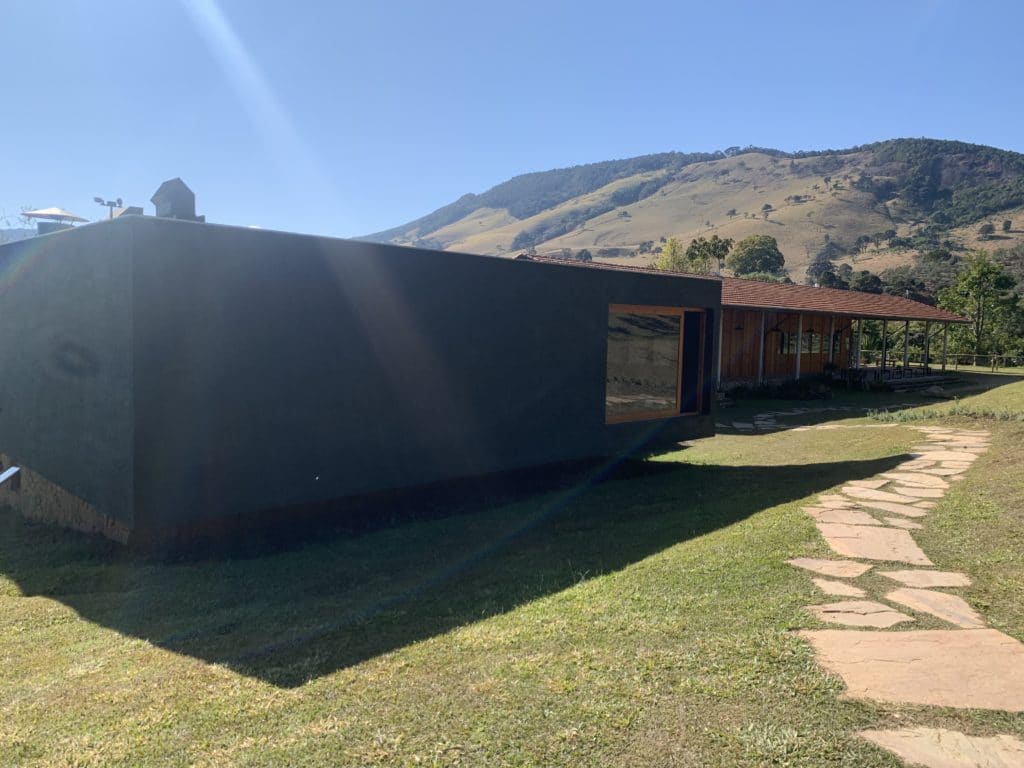
OLIQ is a surprising spot for its modern architecture in the middle of the countryside — you’re going to love it.
They’ve managed to combine a beautiful setting, a really informative guided tour, and great food.
The brand was born from three friends coming together to produce olive oil sustainably. The first harvests began in 2009, but they only launched the OLIQ brand in 2014, and opened the restaurant in 2020.
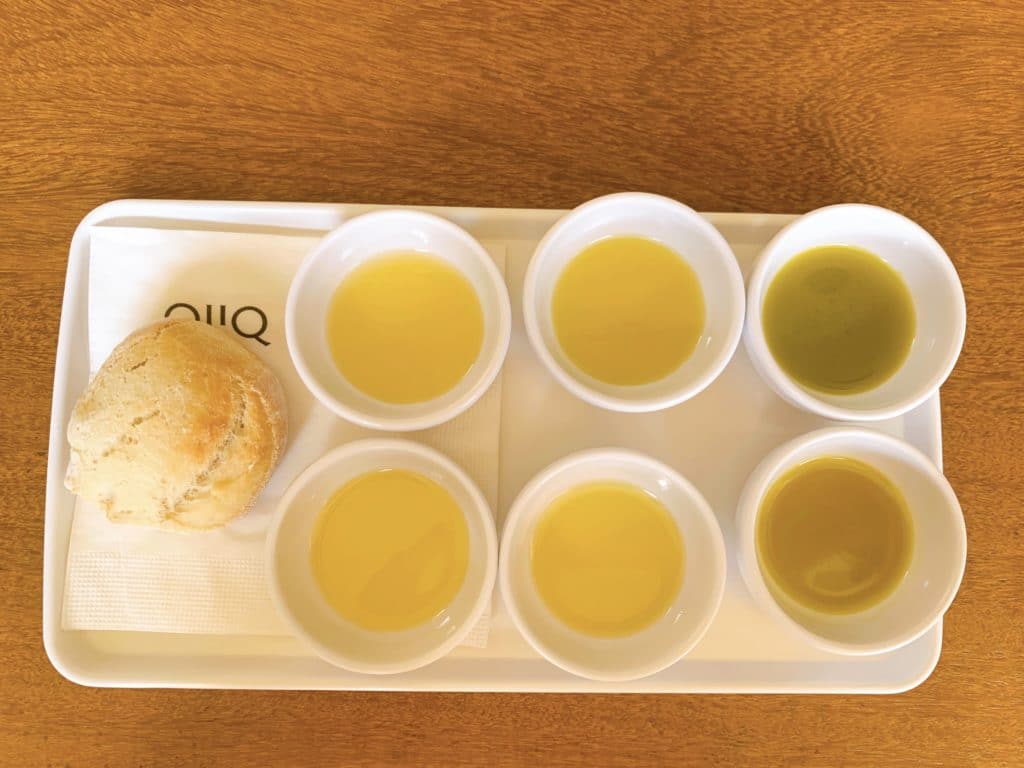
We did the guided tour, which includes tasting their extra virgin olive oils — including an avocado oil and several flavored varieties, like rosemary, chili pepper, Sicilian lemon, and basil, among others.
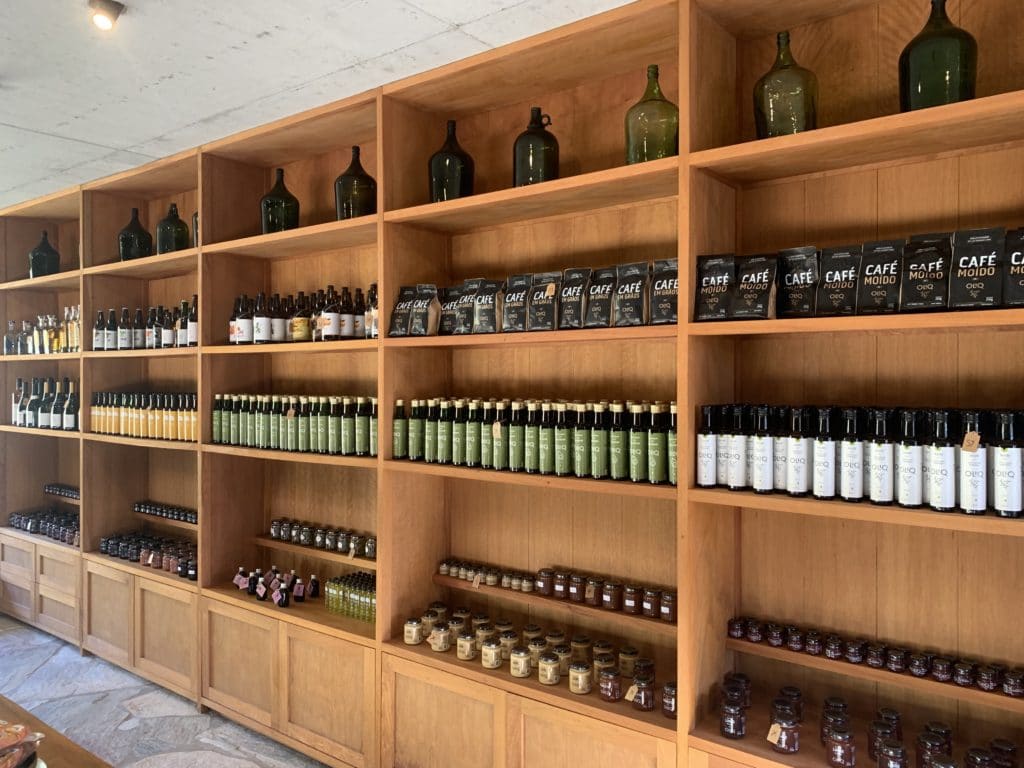
Their shop sells both their own products and items from other producers — jams, dulce de leche, coffee — plus national products like wine, champagne, cachaça, and gin. Everything is Brazilian-made.
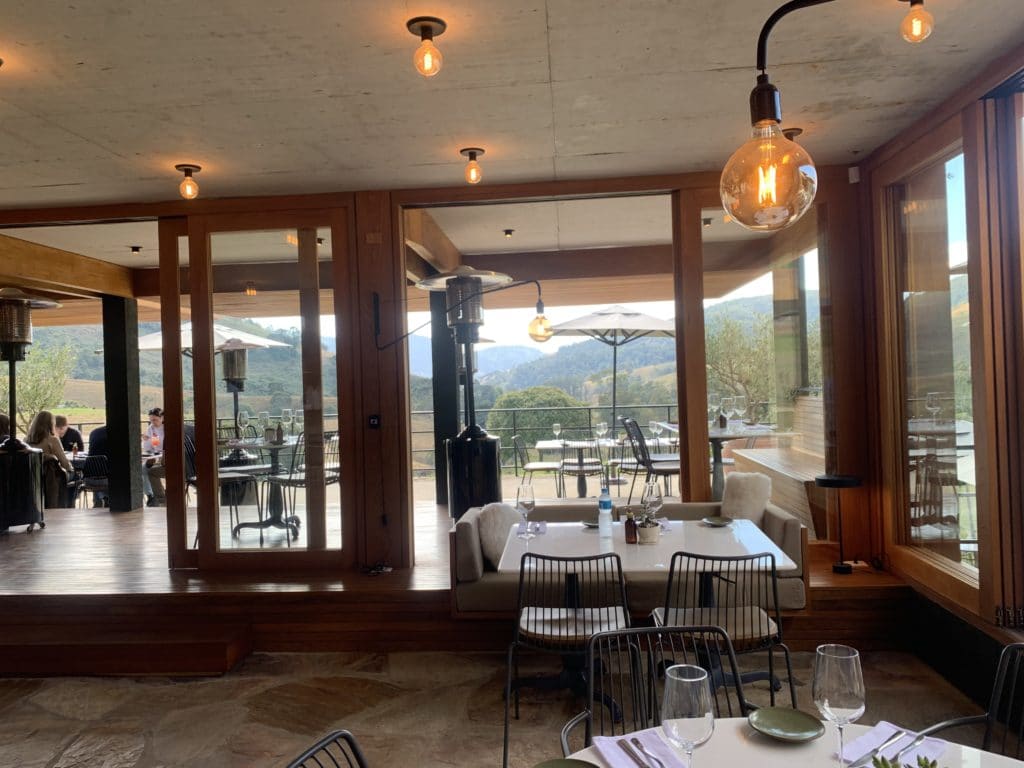
The restaurant is wonderfully airy, thanks to large windows, and genuinely beautiful. There’s also outdoor garden seating.
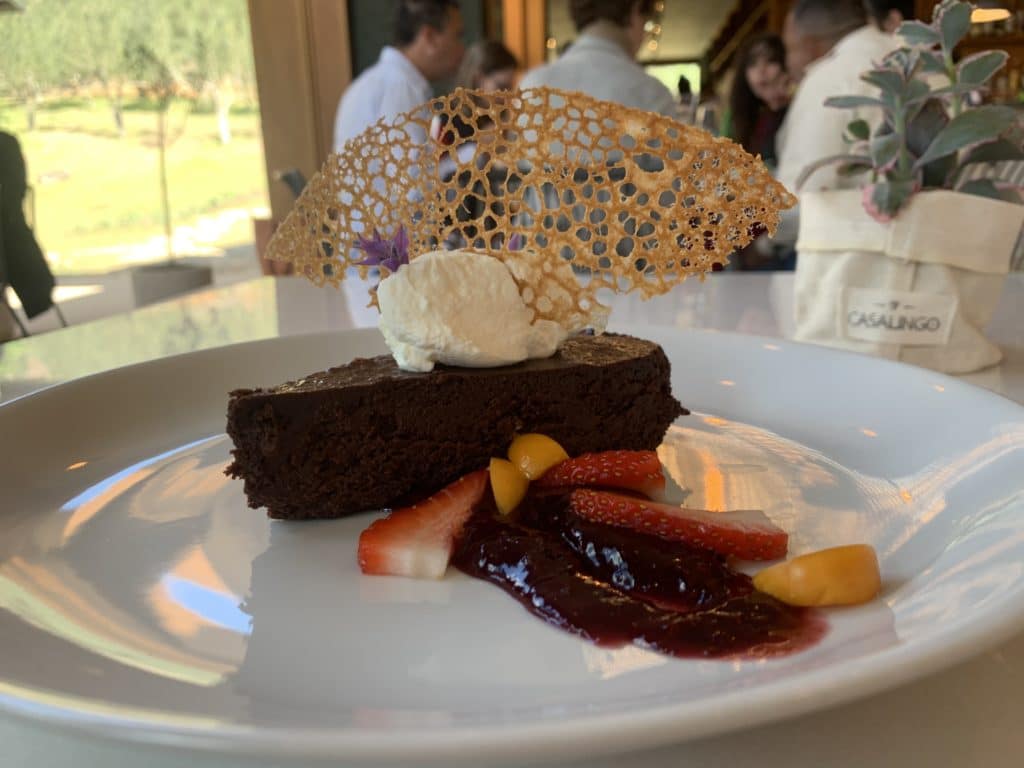
The food is delicious, and every dish is finished with the house olive oils, even desserts — which we thought was a really unique, delicious touch. Prices range from R$68 to R$135 per dish, with vegan options available.
For example, our chocolate tart came topped with an olive oil drizzle.
Price: R$35 per person for the visit with tasting; lunch price varies by dish. Location: Estrada do Cantagalo, km 8, s/n, Zona Rural.
Empório Soares
Located near Oliq, this cheese shop opened just three weeks before our visit, selling farm-made and house-produced products. We didn’t know about it beforehand, but stopped out of curiosity and picked up their semi-cured cheese and Minas cheese — our verdict: delicious.
They also make jam and sell Sevda beer from Luminosa, MG, along with artisanal cachaças.
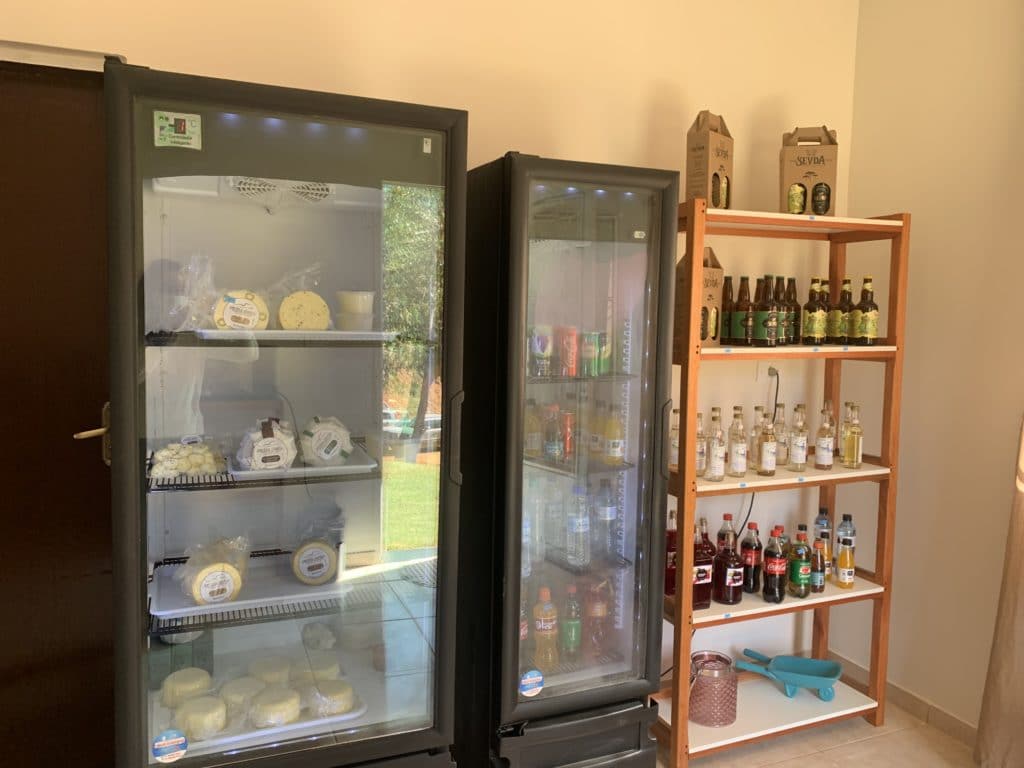
Location: Estrada do Cantagalo.
4. Downtown
Small as it is, the town has plenty of beautiful spots worth checking out.
Portal de São Bento do Sapucaí
The town’s entrance gate is simple, resembling an old farmhouse.
It currently houses a Tourist Information Center with plenty of maps and materials — a good stop to grab a map and get ideas for your visit.
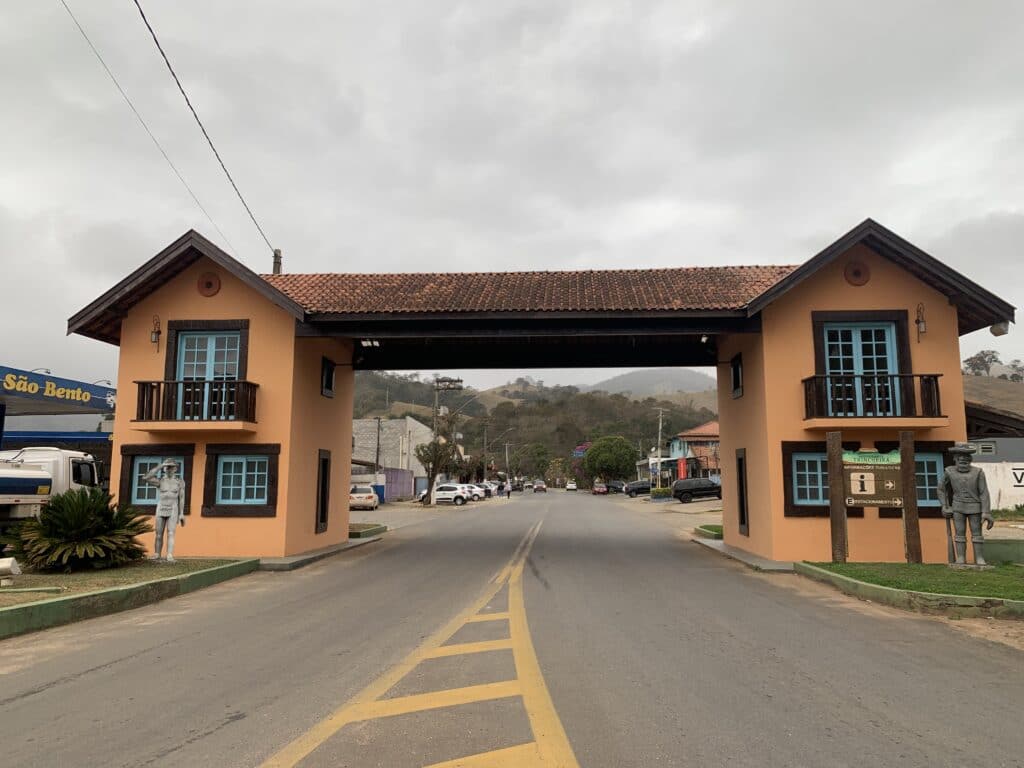
Location: Av. Vereador José Galdino Barbosa - Jardim dos Cisnes.
Mosaic Chapels
The town has two chapels decorated with broken tile and saint figurines turned into mosaic art. These pieces also decorate schools, homes, small chapels, and the Stations of the Cross on Morro do Cruzeiro.
Mosaic Chapel I
The century-old Capela de Santa Cruz became known as the “Mosaic Chapel” after it was restored in 2008 by artists Ângelo Milani and Cláudia Vilar.
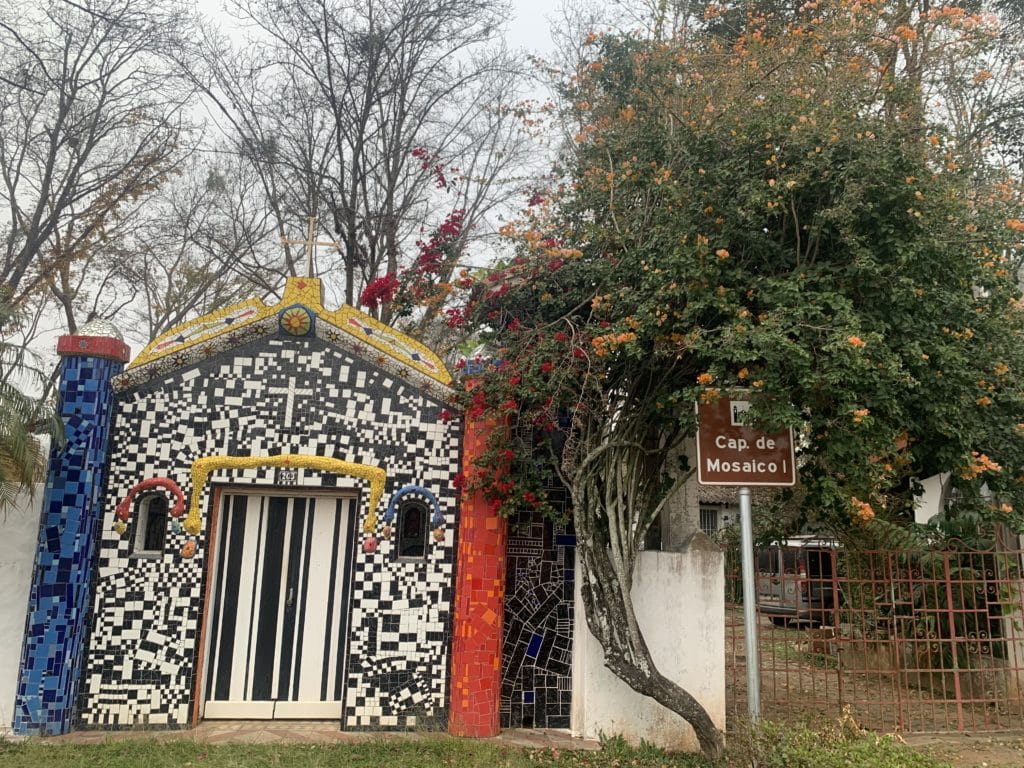
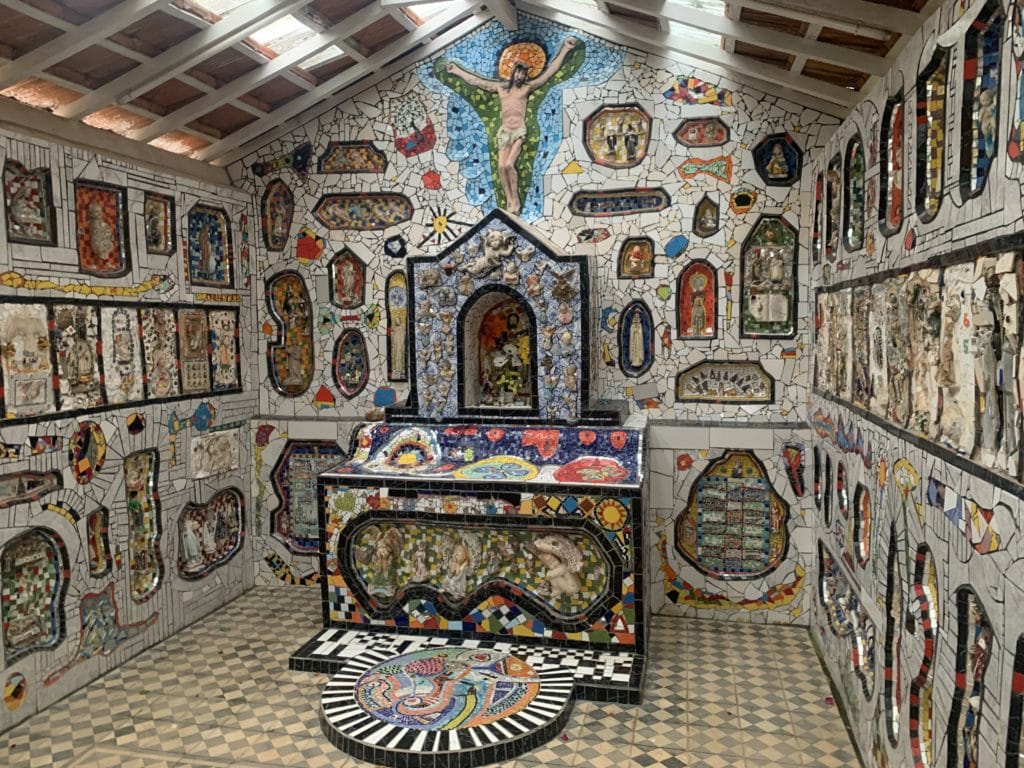
Location: Rua Treze de Maio, 217.
Mosaic Chapel II
Shortly after, a second mosaic chapel was built, along the road toward Pedra do Baú, one of the town’s most famous attractions.
In total, 24 artists from Brazil and Germany worked on its construction, along with local children from São Bento.
To visit, simply pull over on the roadside — it’s always open.
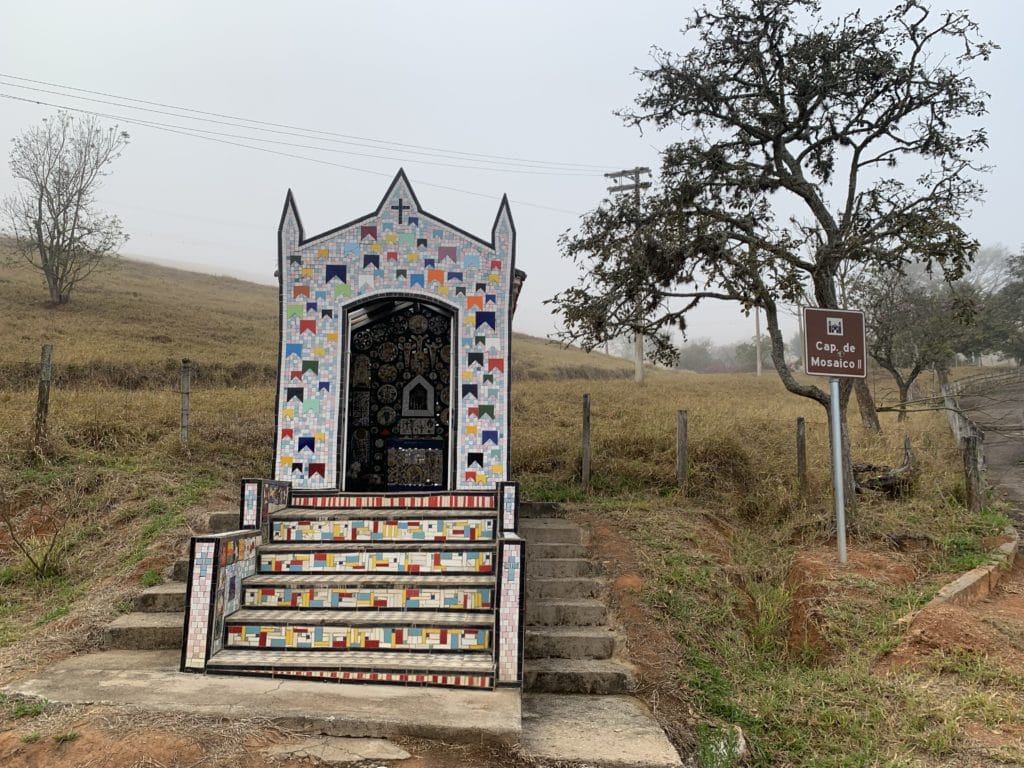
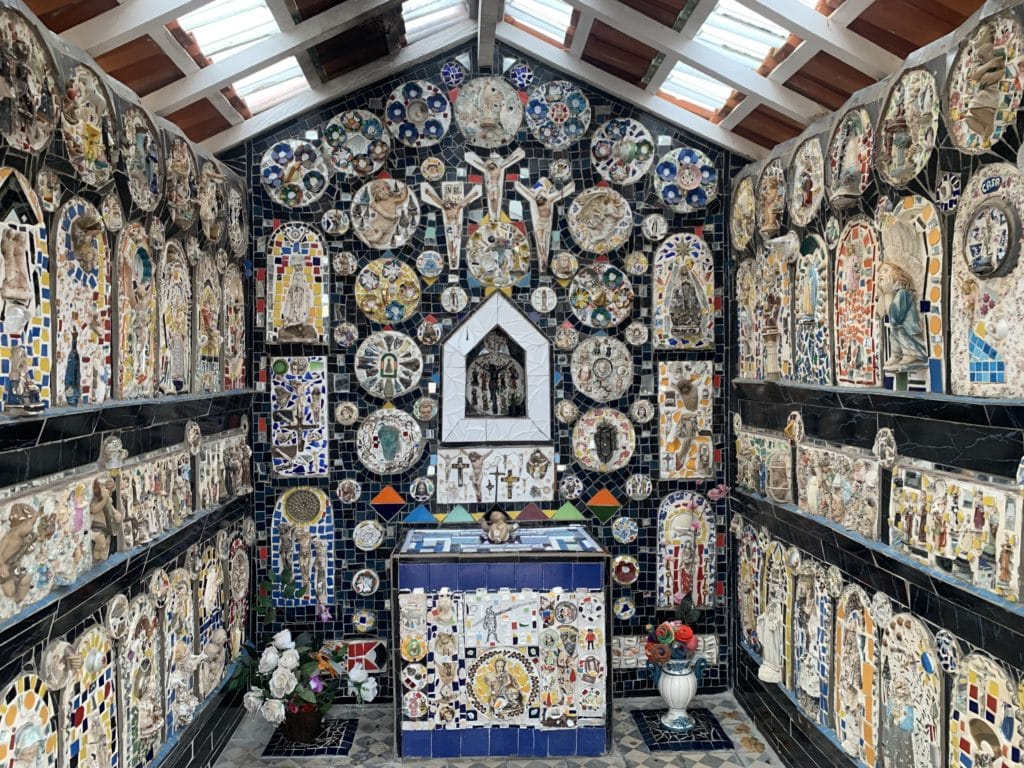
Location: Avenida Sebastião de Melo Mendes.
Mirante do Cruzeiro
Mirante do Cruzeiro is beautiful, and we loved it for watching the sunset — it offers a unique view over downtown, with the Vale do Paraíba mountains in the background.
You can hike up to the lookout via the Stations of the Cross trail — we’d recommend being in decent shape for that — or just drive up.
At the lookout, there’s a huge white cross and a compass rose mosaic on the ground. Entry is free, and it’s open 24 hours.
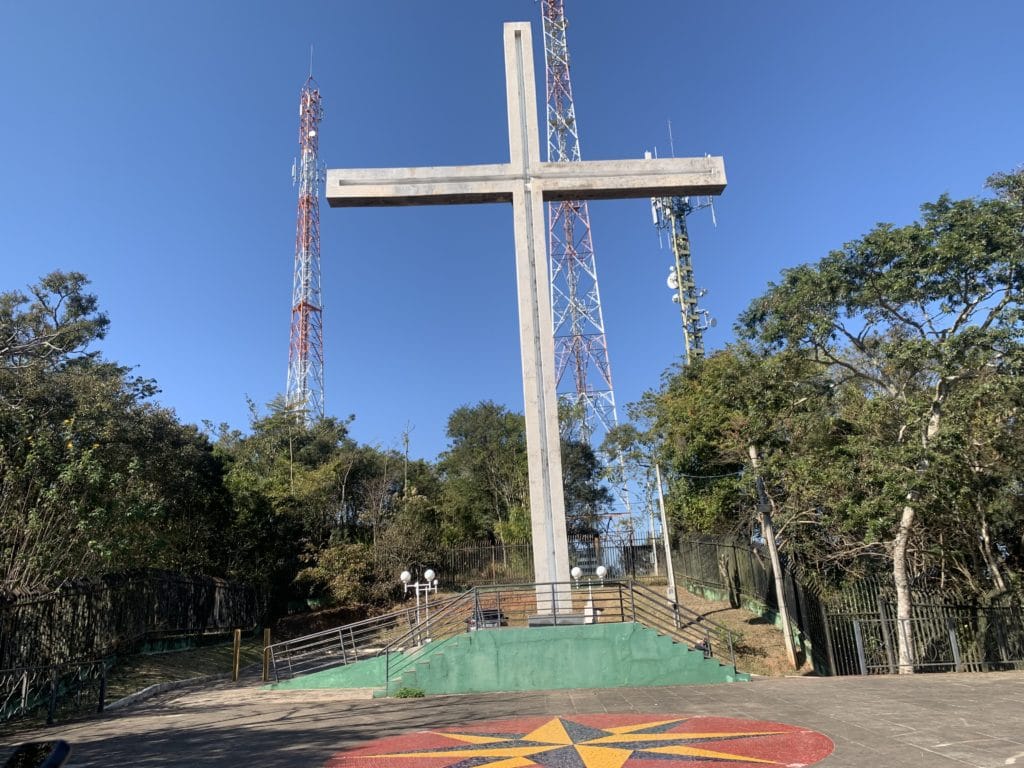
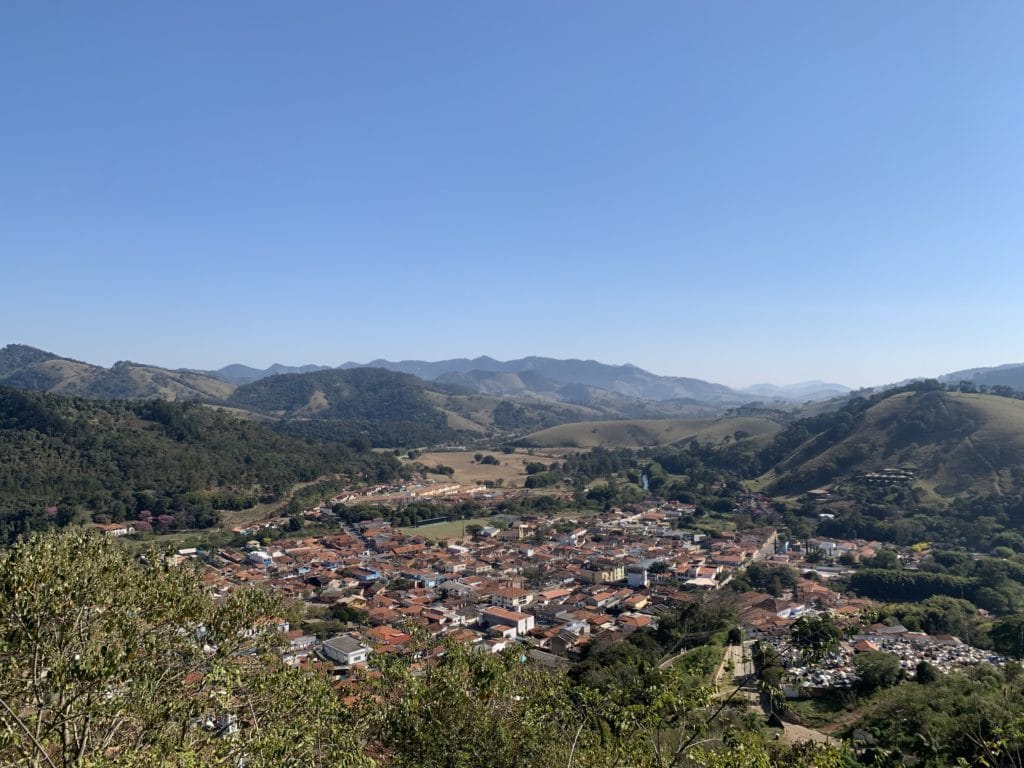
Location: Rua Presidente Castelo Branco, 139.
Via Sacra (Stations of the Cross) to Mirante do Cruzeiro
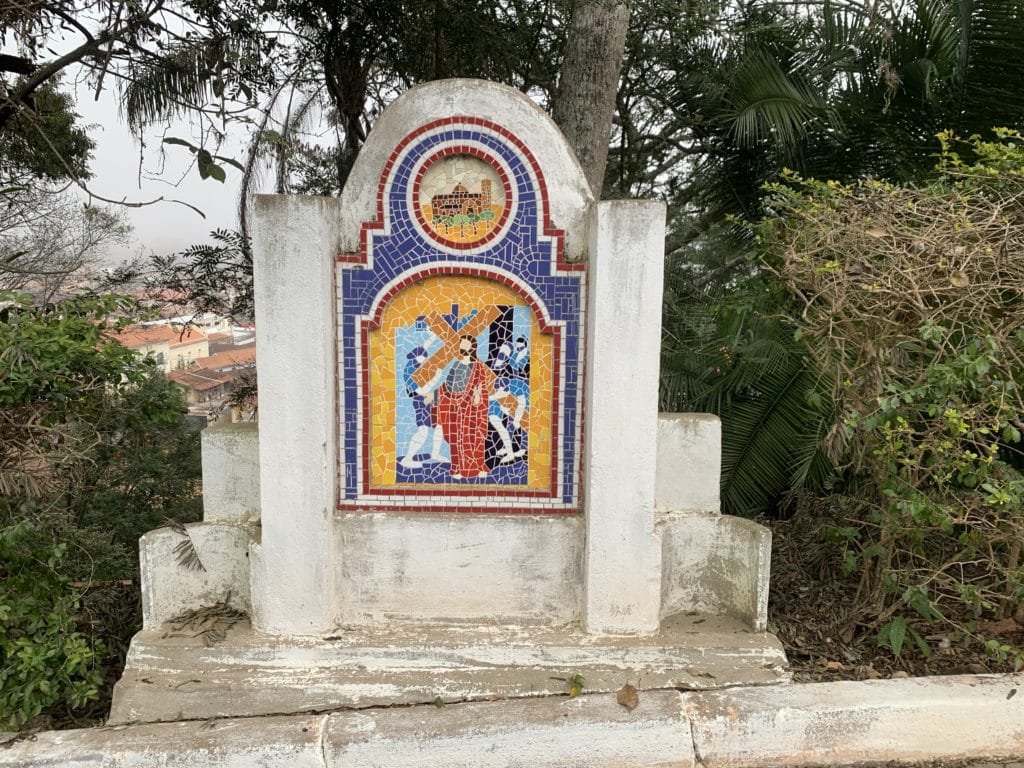
This path is made up of fourteen small mosaic-decorated chapels depicting Christ’s path to crucifixion, along the trail up to Morro do Cruzeiro — though some are missing their images or have been damaged.
Igreja Matriz
Built by enslaved laborers around 1853, on land donated by town founder José Pereira Alves.
It underwent its first renovation in 1885, and the central and side towers were added in 1919. Over those years, the main altar was carved and its side walls painted — stunning and imposing details, along with its stained-glass windows.
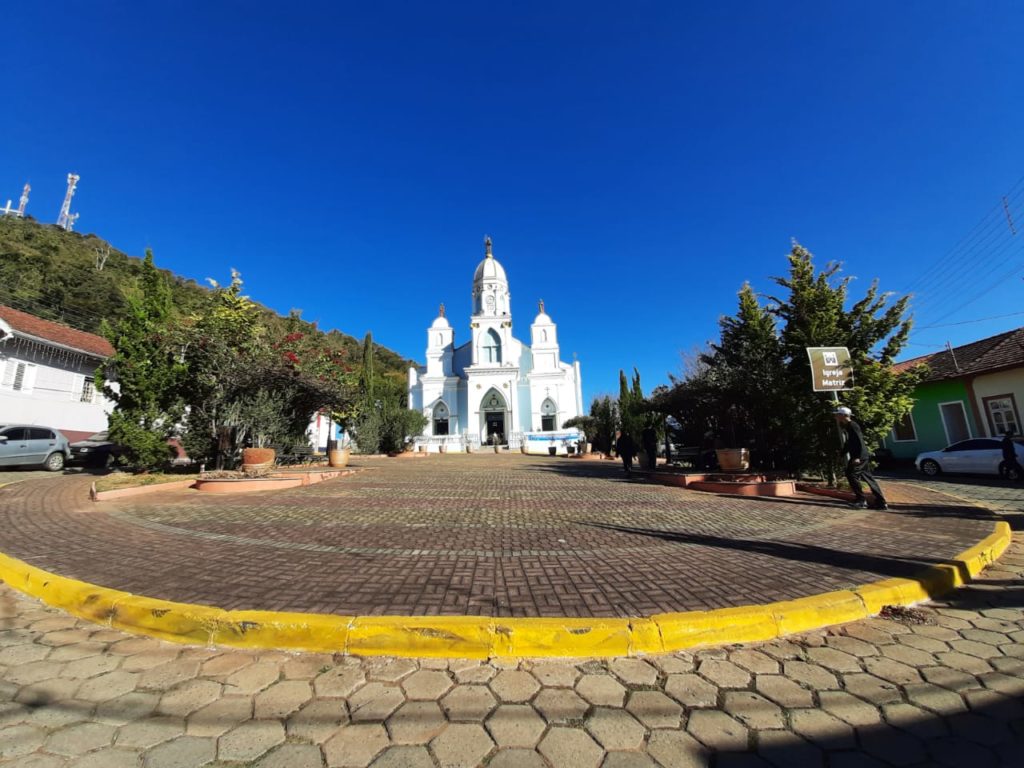
Location: Praça Cônego Bento de Almeida.
São Bento do Sapucaí Sign
There’s a colorful town sign in São Bento do Sapucaí, a great spot for a keepsake photo.
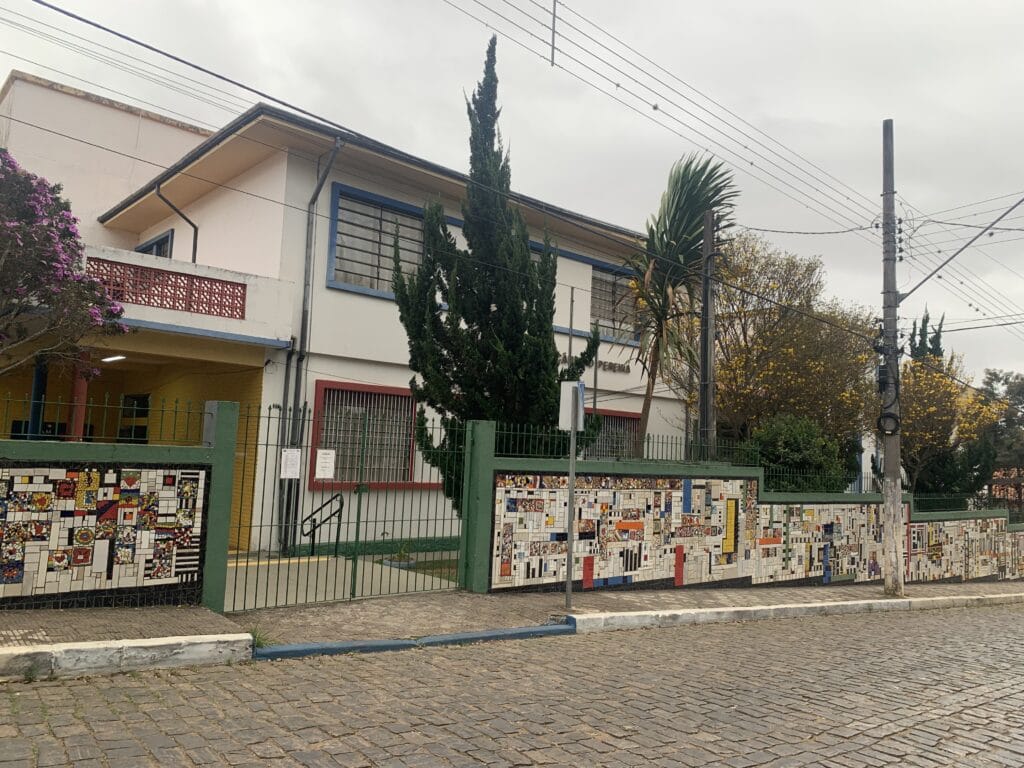
Behind the sign is the beautiful Igreja Nossa Senhora do Rosário, worth seeing inside too. Facing it are the mosaic walls of Escola Doutor Genésio Cândido Pereira.
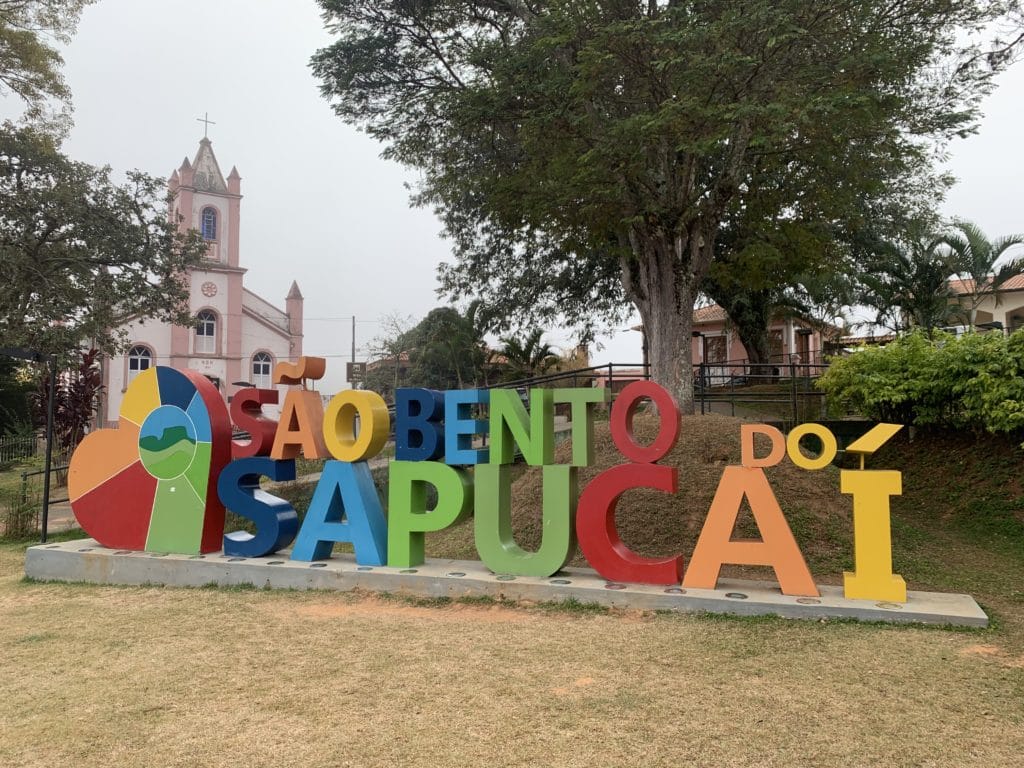
Location: Praça Genésio Cândido Pereira.
Igreja Nossa Senhora do Rosário
This church sits at the town’s original founding point, making it the oldest church in town — and genuinely charming inside.
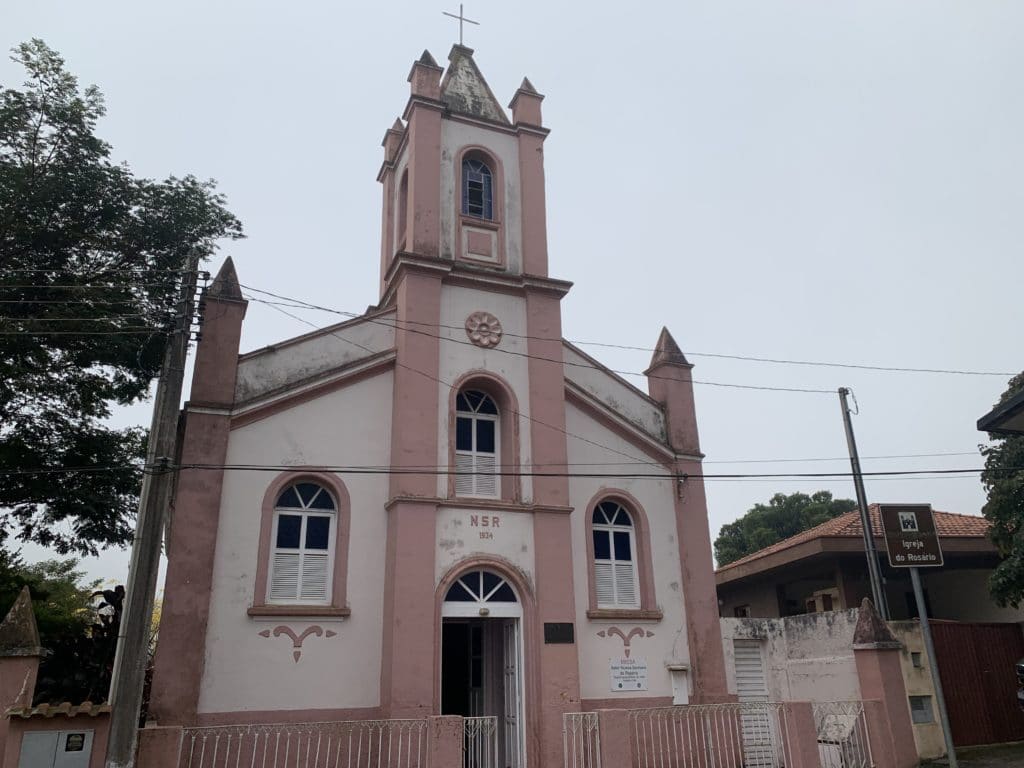
Location: Praça Genésio Cândido Pereira.
Escola Dr. Genésio Cândido Pereira
Facing Igreja Nossa Senhora do Rosário, you’ll spot a public school whose outer walls feature student-made mosaic art (rather than professional artists) — colorful and worth a look.
Igreja de São Benedito
Igreja São Benedito hosts the town’s largest religious festival, honoring its patron saint.
The church is simple but pretty, located near Igreja do Rosário.
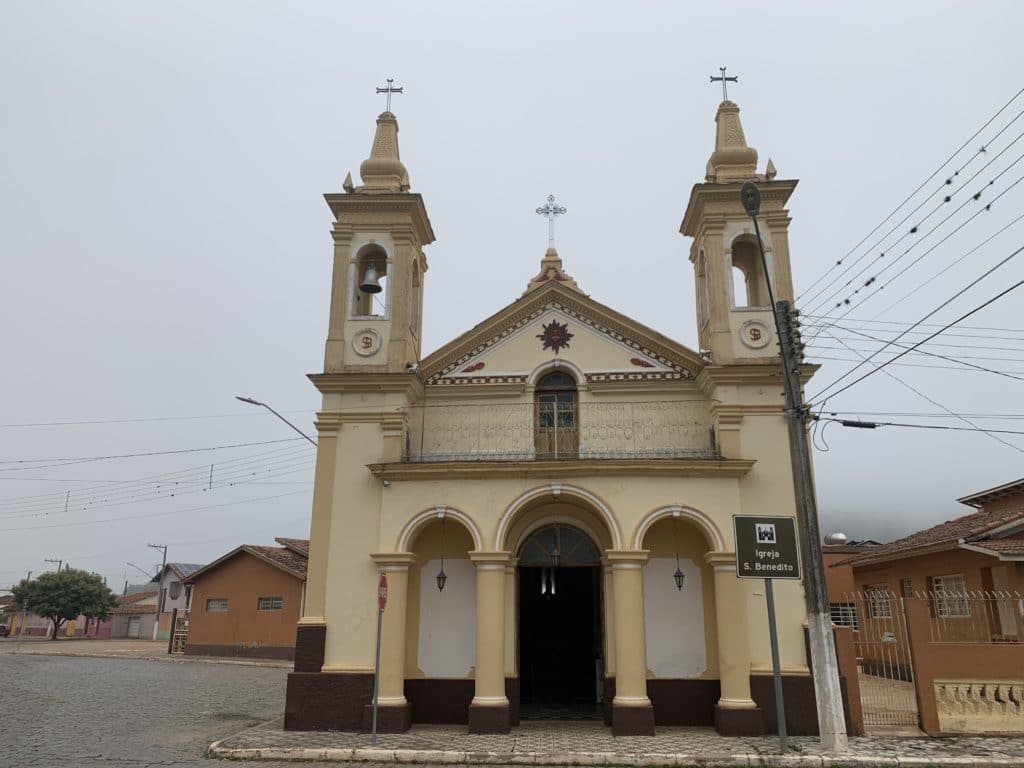
Location: Rua Major Monteiro de Carvalho.
Igreja Nossa Senhora dos Remédios
Shaped almost like a house, standing out for its dark and light blue color scheme, located on one of the town’s main squares.
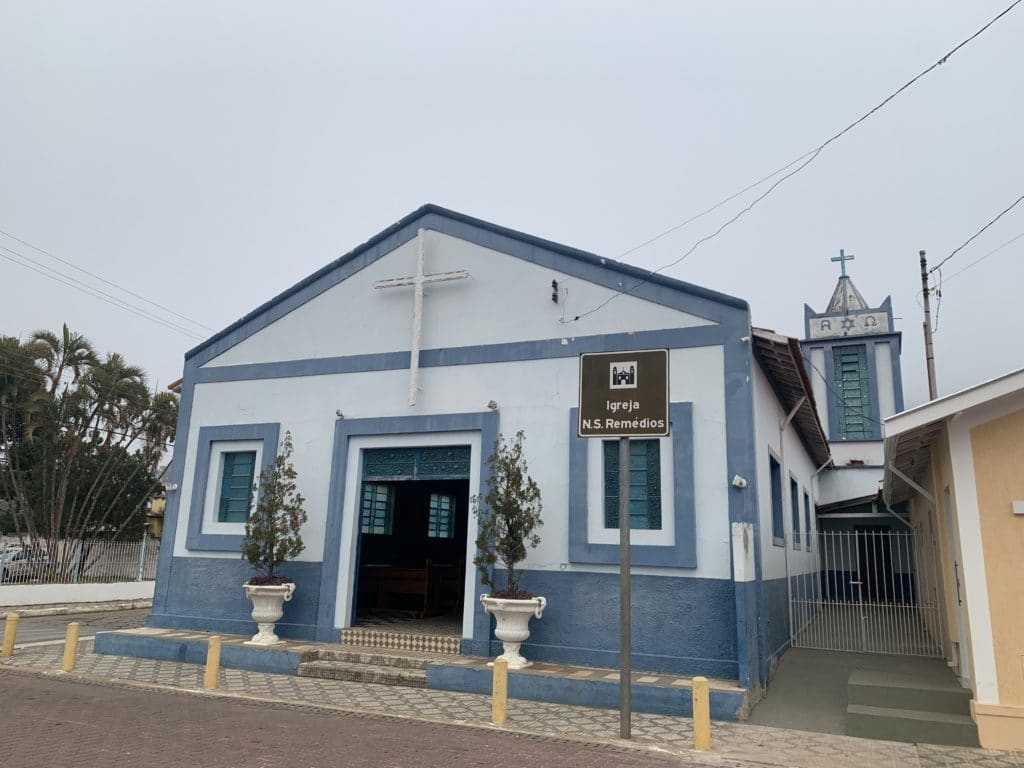
Location: Avenida Nove de Julho.
Igreja Santo Antônio
A simple, humble little chapel at the edge of town.
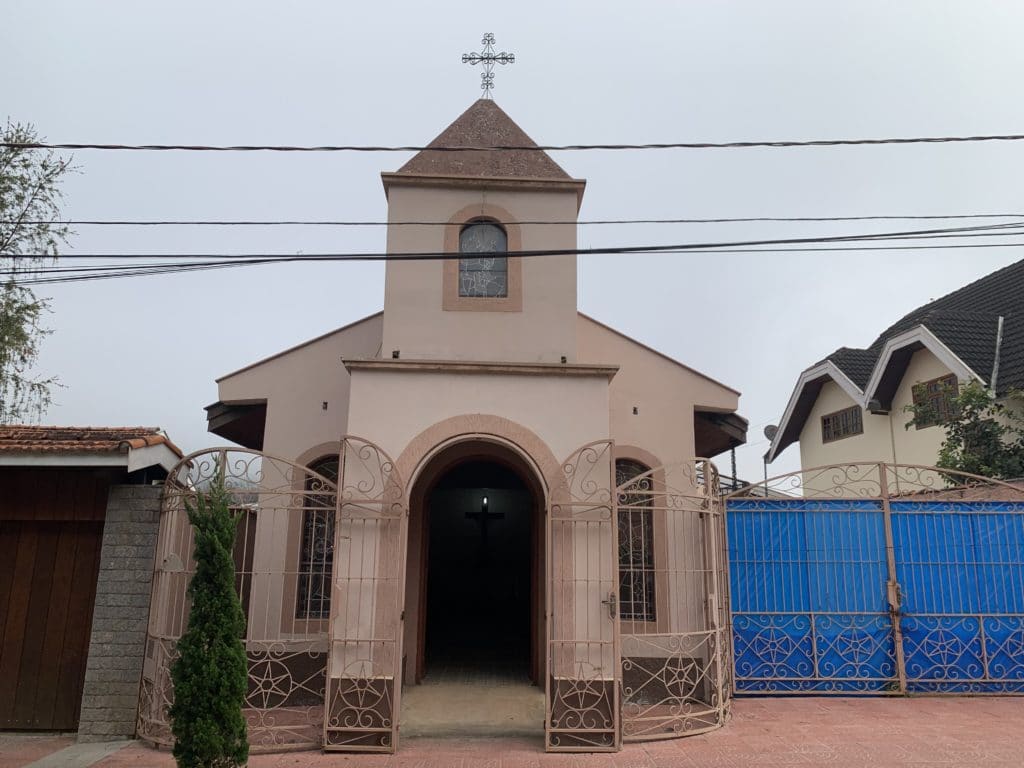
Location: Avenida Conselheiro Rodrigues Alves.
Casa da Cultura Miguel Reale
The Casa de Cultura occupies a 19th-century mansion that once belonged to Professor Miguel Reale.
It houses an exhibit on his life and work, along with personal items and antique furniture from the home.
The Casa de Cultura also hosts exhibits on local history and works by local artists — a watercolor exhibit was on display when we visited.
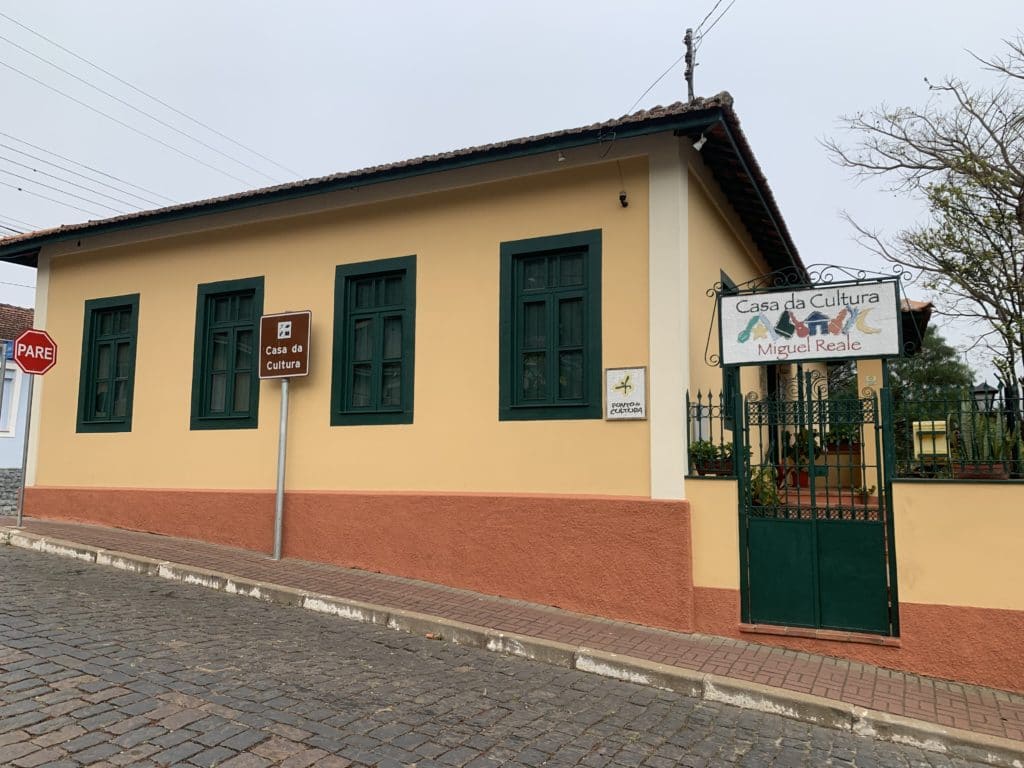
Location: Rua Sargento José Lourenço.
Cinema Paradiso
A film museum, built from nearly 20 years of collecting film memorabilia by “Manoel do Cinema,” who assembled an incredibly rich collection of films, cameras, projectors, lamps, posters, and other equipment, converting two rooms of his home into a public exhibit to share his passion.
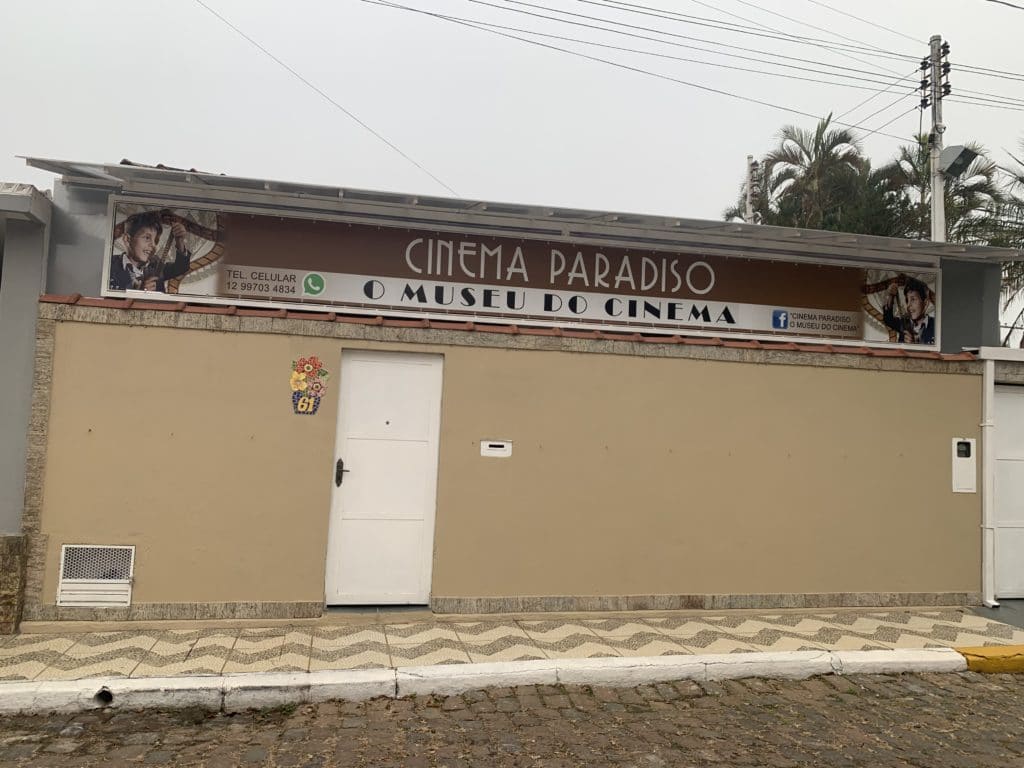
Location: Praça Doutor Adhemar Pereira de Barros, 61.
Museu do Zé Pereira
The Museu do Zé Pereira, opened in January 2020, is the town’s first municipal museum.
It houses an exhibit of ten giant puppets, along with the history of the Carnival parade and firsthand accounts from local residents about the tradition described earlier in this post.
The exhibit spans three permanent rooms, and admission is free.
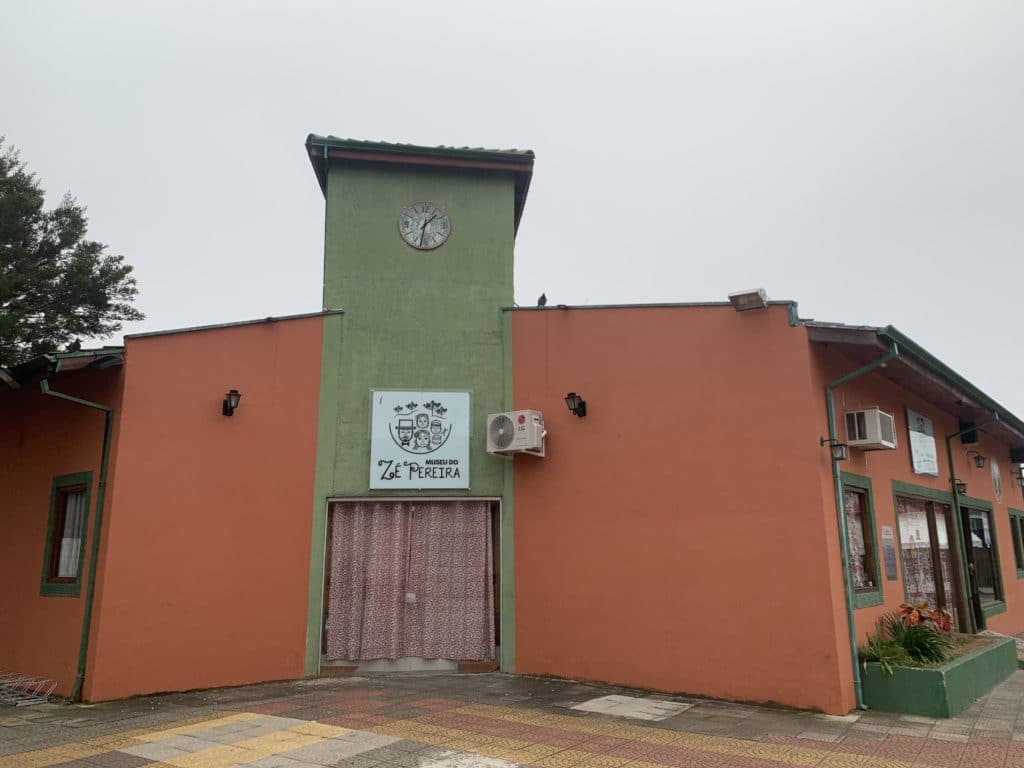
The town’s municipal market is quite small, with only a handful of stalls inside.
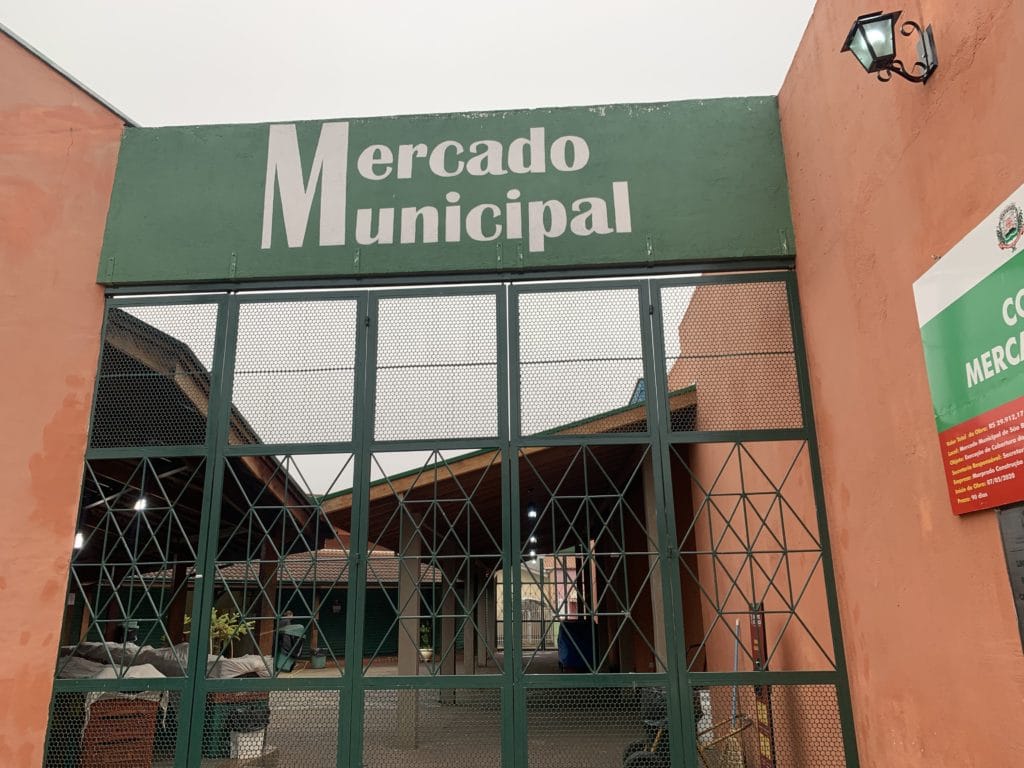
Location: Avenida Doutor Rubião Júnior, 491.
5. Cervejaria Bauzeira
A craft brewery, offering bottled and draft beers, from traditional recipes to more experimental ones, tucked away from downtown in a beautiful garden setting — a truly relaxed atmosphere.
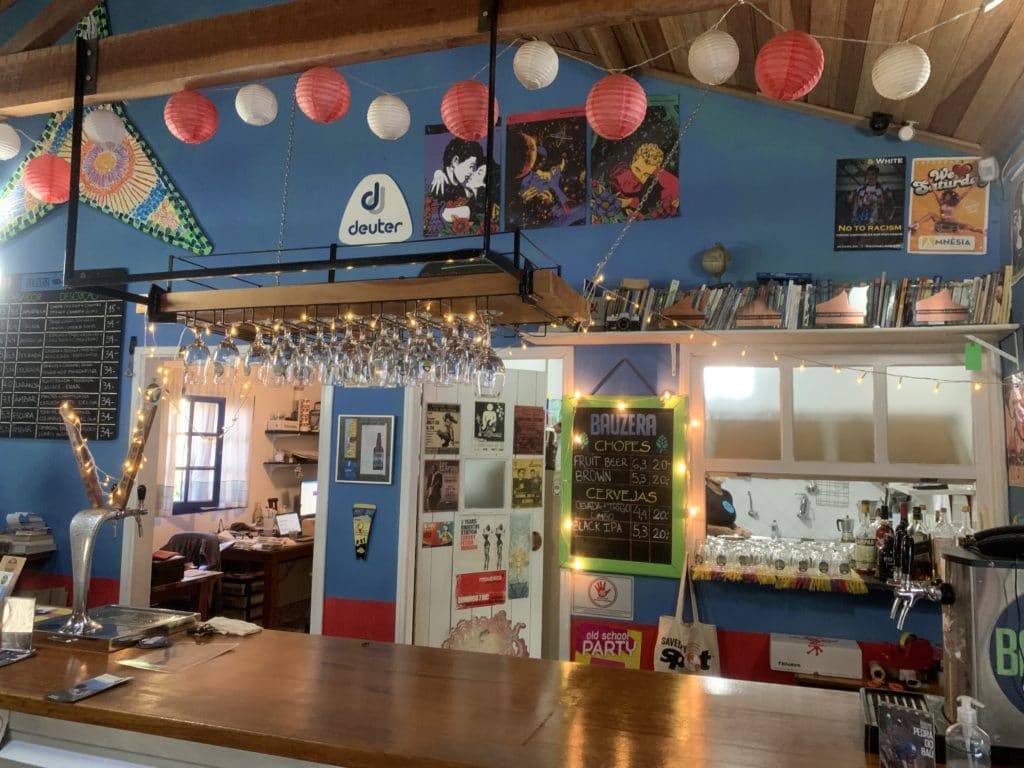
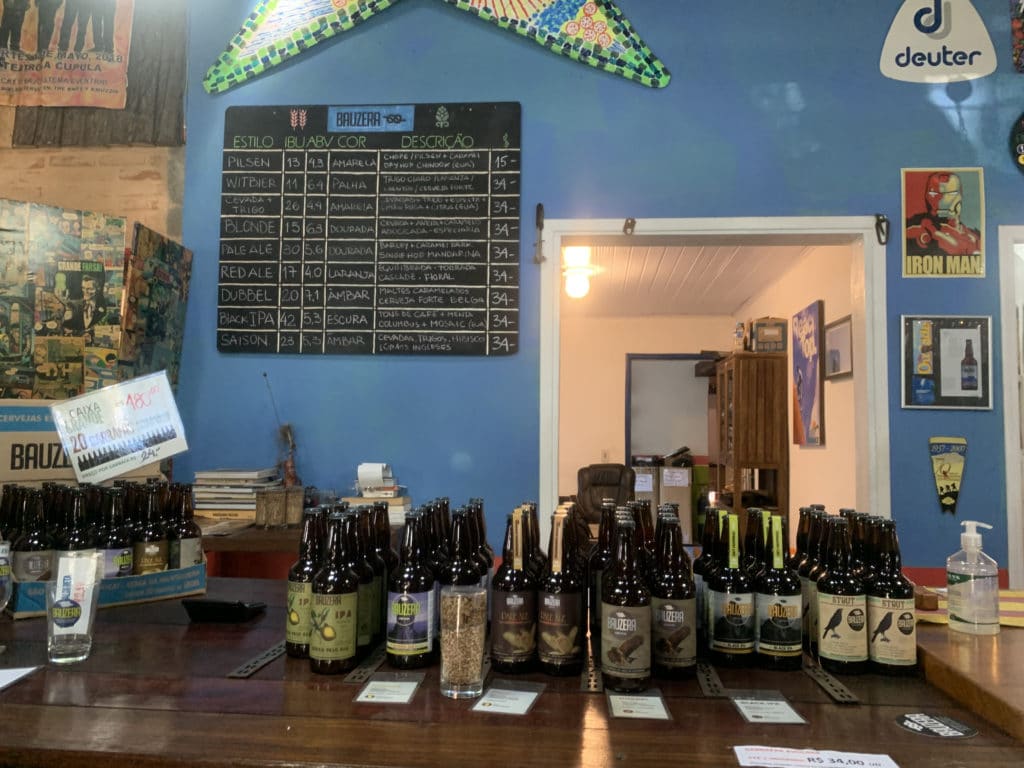
Very few restaurants in São Bento do Sapucaí don’t carry Bauzeira beer, but you can also visit the brewery’s factory shop, enjoy their beers in the garden, and try dishes paired with them.
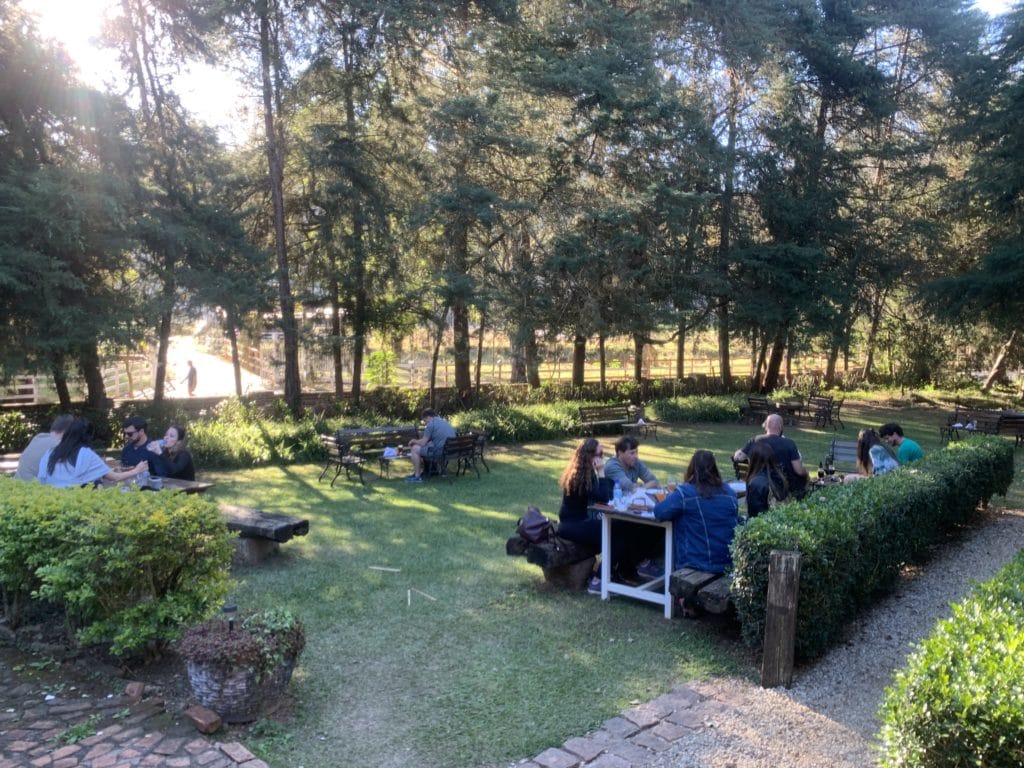
You can book a brewery tour in advance. They offer a wide variety of labels, and we hope you find one you love.
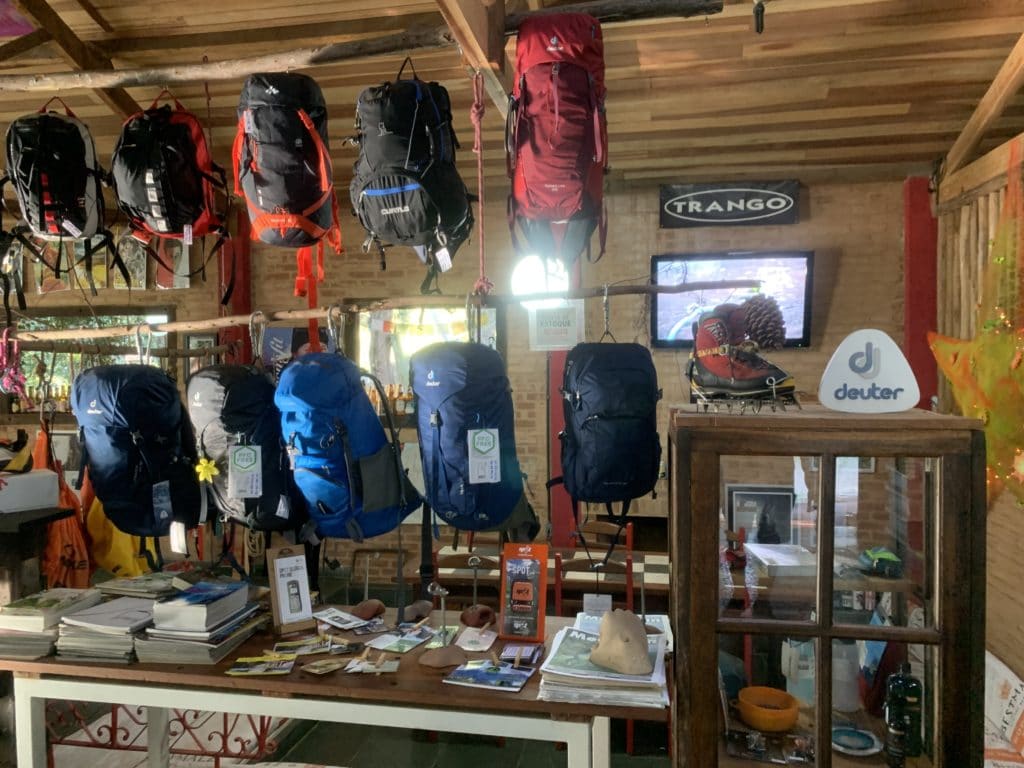
The owners are climbers and hikers themselves, so the shop also sells sports gear at great prices — worth checking out.
Location: Estrada Armando Pereira Goulart, km 2, Serranos.
6. Waterfalls in São Bento do Sapucaí
The town has five waterfalls, and we visited all of them.
Cachoeira do Poção
- Easy, short, well-marked trail
- Free entry and parking
- No designated parking area
- Good for swimming
There’s no marked parking here, so we left the car near a sign; the drop itself is small.
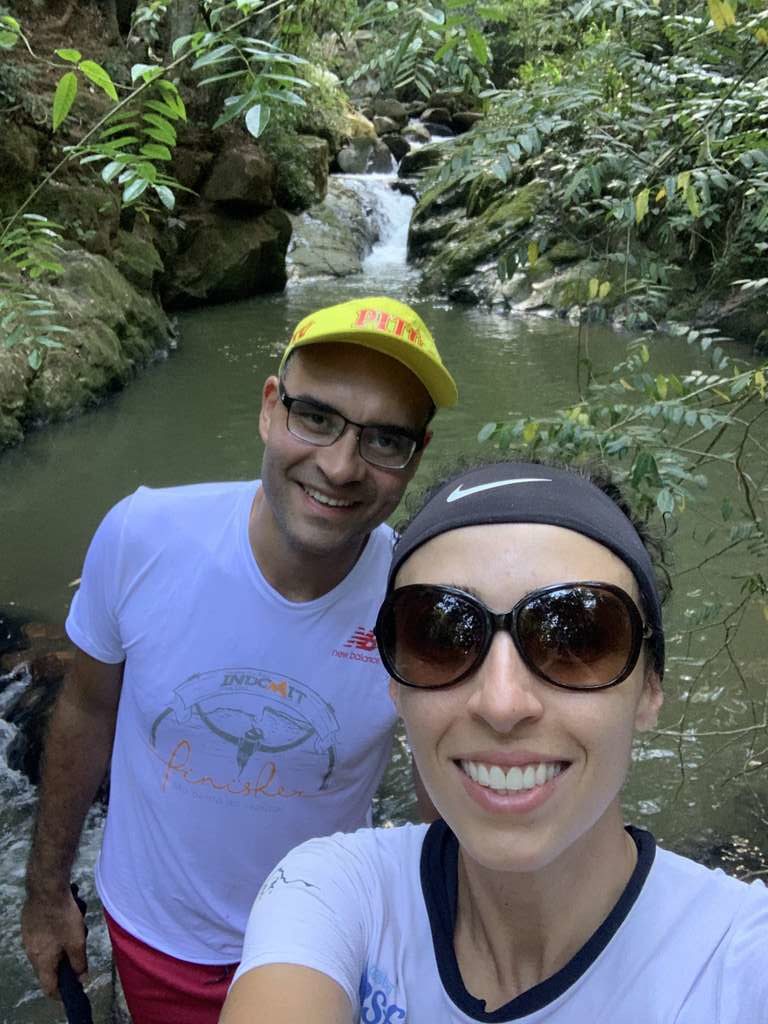
Location: Estrada Luiz Venâncio de Souza, S/N.
Cachoeira do Tobogã
- Easy, short trail
- Free entry and parking
- Good for swimming
We continued down the road and again parked near a sign. We absolutely loved this spot — for us, it was the most beautiful waterfall in town, and we couldn’t resist getting in! And I have to say, icy cold water on sore legs was genuinely therapeutic — it’s not every day you get free access to cryotherapy. It was refreshing, and we left with lighter, less sore legs.
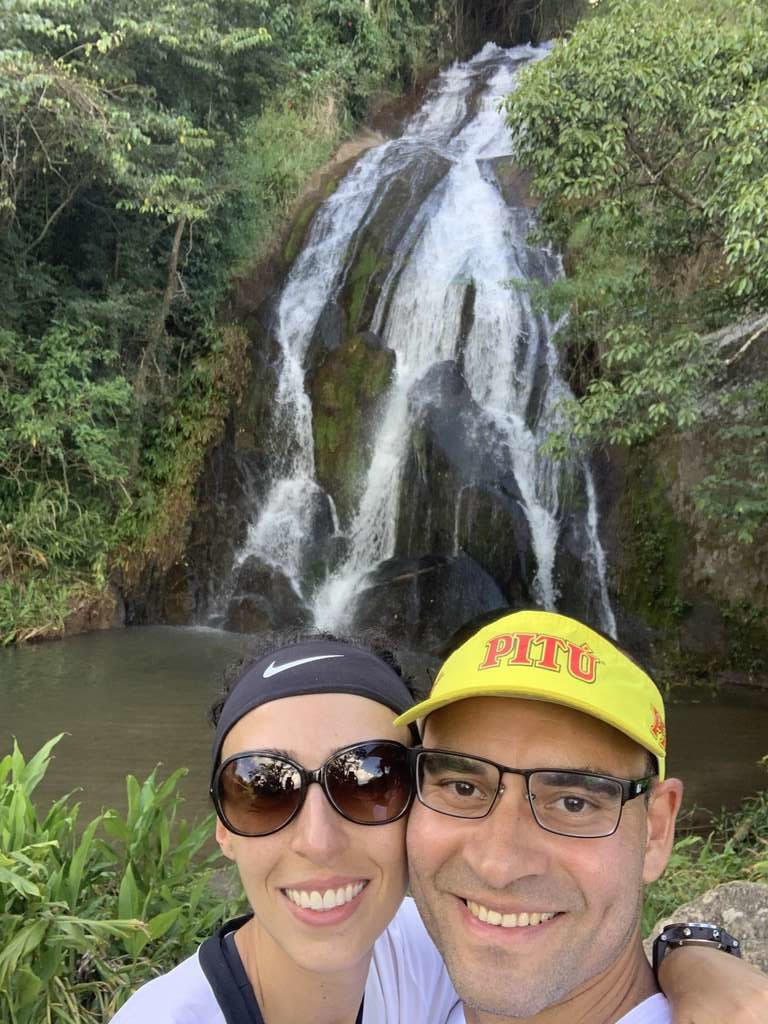
Location: Estrada Geraldo Francisco da Costa, KM 8, S/N, Serrano.
Cachoeira dos Amores
- Easy trail
- Private property, R$5 per person
- Parking included, inside the property
- Good for swimming
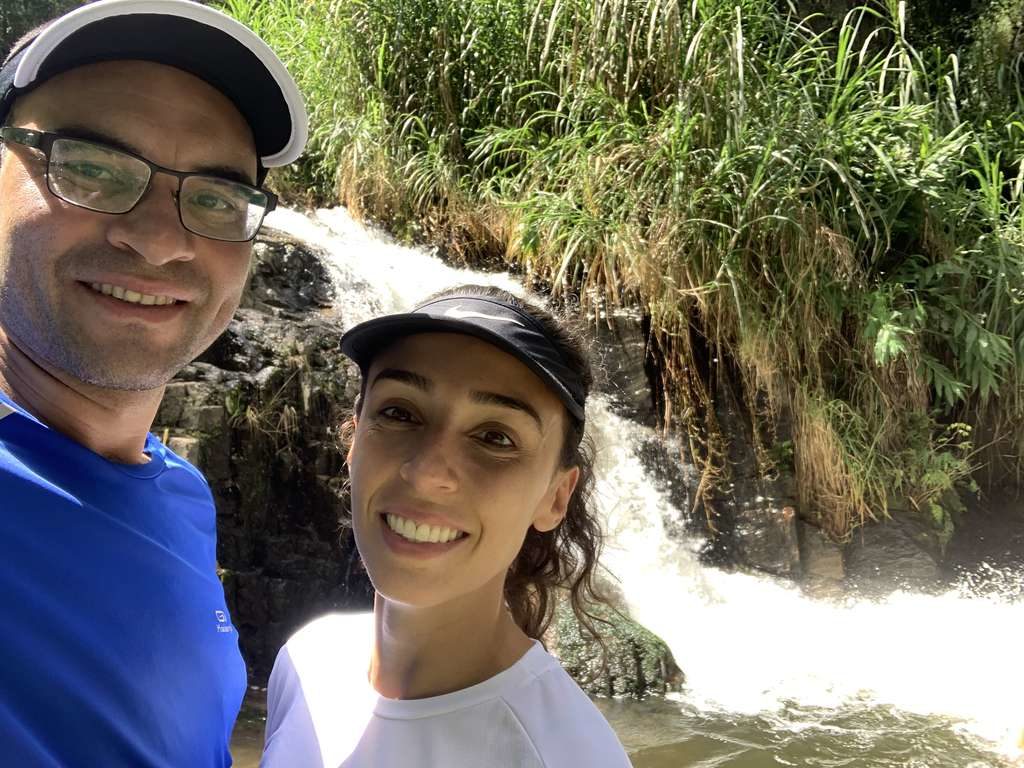
This waterfall is on private land, so entry isn’t free. It’s close to the parking area. Climbing about 50 more meters up the trail, you’ll reach the Cachoeira do Encontro (“Meeting Waterfall”), where two separate waterfalls actually converge — genuinely beautiful!
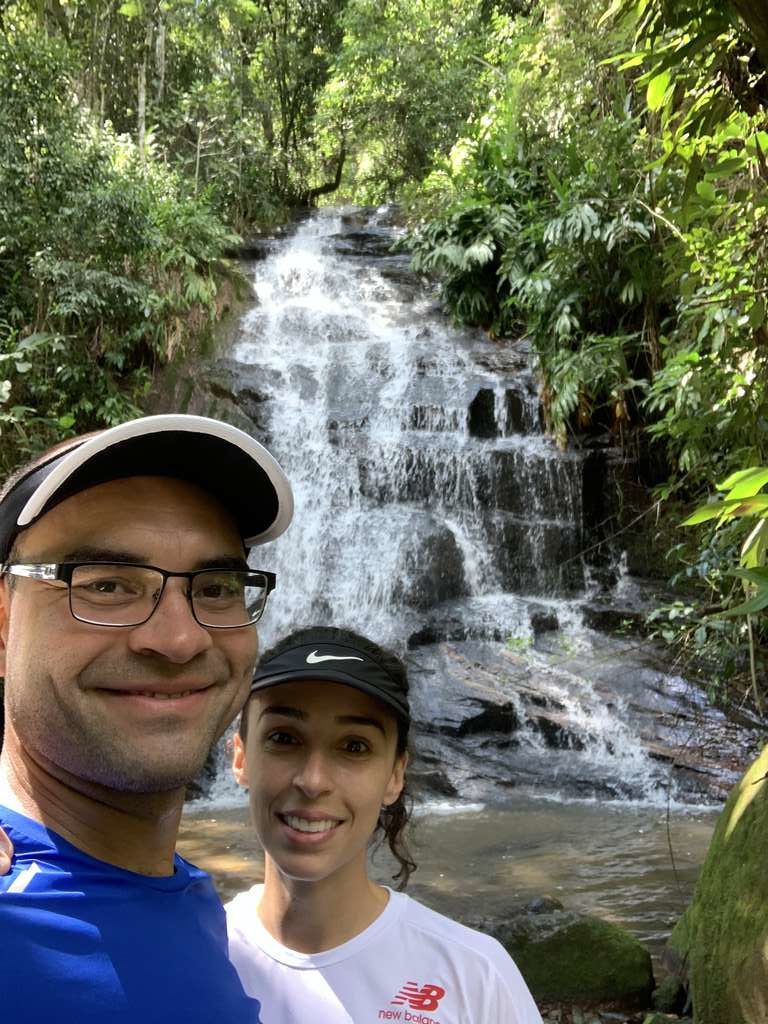
Cachoeira do Toldi
- Hard trail, overgrown
- We couldn’t find it
- 20-meter drop
We never got close, since the forest was too dense and we couldn’t find the trail.
Location: Rodovia Benedito Gomes de Souza.
7. Quilombo neighborhood
The Quilombo neighborhood is a haven for art and culture in São Bento do Sapucaí, home to the annual Festa do 13 de Maio, organized by Dona Luzia, the neighborhood’s matriarch.
The festival honors the abolition of slavery, featuring congada performances — a cultural and religious tradition of African influence — along with dance, singing, and music. This celebration has been passed down through generations, keeping quilombo traditions alive.
Arte no Quilombo
A space showcasing the work of 75 local artisans, all making handmade crafts.
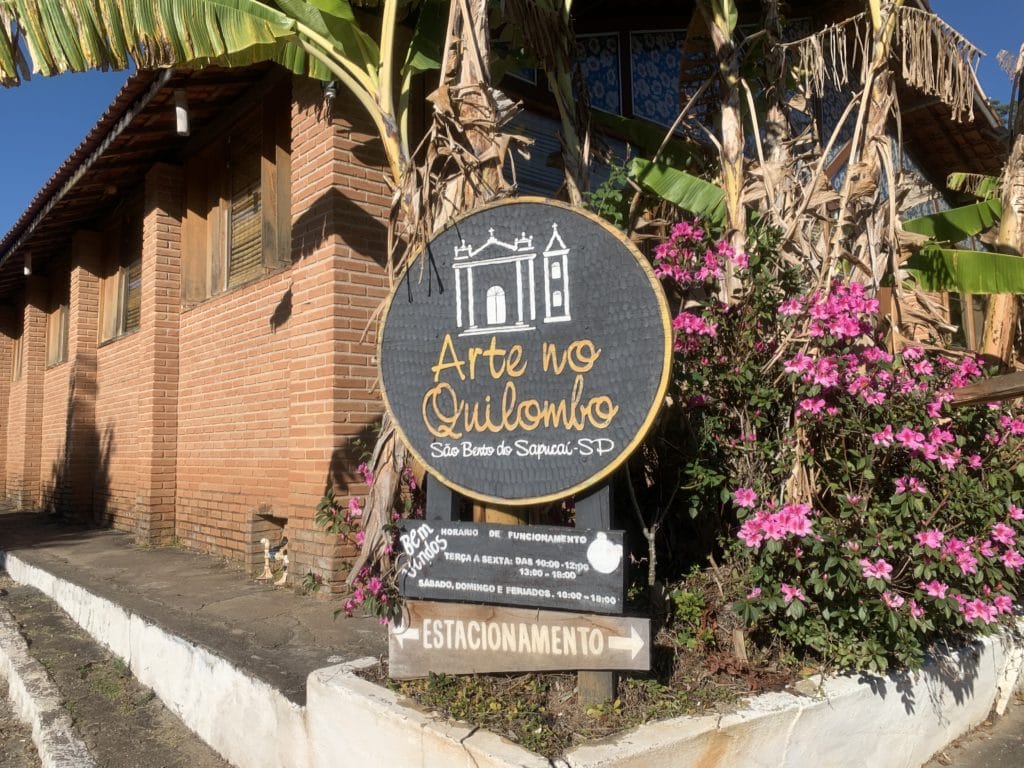
The pieces are handmade from natural materials — banana leaf, cornhusk, wood, bamboo — and the whole space is charming, with genuinely affordable prices.
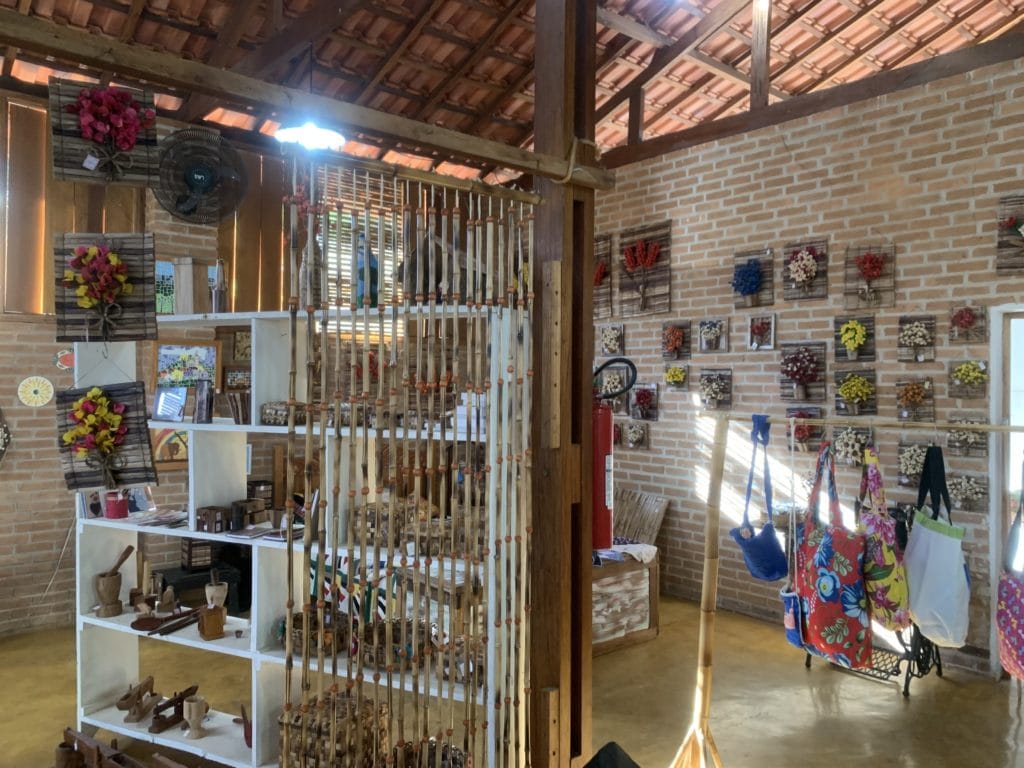
Location: Estrada Vereador Benedito Cândido Ribeiro, km 2.5, Quilombo.
Feirinha de Artesanato
Right outside Arte no Quilombo, next to the chapel, there’s a small market of local makers selling their work — small, but worth a visit.
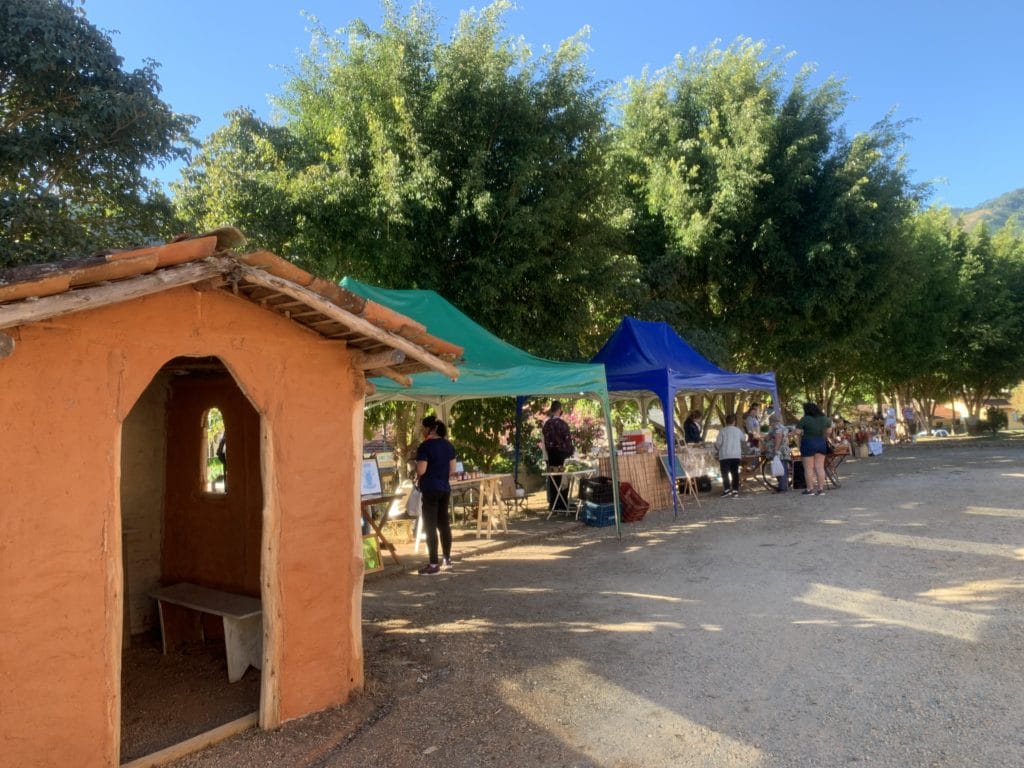
Location: Estrada Vereador Benedito Cândido Ribeiro, km 2.5, Quilombo.
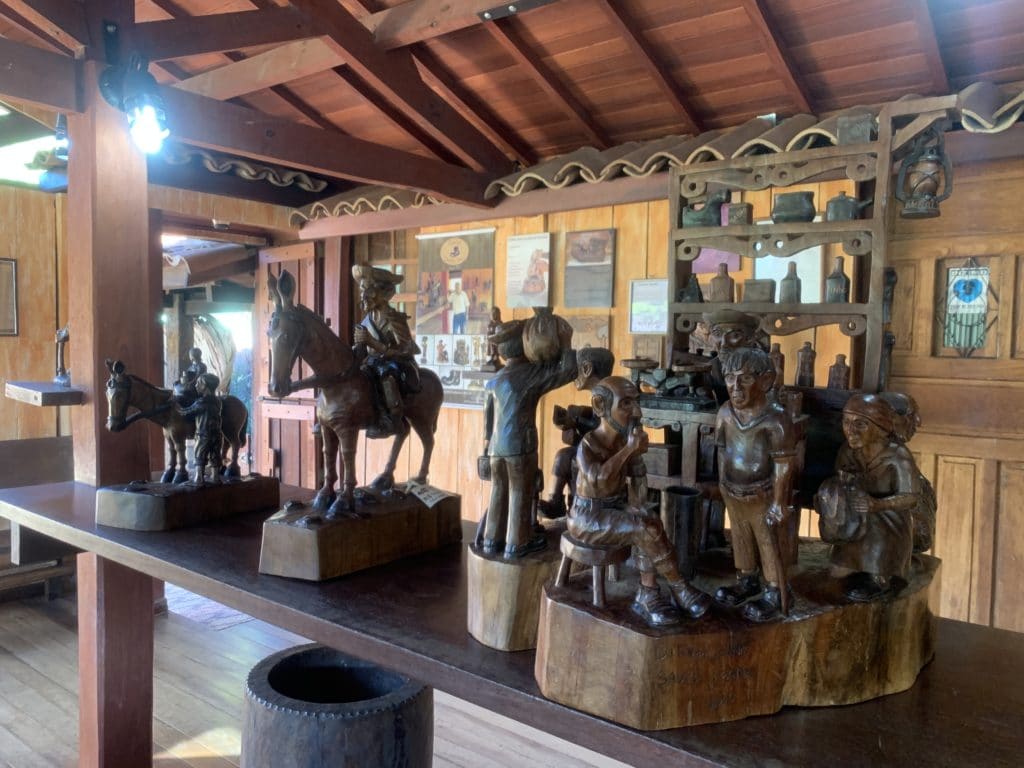
Ateliê Ditinho Joana
A woodworking studio full of beautiful pieces. The artist, Benedito da Silva Santos, goes by “Ditinho Joana,” and is a former farm laborer.
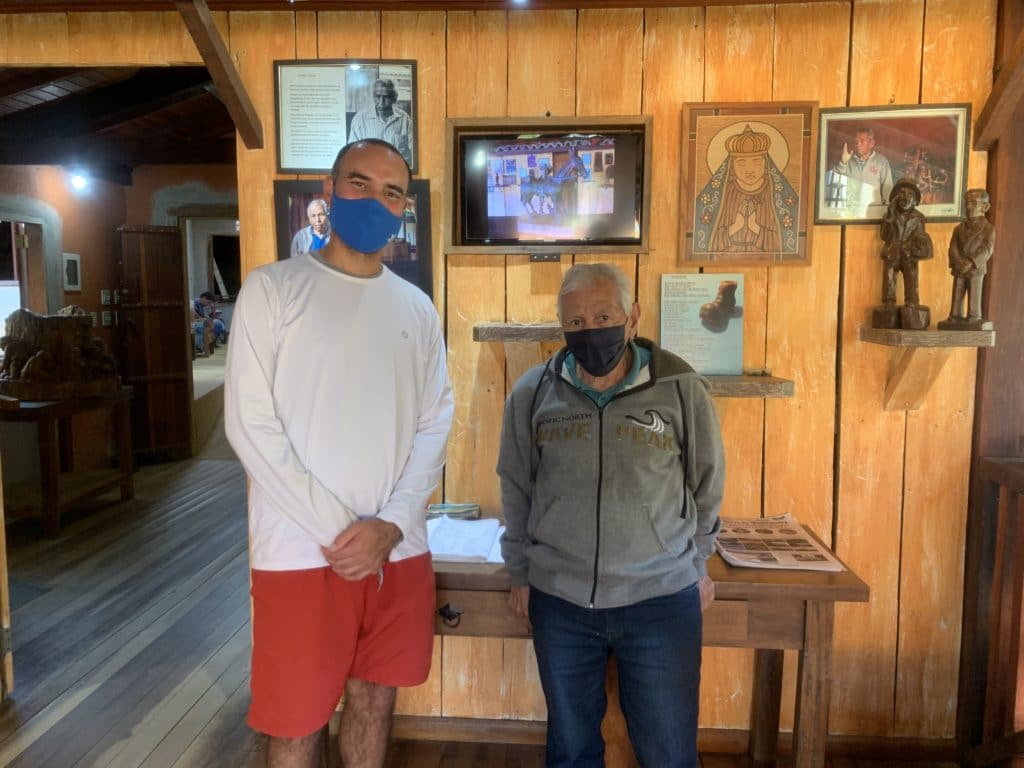
He began sculpting in 1974, and his first piece — a priest and an Indigenous figure, carved by lamplight with help from his mother, Maria Joana — still sits in his studio today.
Ditinho Joana’s work mainly focuses on depicting rural community life.
He happened to be sculpting when we stopped by, and was incredibly welcoming, showing us several of his pieces — we really enjoyed getting to see his work up close.
8. Ateliê de Tecidos Nakawe
São Bento do Sapucaí has several textile studios, but Ateliê de Tecidos Nakawe is one of the most famous.
Artisan Cláudia Mattos creates hand-painted wall hangings, clothing, scarves, pillow covers, table runners, and games, mostly using rubber stamps she carves herself.
What sets her work apart is that every piece has a one-of-a-kind pattern, never repeated. The studio only opens by appointment, and unfortunately, Cláudia had a scheduling conflict when we visited, so we didn’t get to see the studio ourselves.
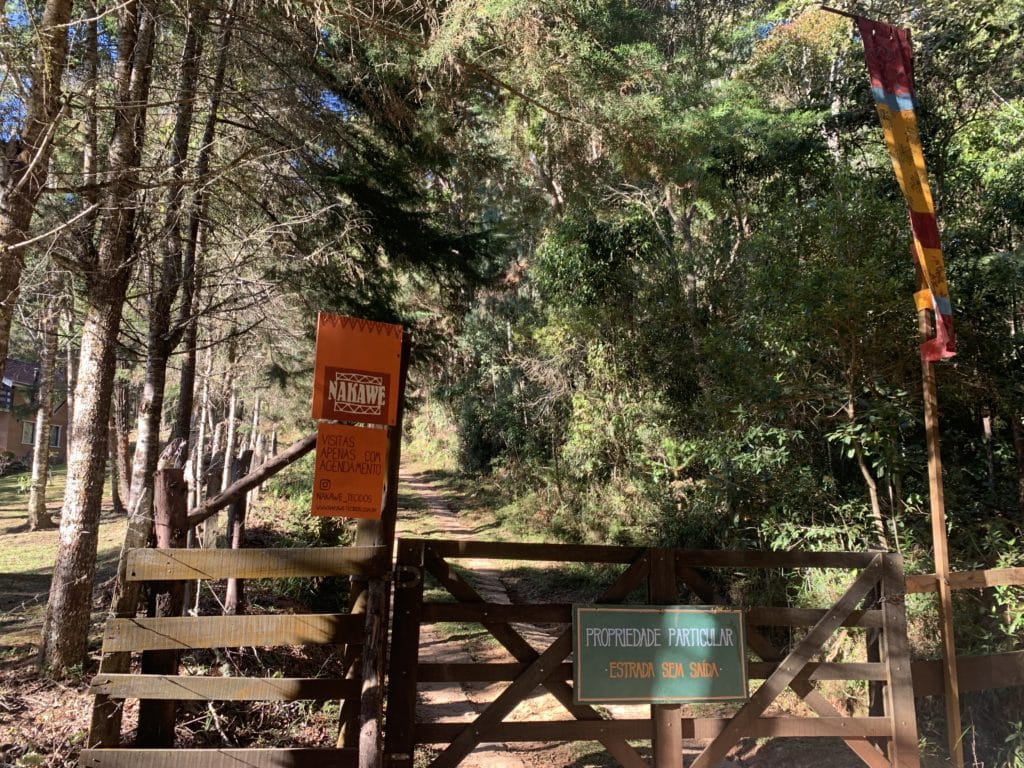
Location: Estrada do Paiol, km 13.5.
9. Mirante Belvedere Serrano
Mirante Belvedere Serrano, about 12 km from downtown São Bento do Sapucaí, is a wooden deck right on the border with Minas Gerais, offering a view from the opposite side of town.
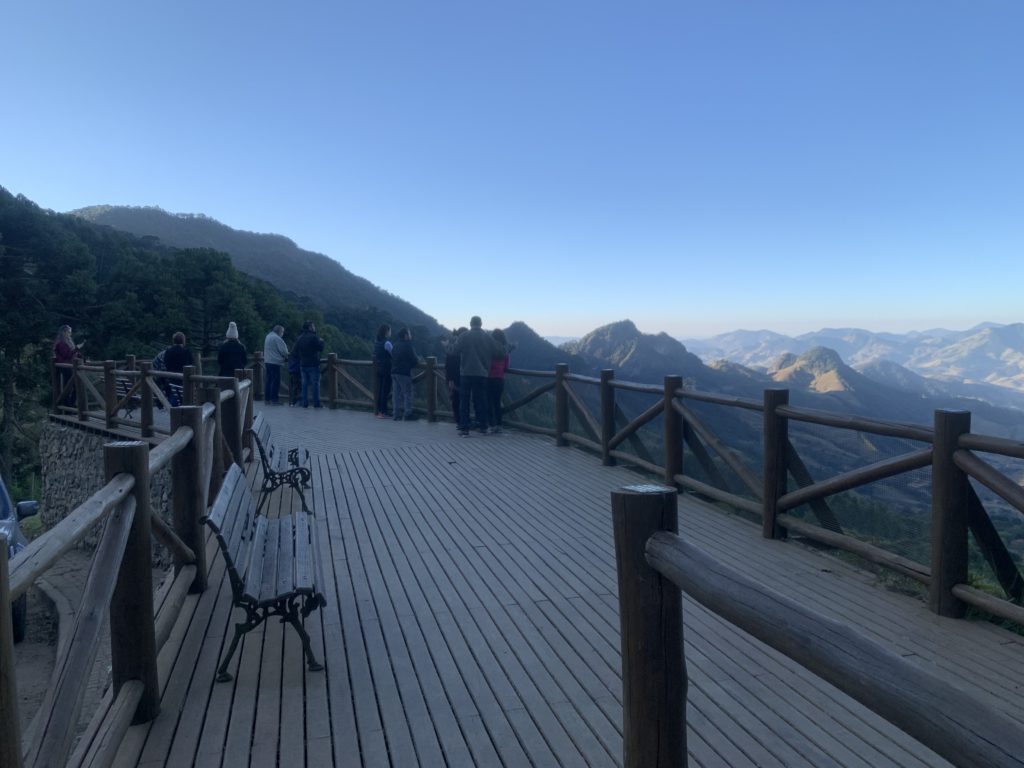
Part of the drive is on dirt road, but it’s worth it for the sweeping view of the Serra da Mantiqueira — you can even spot Pedra do Baú from here.
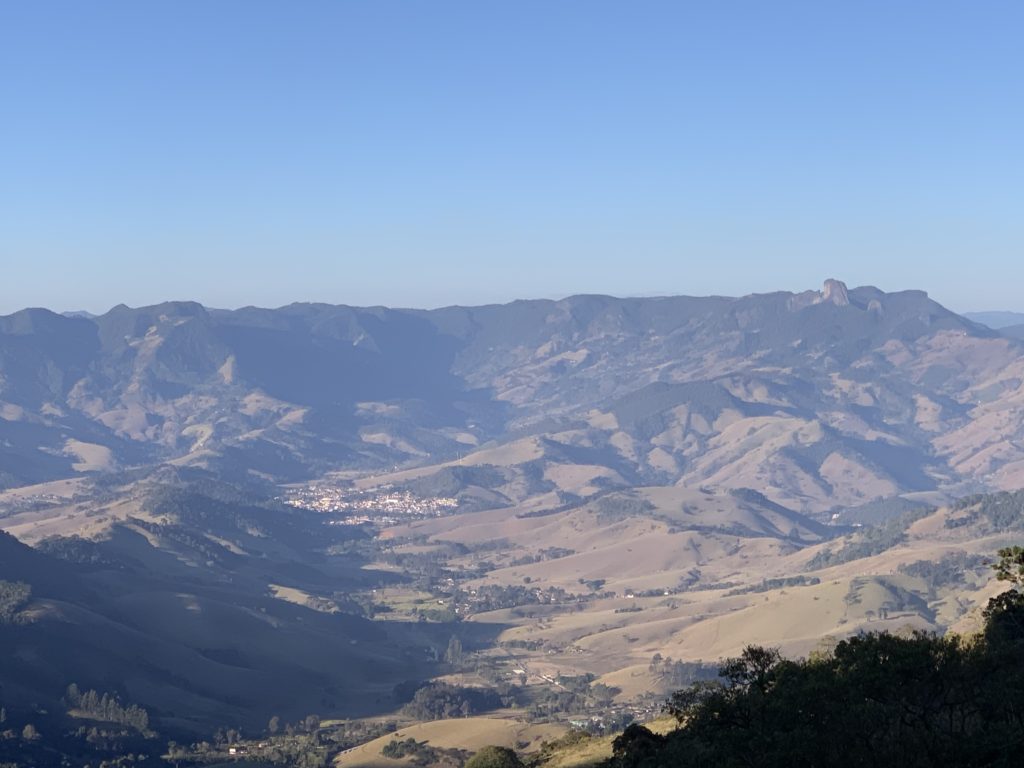
Location: Estrada Carmelina Francisca da Rosa Barros.
10. Where to eat in São Bento do Sapucaí
De Ghust Pizza na Pedra
A simple spot serving what’s honestly some of the best pizza we’ve ever had — thin crust, generous toppings, and packed with flavor! This is our top pick in town.
Location: Av. Conselheiro Rodrigues Alves, 400.
Torta na Montanha
A café open Saturdays, Sundays, and holidays, 1 PM to 6 PM, with a beautiful garden and hammocks to relax in. They offer a special breakfast, bookable by phone at (12) 9 9663-5120 or through the link in their Instagram bio.
They also sell jams, fruit muffins, and specialty seasonings — we loved this spot.
Bistrô R.C.S Vinhos Finos
- Cozy, pleasant atmosphere.
- À la carte restaurant.
- Brazilian food, with vegetarian options.
We had dinner here the Friday night before a race, and because of how crowded the town was, our food took a while — about an hour and a half for a heart-of-palm risotto — but it was delicious and reasonably priced once it arrived.
Location: Praça Dr. Adhemar Pereira de Barros, 03.
Taipas Restaurante
- Self-service with dessert included
- Brazilian food
After the race, we had a proper feijoada for lunch, since it was Saturday. It’s a Minas-style, pay-by-weight self-service restaurant, and the feijoada was cooked over a wood fire — genuinely delicious.
Location: Rua Des. Afonso de Carvalho, 200.
Restaurante Trincheira & Trattoria
- Beautiful setting
- À la carte restaurant
- Italian and Brazilian food, with vegan options
Before the awards ceremony, we had dinner at Restaurante Trincheira, inside the hotel where the race takes place. The food was delicious and came out fast, so we had plenty of time to eat before the ceremony.
Location: Avenida, Rod. Benedito Cândido Ribeiro, 1403.
Restaurante Pedra do Baú
- Fixed-price buffet or à la carte
- R$36 per person
- Brazilian food
We ate here because of the proximity to Pedra do Baú — the dining room is huge, but we still had to wait in line. Worth it for the view alone.
Location: Rua das Araucárias, s/n.
Restaurante Sabor da Serra
- Fixed-price buffet
- R$45 per person
- Brazilian food
We enjoyed the food — they were serving feijoada since it was Saturday, with plenty of dessert options too.
Location: Av. Conselheiro Rodrigues Alves, 128.
Cafeteria Baú das Delícias
A cozy, charming downtown café with a variety of coffees, savory pastries, and cakes. They also sell dulce de leche and jams — everything we tried was great.
Location: Av. Conselheiro Rodrigues Alves, 210.
11. Other tips
Escola de Chá Embahú: tea culture courses, founded in 2013 by specialist Yuri Hayashi — Brazil’s first and only physical tea school, though currently closed due to the pandemic.
Queijo do Baú: an artisanal cheesemaker working to preserve the production of Queijo do Baú, considered a culinary heritage item of São Bento do Sapucaí.
Visits are only possible on Saturday mornings, and the cheese currently isn’t sold on-site — only in town.
Museu da Revolução de 32: opened in 2004, housed in a wattle-and-daub house built over an original trench from the 1932 Constitutionalist Revolution.
Museu de Carro de Boi: opened on October 27, 2016, honoring Joaquim Pereira da Costa, known as “Quim Costa,” a craftsman who built ox carts by hand.
Muman (Museu da Mantiqueira): originally a virtual museum, it now also functions as a community space, coworking spot, reading room, and small exhibition space.
Quinta dos Cogumelos: born from the dream of a couple who decided to invest in Brazil after gaining experience abroad.
The mushrooms here are grown in fully controlled environments with excellent storage and transport standards. Open for visits by appointment, though hours are quite limited.
Read more about other nearby regions we’ve visited in Santo Antônio do Pinhal (in Portuguese, on the original blog).
Read the original version in Portuguese on A Bela e o Bigode.