What to Do in Santo Antônio do Pinhal
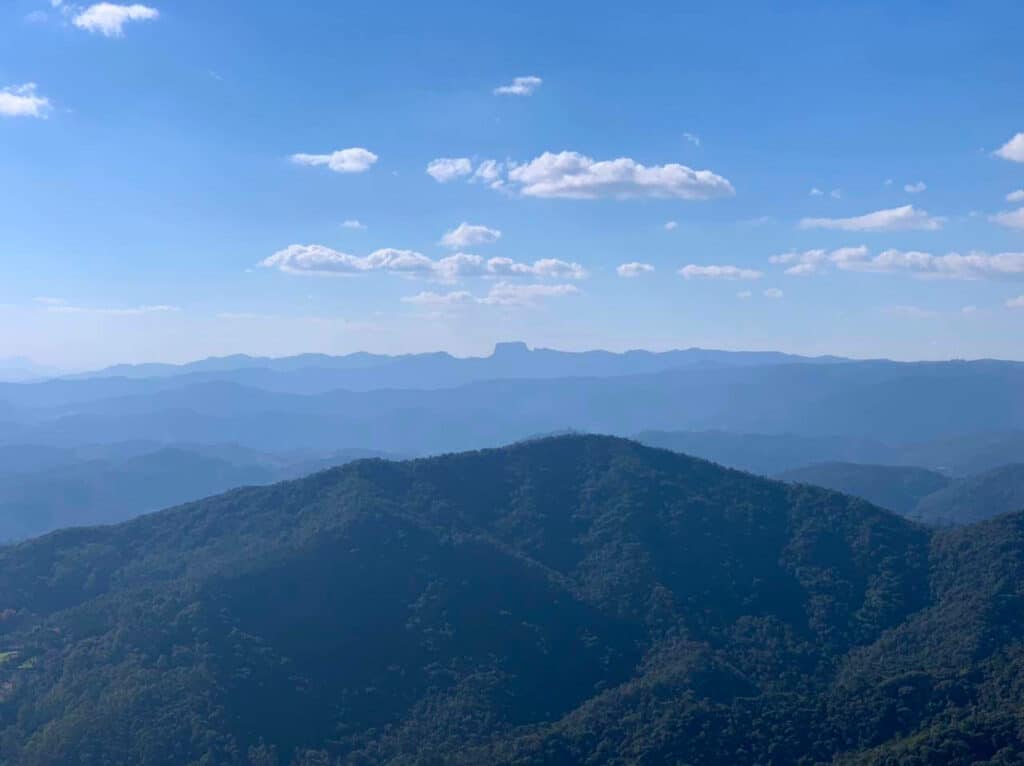
Santo Antônio do Pinhal is a town in the Serra da Mantiqueira, taking its name from a chapel built in 1811 to honor Santo Antônio de Pádua, known as the patron saint of marriage.
Even though it’s close to Campos do Jordão, with its lively energy, Santo Antônio, meanwhile, keeps the quiet character of the countryside, much like the town of São Bento do Sapucaí.
Genuinely worth the trip, since it’s close to São Paulo while still offering the peacefulness of the Serra da Mantiqueira, along with interesting excursions like visiting olive oil farms and lookouts with beautiful views over town.
The town sits about 3 hours by road from São Paulo. The drive is easy, and traveling through the mountains of the Serra da Mantiqueira is always a good call.
When to Travel to Santo Antônio do Pinhal
Peak tourist season in the Serra da Mantiqueira falls on weekends, holidays, and during the winter months, since the cold makes the excursions and the mountain scenery even more beautiful, cozy, and charming.
That said, lodging prices go up during this busier period.
Worth remembering: mountain season runs from May through September, always a great time to enjoy the region’s mountain range, thanks to the low chance of rain.
The Corpus Christi holiday and late July can be a good alternative for anyone who also wants to visit the livelier town of Campos do Jordão to catch its winter festival.
The town hosts two major festivals of its own: the Winter Festival and the Trout and Pine Nut Festival, held in July and April, respectively — and the town also gets quite crowded during those times.
Tips on What to Do in Santo Antônio do Pinhal
- Jardim dos Pinhais Eco Park
- Azeite Sabiá da Mantiqueira
- Azeite Rossini
- Pico Agudo
- Mirante do Cruzeiro
- Estação Eugênio Lefèvre
- A Bodega
- Waterfalls in Santo Antônio do Pinhal
- Downtown Santo Antônio do Pinhal
- Where to stay in Santo Antônio do Pinhal
Jardim dos Pinhais Eco Park
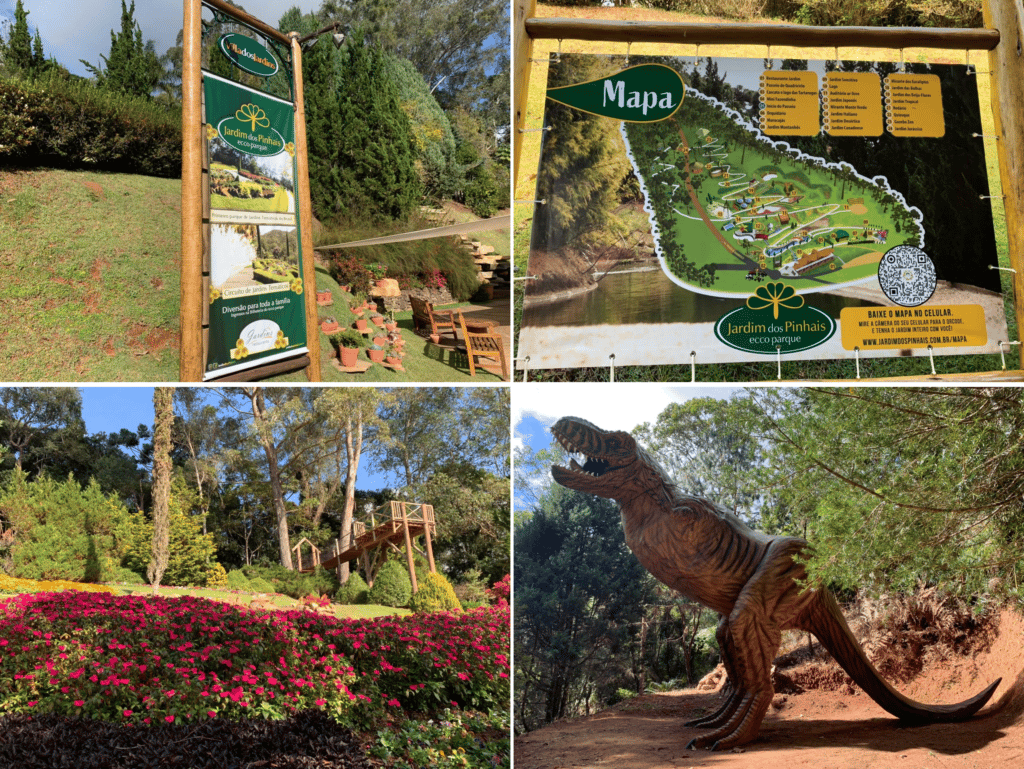
Brazil’s first Themed Gardens park, spanning 1,200 meters, was designed and built across former pastureland and disturbed forest. The winding path connecting the various themed gardens has ramps with an average 10% grade, and above all, it fully respected the existing natural landscape.
You’ll pass through the Sensory Garden, Japanese Garden, Desert Garden, Italian Garden, and more, along with a genuinely fascinating Jurassic Garden, great for young kids, featuring several dinosaur replicas along the way — I actually called my nephew so he could see the dinosaurs over video, and he loved it.
Inside the park, there’s also a restaurant, which we’ll cover in our post on where to eat in Santo Antônio do Pinhal, a café, and finally, two small shops carrying regional products. Admission to the park costs R$35 per person, and there’s also a guided tour option, running from 9 AM to 6 PM on weekends.
We thought this was a fair price given how well maintained the park is.
Azeite Sabiá da Mantiqueira
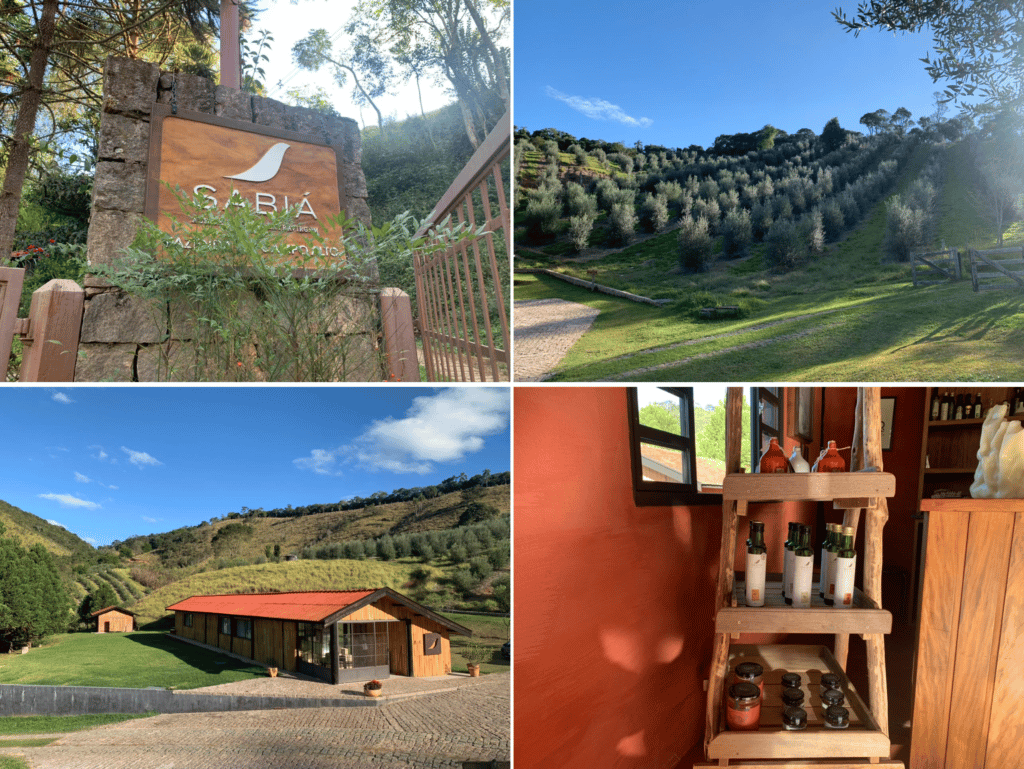
This was our favorite excursion of them all. Rural tourism at Fazenda do Campo Alto offers a beautiful garden full of olive trees, with a genuinely interesting guided tour costing R$25 per person, where you learn the history of the property, and afterward do an olive oil tasting, sampling oils from the farm and elsewhere, picking up on the range of flavors, spice levels, and aromas — green leaf, vanilla, apple.
It’s sensational!!! And for us, this excursion was an absolute must!!! We’d definitely recommend doing the guided tour and the tasting, not just buying a bottle to go! And, as a nice surprise, we got lucky, since the tasting was hosted by the owner of the farm himself, a genuinely wonderful person who knows the subject inside and out.
Azeite Rossini
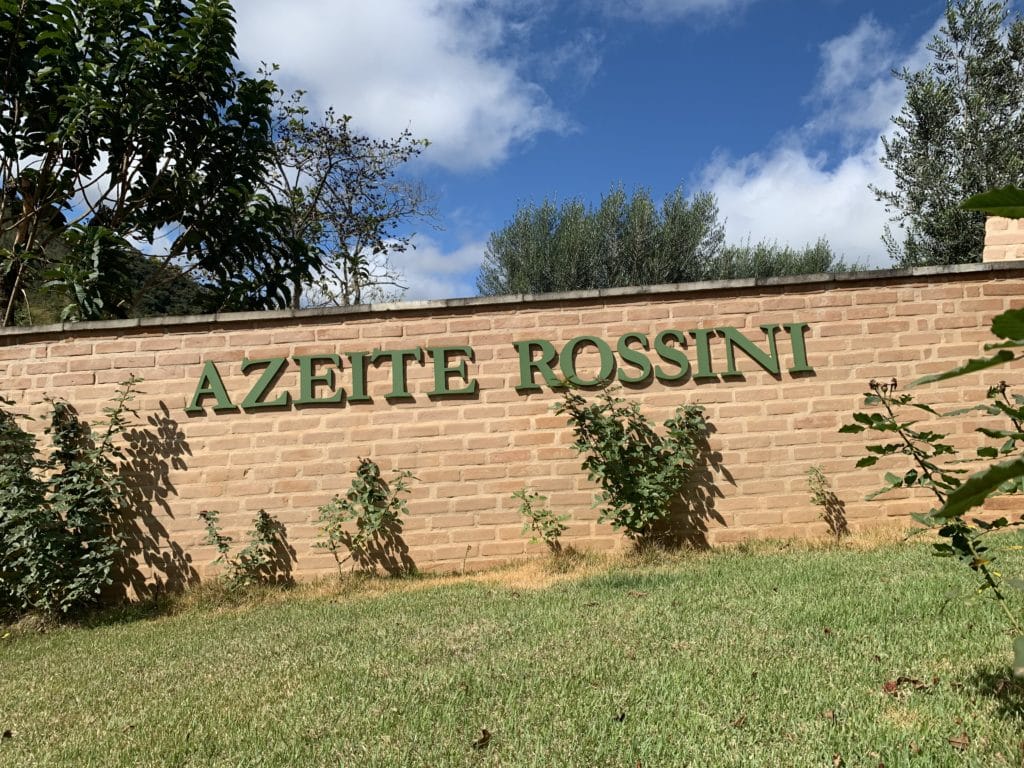
Similar to our visit to Azeite Sabiá, we got lucky enough to run into the farm’s owner, Luiz Augusto Rossini, on the day we visited, who’s still building out a proper tasting area. Even so, we grabbed some beach chairs, sat in the sun, and chatted with him, socially distanced and masked, about olive oil and the plantation itself!
He’s an extremely pleasant person, and we ended up talking for over an hour, learning about the farm and the olive oil — a genuinely enriching conversation, since he taught us how to read the labels, along with several other fun facts.
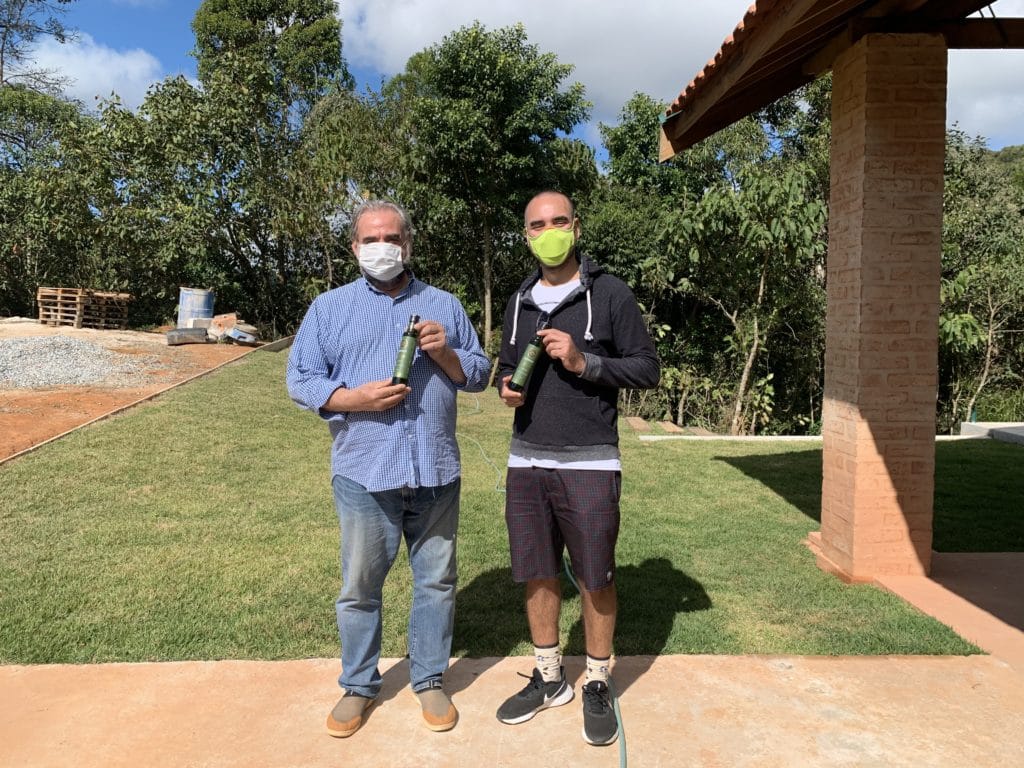
Well worth stopping by and buying the olive oil, which is delicious — you can also find it served at the table at Restaurante Donna Pinha!
Pico Agudo
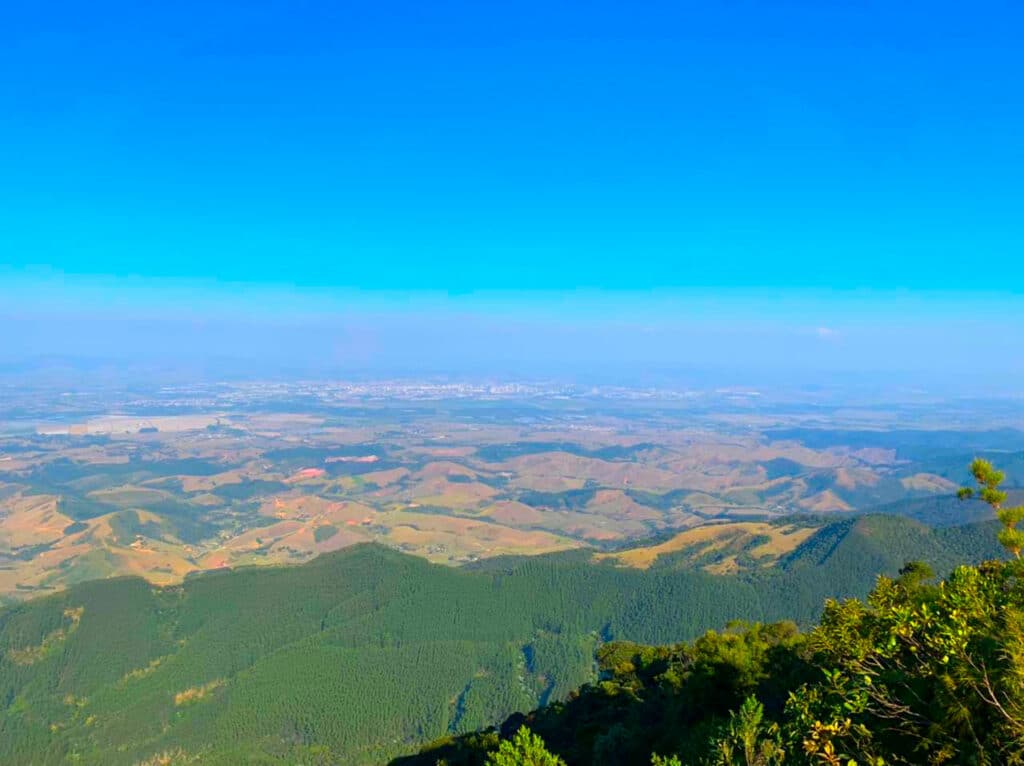
At 1,703 meters elevation, this spot is also used for free flying, both hang gliding and paragliding.
From up here, you get a 360-degree view over the towns of the Vale do Paraíba and part of the mountains of southern Minas Gerais. You can drive up to the summit, though there’s a R$5 fee per vehicle.
Unfortunately, we caught it on a very overcast day and could barely see anything, but on a sunny day, it must be absolutely worth it.
Mirante do Cruzeiro
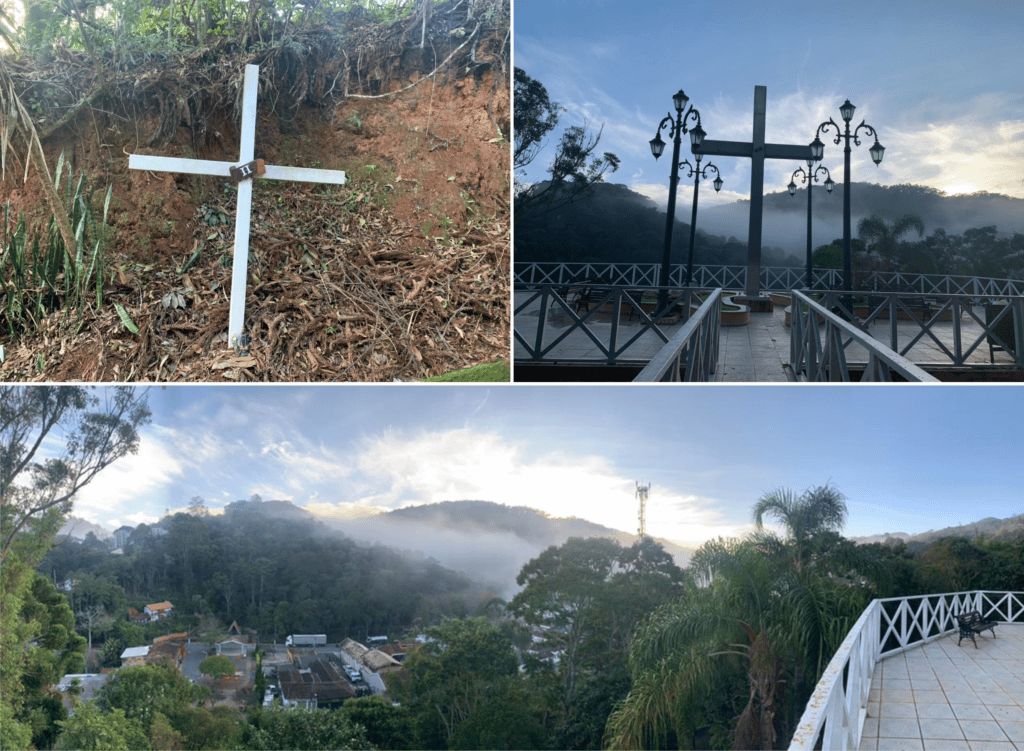
Following the Trilha das Cruzes, where the faithful retrace the path Jesus walked to Calvary, marked by several crosses along the route, until reaching Mirante do Cruzeiro, where you can see a small part of the town’s central area, at an elevation of 1,180 meters.
The sunset here is beautiful, with a small flower-filled square with benches, lit up at night, offering a view of the town’s cross.
Open to the public, with free admission. You can drive up, since there’s parking.
Estação Eugênio Lefèvre
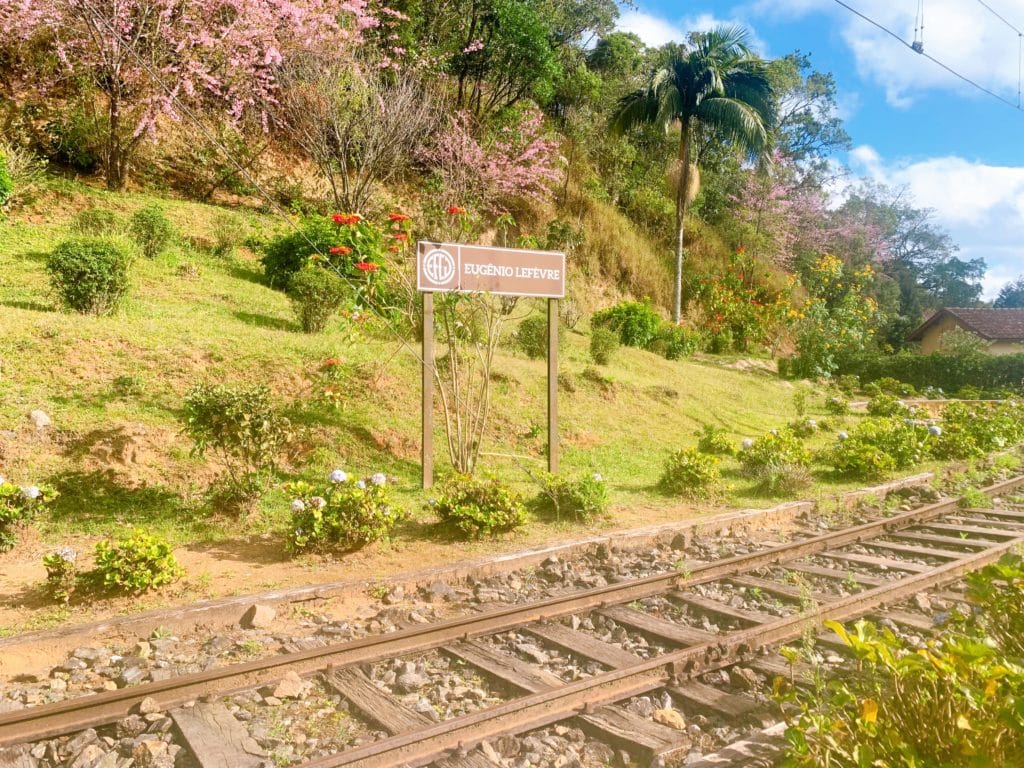
As you’re arriving in town, this is where the tour naturally begins, visiting the old station. Its history dates back to 1914, opened as an extension of the railway station in Pindamonhangaba, on the Estrada de Ferro Central do Brasil, established by public health physicians Emílio Ribas and Victor Godinho, to transport respiratory patients to the hospital in what was then the village of Campos do Jordão.
Its name, Eugênio Lefèvre, honors an engineer who, together with Euclides da Cunha, designed a railway meant to connect Mogi das Cruzes to the port of São Sebastião — a line that was never actually built.
Unfortunately, it’s been decommissioned by the state government for 4 years now, with no expectation it will reopen.
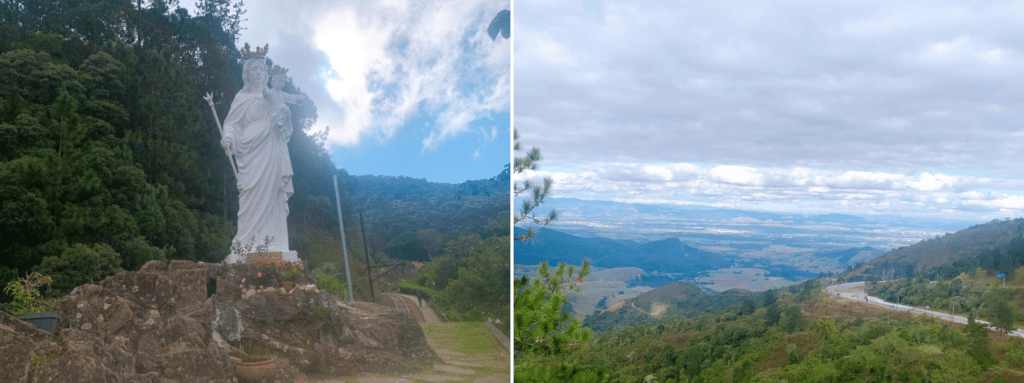
Mirante Nossa Senhora Auxiliadora
There are two viewpoints here, the first being Mirante Nossa Senhora Auxiliadora, a short walk along the tracks past the parking lot. From there, you get a view of the towns of Tremembé and Taubaté.
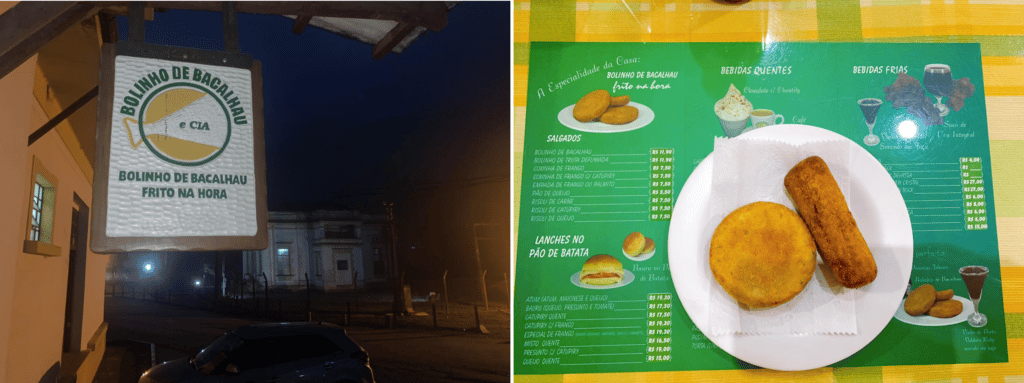
Bolinho de Bacalhau e Cia
There’s also a restaurant here called Bolinho de Bacalhau e Cia, famous for its codfish and trout fritters, fried fresh to order — we tried them and loved them, especially with a drizzle of olive oil added.
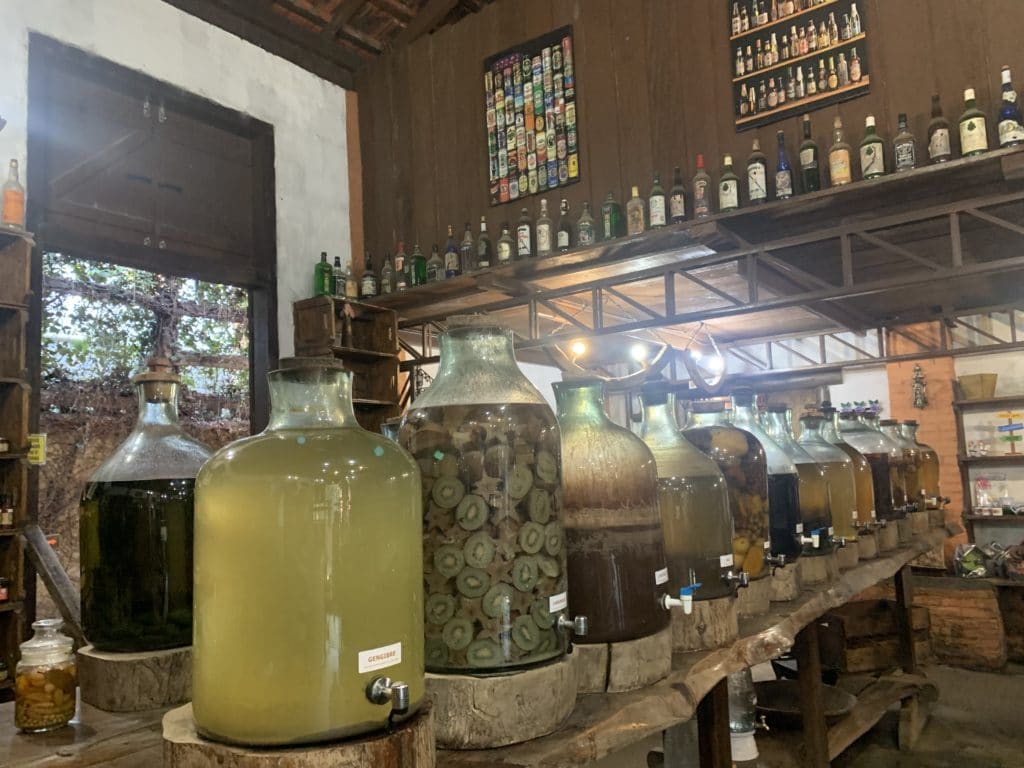
A Bodega
A relaxed spot where you can enjoy delicious cachaças infused with fruit, in a range of flavors, and you can mix and match different varieties — genuinely fun to explore. For instance, they recommended blending chocolate with ginger, or citrus fruits — I think that mixing of different infused cachaças is really the fun part of the visit. There’s also a play area for kids outside.
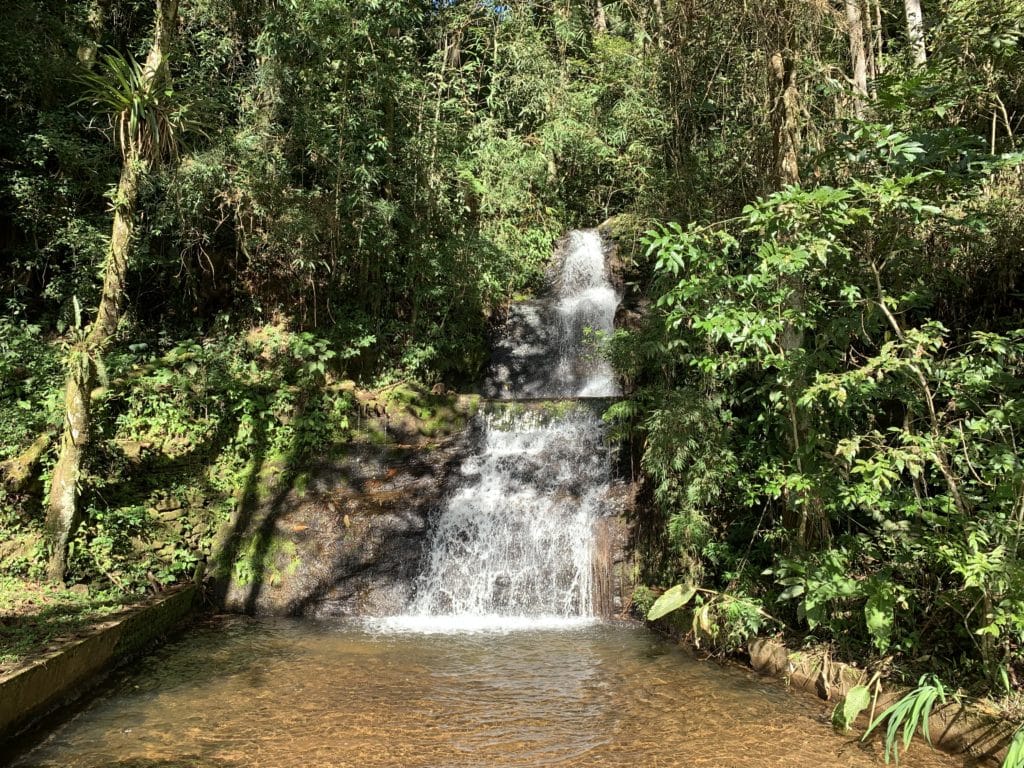
Waterfalls in Santo Antônio do Pinhal
Cachoeira do Arco-Íris
Right after leaving the Eco Park, just about 100 meters further down the road, sits Restaurante Arco-Íris, and behind it you’ll find Cachoeira do Arco-Íris, a small but genuinely pretty waterfall worth visiting. We saw plenty of recommendations for the restaurant too, but we didn’t have time to stop.
Cachoeira do Lageado
Located in the Lageado district, 7 km from downtown, reached via a dirt road. This is the most-visited waterfall by tourists, since it has a well-maintained wooded area for resting and picnicking. The waterfall forms a small pool with a sandy bottom. Admission: R$10 per person.
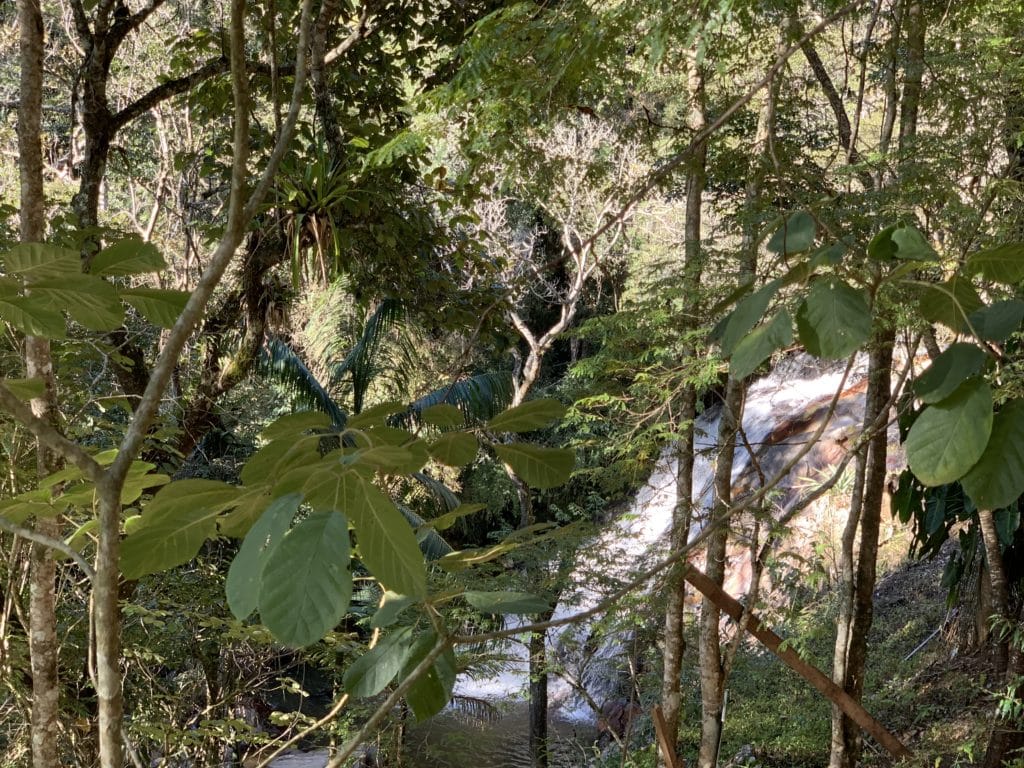
Cachoeira do Cassununga
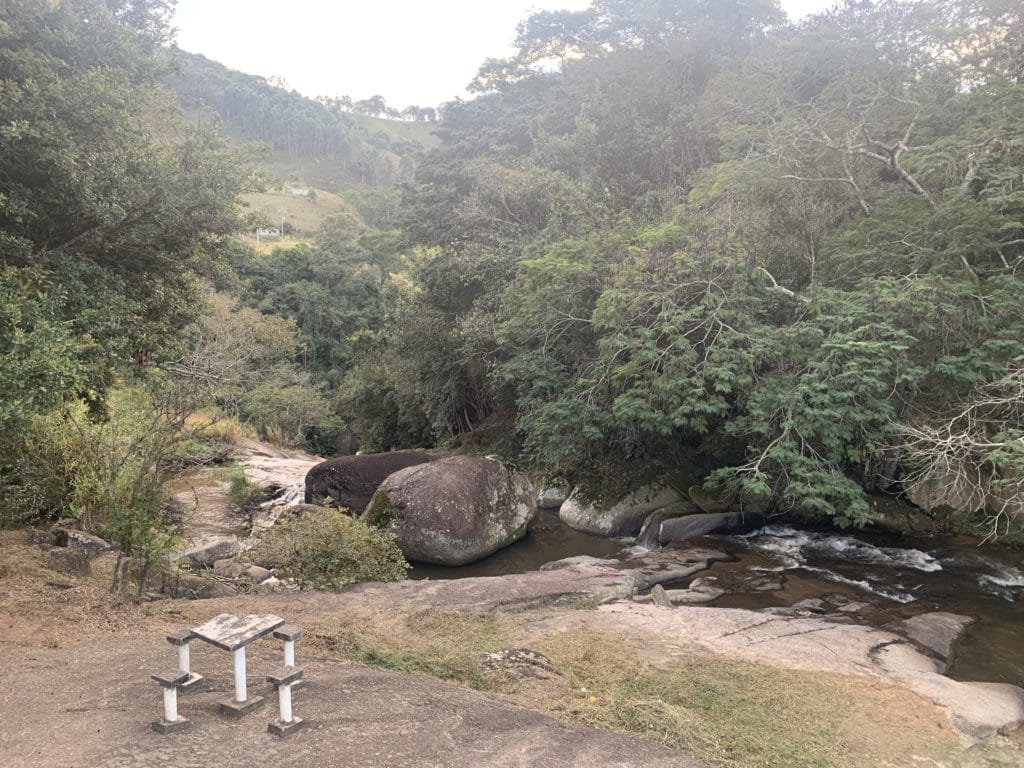
Located 15 km from downtown, on the left side of highway SP-50, heading toward São Bento do Sapucaí. You can park at a bar next to the waterfall, but it’s currently closed because of COVID-19, and its water isn’t suitable for swimming. Free admission.
Downtown Santo Antônio do Pinhal
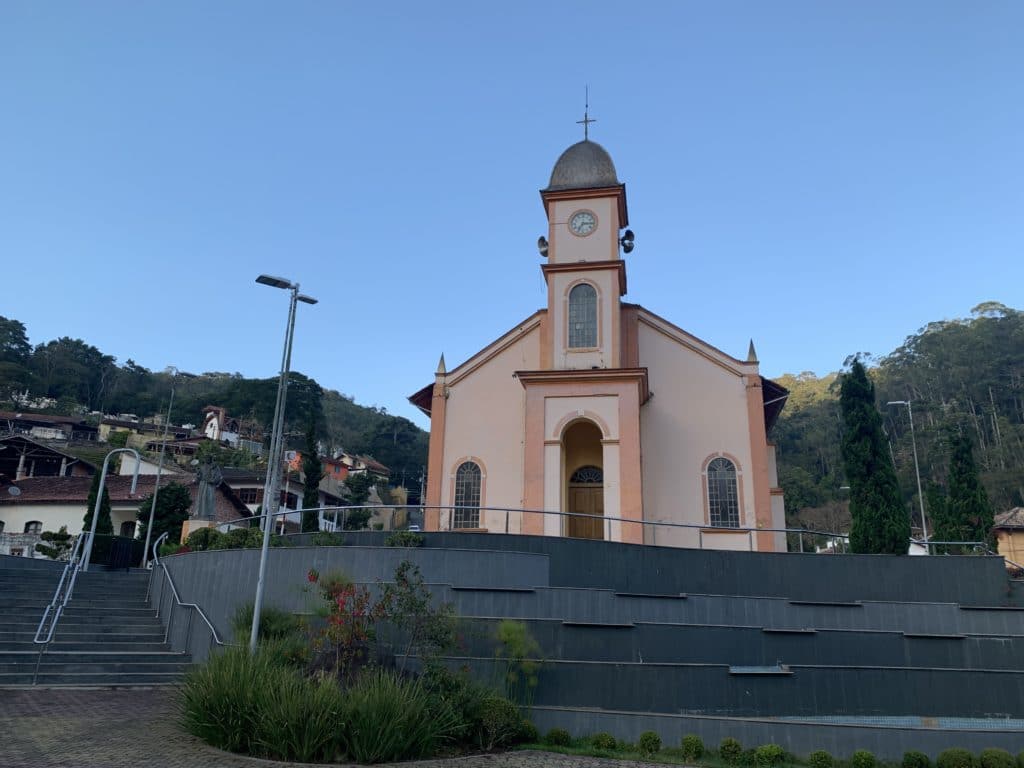
Igreja Matriz Santo Antônio de Pádua
The impressive Igreja Matriz Santo Antônio de Pádua’s first chapel was built in 1836. It was later rebuilt in 1929, and the version we see today still has several walls made of rammed earth (taipa). Finally, it was elevated from chapel to full parish and the town’s main church in 1961. The patron saint’s feast day is celebrated every June 13.
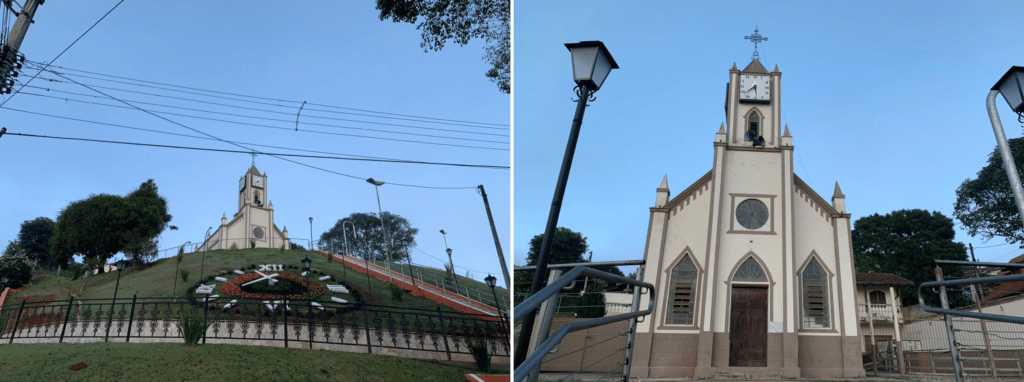
Igreja de São Benedito
Built in 1948, in the town’s central area, with an impressive staircase leading up to the entrance. Its architecture echoes old churches from the 1920s. The Feast of São Benedito is celebrated every April. It also has a beautiful floral clock on the side of the church.
Praça do Artesão (Praça Benedito Marcondes Raposo)
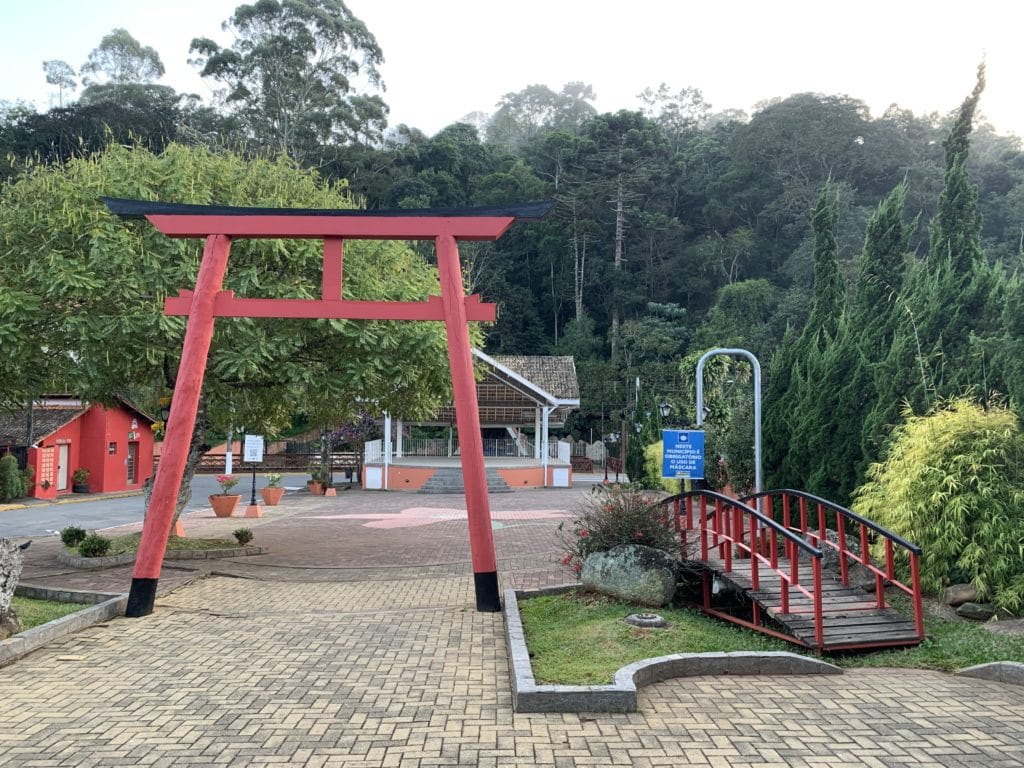
With a large stage for cultural performances, like music festivals and the New Year’s celebration. Located near the famous Fonte Santo Antônio.
Fonte Santo Antônio
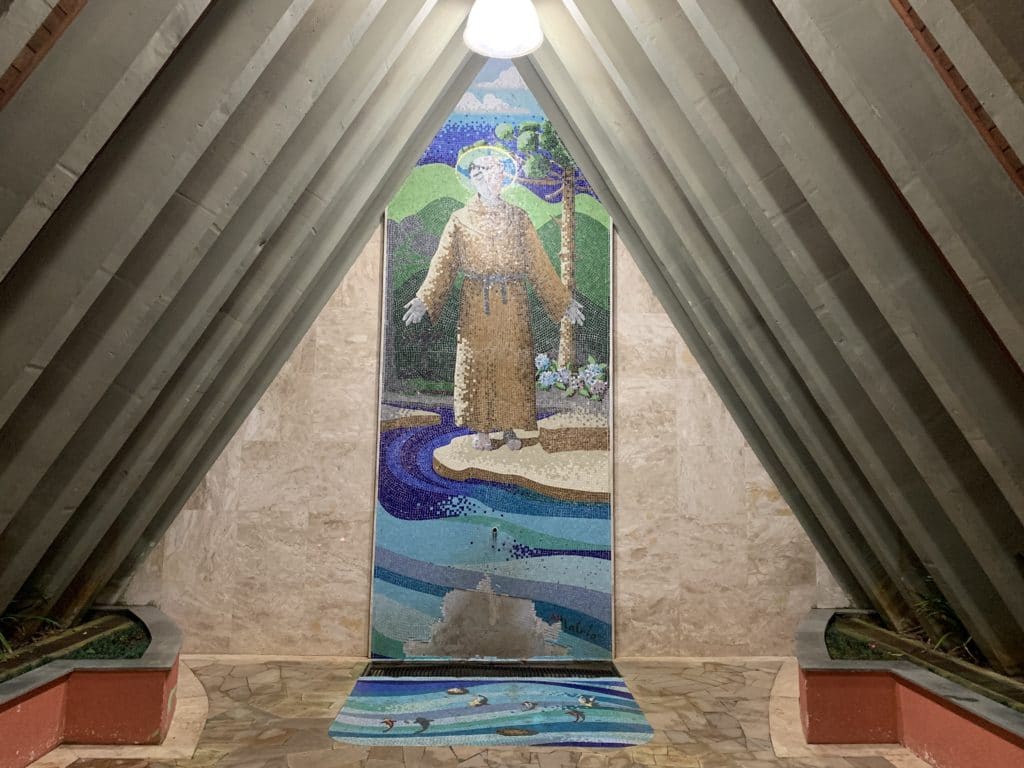
Near the Praça do Artesão. Its water is mildly radioactive, but very pure, with a pleasant taste.
Boulevard Araucária
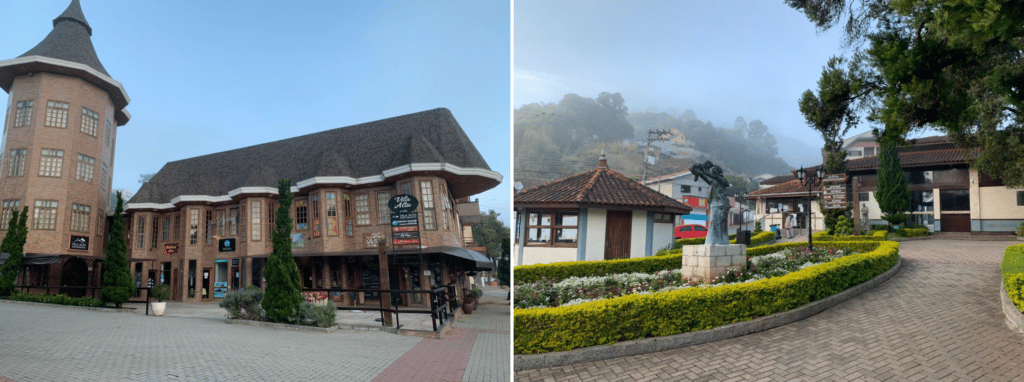
Boulevard Araucária sits on the town’s main street, right by the bus station. This is a square filled with flowers and statues, hosting several municipal events, like cultural performances, the Christmas in the Mountains celebration, and arts and crafts fairs.
The square is also home to a fruit and vegetable stand, along with products made by local residents. It’s also the location of the Municipal Tourism Office and, finally, a small shopping area with shops selling regional products.
Where to Stay in Santo Antônio do Pinhal
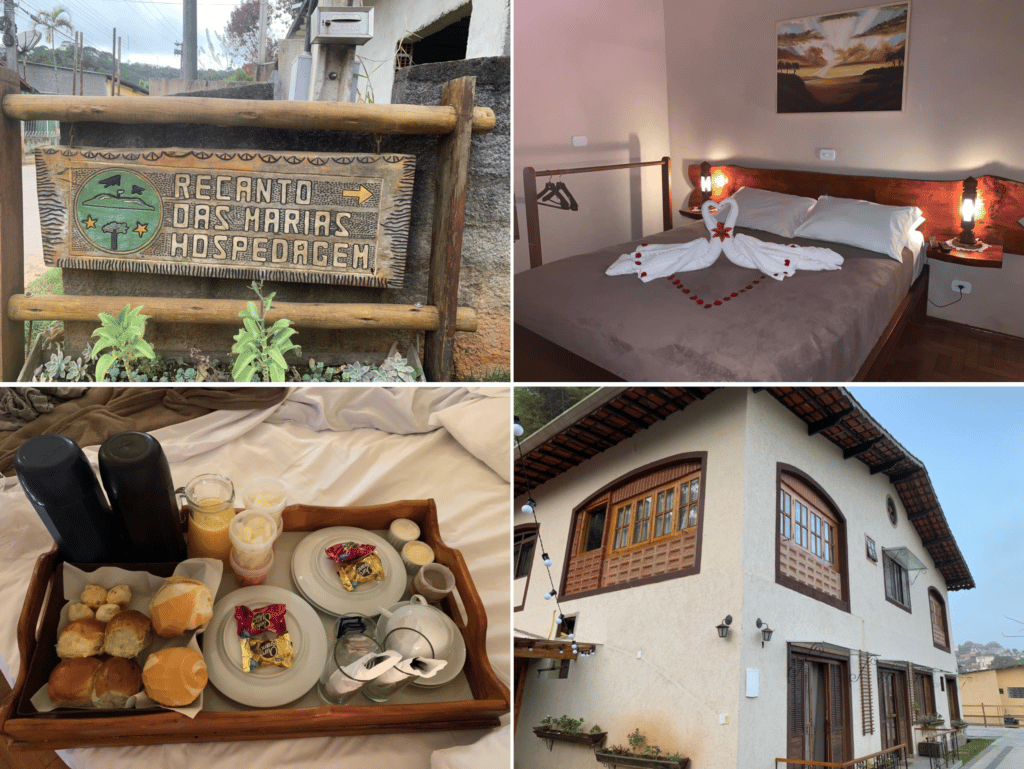
We stayed at Pousada Recanto das Marias, located close to the main street, with private on-site parking — genuinely great, since it meant we could walk downtown without needing the car. Since there are so many inns in the area, finding street parking can be tricky.
The place is pleasant, and the owner, Elmo, does everything he can to make guests happy, being extremely friendly and helpful, which I think is the strongest reason to stay with them.
The room is a good size, comfortably fitting our luggage with plenty of room to move around, though the bathroom is small — our only real critique is that it doesn’t have a shower stall, so the floor gets a bit wet, but otherwise it covers all your needs, with good hot water in the shower.
Breakfast is served in the room, given COVID-19 rules, and they send the menu over WhatsApp so you can choose items or ask for something extra. As I mentioned, the owner is very attentive and easy to talk to, so we’d recommend staying here, and we hope you enjoy it as much as we did.
Did you enjoy this?! Then read more tips on where to eat in town in Where to Eat in Santo Antônio do Pinhal.
Read the original version in Portuguese on A Bela e o Bigode.