What to Do in Embu das Artes
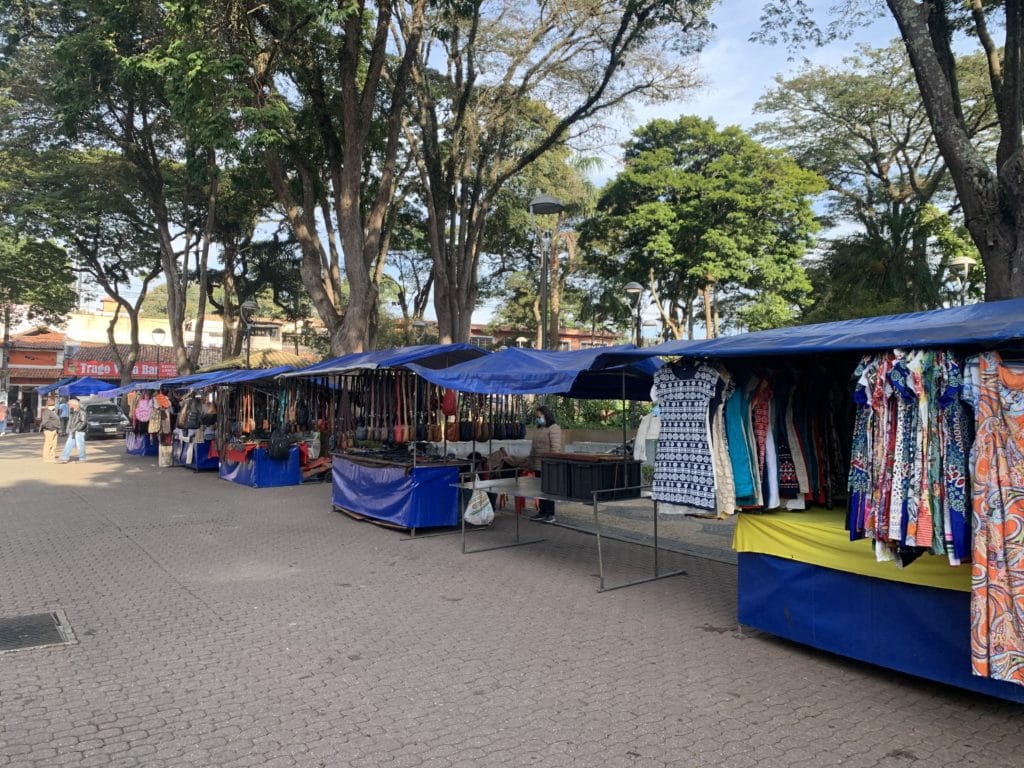
Embu das Artes is a municipality in the São Paulo Metropolitan Region, 30 km from the state capital, and, without question, a great pick for a day trip.
It’s best known as a shopping destination, thanks to its arts and crafts fair, shops, and art studios, but the town also has great food and culture, along with entertainment for every taste, making it easy to fill a whole day here.
Origin of the Name Embu das Artes
“Embu” is a distortion of words, shaped by mishearing or a quick glance at the name of the Jesuit village that gave rise to the town, originally called Mboy — there are two possible origins for this:
Either a term from old Tupi, mboî’y (“snake river,” combining mboîa, “snake,” and ’y, “river”), or from the old Tupi term mboîa (“snakes”).
History of Embu das Artes
Surprisingly, the town’s artistic identity began in 1937, when Cássio M’Boy, a local saint-carver from Embu, won the top prize at the International Exhibition of Technical Arts in Paris.
Even before that, though, Cássio taught several artists, and his home hosted major figures of São Paulo’s 1922 Modernist Movement and its arts scene, including Anita Malfatti, Tarsila do Amaral, Oswald de Andrade, Menotti Del Picchia, Alfredo Volpi, and Yoshiya Takaoka.
Soon after, in 1930, Tadakyio Sakai discovered Embu das Artes. He formed a group of visual artists that included Solano Trindade, who arrived in 1962 and brought with him Black Brazilian culture, gathering a circle of artists around him and introducing the tradition of the orixás.
In 1960, the town became a magnet for hippies, who sold their handmade crafts on weekends, eventually giving rise to the Arts and Crafts Fair, held every weekend since 1969.
Getting to Embu das Artes
Just outside São Paulo, you can reach Embu das Artes by car via either the Rodovia Régis Bittencourt or the Rodovia Raposo Tavares. Both routes have tolls.
What to Do in Embu das Artes
We spent a day in the town, and here’s a rundown of what we did while we were there.
Feira de Arte e Artesanato
Today, this is one of the town’s biggest draws, filling the main streets of the historic center, a pedestrian-only zone where cars aren’t allowed.
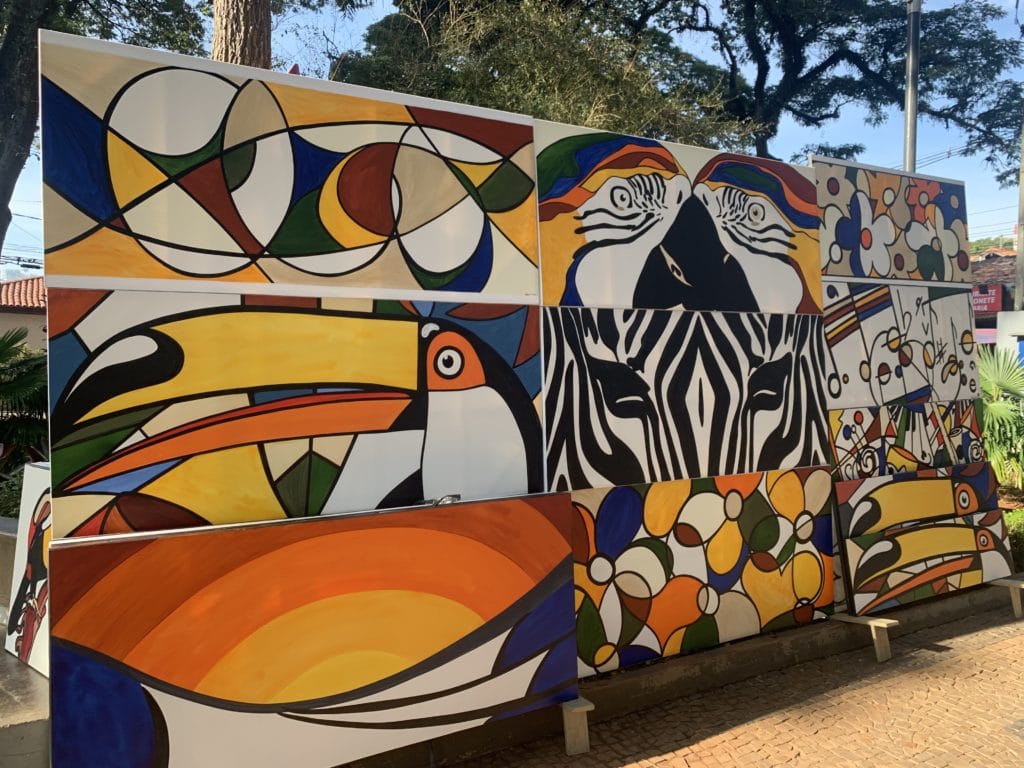
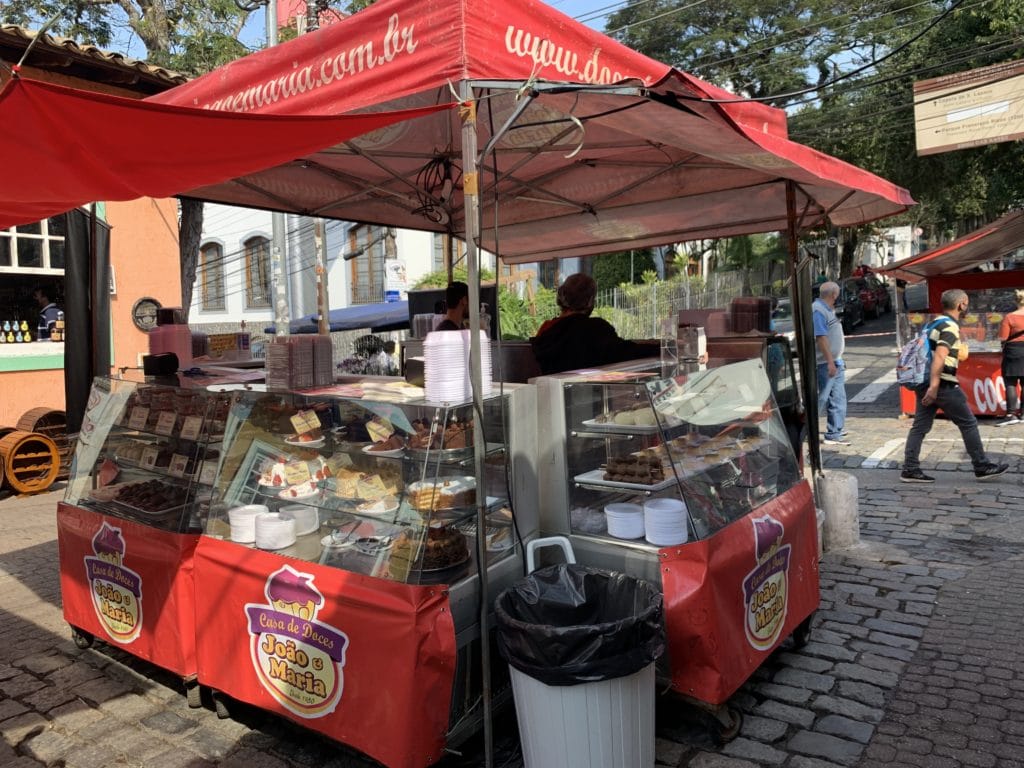
At the arts and crafts fair, you’ll find all kinds of work, from paintings and sculptures to clothing and jewelry, and scattered throughout, you’ll also find vendors selling sweets like cocada and chocolate-covered strawberries.
The fair draws large crowds, so we’d recommend going in the morning. It runs Saturdays, Sundays, and holidays, from 10 AM to 5:30 PM, and you can learn more about the vendors and products on the AAFEA website, which also has tips on where to stay, where to eat, and other attractions in town.
Feira do Verde de Embu das Artes
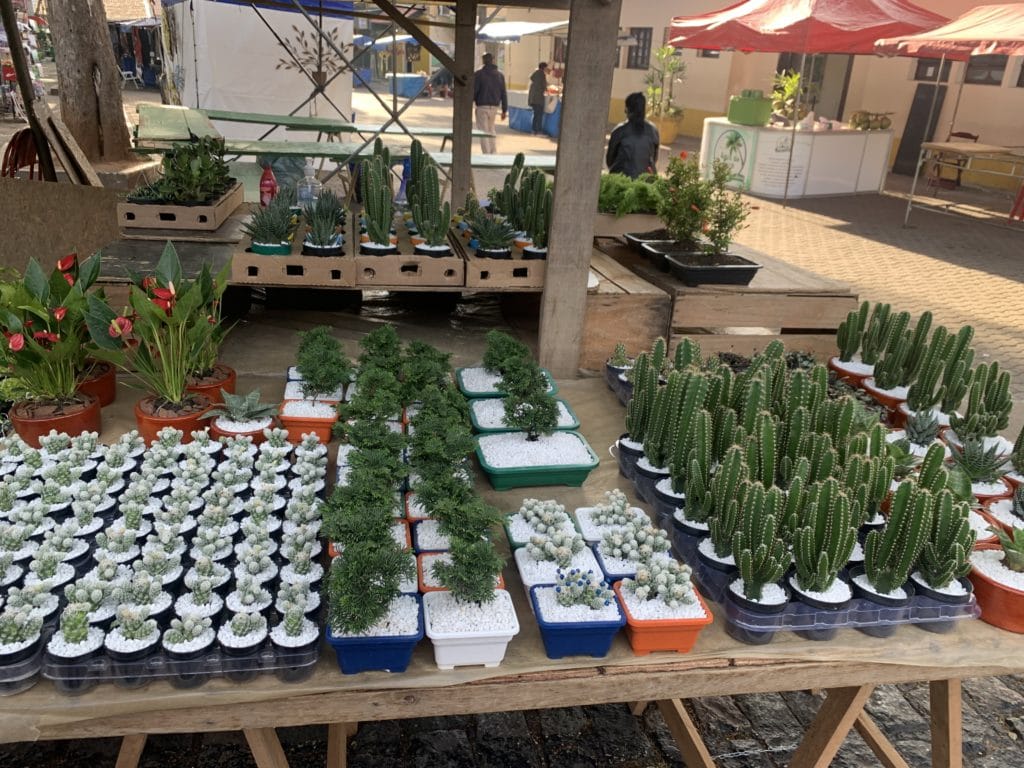
The Feira do Verde (Green Market), located on Rua Siqueira Campos, sits near the arts and crafts fair, where you’ll find a wide range of plants, flowers, and fruit trees from small local growers — though it only runs on Sundays.
With fair prices and a limited selection, we’d recommend buying whatever catches your eye right away, since it might not be there when you’re ready to leave.
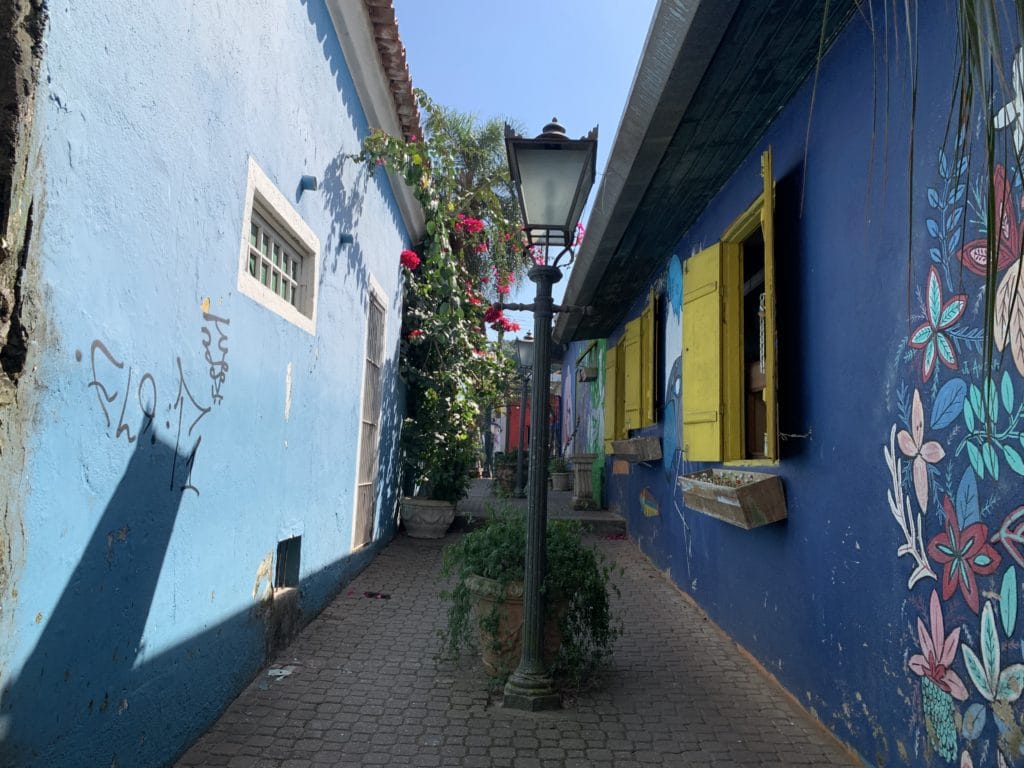
Viela das Lavadeiras
A charming spot in the historic center, great for photos, with a flower-lined entrance, old-fashioned lampposts, and colorful street art — fun fact: even Mick Jagger once came to see this alley.
It gets its name because it was once the path washerwomen took to wash clothes in the river.
It connects Rua Siqueira Campos to Rua Nossa Senhora do Rosário, making it a busy thoroughfare — keep in mind there are two entrances, both marked “Viela das Lavadeiras,” so it’s easy to find either the entrance or exit.
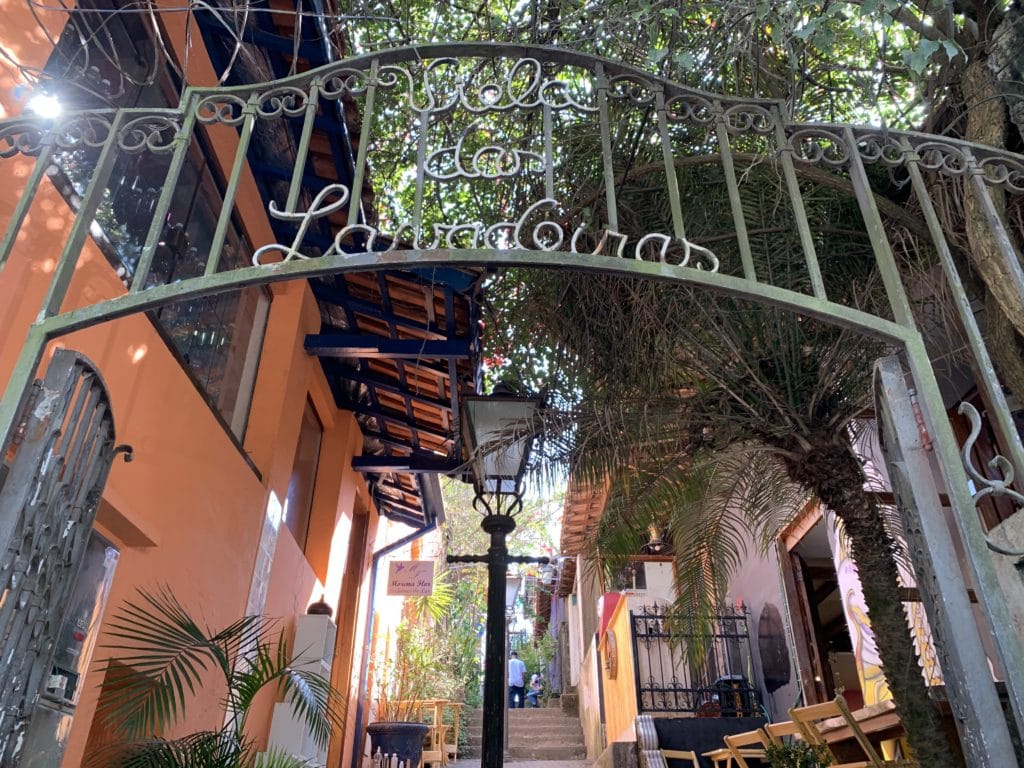
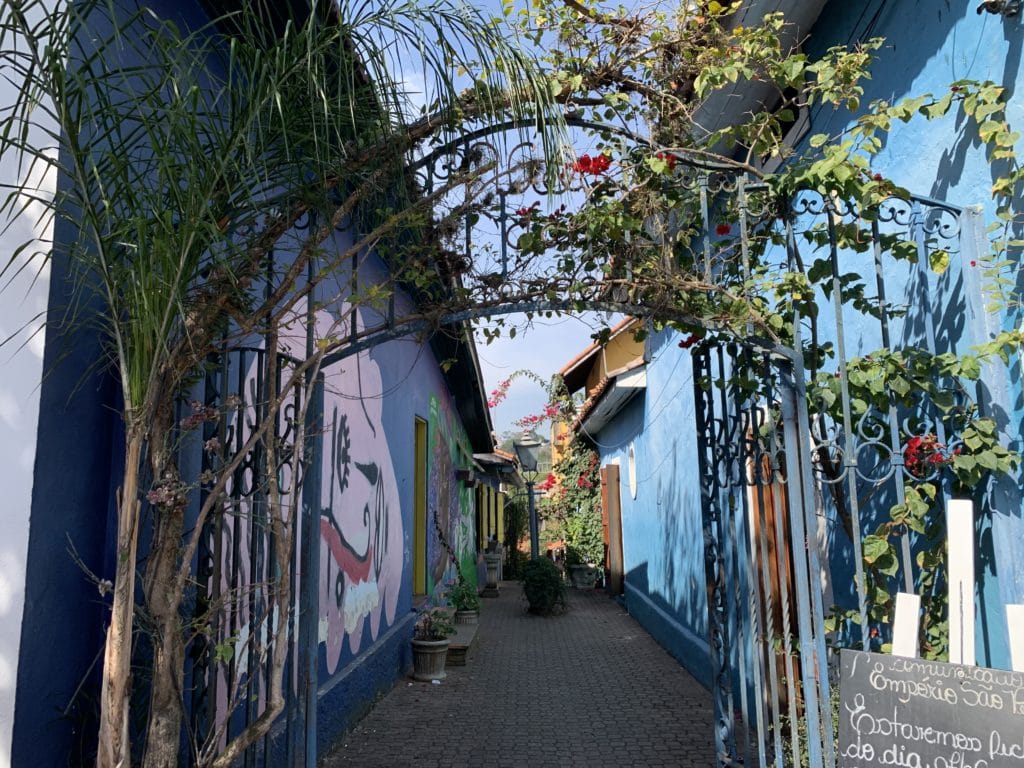
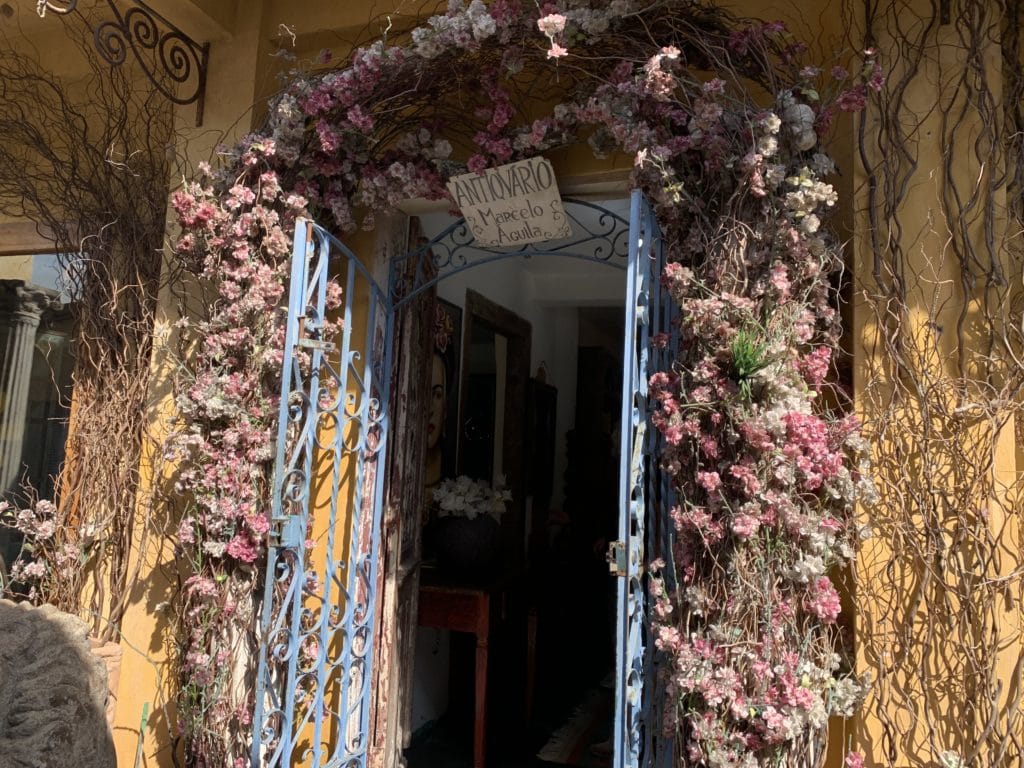
Right after, you’ll pass the entrance to Studio Marcelo Aguila, flanked by flowers and great for photos, along with the entrance to Restaurante Empório de São Pedro, and the modern design furniture shop São Benedito.
Shops and Antique Stores
You’ll find shops all over the historic center, carrying distinctive, charming home decor and furniture, ranging from antiques to more modern pieces, at a wide range of prices.
Three shops stood out to us in particular, so here’s a bit on each.
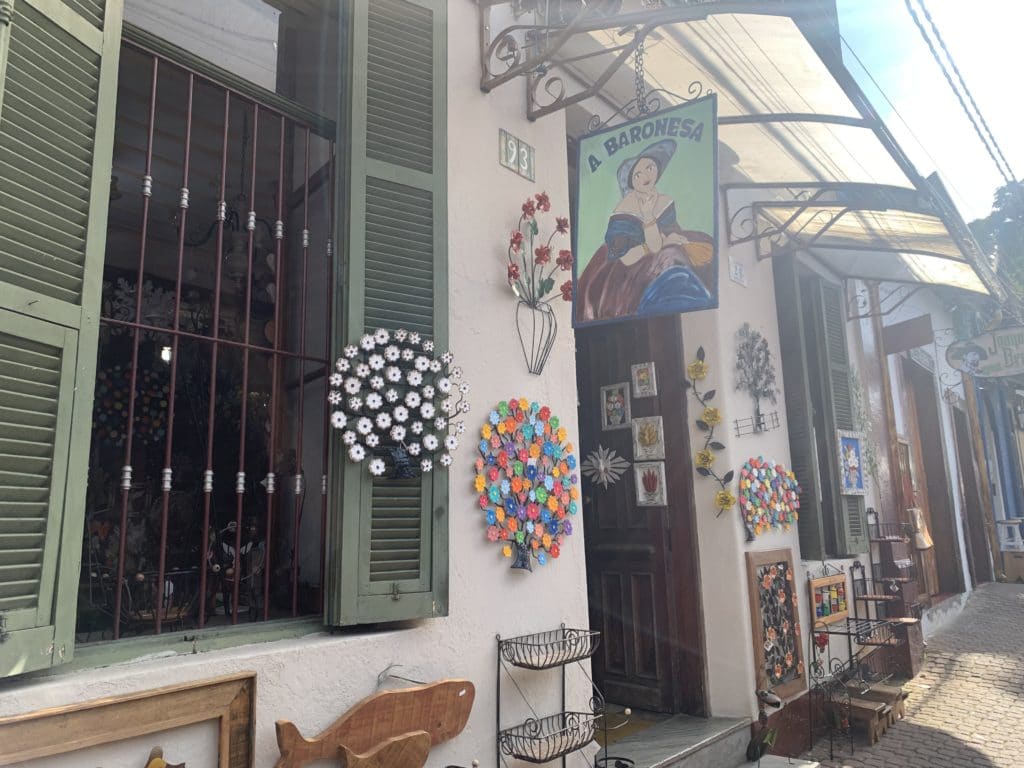
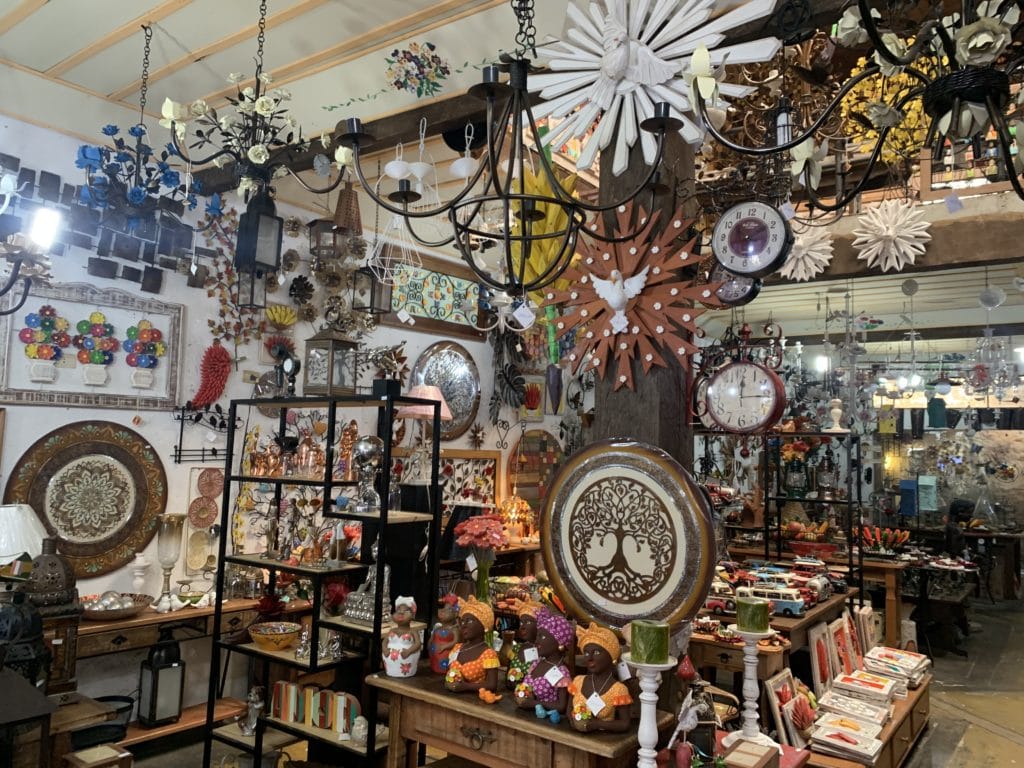
A Baronesa: its bold, colorful entrance catches your eye as you walk by, offering all sorts of decorative pieces.
Location: Rua Joaquim Santana, 93.
Hours: Monday to Friday, 9:30 AM to 5:30 PM; Saturday and Sunday, 9 AM to 6 PM.
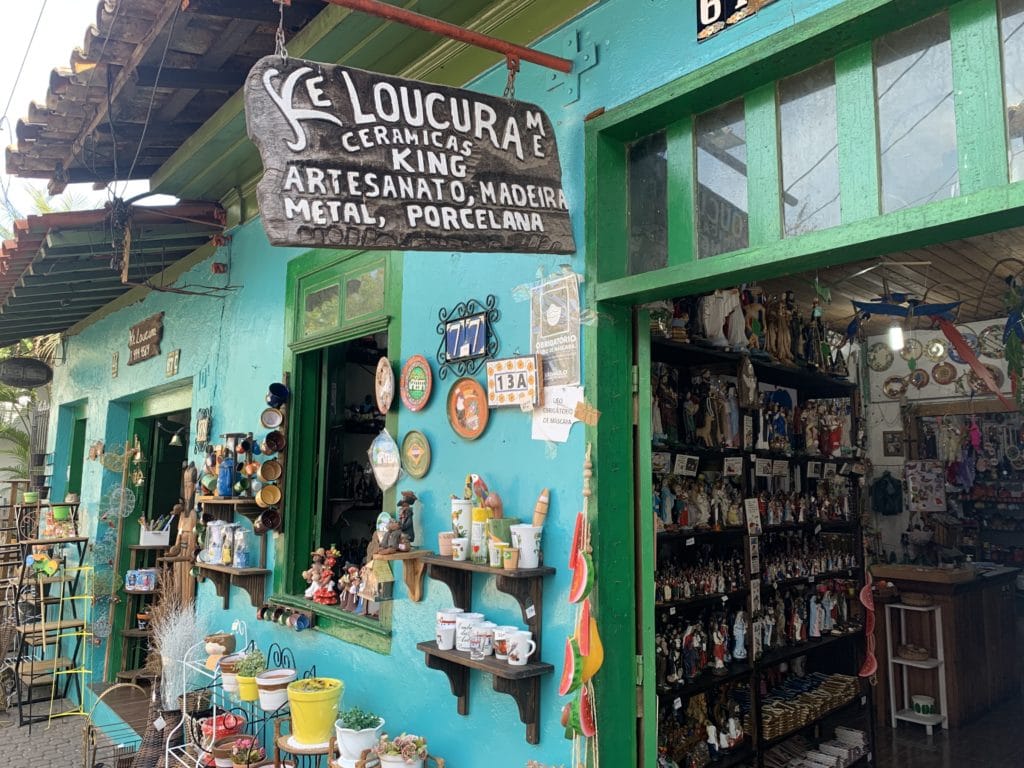
Right next door is Ke Loucura, which we’d recommend for fridge magnets, since they’re beautiful and hand-painted, unlike anything else we came across. The owner is also a really warm woman, and the shop carries various Catholic saint figures and decorative pieces.
Location: Rua Joaquim Santana, 67B.
Hours: Monday to Friday, 9:30 AM to 5:30 PM; Saturday and Sunday, 9 AM to 6 PM.
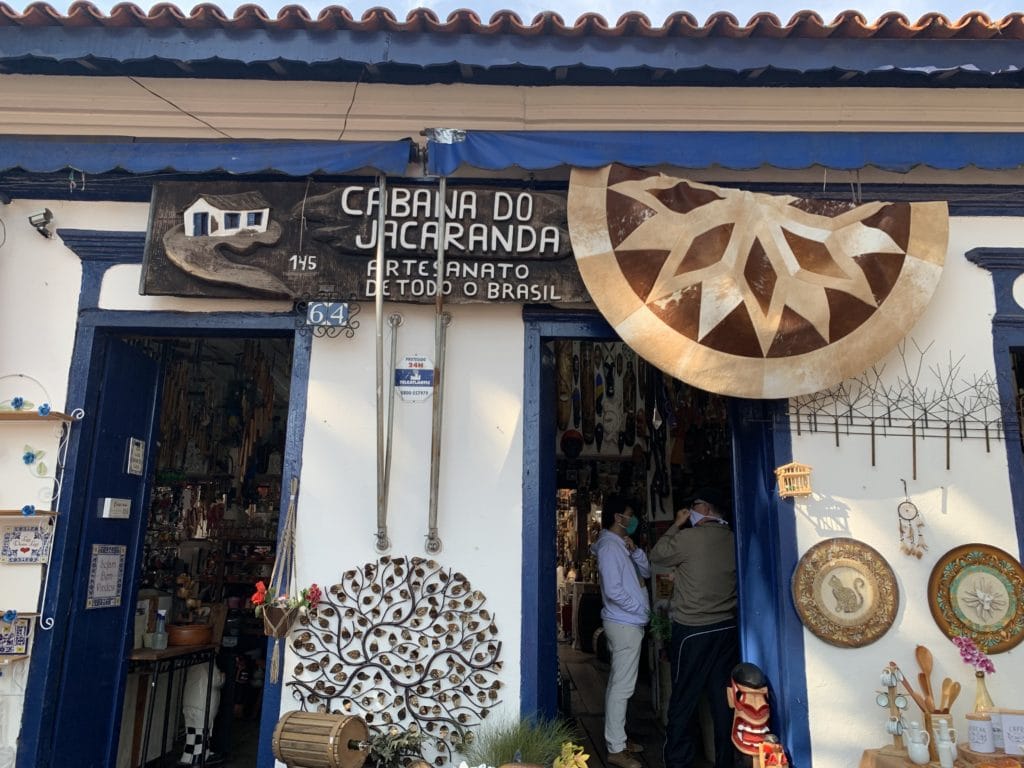
Cabana do Jacarandá was the last shop we visited, carrying all sorts of products, including a replica of the Jesuit church, along with other decorative items.
Location: Largo dos Jesuítas, 145.
Hours: Monday to Sunday, 9 AM to 6 PM.
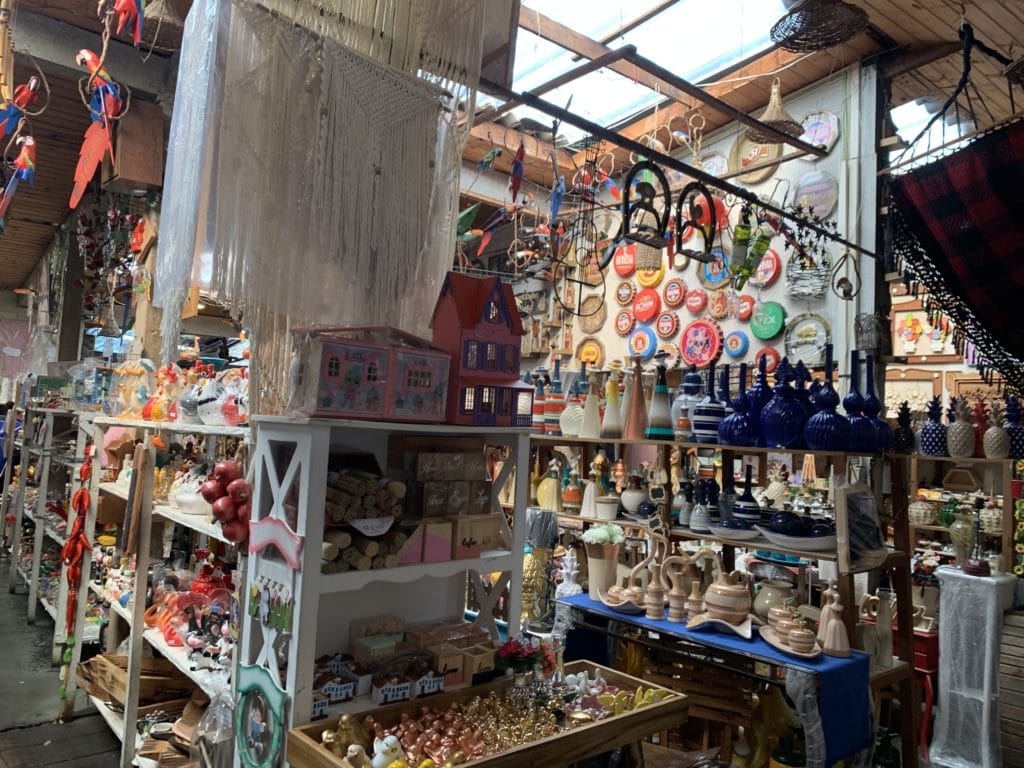
Empórios
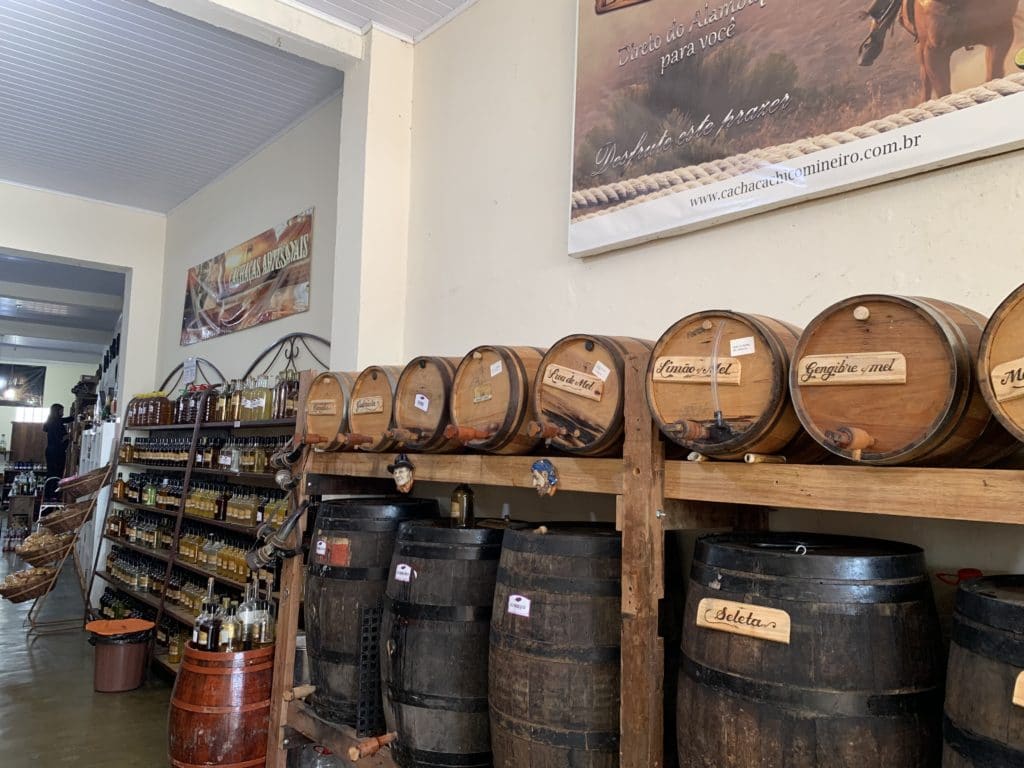
There are several shops scattered around town, all fairly similar, since they carry cachaças and artisanal products, like peppers, cheese, jam, sweets, and cookies, among other things.
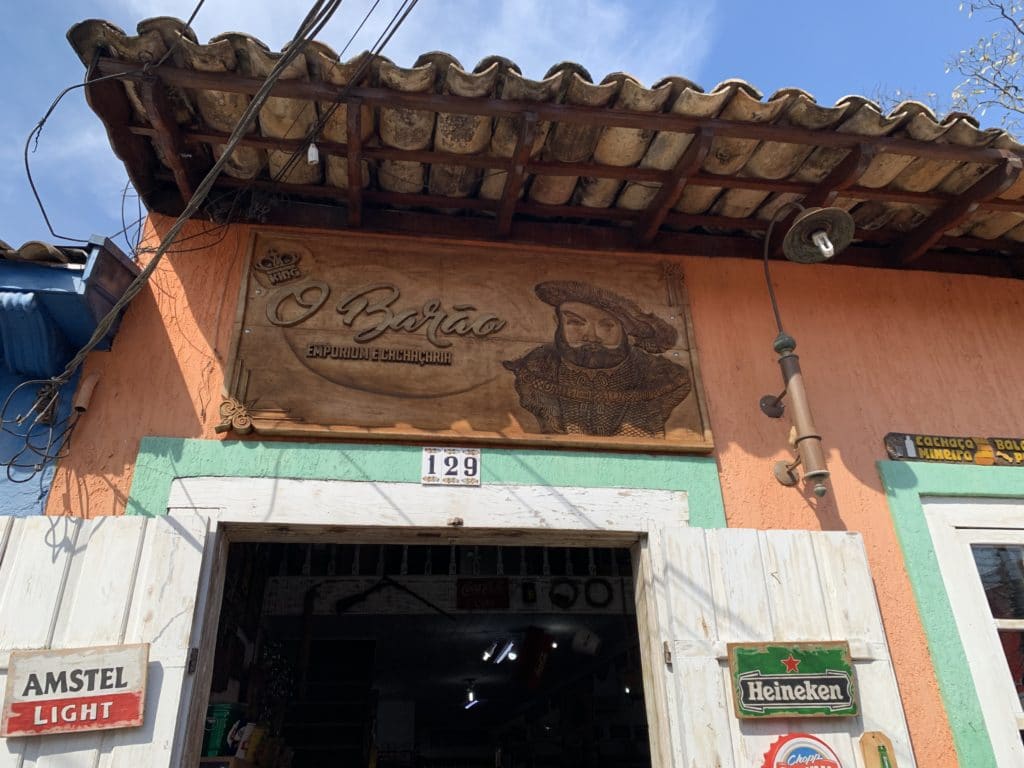
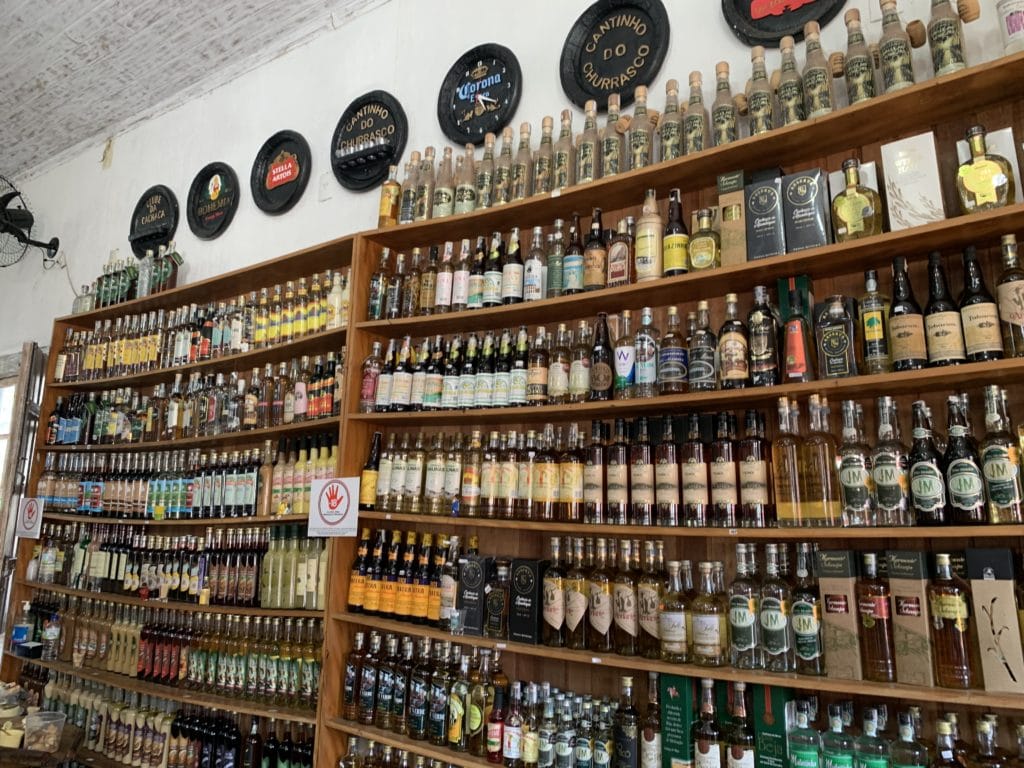
Among the best known is Barão Emporium & Cachaçaria, featuring award-winning cachaças from all over Brazil, and its sheer variety of cachaças is genuinely impressive.
Location: Rua Nossa Senhora do Rosário, 129.
Hours: Monday to Friday, 10 AM to 5 PM; Saturday and Sunday, 9 AM to 6 PM.
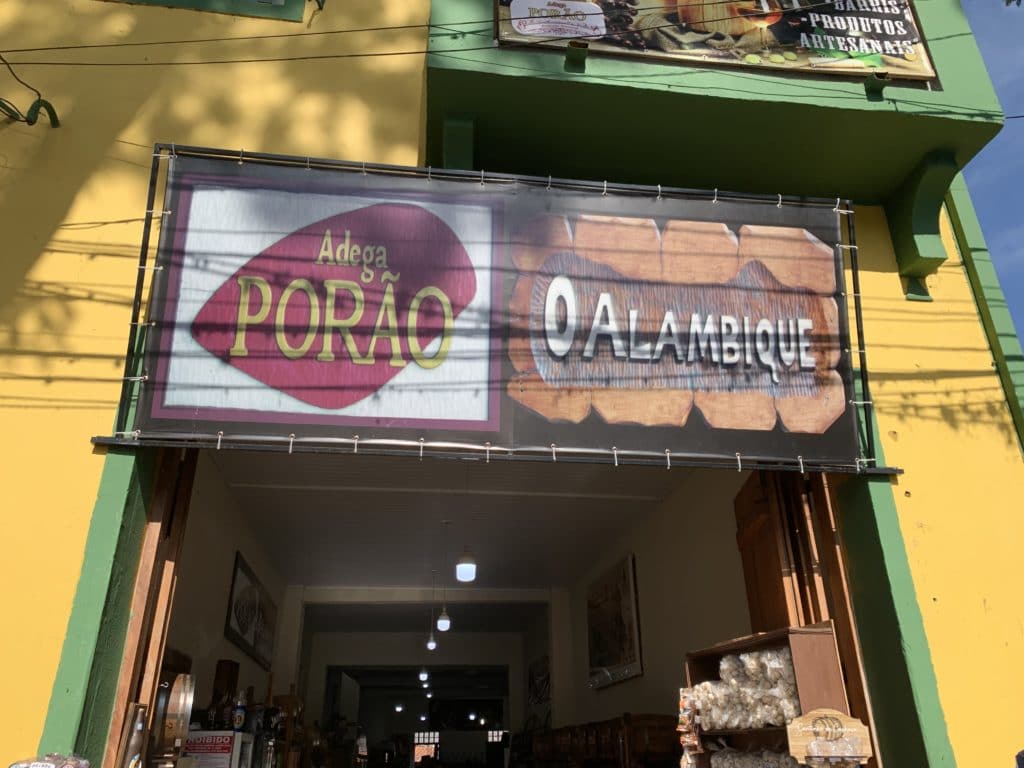
O Alambique splits attention between its cachaça barrels and a selection of salami, garlic, cheese, wine, and craft beer on tap or bottled. What really caught our attention were the artisanal liqueurs, genuinely tasty.
Location: Largo dos Jesuítas, 201.
Hours: Monday to Sunday, 9 AM to 6 PM.
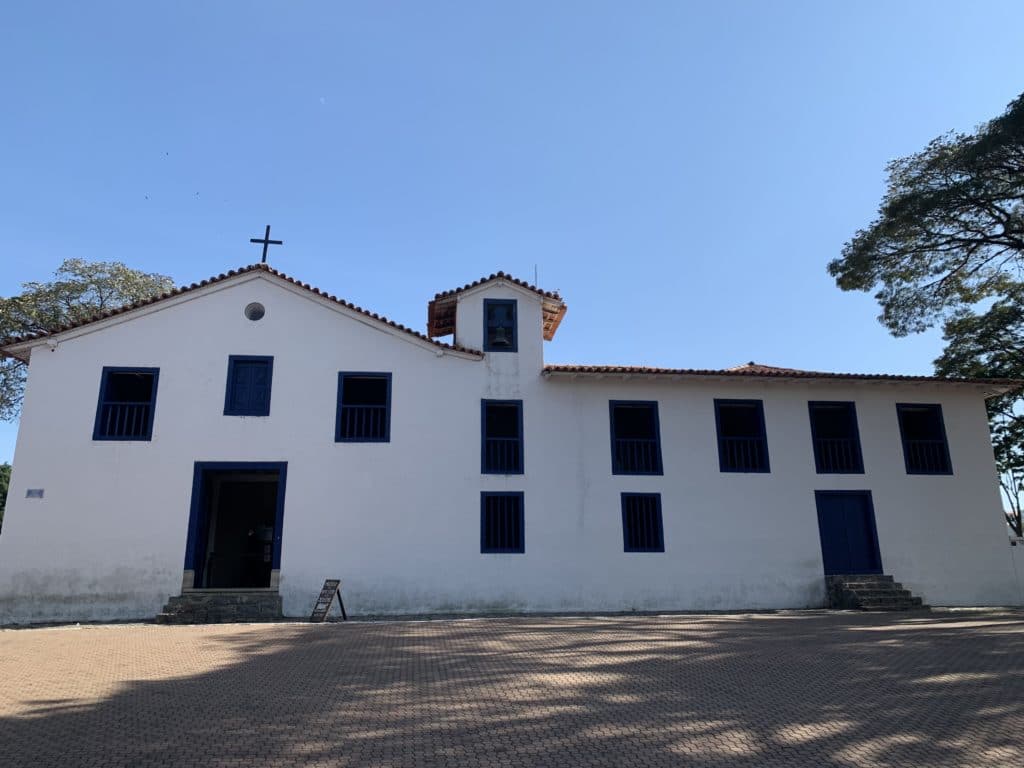
Museu de Arte Sacra dos Jesuítas
Its history traces back mainly to Indigenous peoples and the Jesuits, the latter expelled from Brazil in 1759, leaving behind an architectural complex of major historic value. It’s the first landmark designated by IPHAN in São Paulo state, back in 1938.
The museum includes the Igreja de Nossa Senhora do Rosário and the adjoining Jesuit residence, with a beautiful interior garden visible through the bedroom windows.
Located at Largo dos Jesuítas, the main entry point to the town’s historic center, where you’ll find sacred art pieces from the 17th to 19th centuries, made by Jesuits or Indigenous woodcarvers, all part of a genuinely interesting local history.
Admission: R$8 per person, R$4 (half-price) at the museum — photography isn’t allowed inside, and bags and phones must be stored in lockers upon buying your ticket.
Location: Largo dos Jesuítas, 67.
Praça das Artes
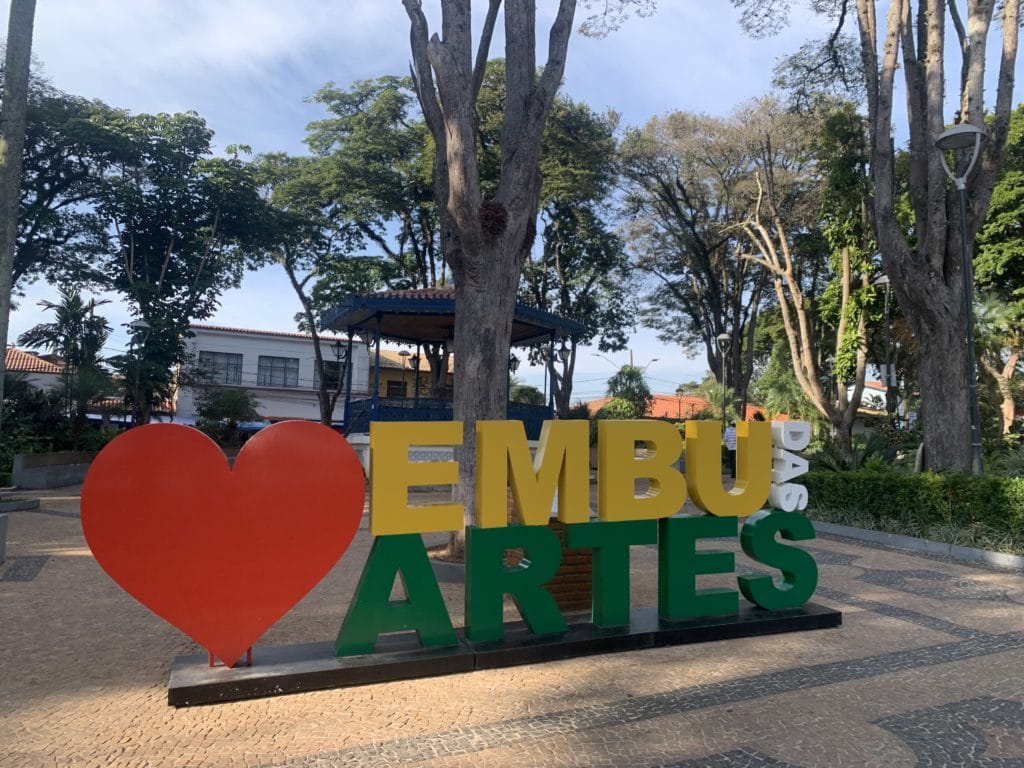
This is that classic simple, pretty small-town square, complete with a bandstand and benches to rest your legs after a day of shopping.
There’s a tourist sign with the town’s name, great for photos, and right across from Praça das Artes is the CAT — Tourist Information Center, a good place to grab information about the town.
Location: Rua da Matriz, 16A.
Paróquia Nossa Senhora do Rosário
Made up of the church and the former priests’ residence, joined together in a single building.
The church’s construction began around 1700 under Padre Belchior de Pontes. The idea was to make it large enough for Indigenous residents and neighbors to comfortably follow the religious observances they were expected to.
Location: Rua da Matriz, 53.
Capela São Lázaro
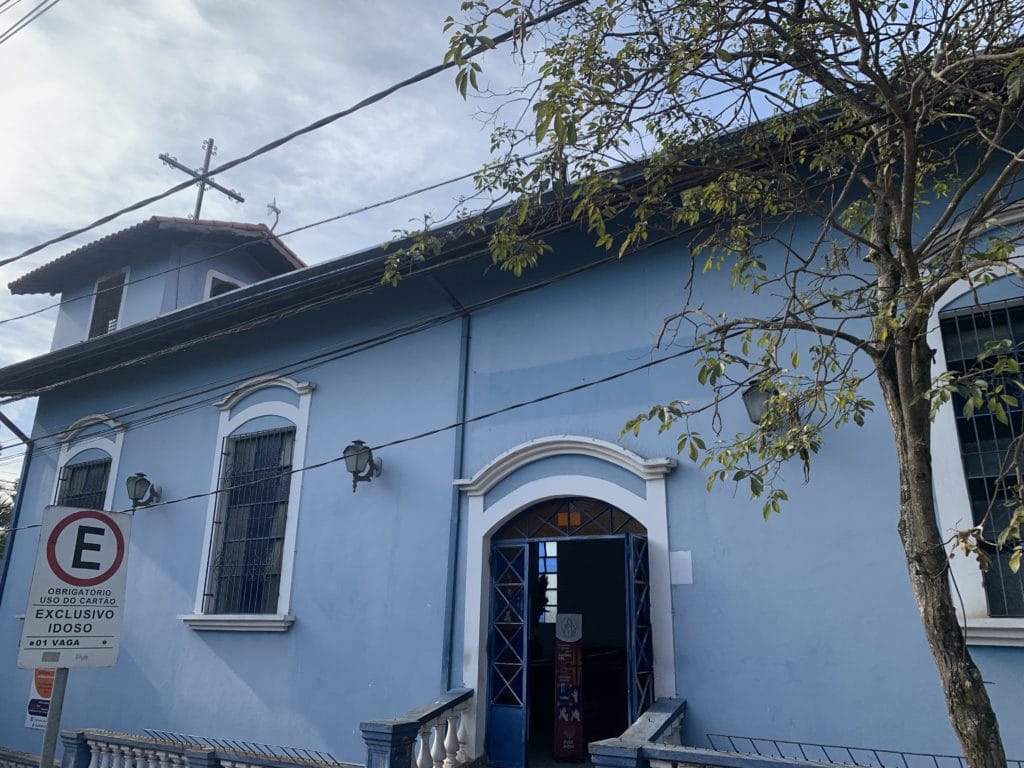
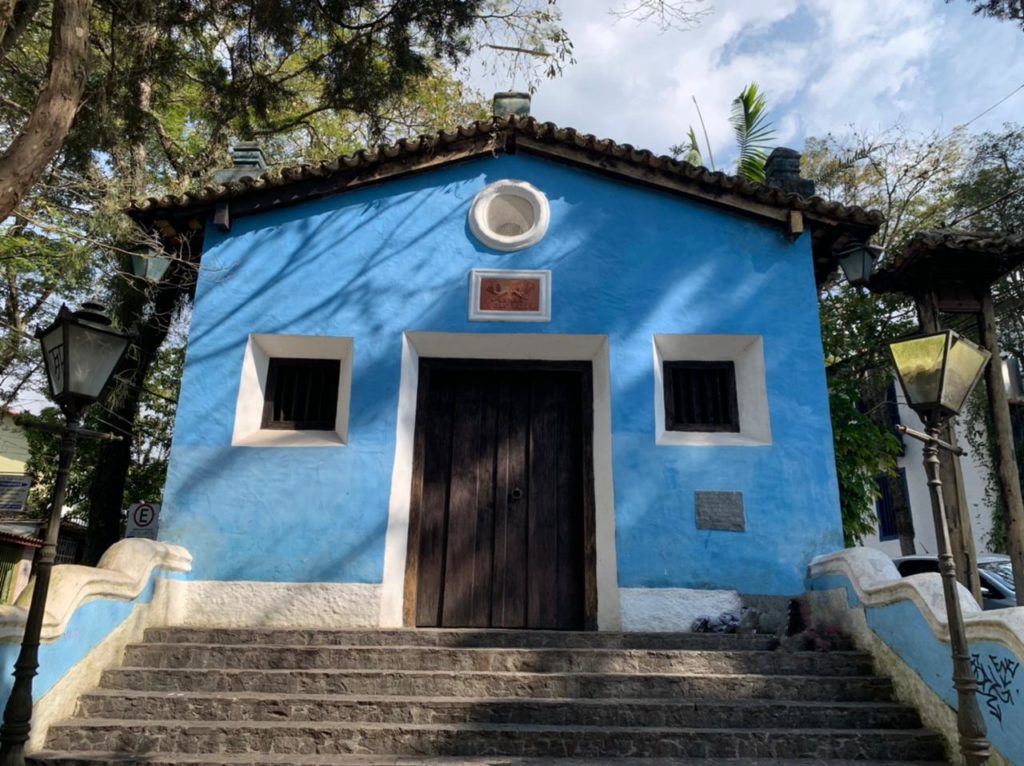
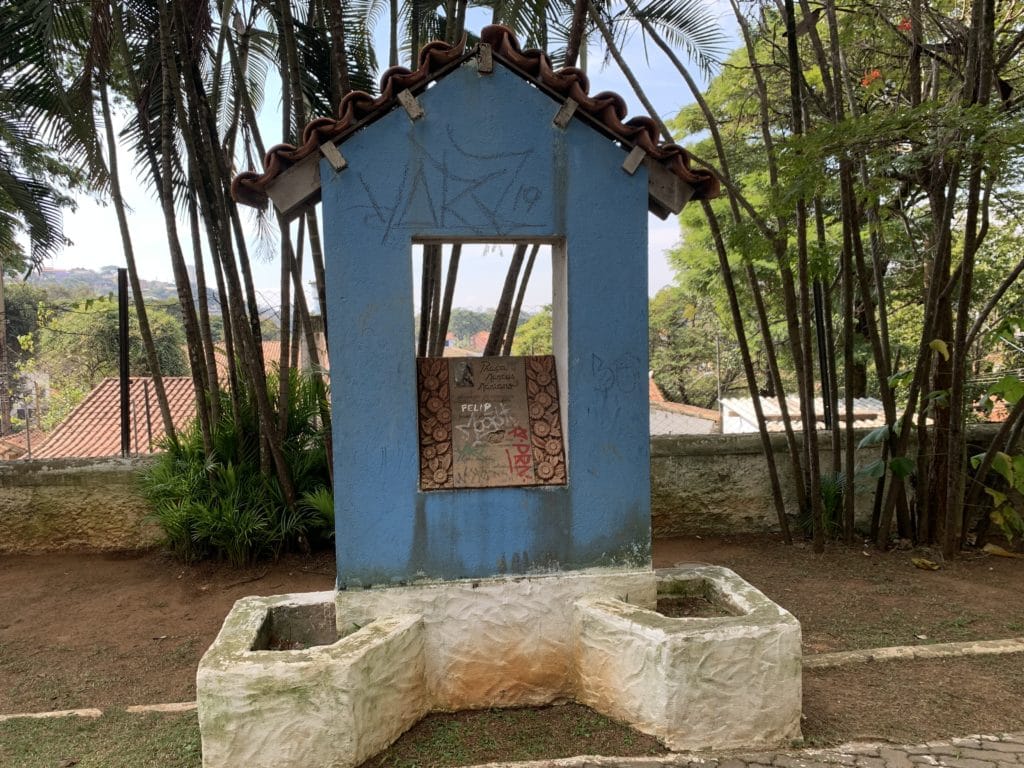
Its origins trace back to an image of São Lázaro carved from wood by artist Cássio M’Boy in the 1920s.
As a result, it drew a large following of devotees, and in 1934, a chapel was built to house it. In 1969, the chapel was restored, brought closer in style to the Jesuit architecture of the Igreja do Conjunto Nossa Senhora do Rosário.
In front of the main church is Praça Marcus Mariano, which is unfortunately poorly maintained and covered in graffiti.
Location: Rua da Matriz, 111.
Memorial Sakai
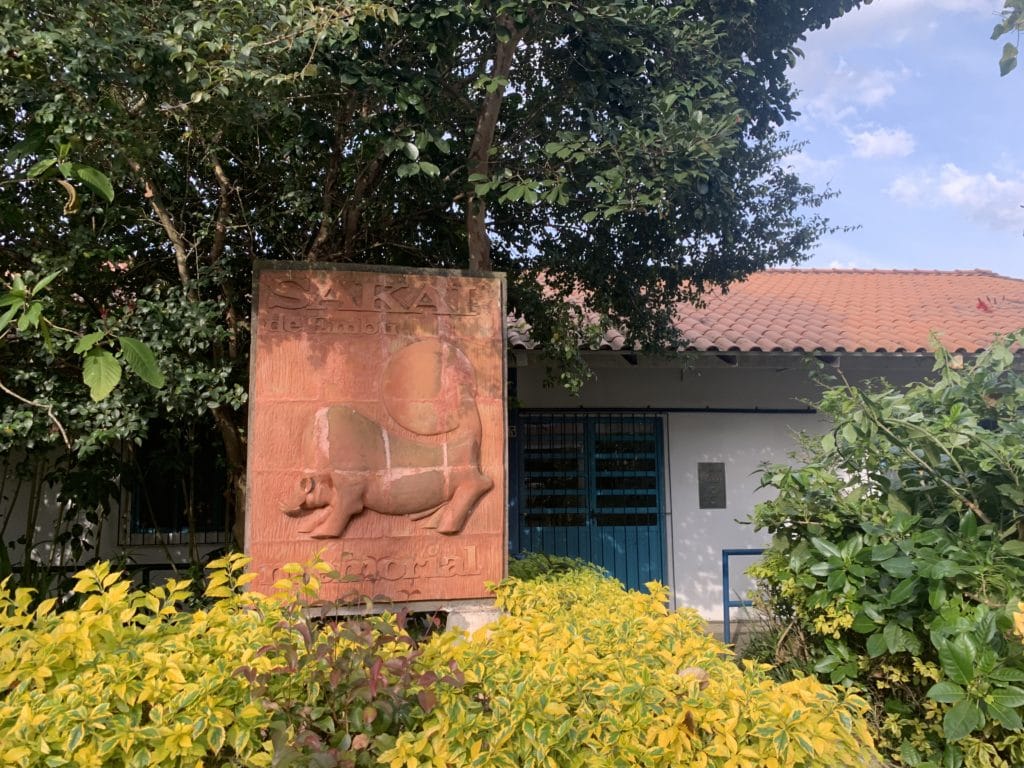
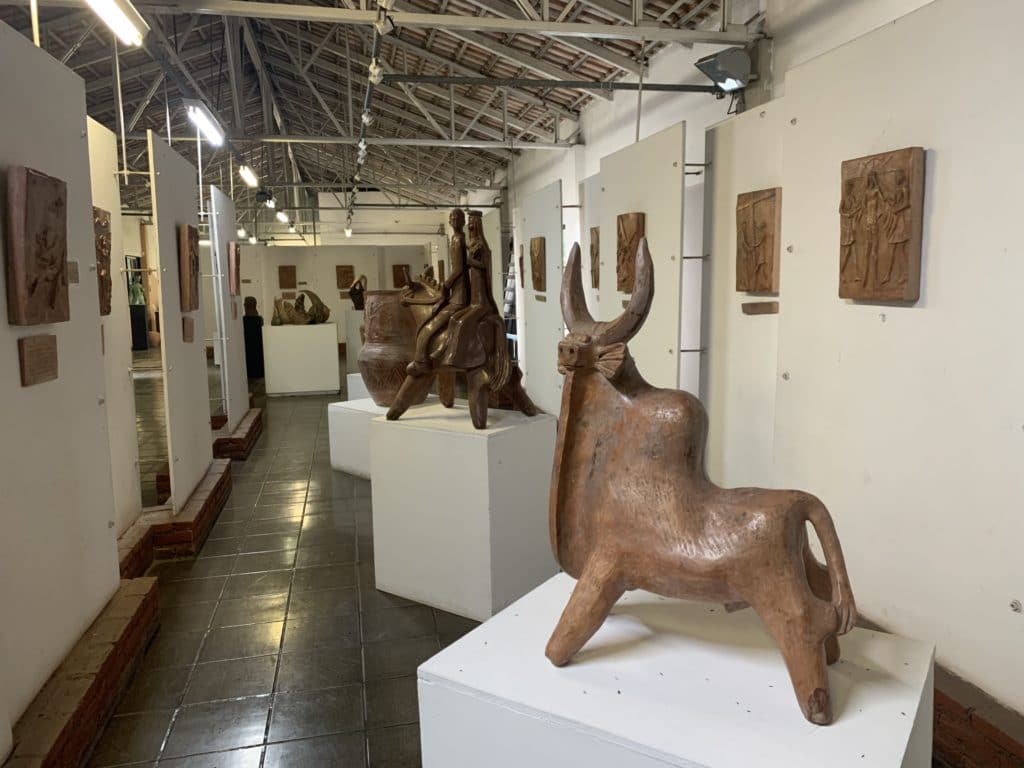
This museum holds clay and terracotta sculptures created by the artist. The site also has a terracotta school, offering both regular courses and free workshops.
Located 1 km away — we wouldn’t recommend walking, since the area right outside the town center doesn’t feel especially safe; taking an Uber is a better call. If you’d rather risk it on foot, there’s a staircase up to the site, but Uber or a taxi is the way to go.
The site is currently closed because of water damage to the ceiling from flooding.
Location: Rua Rebolo Gonzáles, 185, Vila Cercado Grande.
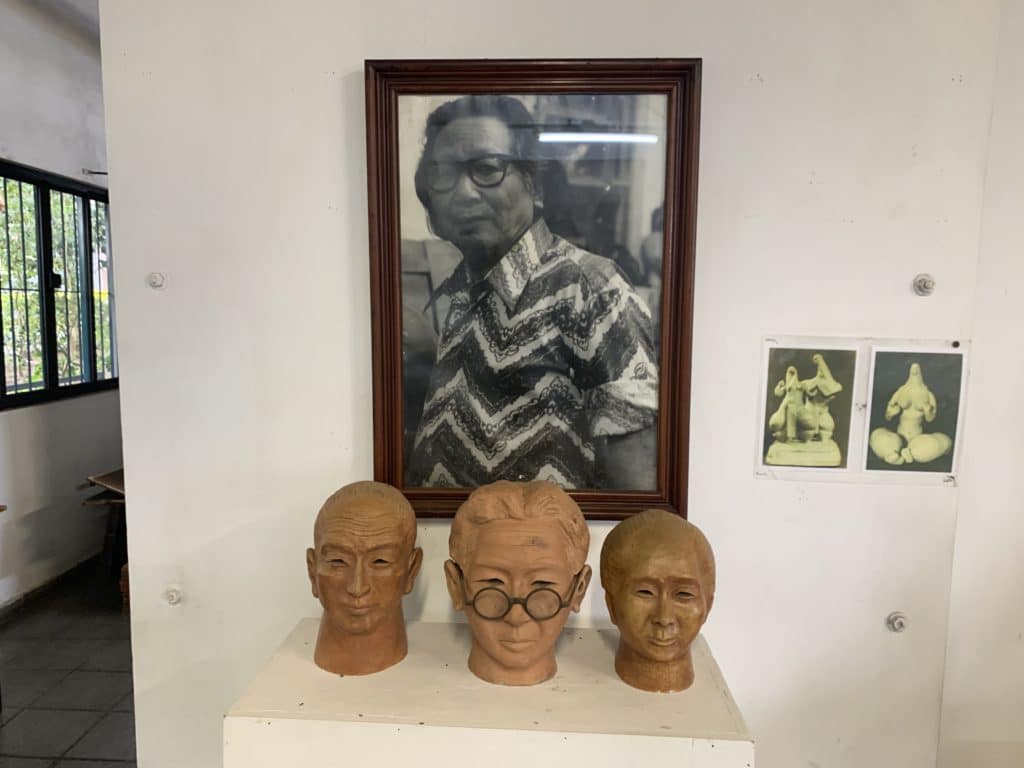
Centro Cultural Mestre de Assis Abreu
Today, this space occupies the town’s historic former city hall building. It offers the public three exhibition rooms and the Cássio M’Boy auditorium, seating 150 people, hosting free talks, recitals, and musical and theatrical performances.
Location: Largo 21 de Abril, 29.
Where to Eat in Embu das Artes
O Garimpo Restaurante
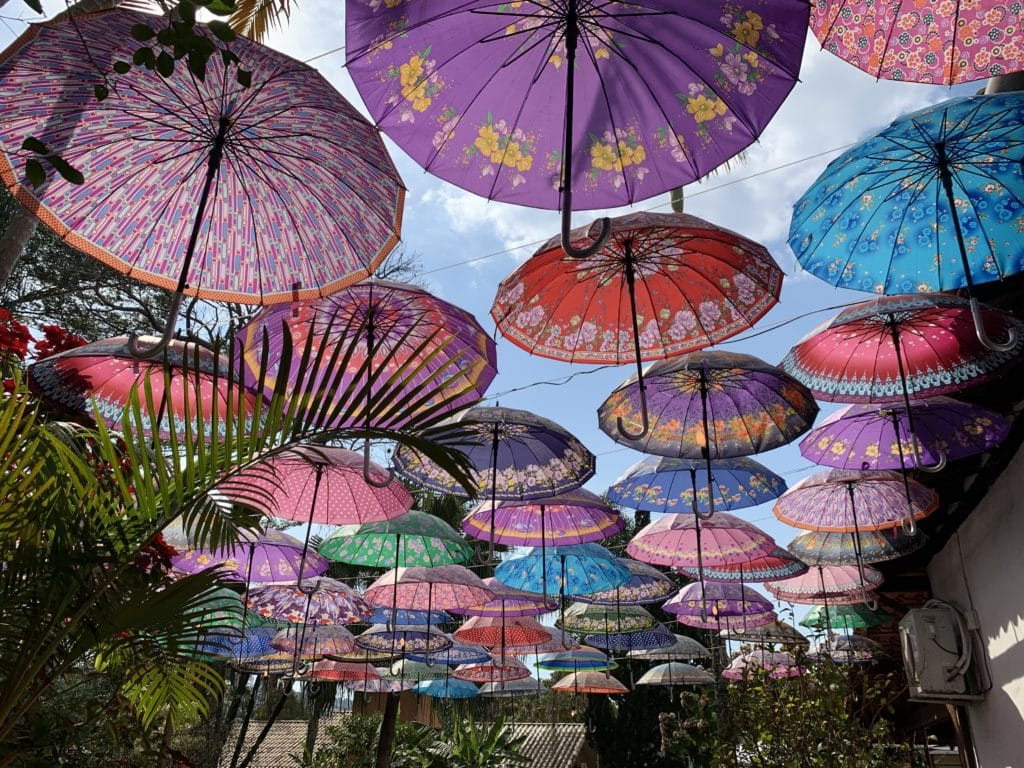
We chose O Garimpo, and we loved both the space and the food, since the restaurant is nicely airy, with beautiful hanging umbrellas decorating the outdoor area.
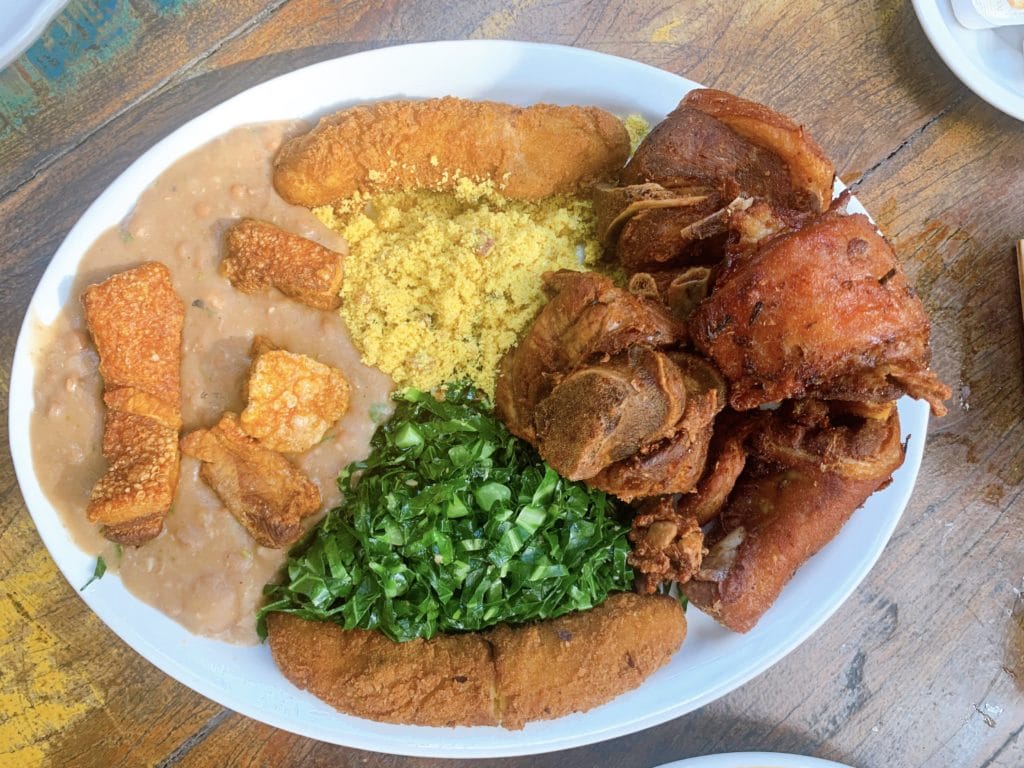
We ordered the house specialty, leitão à pururuca (crispy roast suckling pig), a dish typical of the town, and it was genuinely tasty, especially the tutu de feijão (bean purée).
Even though we loved the restaurant, we ended up ordering dessert somewhere else.
Location: Rua da Matriz, 136.
Renataly Rotisserie e Confeitaria
Based on what we’d read online, we thought this would be the best dessert shop, but we wouldn’t actually recommend it, given how far it sits from downtown, which makes the area a bit riskier. It’s located inside an outlet mall, and our dessert also took 40 minutes to come out. Unlike other places, the waitstaff weren’t especially polite either.
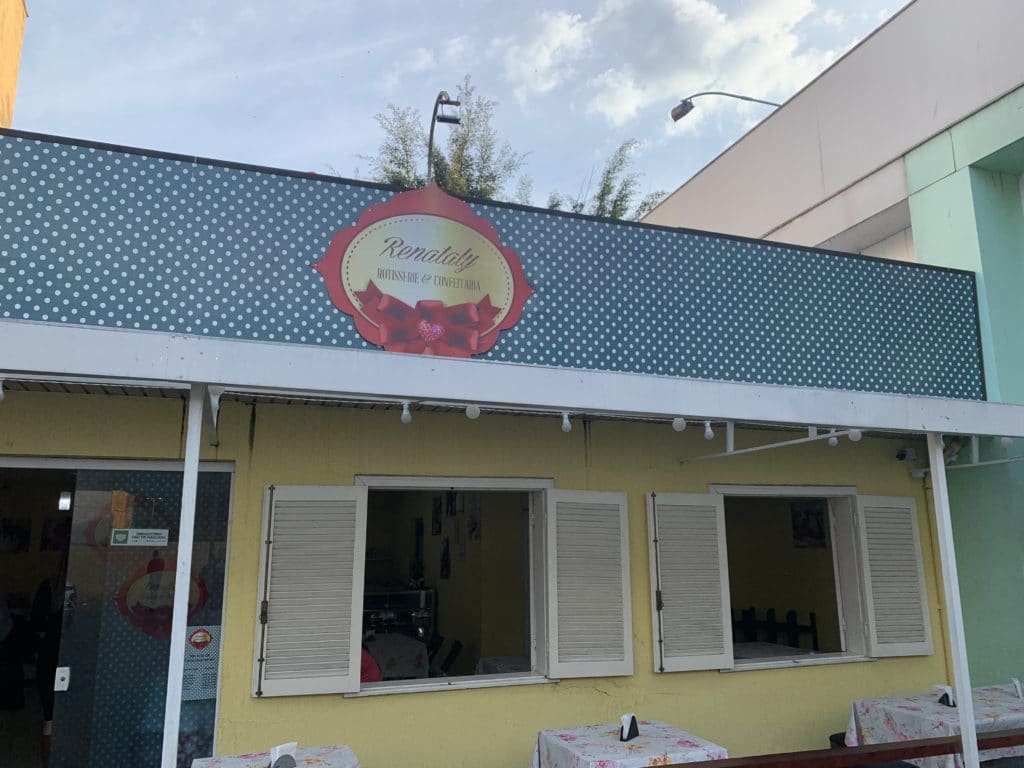
For dessert, we ordered a Kinder Bueno cup, which came generously filled, but was very sweet, and the ingredients used weren’t especially tasty.
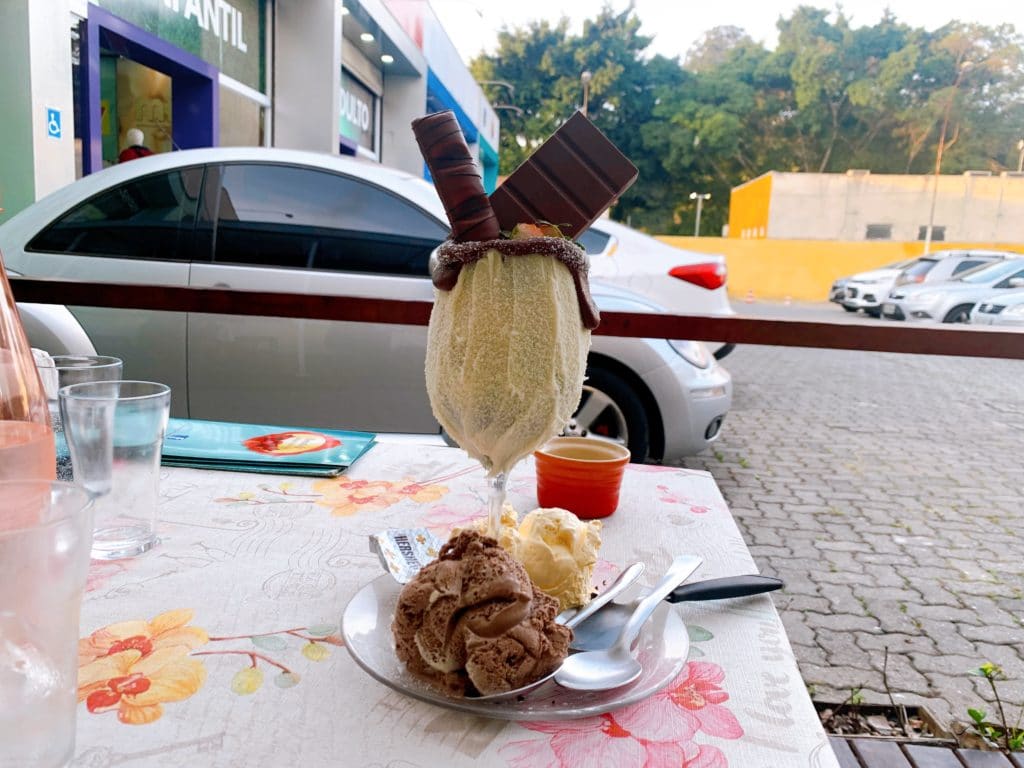
Location: Avenida Elias Yazbek, 1335.
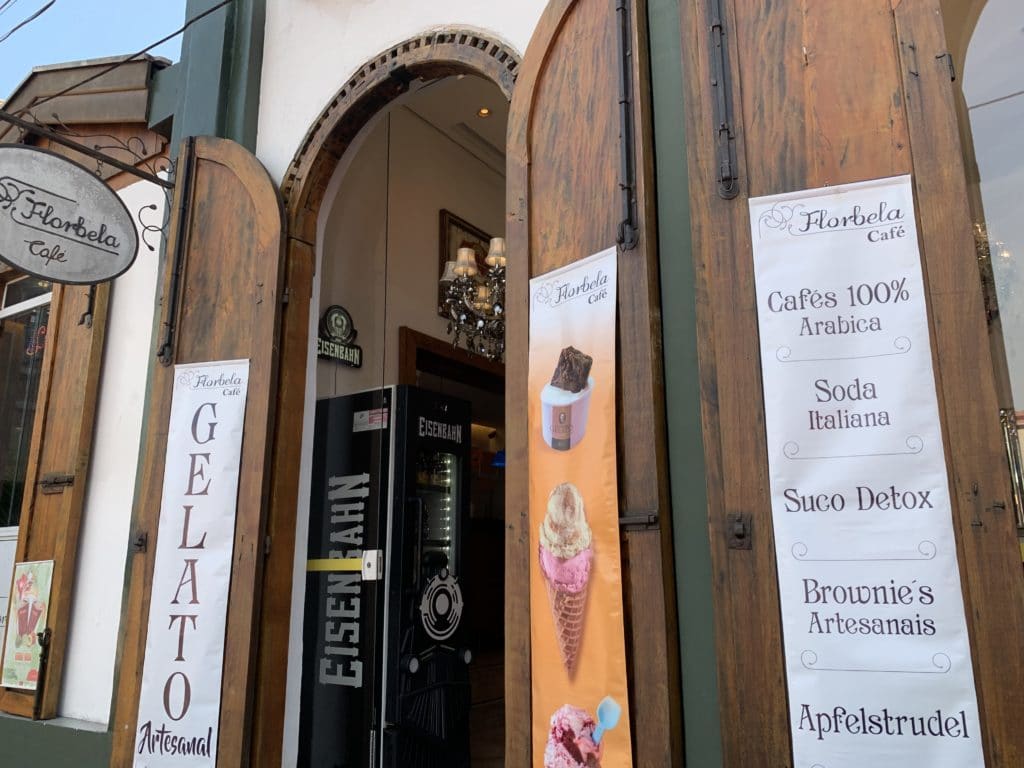
Instead, our tip for dessert is Florbela Café, where the space is beautiful, the staff are polite, and it’s located downtown. We actually sat down and then ended up moving to a different spot, so we can’t speak to the dessert’s flavor firsthand, but it’s still worth a mention as another option after lunch.
Read more about spots to visit near São Paulo in Itatiba.
Read the original version in Portuguese on A Bela e o Bigode.