What to Do in Itatiba: The Zoopark and More
Itatiba sits in the Campinas Metropolitan Region, 85 km from the São Paulo state capital, in the Serra da Jurema, and stands out for its economic and social development. According to research from the Instituto Nacional de Ciência e Tecnologia/UFRJ, it ranks as the 14th-best city to live in in Brazil. It also ranked second nationally for urban well-being back in 2013.
Known as the “Hill Princess” for being built into the surrounding hills, it has a striking natural beauty, sometimes called the “São Paulo Switzerland” for its terrain, elevation, and mild year-round climate. It’s also known as the “National Capital of Colonial Furniture,” since numerous furniture manufacturers are based in town. Finally, it’s also part of the Circuito das Frutas Paulista (São Paulo Fruit Circuit), known as the “City of Persimmons.”
Its name comes from Tupi, where “ita” means stone and “tiba” means great quantity, so Itatiba roughly translates to “lots of stone.”
History of Itatiba
Itatiba’s founding dates back to the early 19th century. According to old accounts, some people fleeing Atibaia and Piracaia made their way into the forests of what’s now the municipality, following the Atibaia River downstream — and soon after, the search parties following them discovered that the fugitives had formed a small community.
News of these newly discovered fertile lands quickly reached Atibaia and Jundiaí, and as a result, new families arrived to take up farming.
Pioneer Antônio Rodrigues da Silva brought with him an image of Nossa Senhora do Belém, and in 1814, a small chapel was built in her honor. As the population grew, residents decided to build a second chapel in 1827. In 1839, Dom Pedro I established the Freguesia de Nossa Senhora do Belém, then part of Vila de Jundiaí. It was elevated to city status in 1876, though it only received its current name in 1877.
In the 19th century, the town’s first major source of wealth was coffee, which genuinely drove enormous economic growth for the town and brought many Italian immigrants who helped shape its culture.
Following the 1929 crash, coffee production declined, and the town shifted toward a more industrial profile. Starting in the 1960s, the town saw a new wave of growth, marked by the arrival of its first furniture manufacturers, whose main focus was producing colonial-style furniture.
What to Do in Itatiba
Zoopark Itatiba
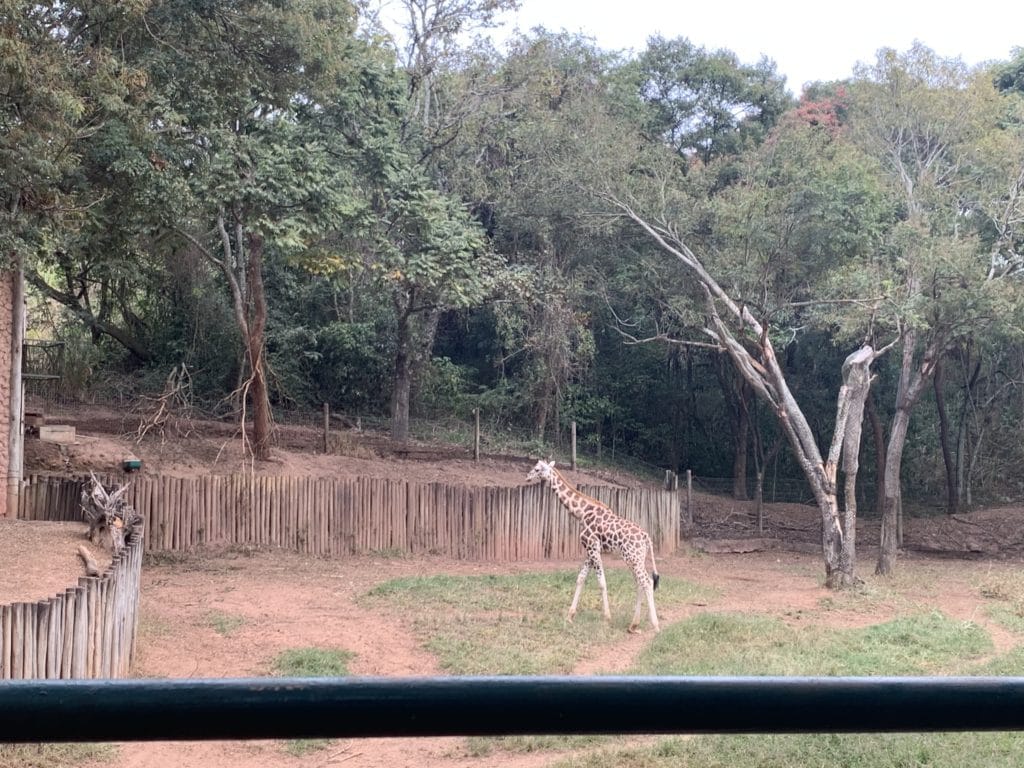
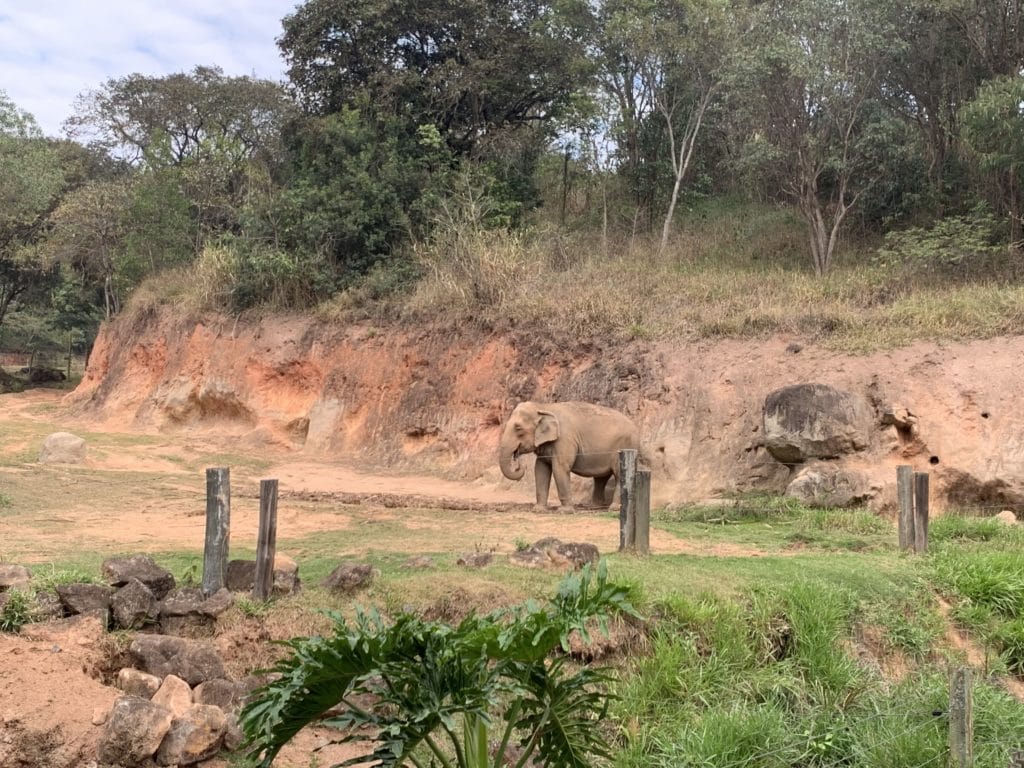
This was our main reason for visiting the town, since we came to bring our nephew to see the zoo. Located on a 100-alqueire farm (roughly 240 hectares), with a fully preserved stretch of Atlantic Forest. The trail runs about 3 km, home to 1,200 animals across 180 species, representing ecosystems from South America, Africa, Asia, and Australia — 4 continents in total.
Tickets can be bought on the website, though at the entrance, you’ll need to pay R$15 for parking, and that’s the only spot where you’ll deal with a line of cars.
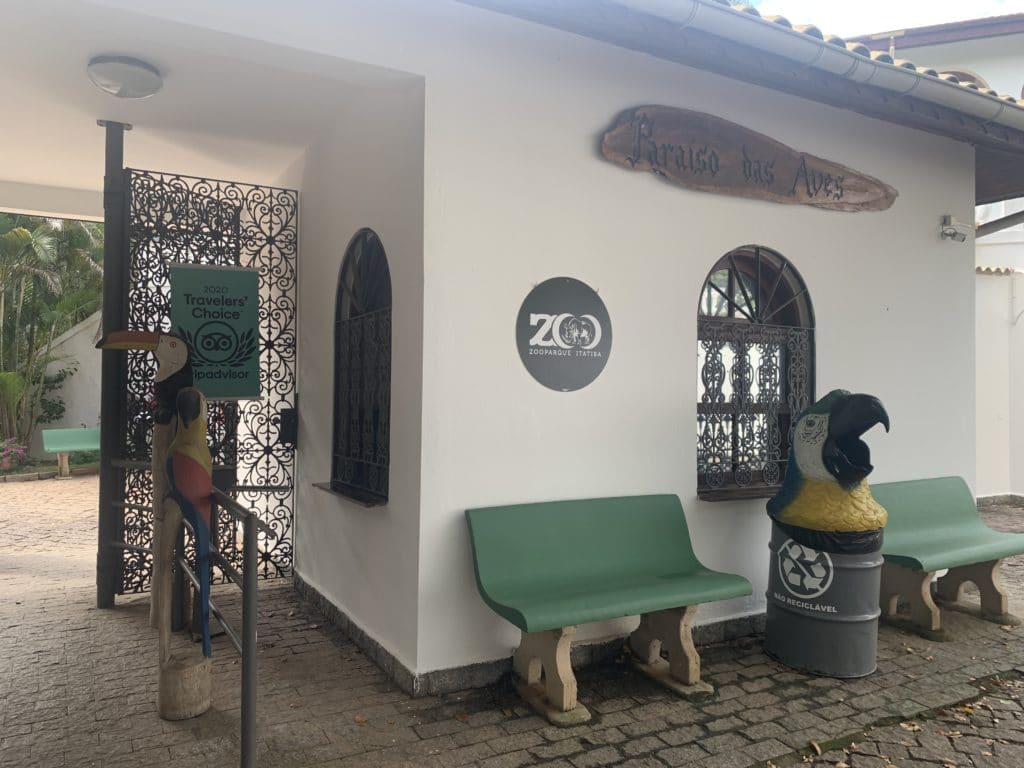
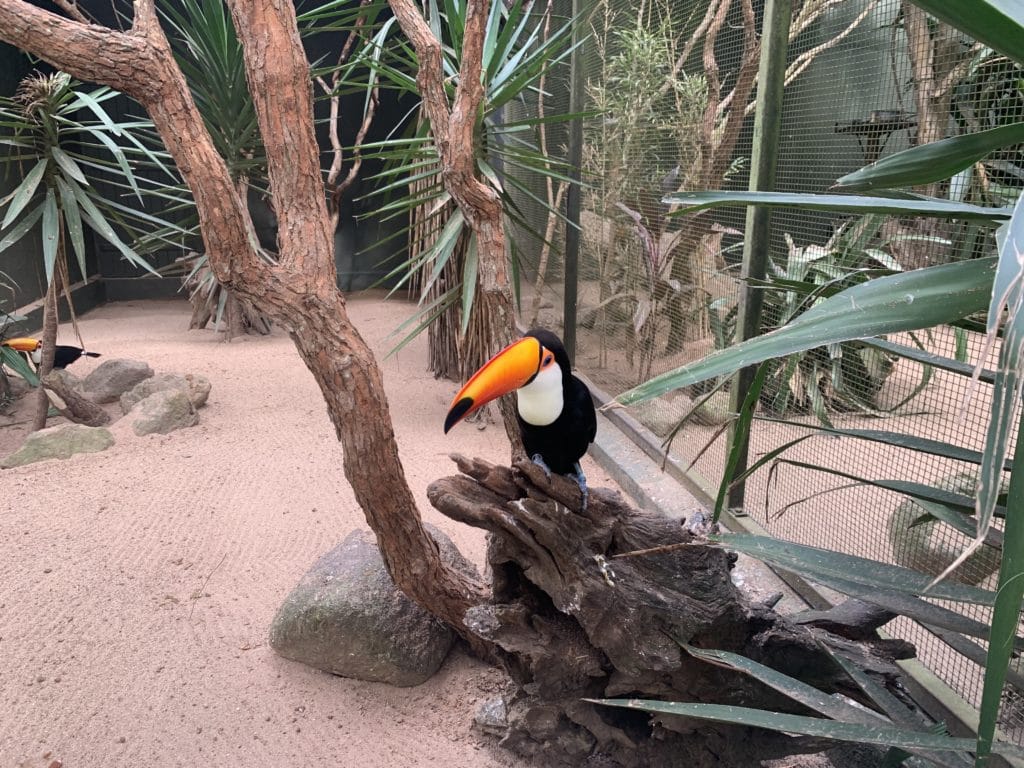
The park is in great condition, and it’s genuinely impressive seeing so many animals. The trails are clean and open, and the bird aviaries we walked through, right at the start of the tour, are amazing — you get to interact with the animals up close. Animal feedings are currently suspended because of COVID-19, but the park itself is still well worth visiting.
Museu de História Natural de Itatiba
Zoopark Itatiba is also home to the largest natural history museum in Latin America, called “A Journey Through Evolution and Biodiversity Around the World,” spanning 2,000 square meters, tracing the origins of life on Earth through the evolution of living things and humankind. It’s run in partnership with the “Evolutionsmuseum Schmiding” in Austria, and it opened in November 2020.
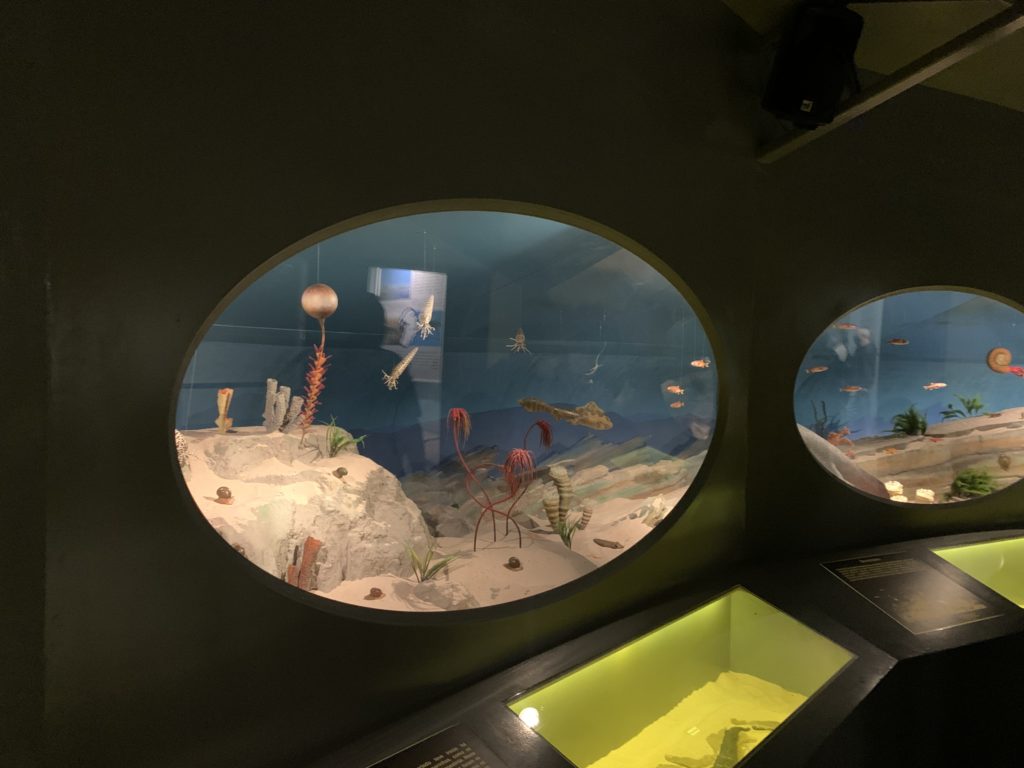
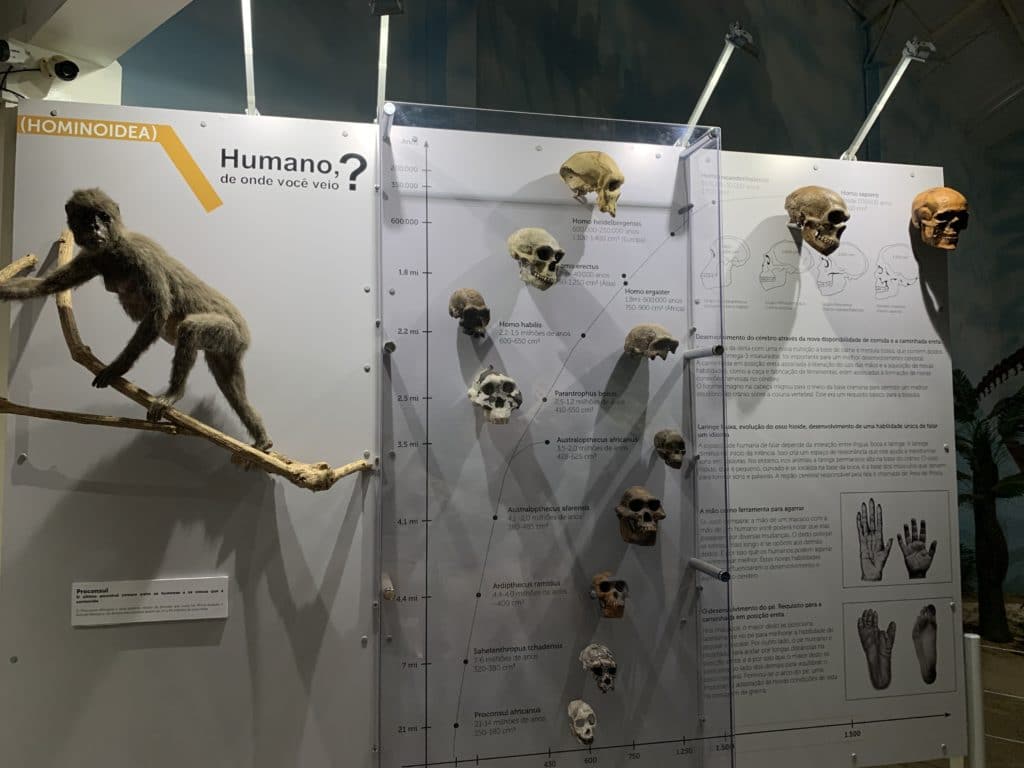
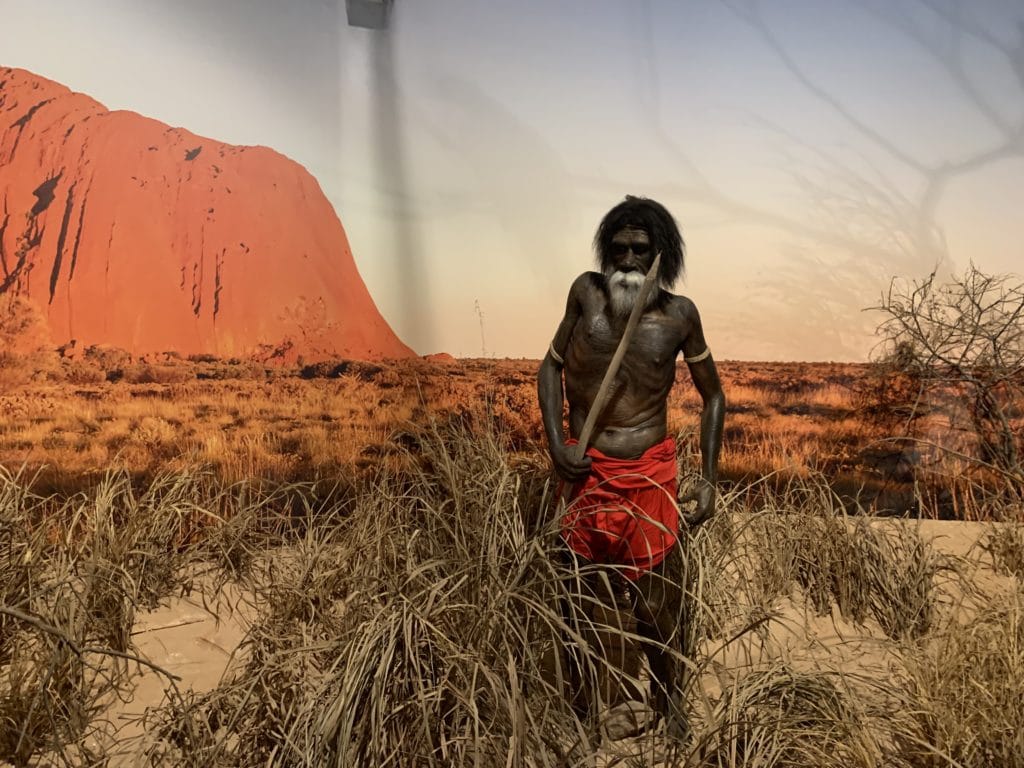
The space is genuinely impressive, and well worth the visit, not just for its scale but also for how realistic the animal and ecosystem replicas are, along with the detailed explanations on the many panels scattered throughout.
It also has a picnic area, a souvenir shop, and a restaurant.
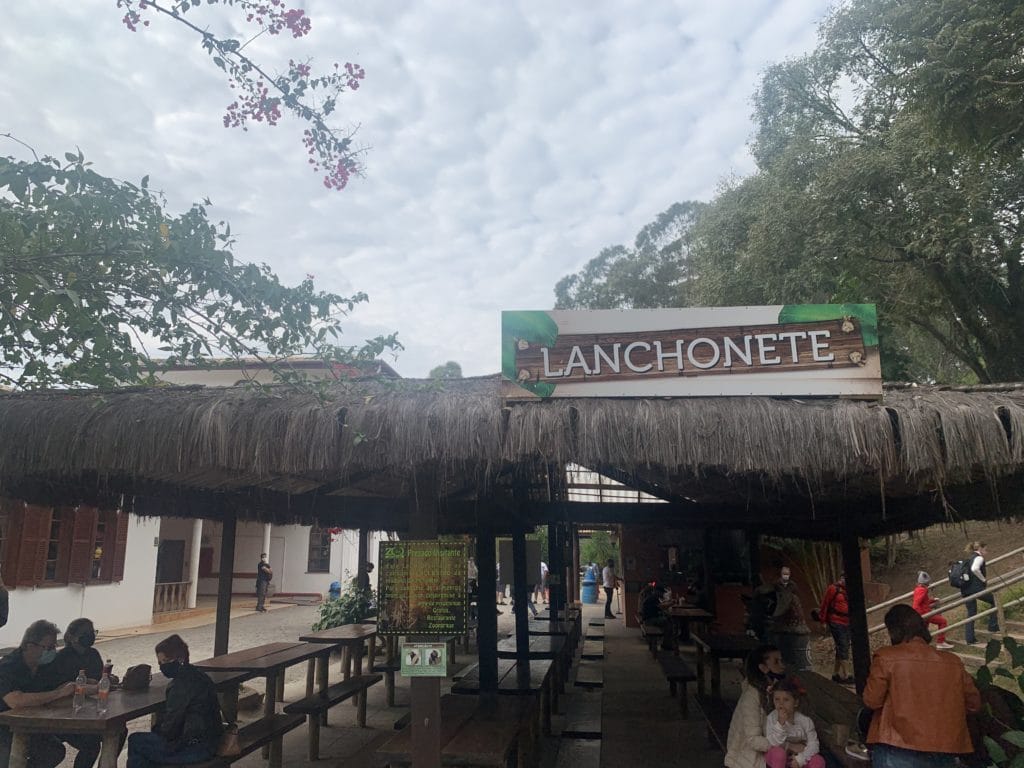
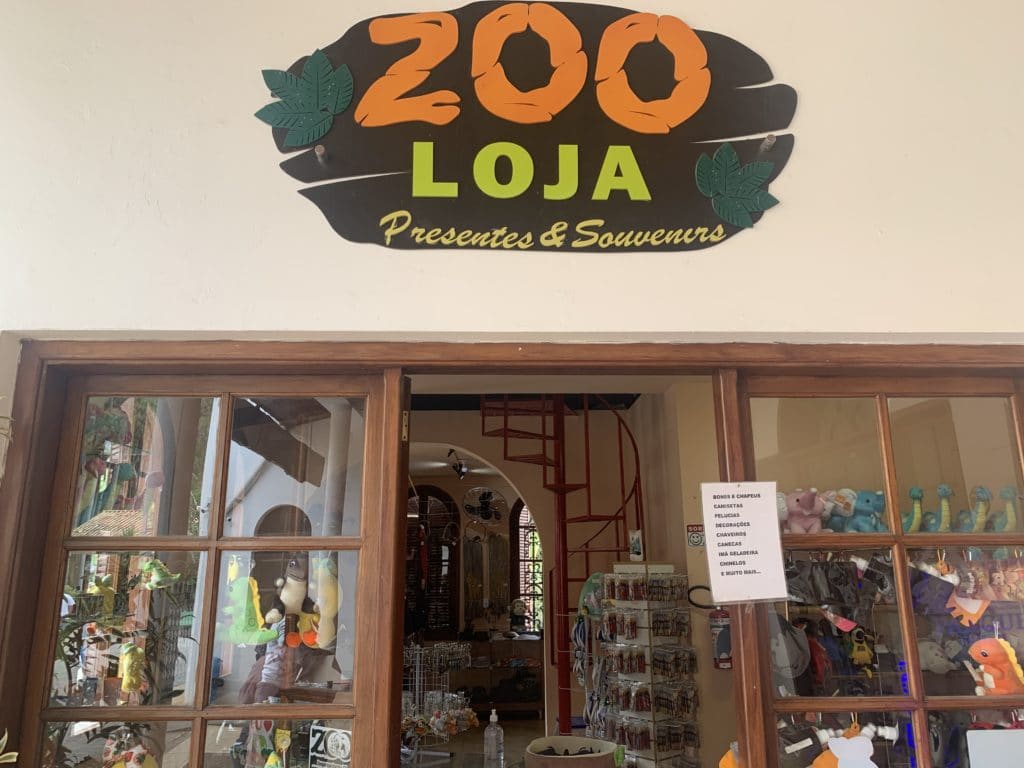
Hours: 9 AM to 5 PM Location: Rodovia Dom Pedro I, km 95.5. Phone: (11) 4487-8883 and (11) 4487-8205, WhatsApp (11) 97462-0251 and (11) 99538-6053.
Historic Center of Itatiba
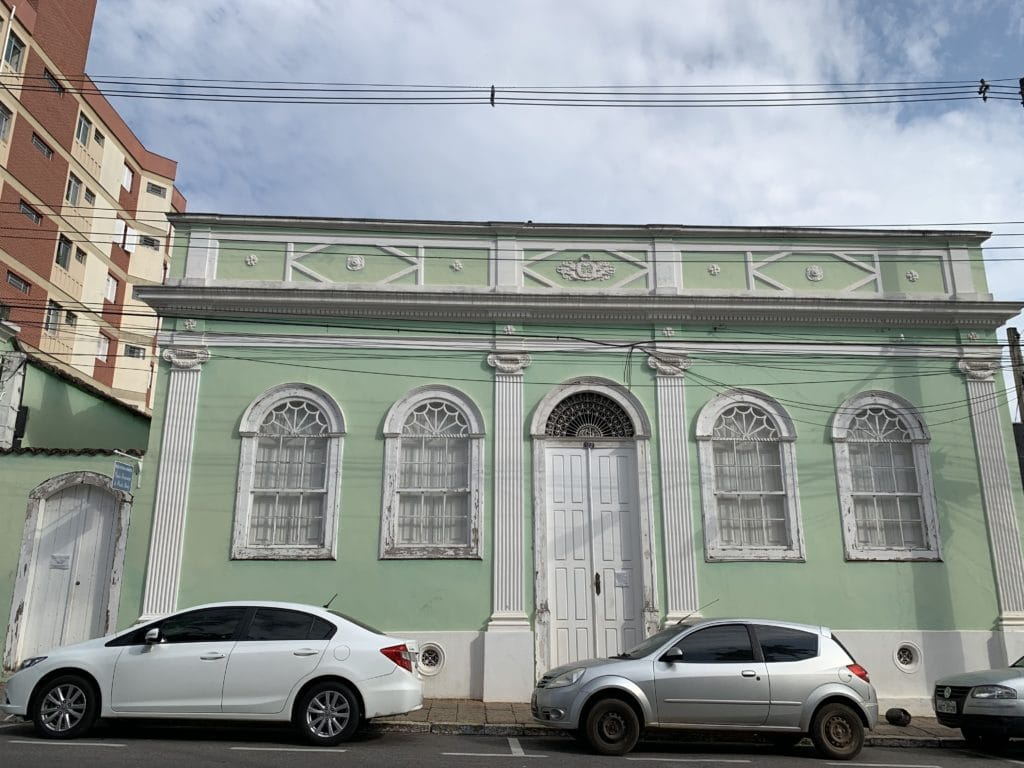
There are several buildings of real historic significance and beautiful architecture here, most of these old townhouses dating to the 19th century and genuinely well preserved to this day.
The municipality has laws that support preservation and protect its cultural heritage, so the façades and architectural details still bear witness to a genuinely rich period of the town’s history.
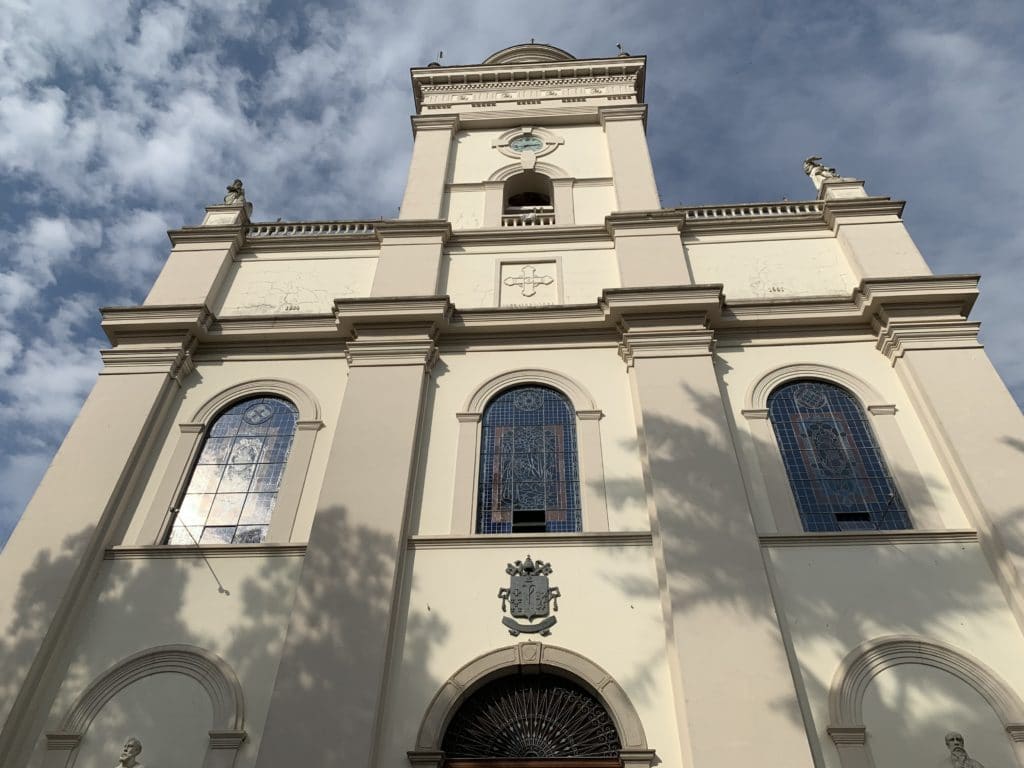
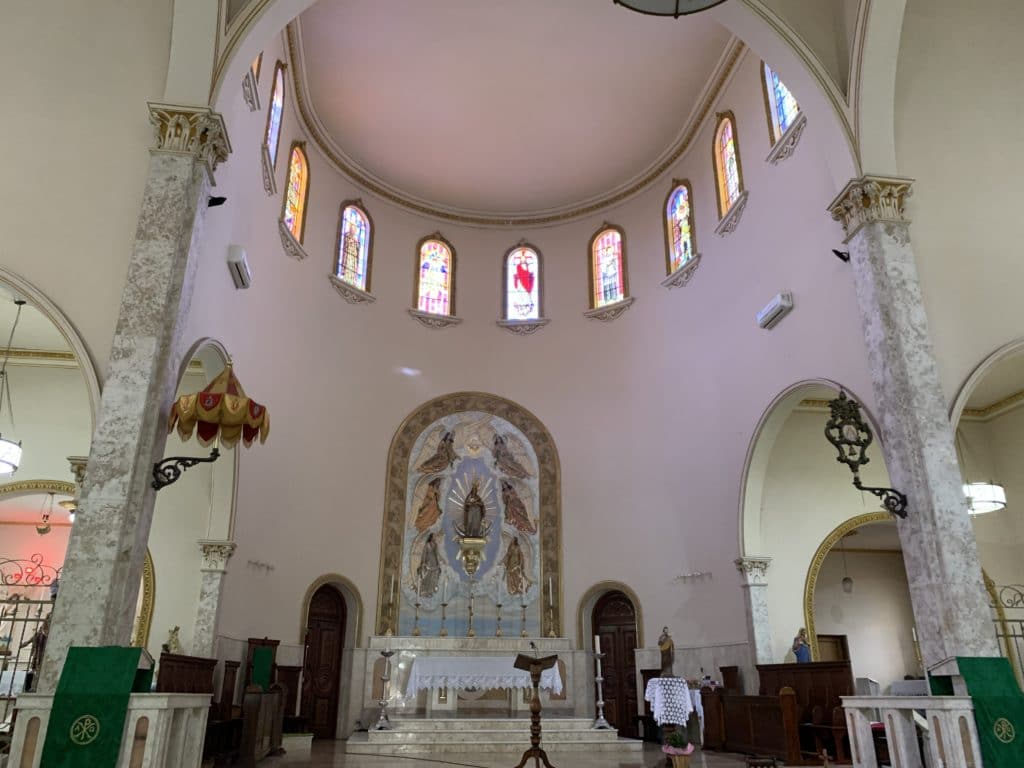
Basílica Menor de Nossa Senhora do Belém
A church built in Baroque architecture, with several renovations over the years, especially in the 1960s, when it was rebuilt with a more modern look.
The main tower is still part of the original structure, built in 1874 by Padre Francisco Paula de Lima. The interior has simple decor, and its stained-glass windows, made by Polish artist Aeystarch Kaskurewicz, are genuinely the highlight of the church.
Praça da Bandeira
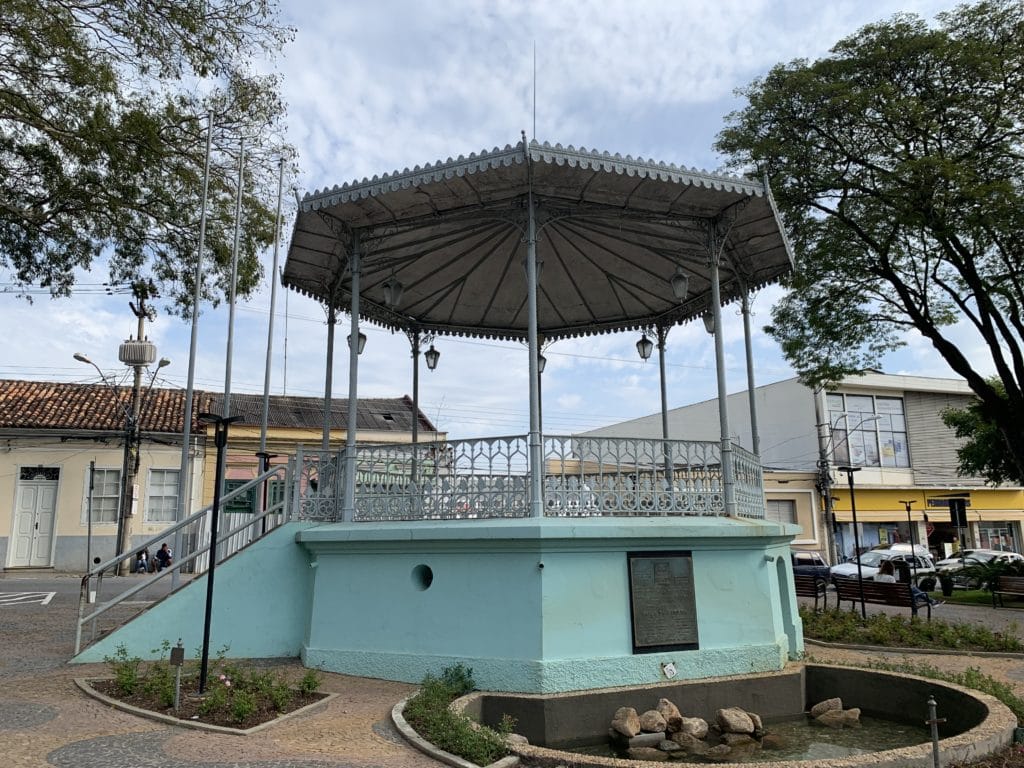
Designed by Antônio Ferraz Costa, its original layout drew from part of the gardens at the Palace of Versailles, in France. Another notable feature is the historic João Maggi bandstand, which, together with the square, has hosted events, protests, and celebrations over the years, making it one of the town’s biggest calling cards.
Paço Municipal
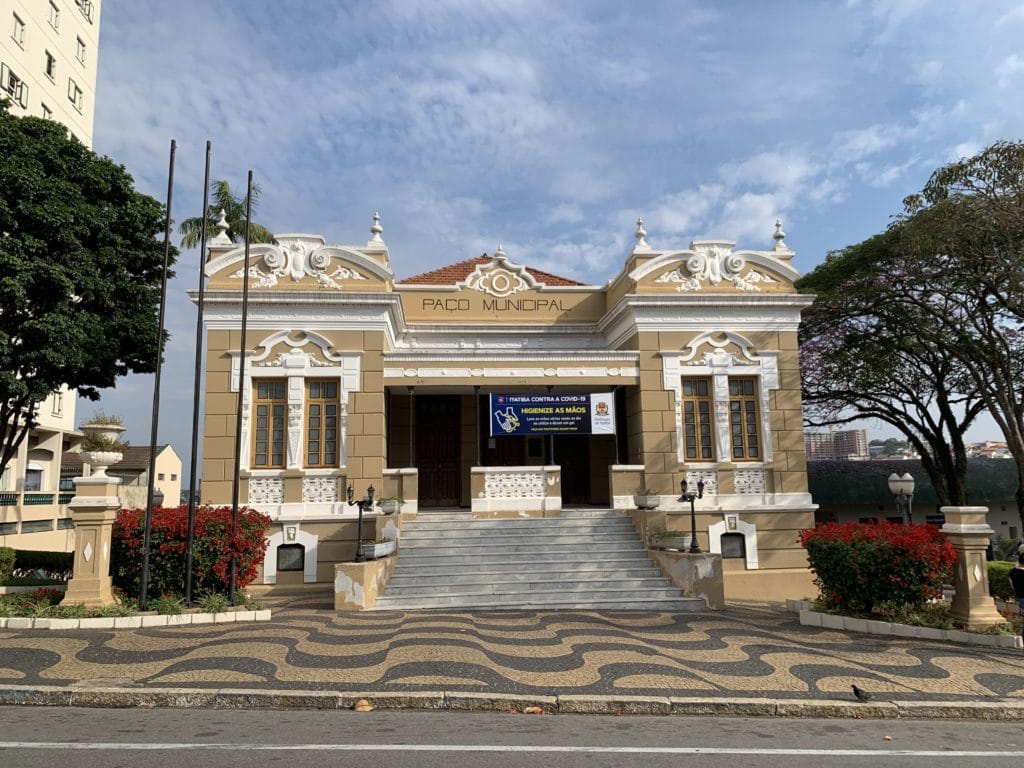
Built in 1927 by then-mayor Benedito Franco de Godoy to serve as the town’s City Council building, which today operates out of a different building.
Location: Rua Quintino Bocaiúva, 258-358.
Grupo Escolar Coronel Júlio César
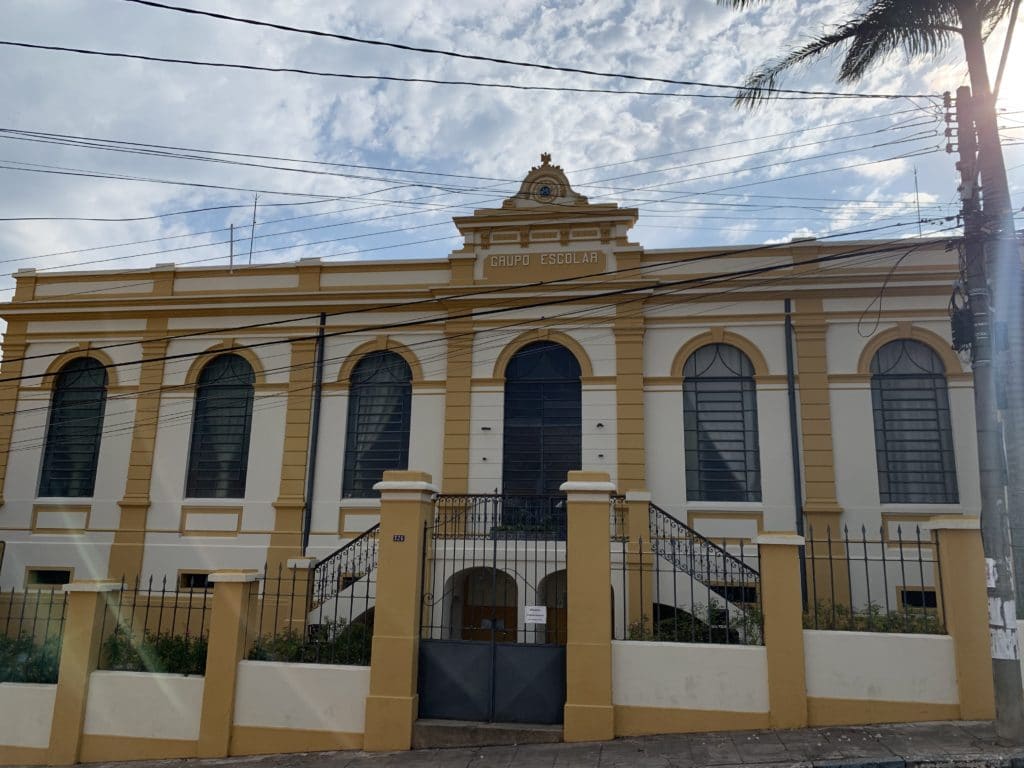
Founded in 1896, built under the government of Brazil’s First Republic, designed by Belgian engineer-architect José Van Humbeeck. Designed to reflect the school layout standards of the era, with classrooms arranged around a central courtyard meant for community school life. Designated a state landmark in 2002.
Location: Rua Rangel Pestana, 326.
Parque Ferraz Costa
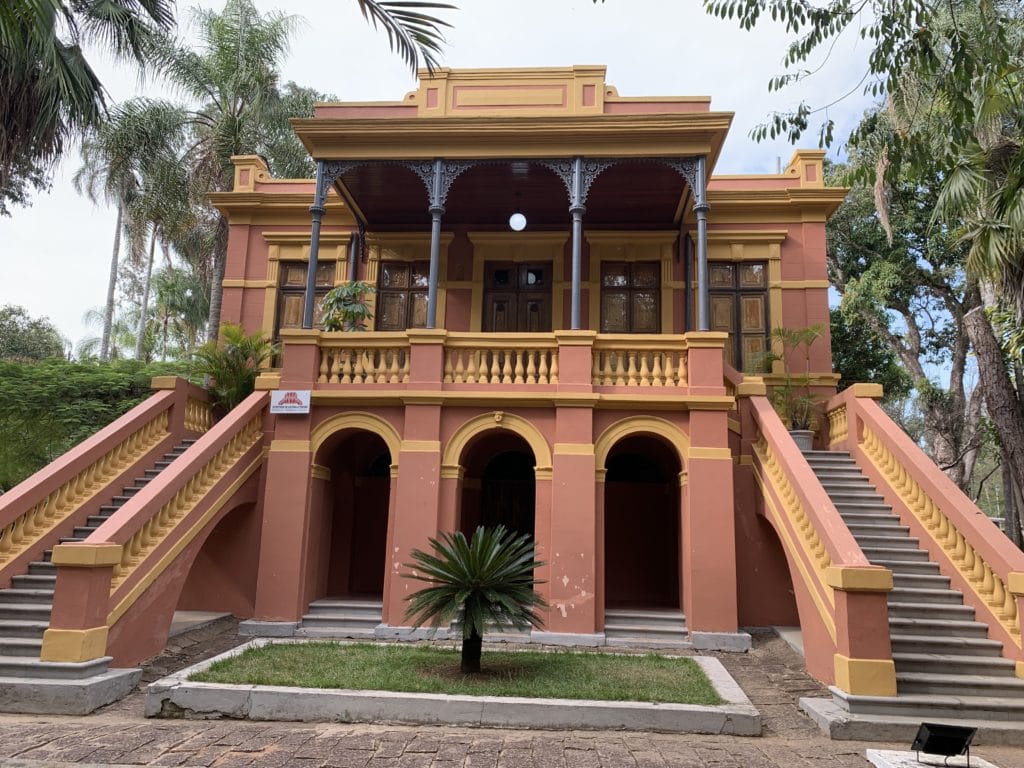
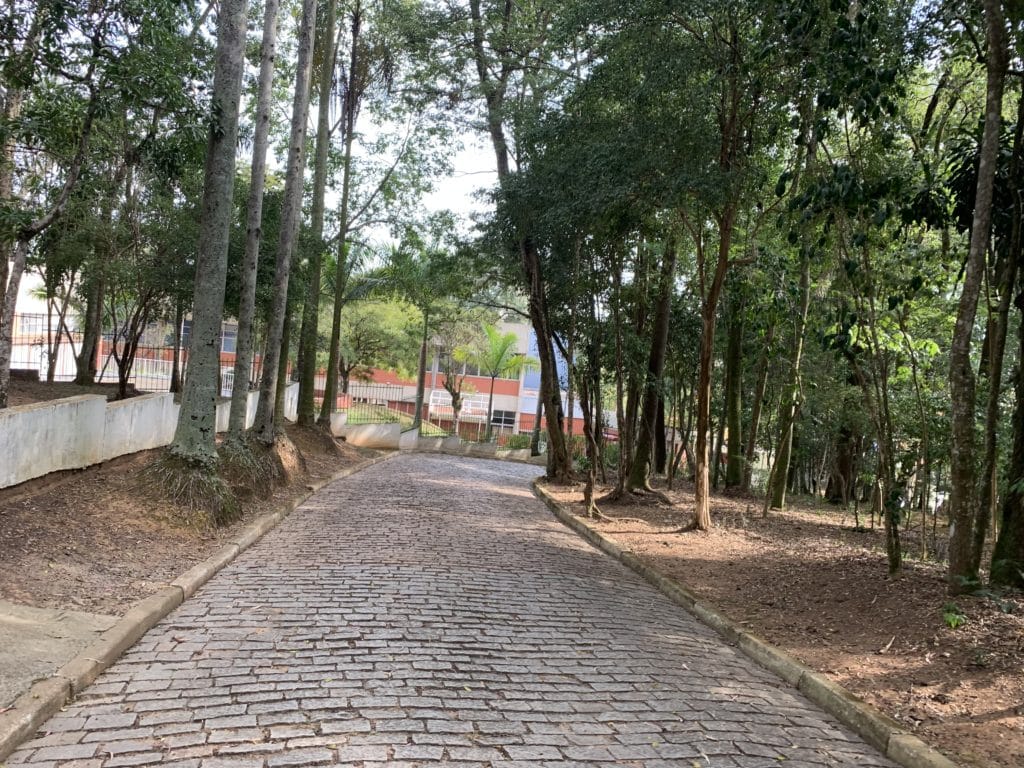
Covering 256,000 square meters, this park is one of the town’s main green spaces, still home to native forest.
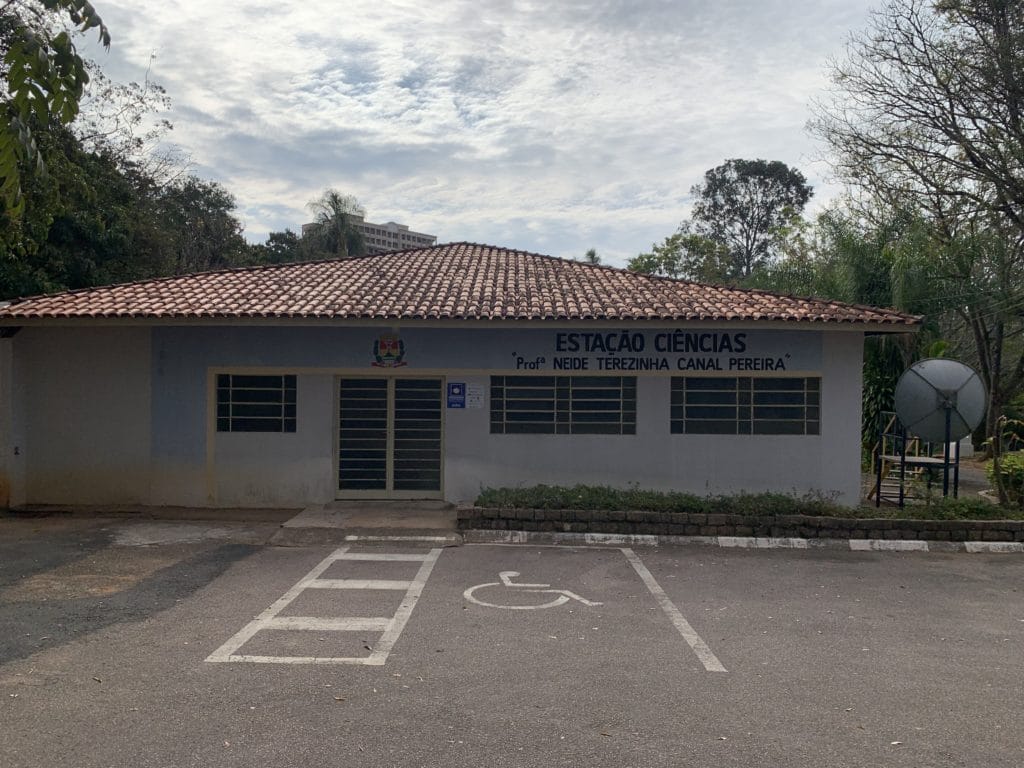
It’s been restored, and several buildings on site have been repurposed, like the Palacete Ferraz Costa, built in the 1880s, which today houses the Secretariat of Culture, Sport and Tourism, while the building that once held an old municipal school is now home to the Science Station.
The park also includes the José Boava Municipal Sports Gymnasium, a wooded area with an ecological walking trail, three multi-sport courts, two tennis courts, two sand volleyball and footvolley courts, a track, covered bocce and malha (a traditional Brazilian throwing game) courts, and a municipal tree nursery.
Location: Rua Antônio Ferraz Costa.
Planetário Municipal Professor Benedito Rela
This is the only planetarium in the country built with domestically developed technology (Projeto Sphaera). It serves an educational, scientific, and cultural role, focused on teaching, research, and public science communication in astronomy — and above all, it also works as a space for leisure and culture.
Location: Inside Parque Ferraz Costa.
Solar dos Alves Lanhosos
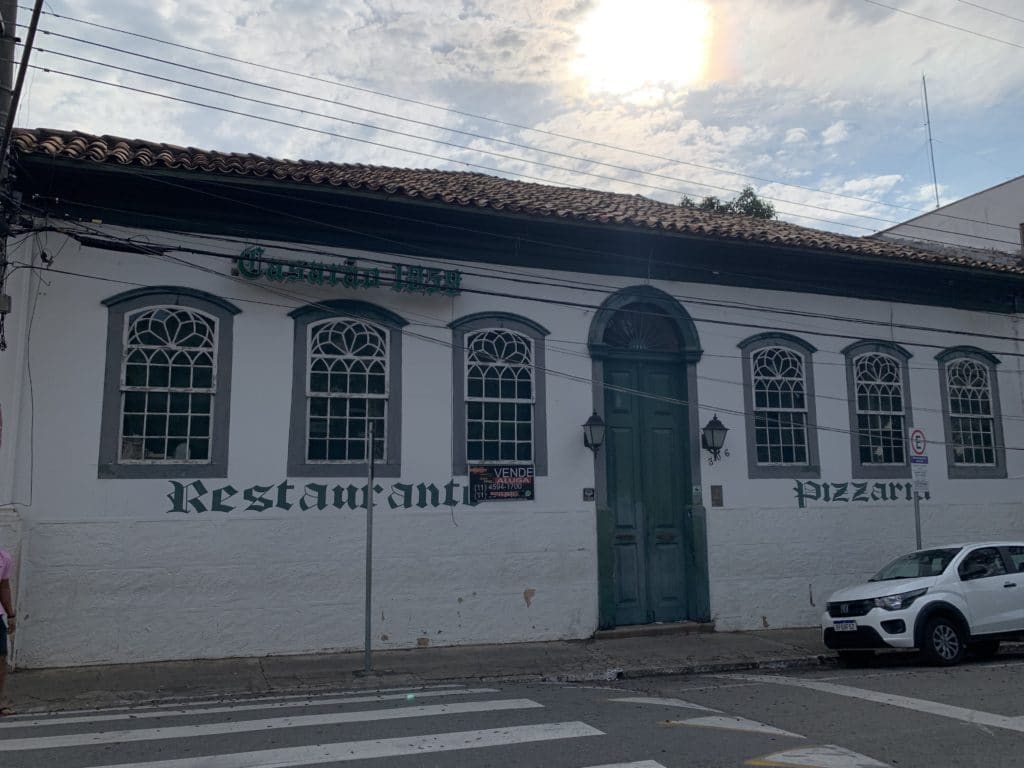
A colonial mansion built from rammed earth (taipa de pilão) in 1859, once owned by Senhor Bento de Lacerda Guimarães, the Baron of Araras and father of Senator Antônio de Lacerda Franco, and later passed to the traditional Itatiba families Alves Cardoso and Lanhoso. Designated a state landmark by CONDEPHAAT.
It once operated as a pizzeria restaurant, but it’s currently up for rent or sale.
Location: Rua Florêncio Pupo, 306.
Igreja do Rosário
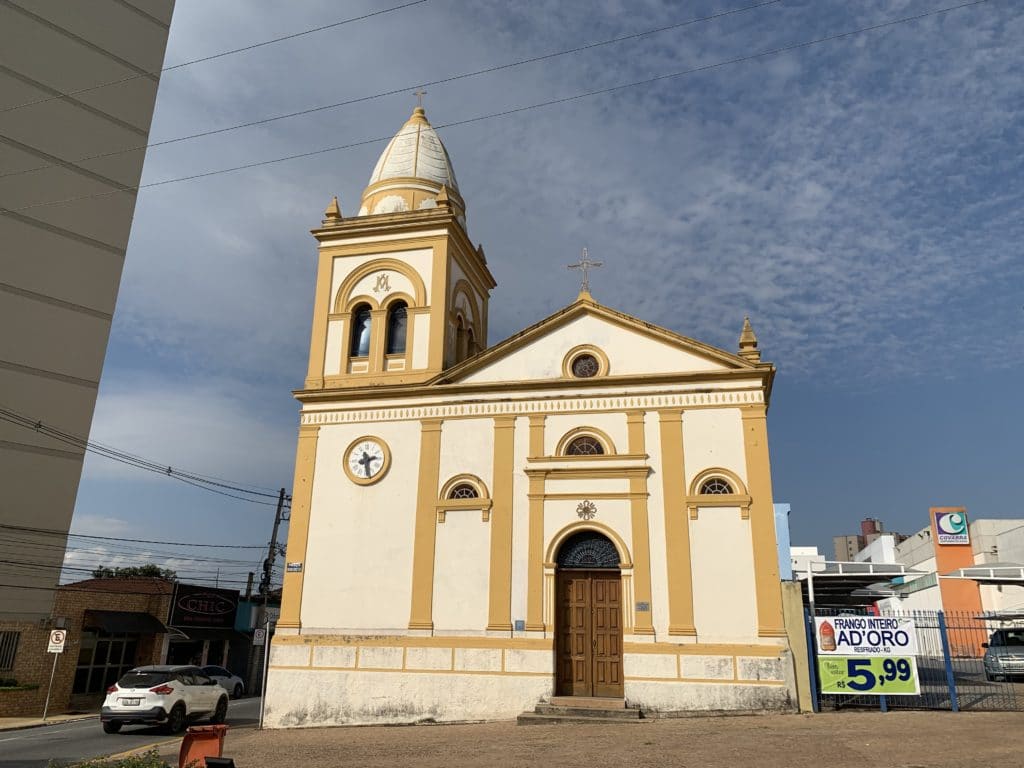
Built between 1825 and 1827, dedicated to Nossa Senhora do Belém, this was the town’s second church and today stands as its oldest surviving building. Construction wrapped up in 1850, and it was rededicated to Nossa Senhora do Rosário.
Location: Rua Antônio Leoni, 98-156.
Palacete Damásio
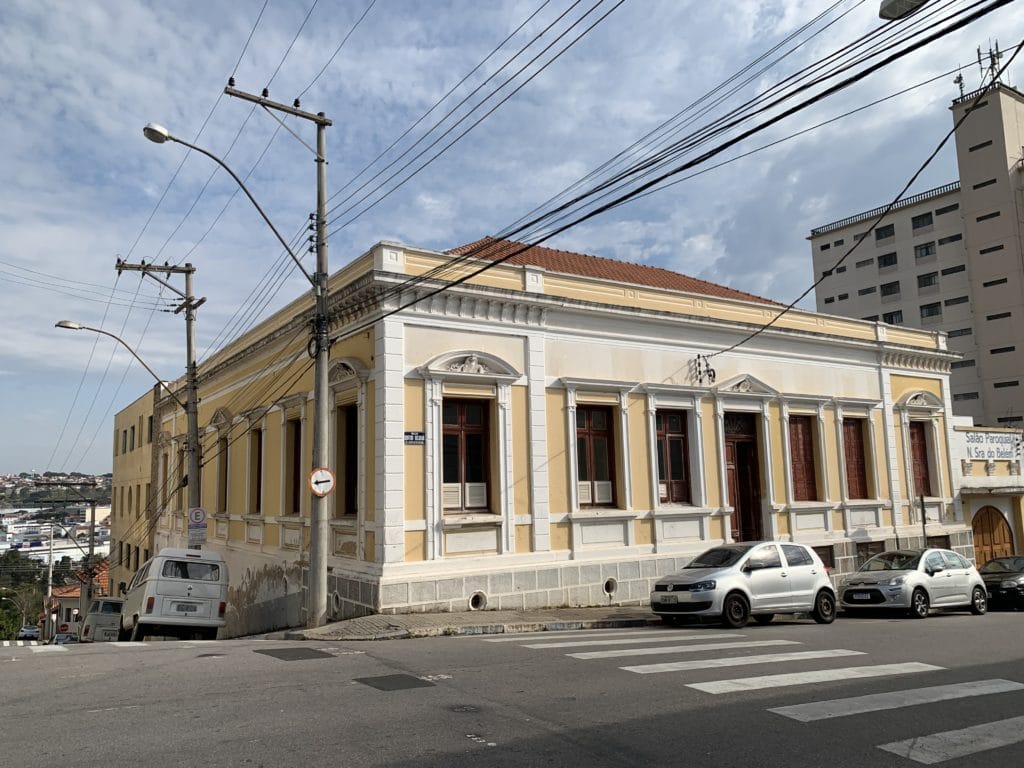
A building with neoclassical influences, built in 1896 by Manoel da Silveira Franco Damásio to serve as his family’s residence. Today, it houses offices of the Itatiba municipal government.
Location: Rua Quintino Bocaiúva, 428.
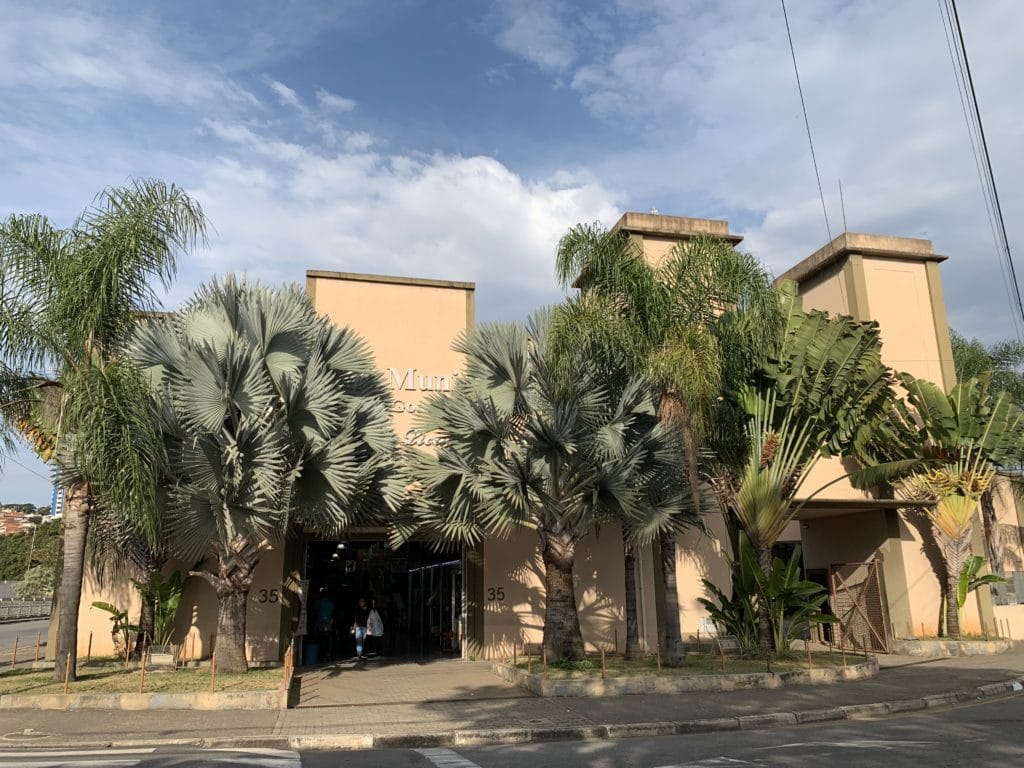
Mercado Municipal Maria Elias de Godoy Camargo
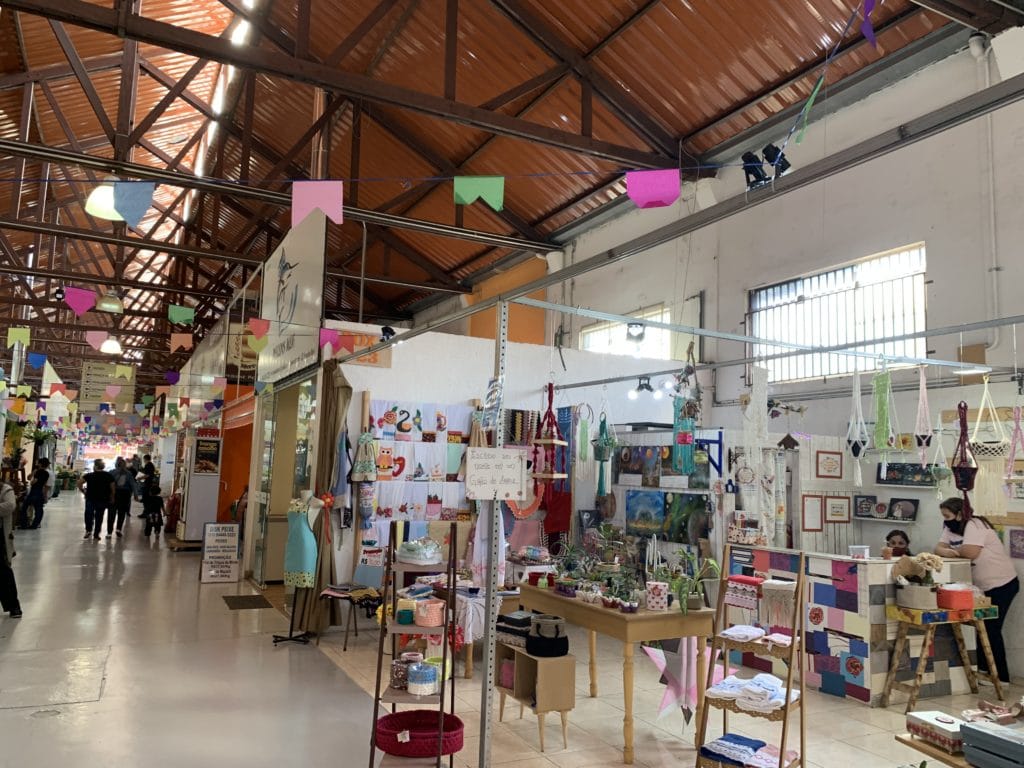
Known as “Dona Lica,” this is one of the town’s most traditional spots. Founded in 1984 in a former warehouse that had once housed a match factory, it was fully renovated in 2012. Every kind of product is sold here.
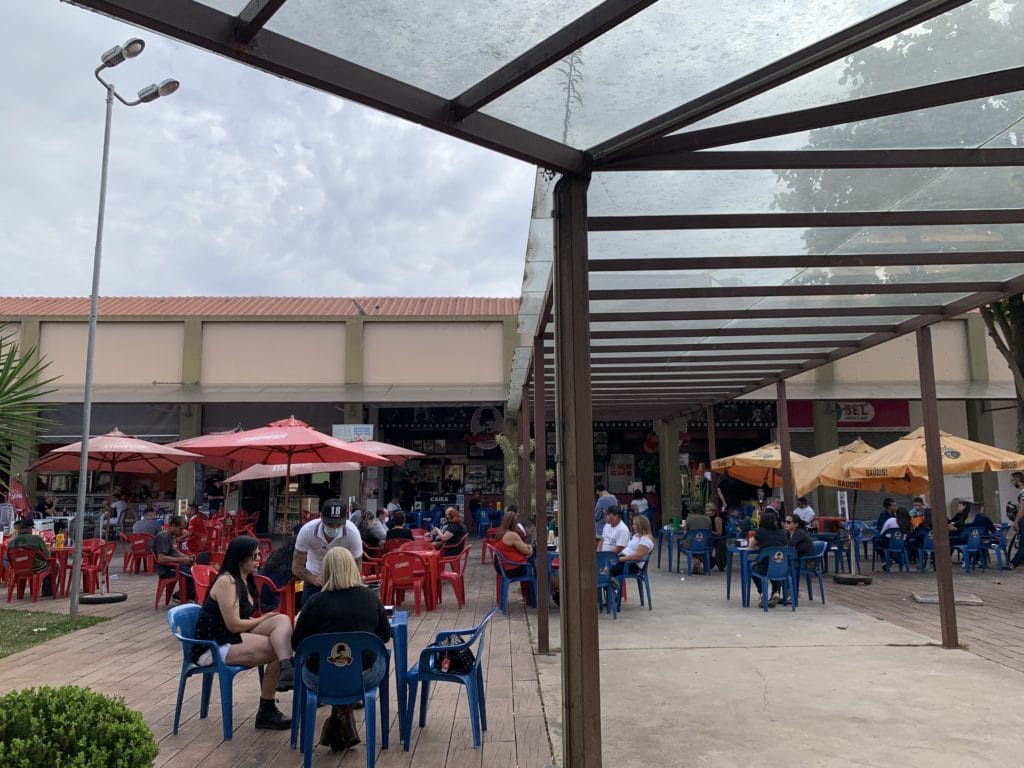
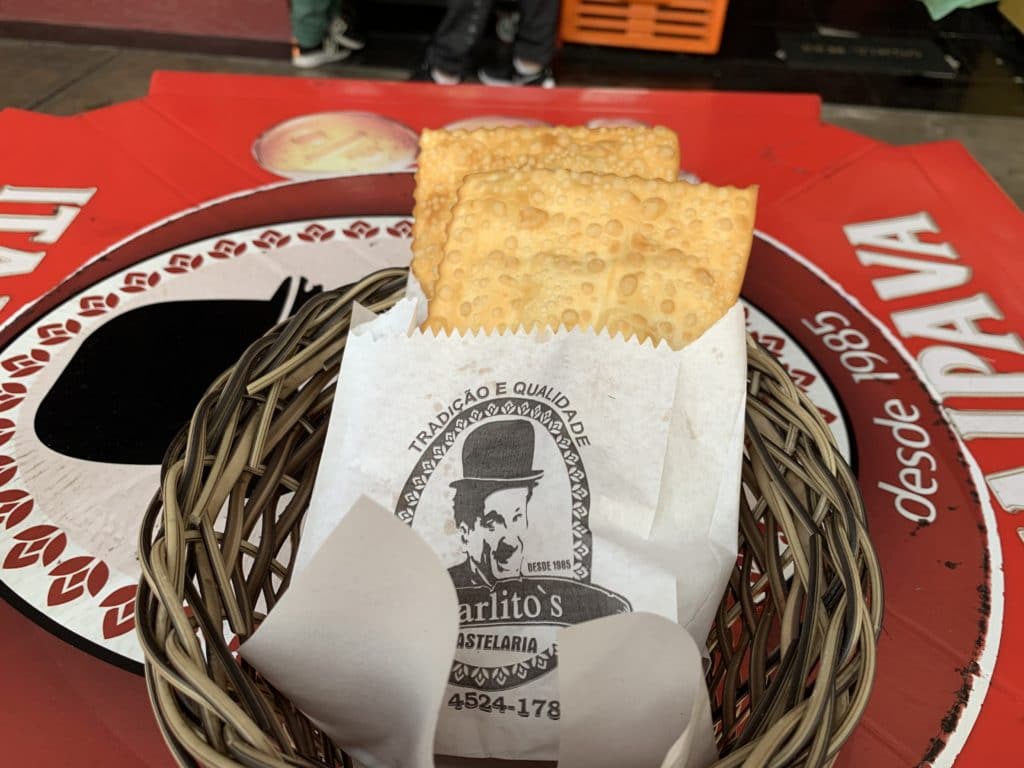
Outside, there’s a small food court with dishes, snacks, and pastries. We chose Carlito’s Pastelaria, where we ended up eating pastéis — one four-cheese and one cheese and bacon, both really tasty.
There’s also a crafts shop inside the market selling handmade goods, worth checking out.
Location: Avenida Vinte e Nove de Abril, 35.
Museu Histórico Municipal Padre Francisco de Paula Lima
Housed in the 1875 colonial building Solar dos Godoys Moreiras, restored in 1996 to become the Museu Padre Lima. It has a permanent exhibit, Caminhos do Passado, telling the town’s history. It also hosts temporary exhibits, though it’s currently closed because of COVID-19.
Location: Praça da Bandeira, 122.
Parque Luís Latorre
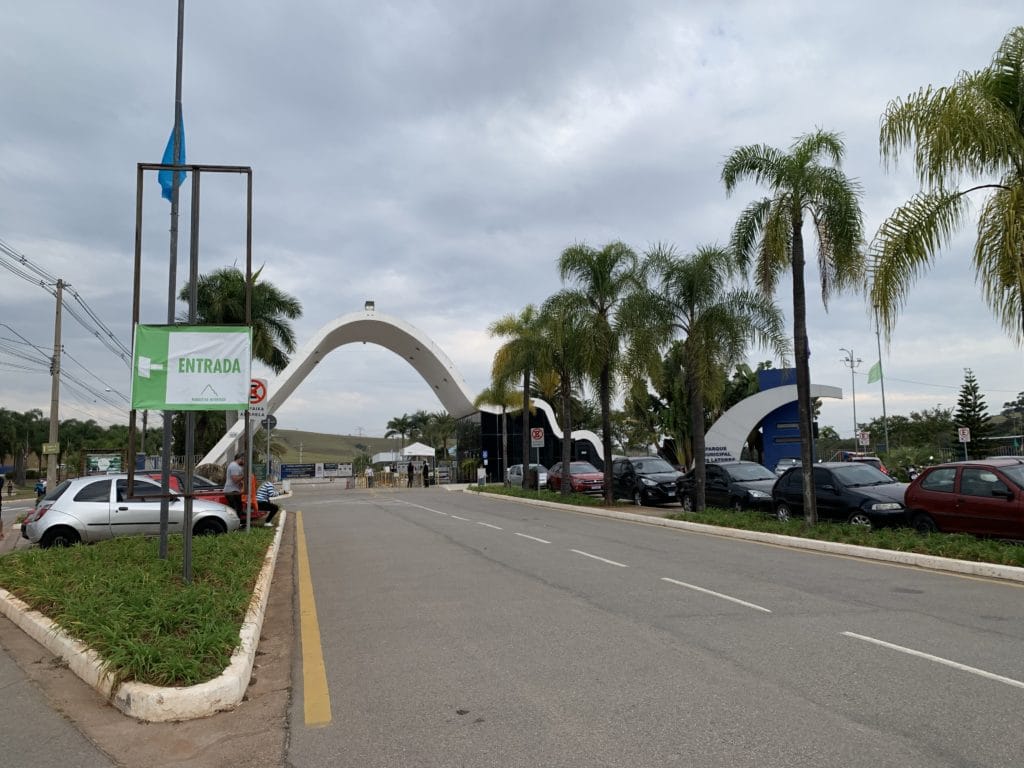
Itatiba’s largest urban park, spanning more than 355,000 square meters. It has a lake, sports courts, snack stands, and a stage for performances. This is where the town’s Festa do Caqui (persimmon festival) is held.
Location: Avenida Guerino Grisotti.
Learn more about our trip through the interior of São Paulo in Campos do Jordão.
Read the original version in Portuguese on A Bela e o Bigode.