What to Do in Amparo: A One-Day Itinerary
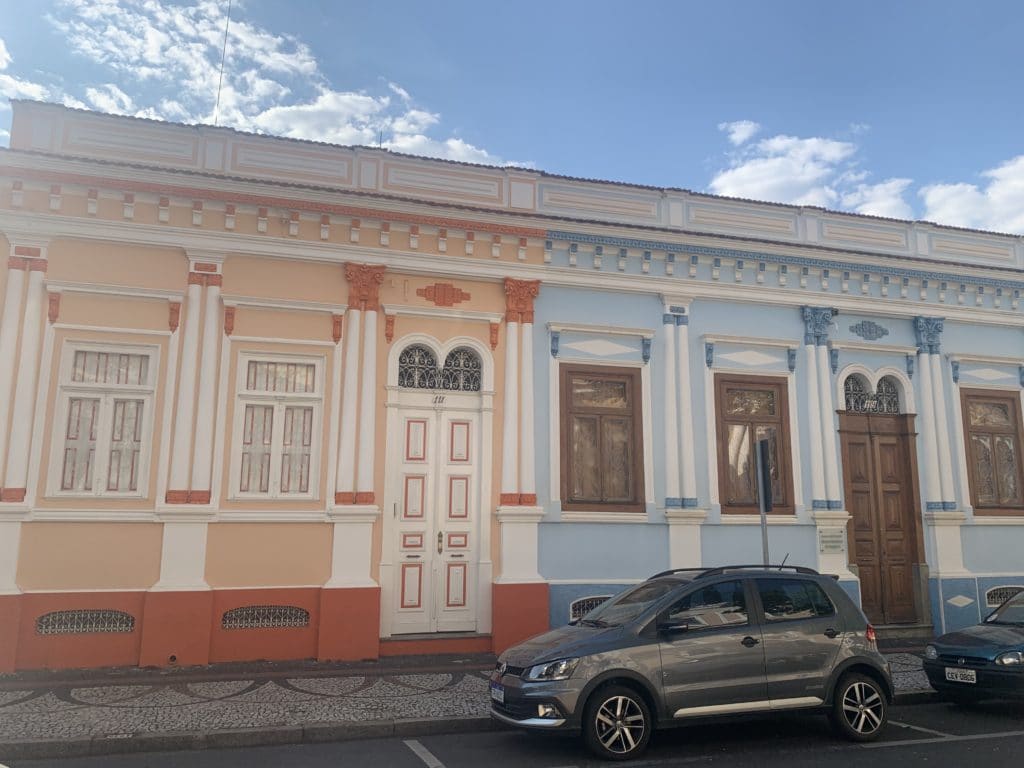
The town of Amparo, in the interior of São Paulo state, known as the “Flower of the Mountain,” is one of the best destinations we’ve visited, offering a genuinely wide range of activities. There are options for rural tourism as well as in-town sightseeing, blending old and new — here are our tips on what to do in Amparo.
Amparo is protected by CONDEPHAAT (São Paulo State’s Council for the Defense of Historic, Archaeological, Artistic, and Tourist Heritage).
It’s considered a water resort town in São Paulo state, alongside Atibaia, Campos do Jordão, Lindóia, Monte Alegre do Sul, Poá, Serra Negra, and Socorro.
These towns are all part of the São Paulo Water Circuit, or São Paulo Precambrian region, since they have cold oligomineral springs (staying at 21°C year-round). They also have the country’s most radioactive springs, known for a light, mild taste, sold under well-known bottled water brands.
Surrounded by mountains, the town’s center preserves an architectural ensemble, with 400 buildings dating to the colonial and republican eras, shaped by São Paulo’s Coffee Cycle. Many of these old townhouses have been converted into schools, museums, and restaurants.
Getting to Amparo
It’s 130 km from São Paulo, taking about 2 hours to reach the town.
By car: via the Bandeirantes or Anhanguera highways, or the Fernão Dias highway, passing through Bragança Paulista or Itatiba, before continuing on to Amparo.
By bus: check schedules with Viação Rápido Fênix.
What to Do in Amparo
Fazenda Atalaia
Part of the town’s rural tourism scene, Fazenda Atalaia (website) has 151 years of history, dating back to 1870, founded by Pedro Penteado, president of the Banco Industrial de Amparo. It was originally dedicated to coffee farming, but only until 1929, when the New York Stock Exchange crash pushed many coffee producers into bankruptcy.
Afterward, the farm was bought by a Lebanese family, Caram José Matta and Zakie José Matta (maternal grandparents of Paulo, the current owner), who built a cachaça still in 1940, though it wasn’t especially successful — today, it operates as a woodworking shop for the property’s ongoing architectural repairs.
Many of the farm’s cheeses have won awards, including its Tulha cheese, named in 2016 the first Brazilian product to win a gold medal at the World Cheese Awards.
You can take a guided historical tour of the farm for R$45 per person, learning about its past, its cheese production, and the story behind the property’s construction and restoration.
You can also grab coffee from 9 to 11 AM, followed by lunch. No reservation is needed, but we saw a long line to place orders, since there aren’t any waitstaff.
If you’d like to do a cheese tasting before buying, that’s available too. This tasting is also free, running from the mildest cheeses up to goat cheese, and it’s genuinely interesting.
There’s also house-made bread and cakes, jam, free-range eggs, requeijão, butter, and preserves, among other farm products, all delicious.
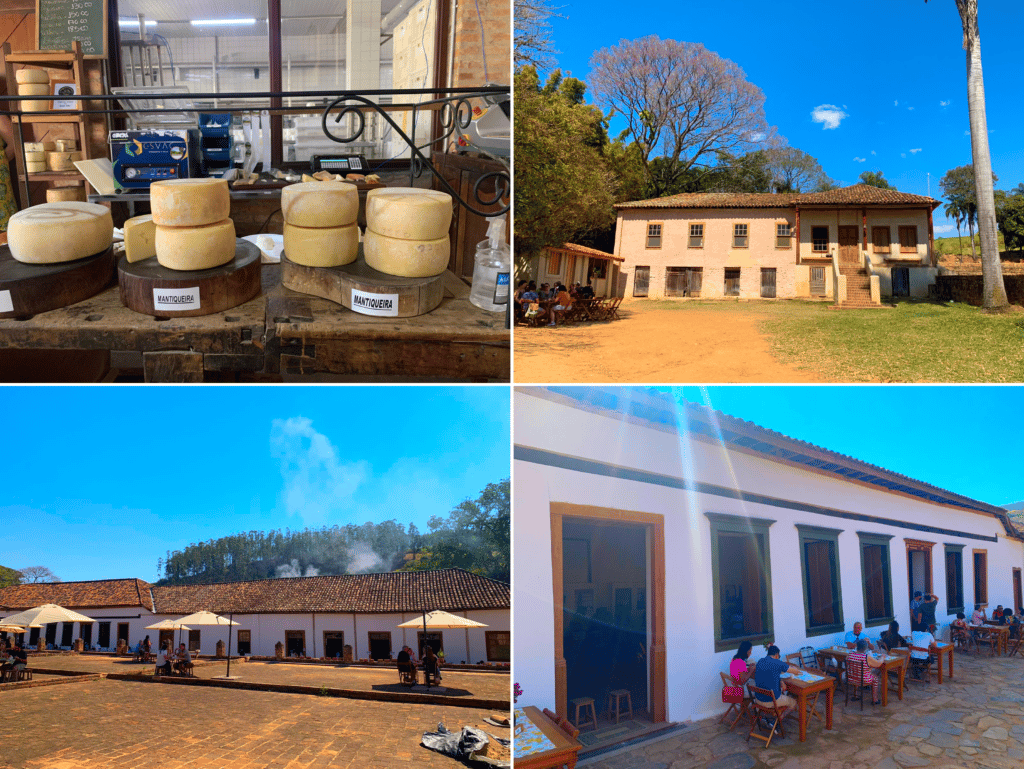
Location: Rodovia SP-352, km 137.5, Alferes Rodrigues. Hours: daily, 9 AM to 5 PM.
Vinícola Terrassos
For wine lovers, Vinícola Terrassos (website) is also, without question, a great pick for what to do in Amparo. The winery’s story began in 2003, testing more than 20 grape varieties, though today it grows 3: Syrah, Máximo, and Moscato.
The wines are grown at altitude in the Serra da Mantiqueira, considered ideal for this kind of production, with a beautiful view over the region’s mountains.
Tastings take place in the garden, with a beautiful view over the vines, though tours are currently paused because of the pandemic.
For lunch, you get a picnic basket for R$170 for two people. It comes with bread and spreads as a starter, 2 main dishes, pasta chosen on the spot, a house wine (which may cost extra depending on which one you choose), and finally, two brigadeiros made with fortified wine for dessert, plus two bottles of water.
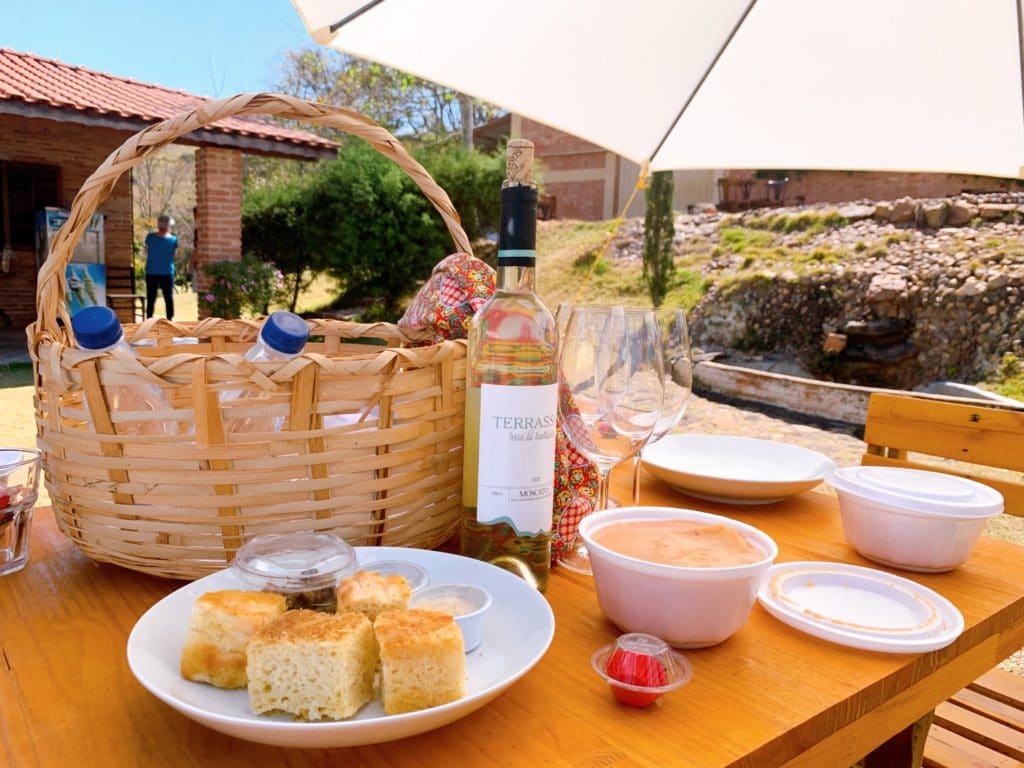
We loved the pasta, and the dishes were generously served. The spreads were also really tasty, and it was well worth eating here, especially given the wonderful view.
You can also add extras, like a charcuterie board, a portion of pasta, and other options, like a kids’ plate, grape juice, Italian-style pizza (starting at 4 PM), soda, and a cone of ice cream.
For tastings and lunch, you’ll need to book ahead by phone: (19) 99744-4094.
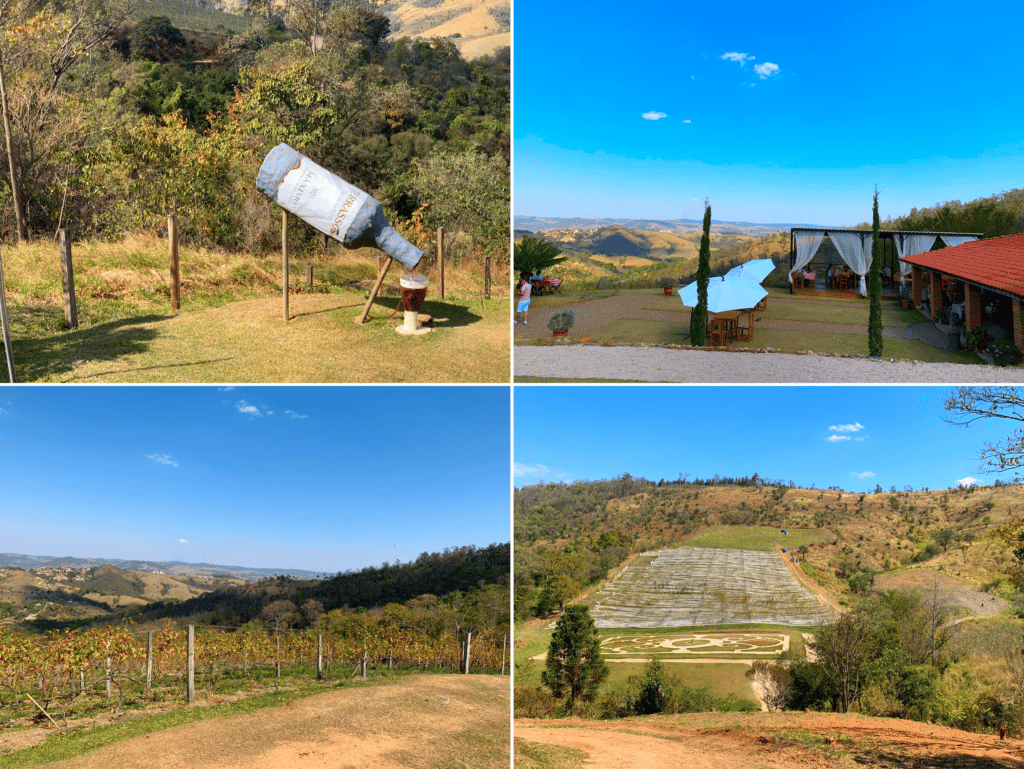
Location: Rodovia SP-352, km 137, Alferes Rodrigues.
Fazenda Benedetti
Another farm carrying forward the town’s history from the coffee era is Fazenda Benedetti (website). Owned by the Italian Benedetti family, the property grew coffee until 1929, but has since shifted to producing cachaça, including some award-winners, like its silver-label and a 9-year-aged version.
There’s also a shop on site selling farm products, like sweets, coffee, chili peppers, cheese, crafts, and drinks.
Soon, the property will add a kids’ playground and more hammock and picnic-crate options, making the spot even better than it already is.
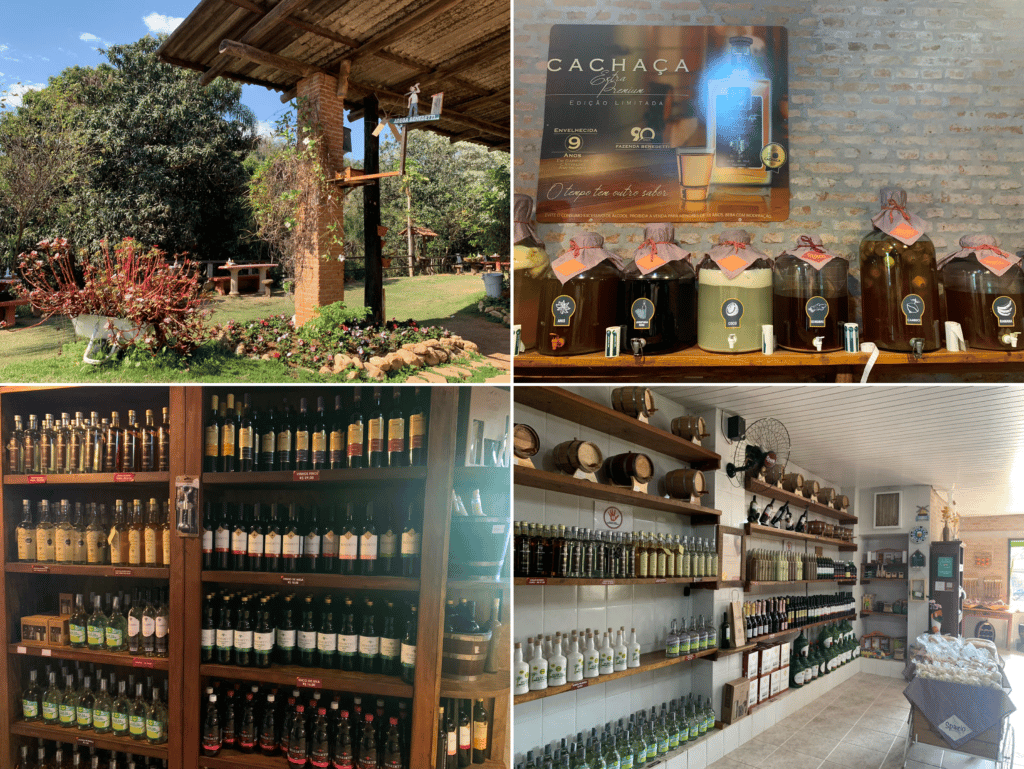
There’s also a café serving delicious coffee and desserts like cakes, along with plenty of other menu options. We ordered a taça da felicidade (R$25), with ice cream, chocolate mousse, strawberry, white cream with leite ninho, and whipped cream, and without question, it was delicious!!!
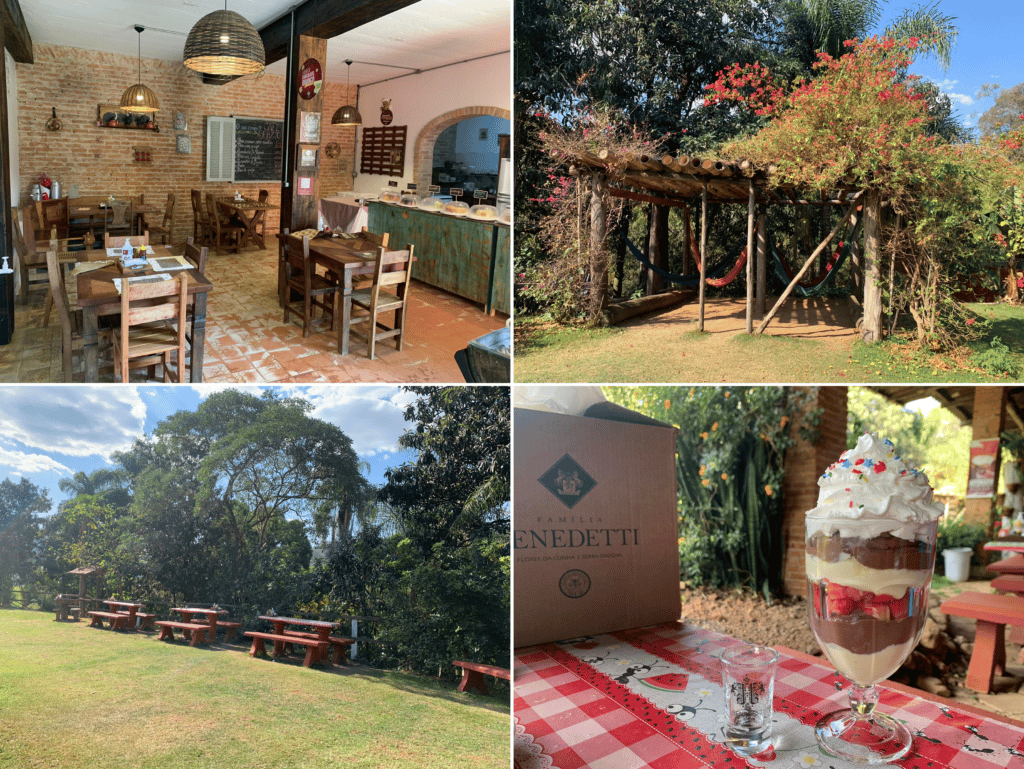
Location: Rodovia Amparo-Serra Negra, km 138, Almeidas.
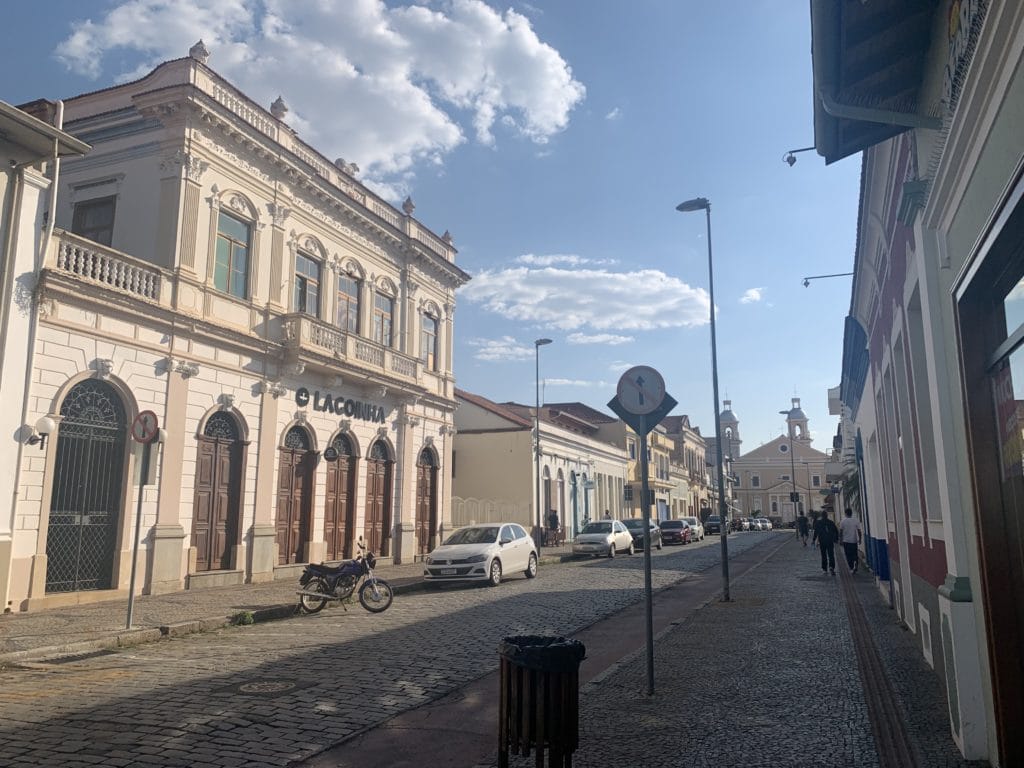
Rua Quinze de Novembro
A charming street lined with beautiful historic houses, transporting you to another era. Located behind the cathedral, with a beautiful cluster of historic townhouses, now converted into businesses like restaurants, pizzerias, and bars. The buildings date to the 19th and 20th centuries.
Museu Bernardino de Campos
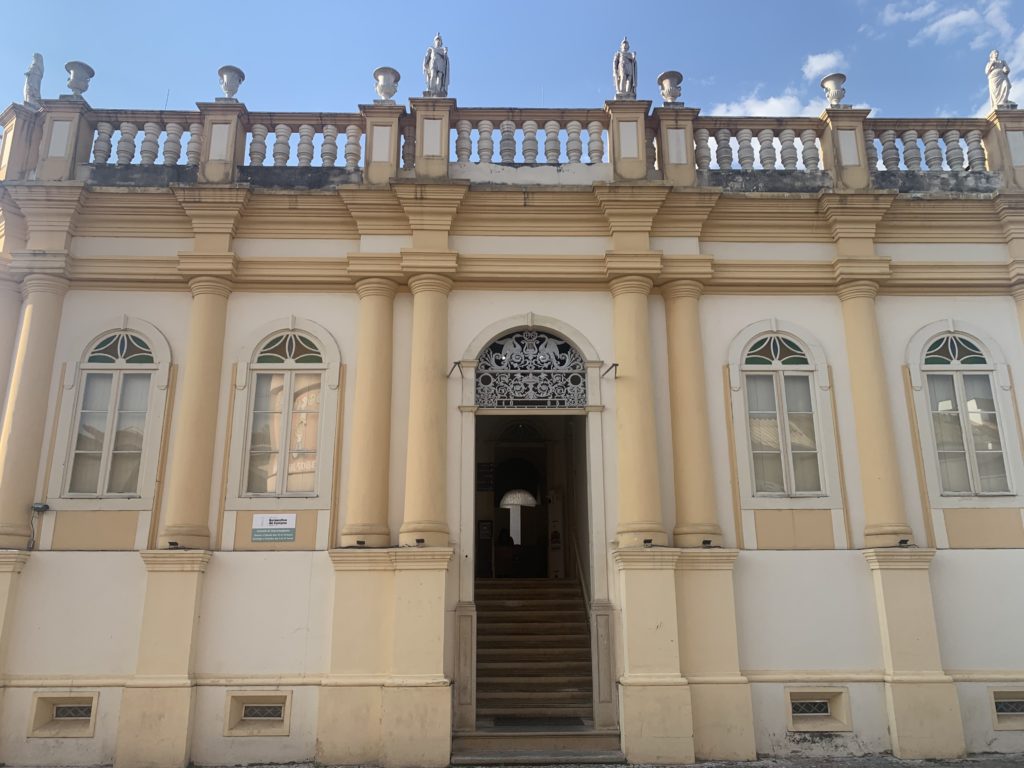
Built in 1885 as the residence of Coronel Luiz de Souza Leite, this building has also served as the city hall, the city council, and the Water and Sewage Department.
The museum holds about 1,000 objects, including clothing, instruments, colonial-era porcelain, and pharmaceutical items. The exhibit closes with items related to the 1932 Revolution, making it, in our view, one of the most comprehensive museums in the state. We found it genuinely interesting and would recommend visiting.
Location: Rua Luís Leite, 7, Centro.
Mercado Municipal
Opened in 1912, inspired by Arab-style markets, meaning lots of small shops packed together. The building was constructed to give the local market a proper venue. It recently underwent major restoration work, but it’s currently closed.
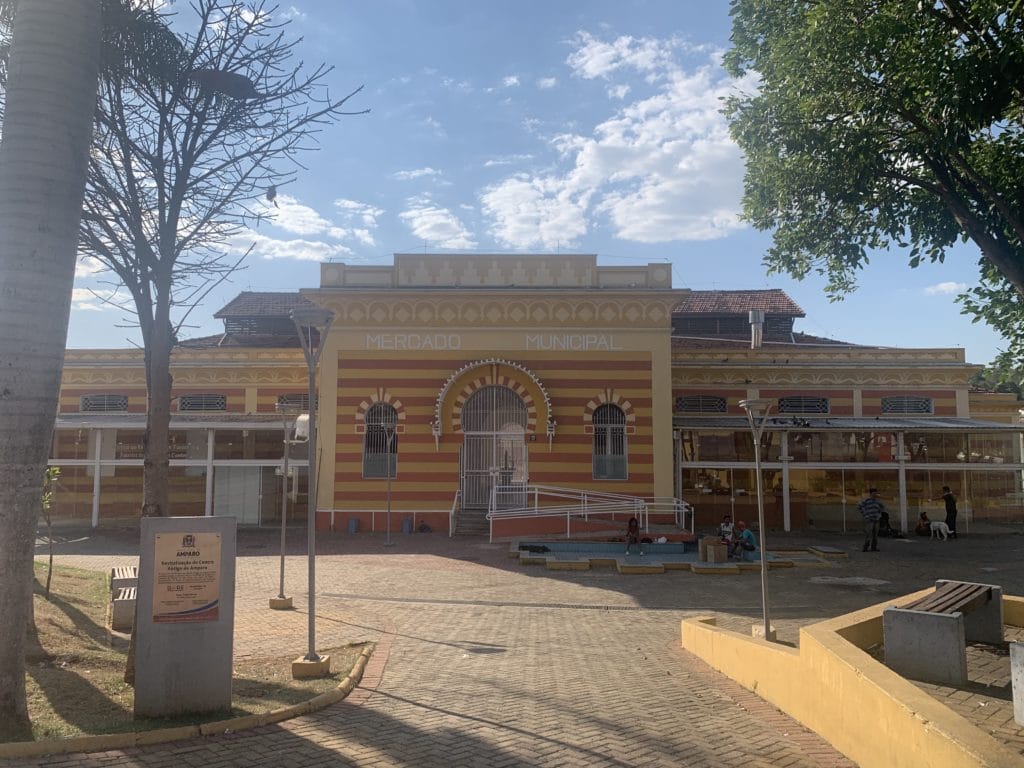
Location: Praça Doutor Araújo, Centro.
Estação Ferroviária on Praça Pádua Salles
We love trains, so for us, the Station is a genuinely fascinating historic landmark in Amparo. The town once received trains from the Companhia Mogiana.
The Companhia Mogiana train station opened in 1875, part of the branch line connecting Jaguariúna to Socorro. The line was later extended to Monte Alegre, but in 1967, that stretch was decommissioned and the tracks removed.
Today, the Amparo train station no longer serves trains, but houses the Pinacoteca art gallery, the Tourist and Cultural Information Center, and the Casa do Artesanato crafts center. It’s also in excellent condition.
The site also hosts a winter festival, with live music and food and drinks.
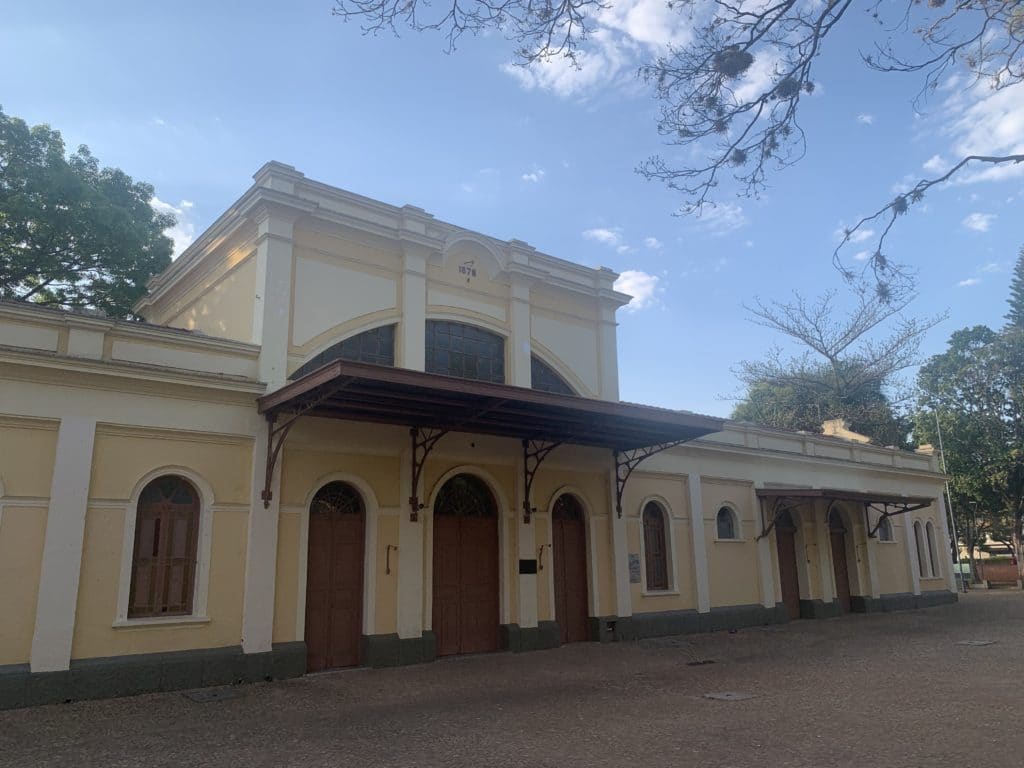
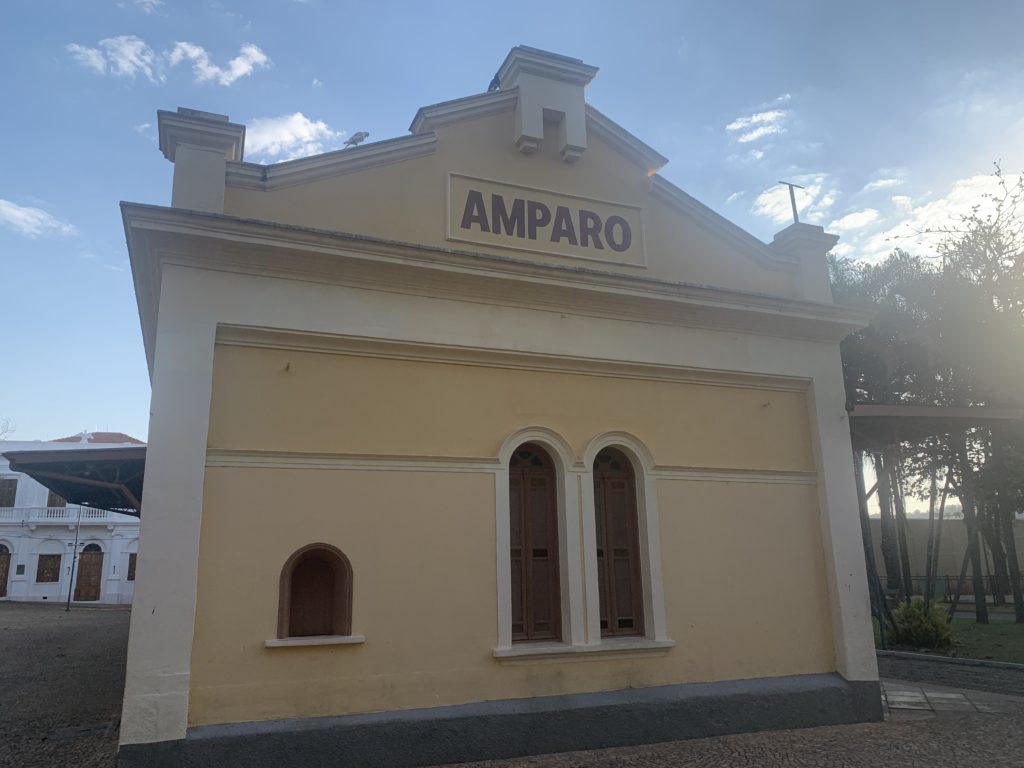
Location: Praça Pádua Salles.
Biblioteca Municipal Carlos Ferreira
Opened in 1900 as a literary society, it operated that way for decades. It wasn’t until 1970 that a municipal law reclassified it as a proper library.
With a collection of 23,000 volumes (as of 2008), it serves 5,000 visitors every month.
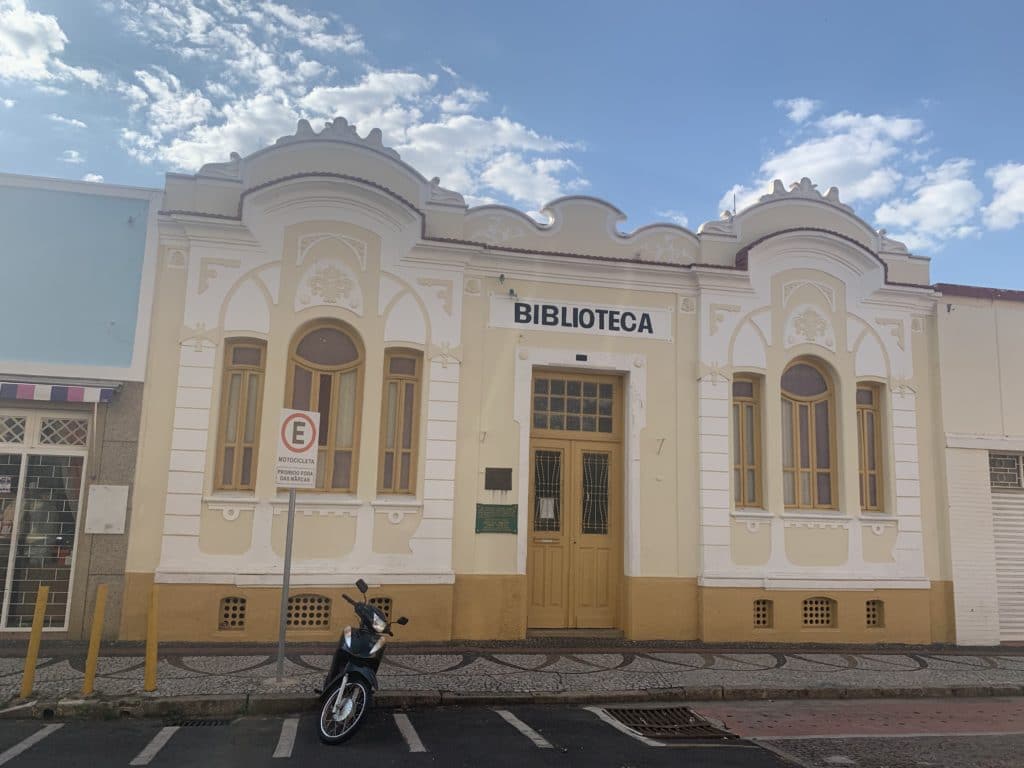
Location: Praça Monsenhor João Batista Lisboa, 132, Centro.
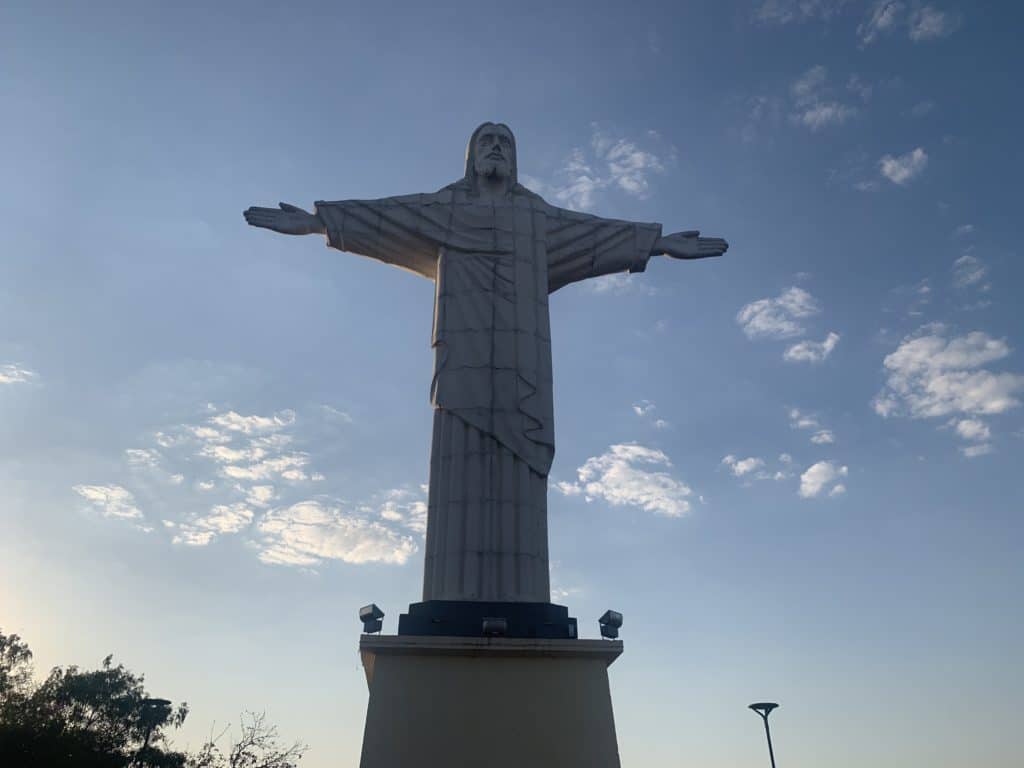
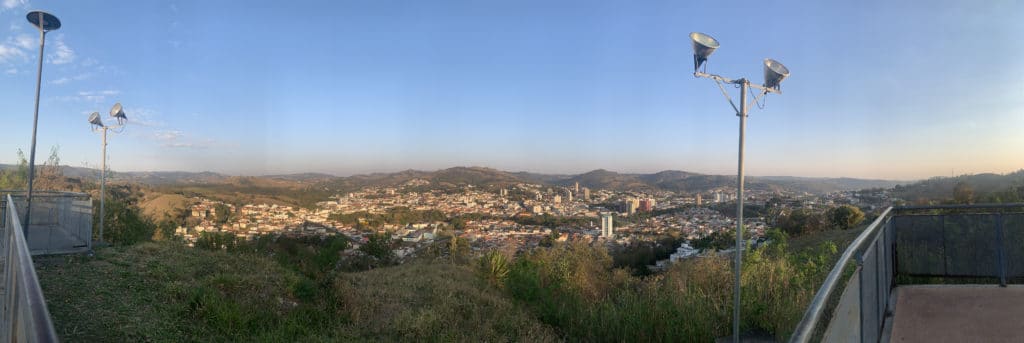
Cristo Redentor
Located on Morro da Biquinha, offering a beautiful panoramic view over the town.
Easy to reach by car, since there’s free parking right behind the statue.
From the parking lot, you can walk up either a staircase or a ramp. Next to the lot, there’s an area with outdoor exercise equipment and a playground for kids, along with a bar selling drinks and snacks.
Jardim Público Municipal
Jardim Público Municipal is a genuinely peaceful, well-kept spot, with food trucks out front selling water, juice, soda, and snacks, plus a playground for kids.
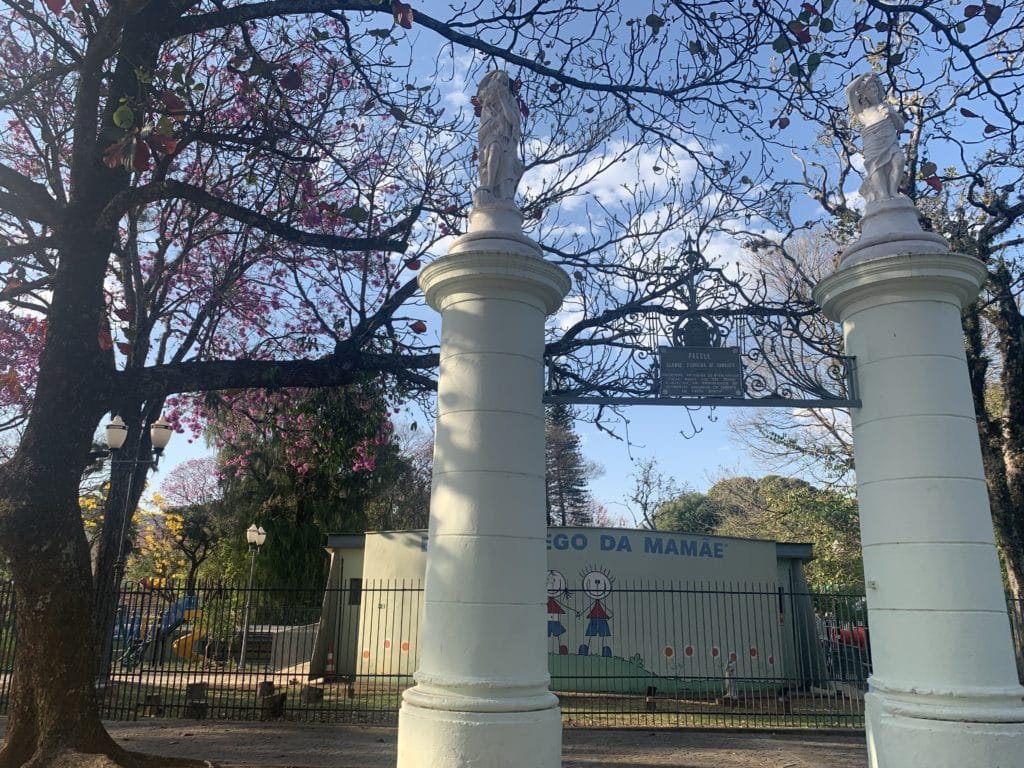
Location: Rua Carlos de Campos, Centro.
Churches in Amparo
Catedral Nossa Senhora do Amparo
The town’s name, Amparo, comes from an image of Nossa Senhora do Amparo brought over from Portugal. Construction began in 1839, and the church was completed in 1849; in the mid-1920s, it underwent a major renovation that gave it its current look.
José Bueno da Cunha, one of the town’s earliest residents, donated the land. The visit is genuinely worthwhile, since the building has a neoclassical style and a beautiful interior.
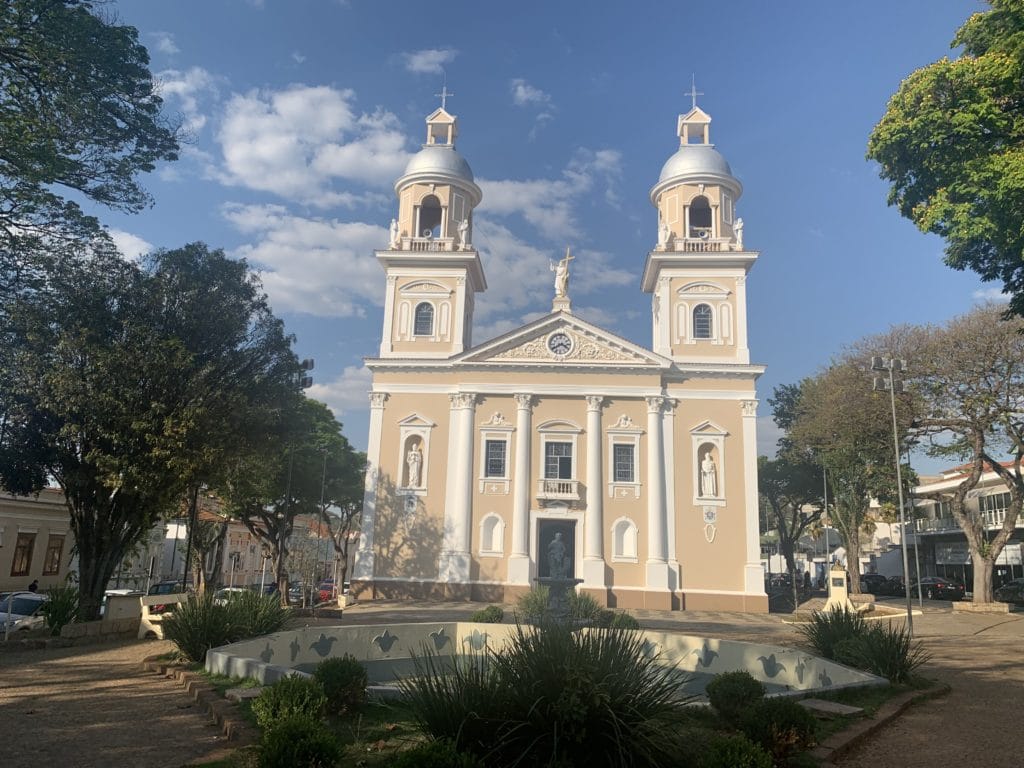
Location: Praça Monsenhor João Batista Lisboa, Centro.
Igreja Nossa Senhora do Rosário
This church sits just past Rua XV de Novembro and is currently closed for renovation.
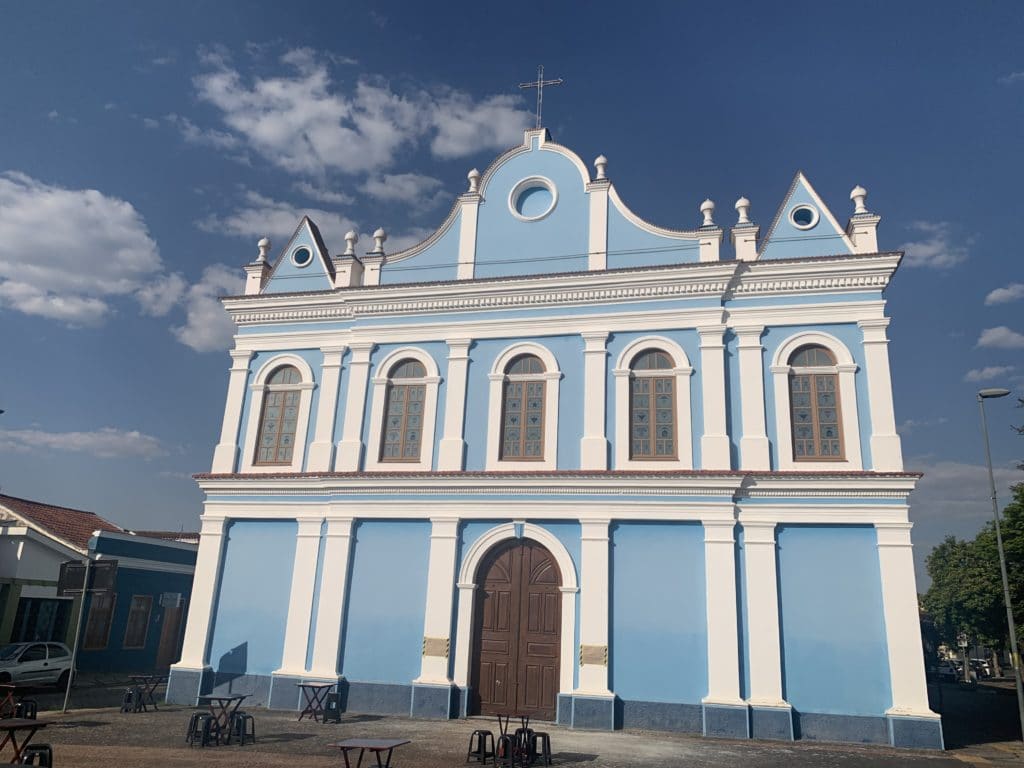
Location: Largo do Rosário, Centro.
Igreja de São Benedito
One of the most imposing churches in Amparo, since it occupies an entire city block. Construction began with a humble cart driver, who, after his death, was buried inside the monastery itself.
When we went to see it, it was closed.
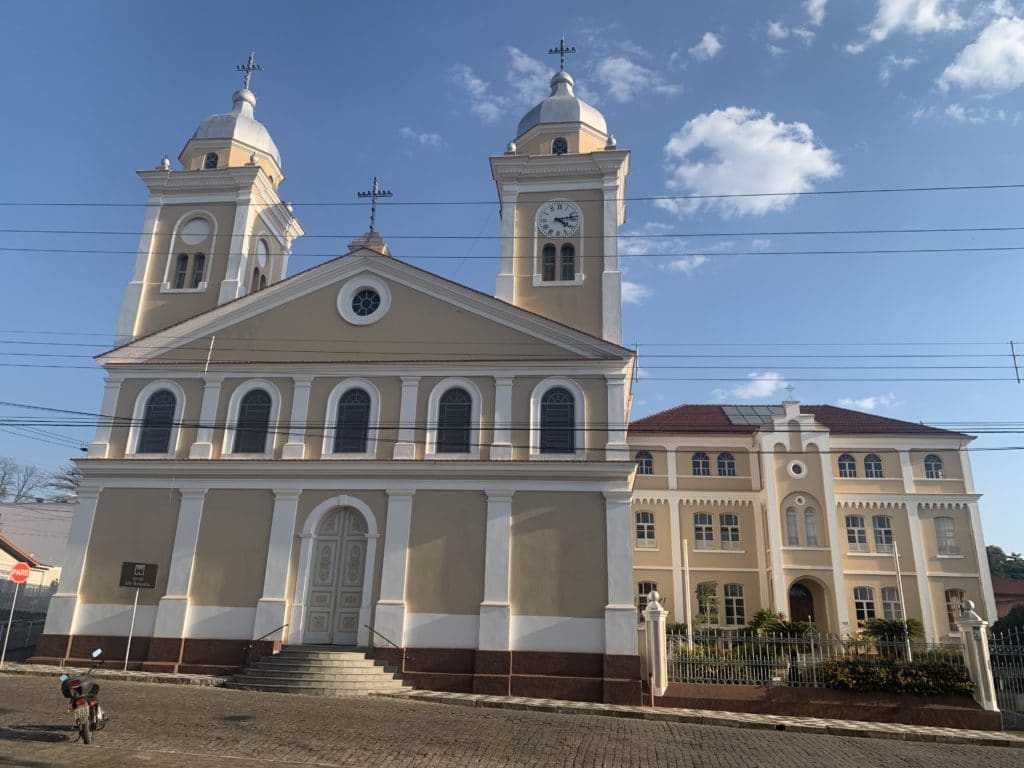
Location: Largo São Benedito, 117, Centro.
Paróquia São Sebastião
The São Sebastião community became a parish in the 1960s, but its story dates back to the 19th century, when a humble, devout man, Claudino Antônio Araújo, made a vow. He asked for the martyr’s intercession to protect the town of Amparo during a yellow fever epidemic.
In 1893, with Padre João Manuel de Carvalho’s blessing, construction began on what’s now our centennial main church. The owners of Chácara Ribeirão donated the land where the chapel was built.
Construction on the current church began in 1969, but it wasn’t fully completed until the early 1980s.
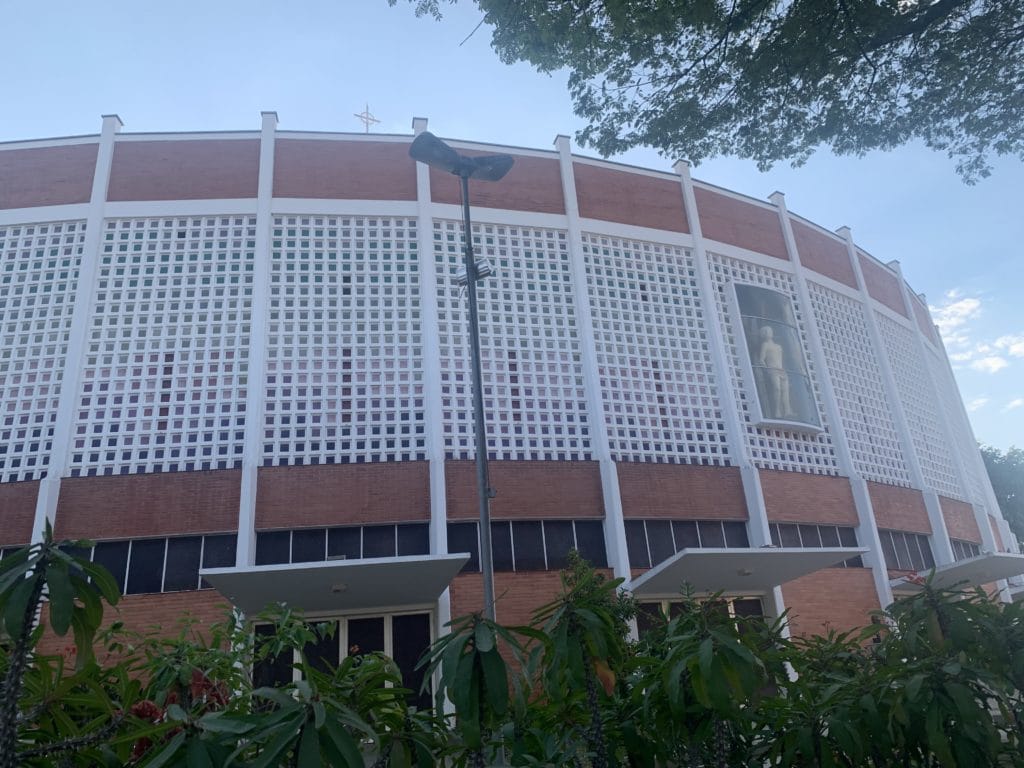
Location: Rua Doutor Coriolano Burgos, s/n, Jardim São Lourenço.
Parque Ecológico Dr. Paulino Recch
Parque Ecológico Dr. Paulino Recch is a great pick for anyone after some outdoor time, since it’s a well-forested park with plenty of wildlife. There’s an old building that once served as a leprosarium and another that housed nuns, though both are currently poorly maintained.
The park has a stream, trails, a Municipal Observatory, and environmental exhibits, plus 500,000 orchid pots, featuring 25,000 rare and exotic species.
The park is also home to the headquarters of the Forest and Watershed Police and the Agricultural Defense Service.
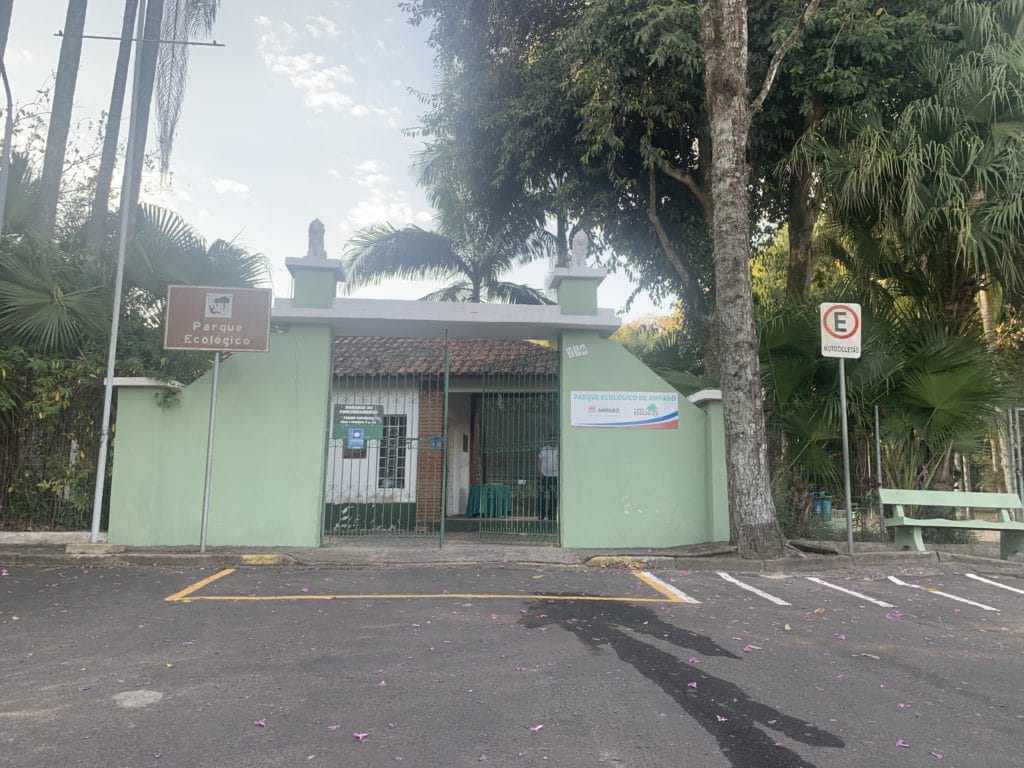
Location: Rua Salermo, s/n, Silvestre.
Família Carra
Continuing the region’s rural tourism theme, Família Carra (website) is located in the cheese-and-wine tourist region of Serra Negra.
The property is both a winery and a cachaçaria, selling quality products. You can do a cachaça tasting (R$70 per person) or a wine tasting (nine labels, R$40).
We loved visiting, and since it’s a family-run business, you’re served personally by the owner, which makes a real difference in learning about the wines and the property’s history.
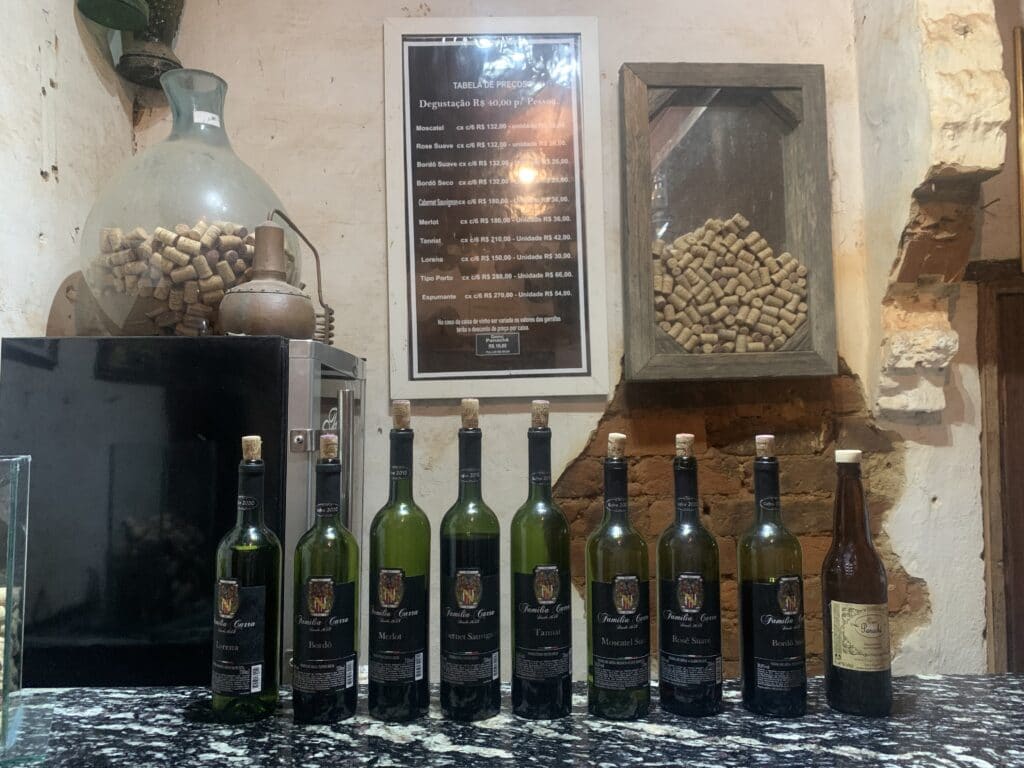
Location: Brumado, 105. Hours: Monday to Saturday, 9 AM to 5 PM.
Read more tips on what to do in towns near São Paulo, like São Roque.
Read the original version in Portuguese on A Bela e o Bigode.