Pompeii Archaeological Park
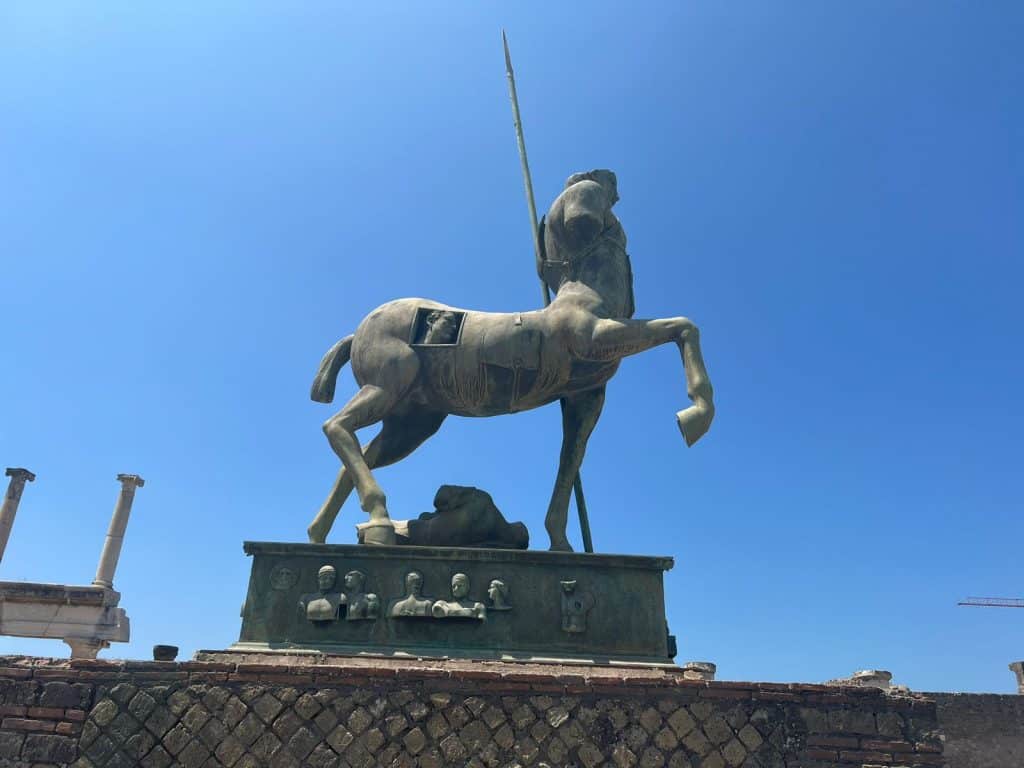
The Pompeii Archaeological Park sits in the Campania region, province of Naples, in southern Italy. It’s one of the largest archaeological sites open to the public anywhere in the world, and one of Italy’s most-visited attractions. The city was destroyed in 79 AD by an eruption of Mount Vesuvius, which also wiped out most of its population.
The city’s archaeological remains were discovered in the 18th century. Since then, researchers have worked to piece together daily life in the city and the details of its destruction. In 1997, the city was designated a UNESCO World Heritage Site.
One thing worth mentioning upfront: it’s possible to visit both Pompeii and Vesuvius in the same day. That said, you’ll need to be in decent physical shape, since there’s a lot of walking involved, and you’ll want to arrive early at the first stop.
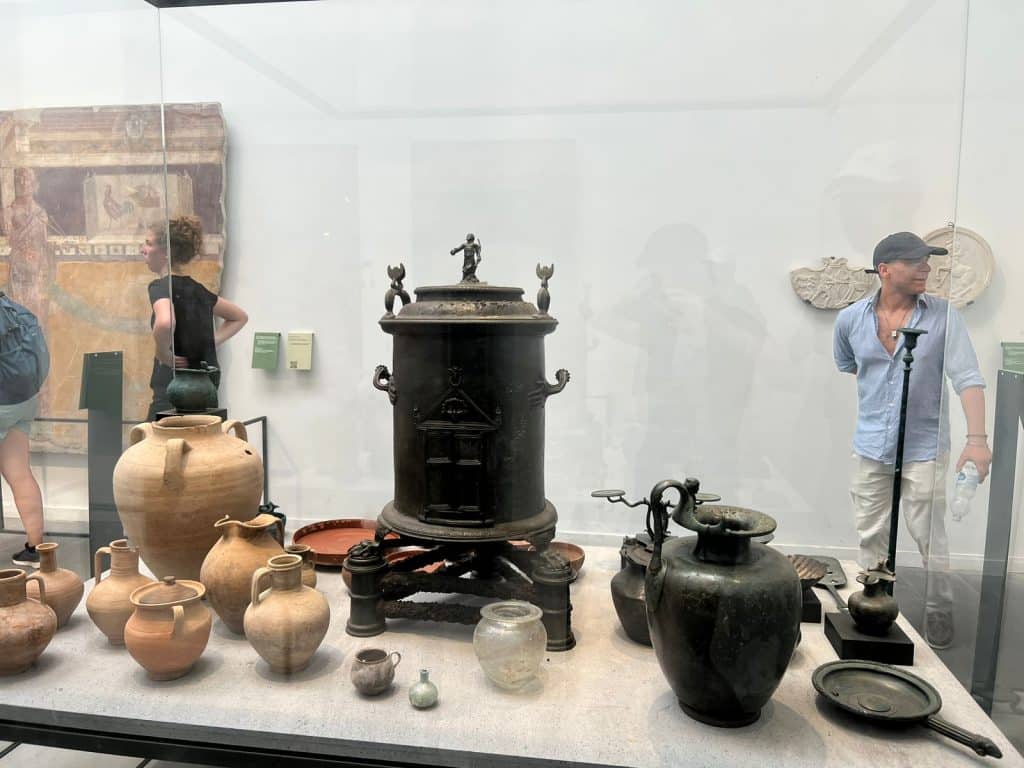
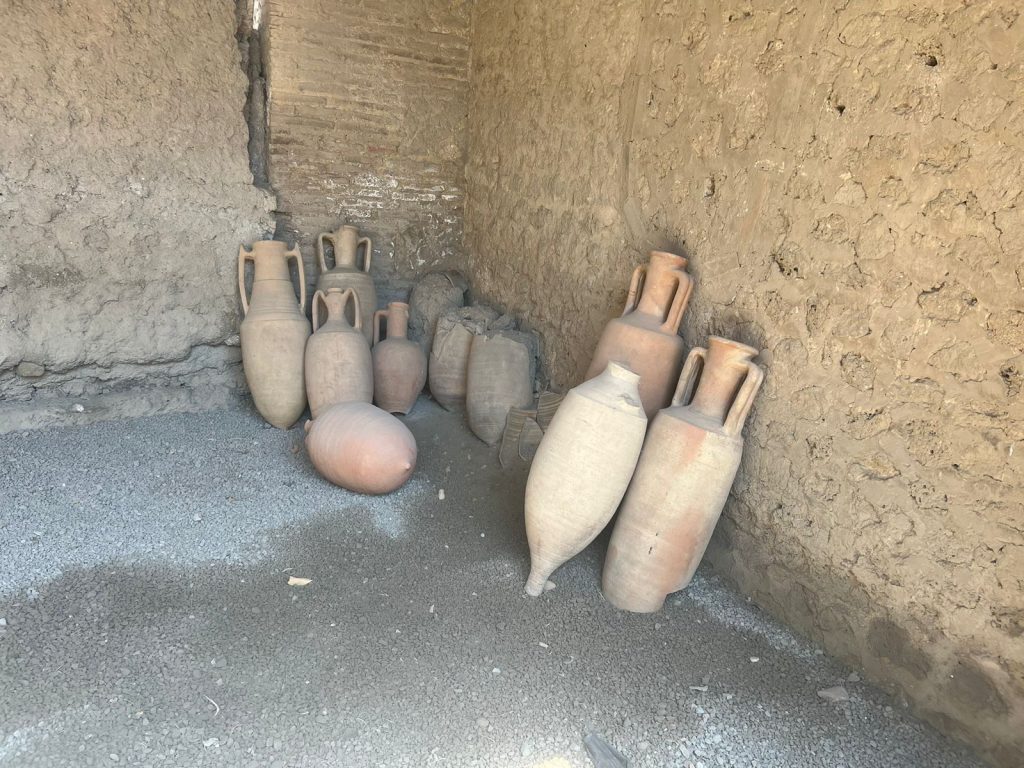
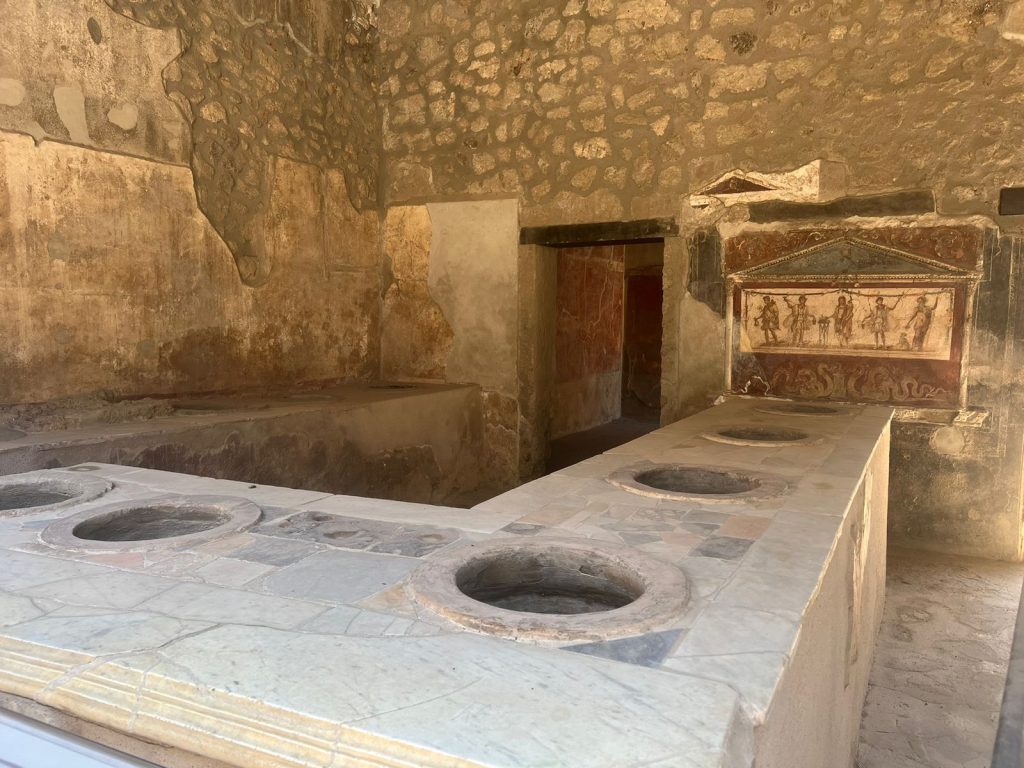
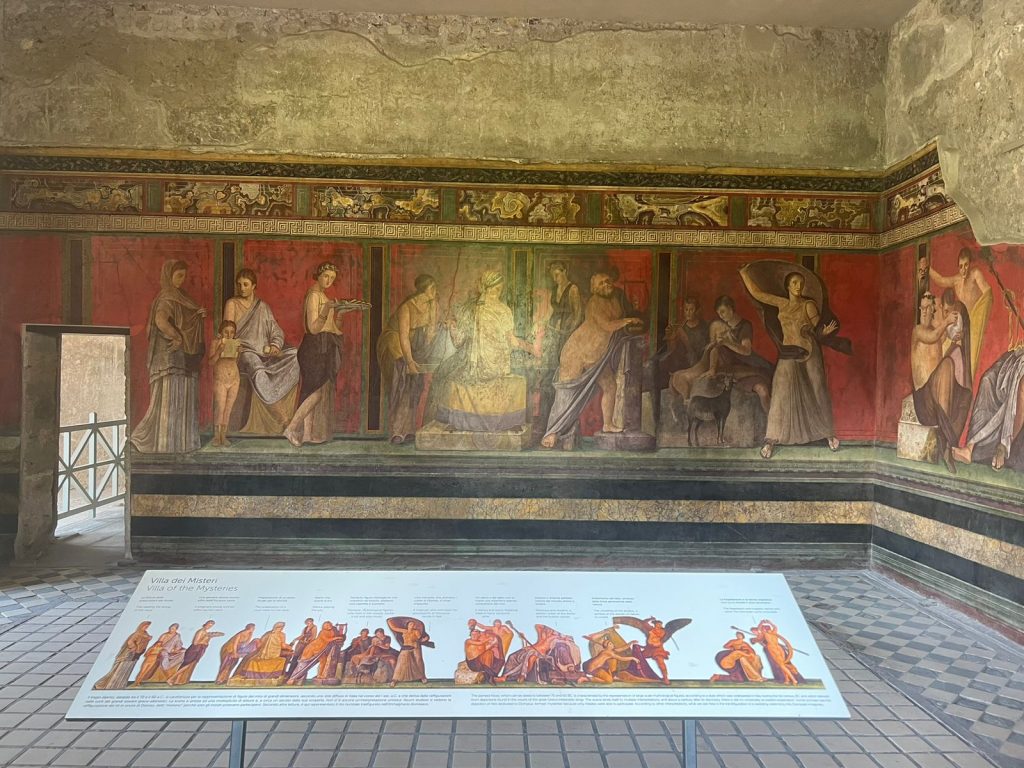
Drawing from the excavations, the park attempts to reconstruct the daily lives of the people who once lived there, showing how the Romans who called this city home actually lived.
For parking, set your GPS to Via Villa dei Misteri, number 5. Or, on Google Maps, search “Pompei Parking.” This is the closest lot to the Porta Marina entrance, where you can buy your ticket into the park.
Getting to Pompeii
From Rome, you can travel by train, guided tour, or your own rental car. We found driving the most comfortable option. We didn’t hire a guide, though we think it’s genuinely worth it, since the site is fascinating and guides do a great job explaining daily life in the ancient city.
If you’re short on time, you can easily fit a day trip from Rome into your itinerary. With more time, though, you could turn it into a longer trip through southern Italy, taking in Naples and the Amalfi Coast — which is the option we went with.
We rented a car in Rome and drove to Naples, using it as our base for visiting Pompeii. We chose Naples since it’s just 25 km, about 30 minutes, from Pompeii, making it easy to arrive early.
Thanks to its coastal location on the Mediterranean, ancient Pompeii had a thriving trade and shipping economy, exporting products like olive oil, cabbage, figs, salt, and nuts, while importing silk, enslaved people, spices, and more. Historians estimate 12,000 to 24,000 people lived in the surrounding rural area during the 1st century AD.
Driving to Pompeii from Rome
First off, Italian highways are generally excellent — a few less so, but all well marked. Most have shoulders, and the major ones have service stations along the way.
You’ll pay tolls in one of two ways: by distance traveled, or by a fixed segment fee, depending on your entry and exit points. Motorcycles pay the same rate as passenger vehicles.
Pay attention to the toll booth signage, since payment methods vary:
- Carte (blue sign): card-only lanes, accepting Visa, Mastercard, Amex, Diners, and other European cards.
- Contanti (white sign): cash only.
- Contanti e Carte (white sign with a small blue icon, bottom left): accepts both cash and card.
- Telepass (yellow sign): similar to an electronic toll tag, only for registered account holders.
From Rome, it’s about 220 km, roughly 2h30m via the E45 highway, making for a fairly tiring day — pace yourself accordingly. There are tolls along the way.
Taking the train to Pompeii from Rome
If you’d rather take the train, departures run daily from Roma Termini station. There are two options, both with a transfer in Naples.
- Take a train to Napoli Centrale station, then walk to Napoli Piazza Garibaldi (about 5 minutes) and catch a second train toward Pompei. Total time: about 2h30m.
- Alternatively, take a train from Roma Termini toward Salerno, transferring at the same station onto a second train toward Pompei. Total time: about 3 hours, though many people prefer this option since the transfer happens at the same station.
Get off at Pompei Scavi station, close to Porta Marina, which is where you’ll start exploring the ruins.
To plan your route, buy tickets, and check departure times, use the official Trenitalia website: trenitalia.it.
Getting to Pompeii from Naples
There are three ways to get from Naples to Pompeii: by car, train, or a booked tour. Driving takes about 25 km via the highway, roughly 30 minutes, with one toll along the A3.
Trains and booked tours are both good options — tours can range from a simple transfer to a full package including admission, an audio guide, or a specialized guide for the ruins.
Trains depart from Napoli Piazza Garibaldi station toward Pompei. At the station, one option is to transfer toward Pompei Scavi, which drops you right in front of Porta Marina, a great entry point into the park. trenitalia.it
History of Pompeii
According to historians, the earliest inhabitants arrived during the Bronze Age (between 3000 BC and 1200 BC), and over the centuries, the area came under the control of the Oscans, Greeks, Etruscans, and Samnites. The Romans gained territory across the Italian Peninsula around 300 BC, following the Samnite Wars.
Until 80 BC, the city still retained some autonomy, but after a rebellion, Sulla laid siege to the city, and five thousand soldiers took control — marking the beginning of Pompeii’s most prosperous and significant period.
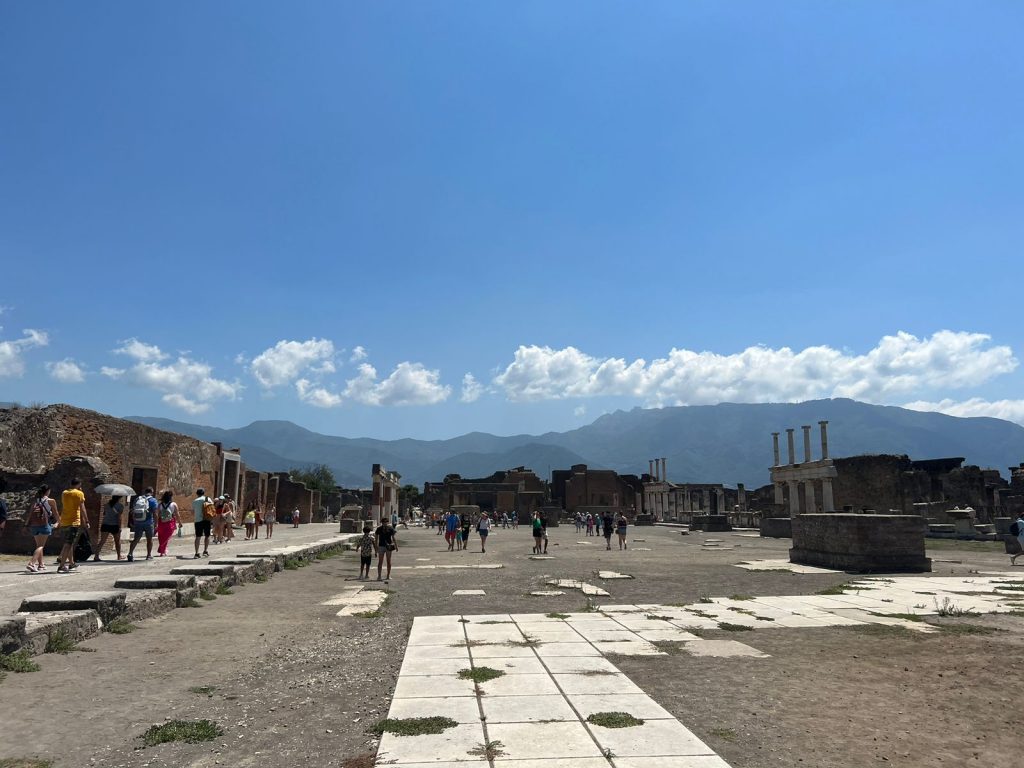
The city was surrounded by walls, with buildings inside including shops, temples to the traditional Roman gods, taverns, public baths, arenas, and homes ranging from simple to lavish.
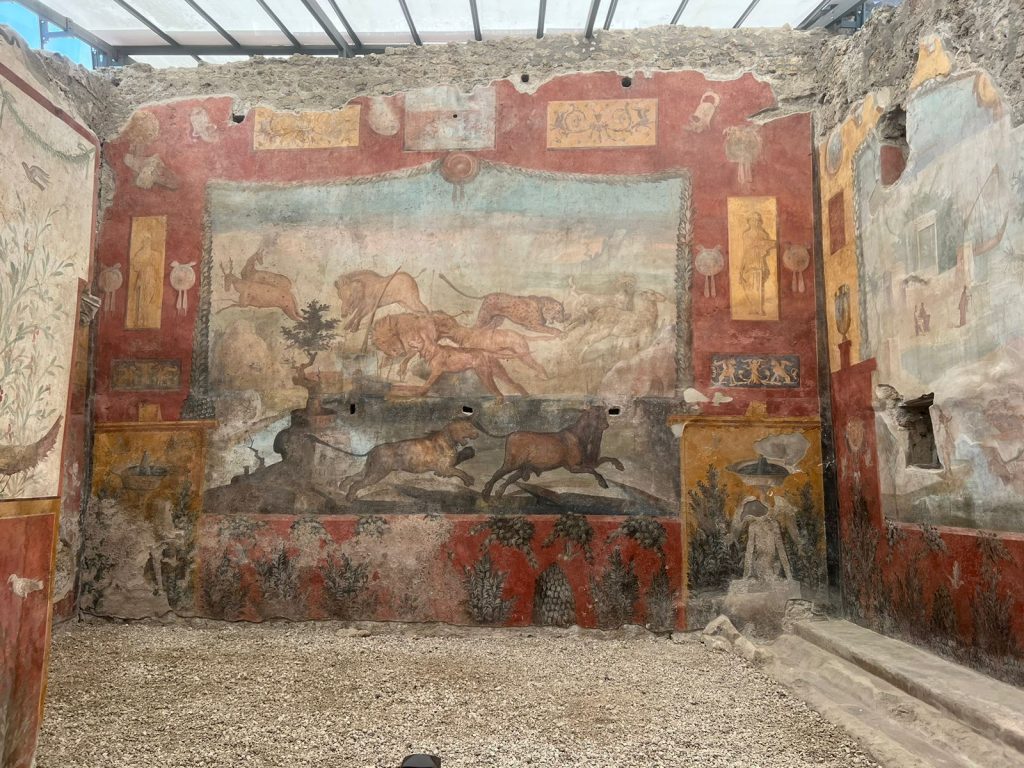
This prosperity came to an end with the terrible eruption of Mount Vesuvius on August 24, 79 AD, which lasted about 2 days. On the first day, the wind carried a massive ash cloud over the city, which then rained down enormous stones ejected from within the volcano.
The following day, toxic gases reached the city, killing those who had survived so far.
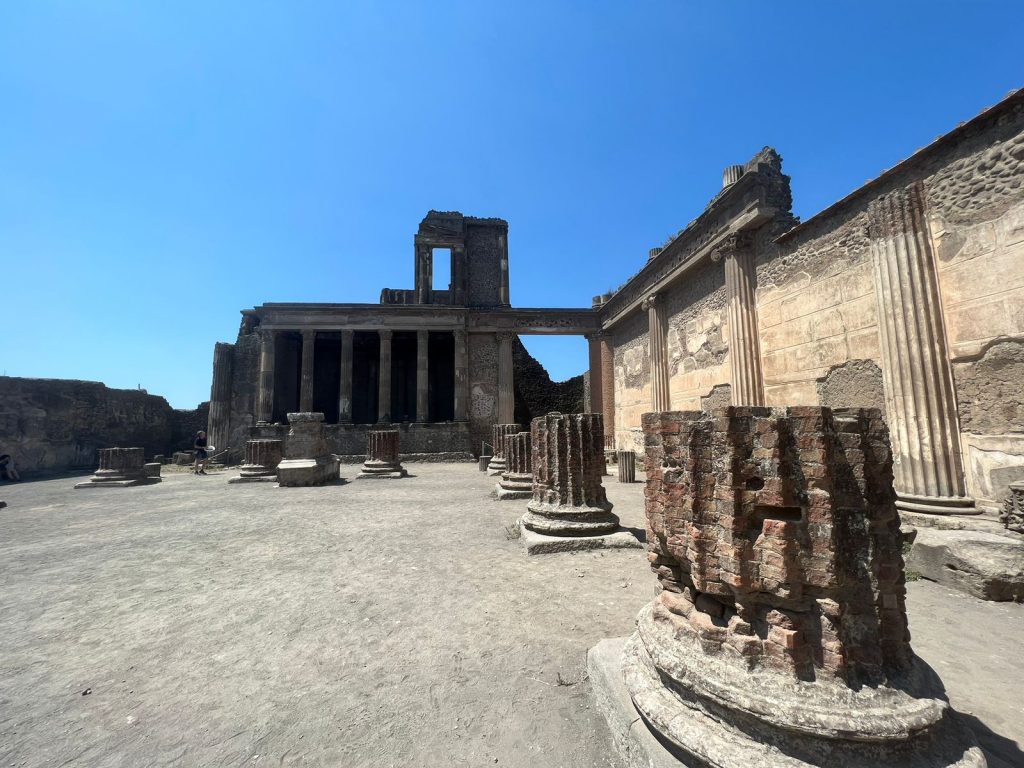
Eventually, the towering column of ash and rock, no longer able to sustain itself, collapsed into a kind of tsunami known as a pyroclastic flow — essentially a scalding cloud of gas and debris. The entire city, along with the bodies of those who remained, ended up buried meters beneath the surface, staying that way for 1,500 years.
The Eruption of Vesuvius
The eruption of Vesuvius destroyed more than just Pompeii.
There are different types of volcanic eruptions. Vesuvius experienced what’s known as a “Plinian” eruption — highly explosive, driven by a large accumulation of gas within the volcano. The pressure from the explosion created a massive column of ash and magma that solidified into rock upon contact with the atmosphere. Pompeii saw a column roughly 30 kilometers tall, made up of ash and pumice.
In 1599, while digging a tunnel, architect Domenico Fontana’s team found traces of the ancient city — but upon discovering some erotic frescoes, Fontana ordered the excavation halted and the revealed sections of the city reburied.
So the city wasn’t rediscovered until 1748, when the King of Naples, Charles III of Bourbon, King of Spain (southern Italy was under Spanish rule at the time), found the archaeological remains of what had once been Pompeii and began excavations.
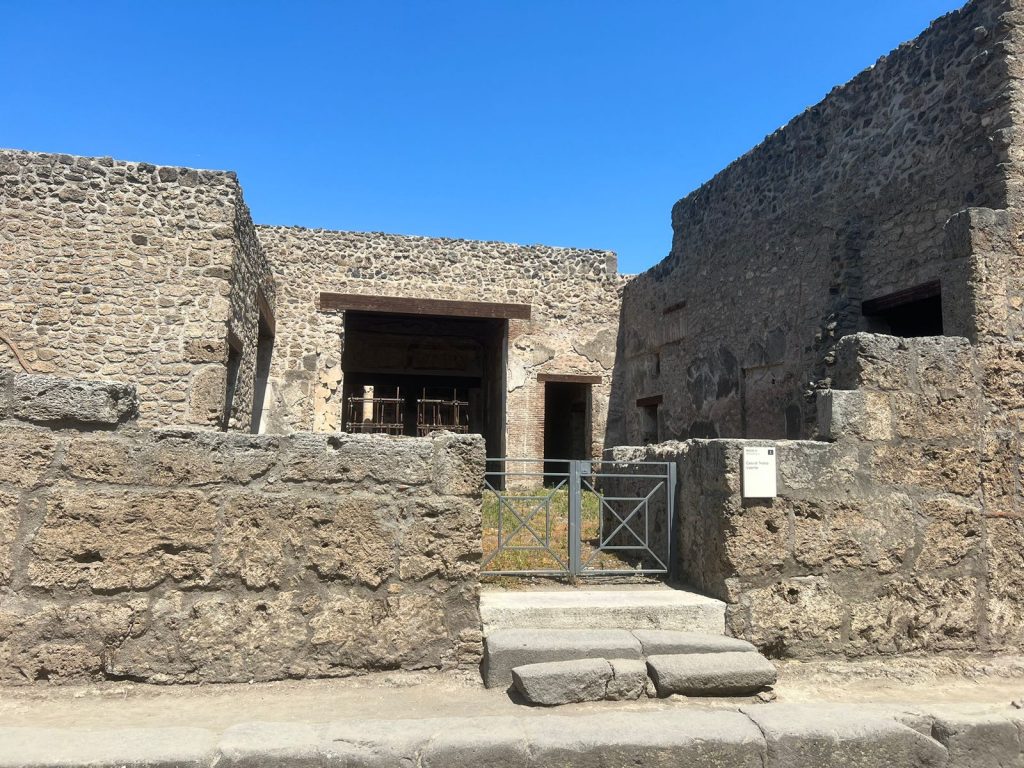
Two-thirds of the city has now been excavated. Ironically, the very eruption that destroyed the city is also what preserved it for history, helping historians reconstruct details of life in the Roman Empire.
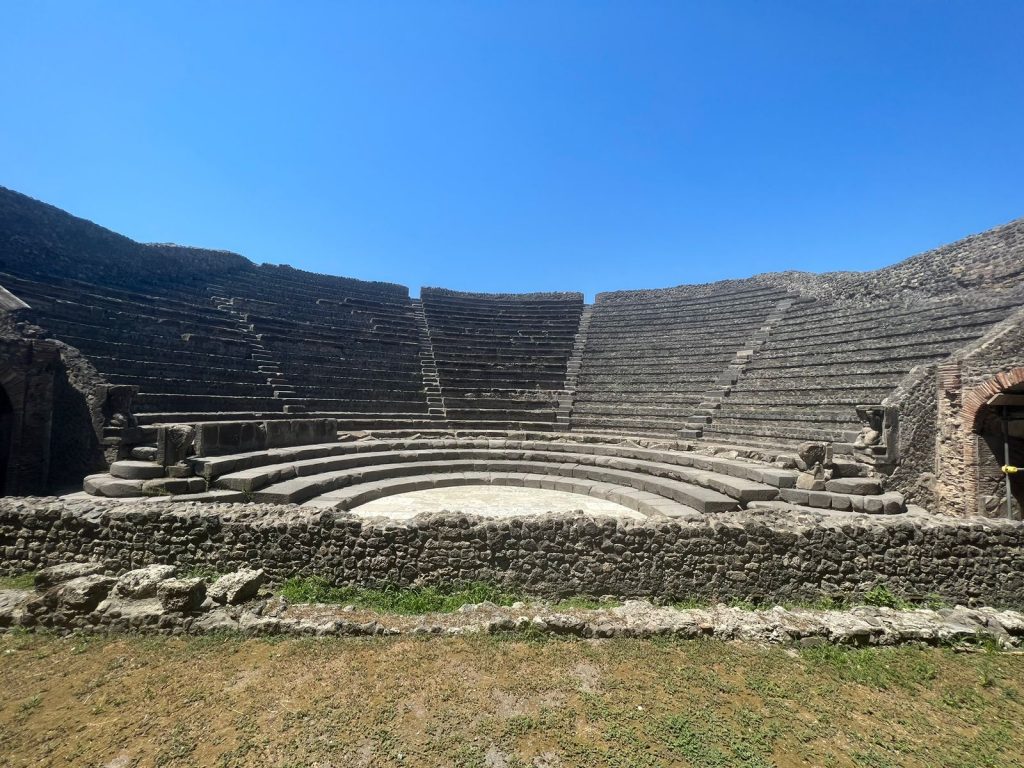
Vesuvius’s most recent eruption occurred in 1944, and the volcano has remained dormant ever since — though it could become active again. Because of this, Pompeii is closely monitored, and the government encourages residents currently living in the area to relocate, to avoid another tragedy.
Fun facts about the Pompeii Archaeological Park
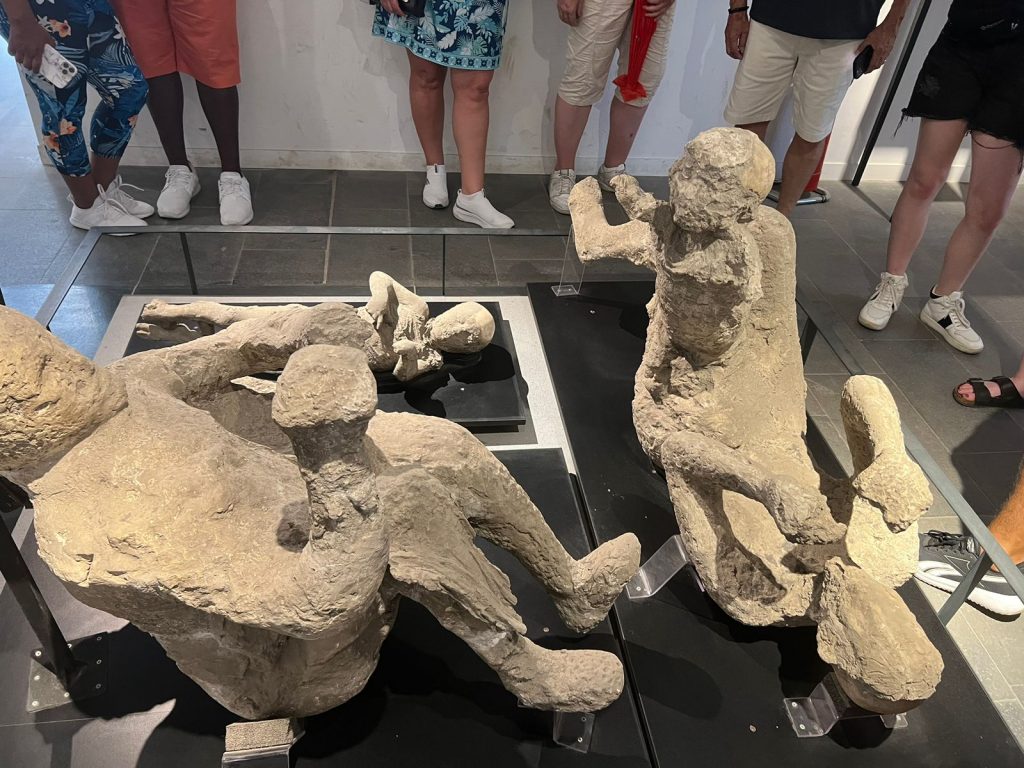
The petrified residents of Pompeii, appearing almost mummified, are one of the site’s biggest points of fascination. Most visitors assume they were caught in a wave of lava that swept over the city’s residents. That’s not actually what happened.
As mentioned, Pompeii wasn’t buried in lava, but in rock and ash. Historians believe residents died from being struck by an enormous cloud of scalding gas. The rain of stones then continued for a long time afterward, burying both the bodies and the city.
During excavations, archaeologists found “hollow spaces” in the hardened ash — these were the outlines left behind by decomposed bodies. Researchers filled these voids with plaster, which, once dried, took on the exact shape of the bodies that had been there.
The Pompeii Archaeological Park today
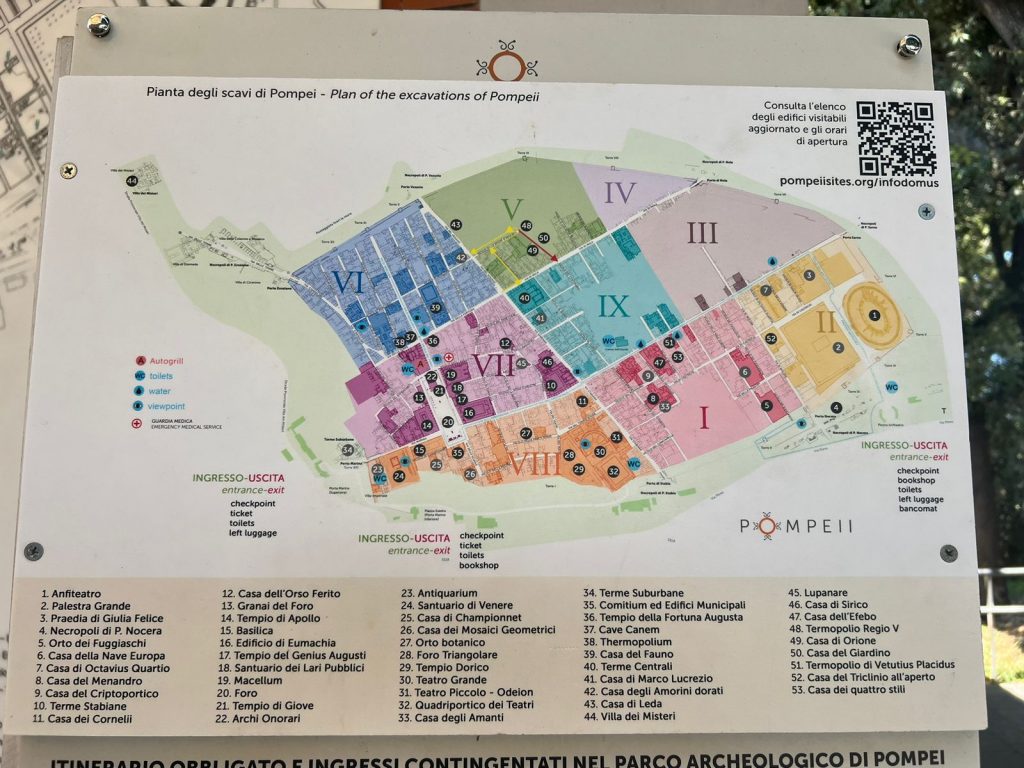
The park spans 66 hectares, with 44 hectares and 1,500 buildings already excavated. There are 3 entrances (Porta Marina, Piazza Esedra, and Piazza Anfiteatro), with solid visitor infrastructure: restrooms, lockers, a souvenir shop, rooms with temporary exhibits, and a restaurant/snack bar.
Not every building is open to visitors. Even so, you likely won’t be able to see everything in a single day’s visit — so we’d recommend arriving early and dedicating a full day to the site.
Tips for visiting the Pompeii Archaeological Park
- Wear comfortable shoes, since the terrain throughout the park is uneven and you’ll be walking a lot.
- A hat and sunscreen matter too, especially if you’re visiting in summer.
- Check the weather forecast ahead of time to dress appropriately.
- There’s a restaurant and snack bar inside the park, but the lines are long, even if prices are reasonable — we’d recommend packing snacks and water from your hotel to save time.
- When we visited, there was no map available at the entrance, so print one out beforehand and mark the spots you don’t want to miss.
- Drones can only fly over Pompeii with prior authorization, and professional photography requires advance approval, requested through the official website.
- Amateur photographers are welcome, though flash and tripods aren’t allowed.
- The park keeps shorter hours in winter than in summer: April through October, 9 AM–6 PM; November through March, 8:30 AM–4 PM.
- Individual houses within Pompeii have their own visiting hours — some only open in the morning, others only in the afternoon — so keep an eye on the schedule if there’s a specific house you want to see.
Read more about our trip to Italy in Vesuvius.
Read the original version in Portuguese on A Bela e o Bigode.