Wineries in Bento Gonçalves
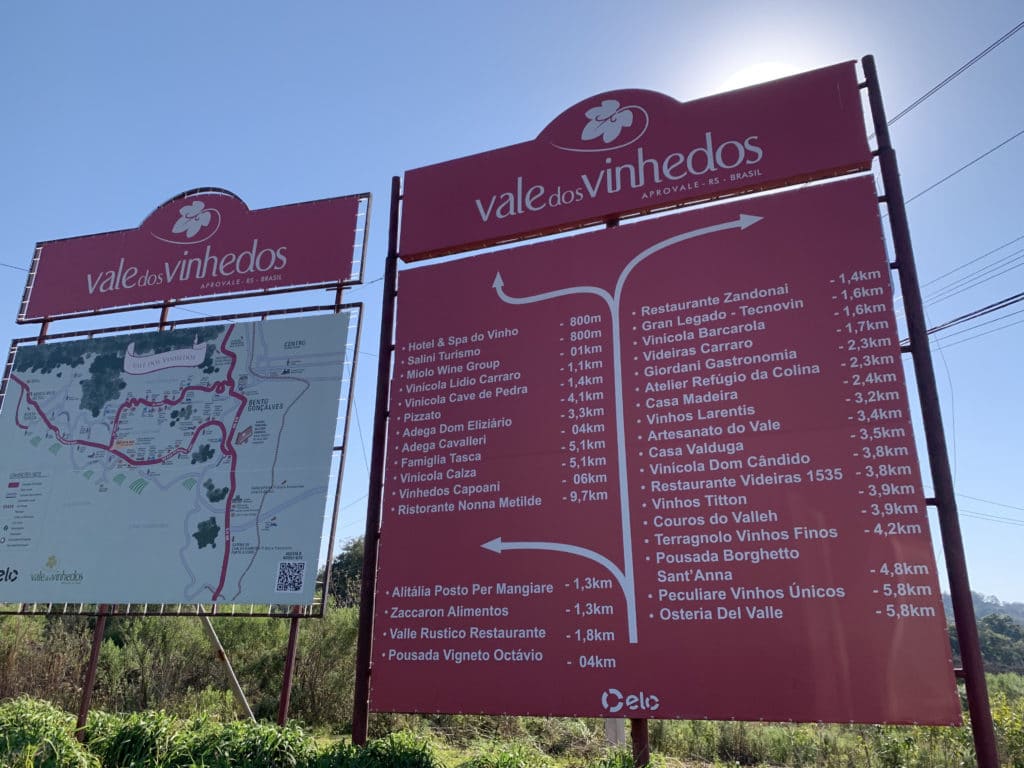
The wineries in Bento Gonçalves are the town’s main attraction, in a region known as the Vale dos Vinhedos, considered Brazil’s largest producer of wine and sparkling wine.
In the region, you’ll find wineries of all shapes and sizes, from small producers to large-scale ones.
Most offer tours, where you can walk through the vineyards, follow the production process, and finish with a wine tasting, running about an hour to an hour and a half.
The wineries are spread across five tourist routes, and I’ll cover the ones we visited and their respective regions, since not all of them sit in the Vale dos Vinhedos: Miolo, Casa Valduga, Aurora, Torcello, Dom Cândido, Cave do Sol, Pizzato, Almaúnica, Geisse, Salton, and Luiz Argenta.
- Salton
- Vinícola Cave do Sol
- Casa Valduga
- Vinícola Dom Cândido
- Vinícola Miolo
- Pizzato
- Vinícola Almaúnica
- Vinícola Aurora
- Torcello
- Família Geisse
- Vinícola Luiz Argenta
Vale do Rio das Antas
This route follows BR-470, the highway connecting Bento Gonçalves to Veranópolis, crossing the Serra do Rio das Antas.
The road offers beautiful scenery, especially the lookout over the Vale da Ferradura do Rio das Antas and the Ponte dos Arcos. The route also includes wineries like Cainelli and Casa Bucco, plus Salton, which we visited and found well worth it.
Shortly after the family arrived in Brazil, they settled in the Italian colony of Vila Isabel, known today as Bento Gonçalves. The company was formally established in 1910, when brothers Paulo, Angelo, João, José, Cesar, Luis, and Antonio turned their father’s business into a proper enterprise.
Vinícola Salton
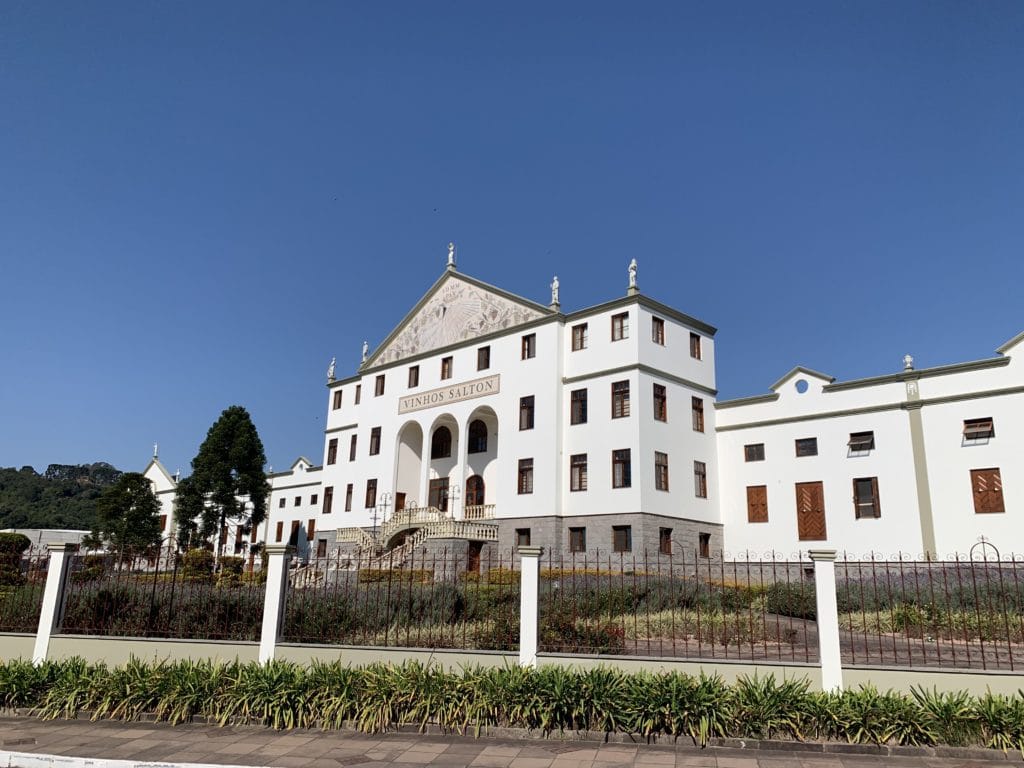 Vinícola Salton
This winery’s story begins in Italy, in 1878, when Antonio Domenico Salton left the city of Cison di Valmarino, in Veneto, for Brazil in search of a better life.
Today, among the wineries in Bento Gonçalves, it’s considered the largest wine-producing complex in the Americas.
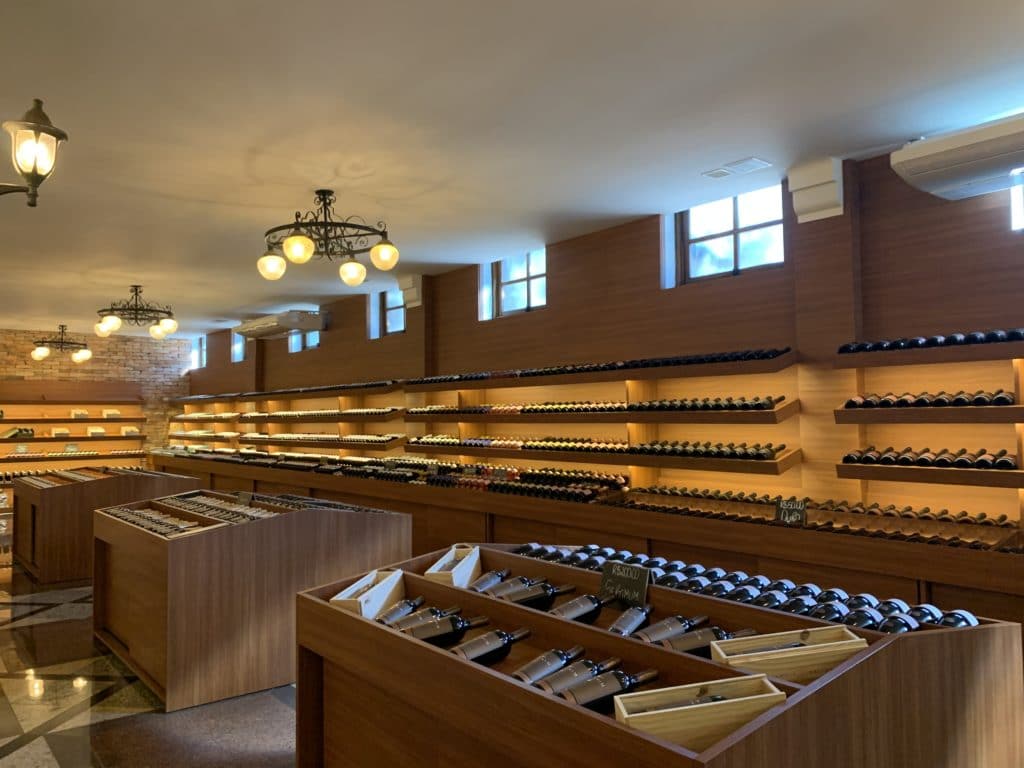 Shop
Shop
The company has won several international awards and certifications, and we went to visit and taste their wines and sparkling wines. The shop offers two tasting menus, each with two wines and two sparkling wines. The first option, featuring their younger line, costs R$25.00, while the other, featuring their more award-winning wines, costs R$55.00; it runs from 9:30 AM to 4 PM, and can be done without a prior booking.
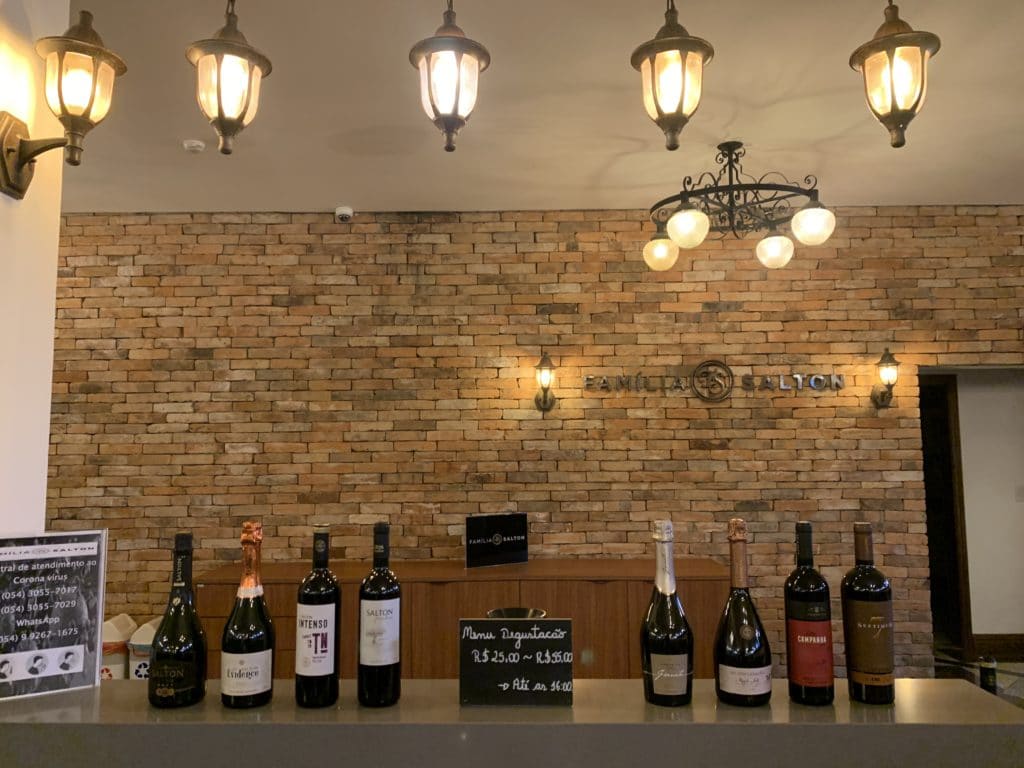 Wines for tasting
We enjoyed both tastings, though the second has a more complex flavor, and it’s worth trying both if you get the chance — the tasting also includes a presentation of the wines and a bit of history.
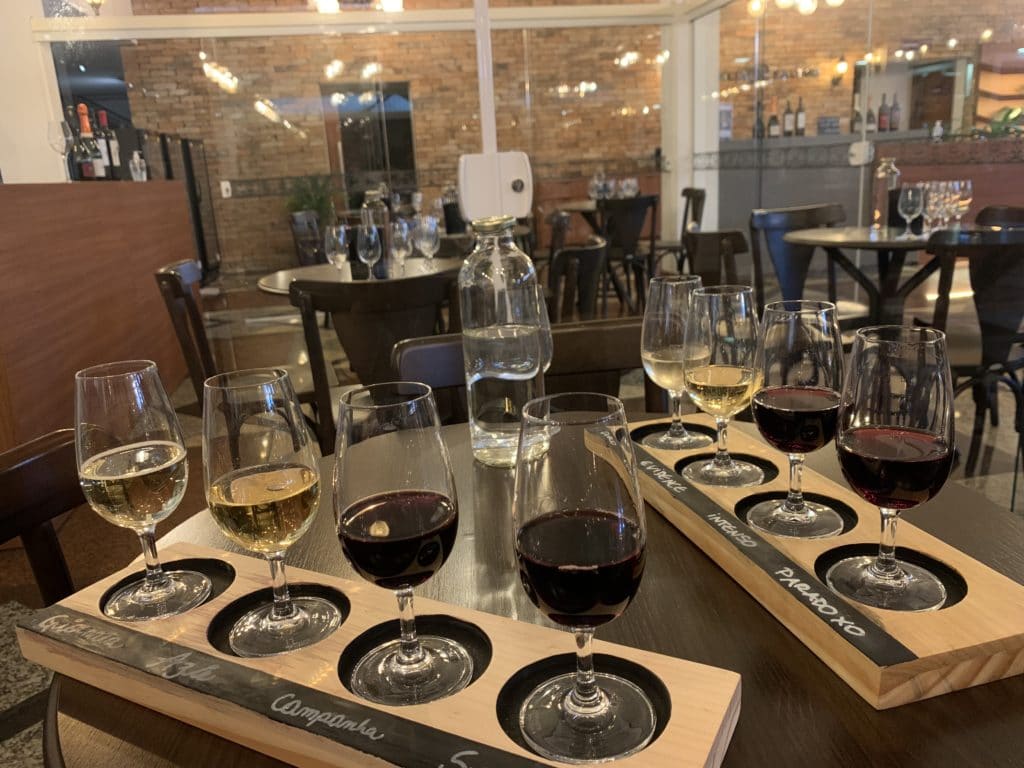 Tasting presentation
Vale dos Vinhedos
The Vale dos Vinhedos represents the historical, cultural, and culinary legacy left by the Italian immigrants who arrived in the Serra Gaúcha in 1875.
It gets its name because its valleys are covered in vineyards and stunning landscapes, shifting in tone across the four seasons.
Along the way, there’s much more to see and visit than just wineries — hotels, inns, restaurants, bistros, art studios, and shops selling colonial-style cheese, sweets, and jams.
Vale dos Vinhedos
Vinícola Cave do Sol
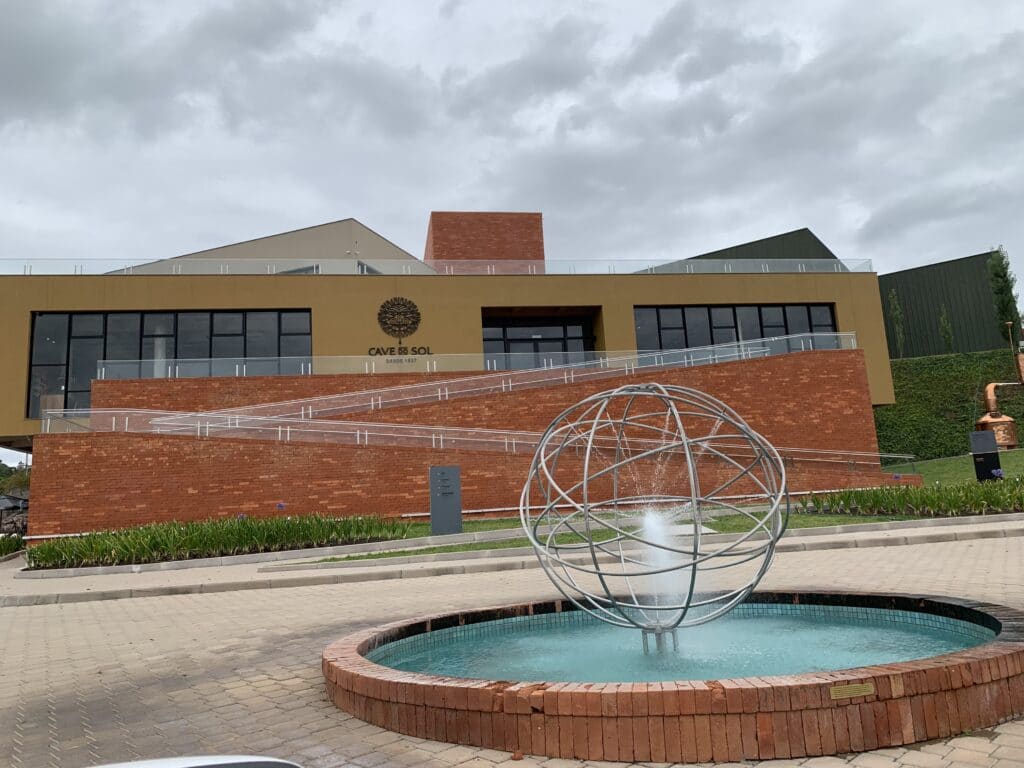 Vinícola Cave do Sol
This is one of the wineries in Bento Gonçalves that genuinely surprises visitors with its grand architecture in the region. The winery offers both tours and tastings, and paying for the tasting gets you the tour included, but since we were short on time this visit, we only did the tasting.
They offer three different tasting options, and we ended up doing two, both excellent, including one paired with chocolate — we’d recommend it, since the wines are tasty and pairing them with chocolate works beautifully, using chocolates from Mondi, a local chocolatier.
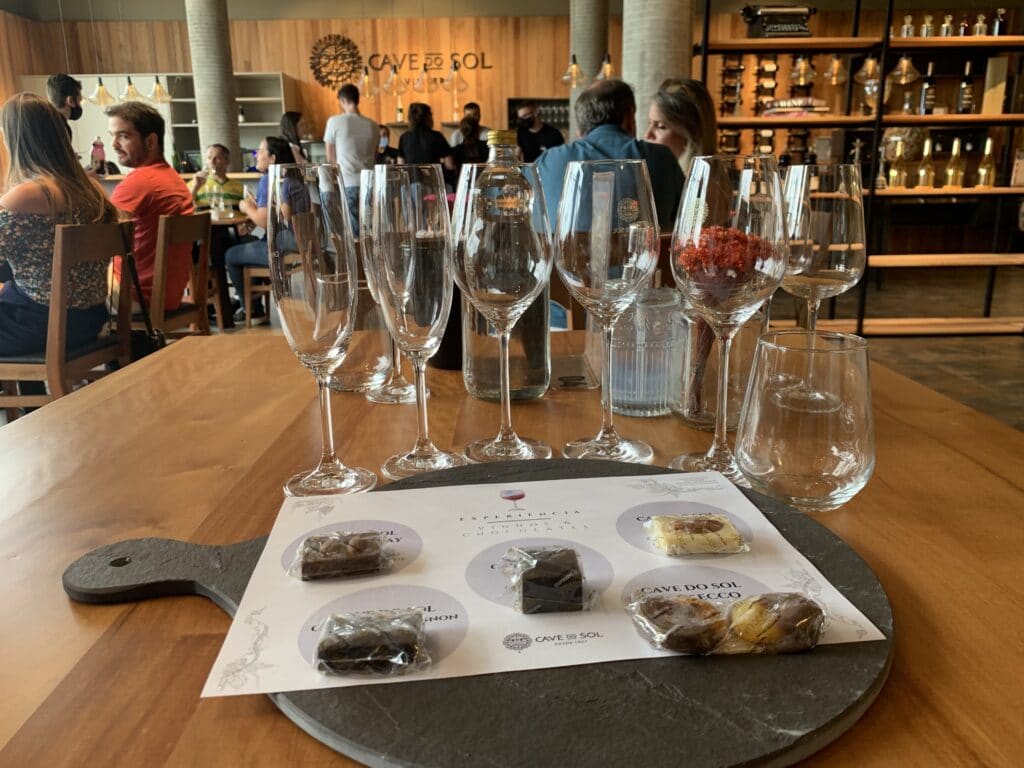 Vinícola Cave do Sol, chocolate tasting
Casa Valduga
In 1875, the first immigrant from the Valduga family arrived in Brazil. Coming from the city of Rovereto, in northern Italy, they planted the first vineyards.
140 years later, four generations on, patriarch Luiz Valduga set out to build the best winery in Brazil, and to this day, the family business continues its passion for grapes. It’s now run by brothers Erielso, Juarez, and João Valduga.
Today it’s a major producer in the region, and we’d recommend booking the tour, scheduled through the website — we’d recommend booking in advance to secure a spot, since the property is beautiful and thoroughly complete, and we loved wandering among their wines and sparkling wines. On site, there’s also Restaurante Maria Valduga, well worth a rodízio pasta lunch, and lodging for anyone wanting to stay right at the winery.
Today the company produces wine, and also runs Casa Madeira, making jams, spices, and teas, Nero, their sparkling wine line, the craft brewery Leopoldina, and finally, beauty products under Vinotage.
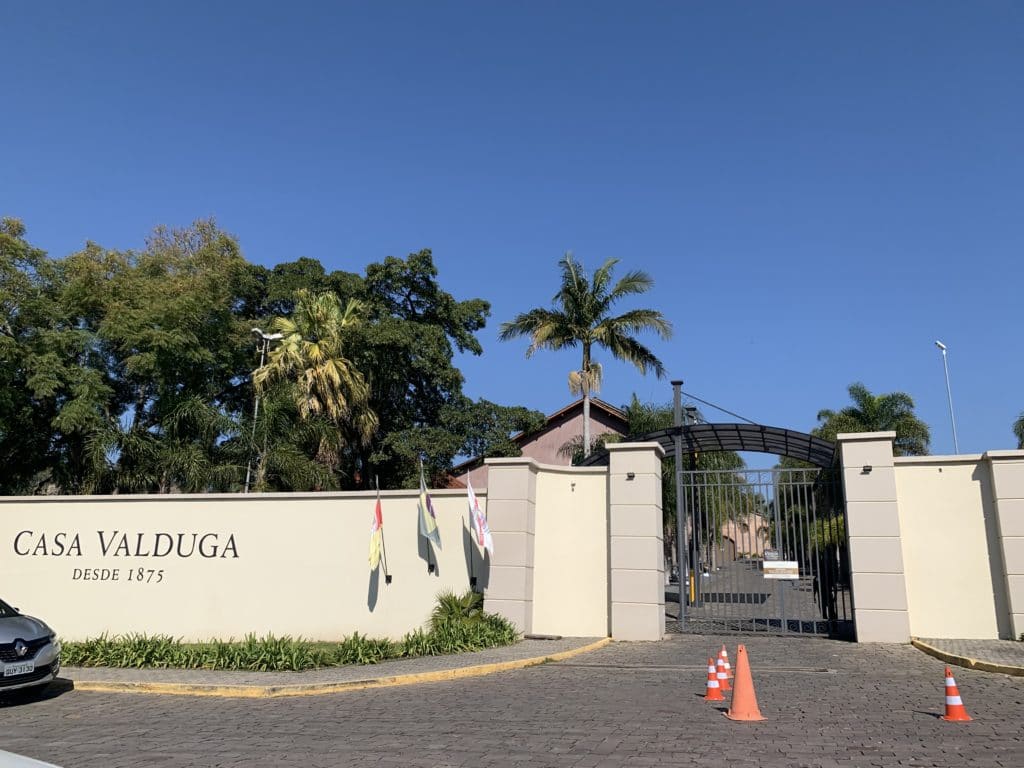 Casa Valduga entrance
Vinícola Dom Cândido
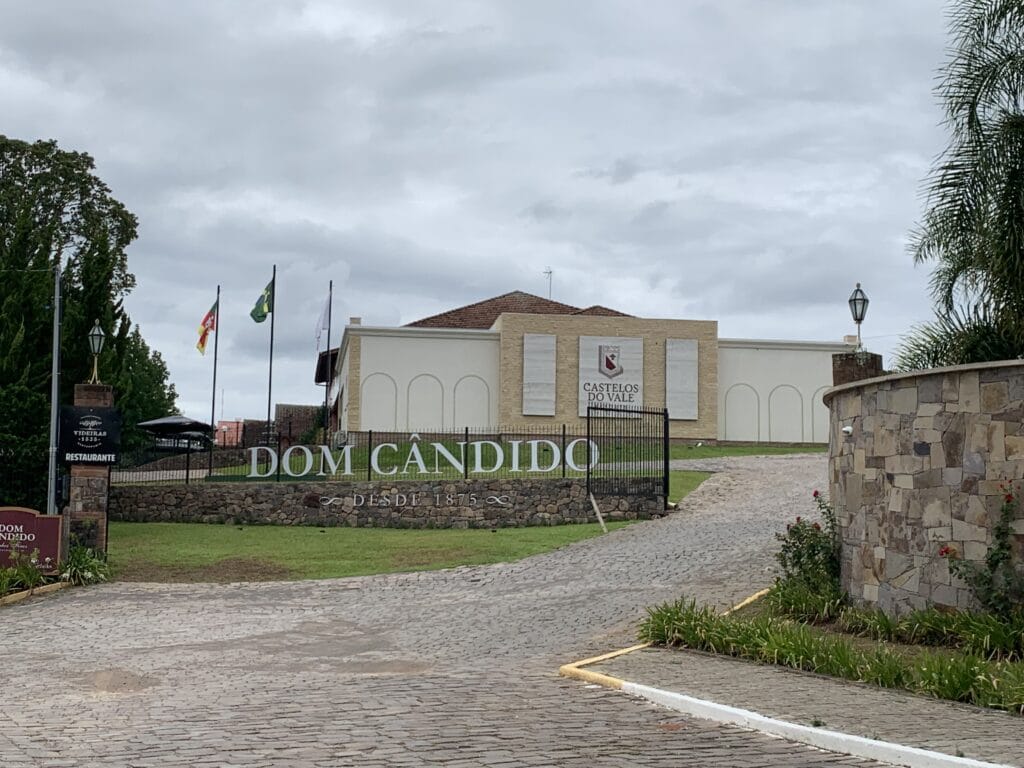 Vinícola Dom Cândido
Right next to Casa Valduga, Vinícola Dom Cândido stands out for its grand scale. Founded in 1986 by Cândido Valduga, it began with the first vines planted to make wine for family consumption. Over time, though, the surplus production started being sold commercially.
We did the tasting, which was fun, with two different options, but what really surprised us at this winery was the Videiras 1535 restaurant — simply delicious!
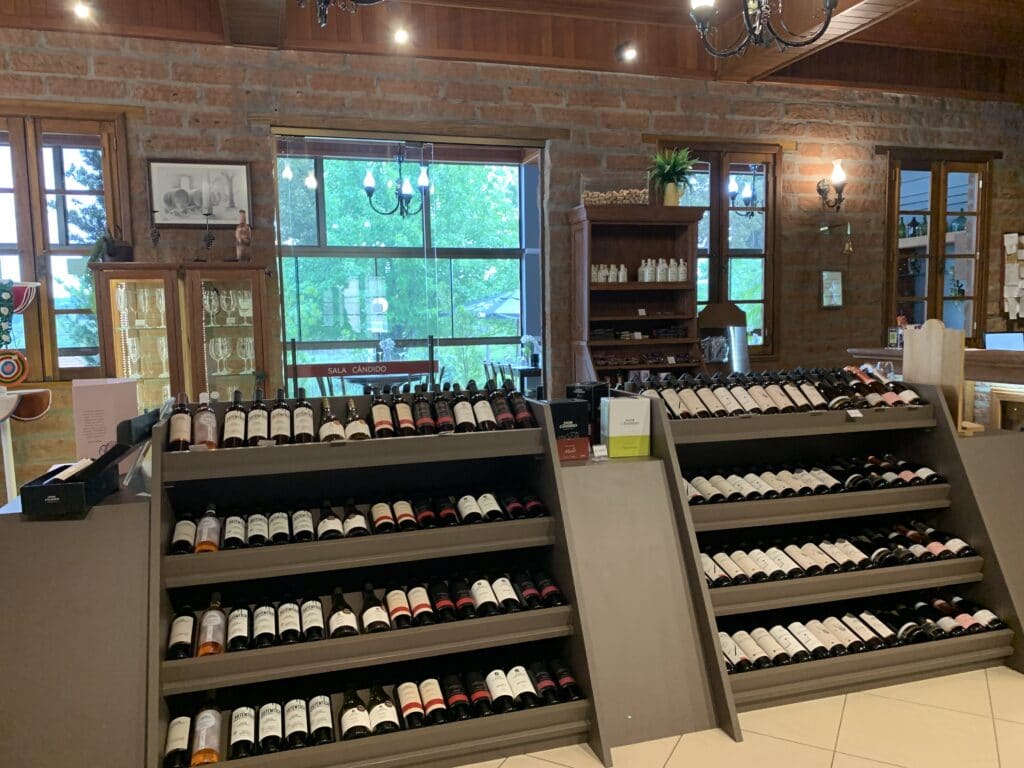 Wines at Vinícola Dom Cândido
At the restaurant, they serve a Sequência Italiana, run rodízio-style, with starters (salami, cheese, brustolada, pien, colonial bread, parmesan cheese, and capeletti soup), salad, pasta with four different varieties, risottos, plus four different varieties of grilled meat and dessert, all for R$98.00 — genuinely well worth it, in our opinion.
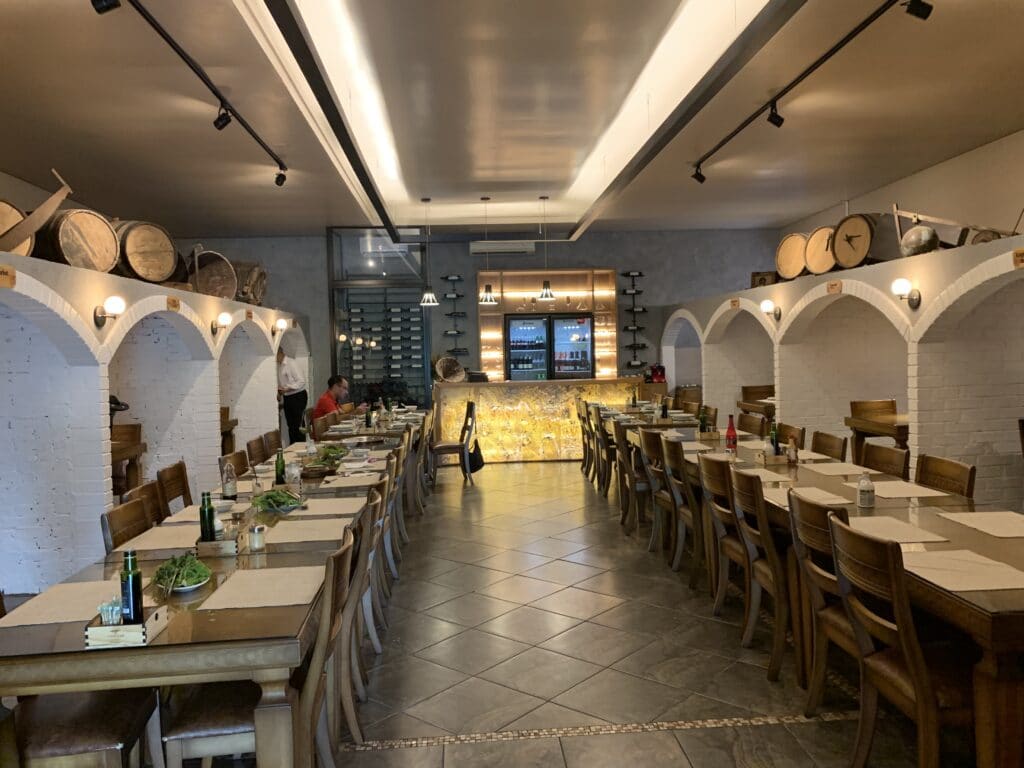 Restaurante Videiras 1535
Vinícola Miolo
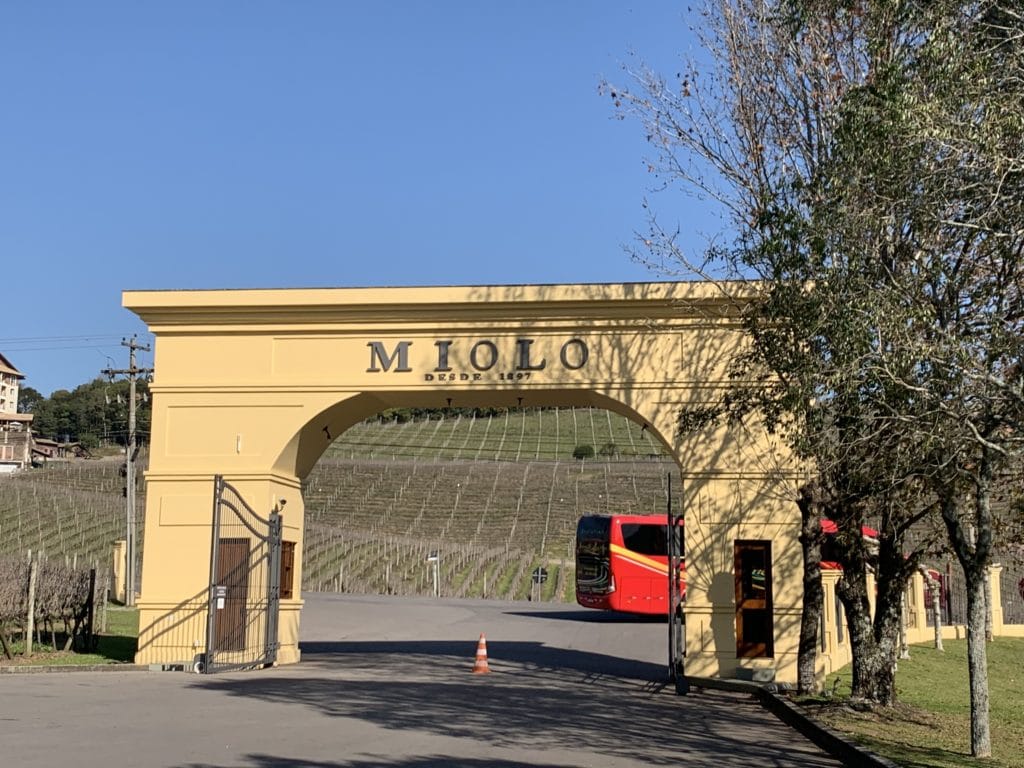 Vinícola Miolo entrance
In 1897, Giuseppe Miolo arrived in Brazil from Piombino Dese, in Veneto, and later moved to Bento Gonçalves, handing over his savings in exchange for a plot of land in the Vale dos Vinhedos, known as Lote 43.
In the late 1980s, a crisis in the winemaking industry made it harder to sell premium grapes, and as a result, the Miolo family, starting in 1989, began producing their own wine to sell in bulk to other wineries.
A founding member of the Wines of Brasil project, the Miolo Wine Group is Brazil’s largest wine exporter, and consequently the most recognized on the international market.
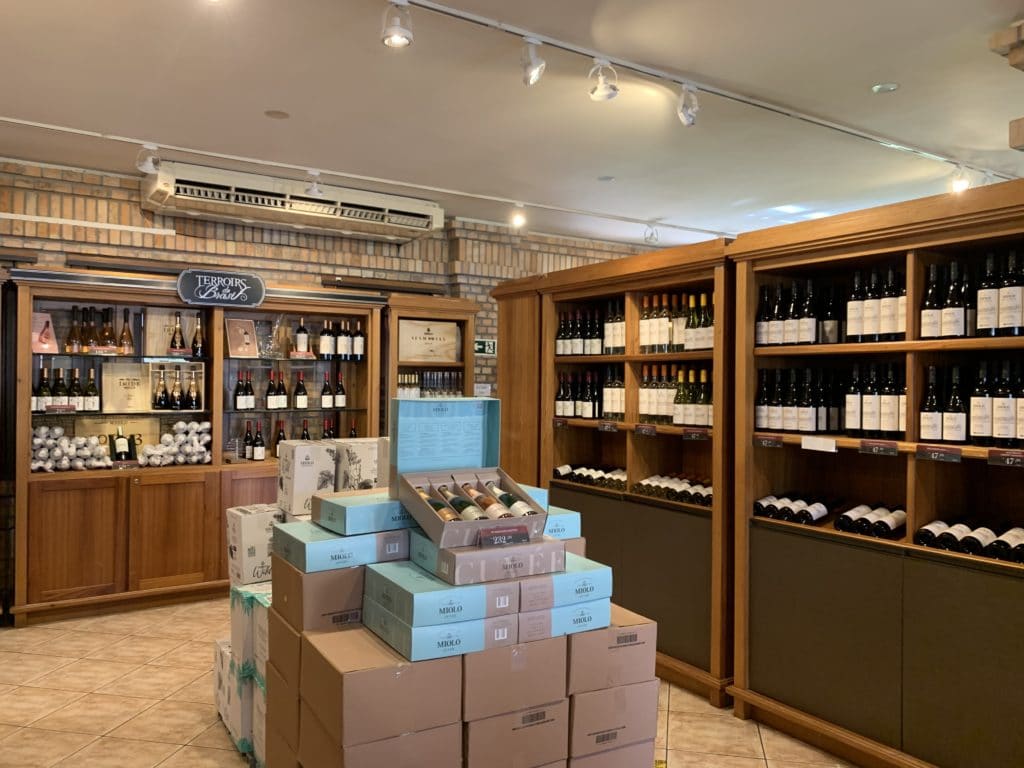 Interior of the Vinícola Miolo shop
At Miolo, we’d recommend the wine bar, set in a beautiful, sprawling garden, where you can relax with a glass of wine and enjoy the space — the sunset here is beautiful and well worth catching.
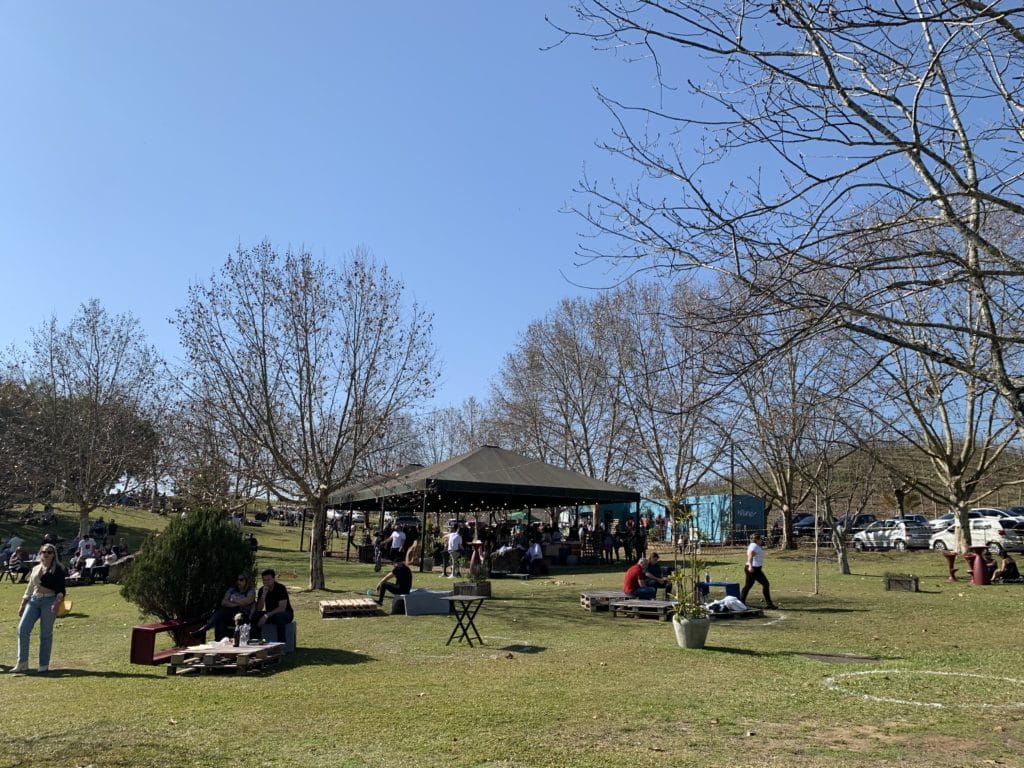 Miolo garden
Vinícola Pizzato
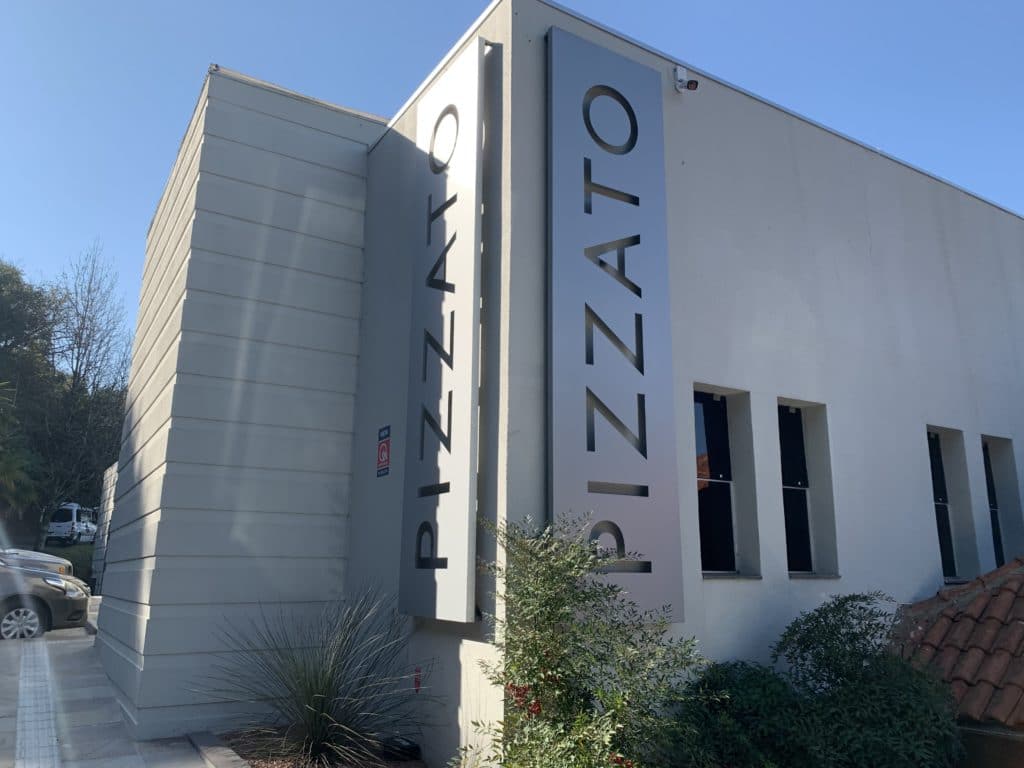 Vinícola Pizzato entrance
The Plínio Pizzato family established the winery in 1999, though they’d already been growing grapevines, a tradition dating back to when Antônio Pizzato immigrated to Brazil from Veneto, Italy, in the late 1800s.
Family members handle the entire process, from growing grapes to producing and selling the wine.
Here, we did the tasting, which requires a scheduled time slot. The space is small but genuinely pleasant, with modern architecture, and service was excellent. They have two wine lines: Fausto, featuring younger, fruitier wines, and Pizzato, more concentrated and complex, made from older vineyards and more aged wine.
During the tasting, they walk you through a detailed explanation of the production process and each sparkling wine and wine served, and the shop carries the full house range for purchase.
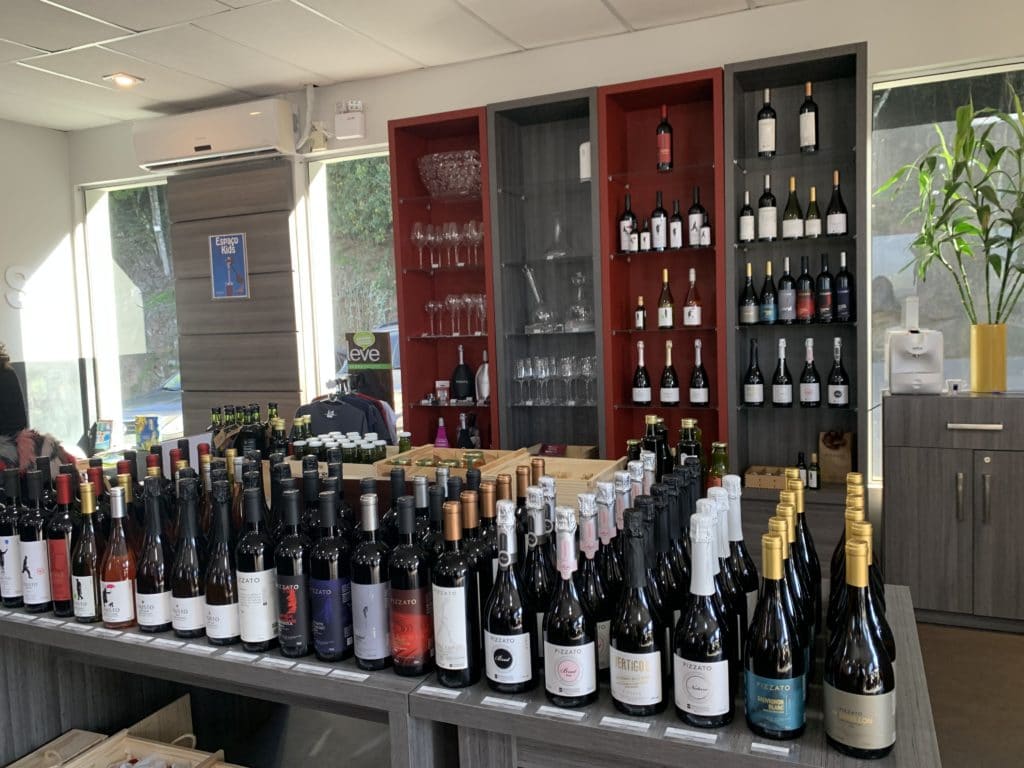 Interior of the Vinícola Pizzato shop
Vinícola Almaúnica
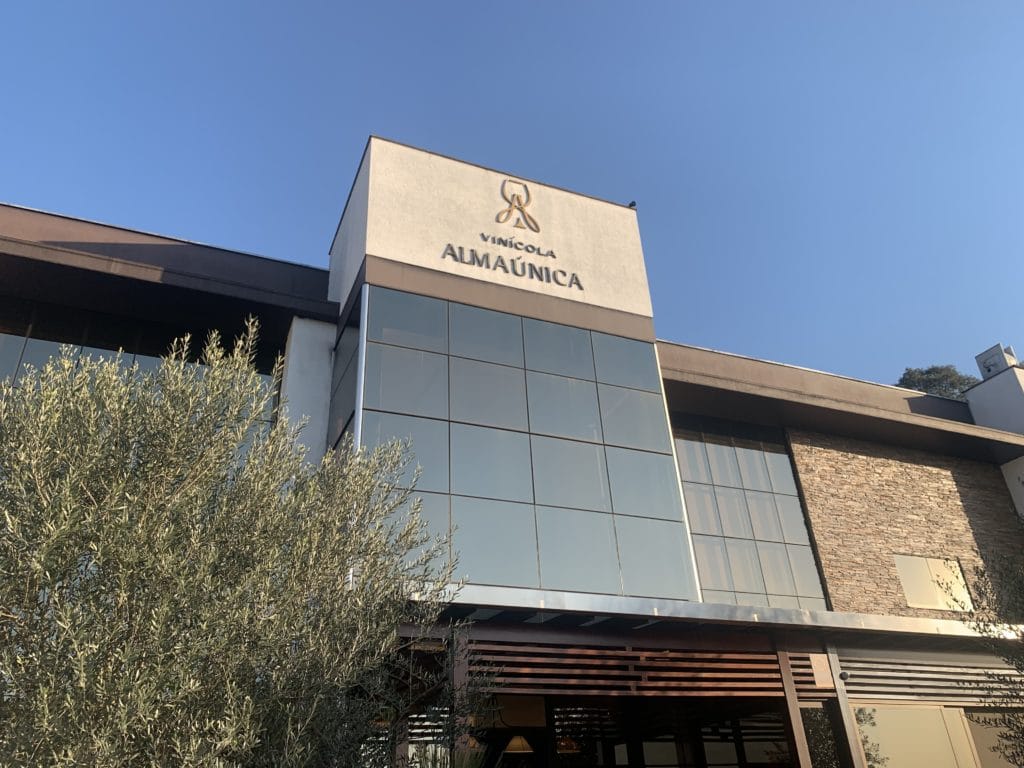 Front view of Vinícola Almaúnica
Founded in 2008 and created by twin siblings Magda and Márcio Brandelli, the fourth generation in winemaking — though the family’s story dates back to 1887, when Italian immigrant Marcelino Brandelli arrived in Brazil and started growing vines.
The site is beautiful, with a glass deck, without a doubt a great spot to watch the sunset among the wineries in Bento Gonçalves, with a beautiful view over the vineyards. There, we bought a glass of wine and watched the sun go down.
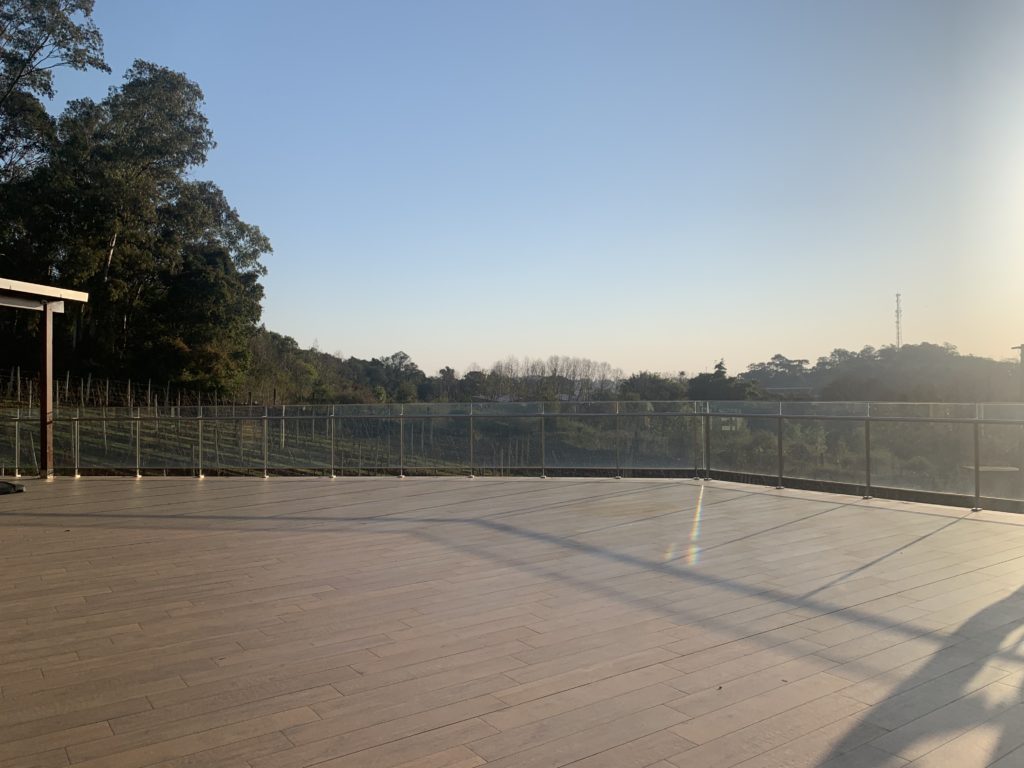 Glass Sunset Deck
Vinícola Aurora
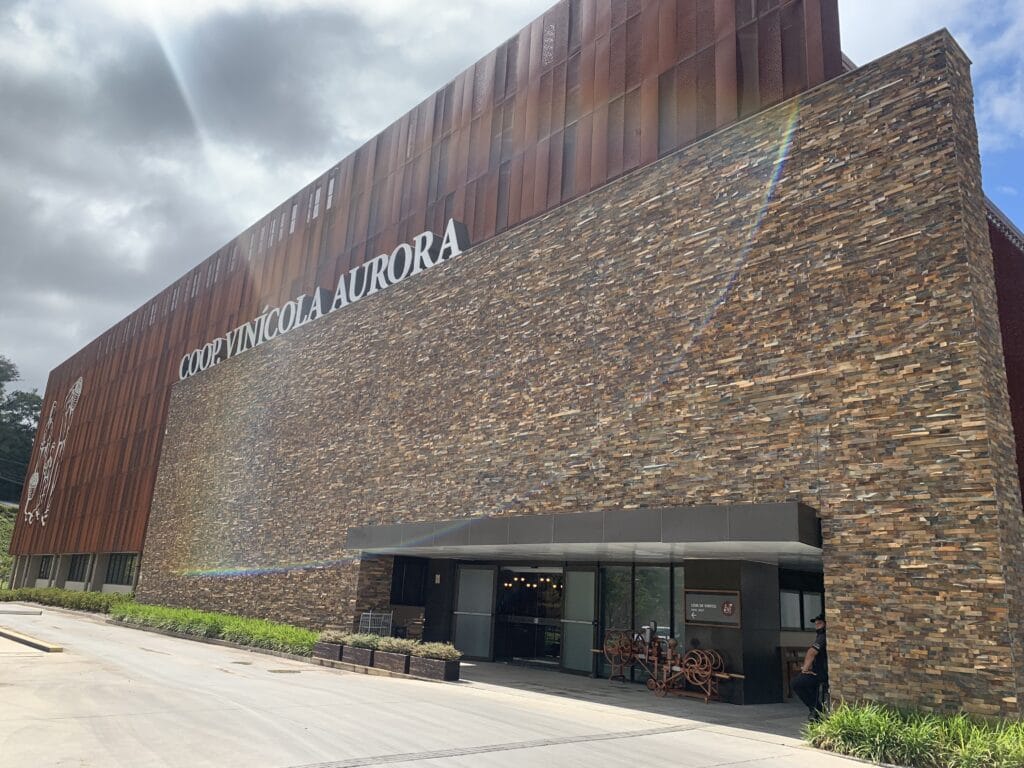 Vinícola Aurora
Unlike the others, this winery operates as a cooperative, sourcing grapes from several producers across the region. Its story began in 1931, when sixteen grape-growing families from the municipality of Bento Gonçalves, in the Serra Gaúcha, came together to build what would become Brazil’s largest enterprise of its kind — today it counts more than 1,100 member families.
The winery is large, with a free tour, and offers three different tasting options, which are paid, ranging from simpler wines to more complex ones paired with chocolate, priced from R$60.00 to R$90.00 — genuinely worth checking out. The chocolates come from Mondi, a local chocolatier.
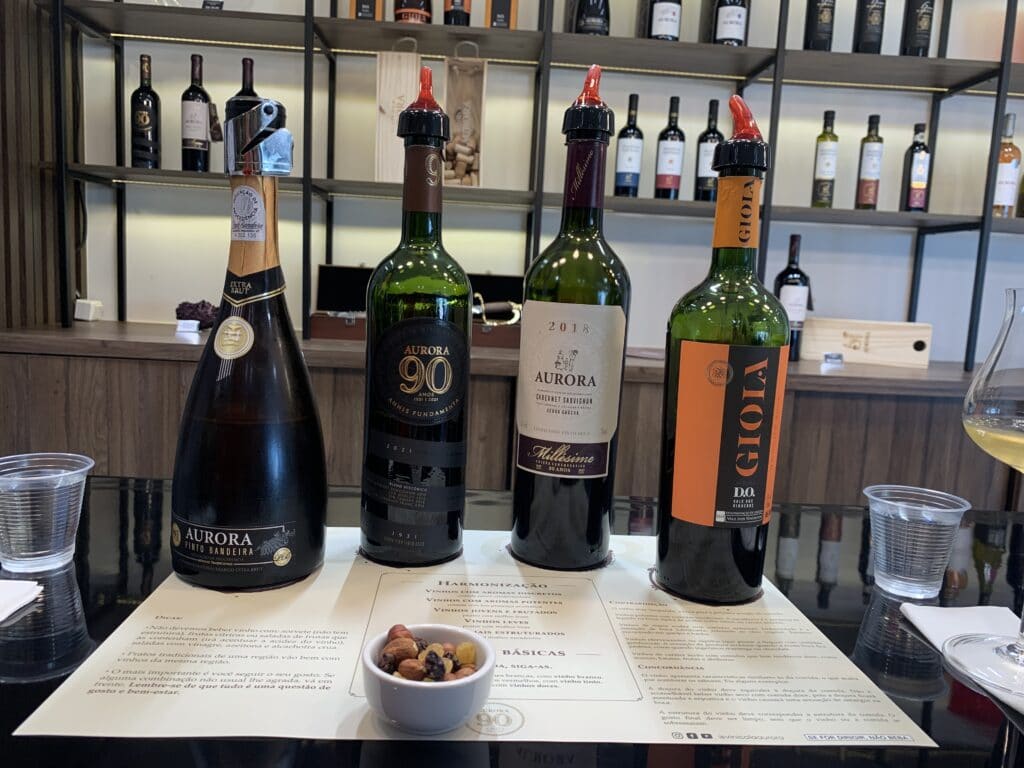 Vinícola Aurora tasting
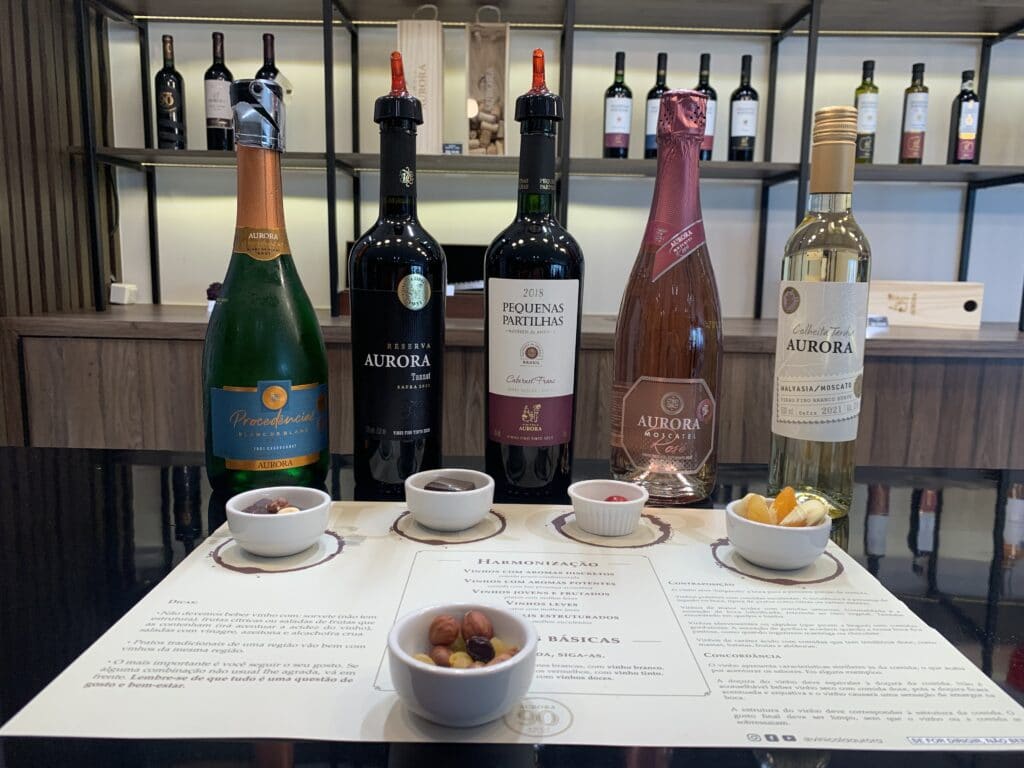 Vinícola Aurora tasting with chocolate
There are several wine and sparkling wine labels here, along with three kinds of grape juice, including organic options — and it’s also one of the earliest wineries to open, at 8 AM, making it a great starting point when touring the wineries in Bento Gonçalves.
Vinícola Torcello
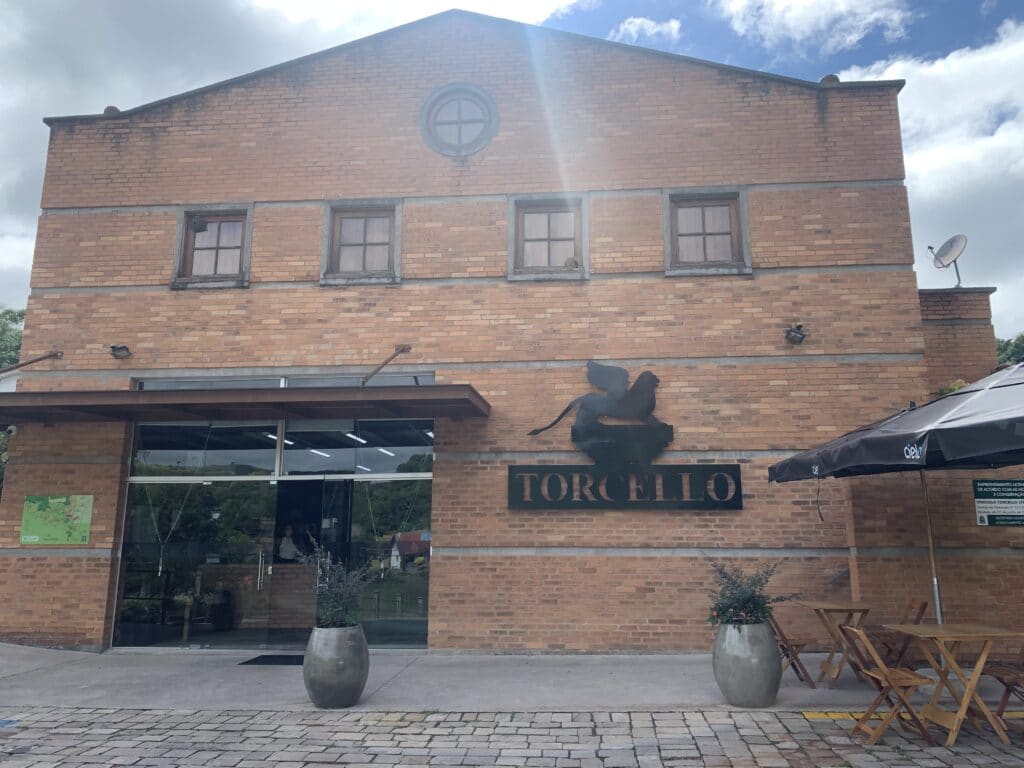 Vinícola Torcello
The name Torcello comes from a small Italian island near Venice. The symbol, meanwhile, also comes from Venice — the Winged Lion of Saint Mark, guardian of the law, a symbol of power and divine messenger. The symbol reflects the Winged Lion’s protection over the winery’s wines.
Among the wineries in Bento Gonçalves, this one is considered small, but it has a beautiful garden. There are also 3 different tastings, and we ended up going with the R$120.00 option, featuring the house’s best wines. Genuinely, all of them are delicious, and we’d give special mention to the Vinho Branco Fino Chardonnay. Its label is beautiful, with a butterfly design, and of everything we tried, it was our favorite — we’d recommend including it in your tasting.
There’s also a guided tour, which must be booked in advance, or requires at least 4 people to start — we chose to just do the tasting.
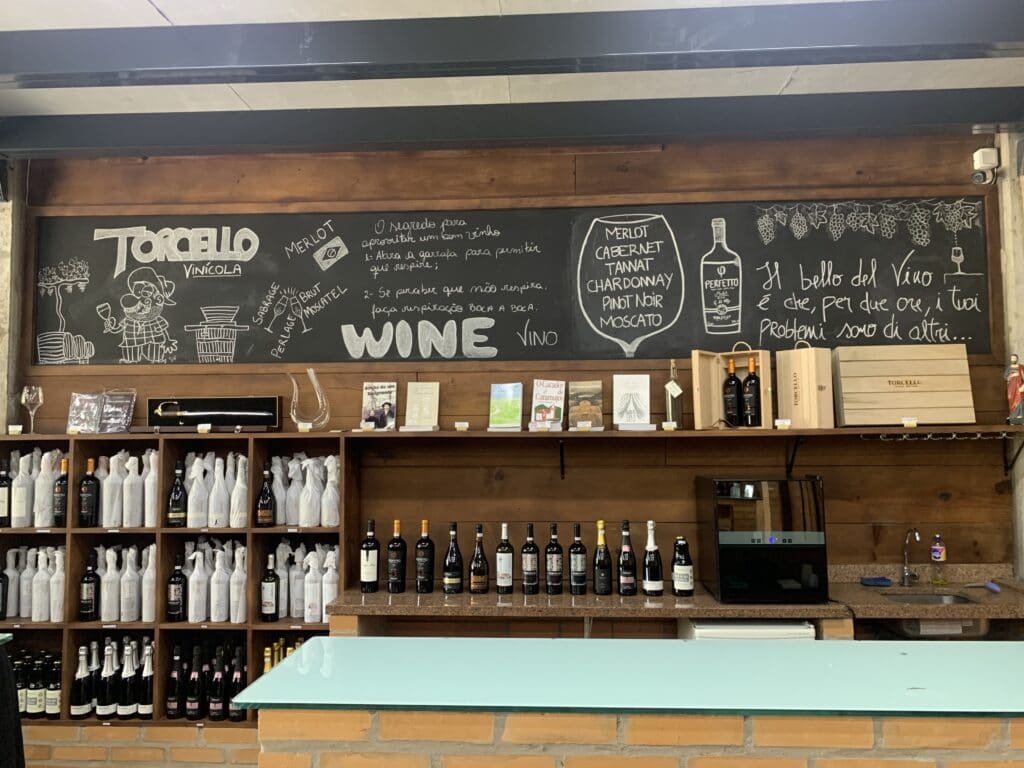 Wines at Vinícola Torcello
Caminhos de Pedra
On our second day, we decided to leave the Vale dos Vinhedos to visit the wineries along Caminhos de Pedra, a project launched in 2000. It gets its name from the classic Italian-style construction used along the route, with cellars built entirely from basalt stone.
Built without beam supports and without cement binding. The door and window arches follow Etruscan-Roman architectural style. The upper section, built from solid brick masonry, is home to descendants of Italian immigrants from Belluno who arrived here in 1875. These structures still stand along the route today.
The 12 km route begins just 6 km from downtown, heading toward Pinto Bandeira.
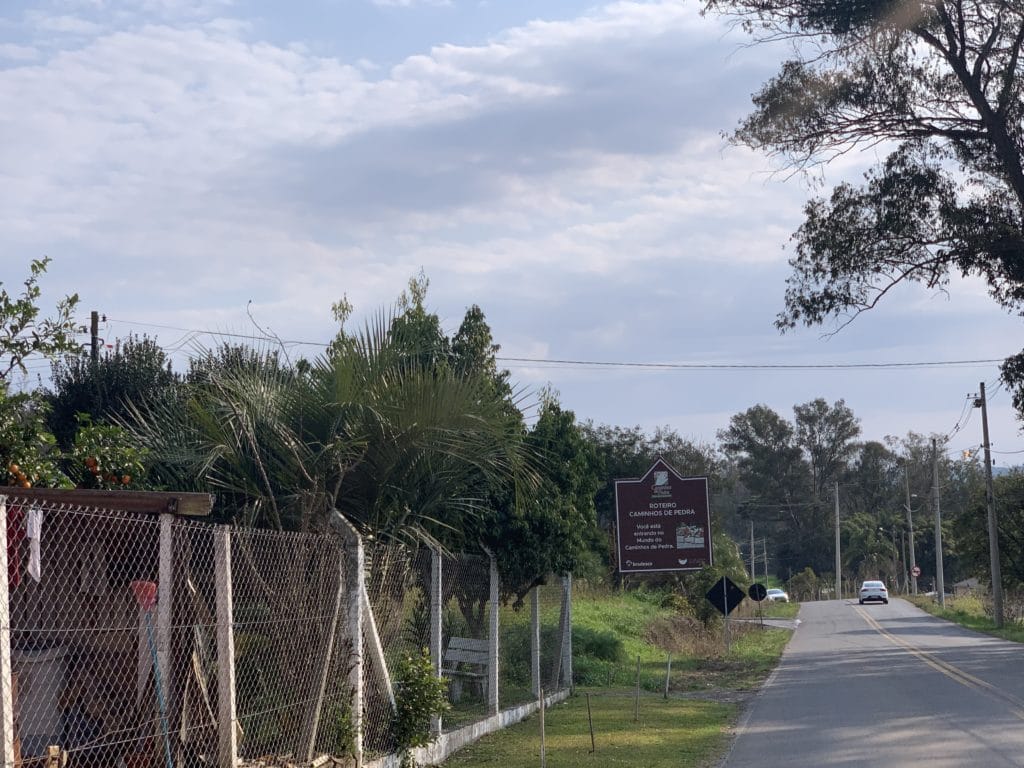 Caminhos de Pedra
Família Geisse
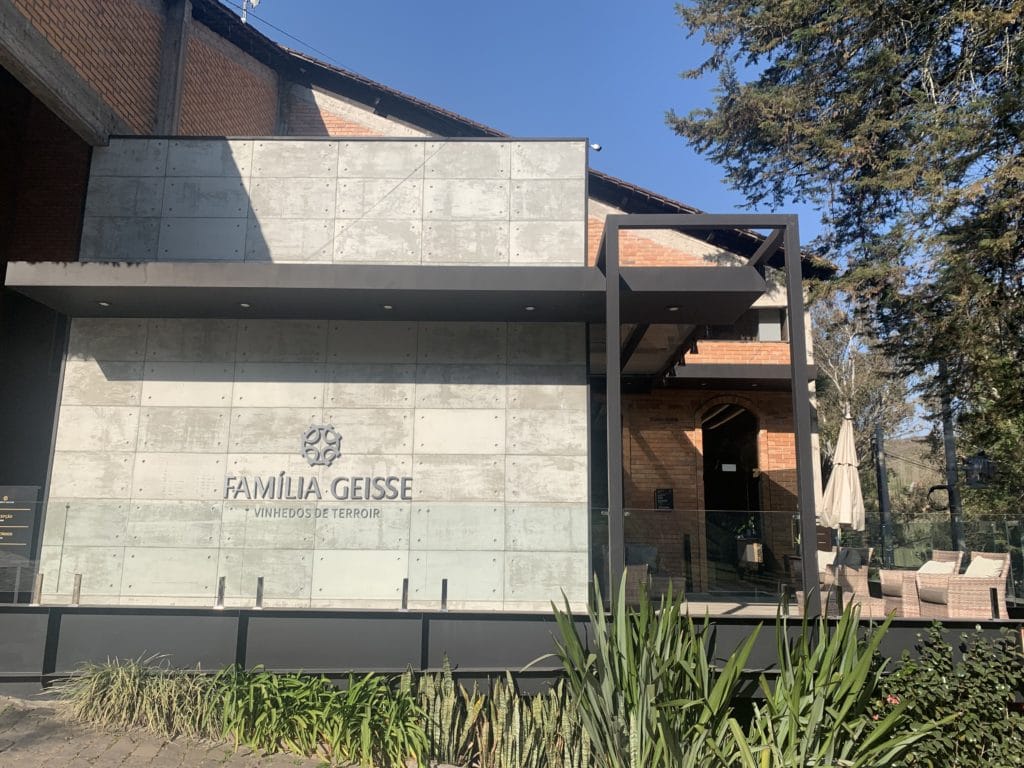 Família Geisse
Located in Pinto Bandeira, this winery was founded in 1979 by Chilean agronomist and enologist Mario Geisse, who came to Brazil in 1976 after being hired to run Moët & Chandon Brazil.
In his first few years, he realized the southern region held major potential for growing high-quality grapes, especially for sparkling wine production, and production began.
Honestly, this was, without question, the most beautiful of all the wineries in Bento Gonçalves we visited. The Open Lounge is small, but with a real air of sophistication, and extremely pleasant — to me, its smaller size adds to the charm, making it feel more exclusive. We’d recommend booking ahead, or arriving early to secure a spot to spend the day.
The winery also offers the Terroir Experience, a private or group off-road tour through the property in a 4x4 vehicle. You’ll need to book in advance, since it’s a popular tour and only runs on weekends. Price varies by group size.
The 4x4 winds through trails, waterfalls, and the middle of the vineyards, with stops for tastings along the way. The guide also shares the winery’s history and how the vines are grown.
Also worth noting: the shop, beautiful and thoroughly modern, looking like the inside of a spaceship. Both the wines and sparkling wines here are excellent.
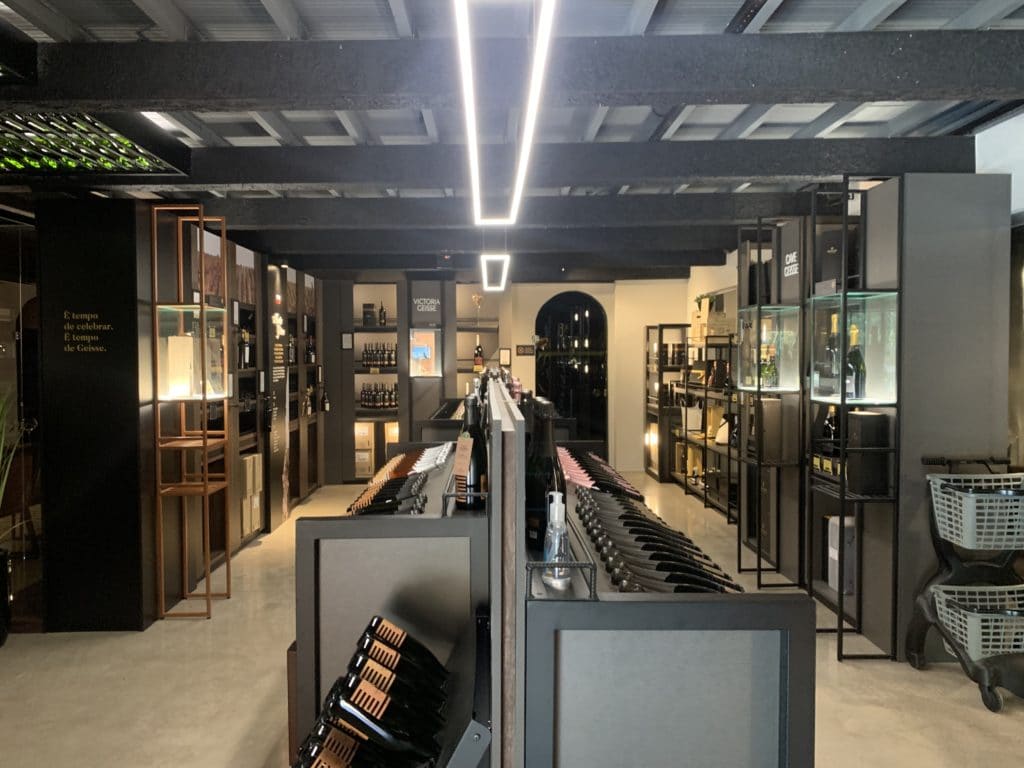 Família Geisse shop
Vinícola Luiz Argenta
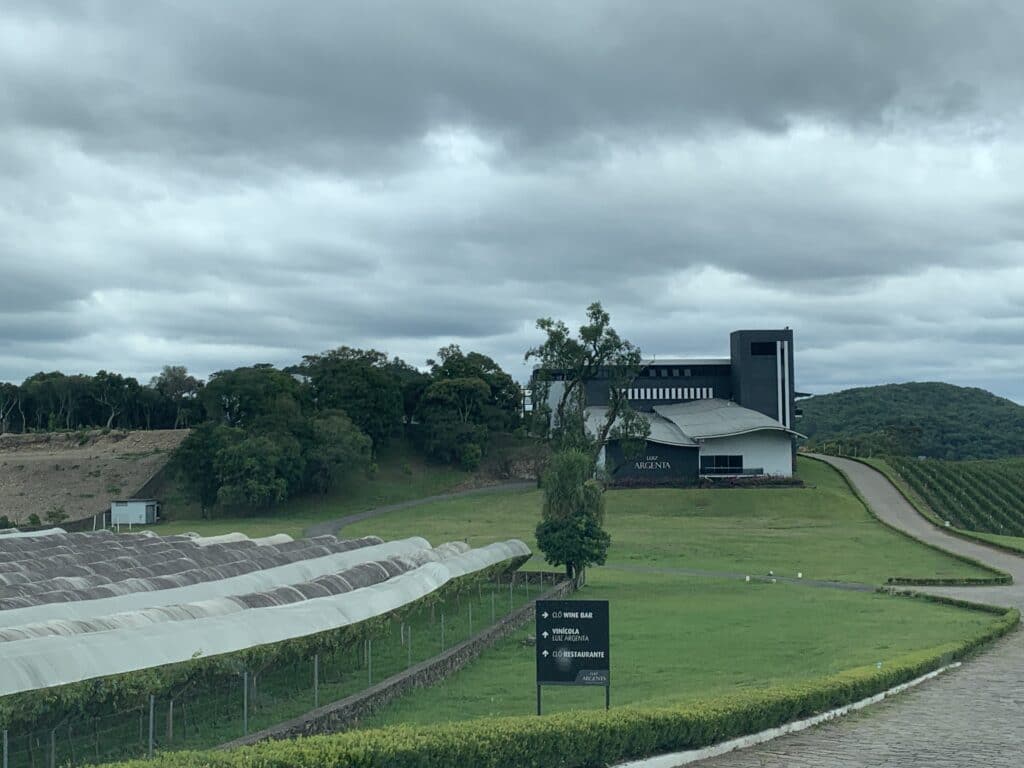 Vinícola Luiz Argenta
Still located in the Serra Gaúcha, though in Flores da Cunha, roughly a 1-hour drive away. The trip is worth it not just for the winery, but especially for its Restaurante Cló, which is simply wonderful! The winery also stands out for its bottles, with a design totally different from the traditional look.
Luiz Argenta’s headquarters was built amid the vineyards, with an iron-and-glass structure. Because of that, the view from the terrace is one of the most beautiful in Rio Grande do Sul. Even looking out to the horizon, you can’t tell where the vines end.
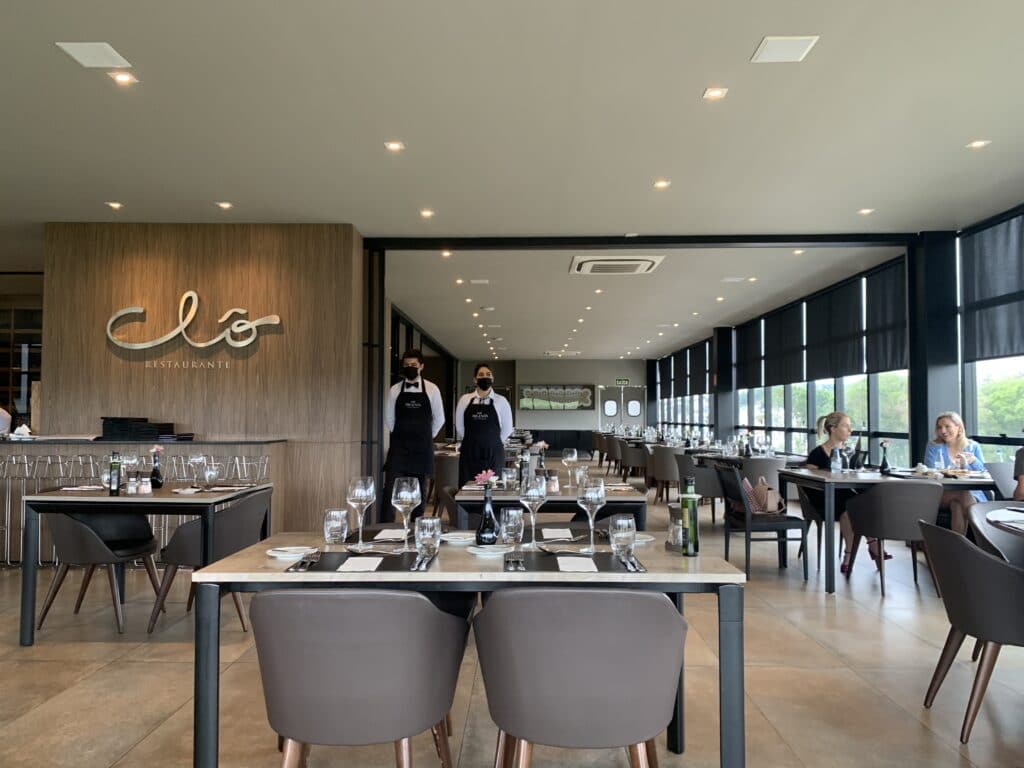 Clô restaurant
Clô Restaurante, named in honor of his mother, Clorinda Argenta, requires an advance reservation. It runs on a tasting menu, with a starter, two courses, plus dessert, priced at R$179.00 per person. The dishes change seasonally, and you get to choose between three options for each course. The restaurant is entirely enclosed in glass, offering a beautiful view over the region’s vineyards.
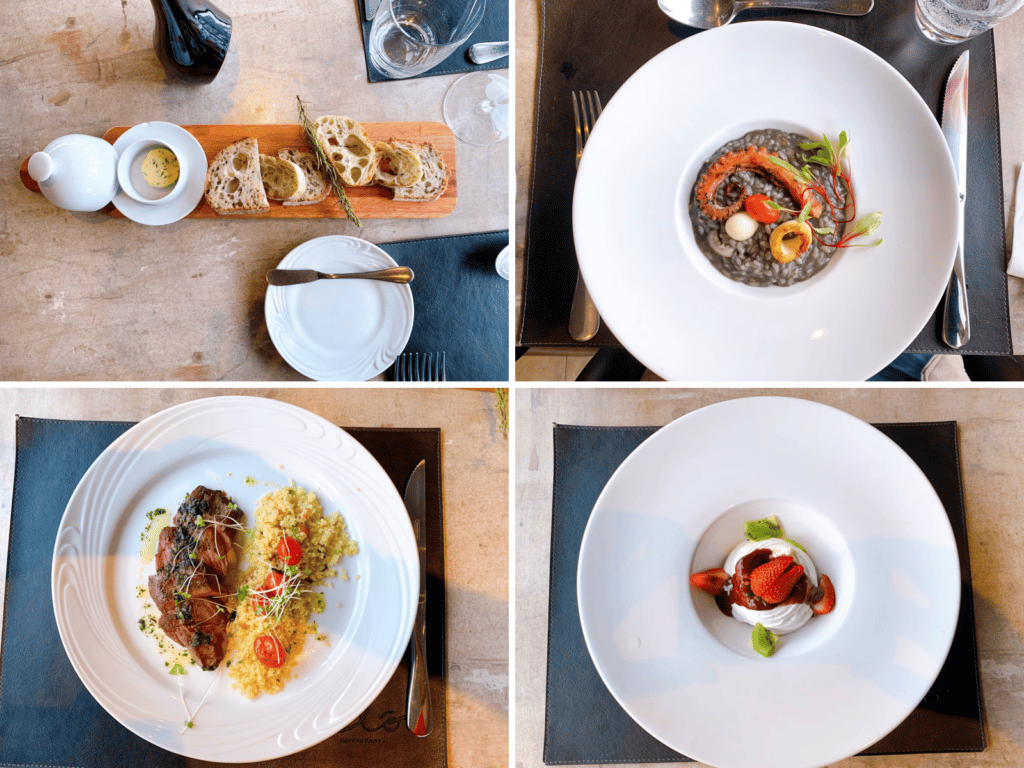 Dishes at Clô Restaurante
On site, there’s also Clô Wine Bar, near the entrance, in an old 1929 farmhouse. The view from there is fantastic, and without a doubt, a great spot to spend the afternoon chatting with friends. They serve starters like mini bruschettas and dadinhos, artisan pizza, and desserts.
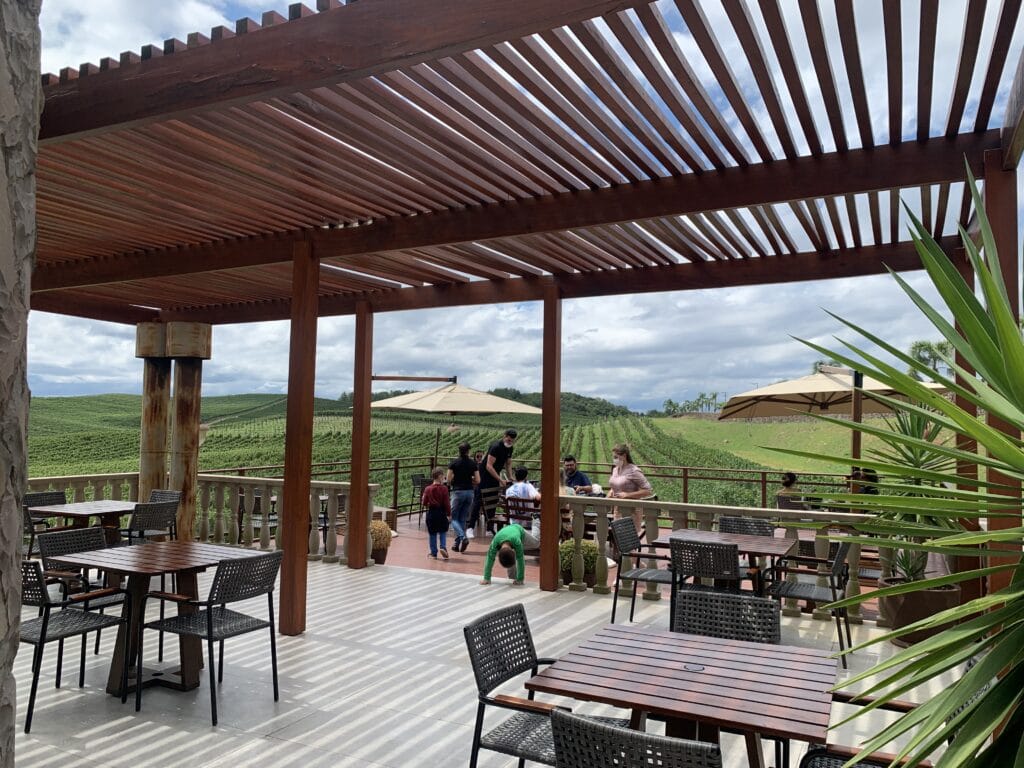 Clô Wine Bar
You can tour the winery, but also just buy wine at the shop. Since it was our last day, we just enjoyed lunch there, and without a doubt, the distance was worth it.
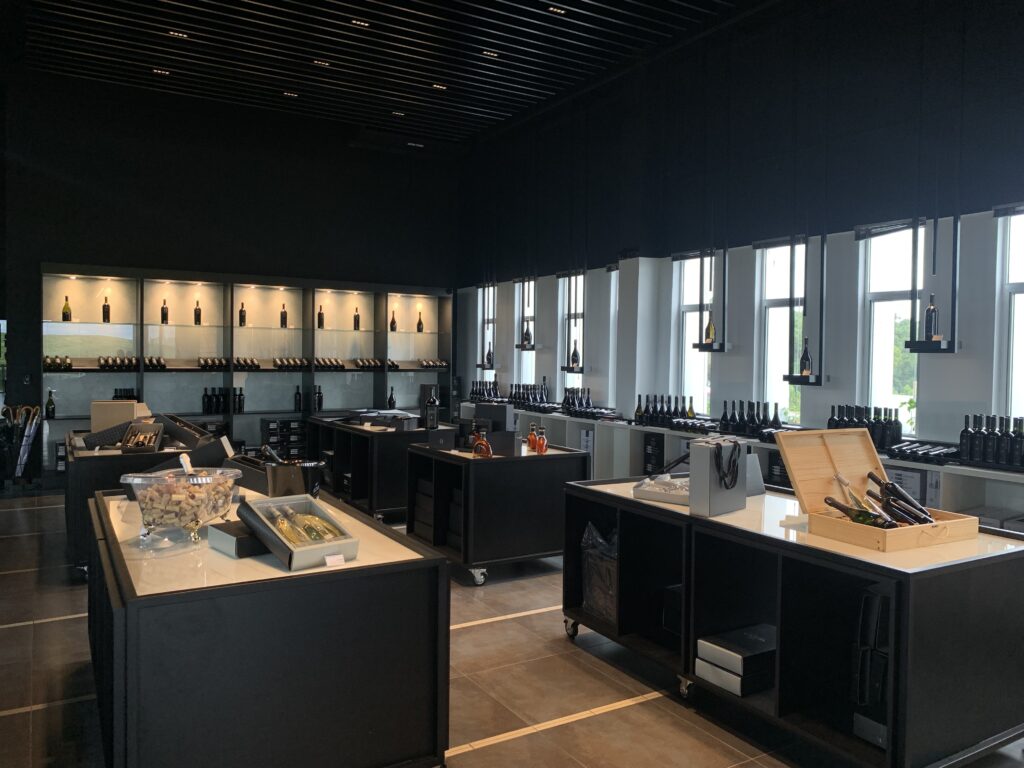 Vinícola Luiz Argenta shop
Read more about the town in What to Do in Bento Gonçalves.
Read the original version in Portuguese on A Bela e o Bigode.