Where to Eat in Palmas: Local Specialties
Tocantins is a young state, and Palmas, its capital, has a broad food scene shaped by influences from all over Brazil. We visited in October 2020, so here are our tips on where to eat in Palmas for whenever you pass through.
The region has plenty of dishes that are typical here, though not necessarily exclusive to it. We tried as many as we could, though a fair number of restaurants had closed due to the pandemic.
It’s also worth noting the region offers several types of river fish that aren’t common back in São Paulo, and we made a point of trying: pirarucu, tucunaré, tambaqui, and caranha.
Where to eat local specialties in Palmas
Chambari — a Palmas food tip
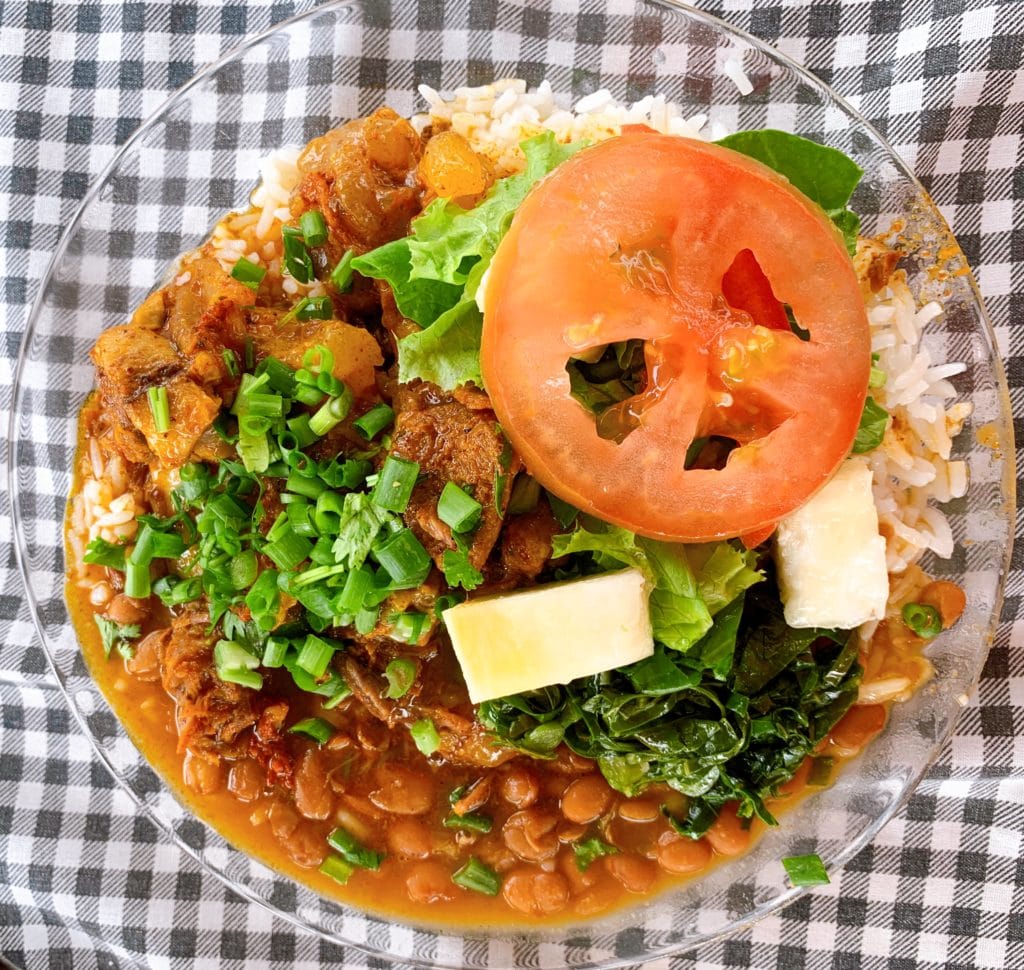
The first dish we tried was Chambari, which we’d compare to the Italian dish ossobuco — a cut above the shin and below the knee, with the muscle meat wrapped around the bone.
The bone marrow inside is a favorite for many, and it’s a hearty dish with deep cultural roots across generations.
This was the first dish we tried, at a genuinely local, no-frills spot called Chambari Caipira.
Chambari Caipira
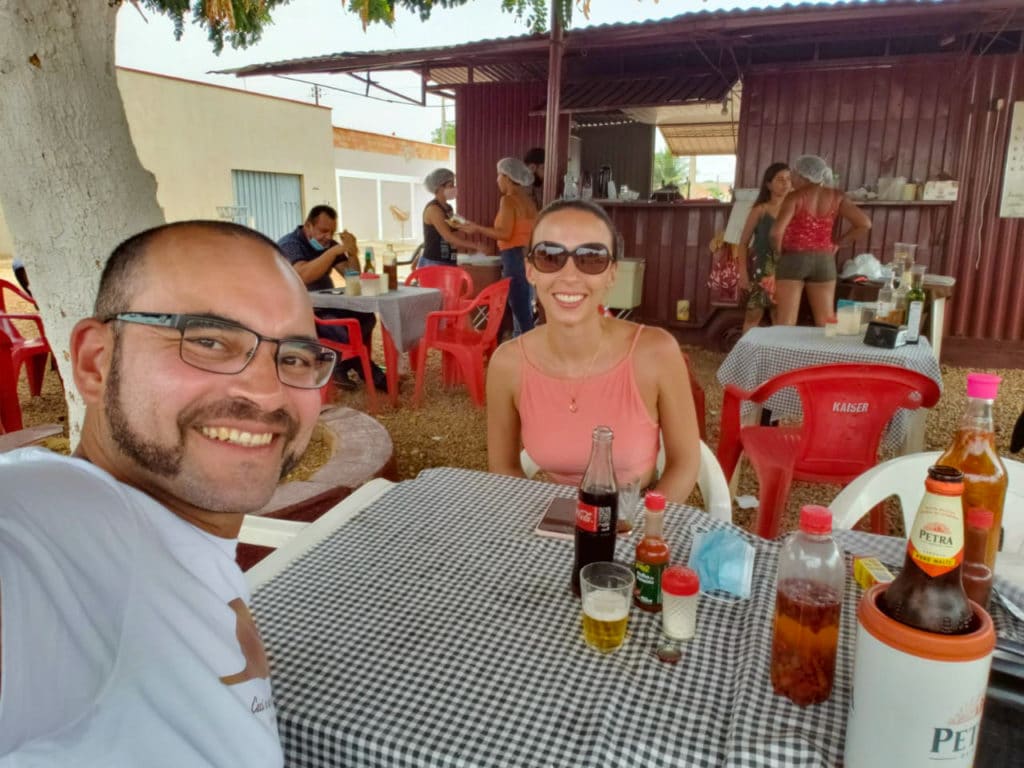
Setting: open-air, no air conditioning — if you visit Palmas, you’ll understand why that matters, since the city runs hot. Pace yourself with the sun so you don’t overdo it while eating.
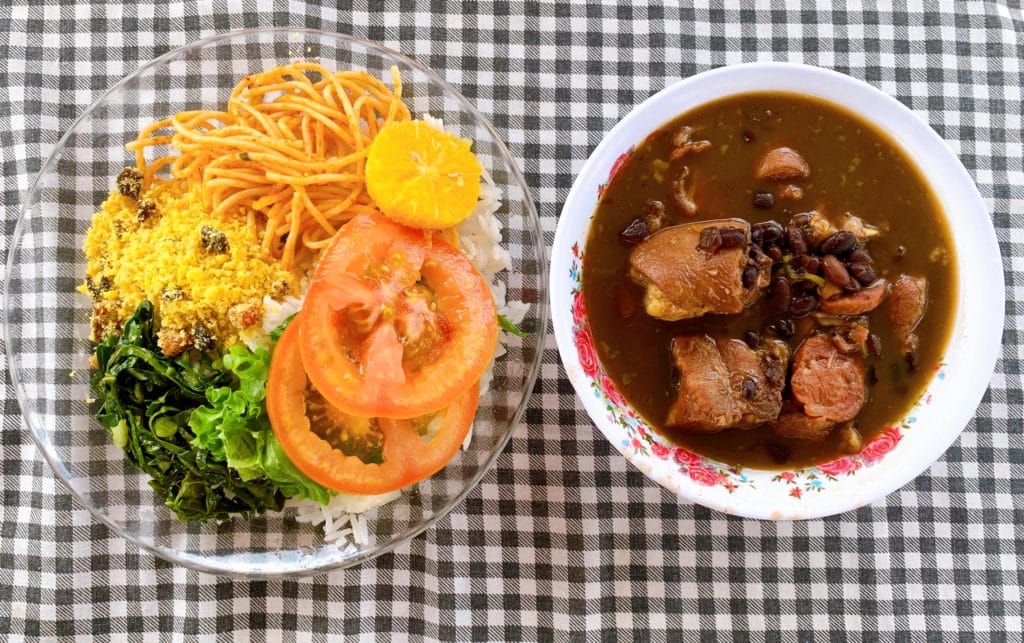
The dish comes plated, and you choose from options like chambari, tripe with mocotó (beef trotter), steak with onions, feijoada, and meatballs with fries.
Every dish comes with: rice, beans, pasta, farofa, sautéed collard greens, and salad.
Main course: we went with the chambari and the feijoada — both decent.
Maria Izabel Cozinha Contemporânea — a Palmas food tip
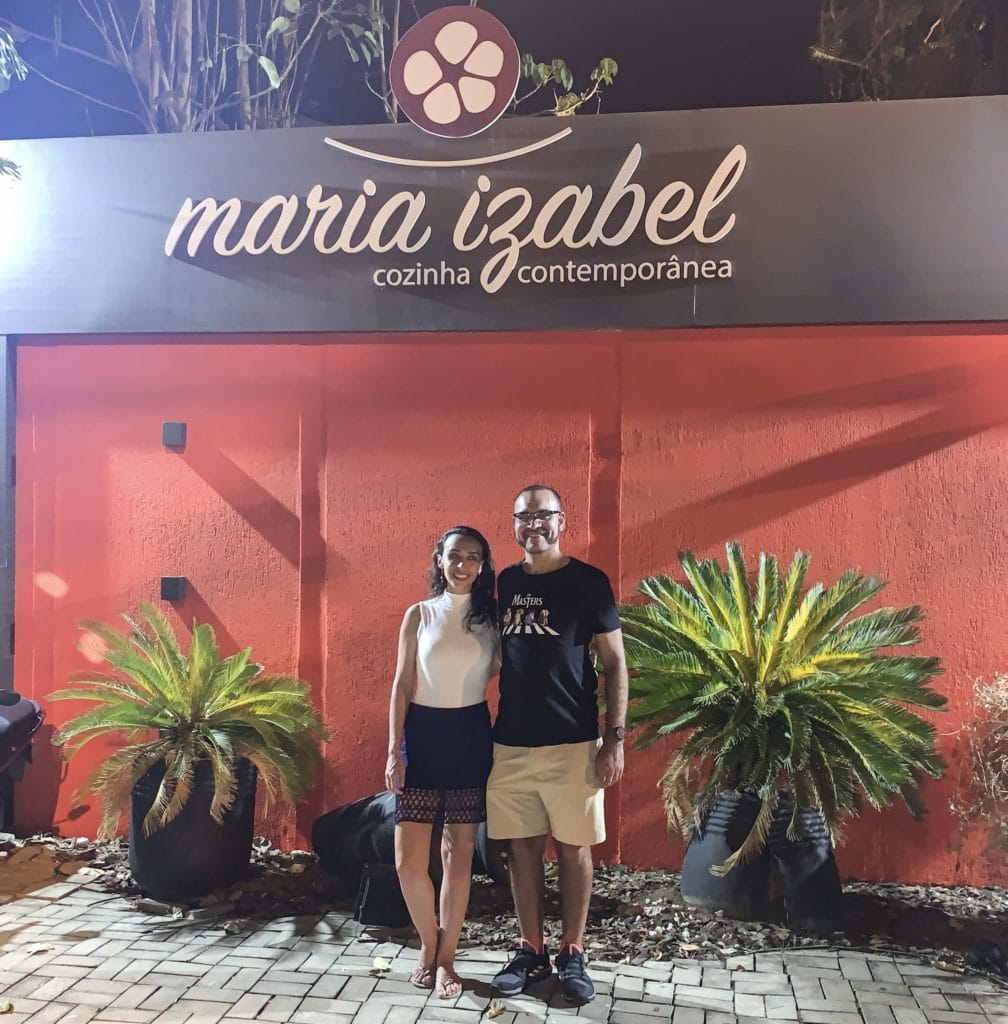
A restaurant specializing in regional Brazilian and South American food in Palmas, genuinely delicious — our only tip is to come with plenty of time, since dishes take a while to prepare, but the space itself is beautiful. Lunch is self-service.
We were on vacation and eager to try the local food, so the following dishes all came from here, across two separate dinners.
Fish in Babaçu Coconut Milk
Babaçu is a palm tree found mainly in the cerrado, Brazil’s central savanna region.
Every part of it gets used — the leaves for thatched roofs and crafts like baskets, the trunk for woodworking or natural fertilizer.
The coconut itself is fully used too: the outer husk becomes xaxim (a growing medium) or organic fertilizer, the layer beneath yields flour for cakes and cookies or cosmetics, the harder layer works for crafts or charcoal, the leftover pulp from processing the kernel becomes organic fertilizer, and finally the kernel itself yields babaçu oil, used in cooking, soap, detergents, cosmetics, lubricants, biodiesel, and herbal remedies.
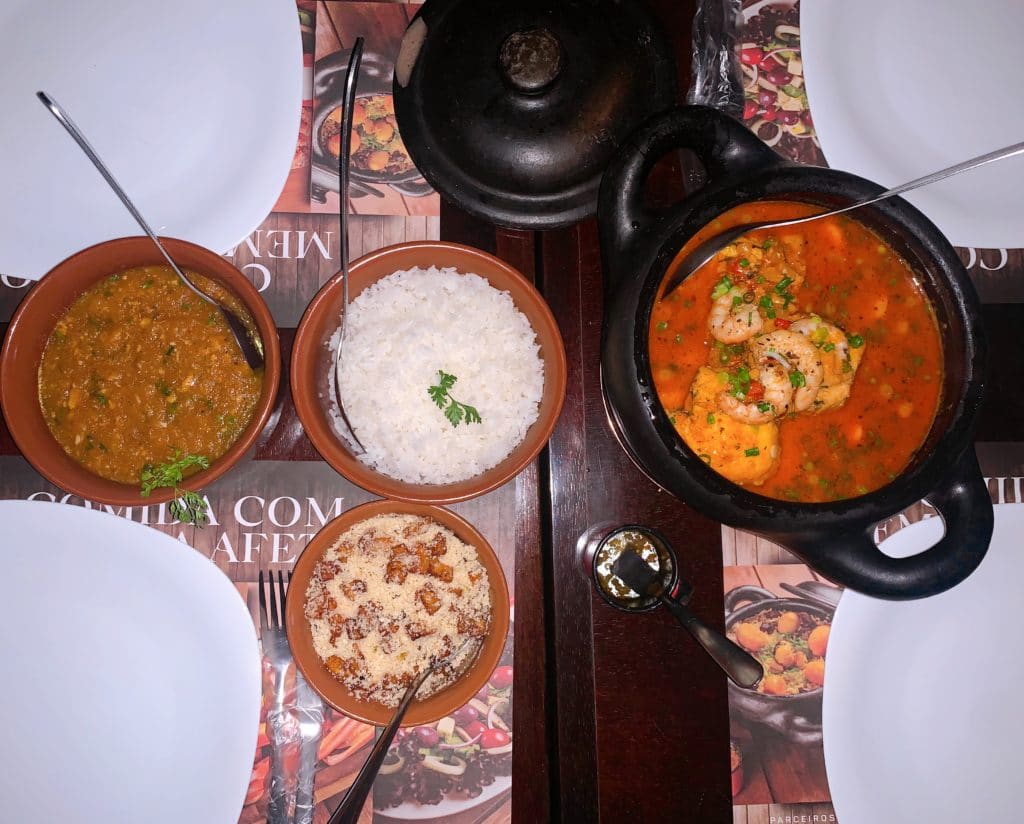
Main course: Caldeirada Graciosa — pirarucu fish fillet and shrimp in babaçu coconut milk.
Sides: white rice, pirão, and plantain farofa.
Available in a size for two or four people — we were with another couple, so we ordered the larger size, and it was delicious, we loved it.
Maria Isabel
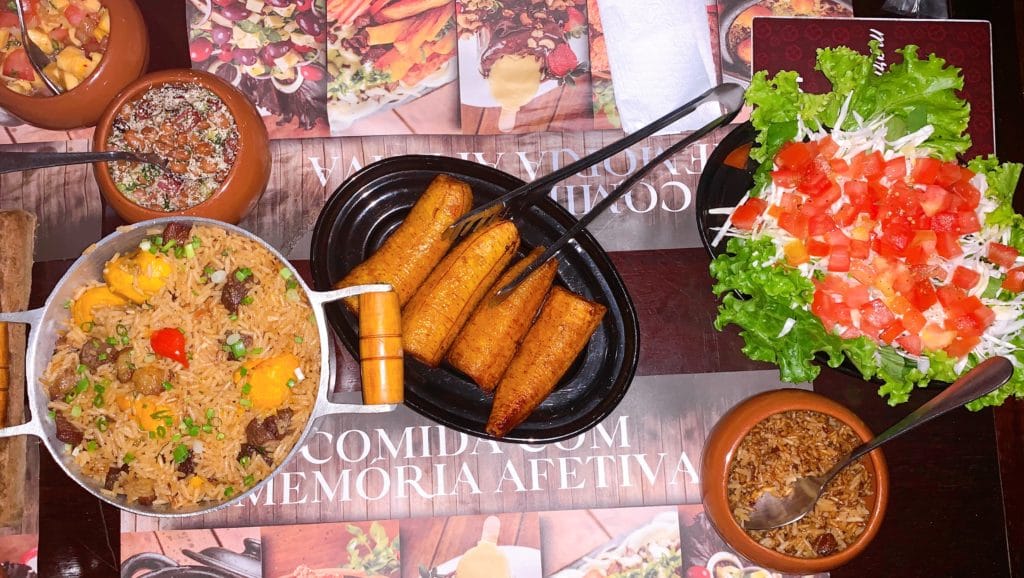
Maria Isabel is a dish from Piauí state — rice mixed with carne de sol, served with plantain farofa, though it’s more typically associated with Brazil’s Central-West region.
We ordered the version with pequi, since Tocantins used to be part of Goiás — we loved the flavor and would highly recommend trying it.
Main course: Maria Izabel with pequi (carne de sol), served with salad, fried plantain, and green sauce.
On our second night, each couple ordered their own dish, and this was ours, alongside the other couple’s pick below.
Carne de Sol
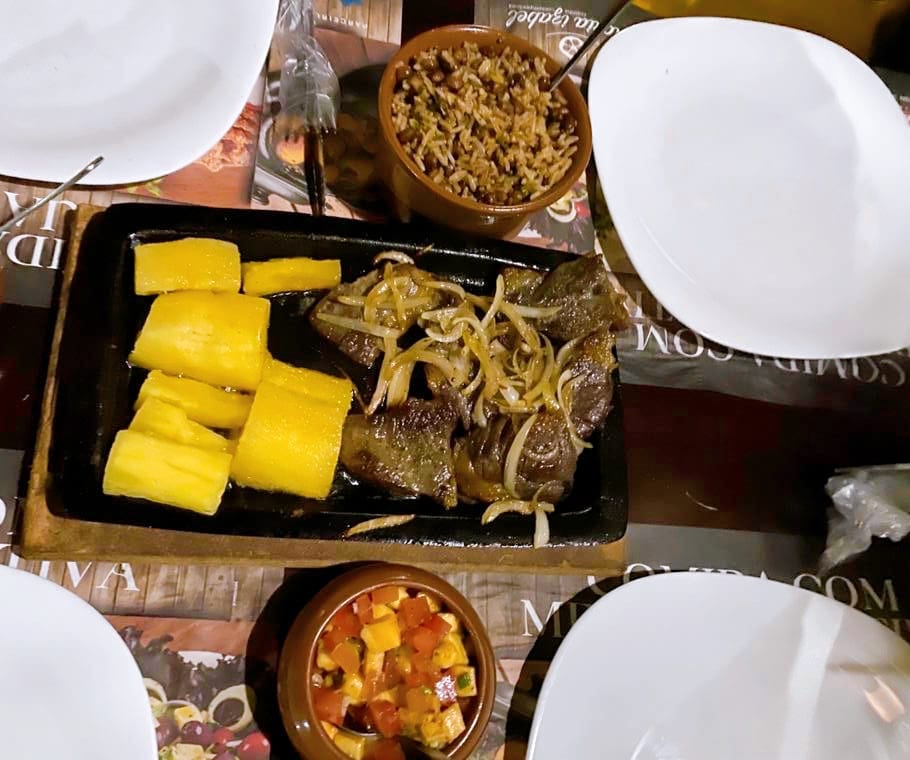
Carne de sol is a classic dish from Brazil’s Northeast — a preservation method using salt and air-drying in a covered, well-ventilated space, usually for beef.
Main course: carne de sol da serra.
Sides: rice with trepa-pau beans, feijão tropeiro, banana vinaigrette, and cassava cooked with clarified butter.
The feijão tropeiro and banana vinaigrette were both delicious.
Cupuaçu Mousse
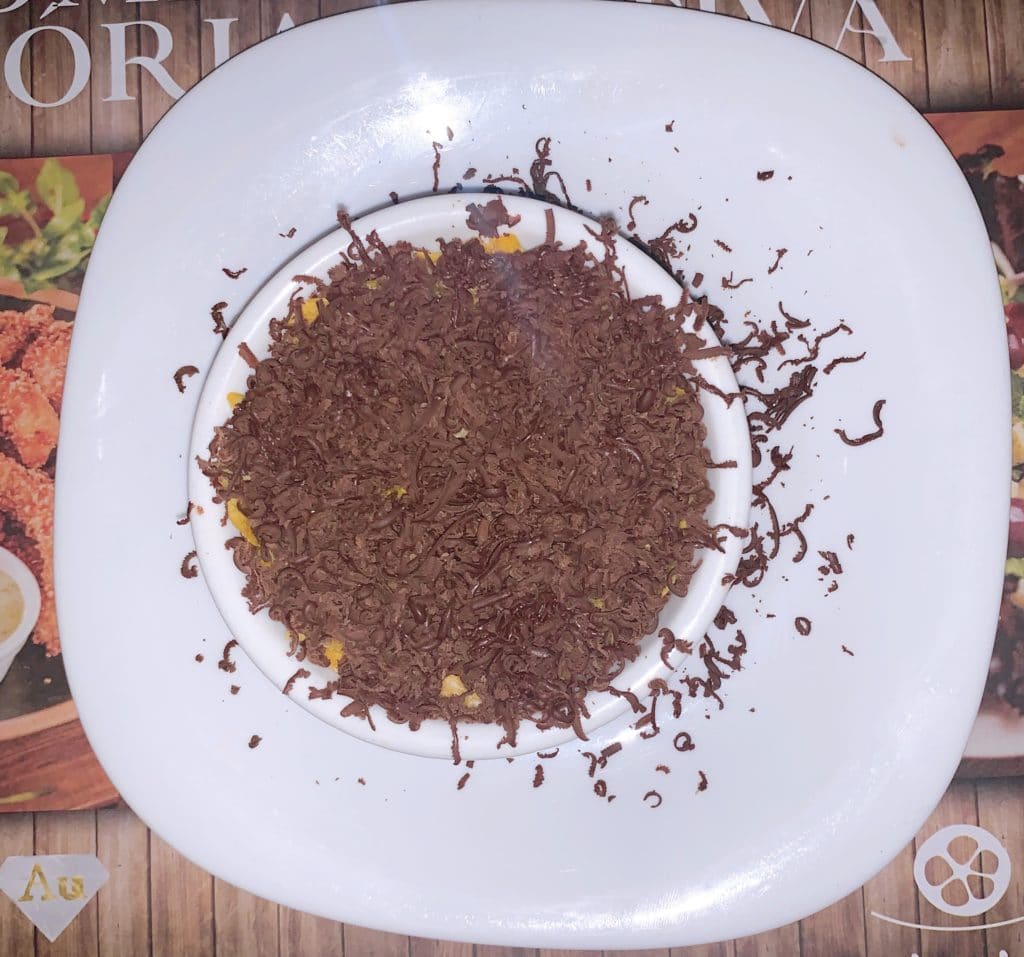
We ordered the mousse with shaved dark chocolate, which was good, though it came with corn flakes mixed in partway through, which we weren’t fans of.
Restaurants — where to eat in Palmas
After that list of dishes and desserts, here’s a rundown of specific restaurants worth checking out in Palmas. Let us know if we’re missing anything!
Cabana do Lago
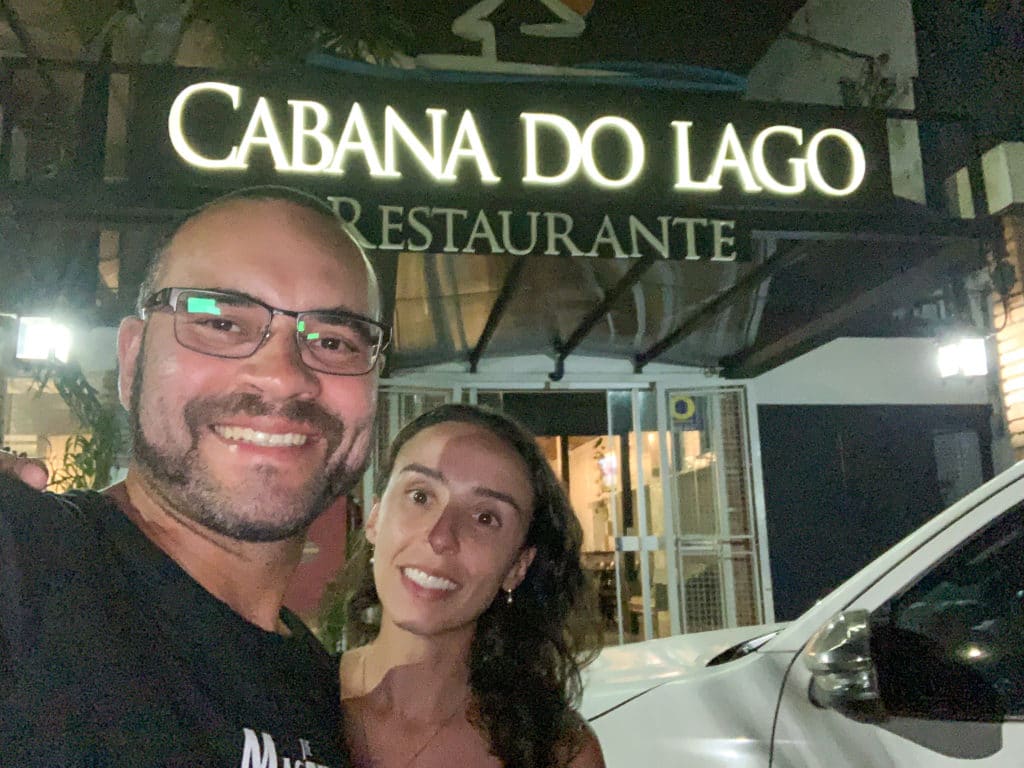
A Brazilian and South American restaurant with Maranhão-inspired decor. Genuinely pleasant setting.
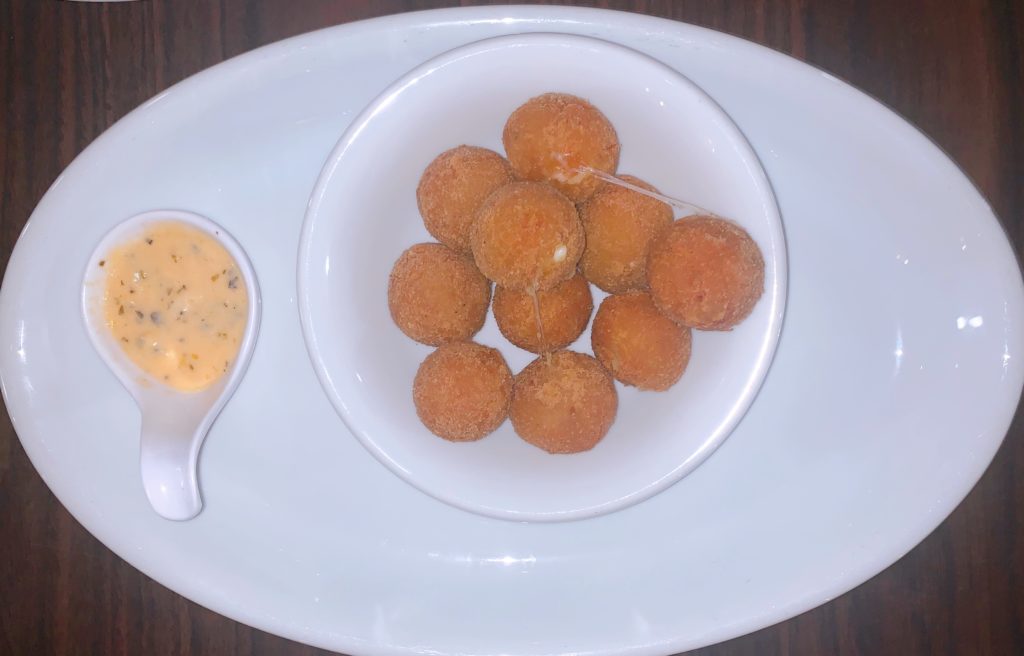
Starter: pirarucu fritters with a spicy sauce.
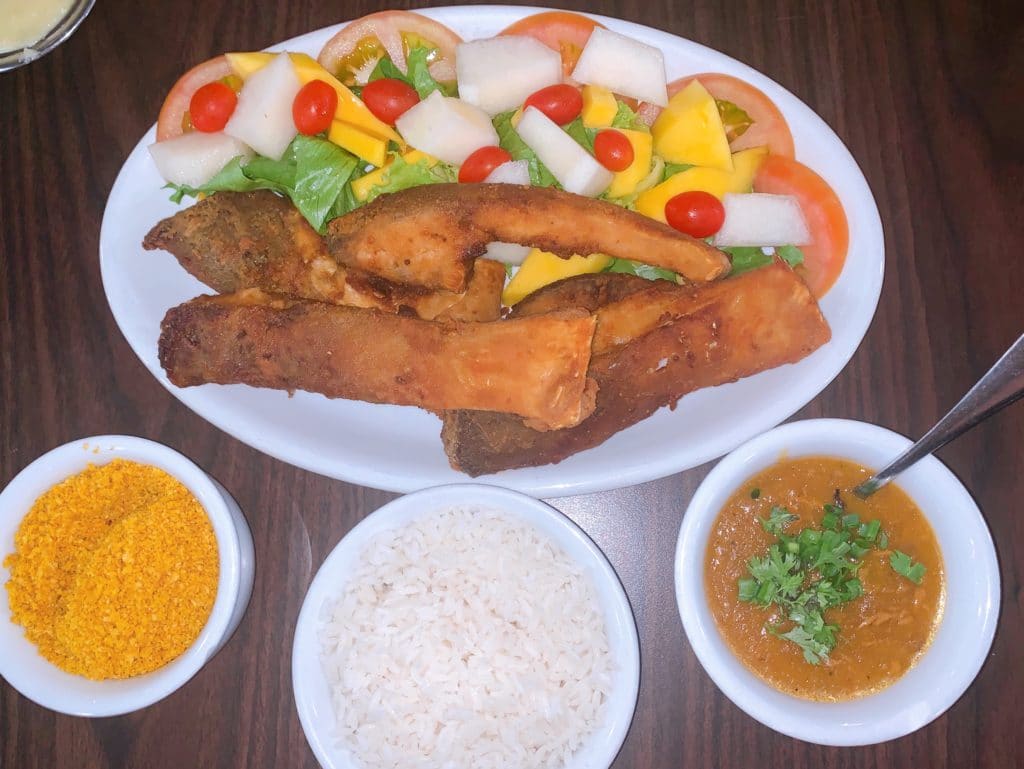
Main course: fried tambaqui ribs with white rice, pirão, salad, and farofa — delicious.
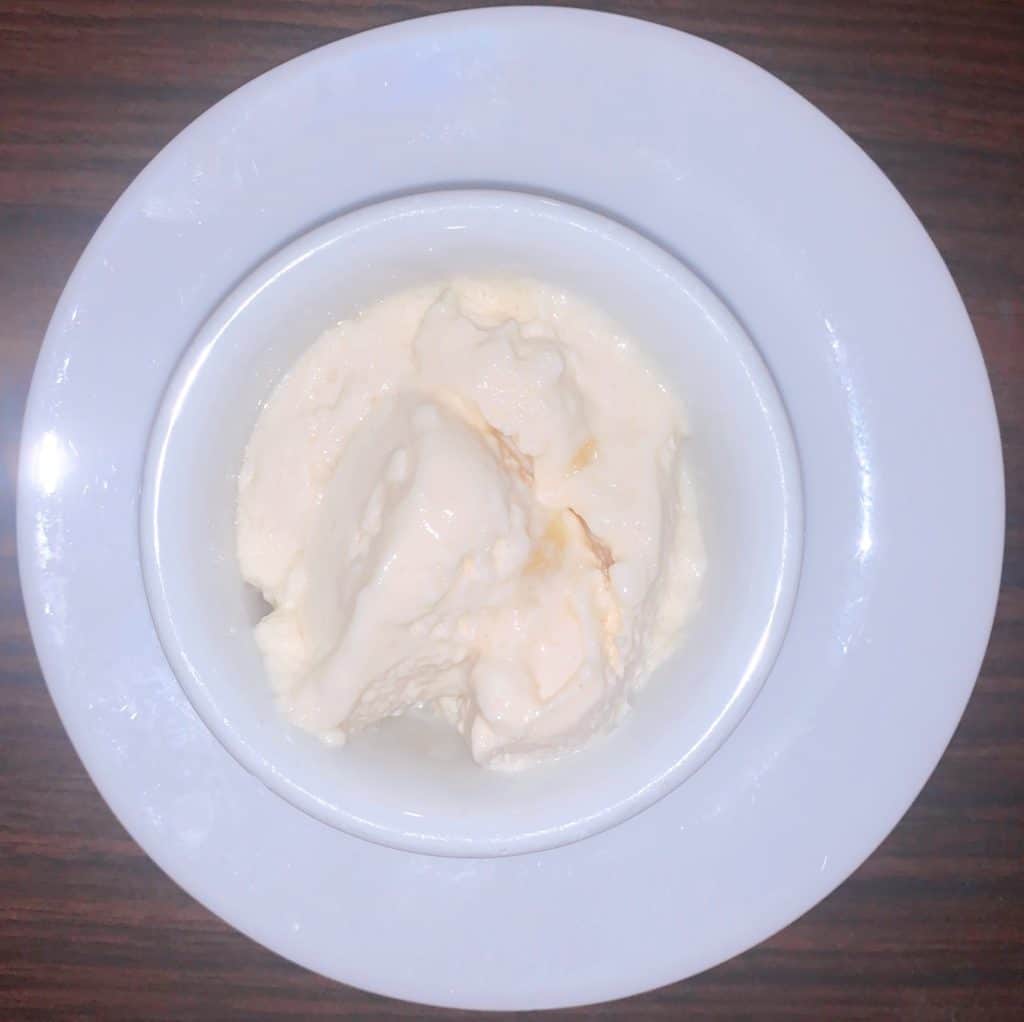
Dessert: cupuaçu mousse, which was tasty.
Restaurante Palazzo
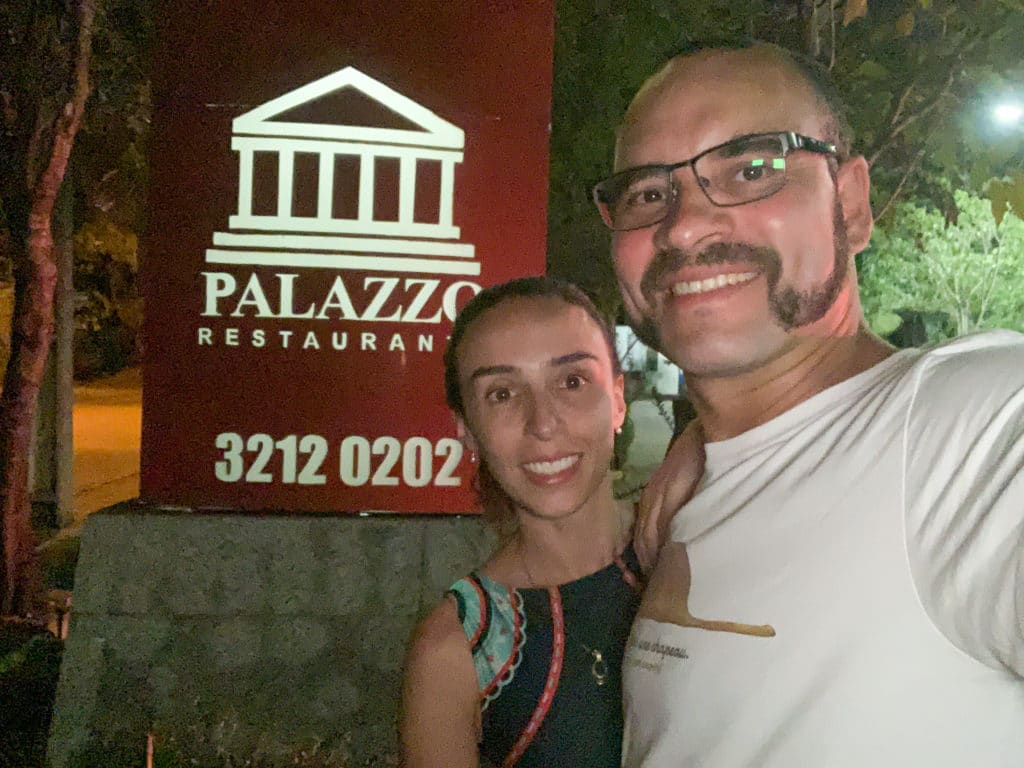
Located inside the Hotel Girassol Plaza, serving Brazilian and international food — nothing regionally specific, but generous portions.
Starter: garlic cream, Canadian bacon, fig, and tuna, followed by a salad.
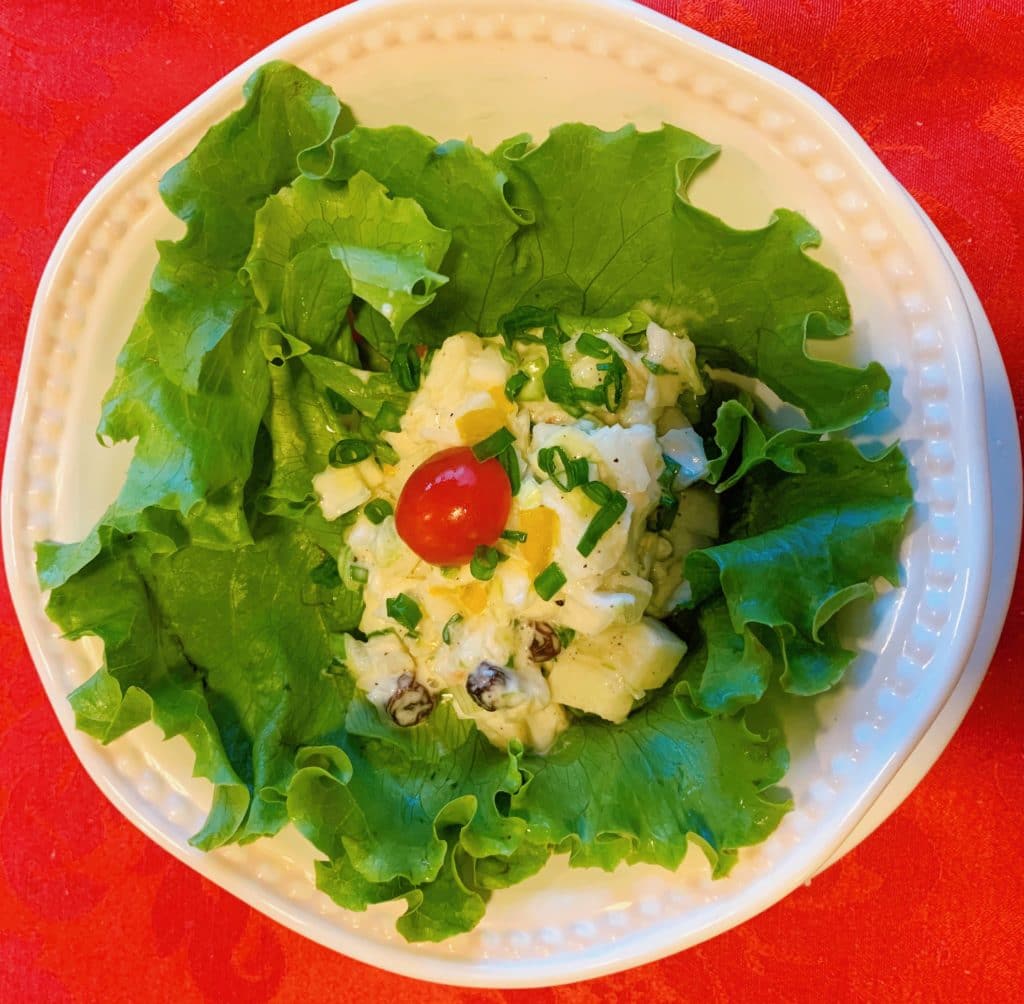
Main course: chicken parmigiana with mashed potatoes, and shrimp with sweet potato purée.
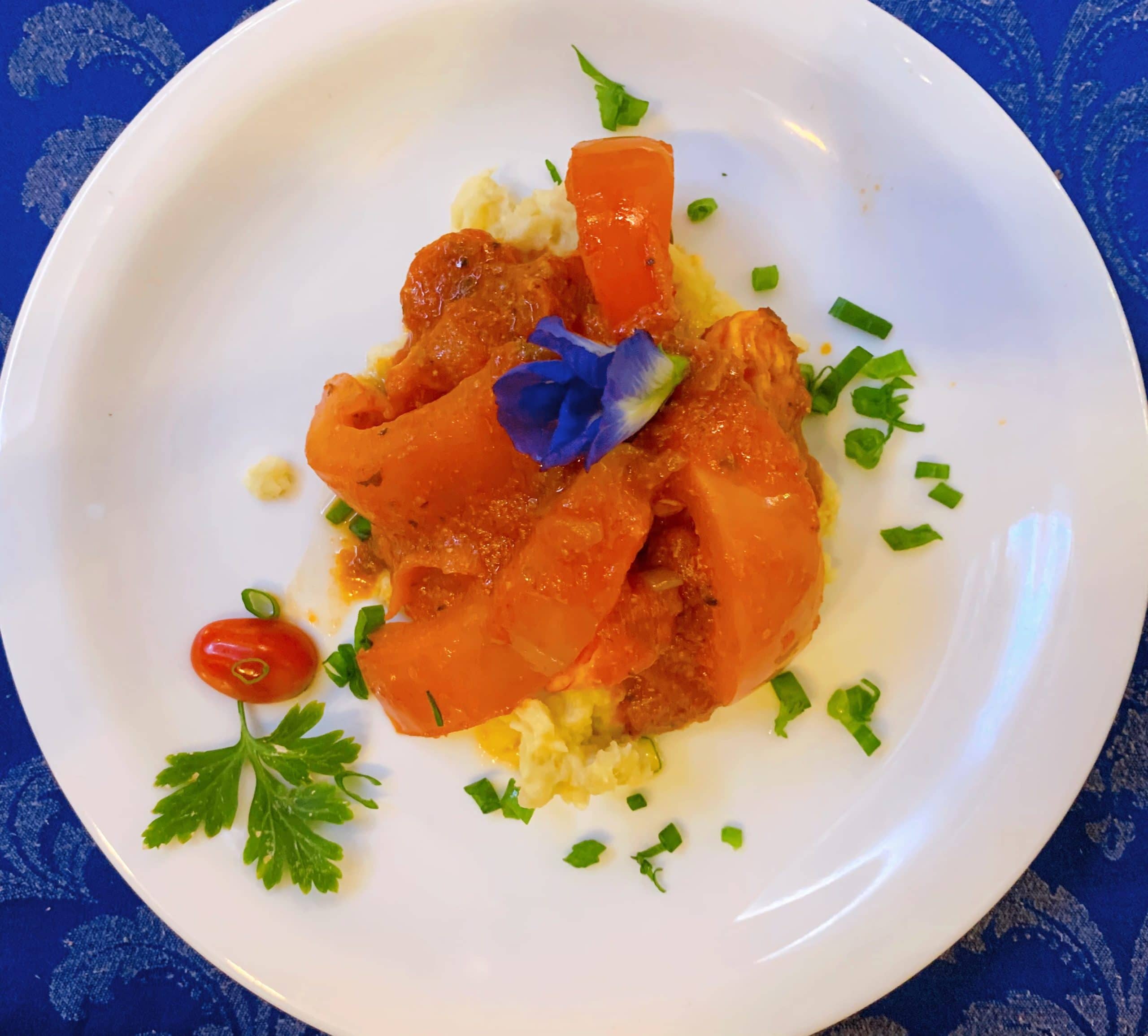
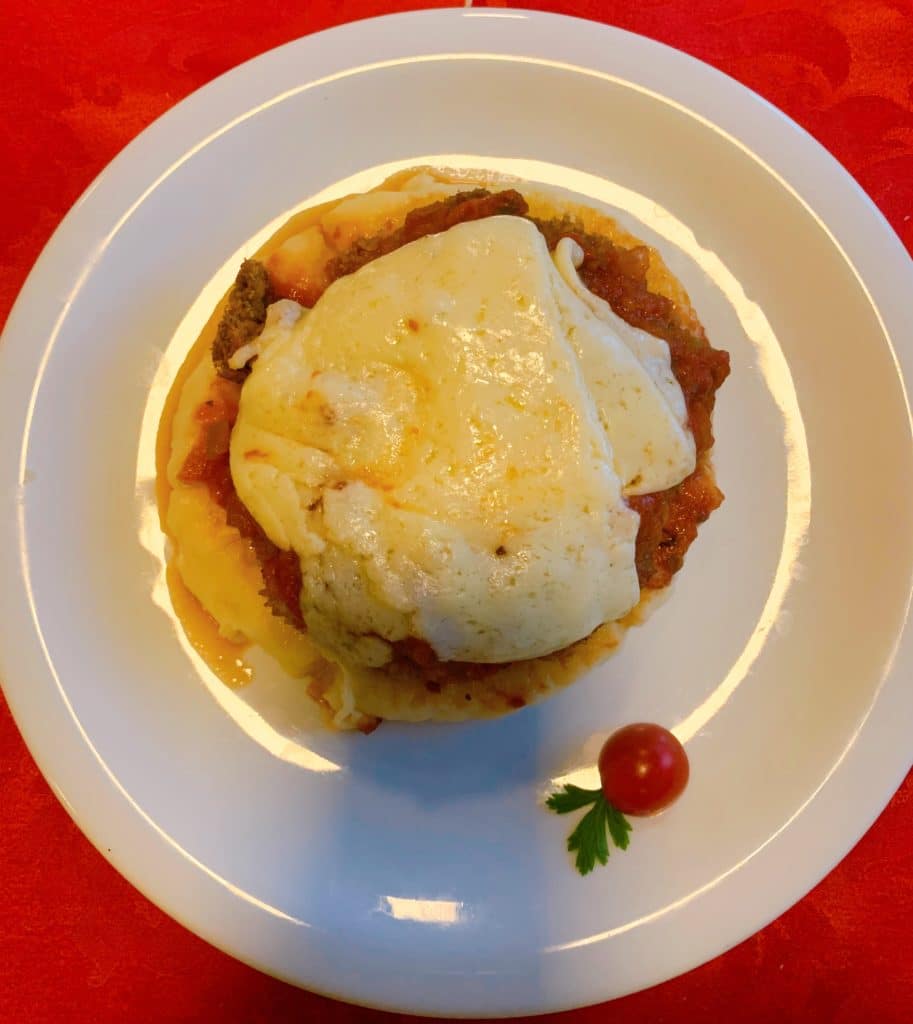
Dessert: several options, with seconds allowed, since before the pandemic they ran a full dessert buffet.
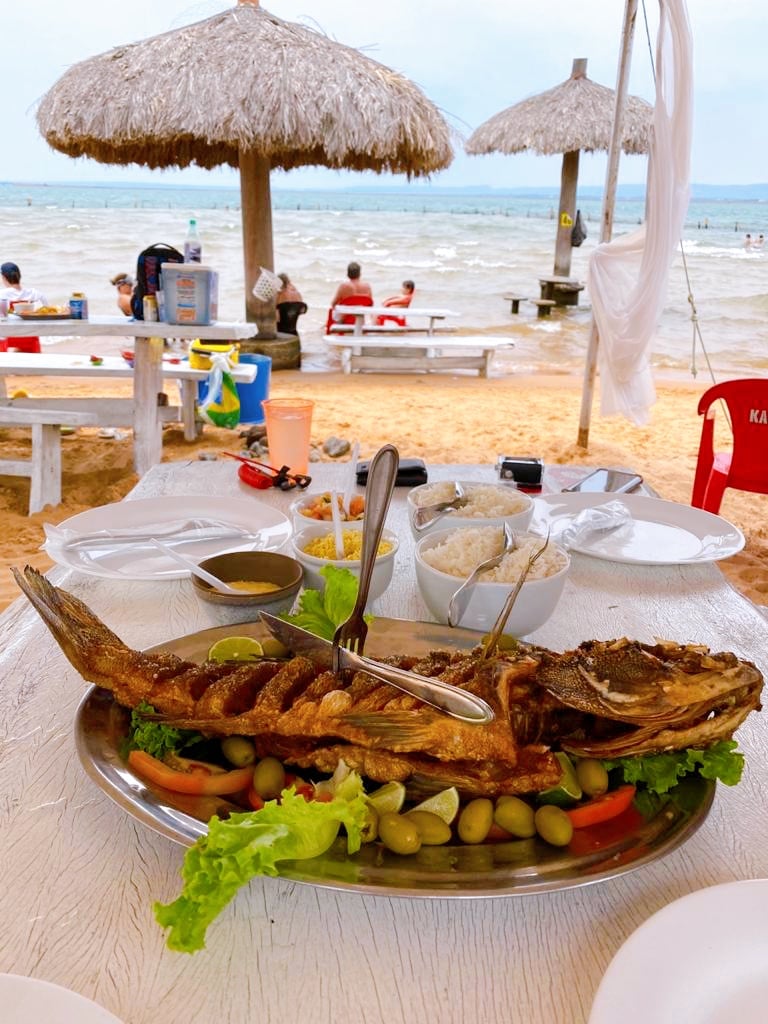
Restaurante na Ilha Canela
Setting: the only restaurant on the island.
Main course: we ordered the 2 kg tucunaré, which was delicious.
Sides: rice, farofa, tartar sauce, and vinaigrette.
Worth the trip just to see the island and eat here.
Afetto Doceria
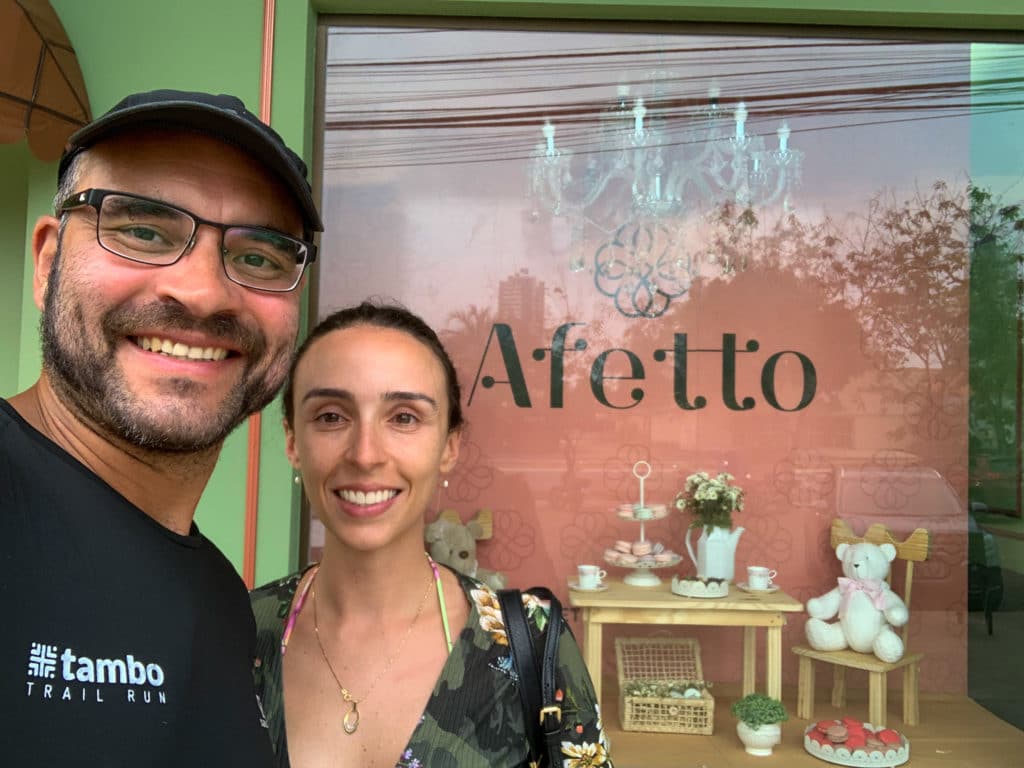
A genuinely delicious dessert shop, with a pleasant setting and fantastic sweets.
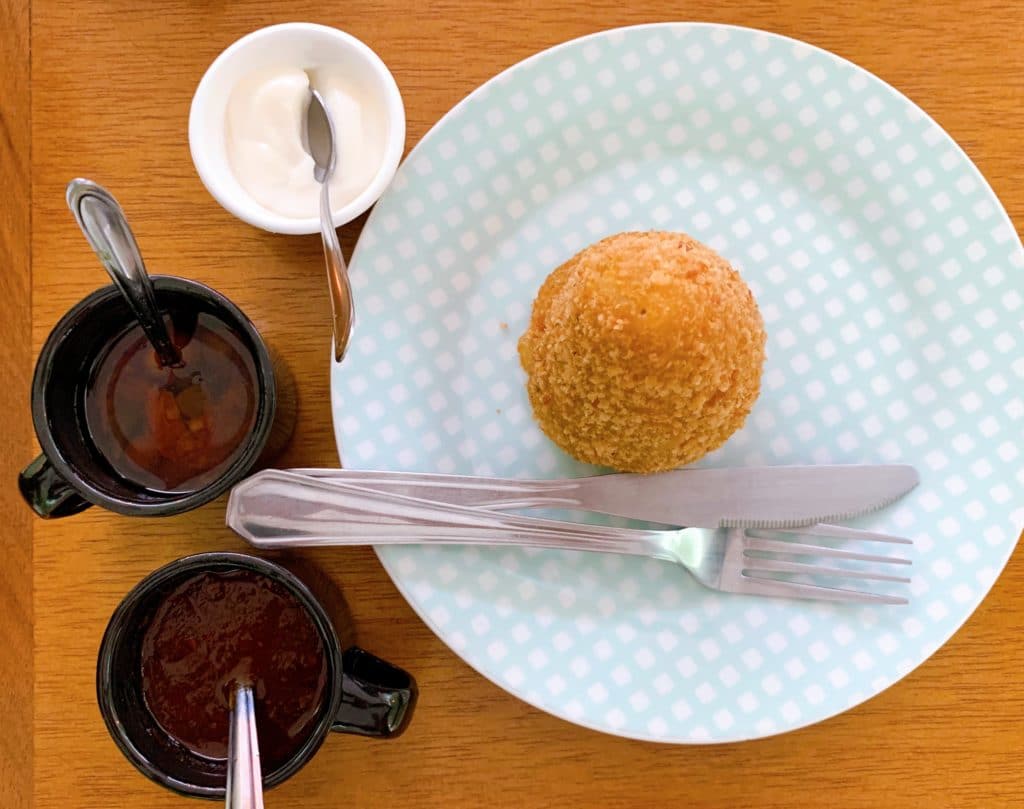
Savory pick: shredded carne de sol coxinha with catupiry, delicious, served with garlic sauce, hot sauce, and a spicy guava ketchup.
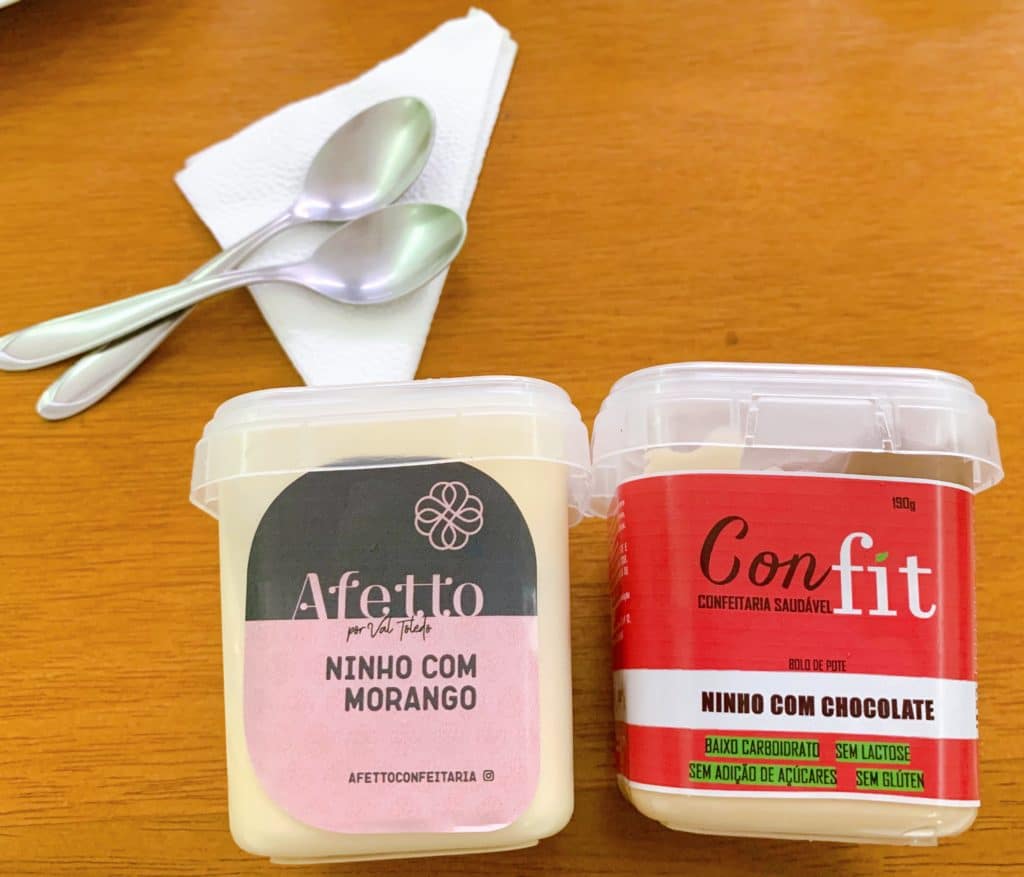
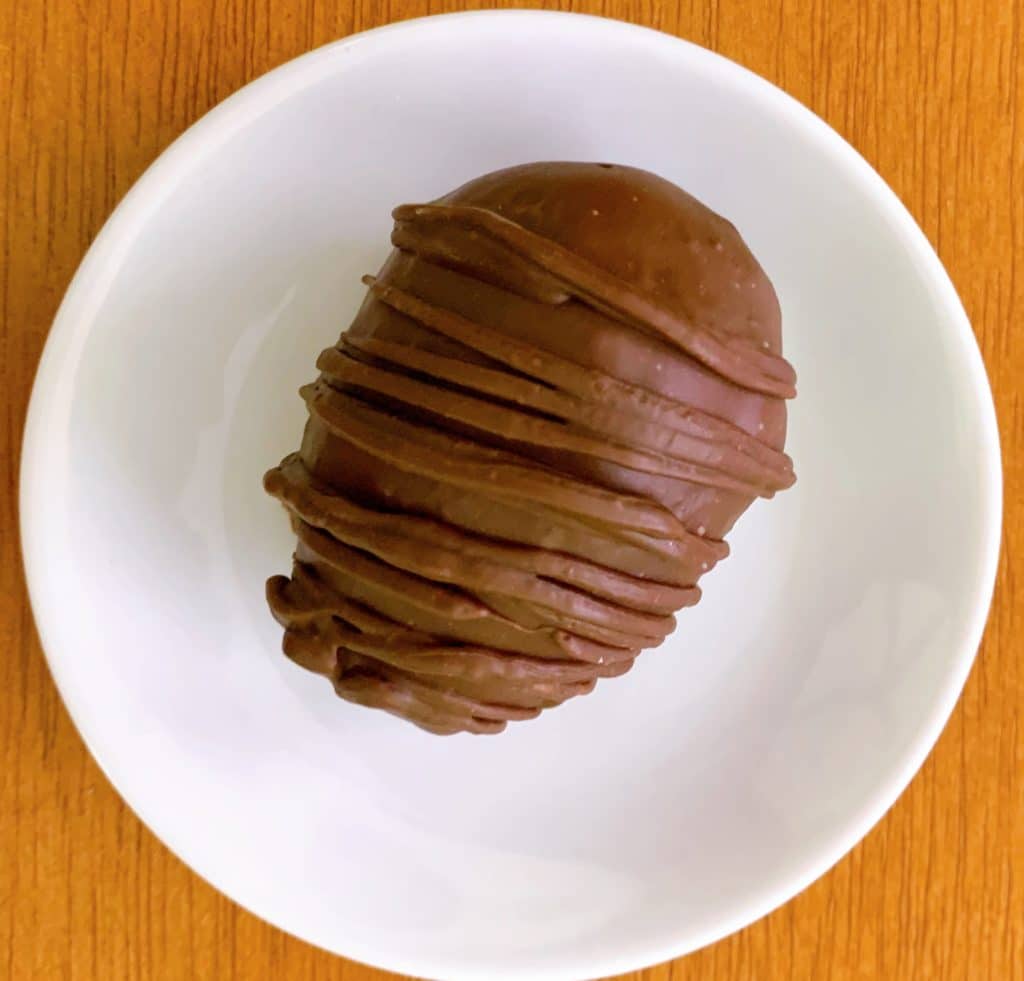
Sweets: a fitness-style leite ninho and chocolate cup cake, another with leite ninho and strawberry — the latter was outstanding — followed by a chocolate-and-coconut-covered strawberry, indescribably good.
Where NOT to eat in Palmas
Not every stop was a win — here are a couple of misses.
Panificadora Roma
Even though our hotel, Ibis Style Palmas, offered breakfast, we skipped it to explore local bakeries and breakfast spots instead.
Unfortunately, our first pick, Padaria Roma, didn’t work out — the self-service selection was limited, and, believe it or not, there weren’t enough staff on hand.
We’d recommend trying other bakeries instead.
Fogão a Lenha Restaurante e Pizzaria
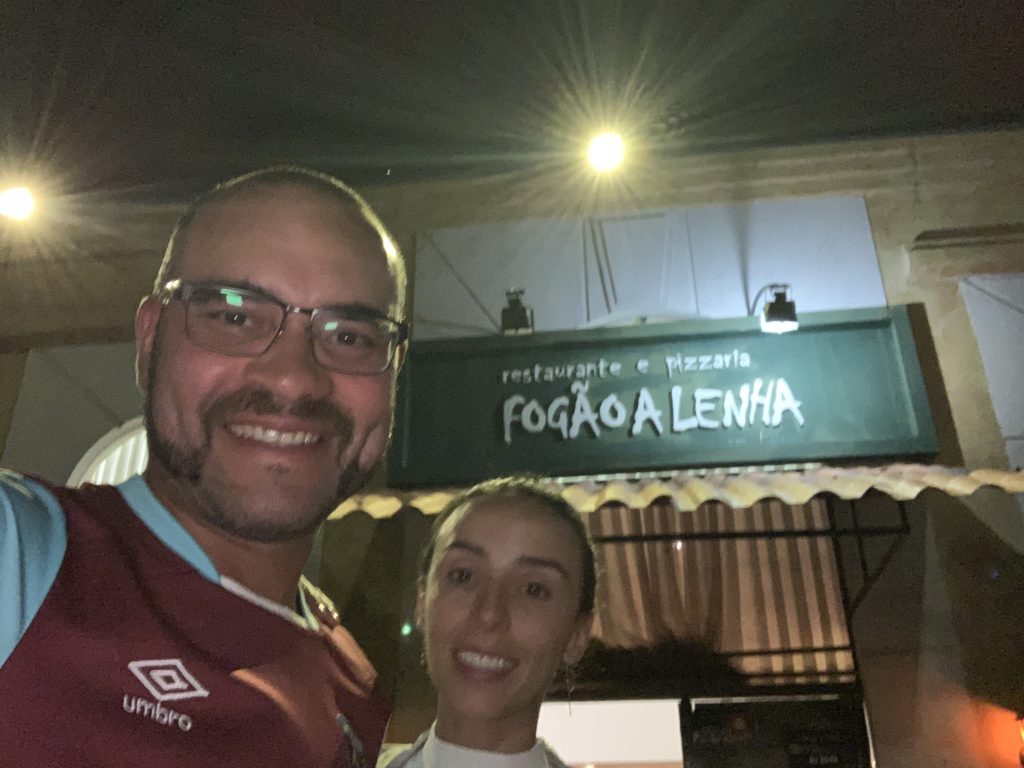
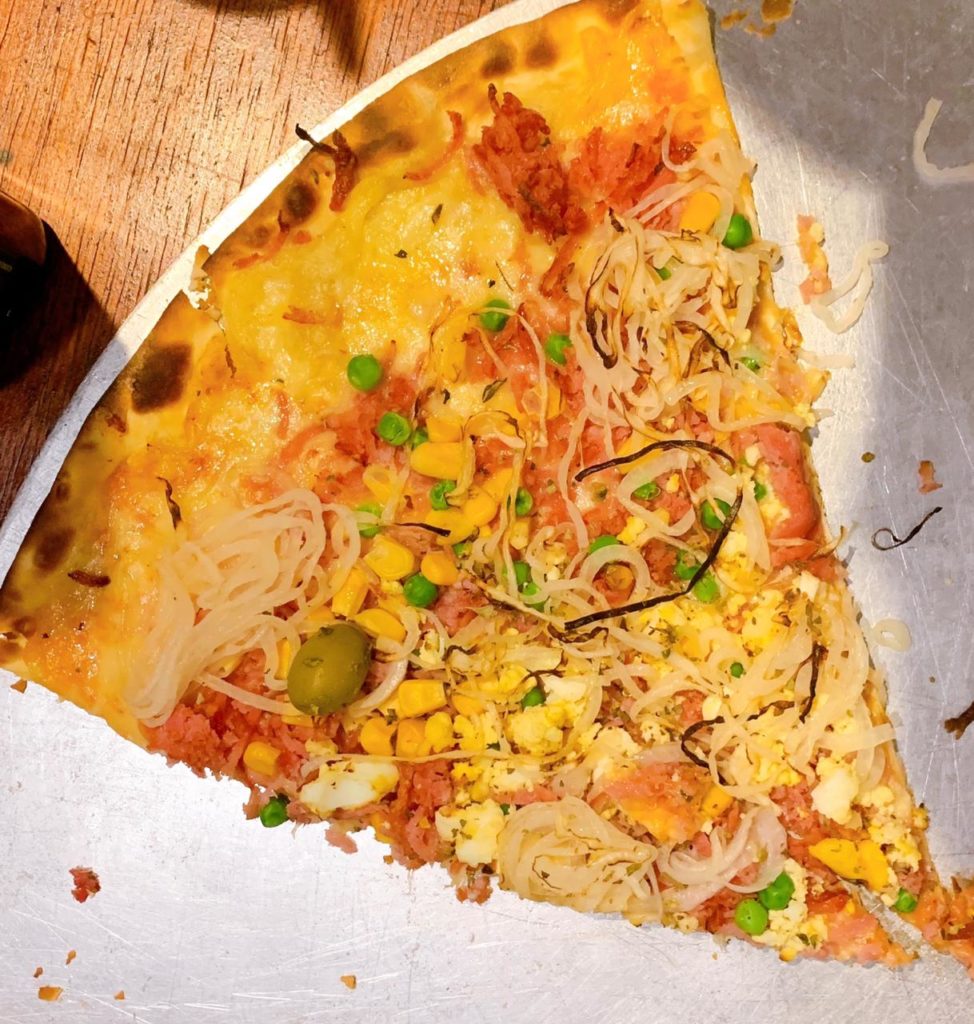
Our next attempt was a pizzeria, and it fell flat — the toppings were sparse, and the crust was thicker than we expected.
Honestly, we didn’t have high hopes going in, since it was our backup choice after the first spot was closed.
Our takeaway, echoed by plenty of locals too: stick to local restaurants, especially those serving regional food.
Learn more about what we did in Palmas.
Read the original version in Portuguese on A Bela e o Bigode.