Palmas: Brazil's Newest Capital City
Palmas is the capital of Tocantins and the state’s largest city, founded on May 20, 1989 — making it the last Brazilian capital founded in the 20th century, established under the 1988 constitution.
A fully planned city, and the newest state capital in the country, carved out of what used to be northern Goiás. Because it was planned from scratch, it offers the best quality of life among Brazil’s northern states and capitals, with the country’s highest economic growth rate at 8.7%.
The name Palmas honors the Comarca de São João da Palma, home to the region’s first separatist movement in 1809, at the confluence of the Palma and Paranã rivers — it’s also a nod to the many palm trees found in the area.
We rented a car and explored the city on our own, without a guide.
What to do in Palmas
Downtown
This is home to the largest public square in Latin America, and the second largest in the world after Merdeka Square in Jakarta, Indonesia. It’s also where most of the city’s main attractions are clustered.
We really enjoyed this area, and everything below is worth at least a quick photo stop.
Praça dos Girassóis in Palmas
- 571 square meters
- An architectural complex housing the three branches of state government: Palácio Araguaia (Executive), the Tocantins State Legislative Assembly (Legislative), and the Tocantins State Court of Justice (Judicial)
- Government departments spread across the east and west wings
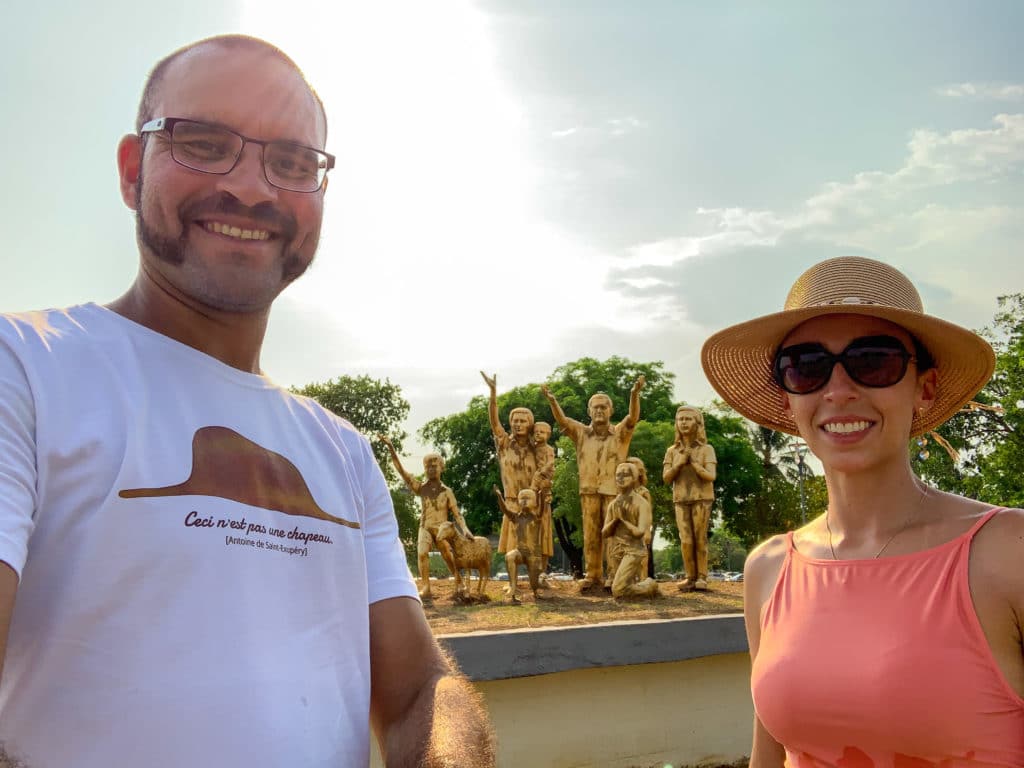
Monumento da Súplica dos Pioneiros
- Seven bronze sculptures, similar in style to the Memorial Coluna Prestes
- Nine figures in total: a father, mother, sons, daughters, and a ram
- Honors the earliest residents and builders of Palmas
- The tallest sculpture stands 2.36 meters, the shortest just 71 cm
- Created by artist Maurício Bentes
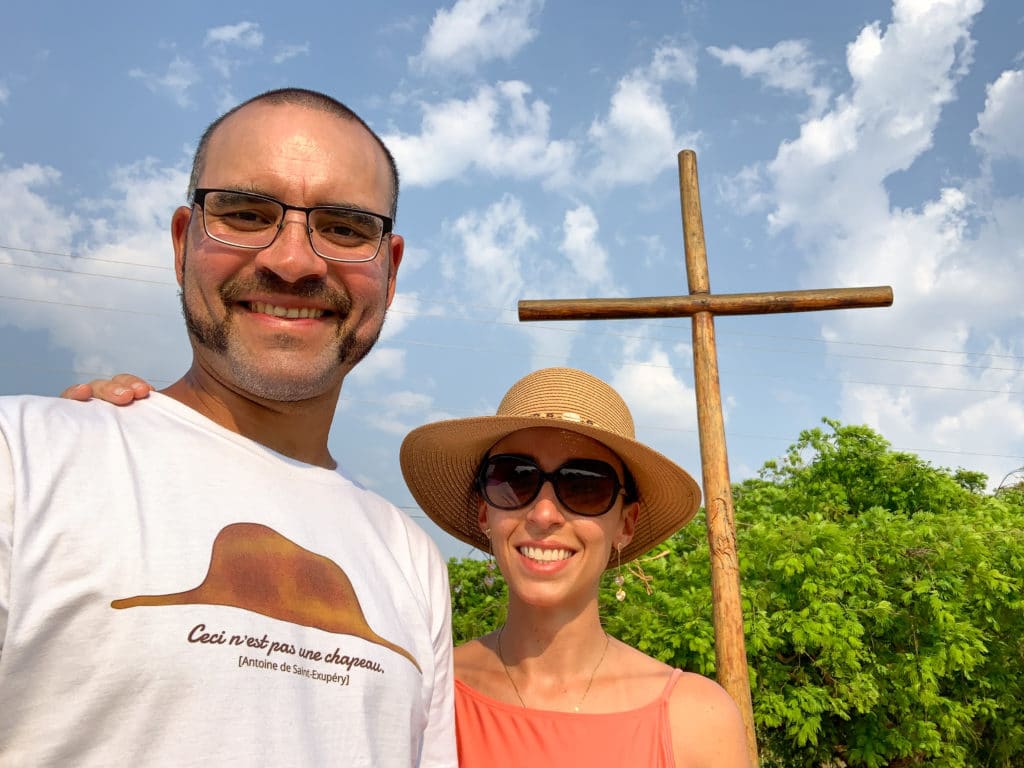
Cruzeiro in Palmas
- Palmas’s first historic monument
- A brazilwood cross, carved by artisan Arnildo Antunes
- Installed on May 18, 1989
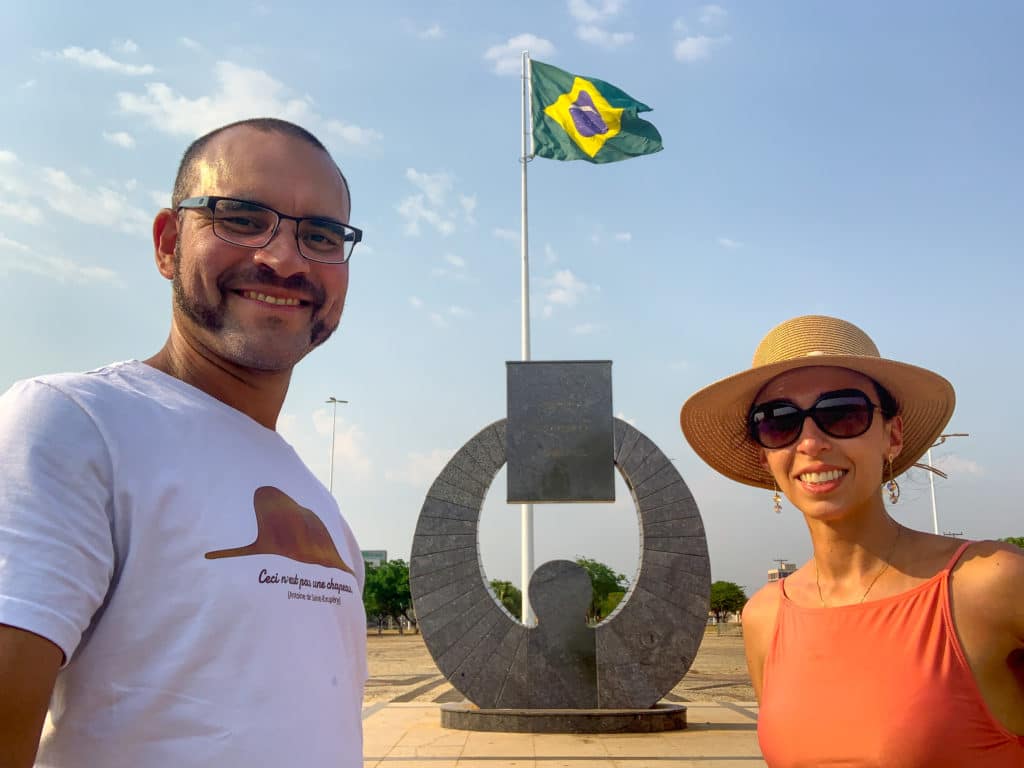
Monumento à Bíblia
- An ecumenical monument
- Carved from dark granite
- Marks Brazil’s Geodesic Center
- Installed December 10, 2000
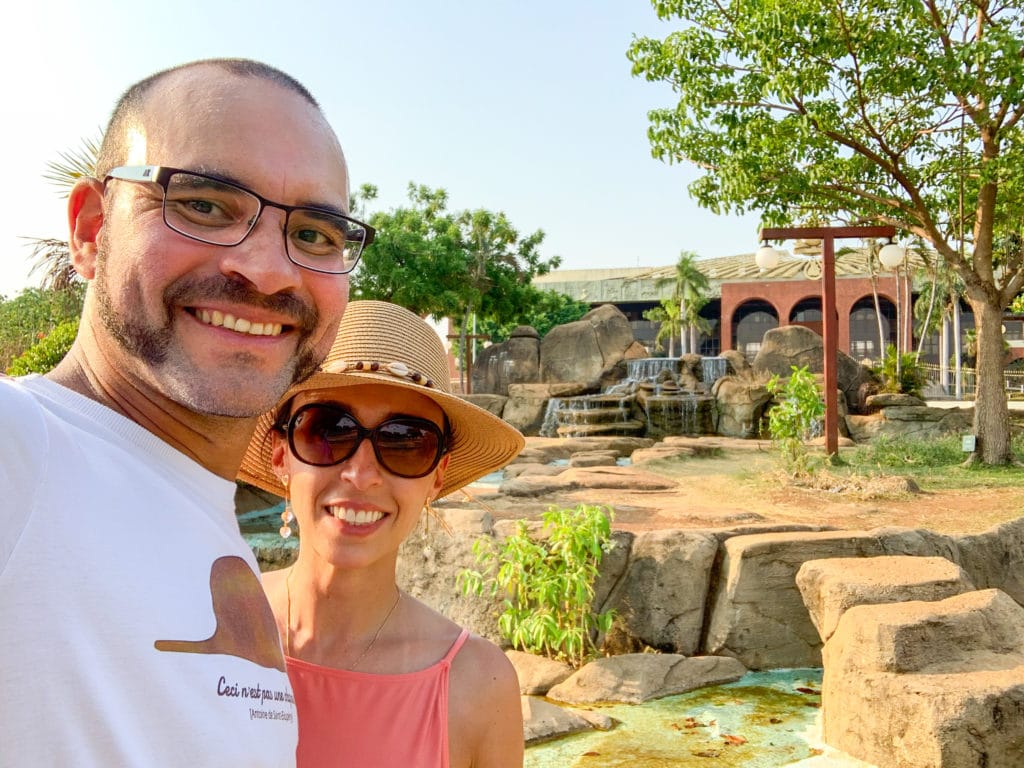
Cascata
- South of Praça dos Girassóis
- A symbol of natural abundance
- Represents Tocantins’s mighty rivers and countless waterfalls
- Created by João Devair
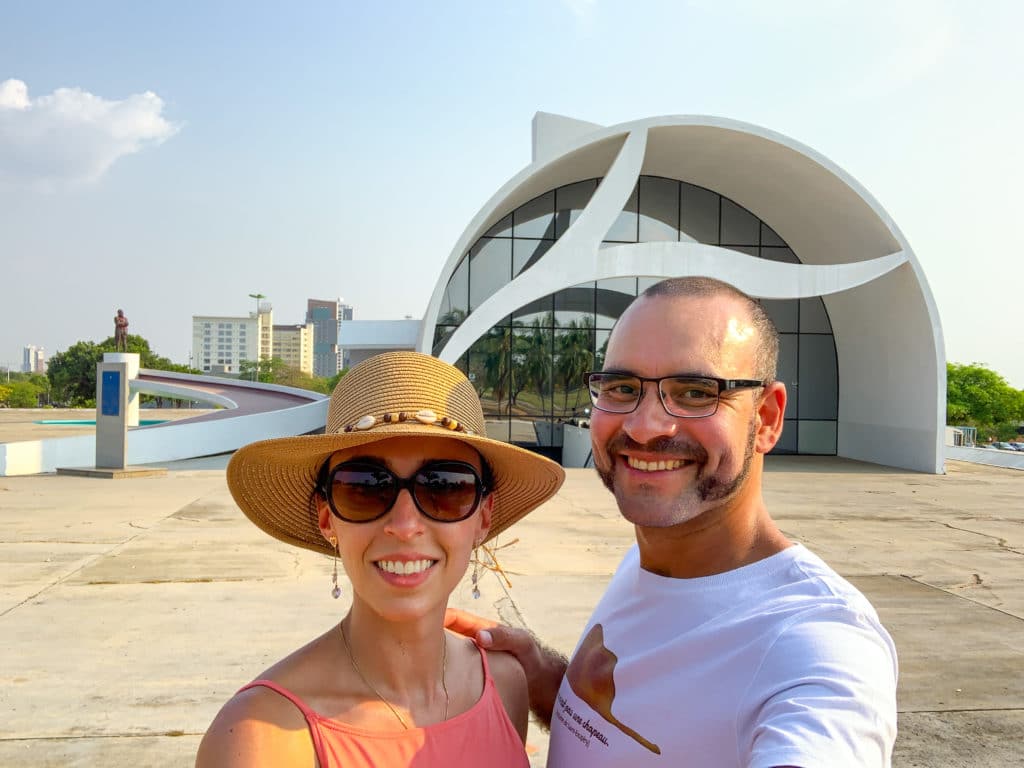
Memorial Coluna Prestes
- Designed by architect Oscar Niemeyer
- Covers 570 m²
- The entrance ramp and bronze sculpture are colored red, symbolizing blood shed for the nation
- The sickle shape symbolizes the communism championed by Prestes
- The outdoor bronze sculpture, like the Monumento da Súplica dos Pioneiros, depicts the “Knight of Light,” representing Luiz Carlos Prestes
- Opened October 5, 2001
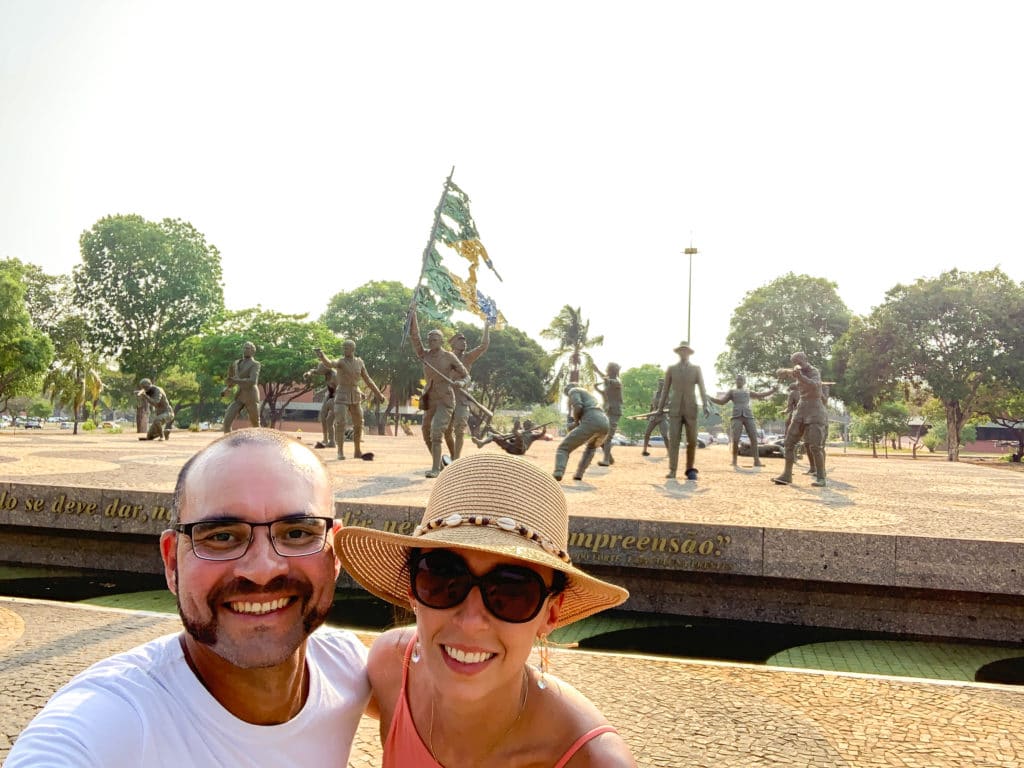
Monumento aos Dezoito pelo Forte
- Honors the seventeen soldiers and one civilian who rebelled in 1922
- They called for an end to the ruling oligarchies
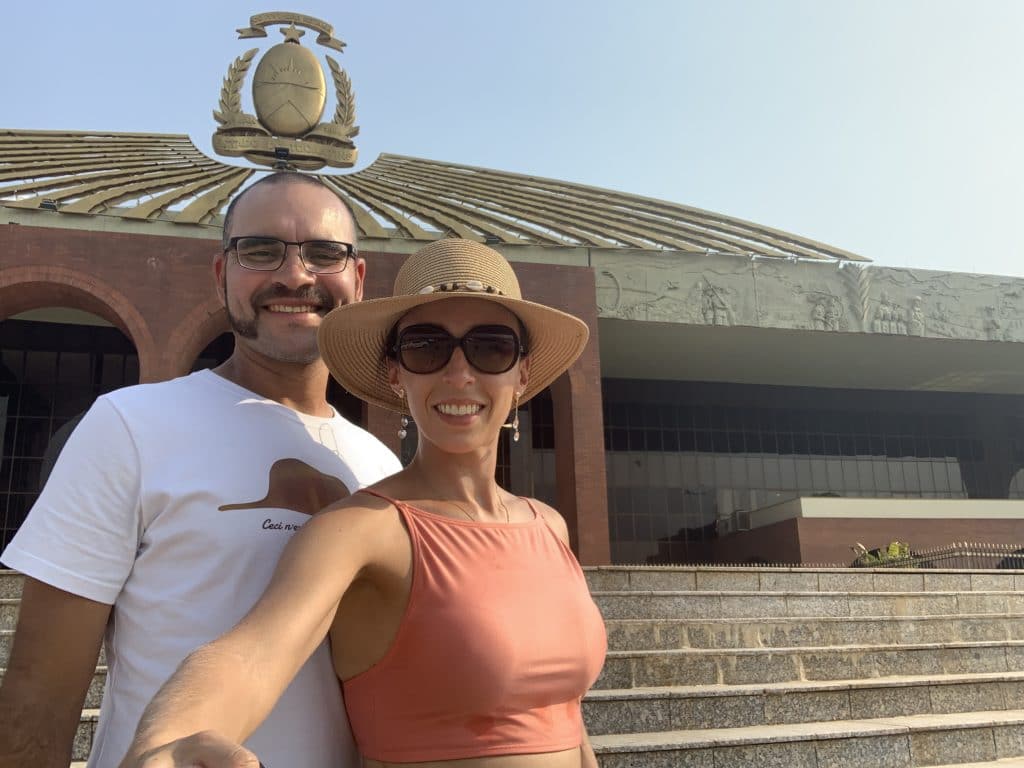
Frisas
- 144 panels depicting the history of Tocantins
- Created by artist Maurício Bentes
- Made of fiberglass resin, with raised relief figures
- Fifty-six of the panels depict historical scenes
- Line the upper edge of the Palácio Araguaia
Relógio do Sol
- Brazil’s largest horizontal sundial
- 6 meters tall, 60 meters in diameter
- Designed by architect Silênio Martins Camargo
- Opened September 7, 2000
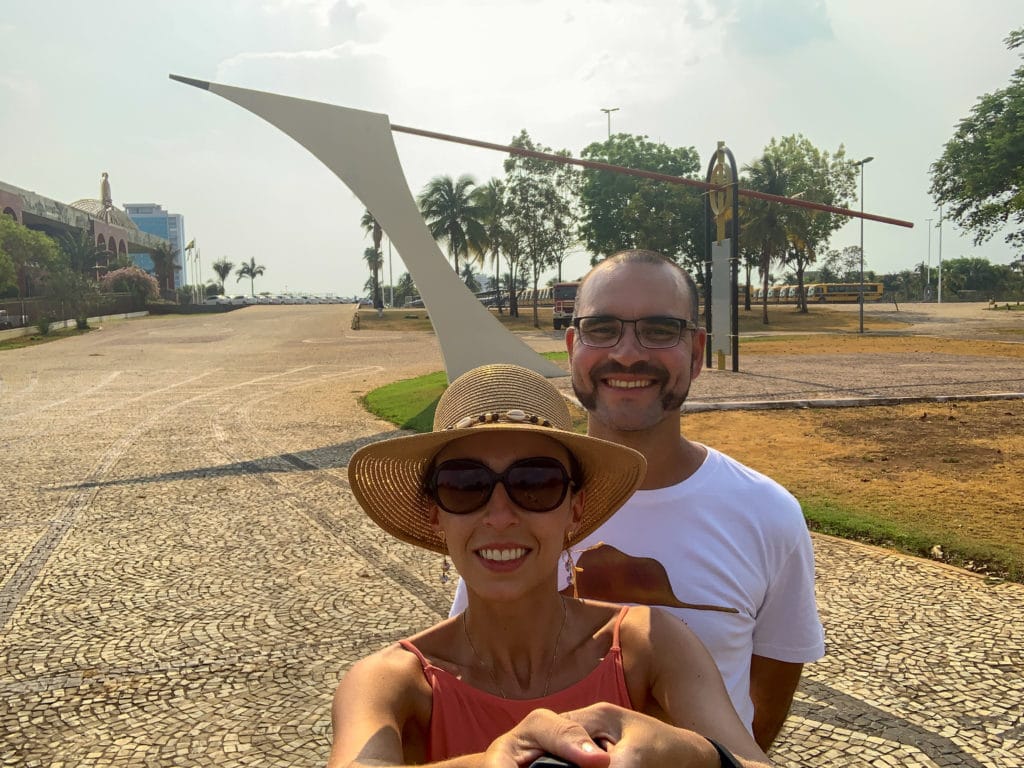
Palácio Araguaia in Palmas
- Seat of the state’s executive branch
- Opened March 9, 1991
- Designed by architects Maria Luci da Costa and Ernani Vilela
- Covers 14,000 square meters
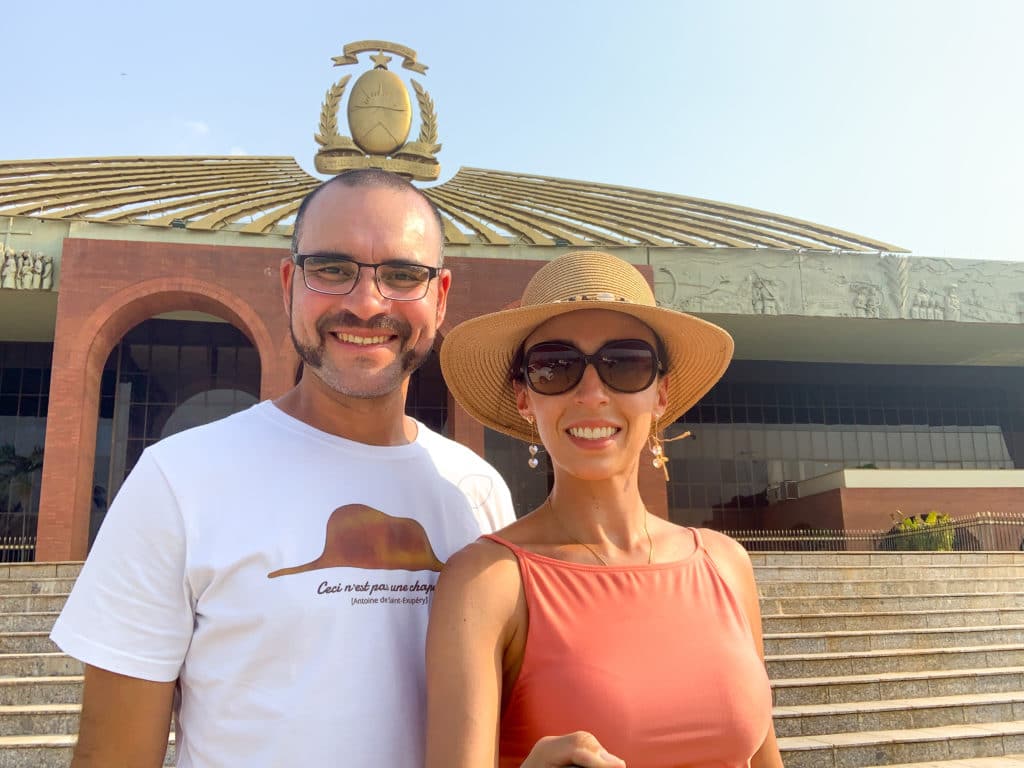
Catedral de Palmas
- Catedral Metropolitana Divino Espírito Santo
- Under renovation during our visit, so we skipped photos since it wasn’t worth it at the time.
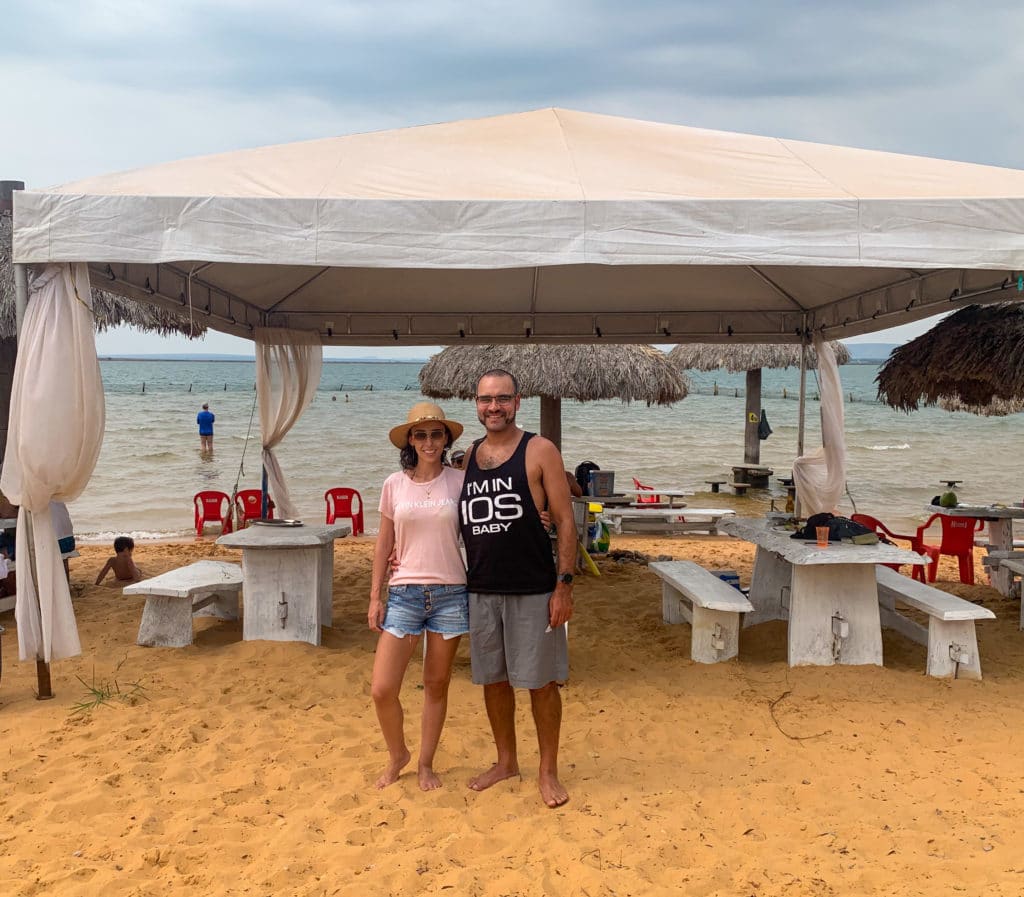
Praia da Graciosa
- A large, beautiful space used for cultural, recreational, sports, and boating events
- Part of the Lajeado Hydroelectric Dam reservoir
- The city’s main “beach”
- 520 meters of shoreline
- Home to bars and restaurants along the lagoon, making it a great spot to spend a few hours
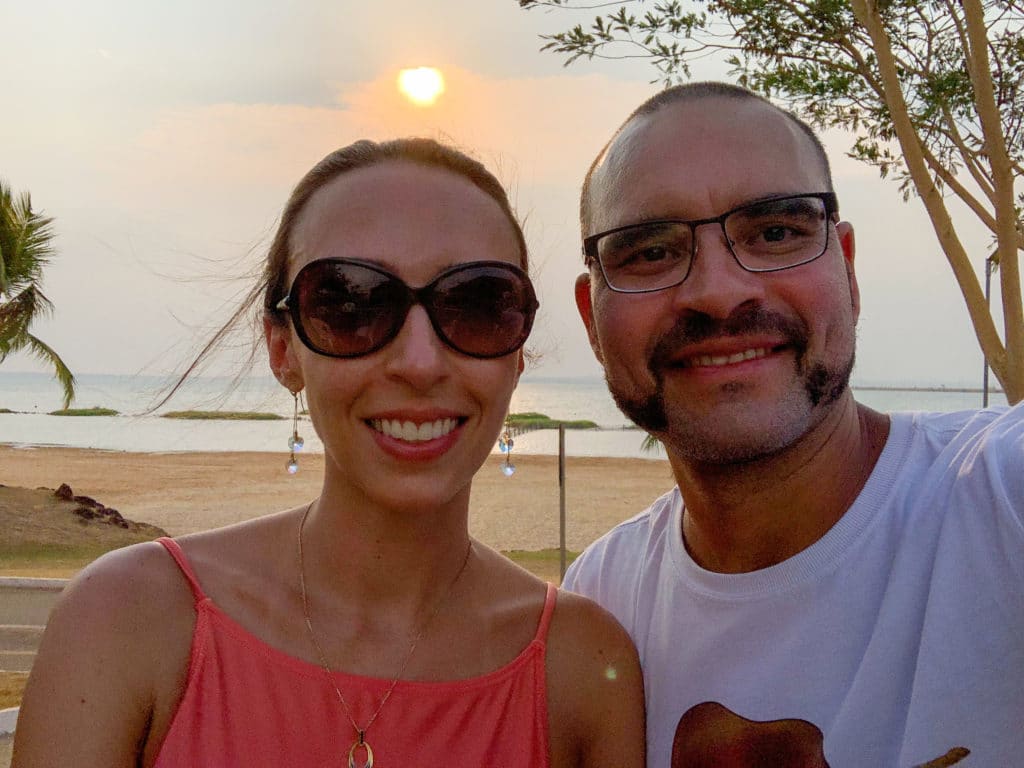
We came here for sunset, and it was genuinely lovely — we sat at a bar and watched the sun sink behind the clouds.
Ilha da Canela
- 3 km from Praia da Graciosa
- Solid infrastructure with a bar, restrooms, drinking fountains, showers, and kiosks
We took a speedboat out to the island with a local friend who lives in Palmas, where they charge R$20 for day-use access to the facilities.
We had lunch there, then continued to a neighboring island locals call “Ilha do Paulo” (built by a resident named Paulo), though it shows up on Google Maps as “Ilha dos Frevos.”
Ilha dos Frevos doesn’t charge admission, so plenty of boats (speedboats and floating platforms) anchor there so passengers can enjoy the beach.
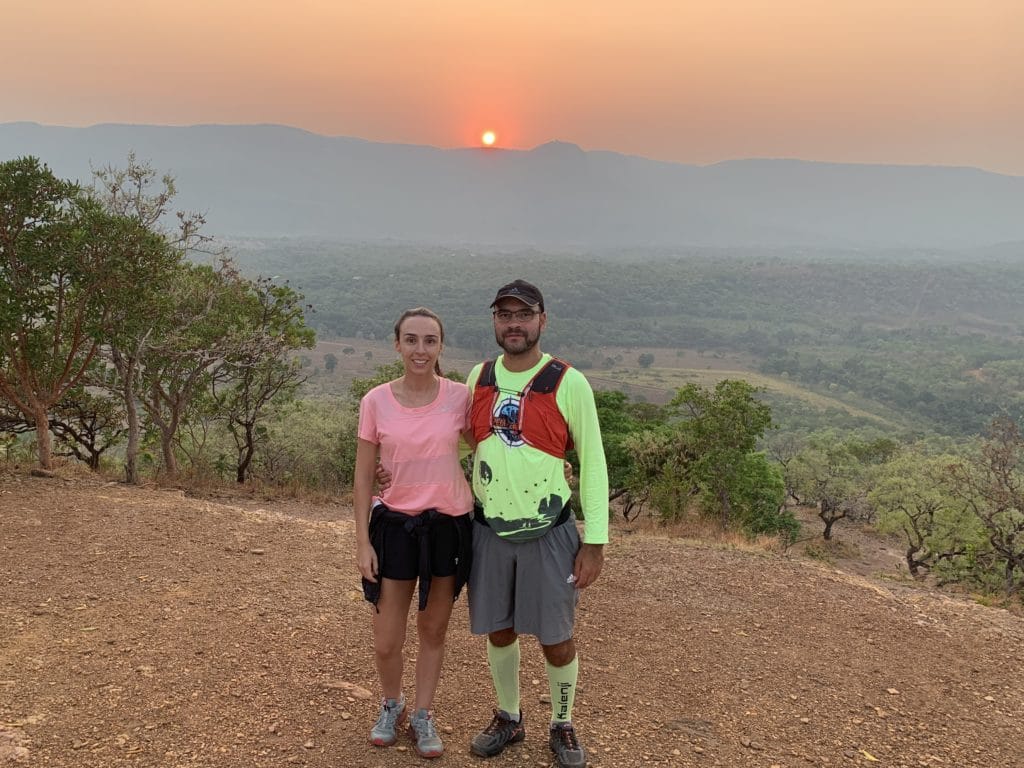
Mirante do Limpão
- 15 minutes by car from downtown Palmas
- Located on Pedra da Neura
- We’d recommend driving
- A 0.9 km trail from the parking area
We came here for sunrise, and it’s genuinely beautiful.
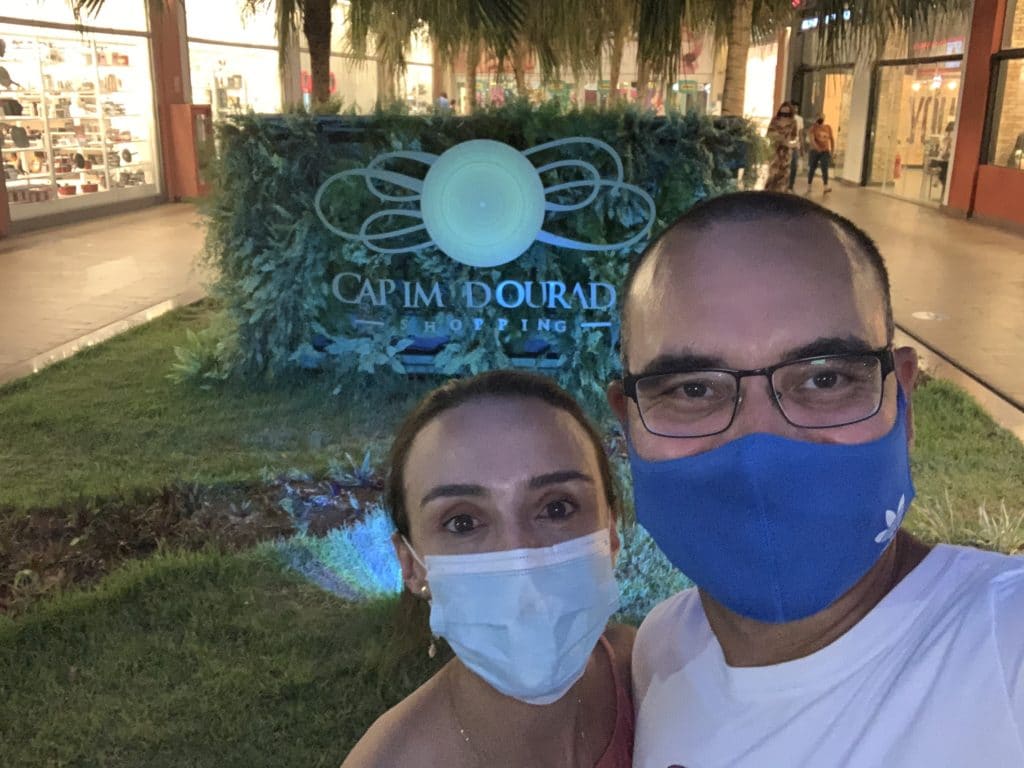
Shopping Capim Dourado
Don’t be fooled by the name — this is just a regular mall, with no gift or souvenir shops. Good for escaping the heat or picking up something you forgot, though.
Feira da 304 Sul in Palmas
A great spot to try local fruits and juices, with easy access and good parking.
There’s also the Feira do Bosque, selling handicrafts made from capim dourado (golden grass), though it’s only open Sunday afternoons, in a different part of town.
Where to stay in Palmas
Ibis Style
We picked Ibis Style for its location near Praça dos Girassóis, right in the city center — a great spot overall.
Free parking is included, though breakfast is an extra charge.
Read more about our trip to Tocantins in Taquaruçu do Porto and Jalapão.
Read the original version in Portuguese on A Bela e o Bigode.