What to Do in Curitiba
Curitiba is the capital of Paraná state, in southern Brazil, and it’s a great destination for anyone wanting to discover somewhere new over a long weekend or holiday, since the city offers countless leisure options.
Known for being well-organized, with lots of green space and big temperature swings throughout the day, so check the forecast before heading out and pack clothes for every kind of weather.
When to Go to Curitiba
Curitiba’s weather is genuinely unpredictable — it can be sunny, rainy, and cold all in the same day, and it sees heavy rainfall year-round, though you can enjoy the city any time of year, and we’ll break down the differences. When temperatures run high, there’s a chance of rain in the afternoon — that’s the summer months of January and February.
For anyone who enjoys cooler winter weather, go in June and July, also dry months with a low chance of rain.
The months with the highest chance of rain run from October to March, sometimes raining all day, though it’s more likely to be afternoon and early-evening showers.
The best months to visit Curitiba are April and September, for a lower chance of rain, letting you pick whether you’d rather have cooler or warmer weather — fall is great, since it’s neither too cold nor too rainy between April and May.
Tourism picks up in the city during the Theater Festival, held in March, drawing large crowds. The other big draw is Natal Luz (Christmas Lights), which fills Curitiba with attractions throughout December — the parks light up, and there’s a nighttime appearance from Santa Claus.
Getting to Curitiba from São Paulo
Curitiba sits 405 km from São Paulo. You can get there by plane, car, or bus.
The main way to reach the city is by air. Curitiba’s largest airport is Aeroporto Internacional de Curitiba - Afonso Pena (CWB), located in São José dos Pinhais, 18 km from downtown. The flight takes 45 minutes to 1 hour if it’s direct.
One fun fact: there are no direct flights from cities in Brazil’s north and northeast to Curitiba, so you’ll need to connect through a southern or southeastern city.
From the airport to downtown, you can rent a car or take a taxi or Uber.
By bus, the trip from São Paulo to Curitiba takes about 6 hours on average. Buses depart from Rodoviária Tietê, run by Cometa and Itapemirim, and passengers can choose regular seats, semi-sleeper, or full sleeper. Arriving at the Rodoferroviária de Curitiba, you’ll be about 2 km from the historic downtown.
By car, the 405 km can be covered in around 5 hours and 30 minutes via BR-116, the highway connecting Curitiba and São Paulo.
What to Do in Curitiba
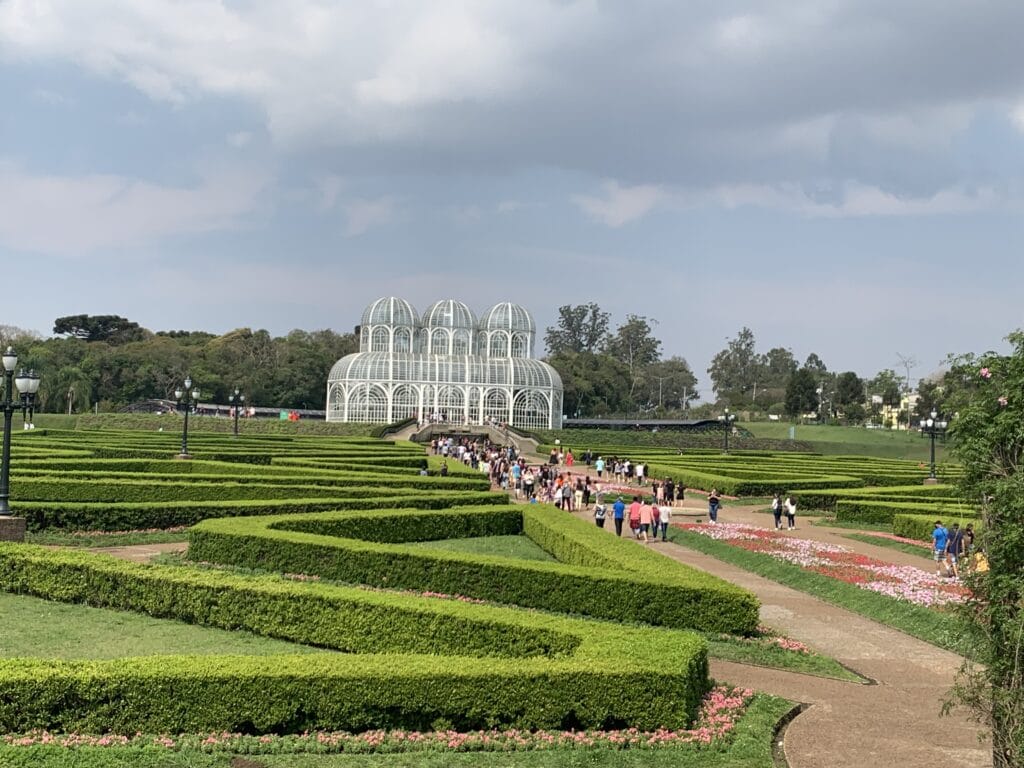
Jardim Botânico de Curitiba
This is the city’s biggest postcard landmark, and it’s genuinely hard to resist so much beauty, not just in its beautiful gardens but also in the charming glass dome that decorates the center of the park. Its design was inspired by London’s Crystal Palace, and it will absolutely reward you with beautiful photos.
Jardim Botânico
Museu Oscar Niemeyer (MON)
This is the building of the Museum of Modern Art (website), a great photo spot, since it’s shaped like an eye and was designed by Oscar Niemeyer. It’s one of the best spaces dedicated to art in Curitiba, offering both permanent and traveling exhibitions. The collection includes names like Di Cavalcanti, Andy Warhol, Tarsila do Amaral, Candido Portinari, Tomie Ohtake, and more.
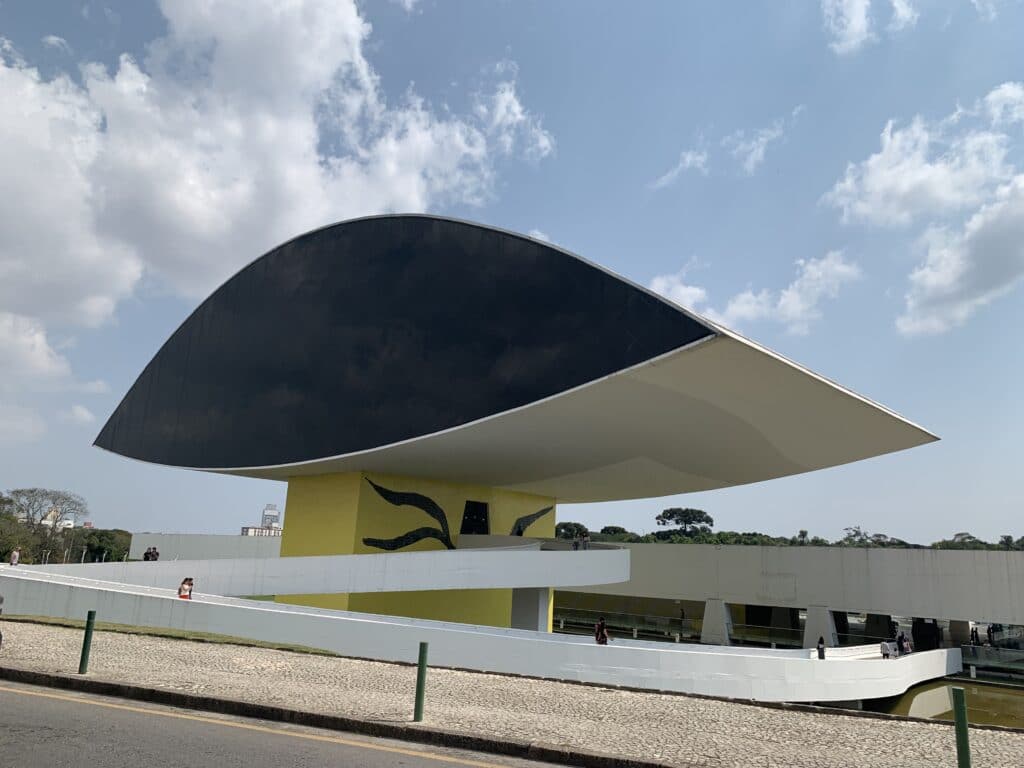 Museum of Modern Art
Ópera de Arame and Parque das Pedreiras
Another postcard landmark for the city is, without question, the Ópera de Arame, whose large glass-structured dome serves as a stage for shows of all kinds. Alongside the Espaço Cultural Paulo Leminski, the Ópera de Arame forms a large space dedicated to art and culture in Curitiba. Admission is R$15.00 per person.
Located inside Parque das Pedreiras (website), the complex also includes the restaurant Ópera Arte, right beside the lake, with a floating platform where performers take the stage while you dine — beautiful to watch, and the food is great and generously served too.
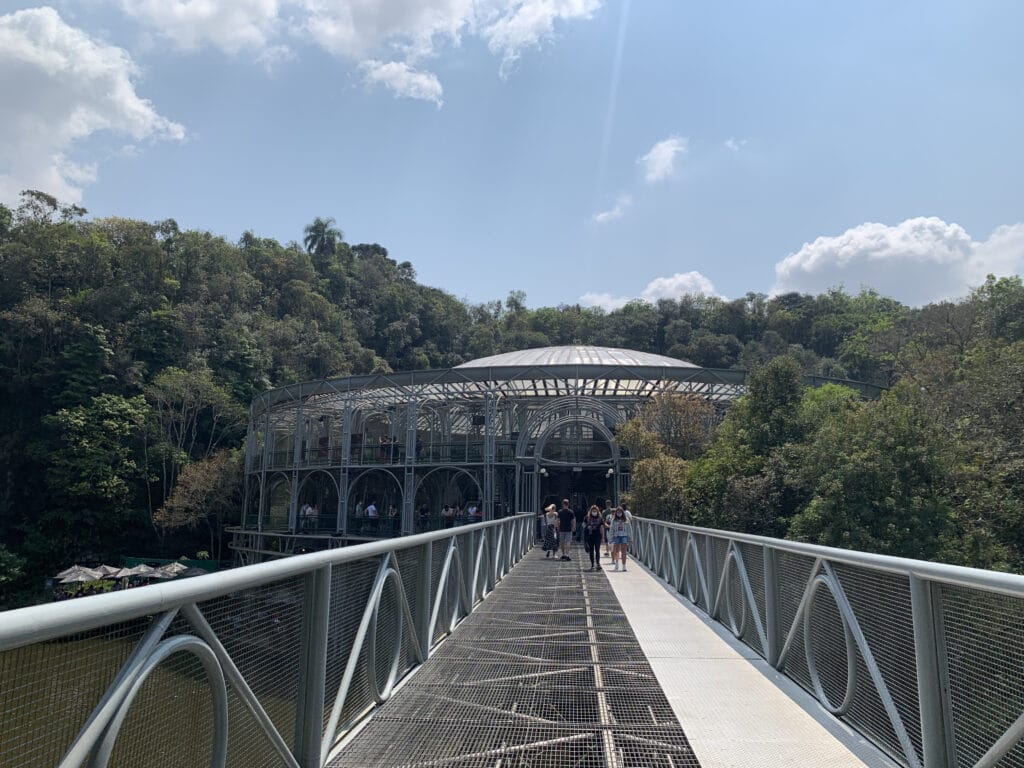 Ópera de Arame
Oi Torre Panorâmica
Standing over 100 meters tall with a 360° view of the city, the Oi tower is one of the best spots to take in Curitiba — sunset is the best time to visit, though it’s beautiful enough to be worth going any time of day.
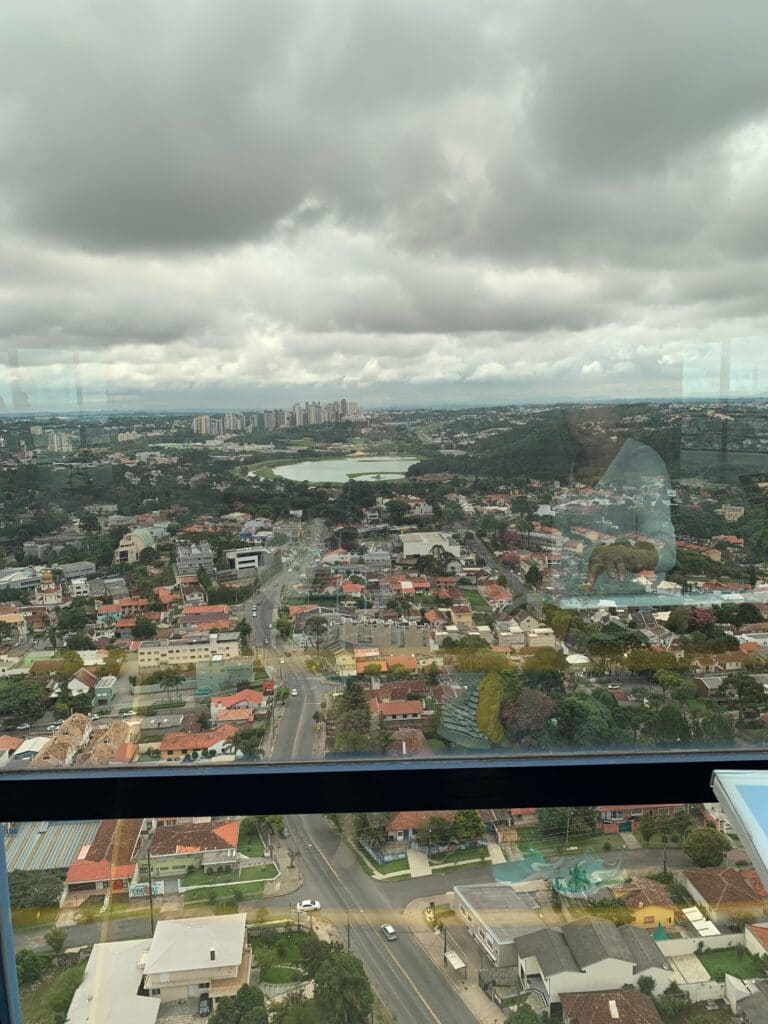 View from the top of the Oi Torre Panorâmica
Memorial da Imigração Japonesa
Located in the Praça do Japão, built in 1993, this includes the Portal Japonês, the Casa da Cultura, and the Casa de Chá, honoring the Japanese immigrants who came to the region.
Around the square are 30 cherry trees donated by Japan in tribute to the monument. The spot is genuinely peaceful and fills the whole square, with people doing free meditation sessions, biking, running, and walking their dogs — a place of real calm and tranquility.
The memorial also has a small shop selling Japanese products like origami, artwork, earrings, and more.
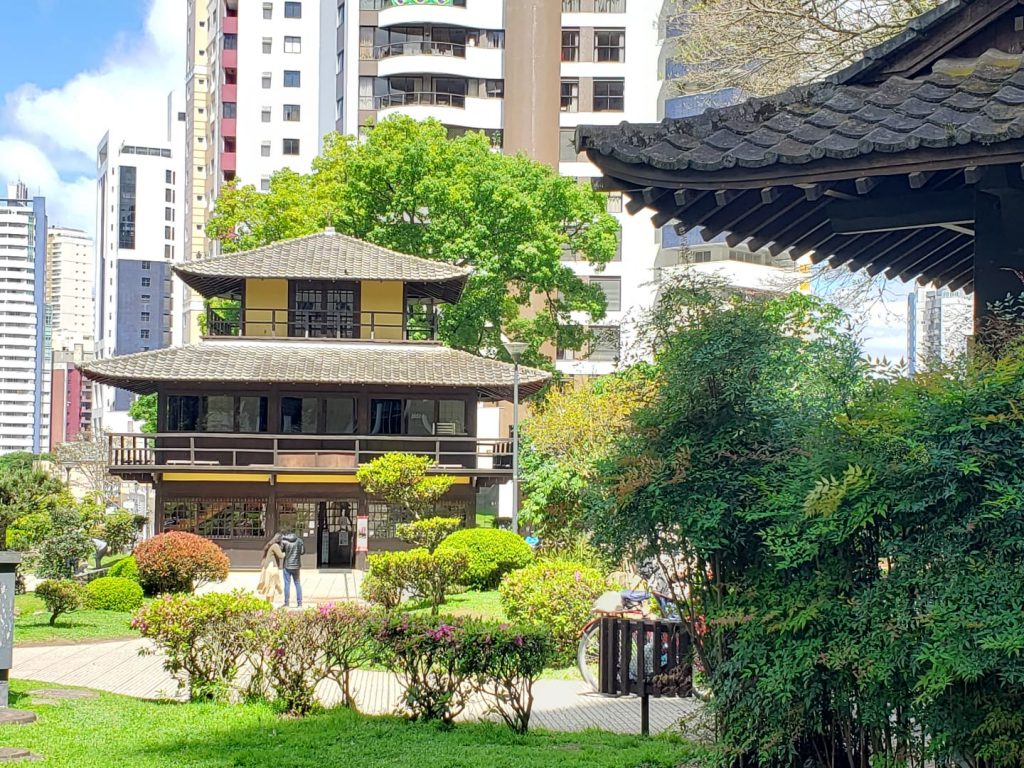 Memorial da Imigração Japonesa
Memorial Ucraniano
Just 5 minutes from Parque Tingui is the Memorial Ucraniano. It’s a genuinely curious space, with houses built in Byzantine style, surrounded by beautiful gardens full of colorful flowers. The highlight is a replica of the Church of St. Michael, originally built in the Serra do Tigre. Inside, the story of Ukraine is told from its founding through an exhibition of pysanky.
Pysanky are hand-painted colored eggs characteristic of Ukrainian culture, traditionally used to celebrate the start of spring and, with the arrival of Catholicism, now symbolizing Easter. In the outdoor area behind the church stands a sculpture referencing this tradition. There’s also a shop outside selling Ukrainian products, including the eggs, and it doubles as a café.
The memorial was built to mark the centennial of Ukrainian immigration to Curitiba. Immigration began in 1891, when eight families arrived from Ukraine, and today the city has more than 45,000 residents of Ukrainian descent.
Note: the park is full of horseflies and mosquitoes, so bring repellent!!!!!
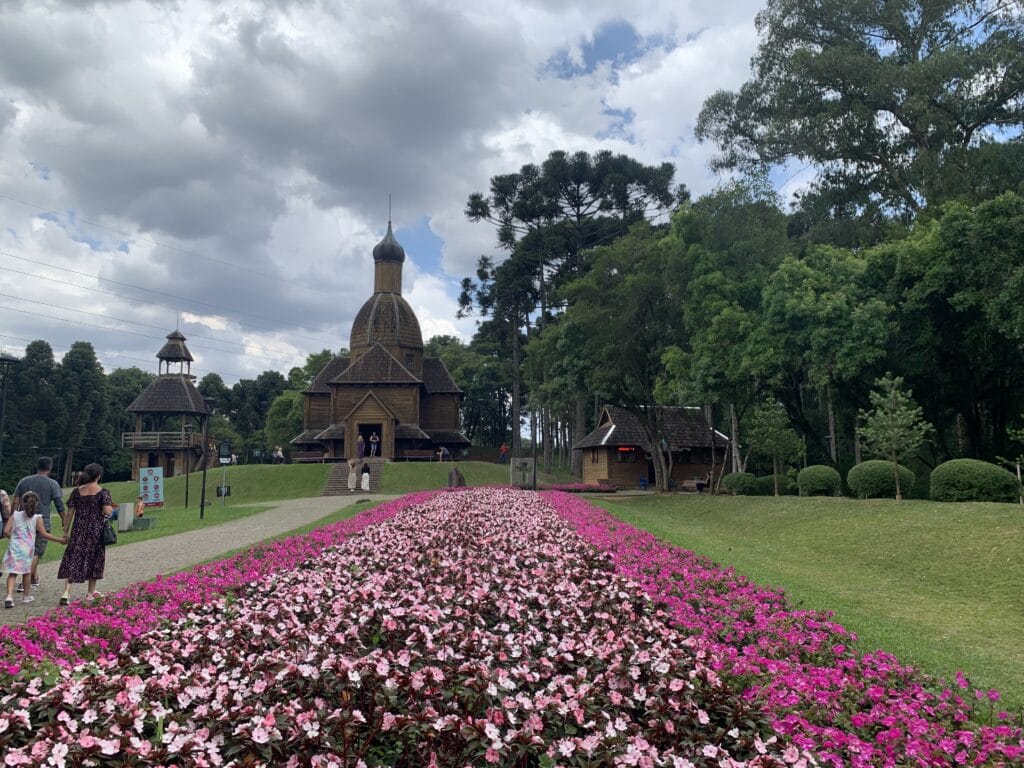 Memorial Ucraniano
Eating in the Santa Felicidade Neighborhood
One of Curitiba’s most touristy neighborhoods is, without a doubt, Santa Felicidade. With Italian cantinas scattered throughout, and packed with gourmet markets, shops, chocolatiers, and traditional Italian restaurants.
Santa Felicidade draws tourists with its old-world Italian charm and decor. It’s a great spot to have lunch, and we’d recommend the famous restaurant Madalosso — we ended up going to Velho Madalosso, though there’s also a newer branch with a playground, an express sidewalk-dining option, and even iFood delivery, priced at R$72.00 per person.
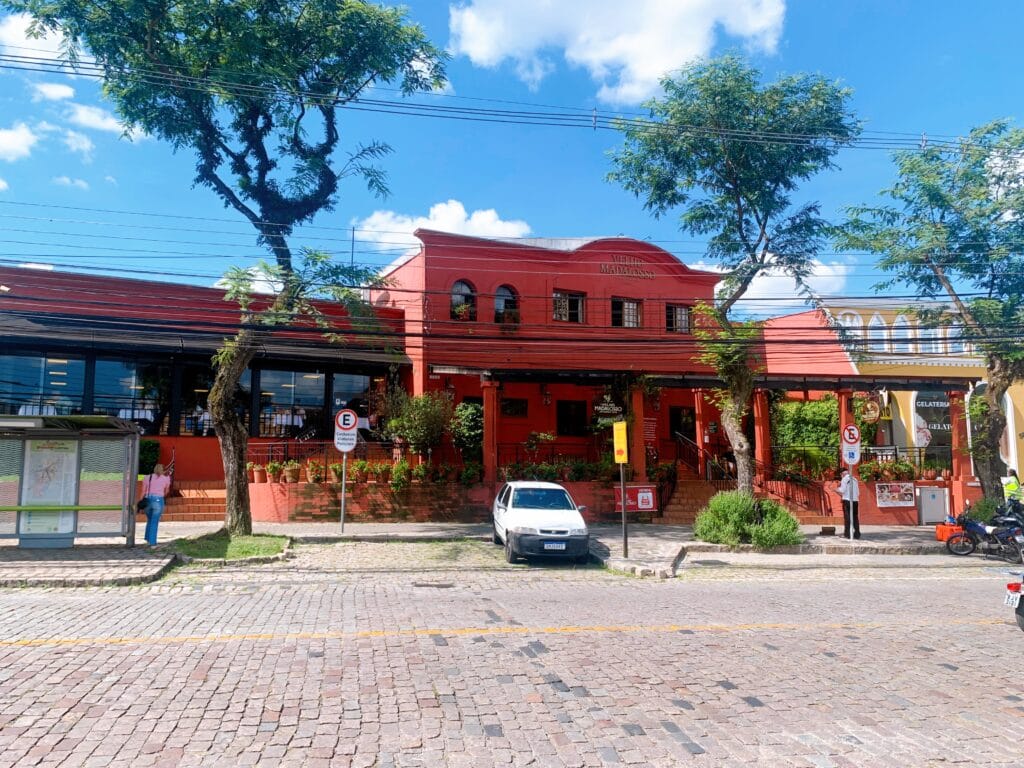 Velho Madalosso
After stopping by Floryball or Cacau Show to buy some chocolate, wine lovers should check out Vinhos Durigan; the shop sells chocolate, cheese, cured meats, sparkling wines, wines, and grape juices, with a fun, charming decor worth checking out.
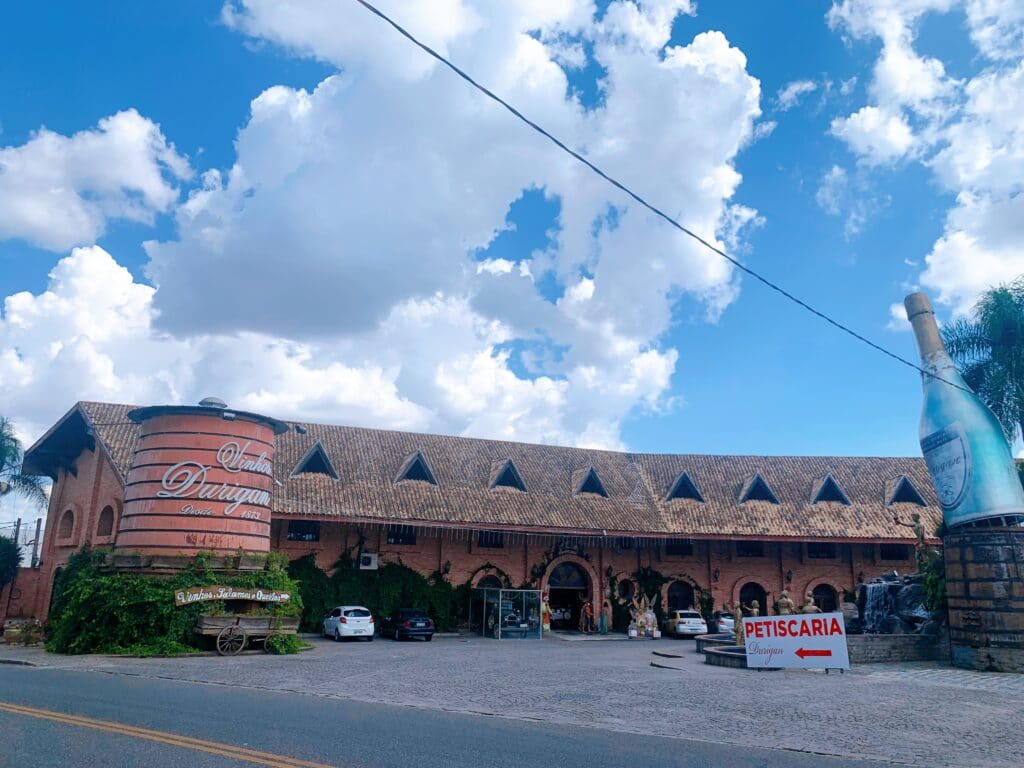 Vinhos Durigan
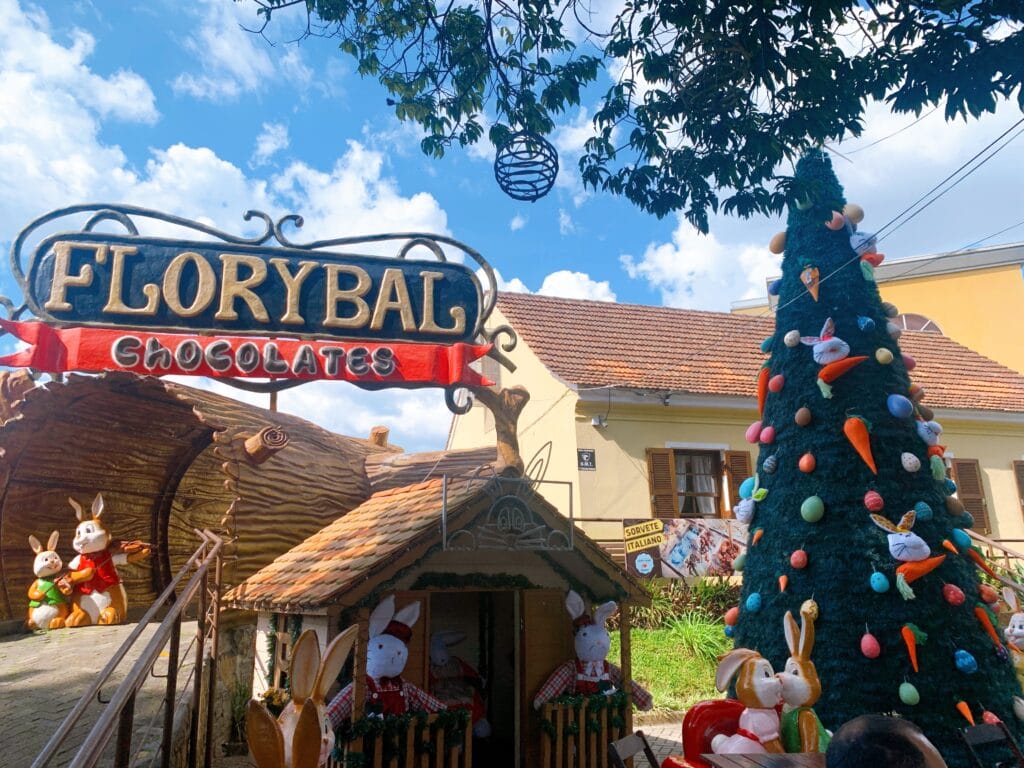 Florybal Santa Felicidade
Centro Histórico de Curitiba
The historic downtown offers a range of ways to explore it. If you want a guided tour and don’t mind walking, you can join Curitiba Free Walking, held every Saturday at 11 AM, departing from the steps of UFPR’s historic building, at Praça Santos Andrade.
For anyone who’d rather not walk as much, there’s the Ônibus Linha Turismo (URBS), which passes 26 tourist attractions in Curitiba, covering 48 km over a 3-hour tour, departing from in front of the Cathedral and stopping at various points around the city — or you can just walk downtown on your own.
We ended up doing the tour ourselves on foot, but we’d still like to try the guided tours sometime.
Throughout the old downtown, you can see the contrast between old and new, and it’s beautiful to see the well-restored old houses.
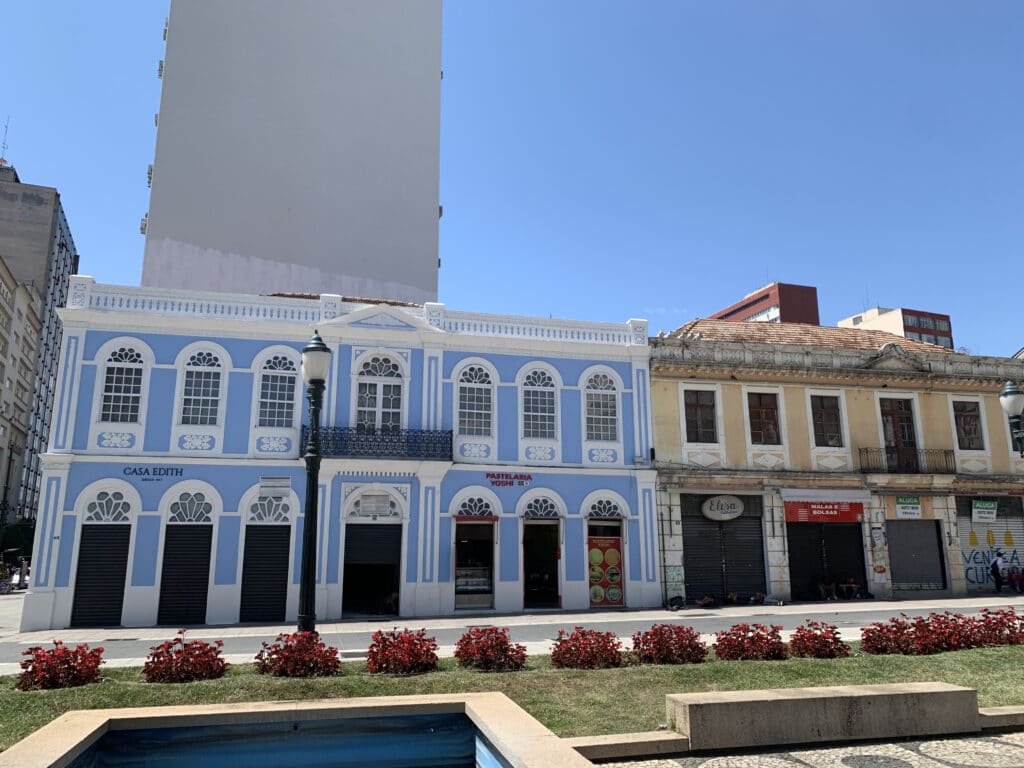 Contrast in the historic downtown
Paço da Liberdade - Sesc
Opened on February 24, 1916. The building is protected as a landmark by the municipal government and by Paraná’s State Department of Culture, as well as by Brazil’s National Historic Heritage institute (IPHAN).
Reopened in 2009 after a restoration funded by SESC, it became a cultural center run by the organization. Of all the buildings in the area, this is one of the most beautiful.
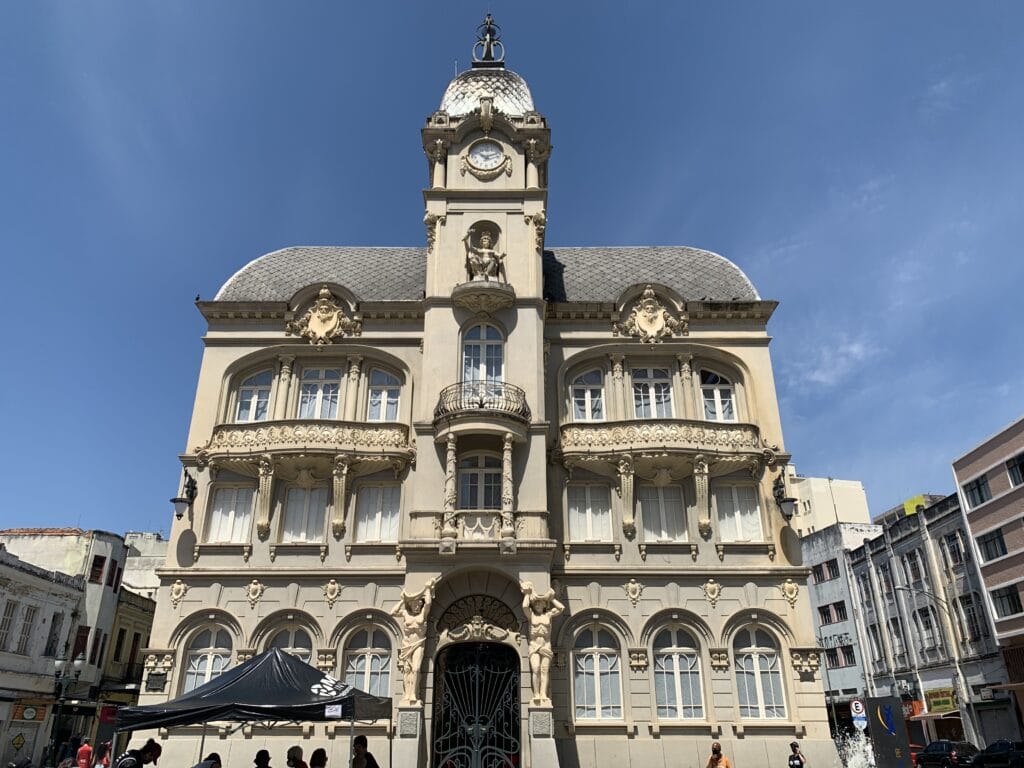 Sesc Paço da Liberdade
Largo da Ordem
Largo da Ordem is the spot where Curitiba is believed to have begun, in the late 17th century, and it became a major commercial hub during the 18th and 19th centuries. Today, buildings from that era still house lively shops and traces of local history.
Every Sunday, a well-known street fair runs from 9 AM to 2 PM at Largo da Ordem, in Curitiba’s historic downtown, with plenty of food stalls, antiques, and souvenirs like mugs, dish towels, and wooden crafts — so put it on your list if you’re spending a weekend in the city.
And if you go, we’d recommend comfortable clothes and sneakers, since the fair is huge and spreads across the whole downtown area.
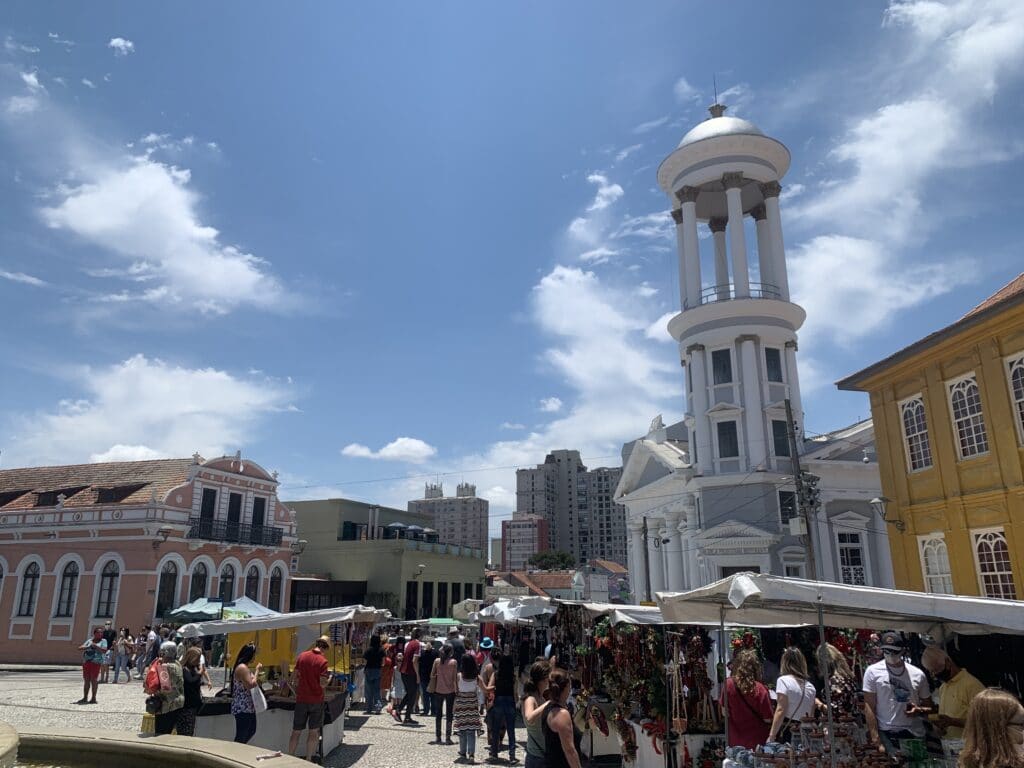 Largo da Ordem fair
Igreja da Ordem Terceira de São Francisco de Chagas
Better known simply as Igreja da Ordem, it was built in 1737, making it Curitiba’s oldest church. It was originally called Igreja de Nossa Senhora do Terço, but it took its current name after the Order of São Francisco arrived in Curitiba in 1746. Beautiful to visit — one of those simple churches that’s stunning inside.
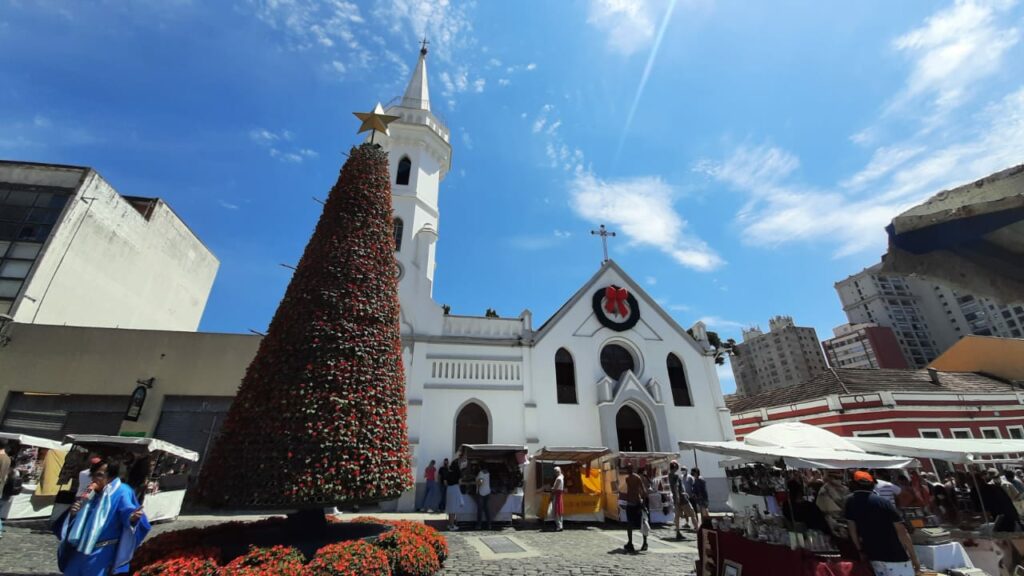 Igreja da Ordem Terceira de São Francisco de Chagas
Casa Romário Martins
Built in the 18th century in Portuguese colonial style, Casa Romário Martins is considered Curitiba’s oldest house. It served as a residence until the early last century, when it became a dry-goods store owned by Guilherme Etzel, and later, starting in 1930, Armazém do Roque.
Opened on December 14, 1973, Casa Romário Martins became the first institution dedicated to preserving Curitiba’s historical memory — the founding base of the Casa da Memória and the Cultural Heritage Office of the Curitiba Cultural Foundation. It’s named after Curitiba chronicler and historian Alfredo Romário Martins (1874-1948).
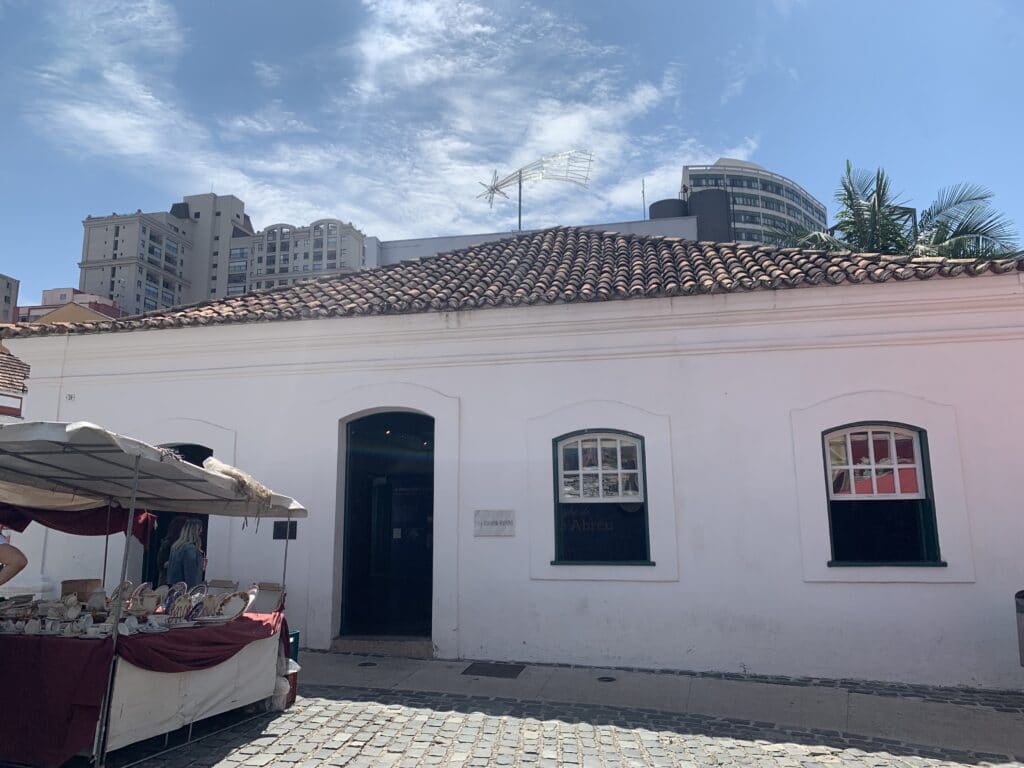 Casa Romário Martins
Catedral de Curitiba
The Catedral Basílica Menor de Nossa Senhora da Luz dos Pinhais is, without a doubt, the main church of the Archdiocese of Curitiba (website). A small wattle-and-daub church stood on the site as early as 1668. In 1721, a larger one was built in stone and clay, which was in turn demolished between 1875 and 1880 to make way for today’s cathedral, built between 1876 and 1893.
The cathedral was built in Neo-Gothic style, inspired by the Barcelona Cathedral in Spain. The interior is really beautiful, so it’s genuinely worth a visit.
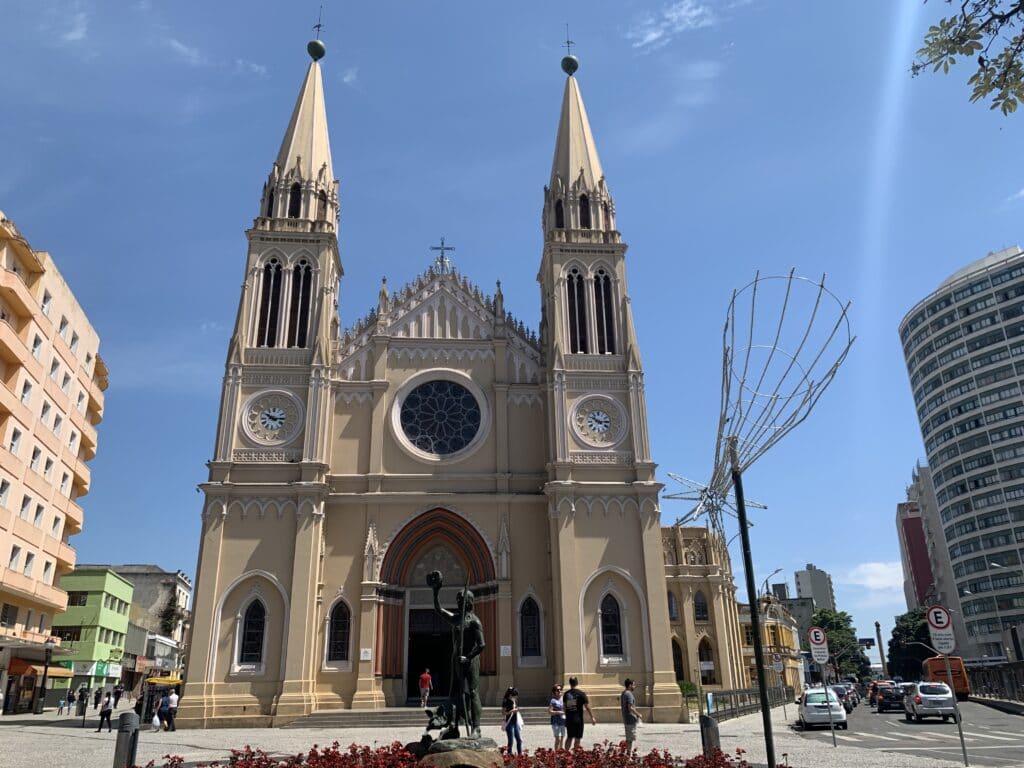 Catedral de Curitiba
Mercado das Flores
Located behind SESC Paço da Liberdade, a great spot to buy a flower or bouquet as a gift.
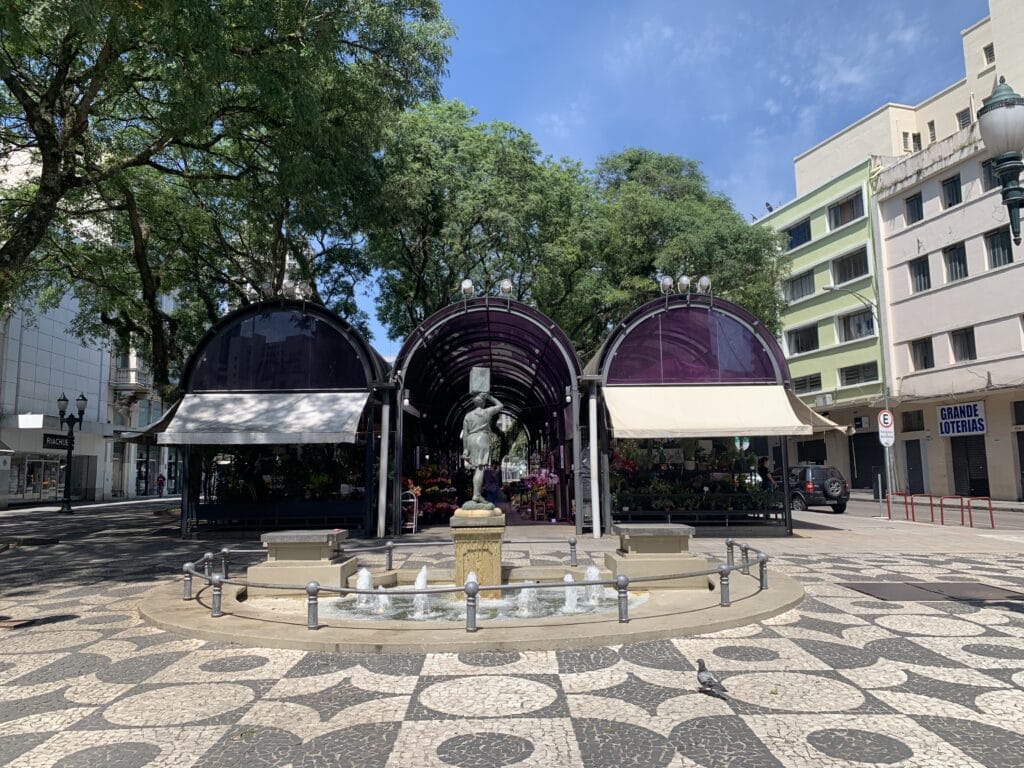 Mercado das Flores
Fundação Cultural de Curitiba
The Fundação Cultural de Curitiba grew out of the wave of urban transformation the city went through in the 1960s and ’70s, involving not just city planning initiatives but also a policy of preserving the city’s culture and history.
The designation of the Historic Sector, the creation of the Centro de Criatividade de Curitiba, and finally the opening of the Teatro do Paiol all happened in the early ’70s. When we visited, there was a free exhibition of watercolor paintings that looked almost like photographs, and it’s a genuinely pleasant space. Check the schedule on the website.
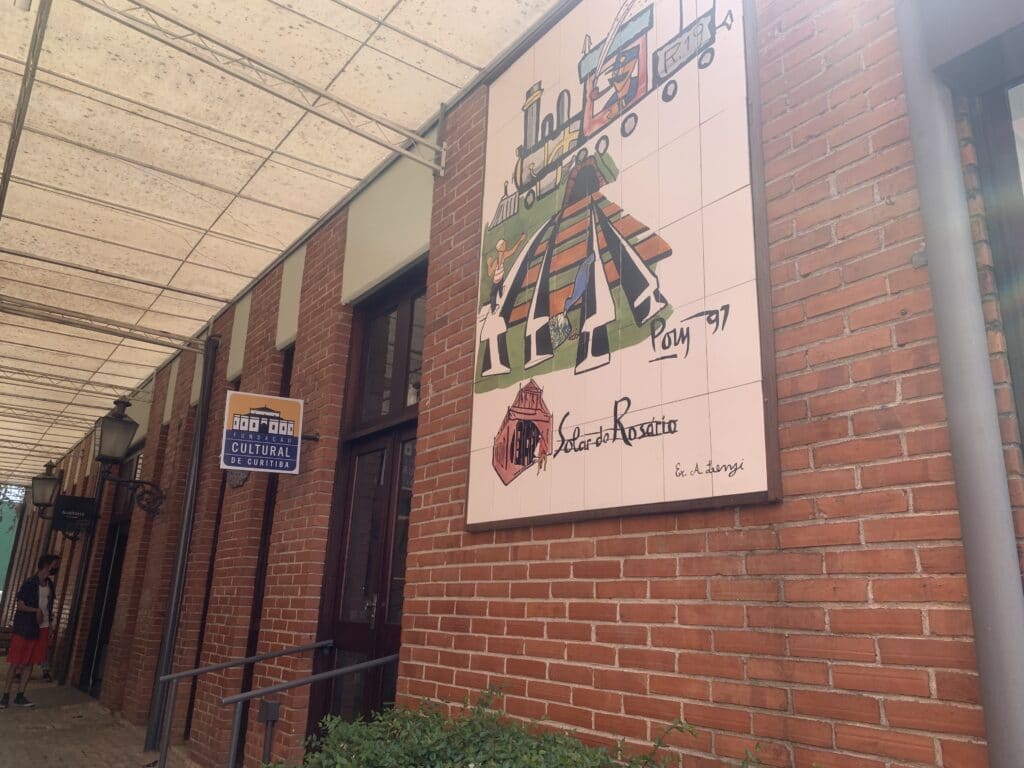 Fundação Cultural de Curitiba
Associação Giuseppe Garibaldi
The Sociedade Garibaldi was founded in 1883, and its headquarters was designed by Ernesto Guaita. Located on Praça Garibaldi, in the heart of Curitiba’s historic downtown, it was founded to bring together Italian immigrants in the city.
The building is beautifully preserved and is used for events today.
 Associação Giuseppe Garibaldi
Igreja Nossa Senhora do Rosário de São Benedito
Located on Largo da Ordem, facing Praça Garibaldi, built in Baroque style, it opened in 1946, built on the site of the original church, demolished in 1931.
One curious fact: it was built by and for enslaved people, first opening in 1737 in colonial style. It was Curitiba’s third church, after the Matriz and Igreja da Ordem. Originally named Igreja Nossa Senhora do Rosário dos Homens Pretos de São Benedito, after the abolition of slavery it became known as Igreja dos Mortos (“Church of the Dead”), and today it’s also known as Santuário das Almas (“Sanctuary of Souls”).
Designated a municipal landmark, it’s classified as a UIP (Unit of Preservation Interest), since it retains the characteristics of the city’s neocolonial architecture.
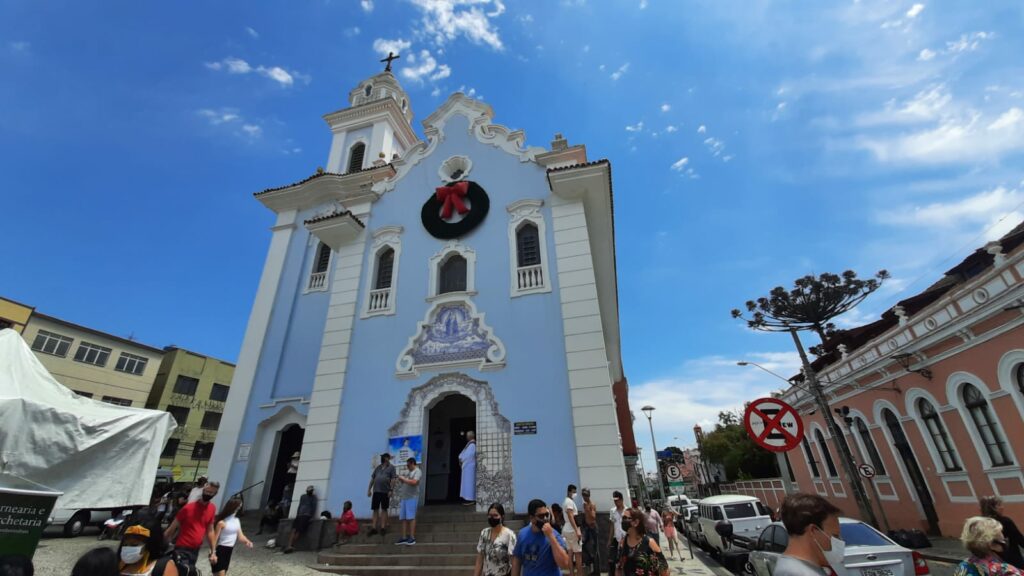 Igreja Nossa Senhora do Rosário de São Benedito
Palácio Belvedere in Curitiba
Built in 1915, on the site of the former chapel of Alto do São Francisco. The engineer and then-mayor, Cândido Ferreira de Abreu, conceived and designed it as a lookout point, since the site sat at the highest point in the city’s then-urbanized center.
It remained a lookout until 2022, later housing a radio station, an astronomical observatory, and today it’s home to the Academia Paranaense de Letras, with a Senac café-school on the ground floor. The building is a state government historic landmark, designated in 1966.
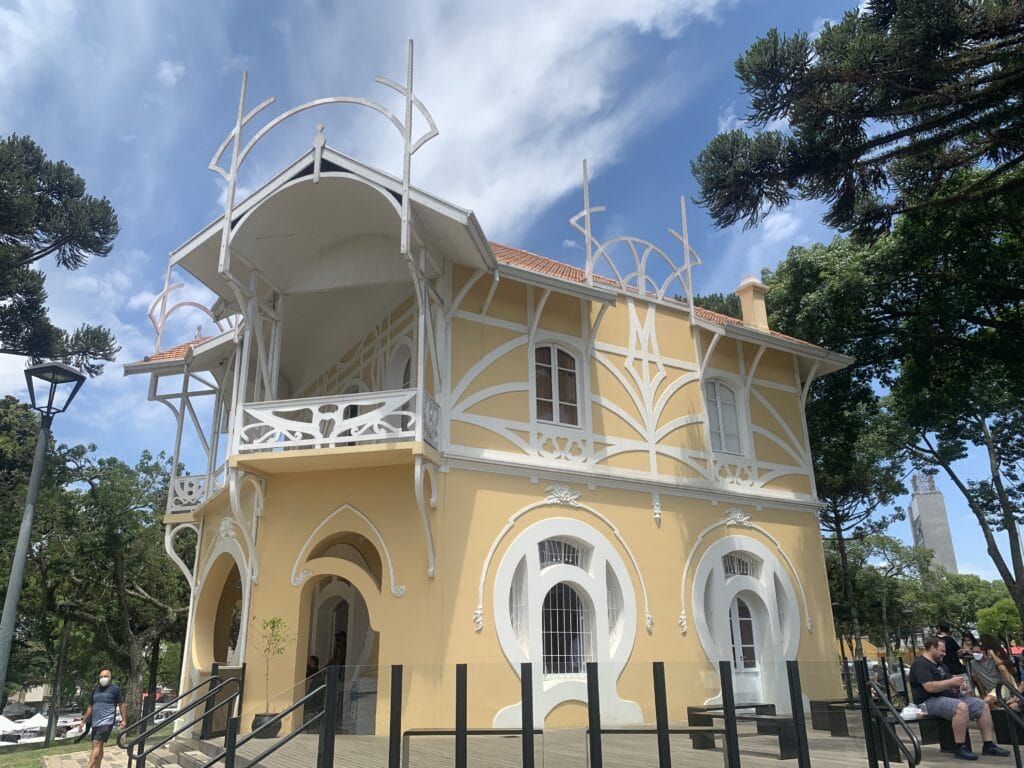 Palácio Belvedere
Museu Paranaense
Run by the state government, it was founded on September 25, 1876, considered the third-oldest museum in Brazil. Beyond its historical exhibition rooms, it also hosts temporary exhibitions organized around historical and social themes.
Admission is free, and we caught an exhibition about the Indigenous peoples who lived in the region and across Brazil; we found it a bit confusing, missing some explanations and context, but still worth a visit.
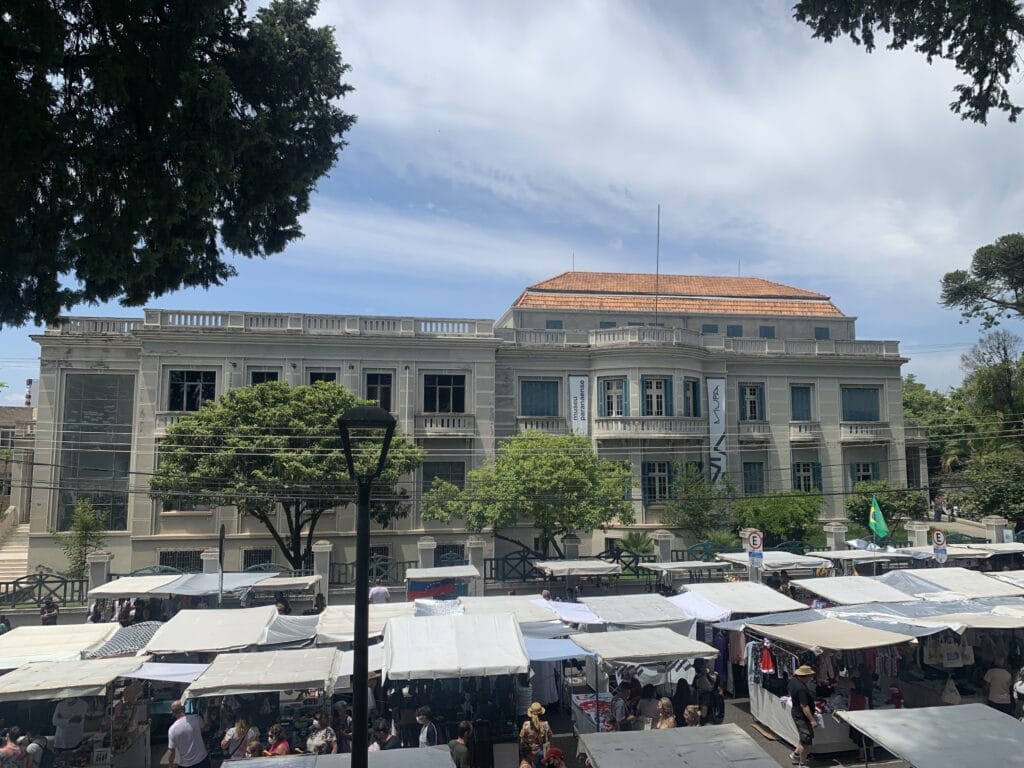 Museu Paranaense
Palácio Avenida in Curitiba
The Palácio Avenida is a historic building in Curitiba. Construction began in 1927 and finished in 1929, built by Syrian-Lebanese immigrant and businessman Feres Merhy.
The building has housed offices, shops, cafés (like the beloved Café Guairacá), and the Cine Avenida, one of the first movie theaters in the state capital. Today it belongs to Bradesco, serving as the bank’s regional headquarters. The ground floor is a bank branch, while near the rooftop terrace sits the “Teatro Avenida,” which seats 250.
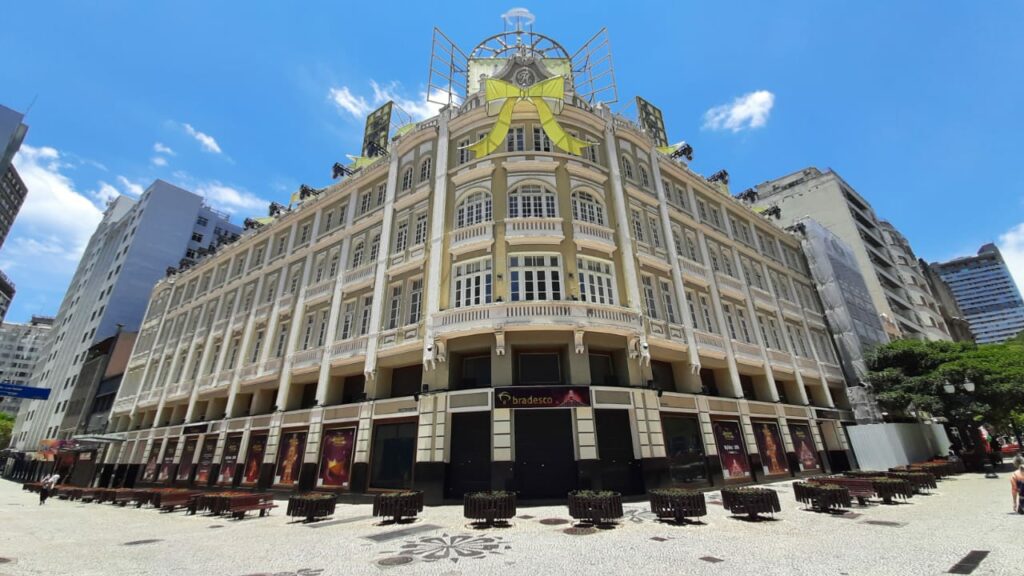 Palácio Avenida
Rua Monsenhor Celso
The street now known as Rua Monsenhor Celso was originally called Rua Formosa, but in the 1930s it took its current name, honoring the beloved local priest Monsenhor Celso Ityberê da Cunha.
This street was once mostly homes, along with a few businesses that marked the era, like Alfaiataria Bom Marché, Chapelaria Elegante, and the luxurious Club Curitibano.
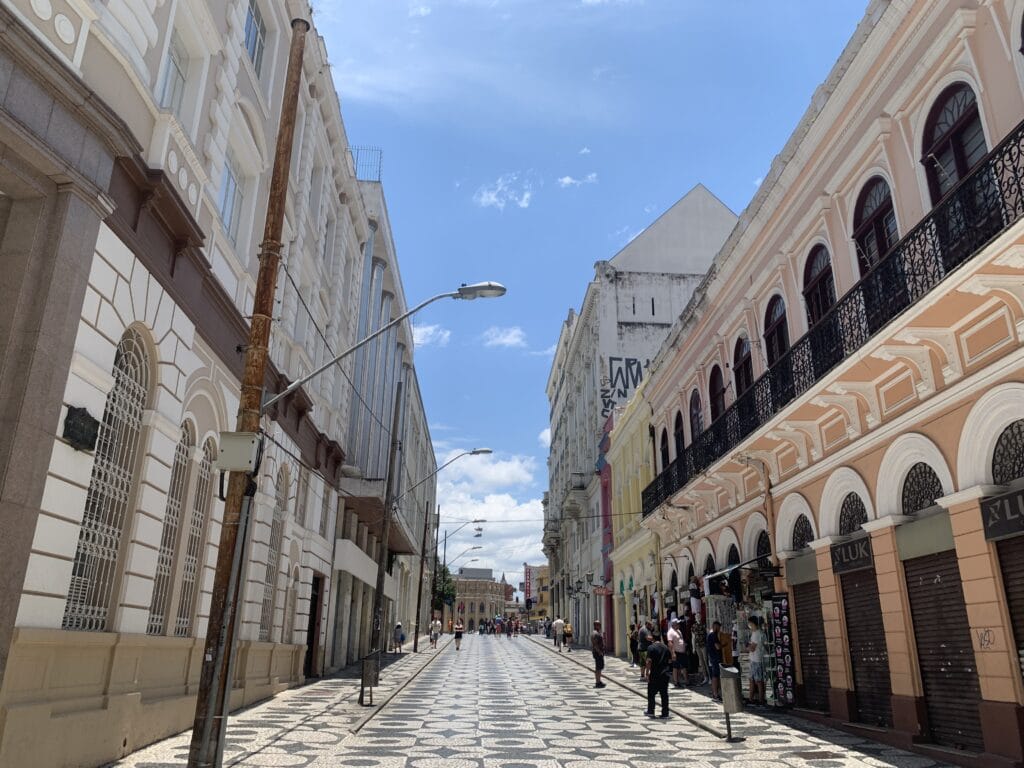 Rua Monsenhor Celso
Passeio Público
Passeio Público is Curitiba’s oldest and most central park, once known locally as the Jardim Botânico, and it was also the city’s first zoo.
The gates at its main entrance, on Carlos Cavalcanti, are original and historic, inspired by the gate of the Cimetière des Chiens in Paris, a universal symbol of love and respect for animals.
The spot is great for a sunny-day outing, and worth bringing kids to at year’s end, since it hosts the beautiful Natal Luz lighting and decoration display.
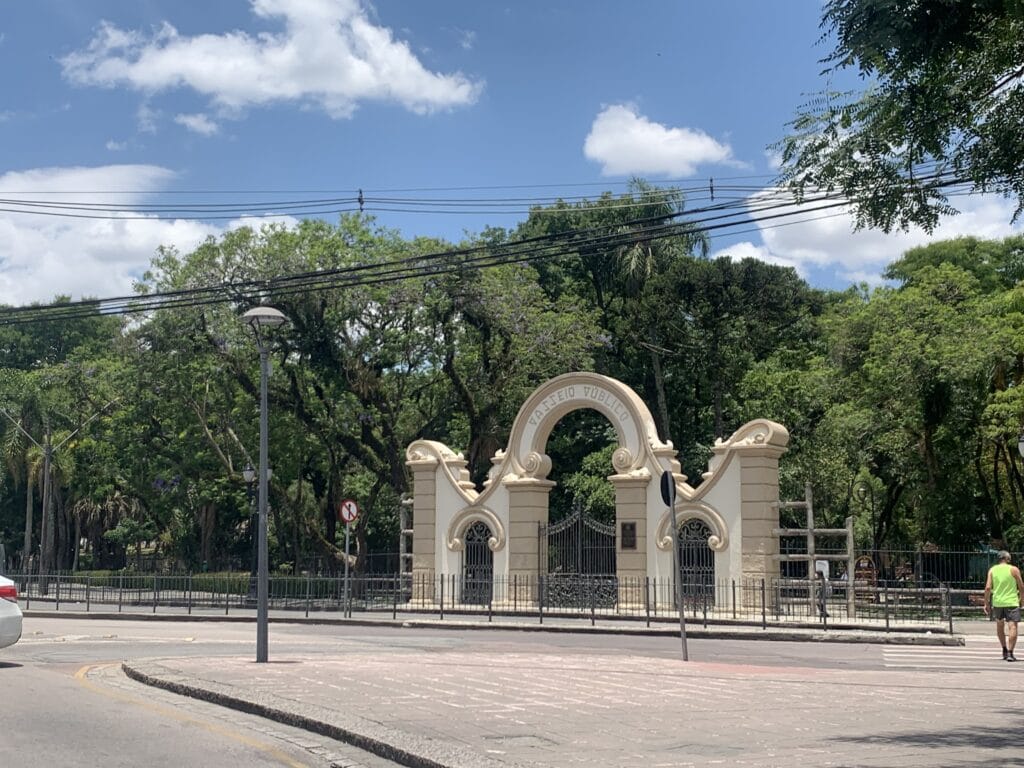 Passeio Público
Memorial Árabe
A landmark honoring Arab culture, functioning as a specialized library and café. The building echoes Moorish architectural style, with elements like its vault, columns, arches, and stained glass.
At just over 140 square meters, the Memorial is shaped like a cube, set over a reflecting pool. Inside, on a marble pedestal, stands a sculpture of writer Gibran Khalil Gibran, who also lends his name to the surrounding square.
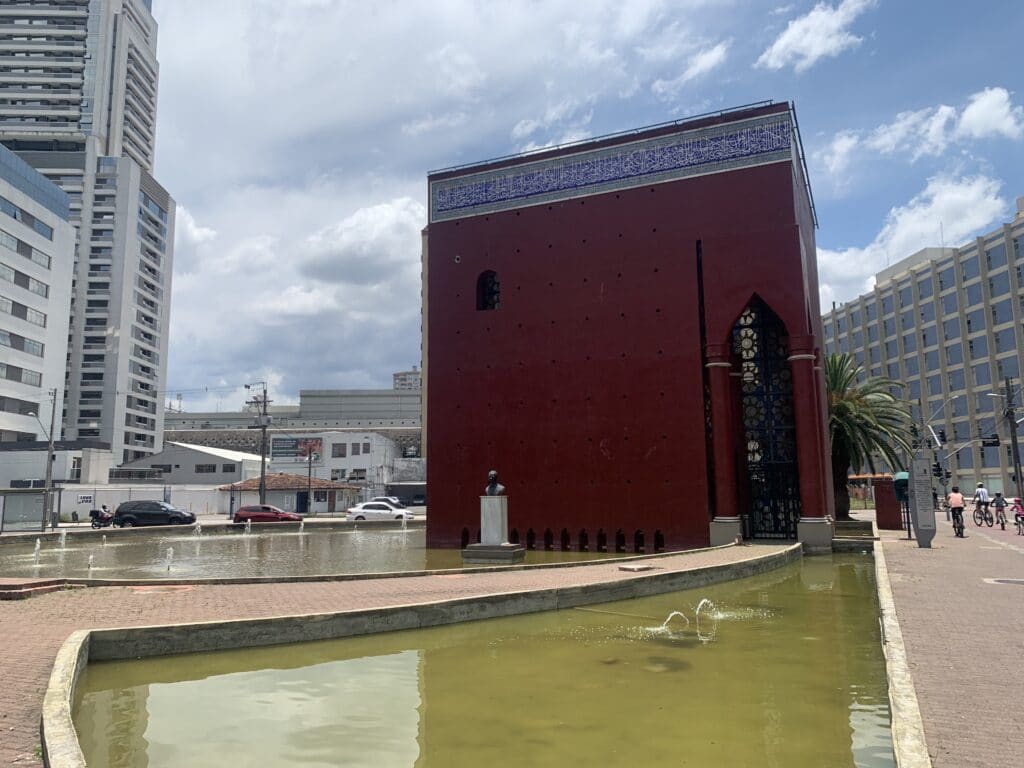 Memorial Árabe
Mercado Municipal de Curitiba
Founded in 1958, the Mercado Municipal de Curitiba is great for anyone who loves big markets, whether to shop or to eat. The space has a variety of stalls, with seasonings, cheeses, fruit, vegetables, meat, and every kind of great ingredient for a delicious meal.
There’s also a section with food stalls and restaurants, where you can try traditional Curitiba dishes like barreado, pão com bolinho, and carne de onça, along with per-kilo restaurants for a quick meal and Japanese food among the options too.
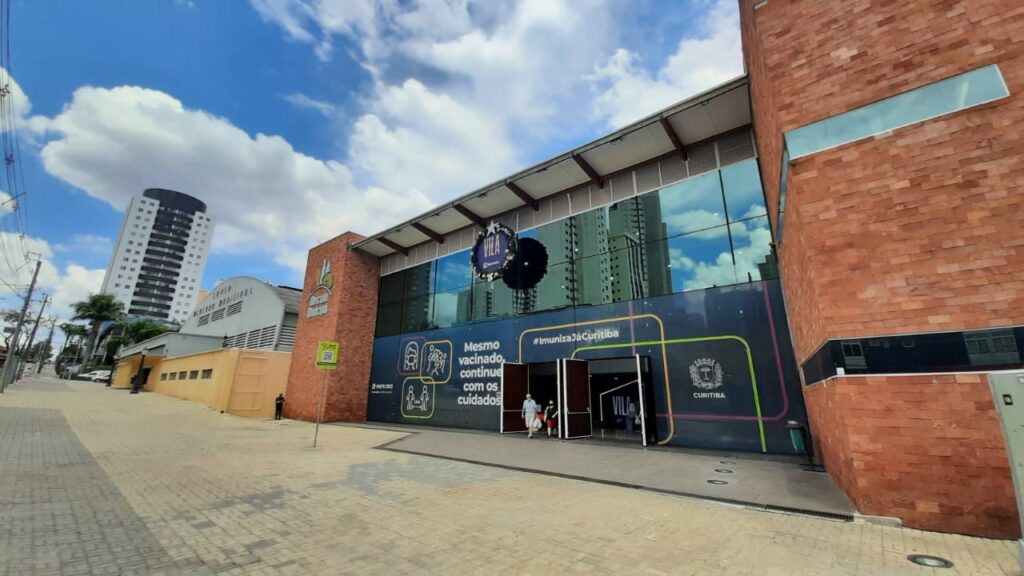 Mercado Municipal de Curitiba
Parks in Curitiba
The city turned its old flooding problem into a tourist attraction, building lakes and parks to manage rainwater, and today they beautify the city and draw in plenty of visitors. And the parks and woods are all free to enter!
Tip: bring repellent to every park, so you’re not devoured by mosquitoes, since there are plenty of bugs in the area.
Bosque Alemão
Filled with tributes to the Germanic peoples who are part of the city’s history, Bosque Alemão charms visitors not just with its nature, but with its buildings, like the façade of Casa Milla, a beautiful example of German architecture in the city.
Along the trail, plaques narrate the Brothers Grimm’s tale of Hansel and Gretel. Finally, a reading room, where kids can listen to stories, rounds out the visit.
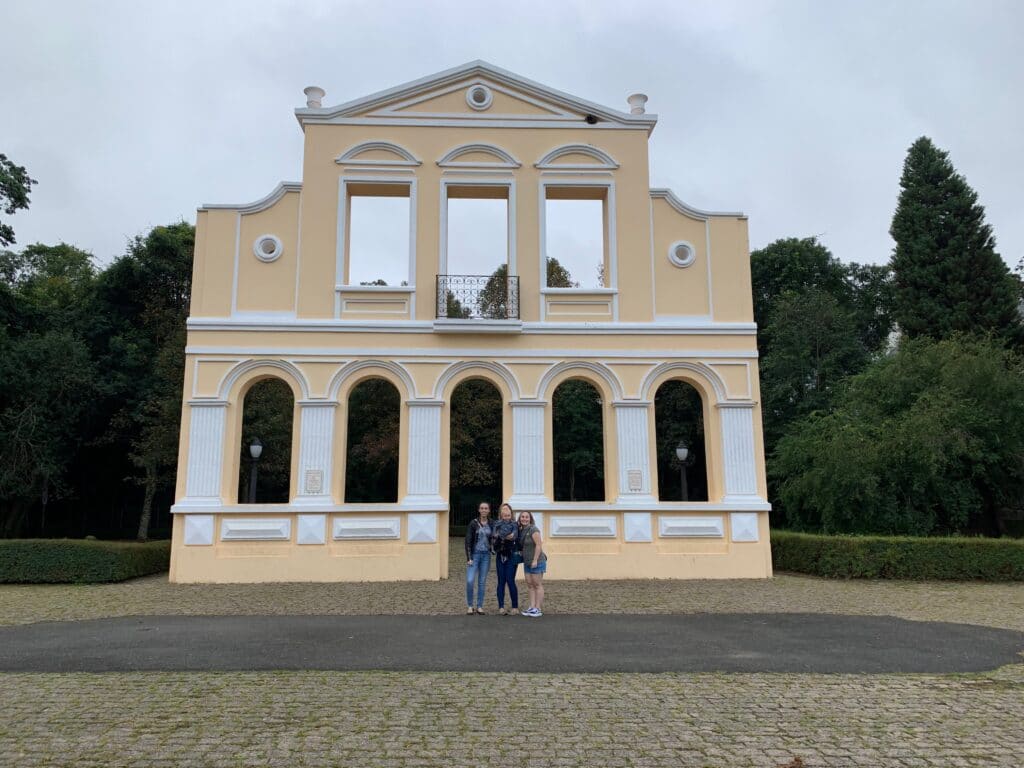 Bosque Alemão
Parque Tanguá
This park is beautiful at dusk. The semicircular building, with a suspended walkway, sits at the edge of an old quarry. There’s a strategic lookout point to enjoy the view. During the Christmas season, it fills up with lights and a carousel, making it beautiful to visit even at night.
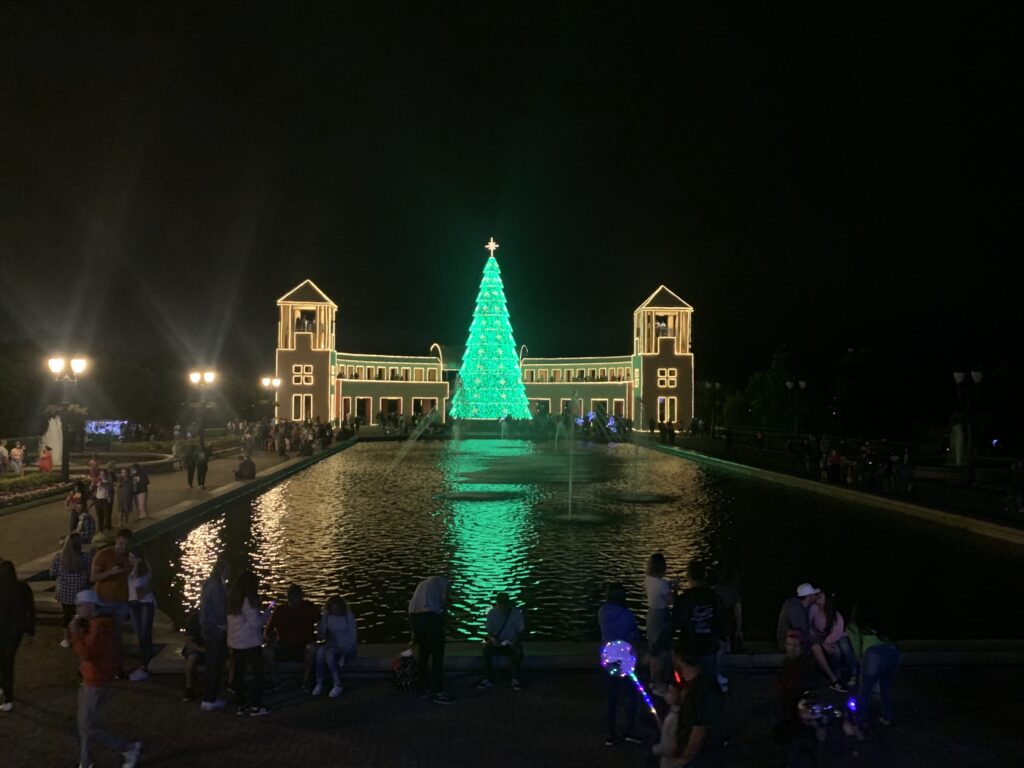 Parque Tanguá
Parque Tingui
Part of the country’s largest linear environmental park, situated along the Barigüi River, it honors the Indigenous people who once lived here through a statue of Cacique Tindiqüera. There are plenty of leisure options here, like a running track, a barbecue area, and a playground.
The park is also home to the Memorial Ucraniano, about 5 minutes away by car.
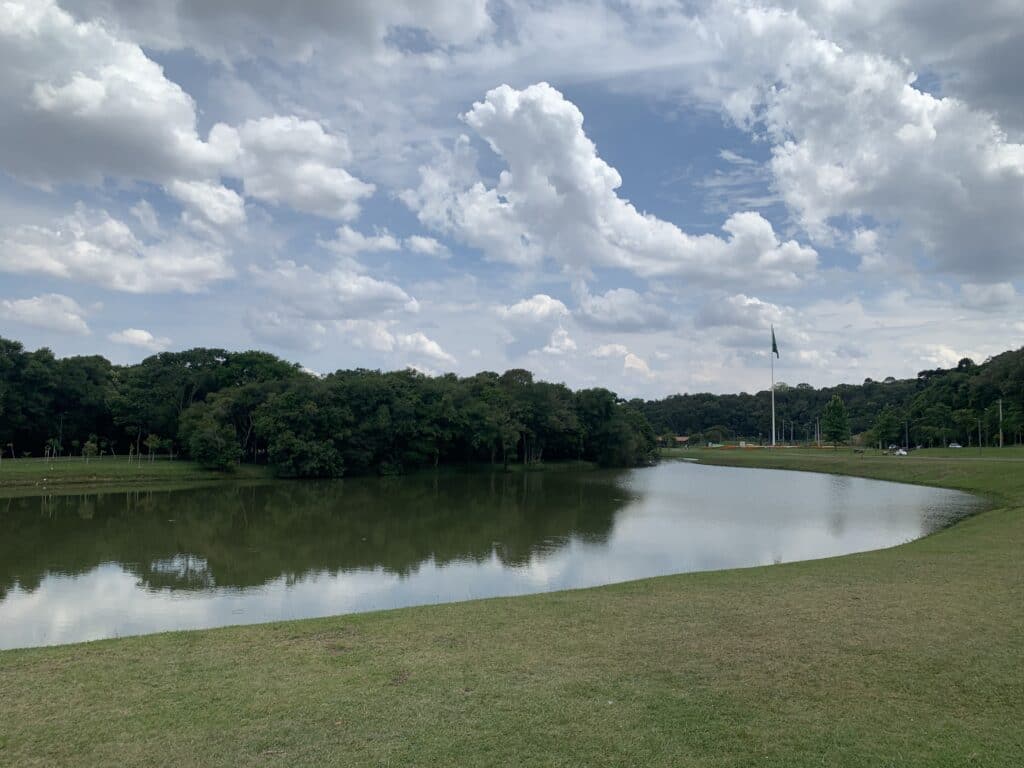 Parque Tingui
Parque Náutico
A park equipped not just for traditional sports, but also for non-polluting sailing training (rowing, sailing, and canoeing), including for adaptive athletes, on the lake formed there by the Iguaçu River.
With a 5 km walking track, an outdoor gym, a playground, and even the Praça do Circo.
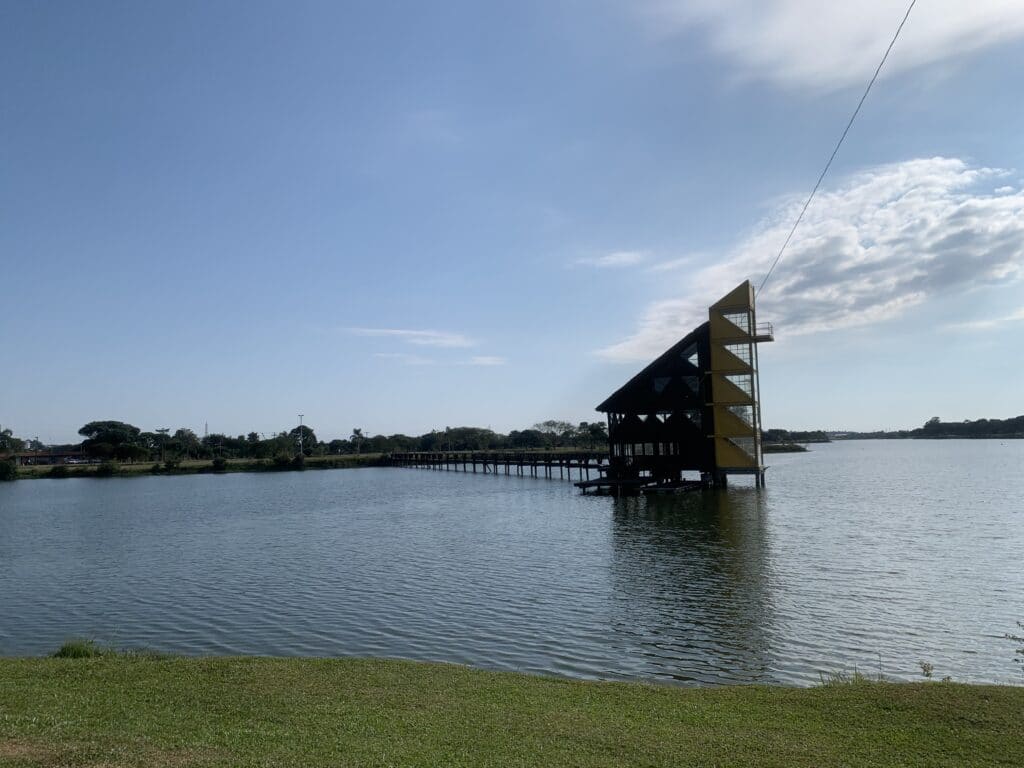 Parque Náutico
Bosque do Papa
Built after Pope John Paul II’s visit to Curitiba in 1980, Bosque do Papa also honors the Polish people, part of the immigrant community that helped shape Curitiba’s cultural identity.
The Memorial da Imigração Polonesa is housed here, echoing traditional Polish architecture and displaying historical artifacts, like machinery used during the first wave of Polish immigration, in 1871.
Outside the park is the restaurant Kawiarnia Krakowiak, serving Polish food and sweets, including the Pope John Paul II dessert, well known throughout Poland.
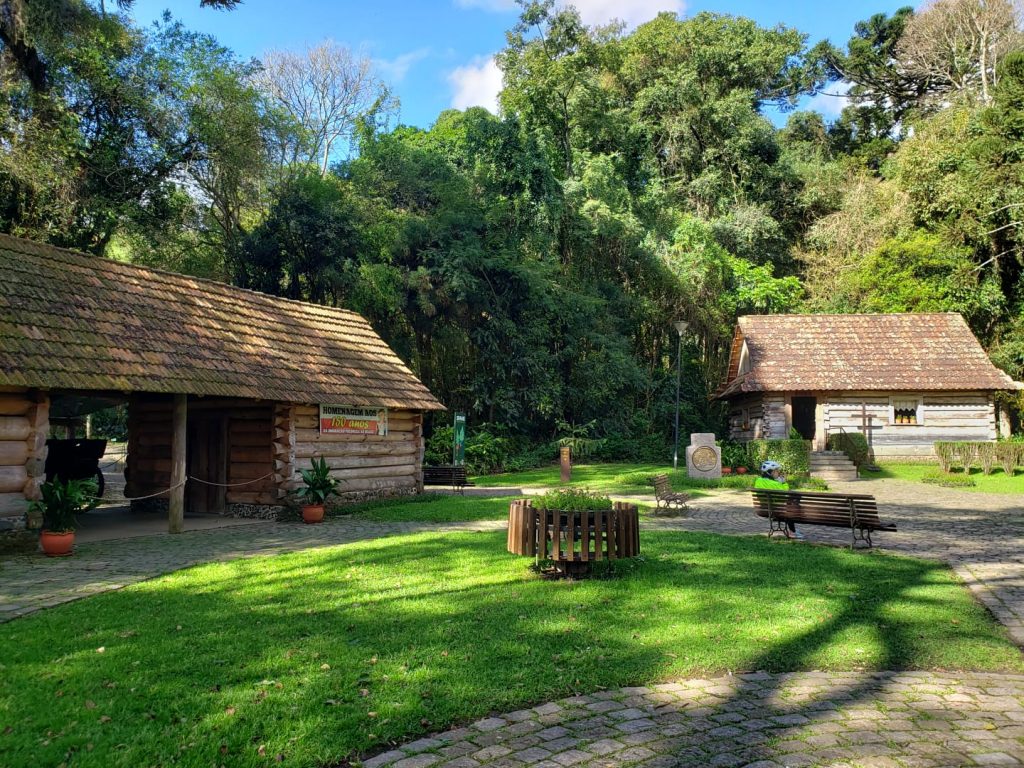 Bosque do Papa
Other Tips for Curitiba
As we mentioned, Curitiba has several parks, and here are a few more tips.
Parque Barigui
Take a walk along the lake or the Barigui River, and you’re bound to spot capybaras. A great park for biking on the bike path or going for a run, and one of the city’s largest. At dusk, snap a photo of the Curitiba skyline reflected in the lake.
Bosque Zaninelli
The site looks like a natural stone wall, but it’s actually the result of past mineral extraction. Today, though, it’s home to a beautiful green area and a building housing Unilivre — the Free University of the Environment. The space is geared toward academics.
Read more about towns near Curitiba in Colônia Witmarsum.
Read the original version in Portuguese on A Bela e o Bigode.