São Luís: Brazil's Only French-Founded City
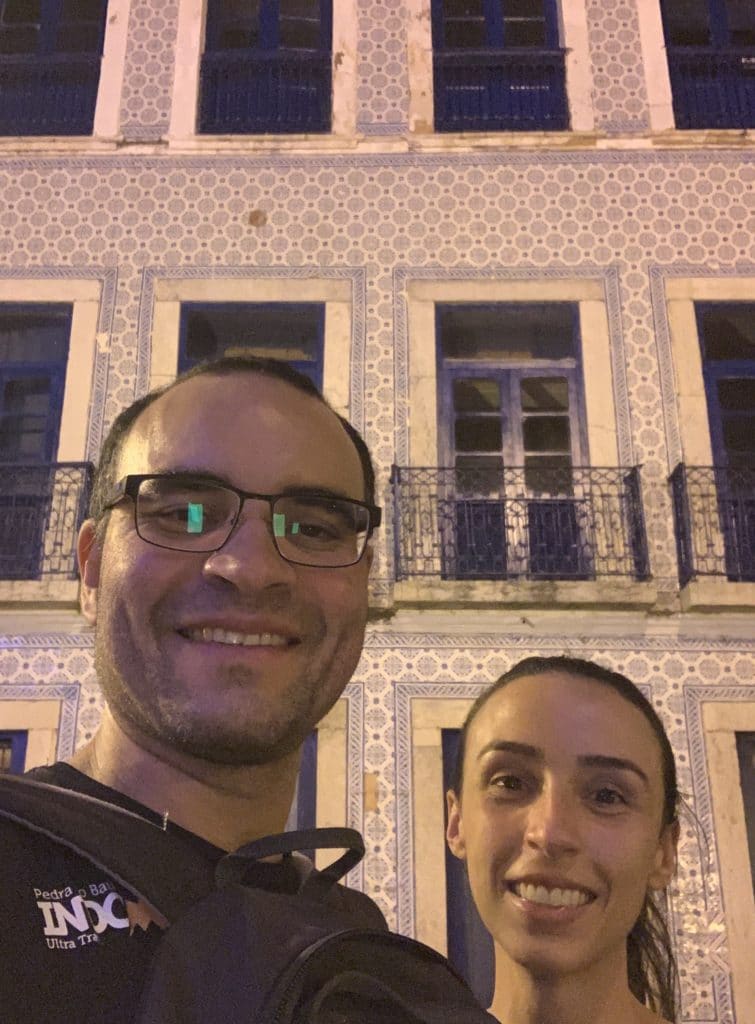
São Luís, located on an island of the same name, is the capital of Maranhão state — and it’s Brazil’s only city founded by the French, on September 8, 1614. It was later invaded by the Dutch, before finally being colonized by the Portuguese.
The city’s name was originally given by the French in honor of King Louis XIII of France, and later came to reference Louis IX, known as “Saint Louis, King of France” — a beloved king who died on a crusade and was later canonized by the Church.
Another interesting fact: São Luís has the largest collection of Portuguese tiles in Latin America, brought over from the motherland — a striking reminder of the city’s past.
Our experience in São Luís
As mentioned, we didn’t spend much time in the city, so we only managed a few quick outings. On top of that, the distance between the airport and downtown made getting around a bit harder.
We’d also planned to explore more of the city on our way back from the Lençóis Maranhenses, but repeated delays made that impossible.
We stayed in a neighborhood called Ponta do Farol, which is definitely an upscale part of the city — easy to tell from the number of high-end apartment buildings and hotels.
Right next to this neighborhood is Lagoa Jansen, which, according to residents and former residents, has a pretty bad smell, likely from algae buildup and sewage runoff.
What to do in São Luís
Downtown
The historic downtown was declared a UNESCO World Heritage Site in 1997.
We arrived at night, and several people warned us that downtown and certain areas aren’t safe to visit after dark. So I’ll cover the areas we visited that are considered safe, and note the rest as things to keep in mind.
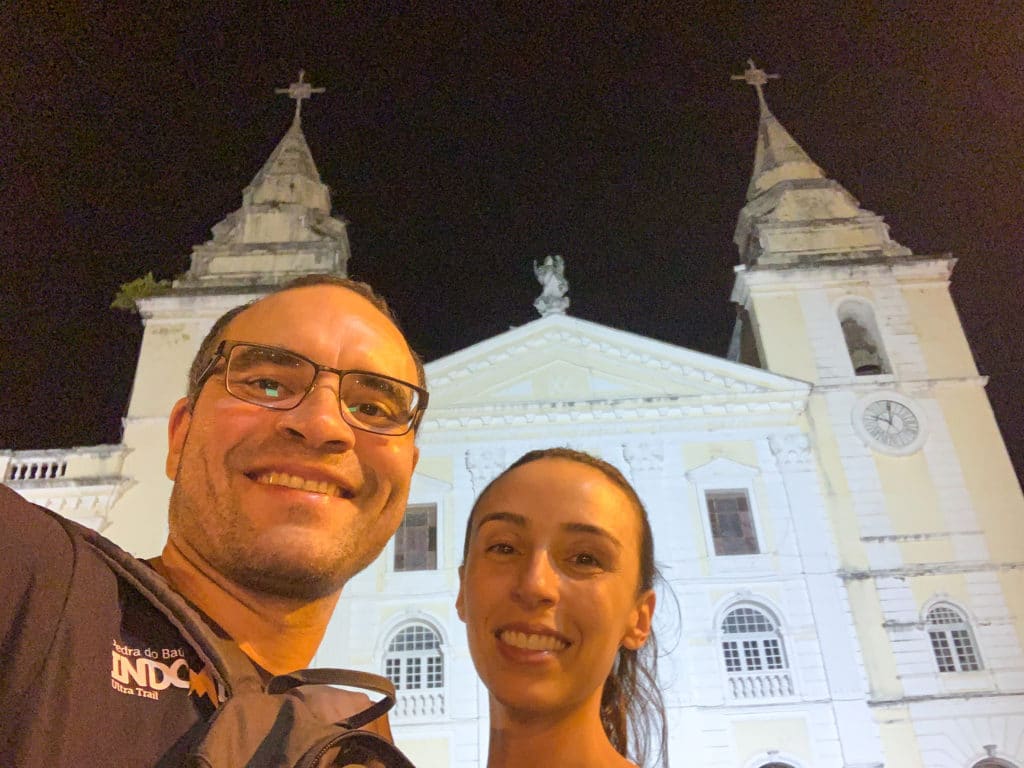
Igreja da Sé
- São Luís’s Catholic cathedral
- Also known as Catedral Nossa Senhora Vitória
- Located on Praça Dom Pedro II
- Opened in 1622
- Underwent renovations, partial collapse, and structural changes between 1701 and 1996
- Close to Palácio dos Leões
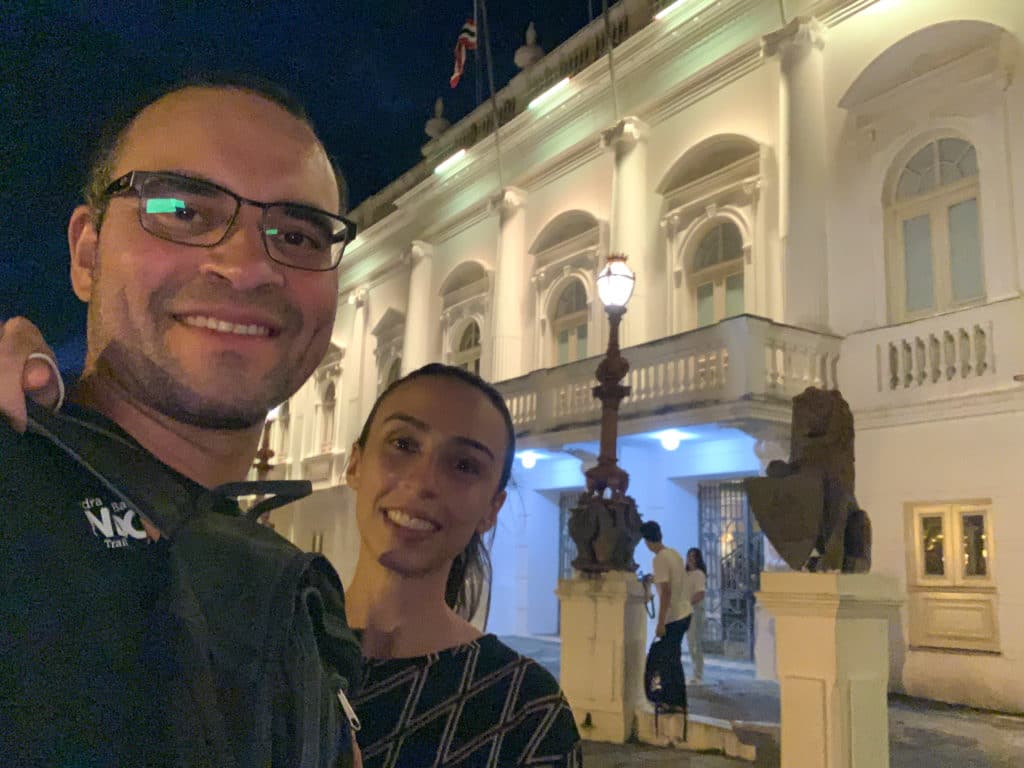
Palácio dos Leões
- Seat of the Maranhão state government
- Sits atop a high promontory in the historic center
- Also designated a UNESCO World Heritage Site, like several nearby landmarks
- One of the most iconic symbols of Maranhão culture
- First built in 1626 as a governor’s residence
- Restored in 2003, giving the building its current look
Praça dos Poetas
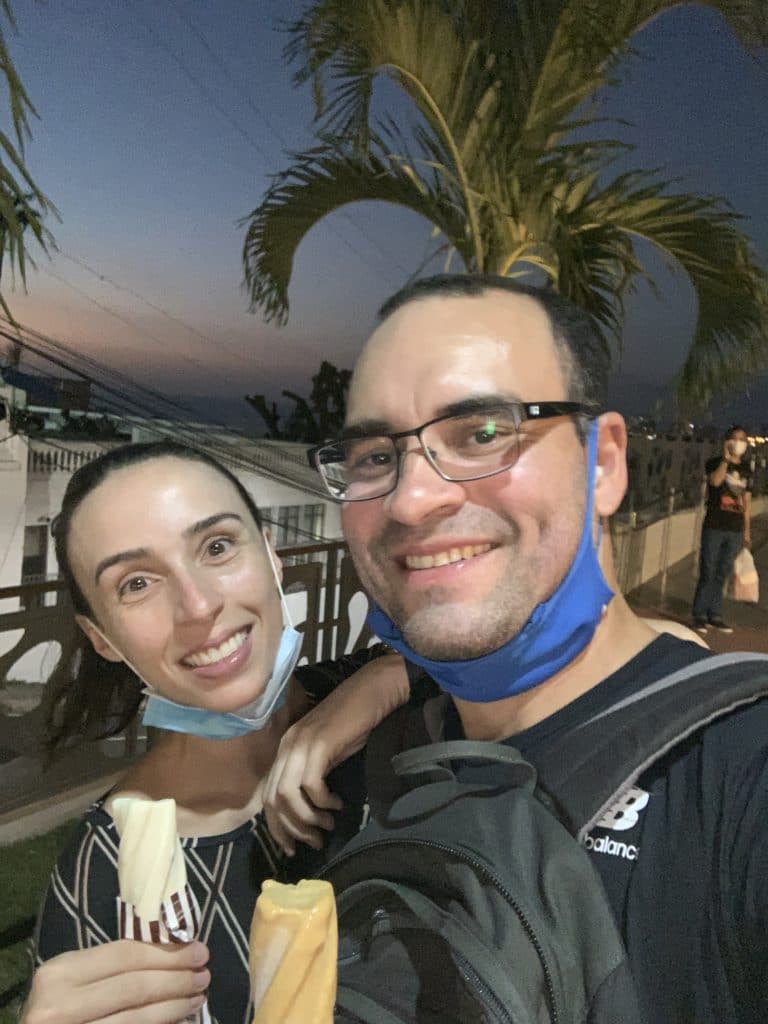
- Lookout point
- Close to Palácio dos Leões
- Honors 10 poets, with several busts displayed along the walls
- Has kiosks and restrooms
- Sells snacks made with local fruit flavors
Other tips for downtown São Luís
As mentioned, these spots aren’t safe to walk around at night, so we’d recommend visiting during the day.
Casa das Minas
- A center of Afro-Brazilian religious culture
- A “tambor de mina” temple
- Founded in the 19th century by an African woman named Maria Jesuína
- Follows a matriarchal tradition, where only women are possessed by the voduns while men play the musical instruments
- The comé, the sacred inner area of the house, holds the oãéji — a shrine or altar to the house’s voduns
Teatro Arthur Azevedo in São Luís
- Founded in 1815, through the efforts of two Portuguese merchants
- Built during the height of the cotton trade era, when the city needed more cultural life
- Officially opened in 1817
Convento das Mercês
- Built in 1654 by Father Antônio Vieira
- Originally constructed from wattle and daub with a thatched roof; rebuilt in stone and lime the following year
- Became home to the Brazilian Republican Memory Foundation in 2011, which now manages the museum on-site
Mercado das Tulhas
- A market specializing in Maranhão products
One more fun fact we heard repeatedly: São Luís’s port is said to be the deepest in Brazil, deeper even than the port of Santos.
Unfortunately, we didn’t get to see as much of the city as we’d hoped — if you have any tips of your own, let us know in the comments or send us a message.
If you’re curious about other Brazilian state capitals, check out our posts on Rio de Janeiro and Florianópolis.
Read the original version in Portuguese on A Bela e o Bigode.