Ilhéus: A Morning in Jorge Amado's Land
Ilhéus is a Brazilian municipality in the state of Bahia, located in Brazil’s Northeast. The city, home to the longest coastline of any municipality in the state, was founded in 1536 as “Vila de São Jorge dos Ilhéos,” and later became a city in 1881.
It’s known for setting the scene of Jorge Amado’s novels, the celebrated Bahian writer, including Gabriela, Cravo e Canela and Terras do Sem Fim. It’s considered the cacao capital, nicknamed by locals the “Princesinha do Sul” (Little Princess of the South), and its economy is built on agriculture, tourism, and industry.
Its small airport receives regular commercial flights, and we flew in on Gol for about R$250 per leg, per person.
The climate is very hot, but thanks to the time of year, some cloud cover, and the sea breeze, we didn’t feel too uncomfortable. That said, walking under the midday sun through the historic center wasn’t easy either.
What to do in Ilhéus
We spent a morning exploring the historic center, which is genuinely easy to walk, since the main sights are all close together.
Bataclan in Ilhéus
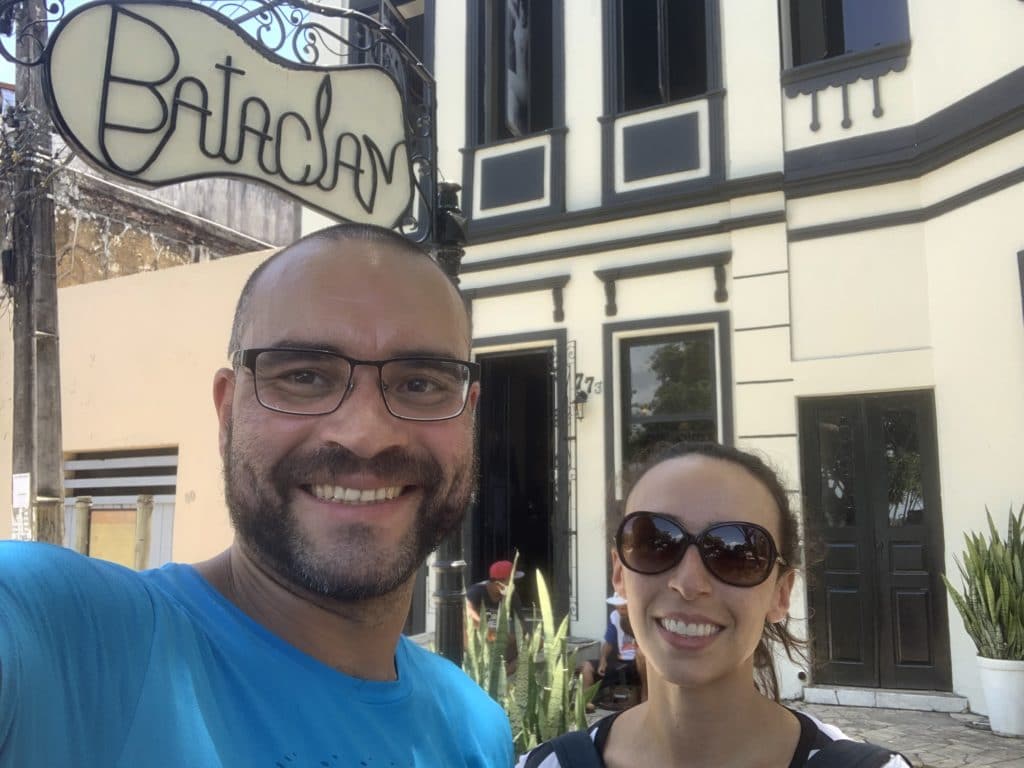
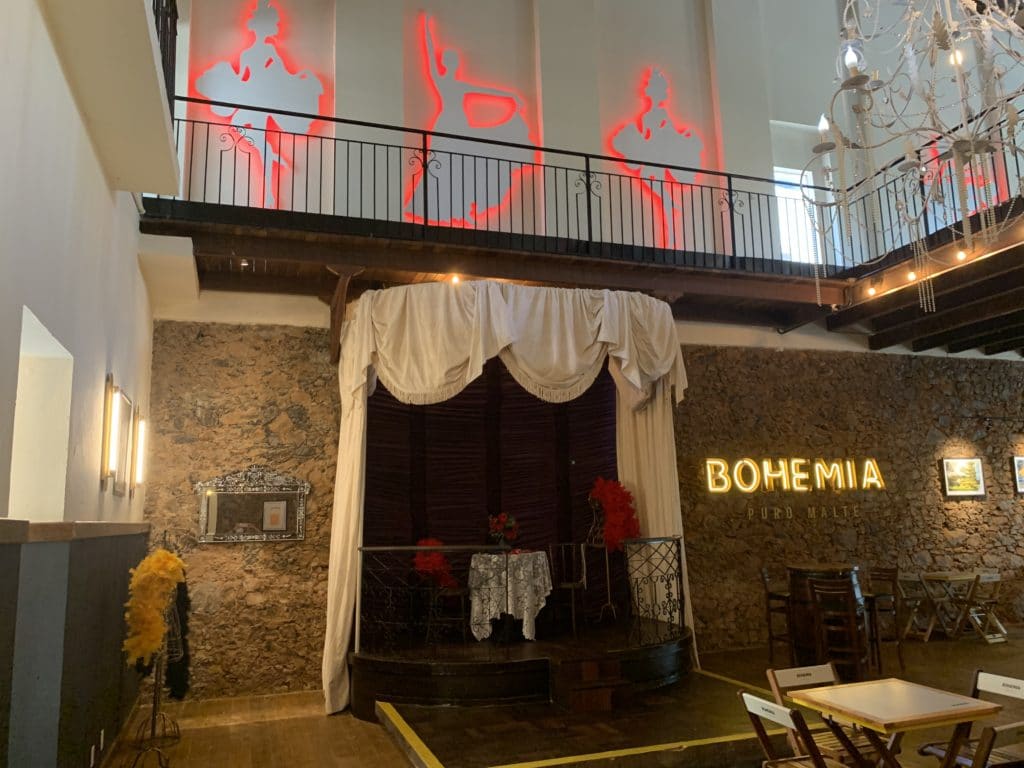
Bataclan sits in the city’s historic center, on Praça José Marcelino, off Avenida 2 de Julho. Opened in the 1920s as a brothel, cabaret, and casino, it was frequented and primarily funded by the region’s cacao barons. Its name today honors a theater in Paris of the same name.
Its heyday ran from 1926 to 1938, with two shows a night.
It closed in the 1950s, was renovated, and reopened soon after by a team from Rio de Janeiro as a nightclub called OK!. That venture didn’t achieve the success they’d hoped for, and the space was eventually converted into small apartments.
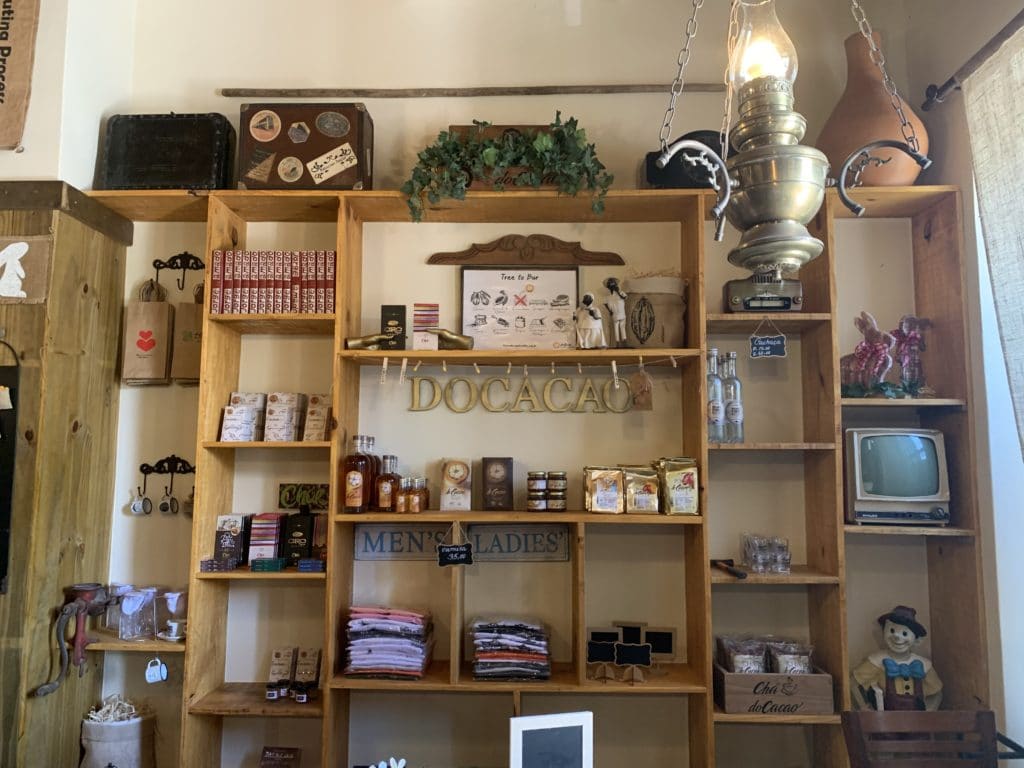
In 1987, on the recommendation of an Ilhéus heritage preservation commission, the building was restored using funding from PETROBRAS, drawing on Brazil’s Rouanet cultural incentive law — restoration work began in 2000 and wrapped up in 2004. Today, it operates as a bar and restaurant, with a cacao-product shop at the entrance.
The shop carries a range of products, and we found everything we tried delicious — not just the jams, liqueurs, and teas, but the sweets too, and a café is set to open soon.
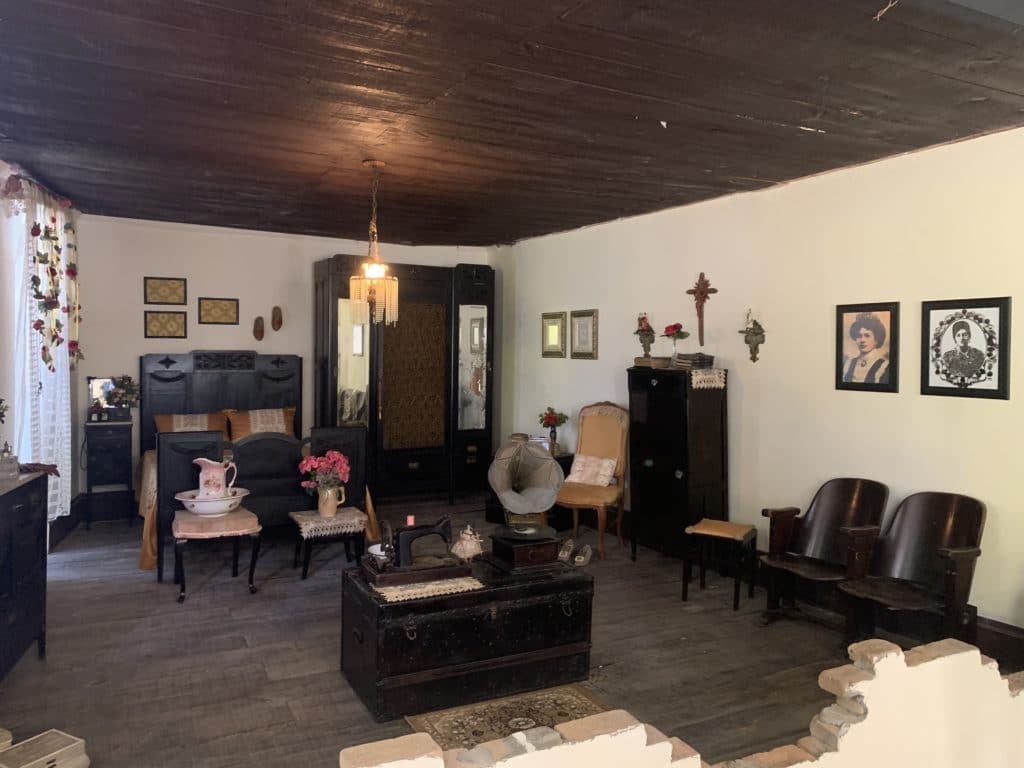
The building still has a restored room dedicated to Maria Machadão, the madam who once ran the establishment. It’s not the original room, since the cabaret burned down — the wives of the men who used to frequent the place had it torn down — but it’s been rebuilt with period furnishings and holds real photos of her.
Catedral de São Sebastião in Ilhéus
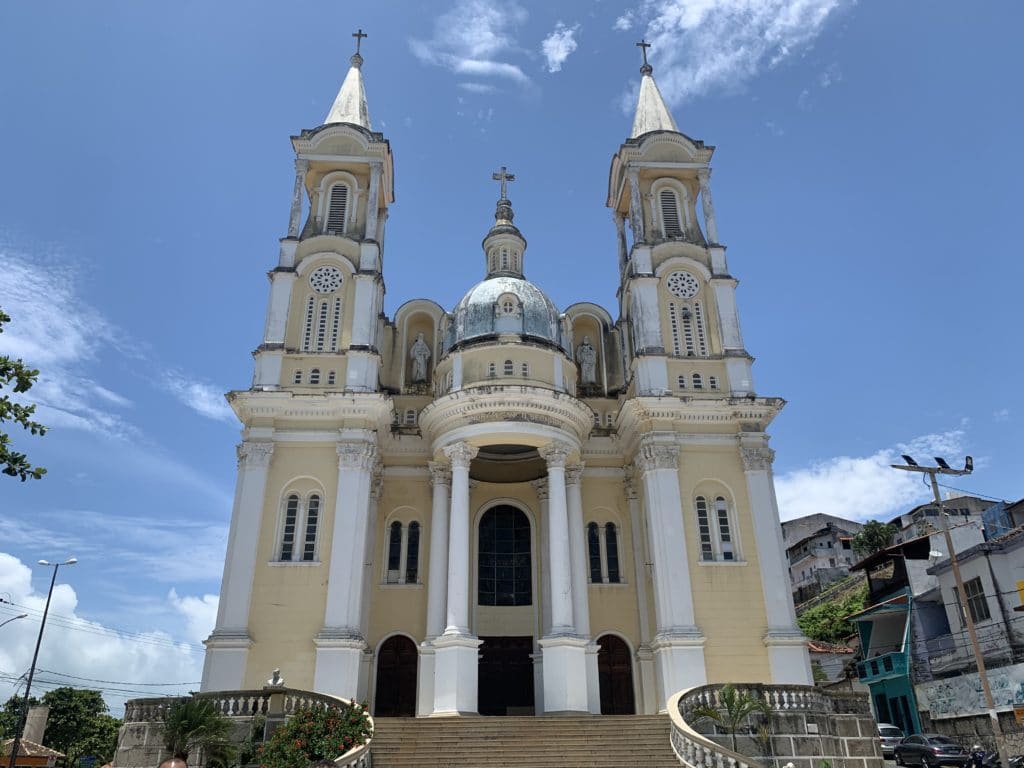
In 1927, the original São Sebastião chapel was demolished to make way for the cathedral, which was completed in 1967, its façade detailed in neoclassical style.
Facing the beach, it’s a stunning, imposing building, but unfortunately we weren’t able to go inside, since it’s currently closed because of the pandemic.
Teatro Municipal de Ilhéus
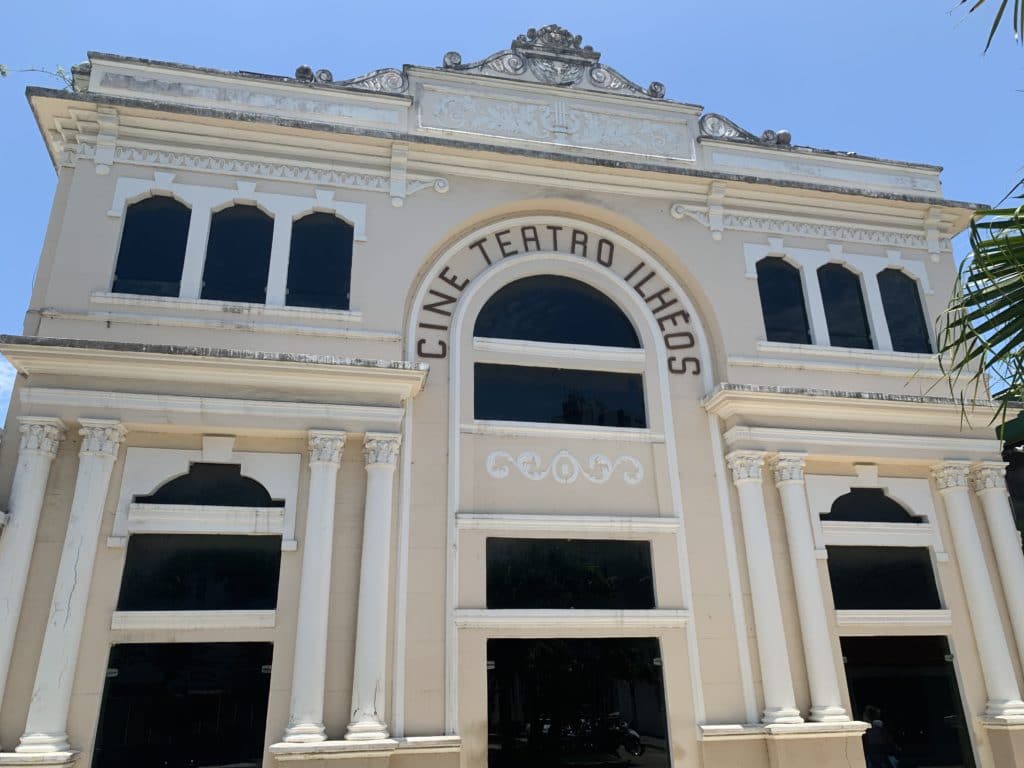
“Cine Teatro Ilhéus,” on Praça Luiz Vianna, opened in December 1932, with construction having begun back in 1930 under interim mayor Eusínio Lavigne. The project was overseen by Celso Valverde Martins.
Located near the Catedral de São Sebastião, it’s also currently closed because of the pandemic. A modest, understated building.
Casa da Cultura Jorge Amado
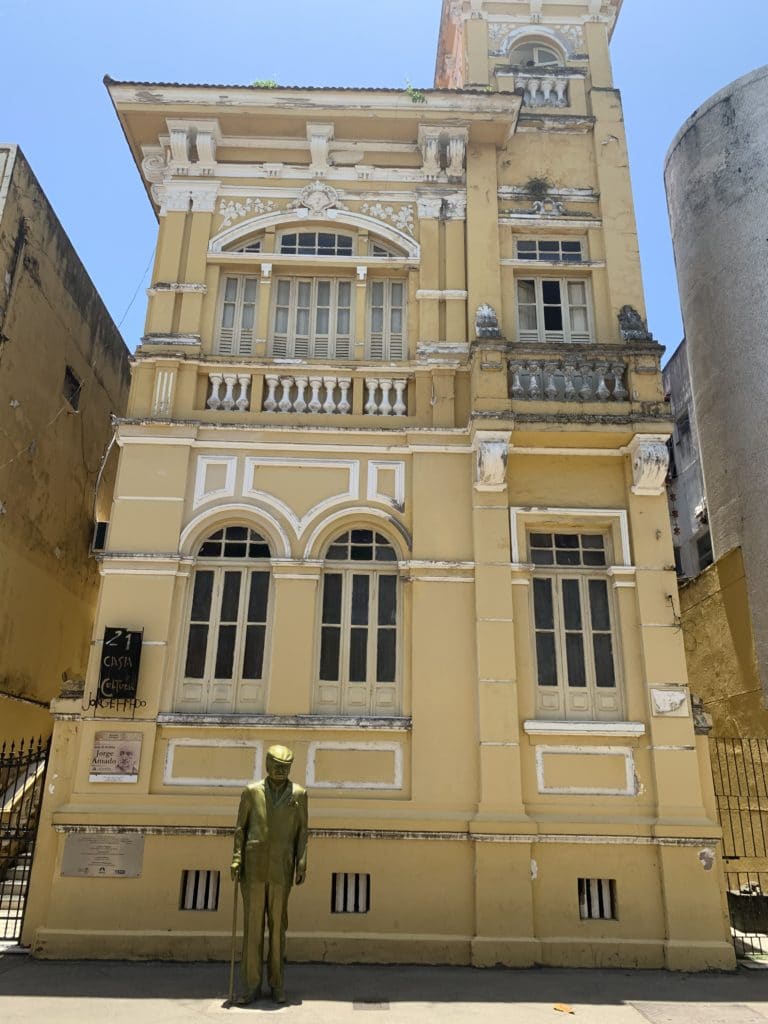
In short, the Casa de Cultura Jorge Amado, founded on June 27, 1997, is located on Rua Jorge Amado, in downtown. The mansion was restored, and today it holds an ongoing exhibit featuring not just his clothing and photos, but also details about his parents and childhood, along with videos about the writer.
The space gives visitors the chance to trace the experiences that shaped the writer’s life, from childhood through adulthood, since he himself explained that “this house was where Jorge Amado’s literary life began.” Because of that, it’s considered a deeply important piece of the city’s historic heritage to preserve.
On the same street as the theater, it’s in good restored condition, but equally closed, and it’s a place I would have genuinely loved to visit.
Ilhéus Hotel
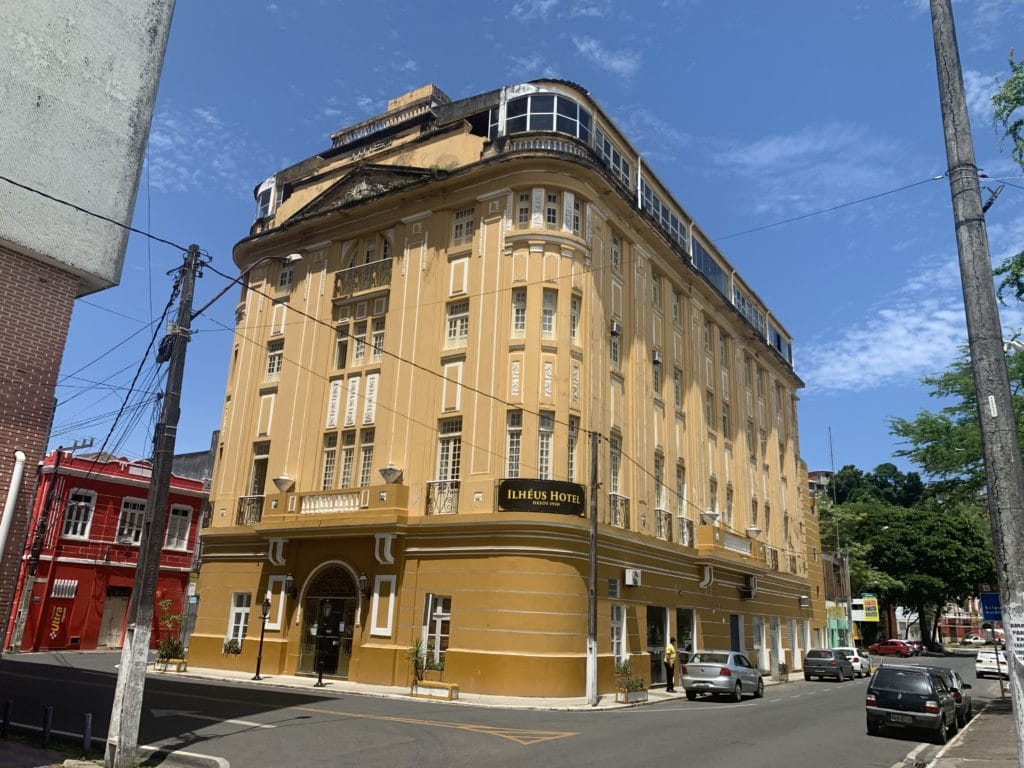
This building, built in 1930, came from the entrepreneurial vision and pioneering spirit of Coronel Misael Tavares. He was, without question, the largest individual cacao producer in the world in his time. He wanted to give the city of Ilhéus a high-end hotel, comparable to what you’d find in big cities.
Palácio Paranaguá
Built in 1907, on the site of the ruins of a former Jesuit college.
Its name honors the president of the province of Bahia during Brazil’s imperial era, the Marquis of Paranaguá, João Lustosa da Cunha Paranaguá. Today, it houses Ilhéus’s city government.
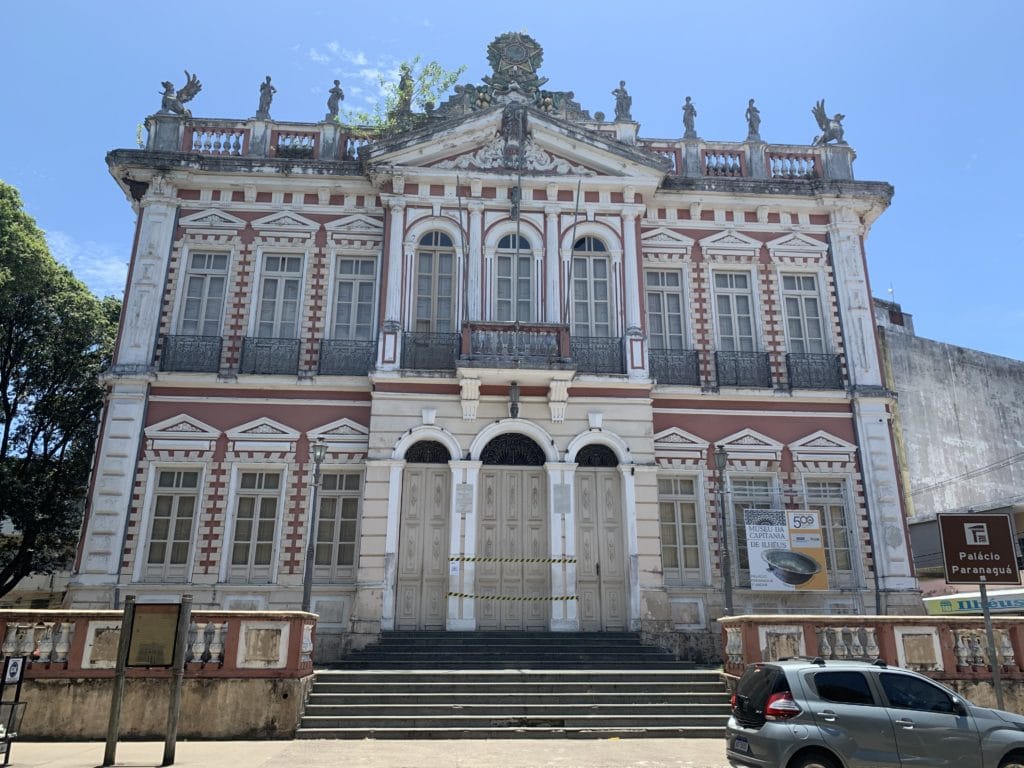
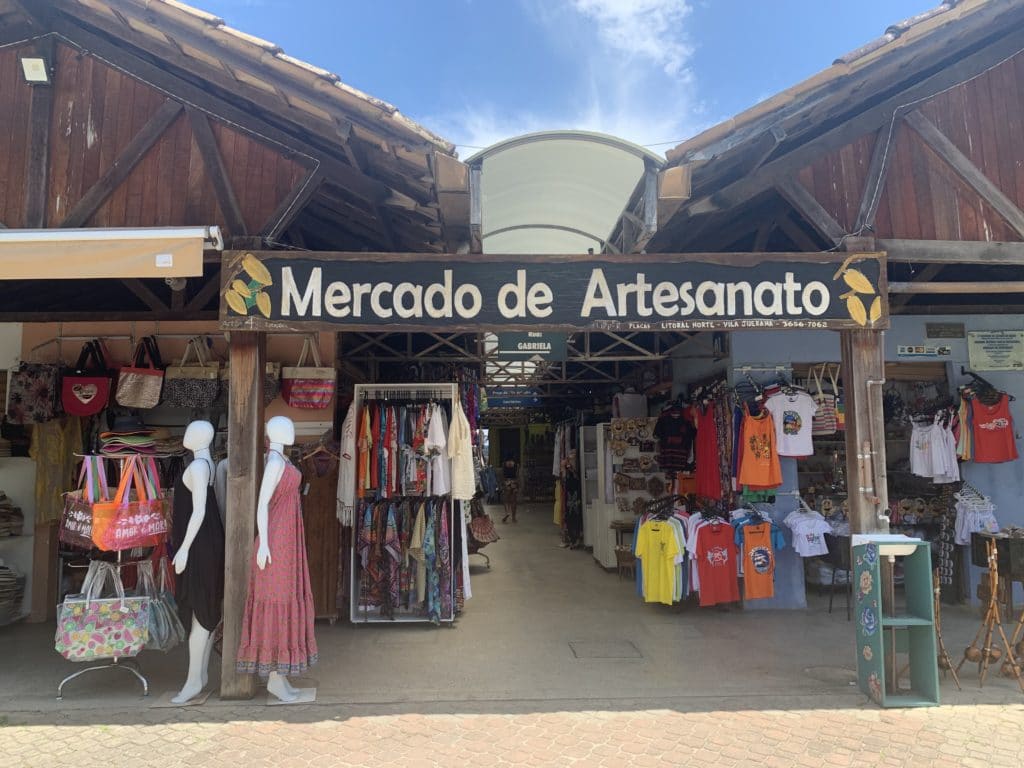
Mercado de Artesanato de Ilhéus
A small space you can walk through in 10 minutes, but a good spot to buy a souvenir from the region.
Just to give you an idea of prices, we paid R$3 for fridge magnets.
Where to eat in Ilhéus
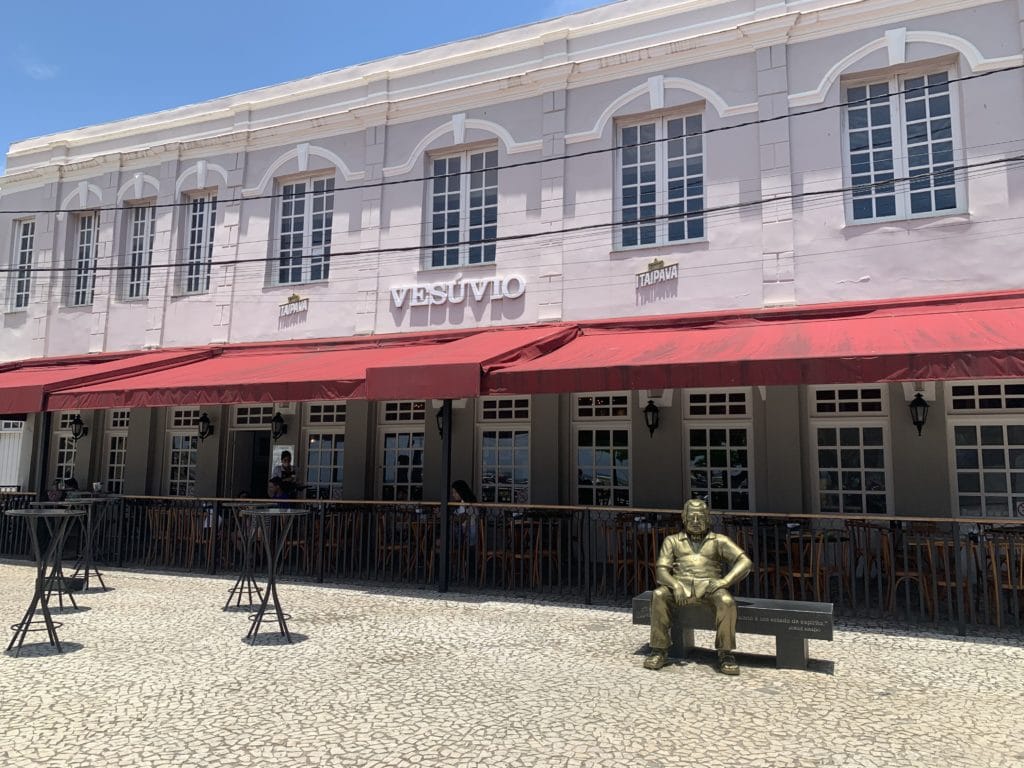
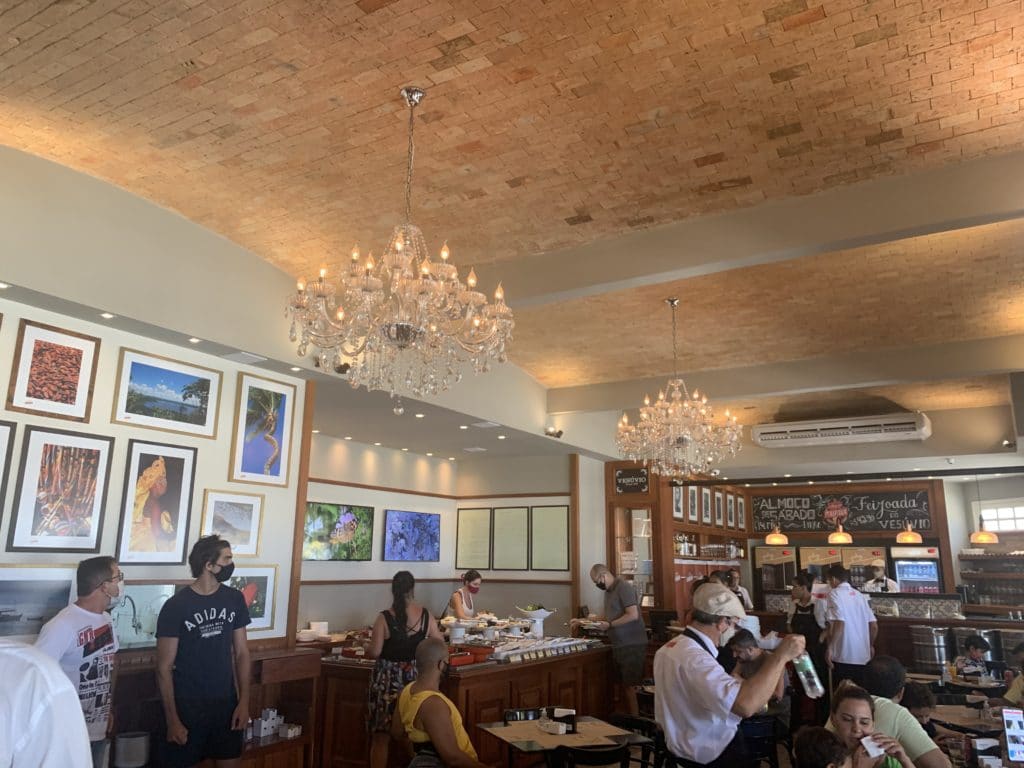
Bar Vesúvio
A Brazilian bar on Praça Dom Eduardo, in the historic center, opened by two Italians in 1915, making it one of the oldest businesses in the city.
It became especially well known thanks to Jorge Amado’s novel “Gabriela, Cravo e Canela,” in which the Arab character Nacib, the bar’s owner, falls in love with the protagonist, Gabriela.
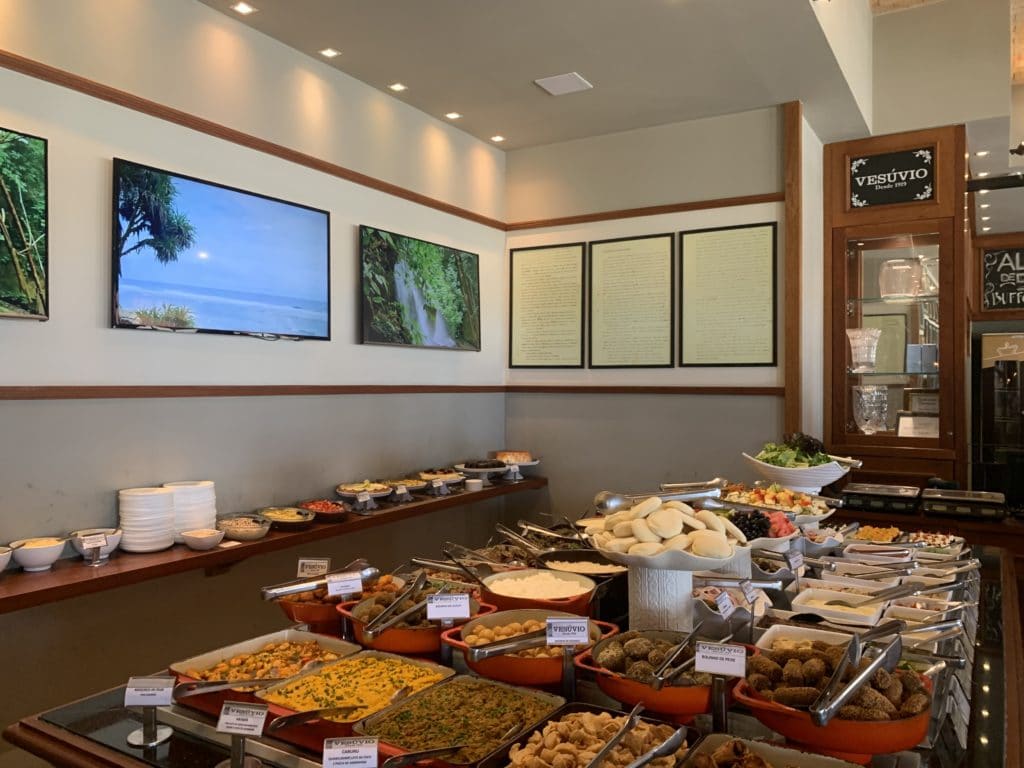
We had lunch here, and the food is delicious. We paid R$42 for an all-you-can-eat buffet, dessert included, served from noon until 4 PM. The staff were really attentive, and we loved everything we tried.
And since it was a Saturday, of course, Bigode made a point of ordering the feijoada. It was really good, but what really impressed Bela was the feijoada fritter.
Sorveteria Ponto Chic
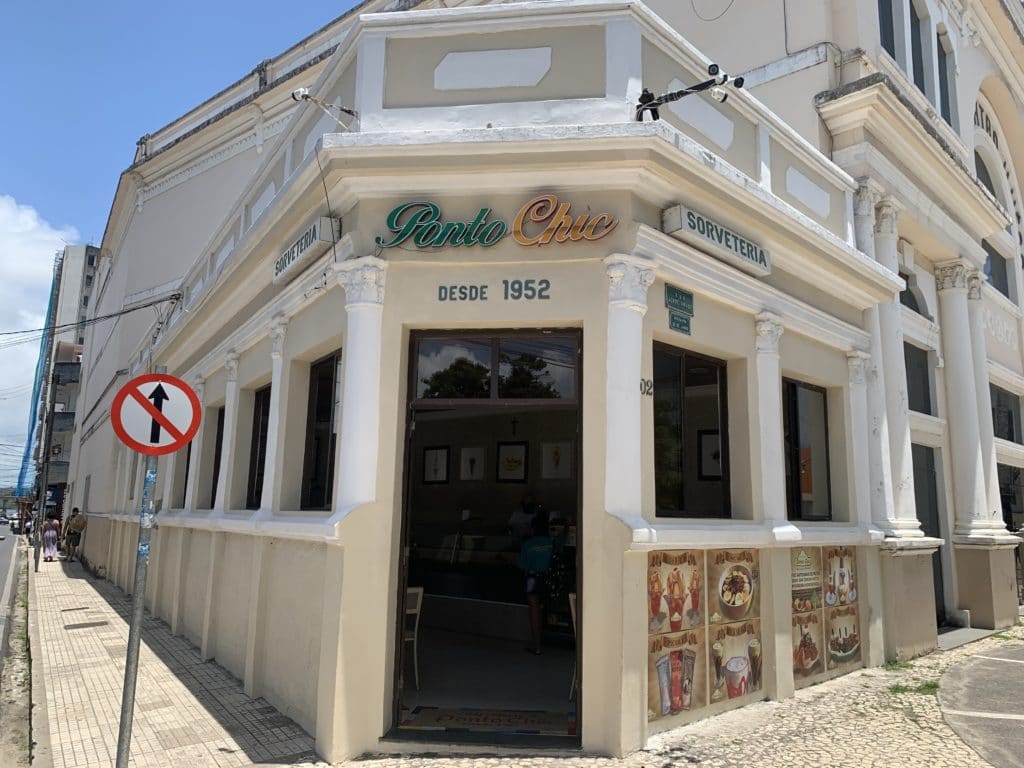
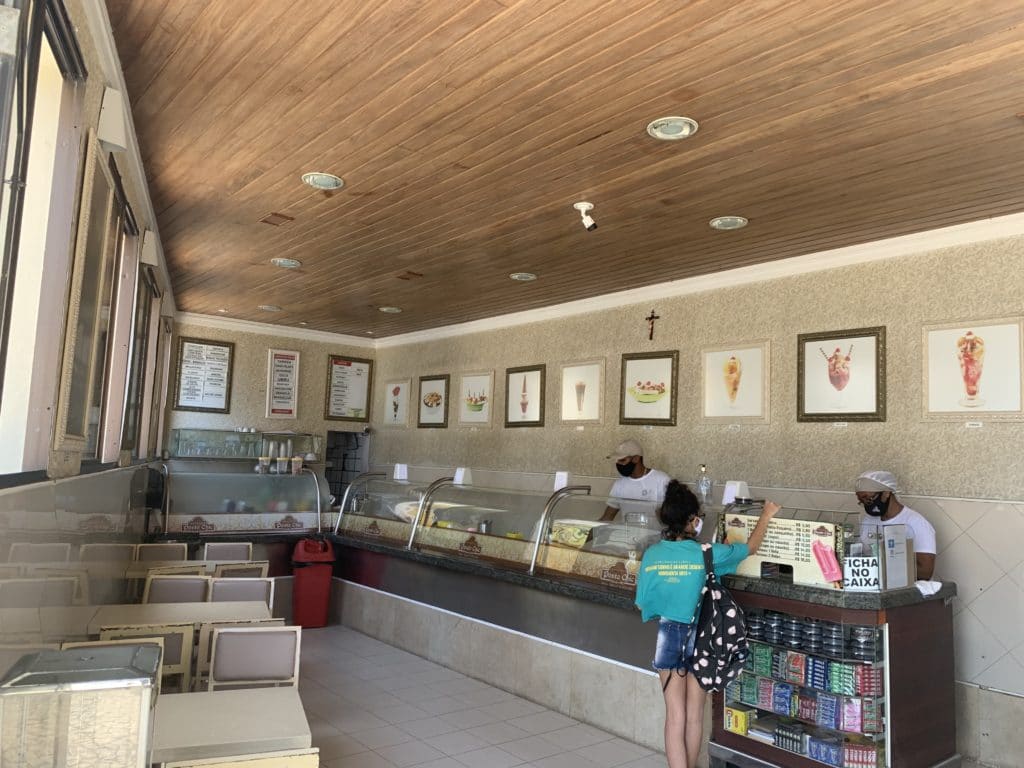
We walked right past it but weren’t able to try the ice cream, since dessert was already included with our lunch — but the shop itself is beautiful!
Learn more about our trip in Maraú.
Read the original version in Portuguese on A Bela e o Bigode.