Cacao Farms in Ilhéus
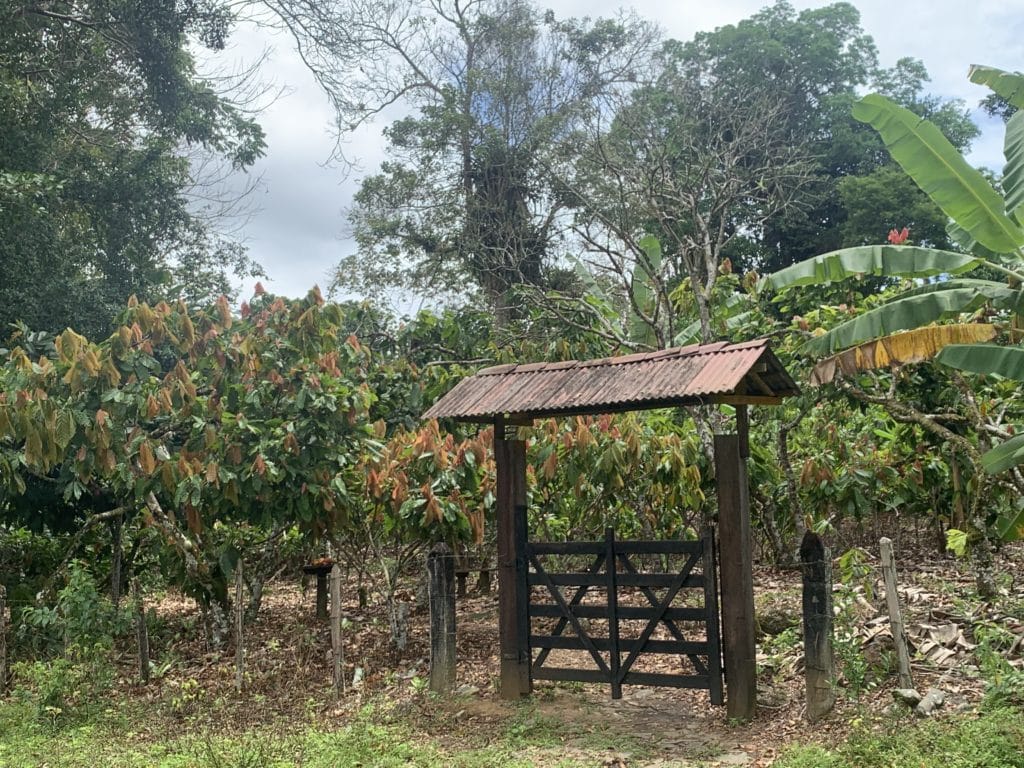
When we planned our trip to Bahia, I really wanted to visit the cacao farms of Ilhéus, a genuine piece of Brazilian history — so I jumped at the chance when I found a great deal on flights. We only managed to visit one farm ourselves, but I’ll share some of what I researched along the way.
The First Cacao Farms in Ilhéus
To start, it all began when a French colonist living in Pará, Luiz Frederico Warneau, sent seeds of the “Forastero” variety (from the Amelonado group) to a Bahian farmer, Antônio Dias Ribeiro. He planted them in Canavieiras, Bahia, in 1752.
The Decline of Ilhéus’s Cacao Farms
But the success of Bahia’s cacao industry is now a thing of the past, along with the extravagance of the wealthy, notorious “coronéis” (cacao barons) that Jorge Amado immortalized in books like Terras do Sem Fim and Gabriela, Cravo e Canela.
Brazil once held the world’s second-largest cacao production, behind only Ivory Coast, but today the country ranks sixth. It wasn’t until 2015, after more than 20 years shut out of the global market, that Bahia resumed exporting the product.
Starting in the late ’80s, international prices collapsed due to oversupply from other countries, especially in Africa.
Nature didn’t help either — both low rainfall and excessive sun took a toll. On top of that, a fungus that arrived from the Amazon, Moniliophthora perniciosa, known as “witch’s broom,” somehow spread through the region and rotted the pods.
The result couldn’t have been more disastrous. Harvests plummeted, profitability collapsed, farmers sank into debt, and hundreds of thousands of workers lost their jobs.
The History of Chocolate
The earliest evidence of chocolate dates back to 1500 BC, from the Olmec civilization that inhabited Mexico, and later the Maya. Cacao was cultivated, and its seeds were used to make a drink considered sacred — in contrast to today’s chocolate, it was bitter, seasoned with vanilla and chili pepper.
Its Introduction to Europe
After Spanish rule took hold over the Maya, cacao was introduced across Europe. At first, only women, nobles, and priests were allowed to consume this new discovery, which was also served during Catholic Church rituals.
As the plant grew more popular, several new recipes emerged, but it was the Swiss who came up with the idea of mixing cacao with milk, giving rise to chocolate as we know it.
Fazenda Provisão
Located at Km 27 of the Ilhéus–Uruçuca highway, on the banks of the Almada River, anyone looking to experience a working cacao farm can visit here.
In 1818, ownership was taken over an area of land along the Almada River, named Sesmaria do Engenho do Castelo Novo, by a Swiss settler, Senhor Henri Borel.
In 1885, Coronel Domingos Adami de Sá, through an inheritance settlement that included productive cacao land, named the property Fazenda Provisão. He became its first owner, and today, the fourth generation of his descendants still runs the farm.
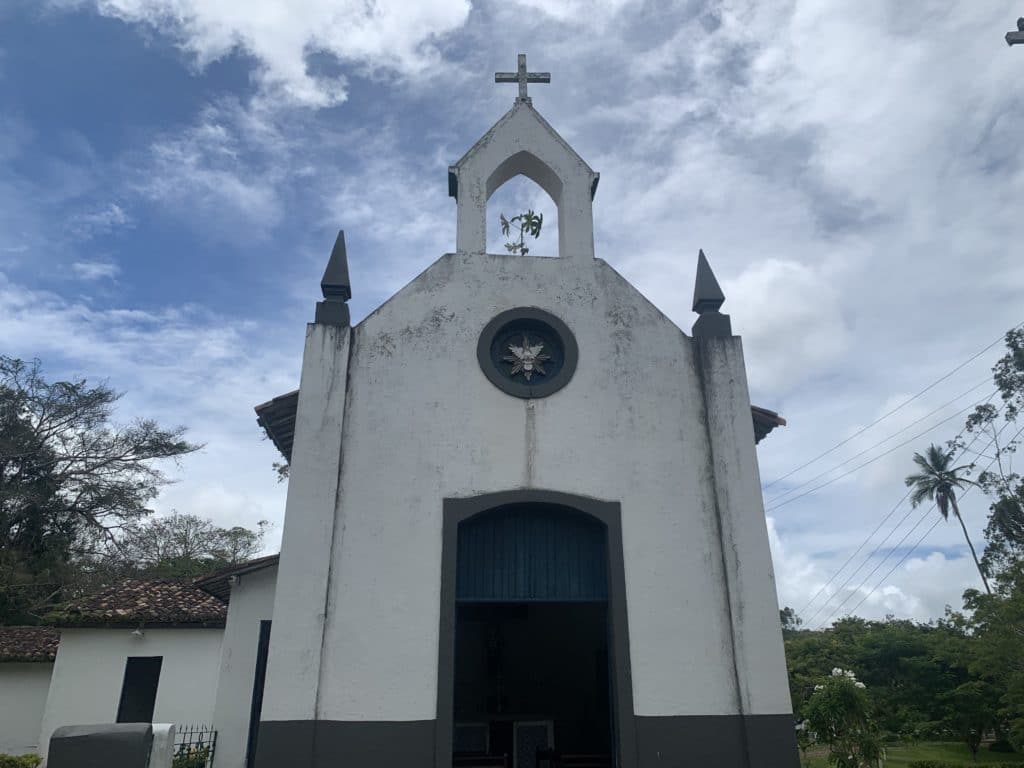
The farm has an architectural complex that includes a chapel built in the 20th century. It also holds sacred art pieces dating back to Coronel Domingos Adami de Sá’s time, along with the baptismal records for both him and his wife, performed in that same chapel.
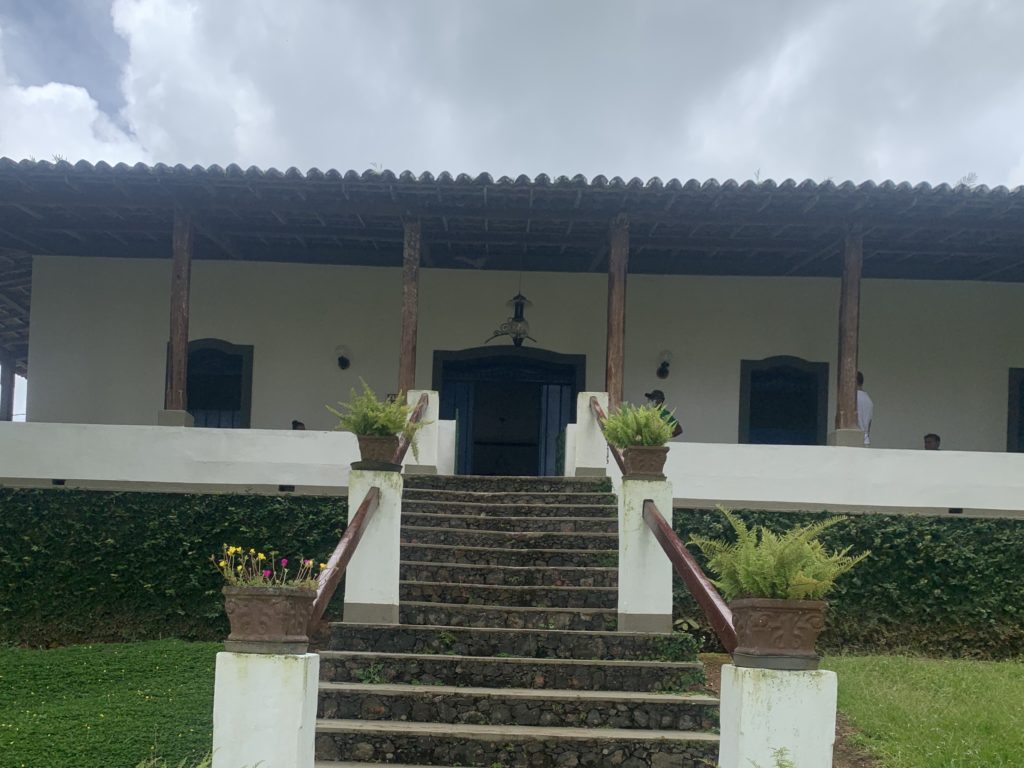
The main house, in colonial style dating to the 1970s, is decorated inside with furniture and household items from the Coronel’s era. Its rooms include a living room, a bathroom, and two bedrooms, and the house was even used as a filming location for a Globo telenovela. Anyone remember the novela Renascer?!
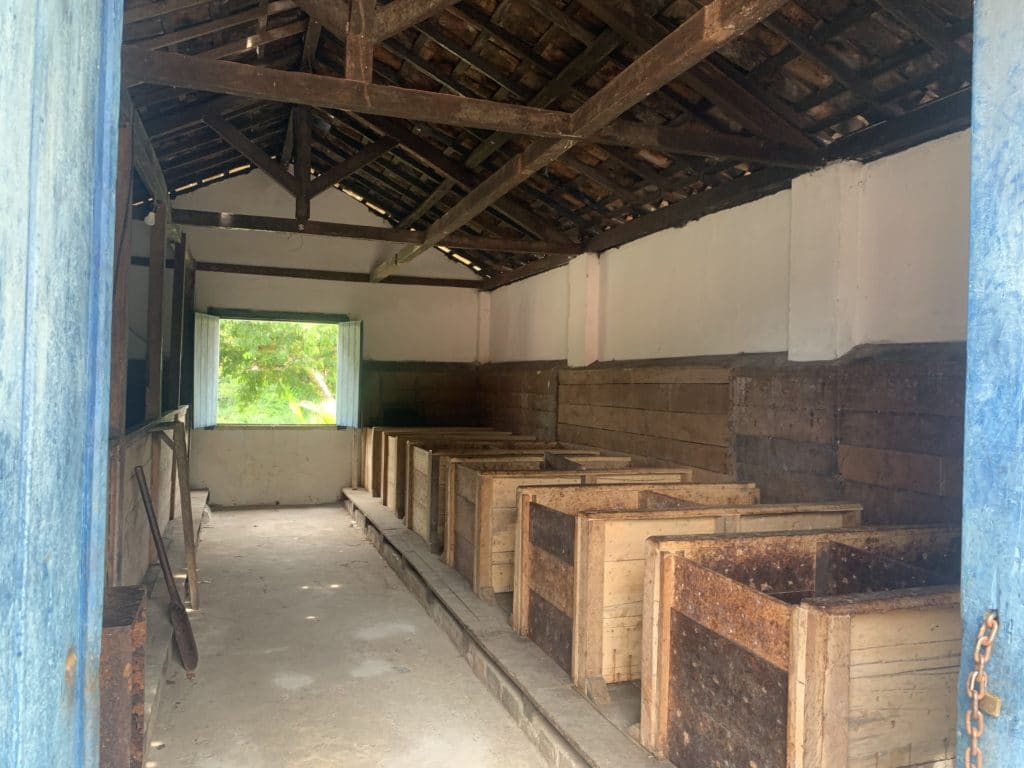
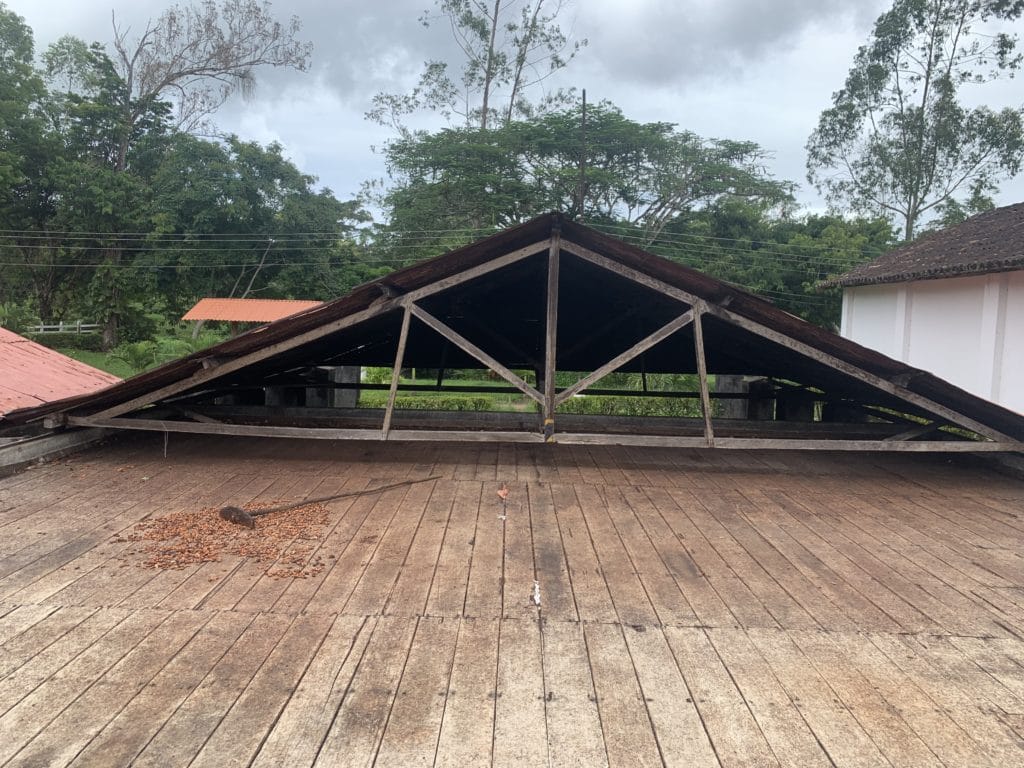
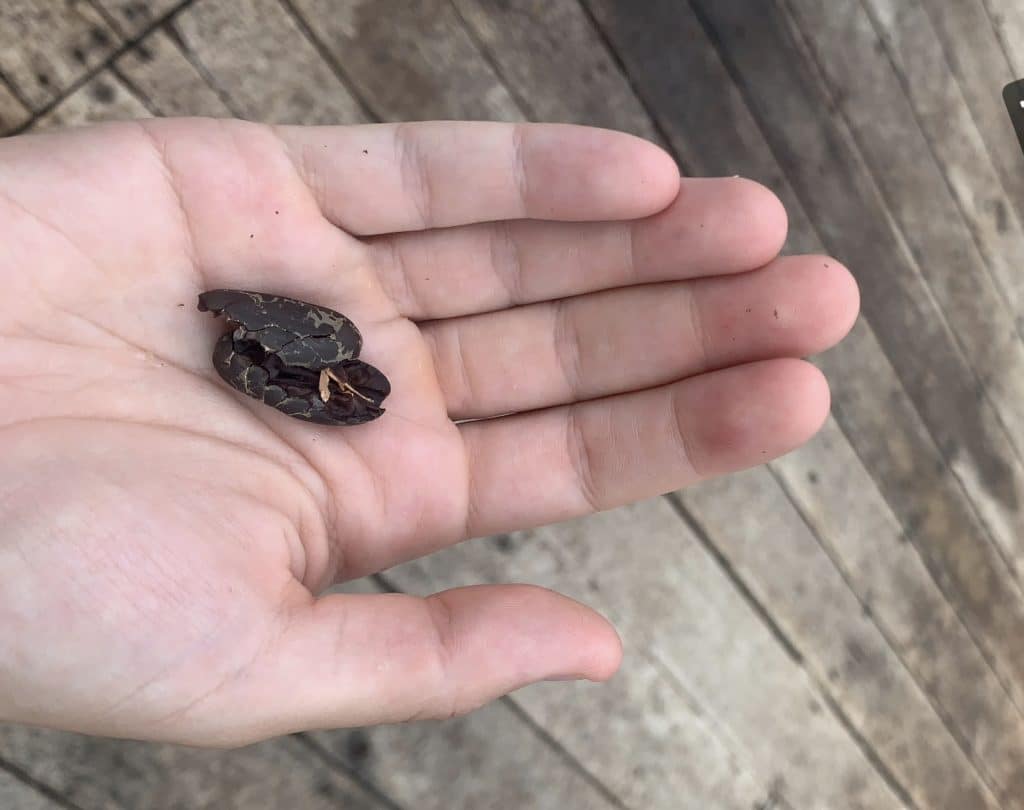
There are also facilities tied to cacao processing itself, starting with the plantation — the farm still has cacao trees affected by witch’s broom, which is genuinely interesting to see — along with the area where they dry the beans through to the final stage of processing.
Read more about our trip in Itacaré.
Read the original version in Portuguese on A Bela e o Bigode.